Attractions and Places To See in Sierra Subbetica - Top 20
Best attractions and places to see in Sierra Subbetica include a UNESCO Global Geopark in Andalusia, Spain, characterized by its rugged, limestone-dominated karst landscapes. The region features charming white villages and a deep-rooted olive oil tradition. It offers a blend of natural beauty, historical landmarks, and cultural experiences for visitors to explore.
Best attractions and places to see in Sierra Subbetica
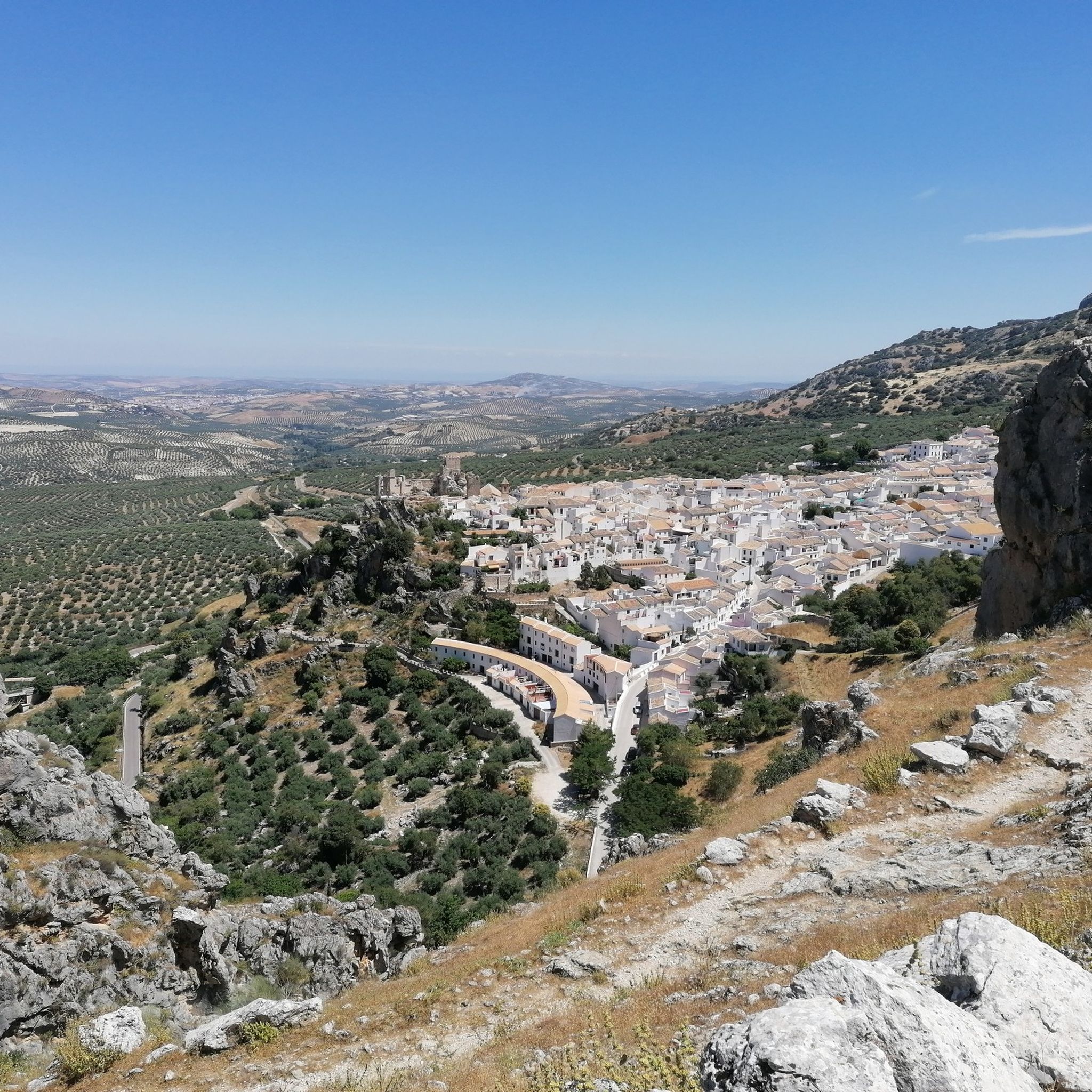
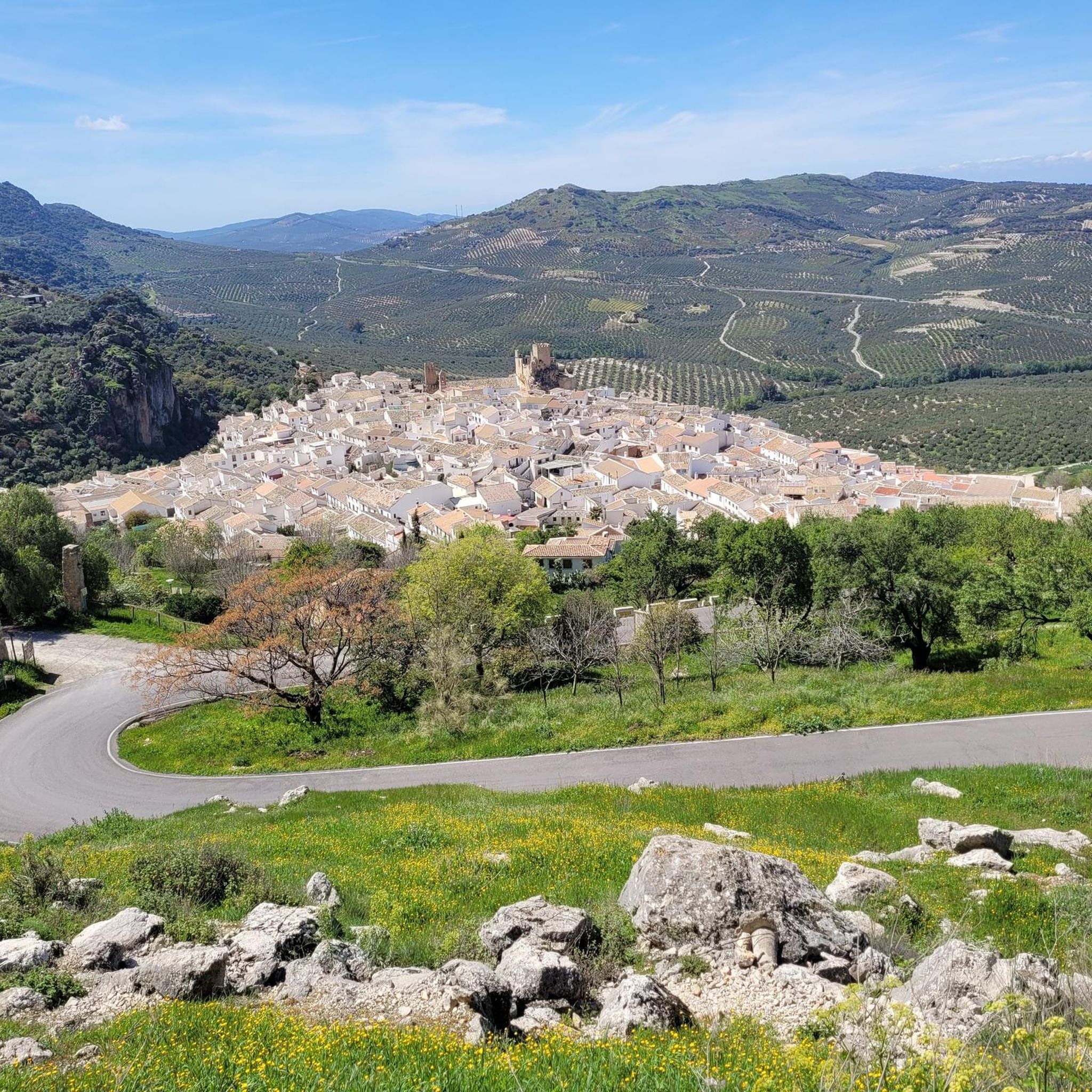
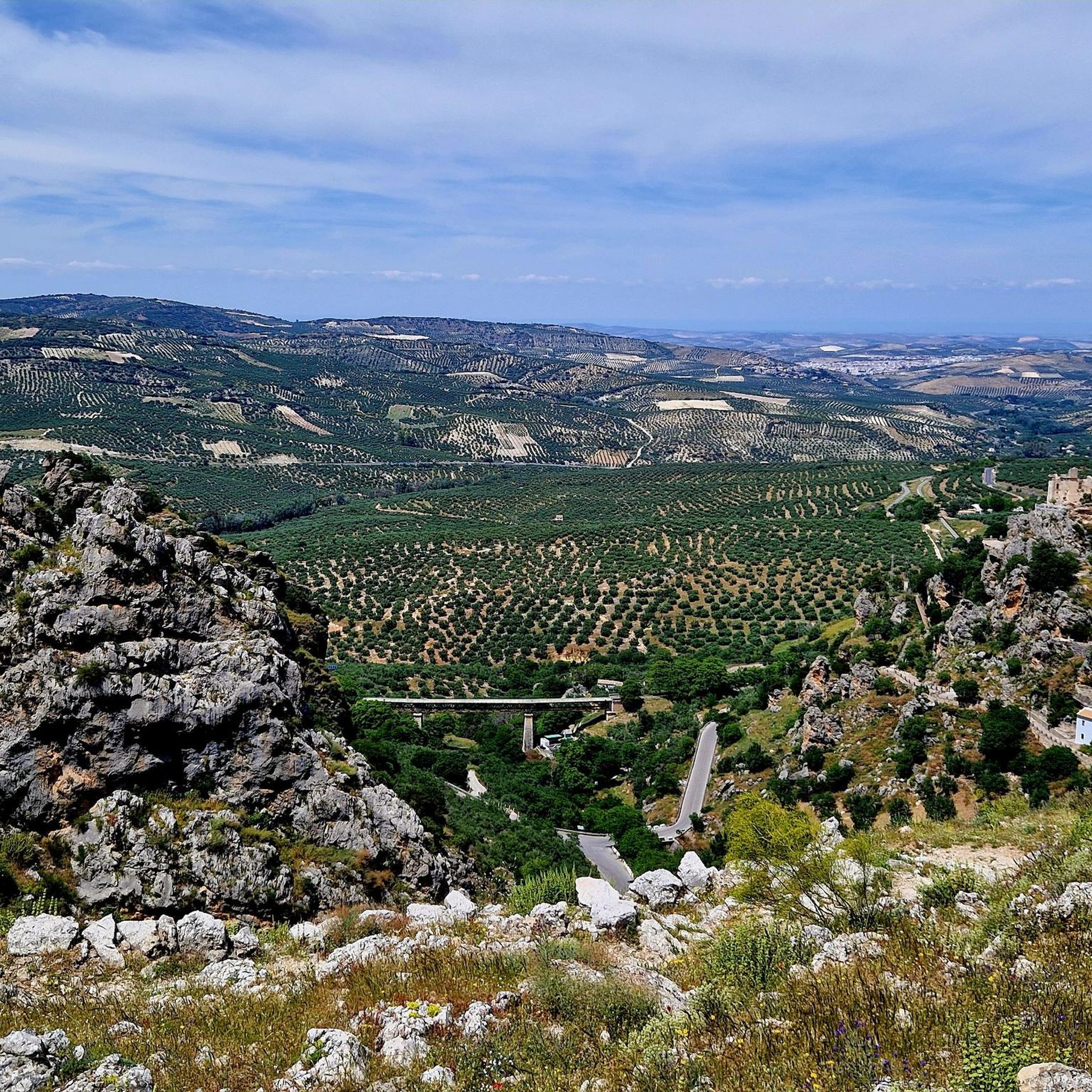
- The most popular attractions is Limestone formations and caves in the Bailón Canyon, a canyon with impressive limestone rock walls and abundant vegetation. From some angles, the village of Zuheros and its castle are visible.
- Another must-see spot is Poljé of the Nava de Cabra, a natural monument that is a large, flat, elongated depression in karst rock. This geological feature is formed by land subsidence, with the Bailón river providing drainage.
- Visitors also love Doña Mencía Station, a former railway station rehabilitated as a restaurant and bicycle center. It provides a stopping point along the Vía Verde del Aceite with available parking.
- Sierra Subbetica is known for its natural features, such as karst landscapes and caves, and its cultural sites, including white villages and historical landmarks. The region offers a variety of attractions, from geological formations to historical architecture and olive oil culture.
- The attractions in Sierra Subbetica are appreciated by the komoot community, with more than 80 upvotes and over 40 photos shared by visitors.
Last updated: July 7, 2026
Doña Mencía Station
Highlight • Rest Area
A few meters from the passenger building and on the same side of the road, there is a building that has been rehabilitated as a bicycle center. This is the old freight dock of the station. The goods were located on open-air docks or other covered docks, depending on their economic value or characteristics. The closed docks consisted of open roof naves, with a small office for the clerk who was responsible for the delivery notes. On one side, the wagons were loaded or unloaded, while on the other side, the vehicles that arrived by road did so. In order to protect the goods during loading and unloading, these buildings were designed with a gable roof that ends in two large lateral overhangs.
Translated by Google •
Tip by

Chorreras de la Fuenseca
Highlight • Waterfall
Translated by Google •
Tip by

Sign up now to discover places like this
Get recommendations on the best single tracks, peaks, & plenty of other exciting outdoor places.
Sign up for free
Limestone formations and caves in the Bailón Canyon
Highlight • Canyon
Translated by Google •
Tip by
Cabra Station
Highlight • Historical Site
Translated by Google •
Tip by

La Sima Viaduct
Highlight • Bridge
Translated by Google •
Tip by

Sign up for free to discover even more attractions in Sierra Subbetica.
Sign up for free
Already have an account?
Start today with a free account
Your next adventure awaits.
Login or Signup
Other adventures in Sierra Subbetica

Tips from the Community

An easy tour through the olive groves. We headed north, a total of 40 km round trip. We were traveling in a motorhome and parked at a motorhome parking lot in Cabra.
1
0

Very beautifully designed train station
1
0

Today, the restaurant "El Tren" is located in the former Cabra train station. There is a hostel attached, offering shared rooms with bunk beds at reasonable prices. Cabra train station was inaugurated in 1893 as part of the narrow-gauge railway line that connected Puente Genil with Linares. Even then, the station was an important meeting point for the community. Over time, the introduction of new means of transport and the modernization of the railway infrastructure led to the closure of the line in 1965. The station building remains a symbol of Cabra's history to this day.
5
0

The Doña Mencía station is the only one of the stations that we will find along the nature trail, built on one floor. A few meters from the passenger building and on the same side of the road, there is a building that has been rehabilitated as a bicycle center. This is the old freight dock of the station. The goods were located on open-air docks or other covered docks, depending on their economic value or characteristics. The closed docks consisted of open roof naves, with a small office for the clerk who was responsible for the delivery notes. On one side, the wagons were loaded or unloaded, while on the other side, the vehicles that arrived by road did so. In order to protect the goods during loading and unloading, these buildings were designed with a gable roof that ends in two large lateral overhangs.
9
0

Cabra station still has what used to be an old steam locomotive that was used in the past, where the greenway is currently located.
0
0

Through the disused Subbética railway lines, previously used by the oil train, you can tour the interior of Andalusia on cycling and hiking itineraries. The beautiful landscapes of the Sierras Subbéticas Natural Park mix appropriately with the preserved railway architecture, made up of four viaducts, five stations, a 139 m tunnel, thirteen residential buildings distributed among level crossing boxes (road intersections). , workers' boxes and railway houses, all of them being in different states of conservation. In addition, there are a total of six rest areas that are made up of benches, bench-tables, litter bins and bike racks.
0
0

This trail is full of impressive limestone rock walls, with a multitude of vegetation sprouting between its numerous pores. They have been formed over time by the force of the Bailón River. From some angles you can see Zuheros and its castle peeking out between the walls.
2
0
Seasonal waterfalls that appear after copious rains. Due to the porosity of the terrain, only when the amount of water is greater than what the terrain is capable of absorbing, do waterfalls form, sometimes even making it difficult to pass and not being able to make the route in a circular way. It is convenient to inquire at the Santa Rita Visitor Center about their status and check if an authorization is required to visit them, which is sometimes established to control the influx of people to this Zone A Reserve of the Protected Natural Area.
1
1
Frequently Asked Questions
What natural features can I explore in Sierra Subbetica?
The Sierra Subbética is renowned for its dramatic karst landscapes. You can explore impressive geological formations like the Limestone formations and caves in the Bailón Canyon, which features rock walls carved by the Bailón River. Another significant natural monument is the Poljé of the Nava de Cabra, a large, flat depression in karst rock. Don't miss the Bat Cave near Zuheros, a prehistoric cave with stalagmites, stalactites, and ancient art. The region also boasts peaks like La Tiñosa and El Picacho, offering panoramic views.
Are there any historical or cultural sites worth visiting in the Sierra Subbetica?
Yes, the region is rich in history and culture. You can visit picturesque white villages such as Zuheros, known for its crag-top Moorish castle, and Priego de Córdoba, famous for its stunning Baroque architecture, including the magnificent Fuente del Rey. Almedinilla features the important El Ruedo Roman Villa with intriguing mosaics. Cabra, a town with a rich Roman and Christian history, offers an archaeological museum and parts of its old city wall. Luque is crowned by a ruined Nasrid-era castle.
What outdoor activities can I do near these attractions?
The Sierra Subbética is perfect for outdoor enthusiasts. You can enjoy hiking, cycling, and mountain biking. The Vía Verde del Aceite, a popular cycling and walking greenway, follows a former railway line through olive groves. For specific routes, consider exploring the options for gravel biking, easy hikes, or more challenging MTB trails in the area.
Are there family-friendly activities in Sierra Subbetica?
Many attractions in Sierra Subbetica are suitable for families. Exploring the Bat Cave near Zuheros can be an exciting adventure for older children. Cycling or walking along the Vía Verde del Aceite offers a gentle way to see the landscape, with stops like the Doña Mencía Station, which has been rehabilitated as a restaurant and bicycle center. The Iznájar Reservoir also provides opportunities for water sports and exploring the charming town.
What is the best time to visit Sierra Subbetica?
The Sierra Subbética is enjoyable throughout much of the year. Spring (April-May) and autumn (September-October) offer pleasant temperatures for outdoor activities like hiking and cycling, with lush landscapes in spring and comfortable weather in autumn. Summers can be very hot, making early mornings or late afternoons preferable for activities. Winter offers cooler temperatures and a chance to see seasonal waterfalls like the Chorreras de la Fuenseca after heavy rains.
Where can I learn more about the geology and natural heritage of the region?
For an in-depth understanding of the region's geological richness and natural heritage, visit the Santa Rita Visitor Centre, located between Cabra and Priego de Córdoba. It offers interactive exhibits, a stratigraphical column, and a giant ammonite sculpture, highlighting the area's significant fossil discoveries and its status as a UNESCO Global Geopark. You can also find more information about the UNESCO Global Geopark status at unesco.org.
What is the significance of olive oil in Sierra Subbetica?
Olive oil is central to the culture and economy of the Sierra Subbética. The region is covered in vast olive groves, and its olive oil is world-renowned, particularly from areas like Priego de Córdoba. Visitors can learn about the olive oil production process and enjoy tastings, experiencing this deep-rooted tradition firsthand.
Are there any unique gardens or specialized centers to visit?
Yes, the Mycological Garden "La Trufa" in Zagrilla is a unique attraction. It is the first of its kind in Europe, combining research, an interpretation center, and recreated Andalusian ecosystems where various mushrooms are cultivated. It offers a fascinating insight into the fungal world of the region.
Can I find good viewpoints in Sierra Subbetica?
Absolutely. The Sierra Subbética offers numerous spectacular viewpoints. El Picacho (Sierra de Cabra), known as the "Balcón de Andalucía," provides panoramic views of several Andalusian provinces, including the Sierra Nevada mountains on clear days. La Tiñosa Peak, the highest point in Córdoba province, also offers breathtaking vistas. Many points along the Bailón Canyon and the Poljé of the Nava de Cabra also provide scenic outlooks.
What do visitors enjoy most about the Sierra Subbetica attractions?
Visitors frequently praise the stunning natural landscapes, particularly the impressive limestone formations and the tranquility of areas like the Bailón Canyon. The charm of the white villages and the rich historical sites also receive high acclaim. Many appreciate the well-maintained routes like the Vía Verde del Aceite for cycling and walking, and the opportunity to explore unique geological features and prehistoric caves. The region's authentic olive oil culture and local gastronomy are also highlights for many.
Is there a place for stargazing in Sierra Subbetica?
Yes, the Sierra Subbética is certified as a Starlight Destination by the Starlight Foundation. This means it boasts exceptionally dark skies, making it an excellent location for astrotourism and stargazing. Away from light pollution, you can enjoy clear views of the night sky.
Are there any water bodies for recreation in the region?
The Iznájar Reservoir, often referred to as the "Lake of Andalusia," is a significant water body in the region. It offers opportunities for water sports, hiking along its shores, and exploring the charming town of Iznájar, which is dramatically situated on a promontory overlooking the reservoir.
Most popular routes in Sierra Subbetica
Most popular attractions in Sierra Subbetica

Get inspired with the komoot mobile app


Explore more
Still not found the Highlight you’re looking for? See guides of the top attractions in other regions:
