Attractions and Places To See in Muntanya De Montserrat - Top 16
Attractions and places to see in Muntanya De Montserrat include a striking natural park and a significant cultural and spiritual site. This region is known for its unique, serrated rock formations, earning it the name "sawtooth mountain." The area offers a blend of religious history, distinctive natural beauty, and various activities for visitors. It is located approximately 30-60 kilometers from Barcelona, Spain.
Best attractions and places to see in Muntanya De Montserrat
- The most popular attractions is Monastery of Saint…
Last updated: July 7, 2026
Santa Cecilia Monastery, Montserrat
Highlight • Religious Site
Translated by Google •
Tip by

Ascent to Montserrat from Monistrol de Montserrat
Highlight (Segment) • Climb
Translated by Google •
Tip by

Sign up now to discover places like this
Get recommendations on the best single tracks, peaks, & plenty of other exciting outdoor places.
Sign up for free
Coll de Can Maçana
Highlight • Mountain Pass
Translated by Google •
Tip by

Church of Sant Corneli de Collbató
Highlight • Religious Site
Translated by Google •
Tip by

La Vinya Nova
Highlight • Restaurant
Translated by Google •
Tip by

Sign up for free to discover even more attractions in Muntanya De Montserrat.
Sign up for free
Already have an account?
Start today with a free account
Your next adventure awaits.
Login or Signup
Popular around Muntanya De Montserrat
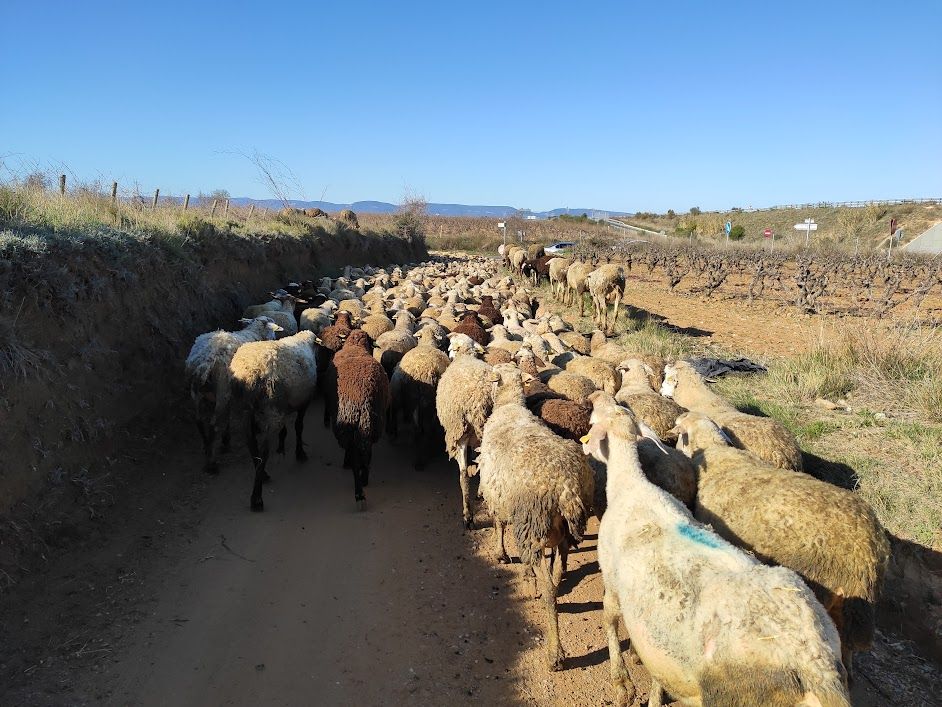
The shepherds' path – Camí Ramader de la Marina
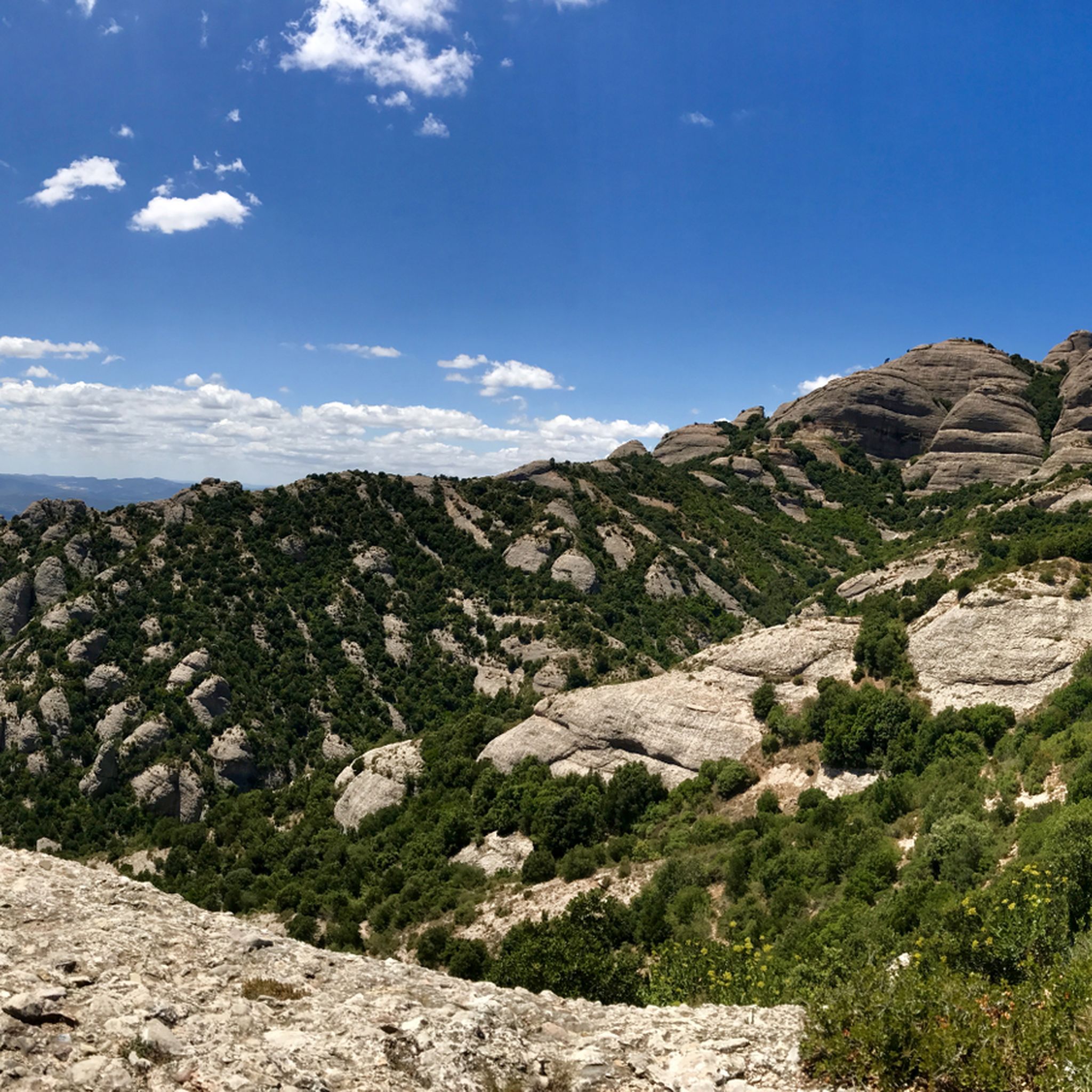
Hiking in Muntanya De Montserrat
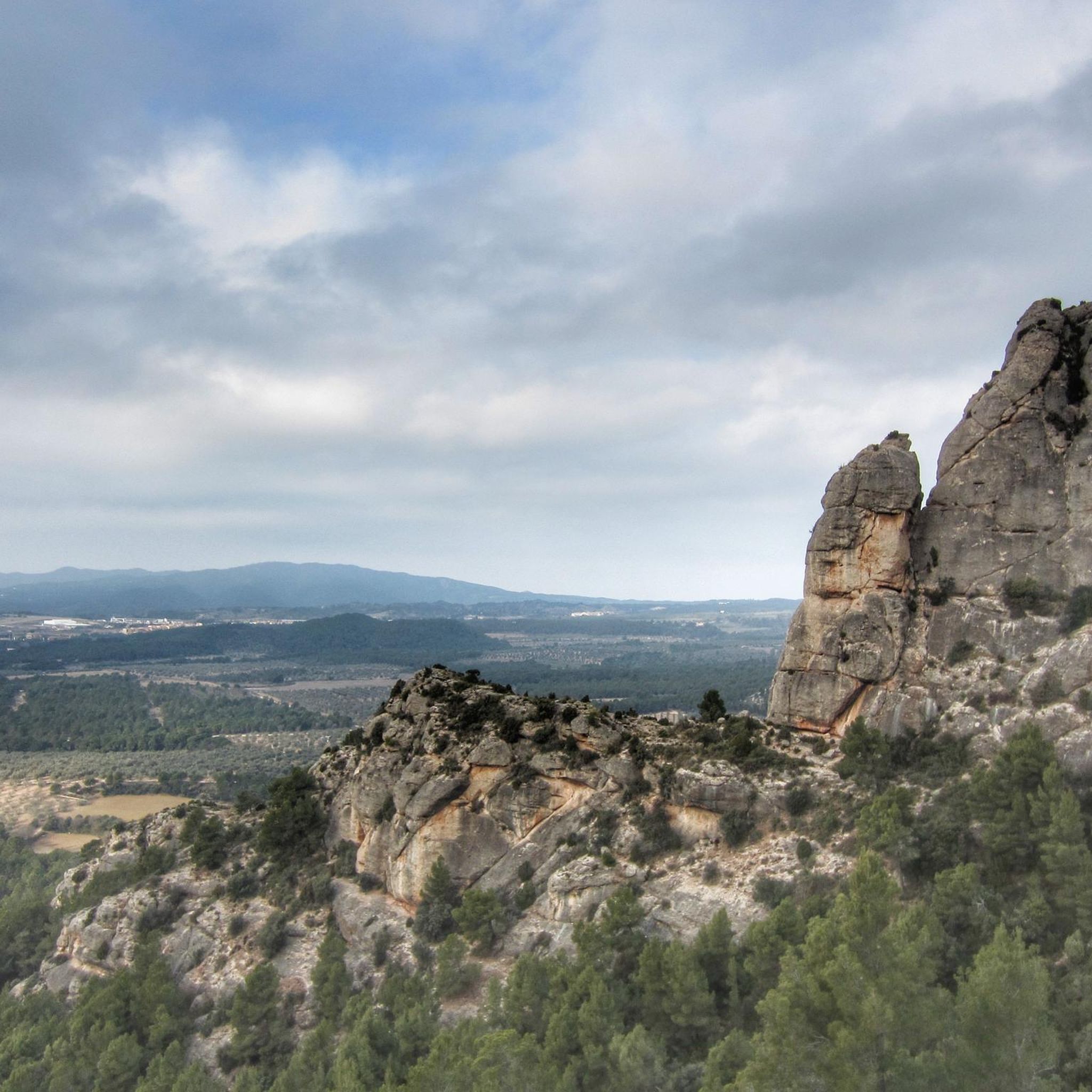
Running Trails in Muntanya De Montserrat
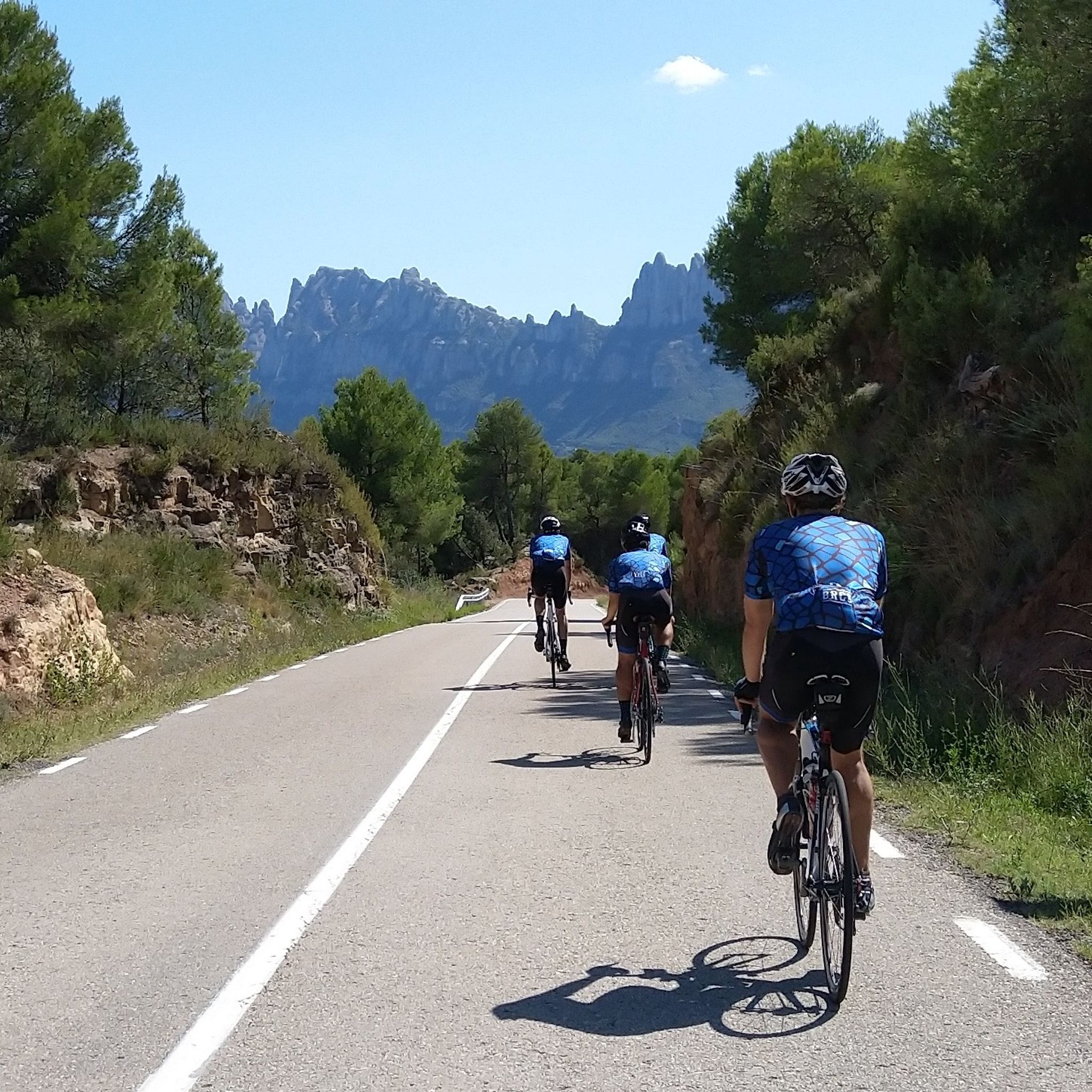
Road Cycling Routes in Muntanya De Montserrat
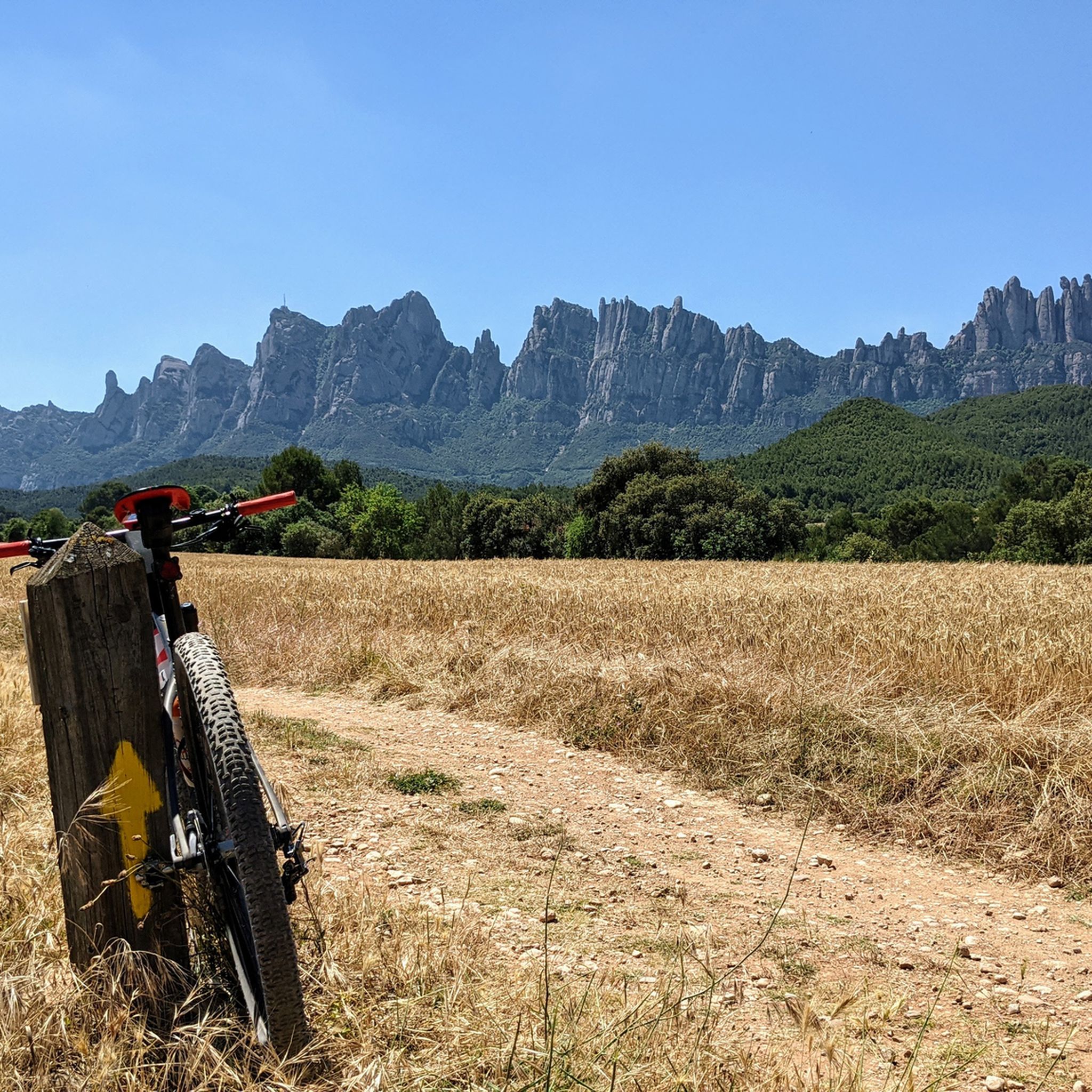
MTB Trails in Muntanya De Montserrat
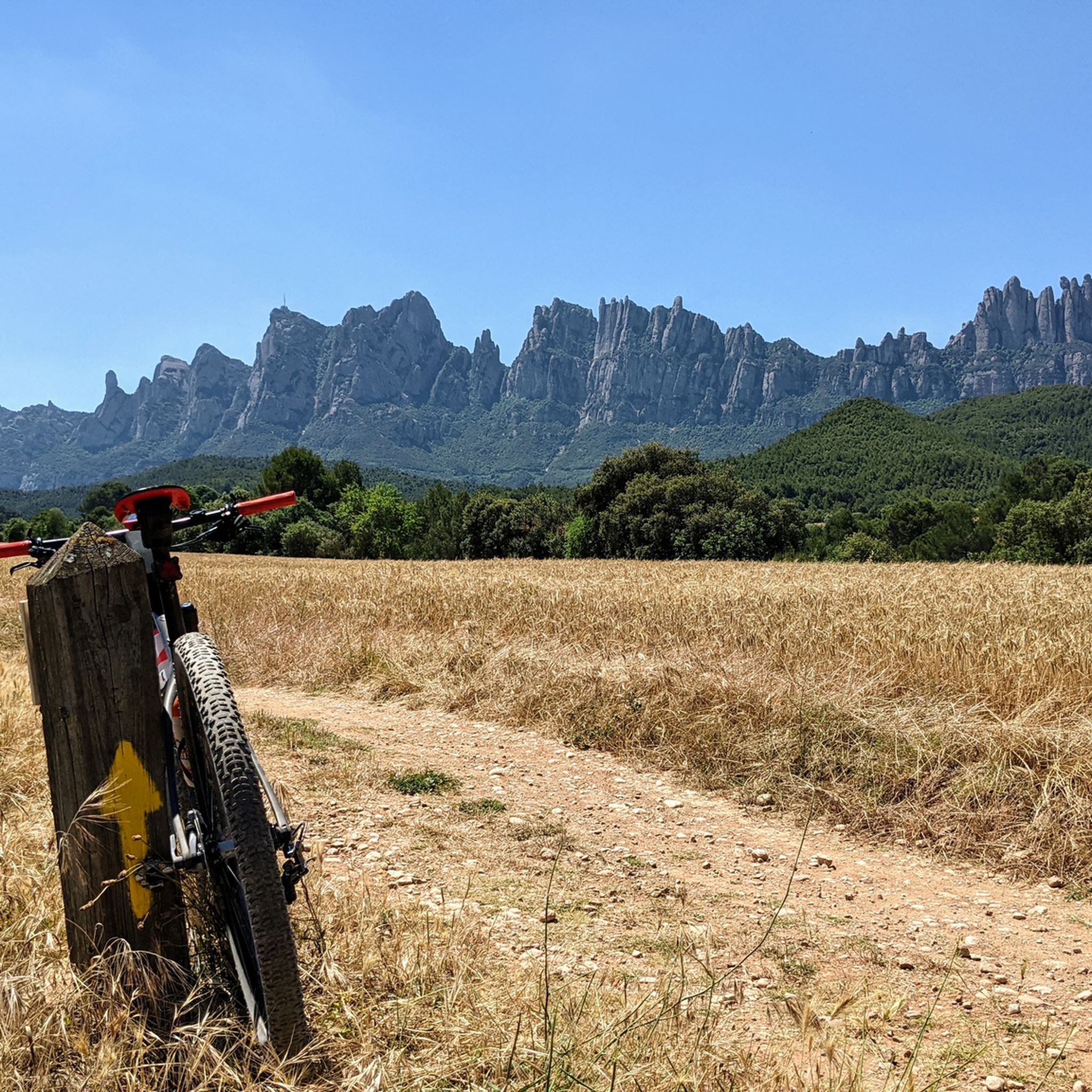
Cycling in Muntanya De Montserrat
Gravel biking in Muntanya De Montserrat
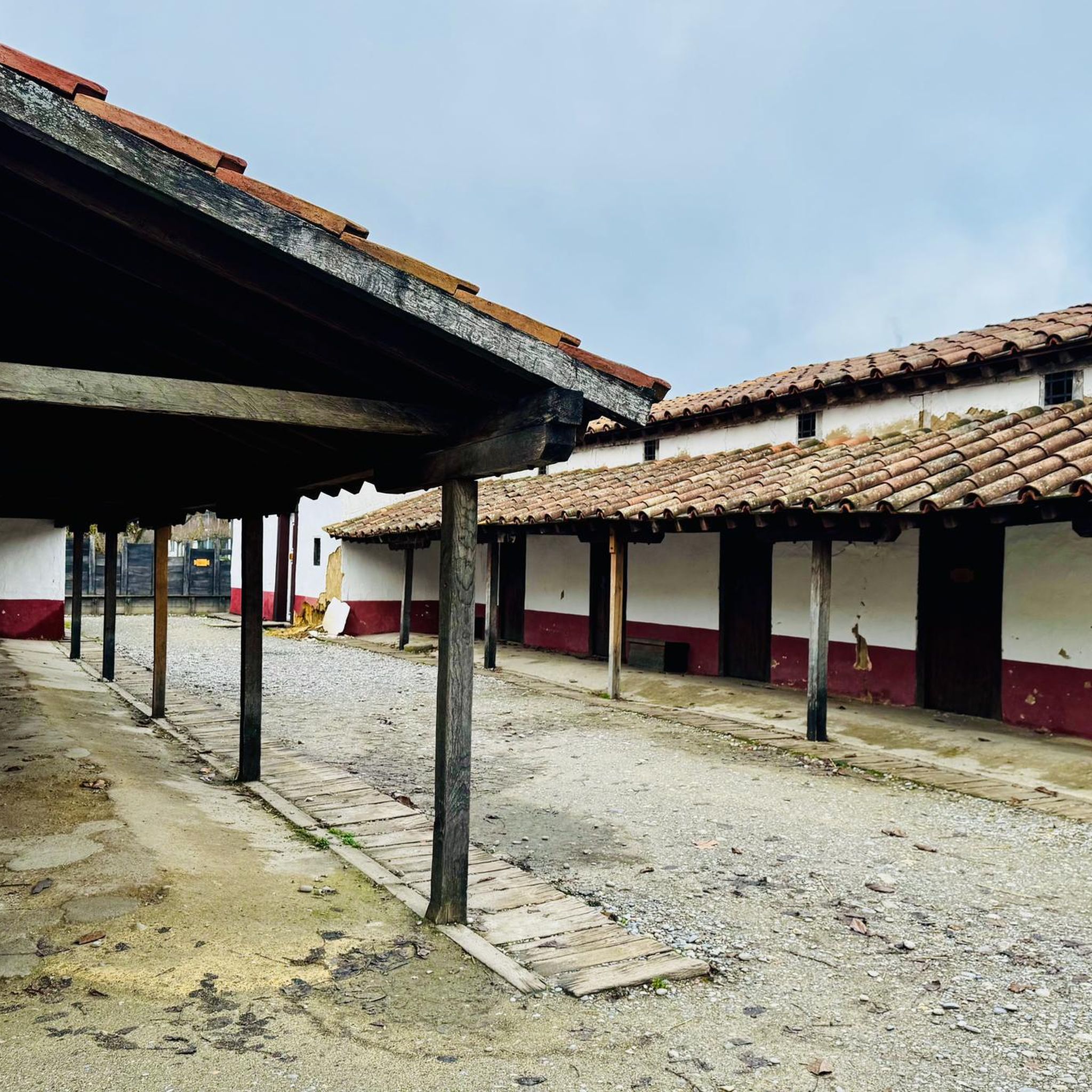
Mountain Hikes in Muntanya De Montserrat
Other adventures in Muntanya De Montserrat

Tips from the Community

Located on the northern slopes of Montserrat, this former 10th-century Benedictine monastery is one of the oldest in the area. Its restored Romanesque church now houses a contemporary art space dedicated to Sean Scully.
0
0

A legendary climb in Catalonia. It's recommended to go early in the morning to enjoy it without too many vehicles.
0
0

You'll have good luck if you see the Magical mountain, and the descent after is fantastic :-)
0
0

It was the beginning of a route but the enemy was very cool.
0
0

Saint CECILIA, to whom this chapel was dedicated, is, among the great circle of saints, primarily responsible - if one can put it so casually at this point - for good sound, because she is the patron saint of church music. Many religious choirs are named after her. The patron saint's day, i.e. her memorial day in the calendar of saints, is on November 22nd.
0
1

Beautiful monastery at Montserrat
1
0

Incredible climb under the walls of the north face of Montserrat!
0
0

Can Maçana is an old farmhouse that gives its name to the hill in the westernmost part of the Montserrat massif. The pass is one of the natural passes between the regions of Bages and Anoia. The farmhouse belonged to the Maçana (or Massana) family during the 16th and 17th centuries. It later became the property of the Montserrat monastery (on the door you can see the coat of arms of the monastery, dated 1791). This part of the massif is known for its famous stone needles (the area is known as "the labyrinth of needles"). At this point there is a car park and it is the starting point of numerous signposted routes, such as those that go to Sant Pau Vell (ancient Romanesque church) or the historical space of the Battle of Bruc.
1
0
Frequently Asked Questions
What unique natural features define Muntanya De Montserrat?
Muntanya De Montserrat is renowned for its distinctive, serrated rock formations, often described as 'tooth-like' or 'saw-like' clusters. These towering formations are composed of pink conglomerate sedimentary rock. Notable features include the highest peak, Sant Jeroni (1,236 meters), offering 360-degree views, and El Cavall Bernat, a tall, thin 'needle' formation popular with climbers. The entire area is protected as the Parc Natural de la Muntanya de Montserrat.
Beyond the main monastery, what other cultural or historical sites can I visit in Montserrat?
While the Monastery of Santa Maria de Montserrat is central, you can also explore the Santa Cecilia Monastery, a thousand-year-old former Benedictine monastery now an art space. The Santa Cova (Holy Grotto) marks the legendary spot where the Black Madonna was found, accessible via a scenic path or funicular. The Museum of Montserrat houses a significant art collection, and the Church of Sant Corneli de Collbató is another historical religious building worth seeing.
How can I get to Montserrat, and what transport options are available?
Montserrat is located approximately 30-60 kilometers from Barcelona. You can reach the monastery complex via several scenic transport options. The Aeri de Montserrat (Cable Car) offers a 5-minute ride from the valley floor, while the Cremallera de Montserrat (Rack Railway) provides stunning views on its ascent. Once at the monastery, the Funicular Railway of Sant Joan takes you to higher elevations for hiking, and the Funicular de Santa Cova descends to the sacred grotto.
What is the best time of year to visit Montserrat, especially for hiking?
The region research suggests that Montserrat offers a rich blend of natural beauty and activities, implying it's generally accessible. For hiking, spring and autumn typically offer the most pleasant weather with milder temperatures, ideal for exploring the trails and enjoying the panoramic views without extreme heat or cold. Winter hiking is possible, but higher elevations might be colder.
Are there family-friendly activities or attractions in Montserrat?
Yes, Montserrat offers several family-friendly options. The Coll de Can Maçana area is noted as family-friendly and serves as a starting point for numerous signposted routes. The Church of Sant Corneli de Collbató is also listed as family-friendly. The funiculars and cable car rides themselves can be an exciting experience for children, and there are easy hiking trails suitable for families, such as those mentioned in the Easy hikes in Muntanya De Montserrat guide.
What kind of hiking trails can I find in Muntanya De Montserrat?
Muntanya De Montserrat offers a wide variety of hiking trails catering to all levels. You can find easy walks like the Camí de la Santa Cova, moderate routes, and more challenging ascents to peaks like Sant Jeroni. The natural park features numerous signposted routes, including circular trails. For specific options, you can explore guides like Easy hikes in Muntanya De Montserrat.
Where can I find the best panoramic views in Montserrat?
For breathtaking panoramic views, head to the summit of Sant Jeroni, Montserrat's highest peak, which offers 360-degree vistas stretching across Catalonia to the Pyrenees and the Mediterranean Sea on clear days. The upper station of the Sant Joan Funicular also provides access to spectacular viewpoints and the starting points for many trails with excellent scenery. The Ascent to Montserrat from Monistrol de Montserrat also offers views of the Llobregat Valley.
What outdoor activities, besides hiking, can I do near these attractions?
Beyond hiking, Montserrat is a popular destination for rock climbing due to its distinctive rock formations. Cycling is also a major activity, with classic climbs like the Ascent to Montserrat from Monistrol de Montserrat. You can find various road cycling routes in the Road Cycling Routes in Muntanya De Montserrat guide, and gravel biking options in the Gravel biking in Muntanya De Montserrat guide.
What kind of wildlife can I expect to see in Montserrat Natural Park?
The Parc Natural de la Muntanya de Montserrat is home to diverse wildlife. You might spot the South-eastern Spanish Ibex and wild boar. The park also boasts a rich birdlife, including species like Bonelli's eagle and the blue rock thrush. The dense vegetation, including Holm oak forests and pines, provides a habitat for these animals.
Are there dining options available at Montserrat?
Yes, near the monastery, visitors can find a local market selling traditional Catalan gastronomy and other local products. There are also cafes and restaurants available in the main monastery complex area to cater to visitors.
What is the significance of the Monastery of Saint Benedict of Montserrat?
The Monastery of Saint Benedict of Montserrat, also known as Sant Benet, is a significant religious building established in the mid-20th century. Its origins trace back to the 13th-century monastery of Sant Antoni and Santa Clara in Barcelona. It represents a continuation of Benedictine life on the mountain, following the merger of two communities in 1952.
Can I visit the Caves of Salnitre (Collbató Caves) in Montserrat?
Yes, the impressive Caves of Salnitre, also known as Collbató Caves, are part of the karst landforms created by Montserrat's unique geology and are open for visits. They offer another natural attraction to explore within the region.
Most popular routes in Muntanya De Montserrat
Most popular attractions in Muntanya De Montserrat

Get inspired with the komoot mobile app


Explore more
Still not found the Highlight you’re looking for? See guides of the top attractions in other regions:
