Top 20 Natural Monuments in Picos De Europa
Best natural monuments in Picos De Europa are found within a dramatic mountain range spanning Asturias, Cantabria, and León. This region is characterized by limestone spires, deep valleys, and glacial lakes, offering diverse landscapes. The Picos de Europa National Park provides a rich array of natural features for exploration. Visitors can experience challenging ascents, scenic trails, and panoramic viewpoints across its varied terrain.
Best natural monuments in Picos De Europa
- The most popular natural monuments is 6 km on the…
Last updated: July 10, 2026
6 km on the Ruta del Cares
Highlight • Gorge
Translated by Google •
Tip by

El Cable Viewpoint
Highlight • Viewpoint
Translated by Google •
Tip by

Sign up now to discover places like this
Get recommendations on the best single tracks, peaks, & plenty of other exciting outdoor places.
Sign up for free
Fuente Dé Cable Car
Highlight • Rest Area
Translated by Google •
Tip by

Cares Gorge (Garganta Divina) – Picos de Europa National Park
Highlight • Gorge
You …
Translated by Google •
Tip by

Crystal-clear stream near the Cares River
Highlight • River
Do …
Translated by Google •
Tip by
Sign up for free to discover even more natural monuments in Picos De Europa.
Sign up for free
Already have an account?
Start today with a free account
Your next adventure awaits.
Login or Signup
Popular around Picos De Europa
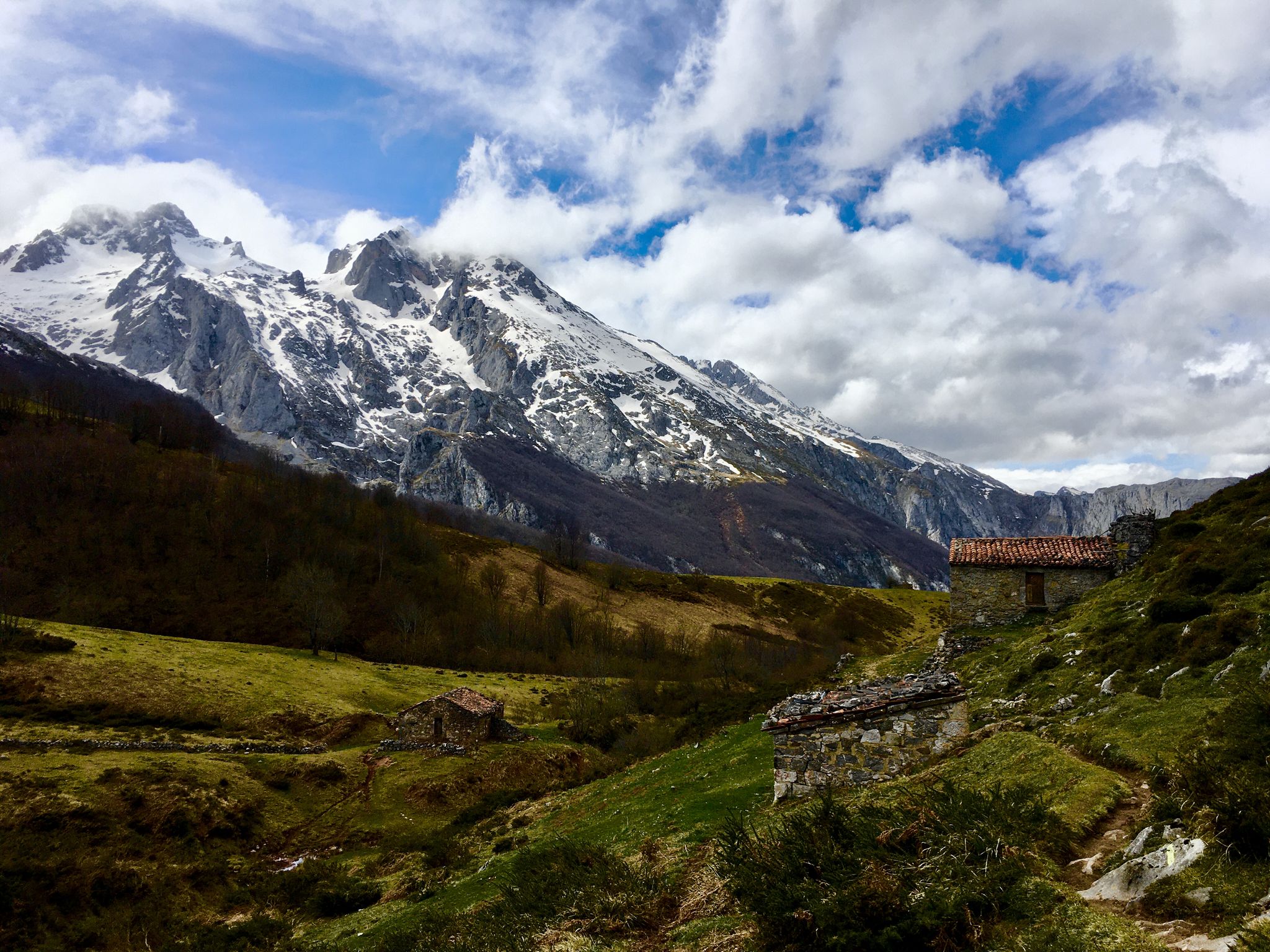
Route of the Reconquest (GR 202) – In the footsteps of an army
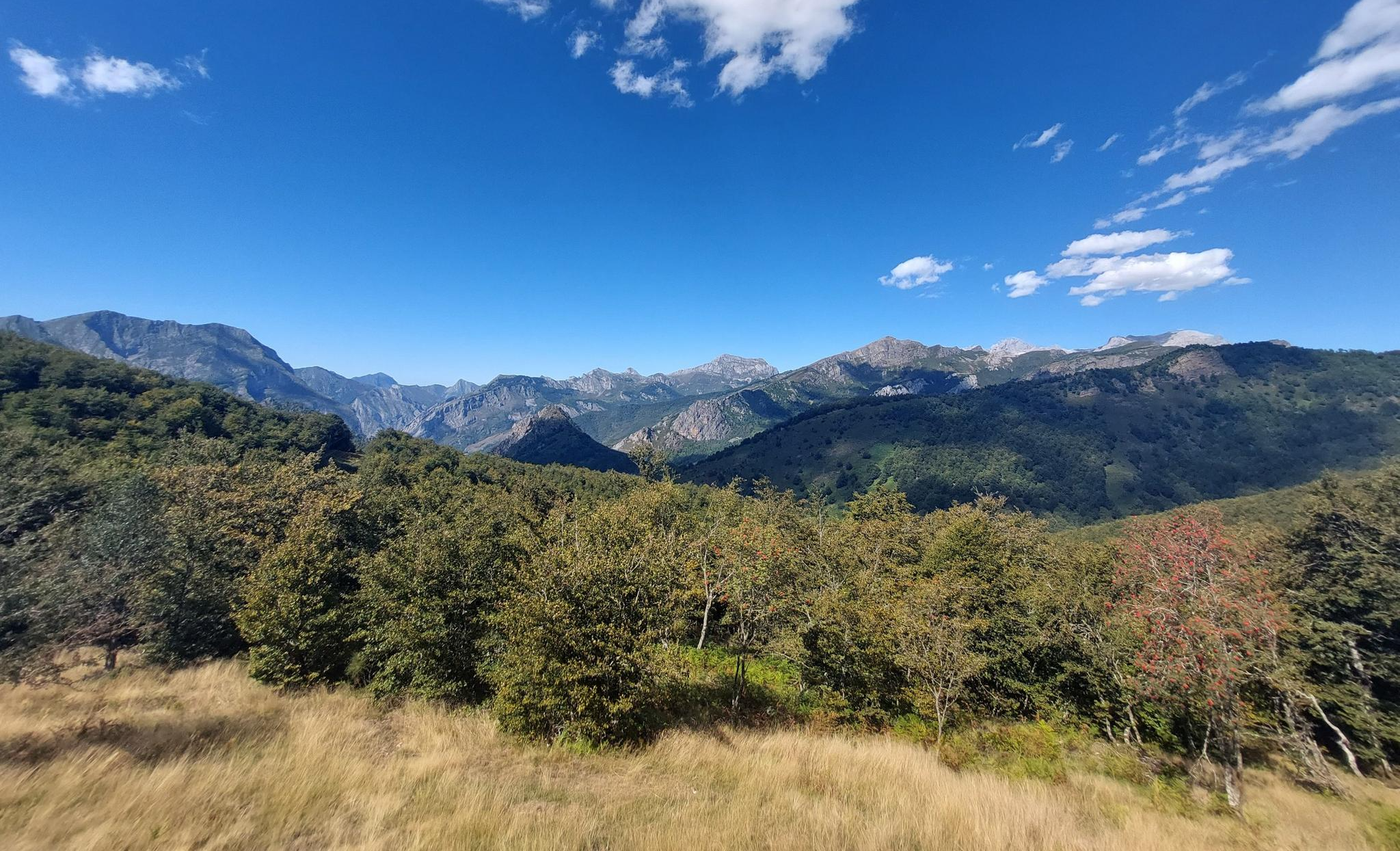
Senda del Arcediano (GR 210) - A historical hike through the Picos del Picos
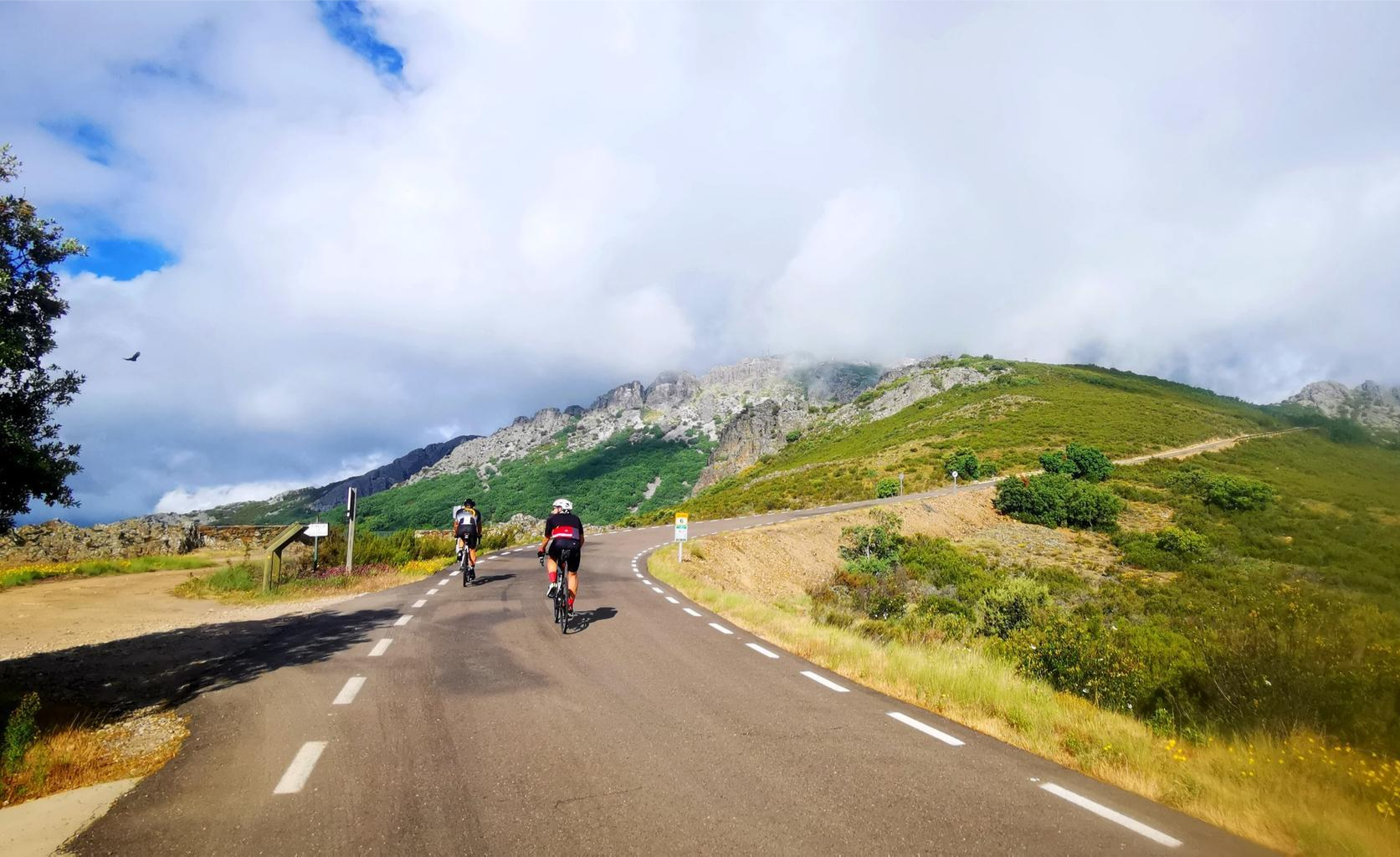
Legendary climbs - Ports of La Vuelta a España
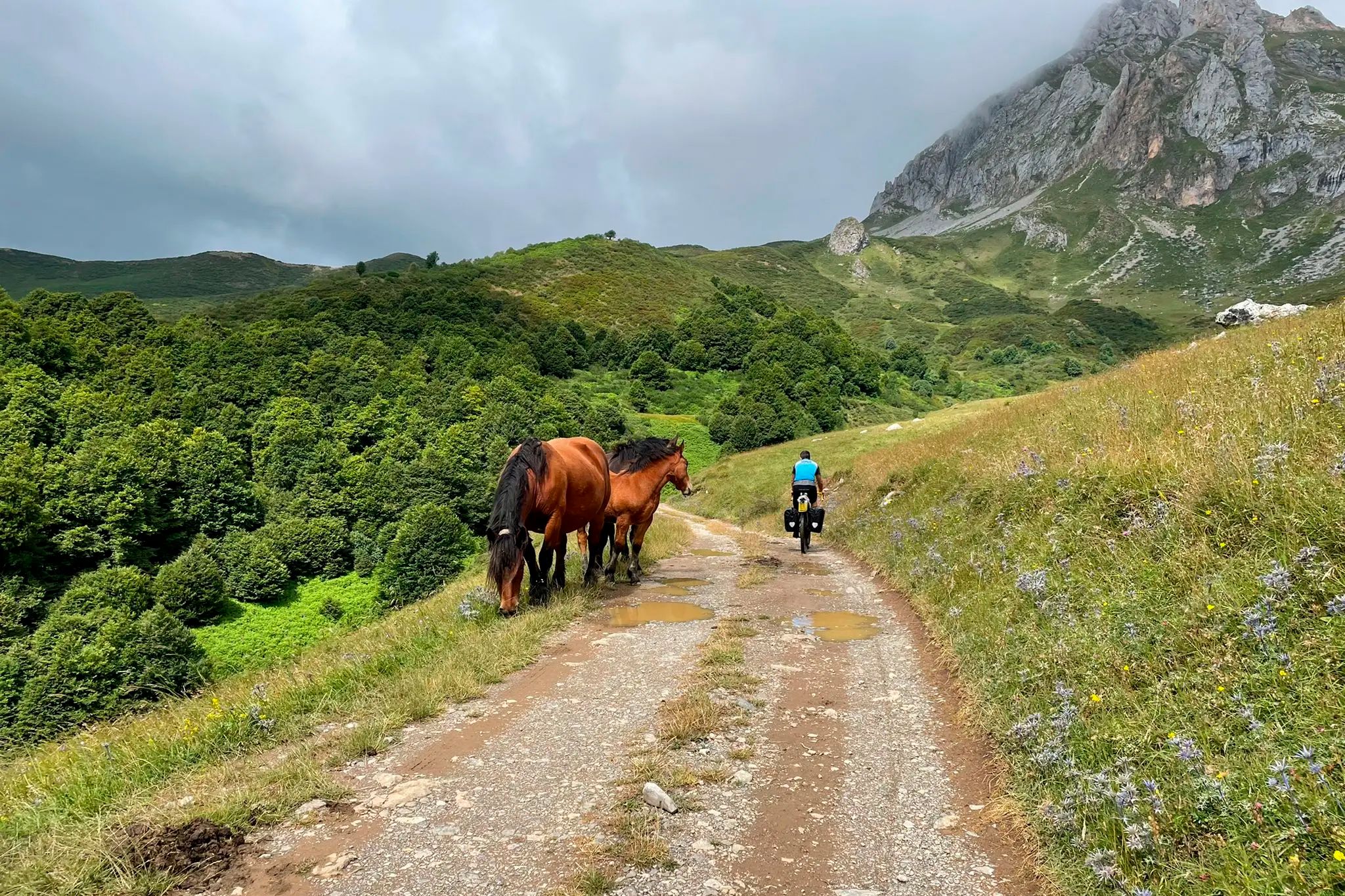
TransCantabrica – Extreme mountain biking in northern Spain
From statue to statue – Reconquista Challenge
A trip through the mountains – Pedales de León MTB
A pilgrimage to the peaks – Camino de los Santuarios
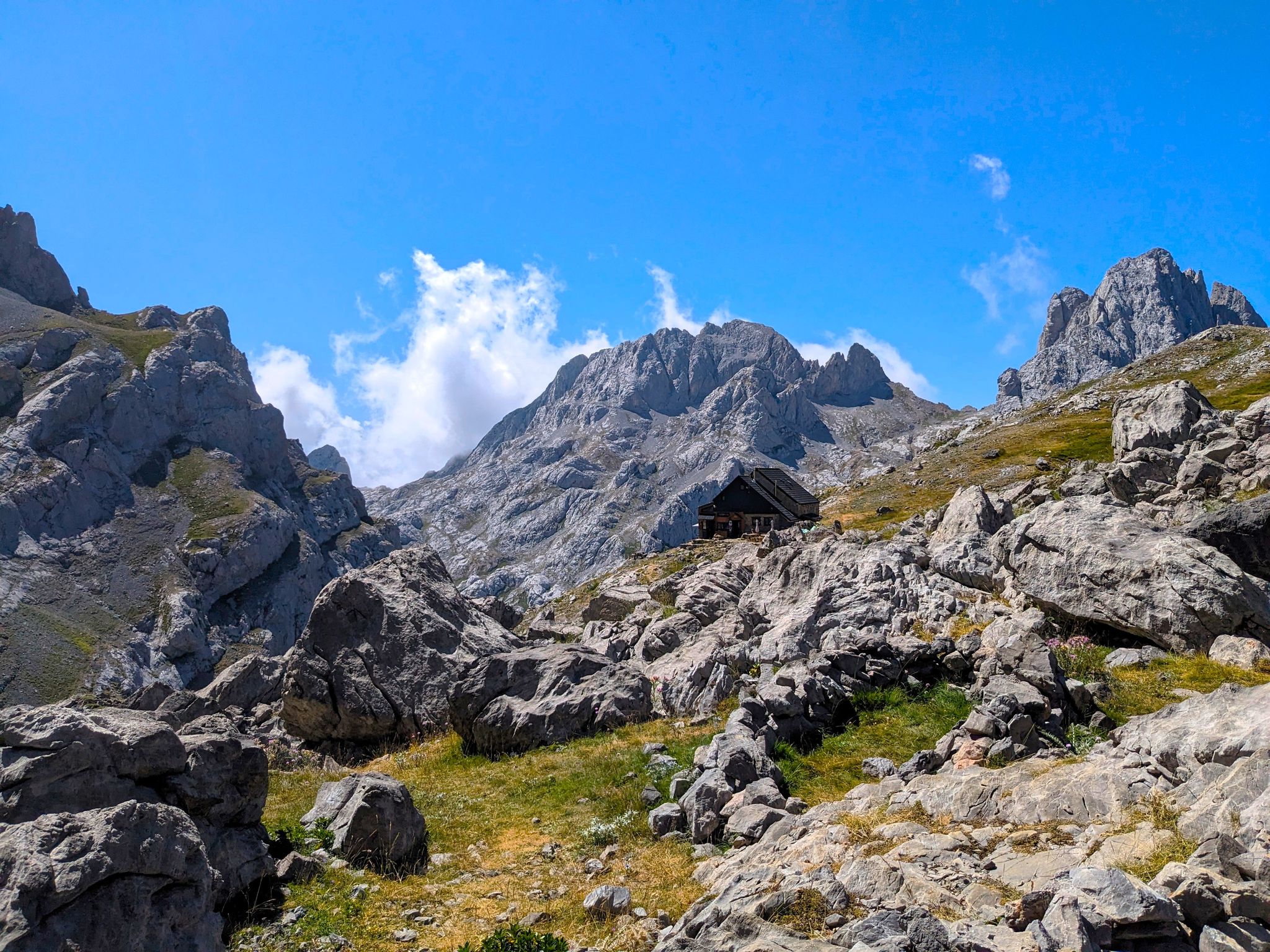
The untamed Collado Jermoso – Picos de Europa
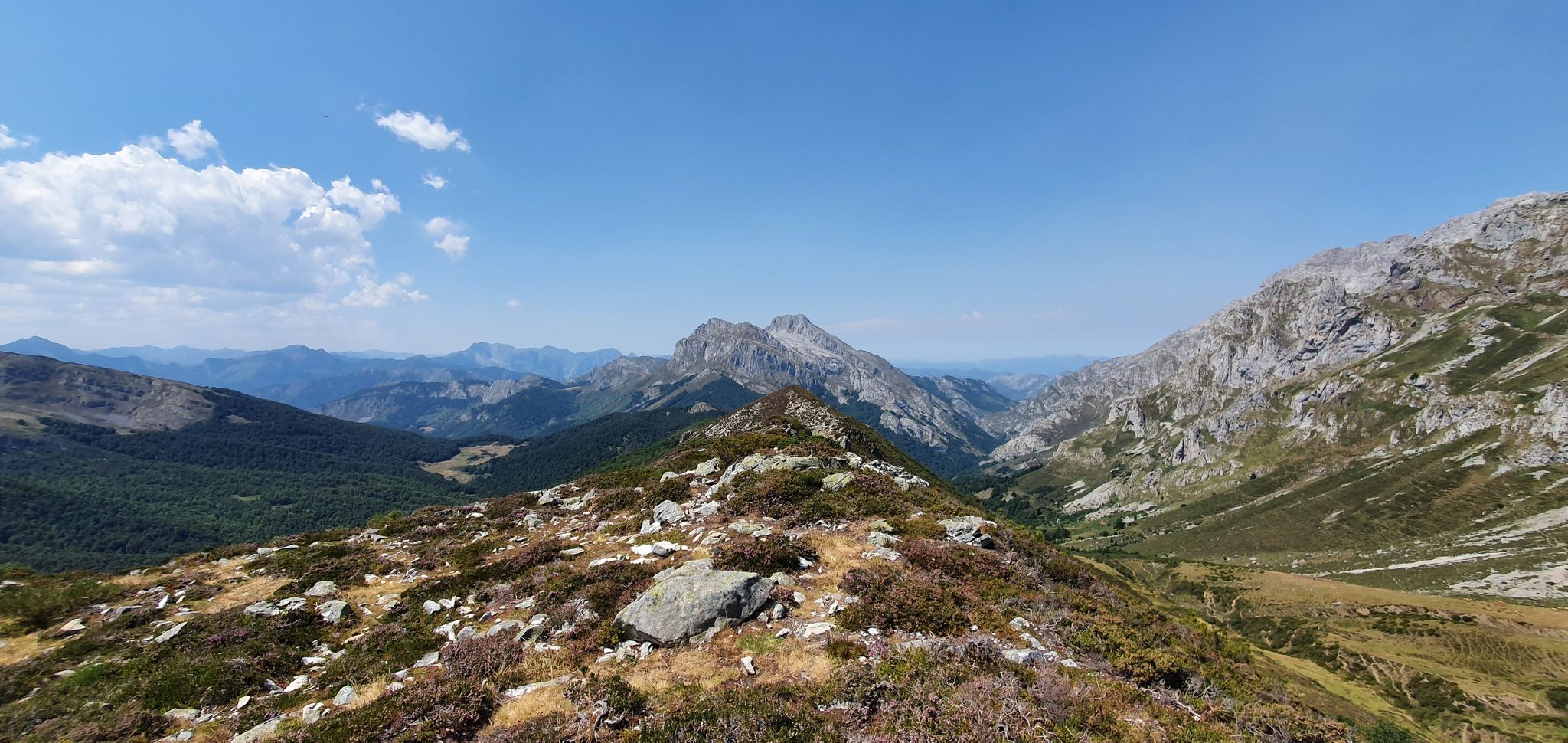
Four days hiking in Spain’s Picos de Europa – Anillo Vindio
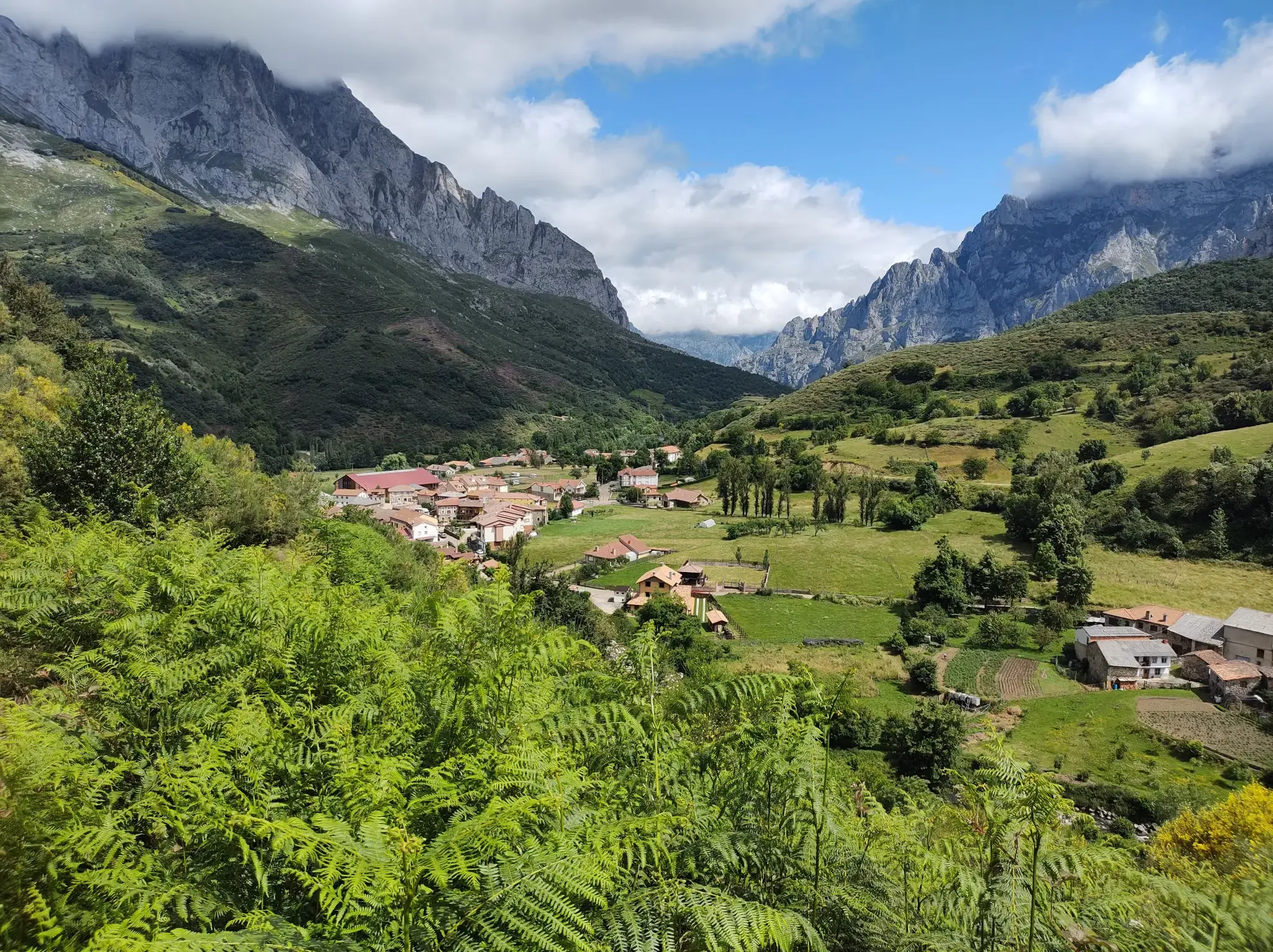
Hike Spain’s Picos de Europa – Ring of Peaks, Three Massifs
Other adventures in Picos De Europa


Tips from the Community

Spectacular landscapes. The cable car ride also offers beautiful views. I visited/walked around there and loved it, I recommend it.👍🥾
0
0

A fantastic swimming spot in the VERY cold Cares River. Highly recommended, especially after a hike!
0
0

Known as the "Garganta Divina", this route between Cain (Leon, Castile and Leon) and Poncebos (Asturias) offers you the opportunity to walk between mountains that rise more than 2,000 meters above the bottom of the imposing gorge dug by the Cares River. You will see mythical peaks, cross bridges that connect both sides of the gorge, go through about 70 tunnels carved into the rock and witness an amazing natural spectacle.
4
0
Known as the "Garganta Divina", this route between Cain (Leon, Castile and Leon) and Poncebos (Asturias) offers you the opportunity to walk between mountains that rise more than 2,000 meters above the bottom of the imposing gorge dug by the Cares River. You will see mythical peaks, cross bridges that connect both sides of the gorge, go through about 70 tunnels carved into the rock and witness an amazing natural spectacle.
1
0

Mega canyon in a mega backdrop
5
1

Great vantage point! Can be reached on foot by hiking along the Rio Duje.
2
0

A beautiful river, transparent and very comfortable to see.
5
0
Frequently Asked Questions
What are some of the most iconic natural monuments to visit in Picos de Europa?
The Picos de Europa National Park is home to several iconic natural monuments. Among them, the Ruta del Cares, particularly its initial 6 kilometers from Cain, offers spectacular views through a deep gorge. Another must-see is El Cable Viewpoint, accessible via the Fuente Dé cable car, which provides panoramic vistas of the central massif and surrounding valleys. The Fuente Dé Cable Car itself is considered a natural monument due to its unique access to the high mountains.
What kind of natural features can I expect to see in Picos de Europa?
Picos de Europa is characterized by a dramatic landscape of limestone spires, deep valleys, and glacial lakes. You'll encounter impressive gorges like the Cares Gorge, towering peaks such as Picu Urriellu (Naranjo de Bulnes) and Torre Cerredo, and serene glacial lakes like Lake Enol and Lake Ercina near Covadonga. The region also features numerous viewpoints offering breathtaking panoramas.
Are there family-friendly natural monuments or activities in Picos de Europa?
Yes, several natural monuments are suitable for families. The Fuente Dé Cable Car offers an easy and exciting way to reach high altitudes for stunning views without strenuous hiking. El Cable Viewpoint, at the top of the cable car, is also family-friendly. The Lakes of Covadonga, with their gentle meadows and scenic views, are another excellent option for families.
What is the best time of year to visit the natural monuments in Picos de Europa?
The best time to visit is generally from late spring to early autumn (May to October) when the weather is milder, and trails are clear of snow. During these months, you can fully enjoy hiking and outdoor activities. Winter visits are possible, especially with the Fuente Dé Cable Car, but many routes may be complicated by snow and ice, requiring specialized gear and experience.
How can I access the natural monuments, and is parking available?
Access varies by monument. For the Ruta del Cares, you can typically park at Poncebos or Cain. Fuente Dé has a car park at the base of the cable car. For the Lakes of Covadonga, there are often seasonal restrictions on private vehicle access, with public transport (buses) being the primary way to reach them during peak times. Always check local regulations before your visit.
Are there hiking trails near these natural monuments for different skill levels?
Yes, Picos de Europa offers a wide range of hiking trails. While many are challenging, like the full Ruta del Cares or ascents to peaks like Torre Cerredo, there are also easier options. The area around the Lakes of Covadonga offers more gentle walks. For those seeking more challenging routes, you can find numerous options in the region, including difficult mountain hikes like the "Viewpoint – Horcados Rojos loop from Fuente Dé" or the "Route of Cares from Poncebos to Caín." You can explore more options in the Hiking in Picos De Europa guide.
What outdoor activities can I do near the natural monuments in Picos de Europa?
Beyond exploring the natural monuments themselves, the Picos de Europa region is a hub for outdoor activities. You can enjoy extensive hiking, from challenging mountain ascents to scenic walks. Mountain biking is also popular, with trails like the "Ándara Massif Trail." For mountaineers, there are technical climbs on peaks like Picu Urriellu. Discover more routes in the Mountain Hikes in Picos De Europa and MTB Trails in Picos De Europa guides.
Are there any viewpoints that offer particularly stunning panoramic views?
Absolutely. El Cable Viewpoint, at the top of the Fuente Dé cable car, provides spectacular views of the central massif. The Mirador del Pozo de la Oración, near Poo de Cabrales, offers incredible vistas of Picu Urriellu (Naranjo de Bulnes). Additionally, the Mirador de la Reina, on the way to the Lakes of Covadonga, provides stunning views of Cangas de Onís and even the coast on clear days.
What facilities or amenities are available near the natural monuments?
While the natural monuments themselves are pristine, you'll find amenities in nearby towns and at key access points. Fuente Dé has a café and hotels near the cable car station. Poncebos, a starting point for the Ruta del Cares, also has restaurants. Mountain huts, like Vega de Urriellu, offer basic accommodation and services for hikers and climbers in more remote areas.
What makes the Ruta del Cares a unique natural monument?
The Ruta del Cares, often called the 'Garganta Divina' (Divine Gorge), is unique due to its dramatic path carved directly into the limestone walls of a 1,500-meter-deep gorge. Originally built for hydroelectric workers, this 24-kilometer trail offers breathtaking views, weaving through tunnels, caves, and bridges high above the Cares River. The sheer scale of the cliffs and the adventurous nature of the path make it an unforgettable experience.
Can I see wildlife when visiting the natural monuments?
Yes, Picos de Europa is rich in biodiversity. When exploring natural monuments like the Cares Gorge, you might spot playful mountain goats. The diverse environment, especially around areas like Fuente Dé, is home to abundant species of birds, ibex, and other animals. Keep an eye out, especially in quieter areas and during dawn or dusk.
What is the significance of the Lakes of Covadonga?
The Lakes of Covadonga, specifically Lake Enol and Lake Ercina, are considered crown jewels of the Picos de Europa. These enchanting glacial lakes, situated at 1,134 meters above sea level, are framed by rolling green meadows and rugged peaks. Beyond their natural beauty, they hold significant cultural and historical importance due to their proximity to Covadonga, a site of great historical relevance in Spain.
Most popular routes in Picos De Europa
Most popular attractions in Picos De Europa

Get inspired with the komoot mobile app


Explore more
Extend your search for the best caves by checking out these guides of the top ones in Picos De Europa:
