Attractions and Places To See in Archipielago De Cabrera - Top 7
Best attractions and places to see in Archipielago De Cabrera. This protected Maritime-Terrestrial National Park, located off the coast of Mallorca, is known for its preserved coastal landscapes and diverse ecosystems. The archipelago features historical landmarks, significant natural features, and cultural sites. Its isolation has helped maintain its pristine condition, offering a unique blend of exploration opportunities.
Best attractions and places to see in Archipielago De Cabrera
- The most popular attractions is Cabrera Castle, a castle that offers views…
Last updated: June 29, 2026
Boat trip to Cabrera National Park
Highlight • Natural Monument
Translated by Google •
Tip by

Cabrera Castle
Highlight • Castle
Translated by Google •
Tip by

Sign up now to discover places like this
Get recommendations on the best single tracks, peaks, & plenty of other exciting outdoor places.
Sign up for free
Blue Cave (Sa Cova Blava)
Highlight • Cave
Translated by Google •
Tip by
Far d'Enciola
Highlight • Monument
Translated by Google •
Tip by

Punta de n'Ensiola Lighthouse
Highlight • Monument
Although work on the lighthouse finished in 1868, the optical …
Translated by Google •
Tip by

Sign up for free to discover even more attractions in Archipielago De Cabrera.
Sign up for free
Already have an account?
Start today with a free account
Your next adventure awaits.
Login or Signup
Popular around Archipielago De Cabrera
Tips from the Community

To hike to the lighthouse, you need a guide from the national park. Inquire at the harbor beforehand.
0
0

A great experience on the way back from Cabrera.
1
0

It's not worth it. Expensive crossing, at least in May most of the ways are closed. The rest wide gravel roads.
1
0

Great island with a few hiking trails.
2
1
Super blue water, unfortunately the swell was too strong that the entrance was not possible.
1
0

Lighthouse located in the southwest of the Island of Cabrera, in the Cabrera Archipelago National Park in the Balearic Islands. Although work on the lighthouse finished in 1868, the optical apparatus was installed in 1870. The original project of August 1861 was a 2nd order lighthouse with a large circular building about 25 m in diameter and with the tower not in the center but in the internal part of the arc of circumference facing the sea.
3
0

Beautiful view of the Cabrera lighthouse
0
0

On the way back to Colònia de Sant Jordi the boat stops for a swim in the famous blue cave (Sa Cova blava).
1
0
Frequently Asked Questions
What historical landmarks can I explore in Archipielago De Cabrera?
The archipelago is rich in history. You can visit the Cabrera Castle, a 14th or 15th-century fortification offering panoramic views. Another significant site is the Far d'Enciola (Punta de n'Ensiola Lighthouse), completed in 1868. The island also features the French Monument, dedicated to French prisoners from the War of Independence, and various archaeological remains from Phoenician, Carthaginian, Byzantine, and Roman civilizations.
What natural features are a must-see in Archipielago De Cabrera?
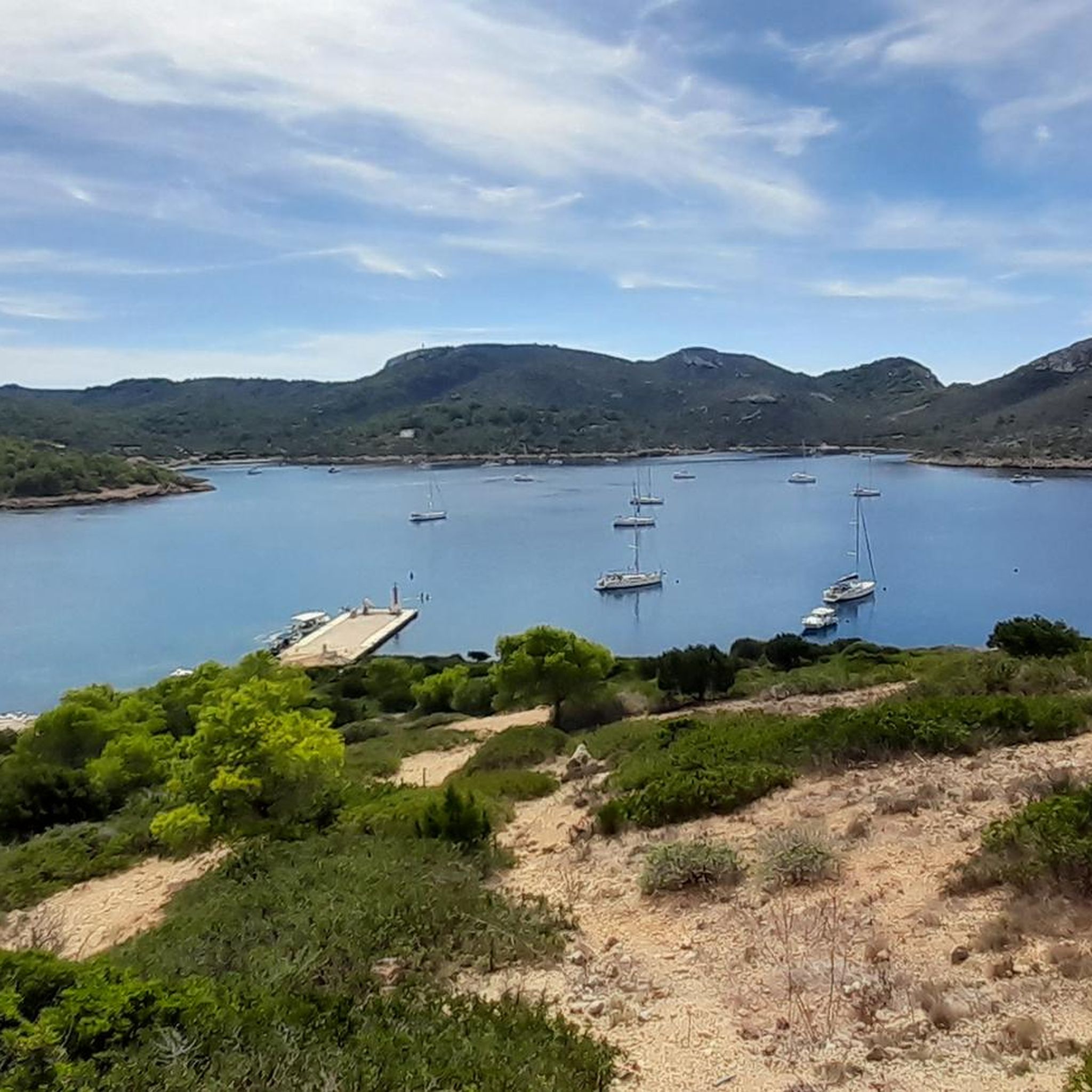
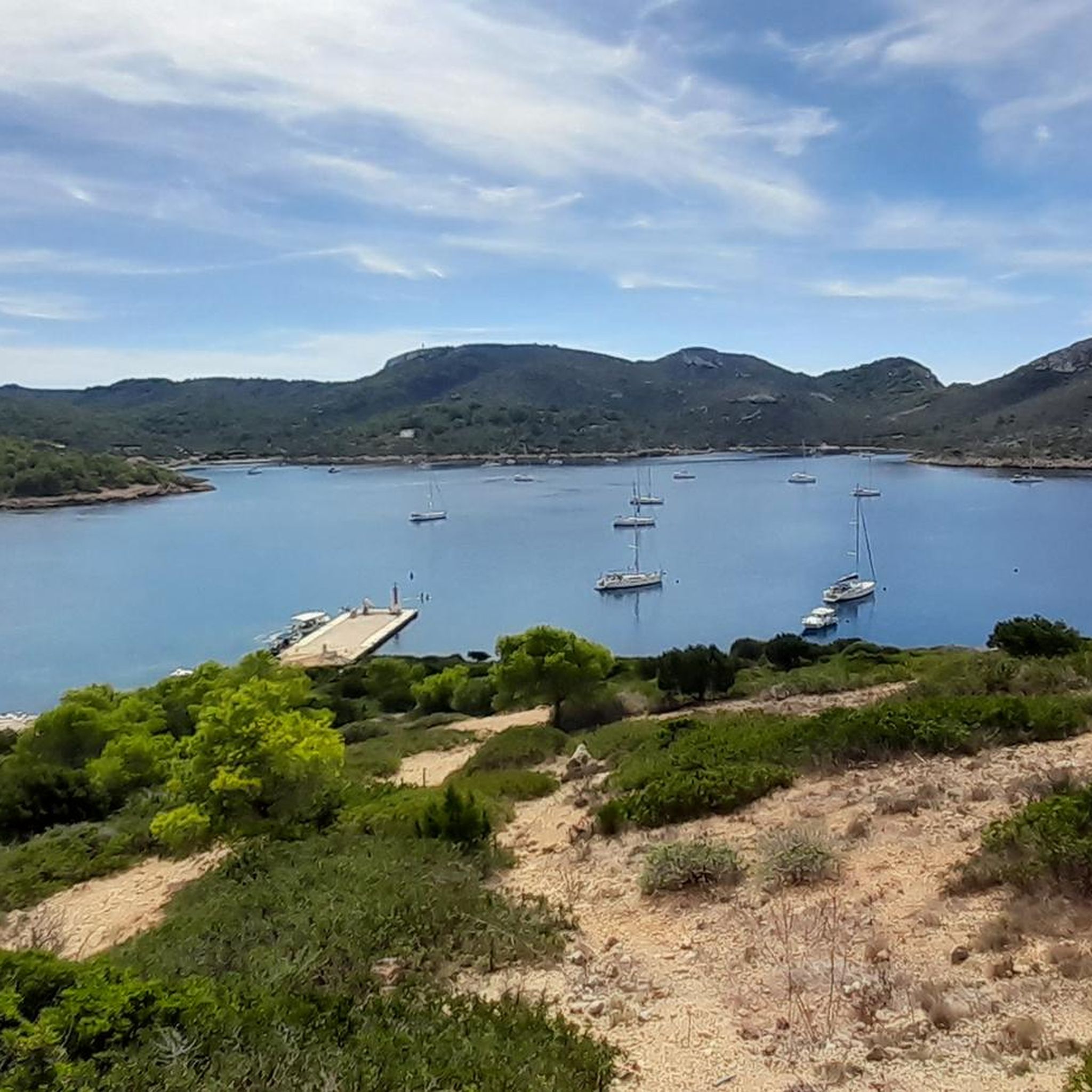
The archipelago boasts stunning natural beauty. Don't miss the Blue Cave (Sa Cova Blava), where sunlight creates mesmerizing blue effects on the water, perfect for swimming. The pristine beaches like Sa Platgeta and s'Espalmador are known for their crystal-clear waters. The entire area is a protected Maritime-Terrestrial National Park, home to diverse marine and terrestrial ecosystems, including over 400 botanical species and nearly 200 species of fish.
Are there any hiking trails available in Archipielago De Cabrera?
Yes, the island offers several hiking opportunities. You can find trails ranging from easy to moderate difficulty. For example, there's an easy loop from Cabrera Castle to the Blue Cave, or a moderate route connecting Sa Platgeta Beach to the View of the Cabrera Lighthouse. You can explore more options and detailed routes in the Hiking in Archipielago De Cabrera guide.
What kind of boat tours are available to Archipielago De Cabrera?
Boat trips are a popular way to experience the archipelago. Many excursions, like the Boat trip to Cabrera National Park, include stops for swimming and snorkeling in the pristine waters, often visiting the famous Blue Cave (Sa Cova Blava). These tours provide access to the island's hiking trails and allow you to explore its unique coastal landscape.
What is the best time to visit Archipielago De Cabrera?
The Archipielago de Cabrera is a protected area, and its pristine condition is best enjoyed during milder weather. While specific seasonal considerations for visitor numbers aren't detailed, the region's natural beauty, especially its marine life and hiking trails, is generally pleasant from spring to early autumn. Always check local regulations and permit requirements before planning your trip.
Are there any family-friendly activities in Archipielago De Cabrera?
Families can enjoy the natural beauty and educational aspects of the archipelago. Boat trips often include swimming opportunities in calm, clear waters like those found at the Blue Cave (Sa Cova Blava). The Cabrera Museum and Botanical Garden offer insights into the island's history and ecology, which can be engaging for children. Easy hiking trails are also available for family walks.
What cultural sites can I visit on Cabrera Island?
Beyond historical landmarks, you can delve into the island's culture at the Cabrera Museum (Es Celler Ethnography Museum), located in a former winery. It showcases the island's history, natural resources, and archaeological finds. Adjacent to the museum, the Botanical Garden displays the National Park's characteristic vegetation. The island also holds remnants of various ancient civilizations.
What permits are required to visit Archipielago De Cabrera?
As a protected Maritime-Terrestrial National Park, access to Archipielago De Cabrera is regulated. Visitors typically need permits, especially for private boat access or certain activities. It's advisable to inquire about specific permit requirements at the harbor or through official park channels before your visit, particularly if you plan to hike to areas like the Enciola Lighthouse, which may require a guide from the national park.
Can I see wildlife in Archipielago De Cabrera?
Absolutely. The archipelago is a natural paradise, home to a rich diversity of wildlife. Its waters host over 500 marine species, including molluscs, crustaceans, sponges, sea urchins, and around 220 types of fish. On land, you can find endemic lizards and significant colonies of seabirds, as the park is designated a Special Protection Area for Birds (ZEPA).
How long should I plan for a visit to Archipielago De Cabrera?
A typical boat excursion to Archipielago De Cabrera often lasts a full day, allowing time for a boat trip, swimming, and exploring some of the island's main attractions like the Cabrera Castle or the Blue Cave (Sa Cova Blava). If you wish to explore more hiking trails or visit the museum and botanical garden thoroughly, you might consider an overnight stay if permitted, or plan for a longer day trip with specific activities in mind.
Where are the best viewpoints in Archipielago De Cabrera?
For breathtaking panoramic views, the Cabrera Castle, standing 72 meters above sea level, offers impressive vistas of the island and Mallorca. The Far d'Enciola (Punta de n'Ensiola Lighthouse) is another prime location, situated 102 meters above sea level, providing expansive views of the sea and coastline.
Are there running trails near the attractions?
Yes, for those interested in running, there are several trails in the area. You can find routes like the 'Sa Platgeta Beach – Punta de n'Ensiola Lighthouse loop from Cabrera' which is moderate, or the 'Castillo de Cabrera and Punta de n'Ensiola lighthouse — circular trailrunning in the Cabrera Archipelago National Park' which is more difficult. More options are available in the Running Trails in Archipielago De Cabrera guide.
Most popular routes in Archipielago De Cabrera

Get inspired with the komoot mobile app


Explore more
Still not found the Highlight you’re looking for? See guides of the top attractions in other regions:
