The best running trails in Serra Do Xistral
126
runners
18
runs
Jogging in Serra Do Xistral offers a variety of routes through a landscape characterized by forested hills, cultural landmarks, and tranquil lakeside paths. The region presents a mix of challenging long-distance trails and shorter, more accessible running options. Runners can explore areas around historical towns and natural features like the Sierra de Toxiza. The terrain varies from gentle gradients near water bodies to significant elevation gains in more mountainous sections.
Best jogging routes in Serra Do Xistral
- The most popular…
Last updated: July 1, 2026
11
runners
15.2km
02:06
670m
670m
Hard run. Very good fitness required. Mostly paved surfaces. Suitable for all skill levels.
9
runners
41.6km
05:22
1,360m
1,360m
Hard run. Very good fitness required. Mostly paved surfaces. Suitable for all skill levels.

Sign up for free
9
runners
15.0km
01:58
660m
670m
This difficult 9.3-mile jogging route from Mondoñedo through Sierra de Toxiza offers 2172 feet of elevation gain and scenic mountain views.
9
runners
9.25km
00:59
50m
50m
Moderate run. Good fitness required. Mostly paved surfaces. Suitable for all skill levels.
6
runners
5.12km
00:32
30m
30m
Moderate run. Good fitness required. Mostly paved surfaces. Suitable for all skill levels.
Get access to more routes and recommendations from other explorers.
Sign up for free
Already have an account?
Our route recommendations are based on thousands of hikes, rides, and runs completed by other people on komoot.
Start today with a free account
Your next adventure awaits.
Login or Signup
Popular around Serra Do Xistral
Tips from the Community

Mondoñedo Cathedral, also known as the Basilica of the Virgin of the Assumption, is one of Galicia's most important monuments, both for its historical and artistic value. Construction began in 1219 and was completed in the 14th century.
3
0
The Hospital of San Pablo and San Lázaro de Mondoñedo is a historic building of great heritage value, located on the Alameda de los Remedios, in the upper part of the city. Its construction was commissioned by Bishop Sarmiento de Sotomayor in 1750, with the aim of unifying the city's old hospitals: one for pilgrims and another for lepers.
4
0
Mondoñedo Cathedral, also known as the Cathedral Basilica of the Virgin of the Assumption, is an impressive cathedral located in the town of Mondoñedo, in Galicia, Spain. This cathedral combines Romanesque and Gothic architectural styles, and its main construction took place between 1219 and 1243. The façade was remodeled in the 18th century, and the towers that give it its current appearance were added.
6
0

The hospital was built between 1750 and 1775 in the upper part of Mondoñedo, on the Alameda de los Remedios. This building has a square floor plan with a baroque façade and a central courtyard. Above the main doorway is the coat of arms of Bishop Sarmiento and Mondoñedo, forming a unique ensemble. Inside there is a chapel that houses a two-body baroque altarpiece from the 18th century with a period Christ.
1
0

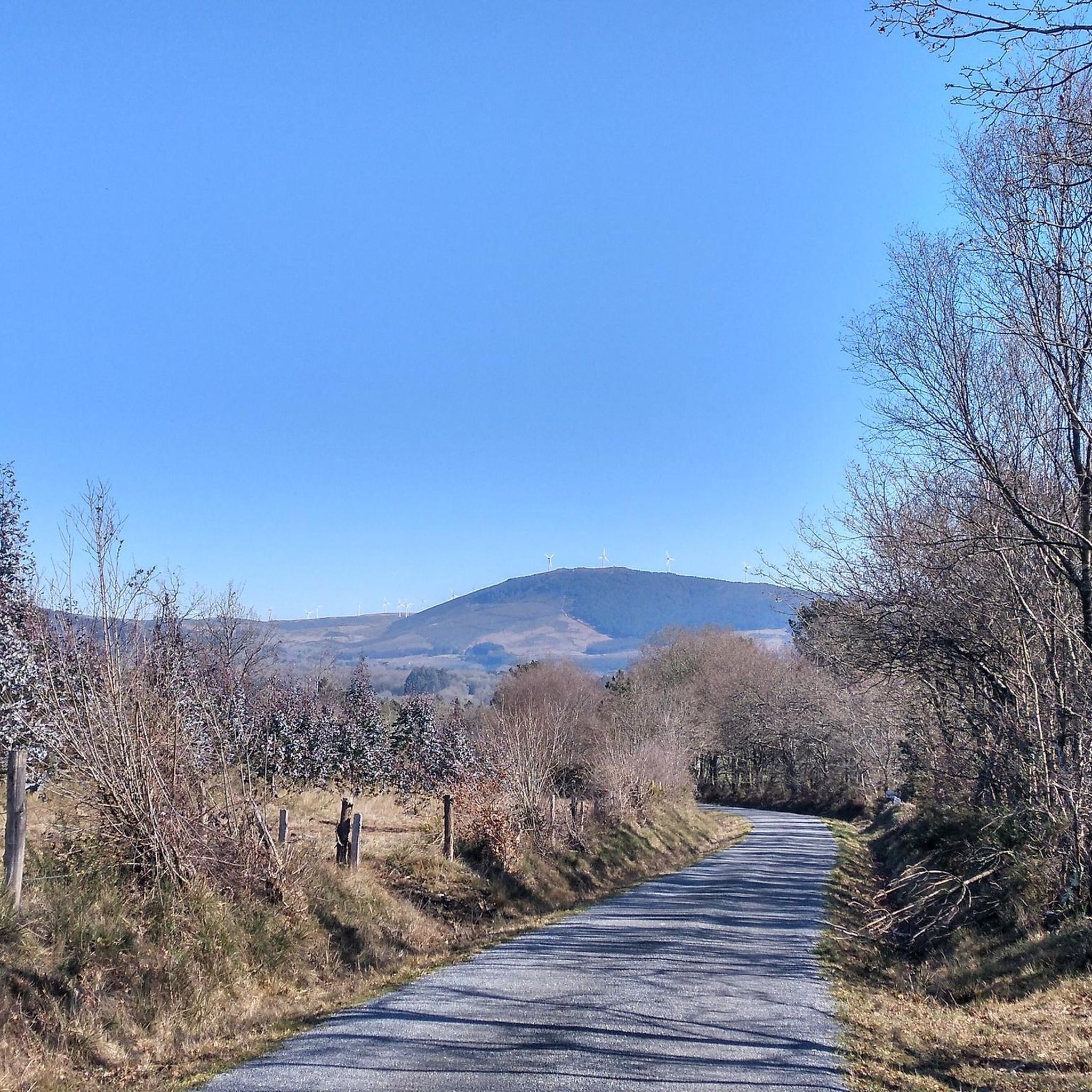
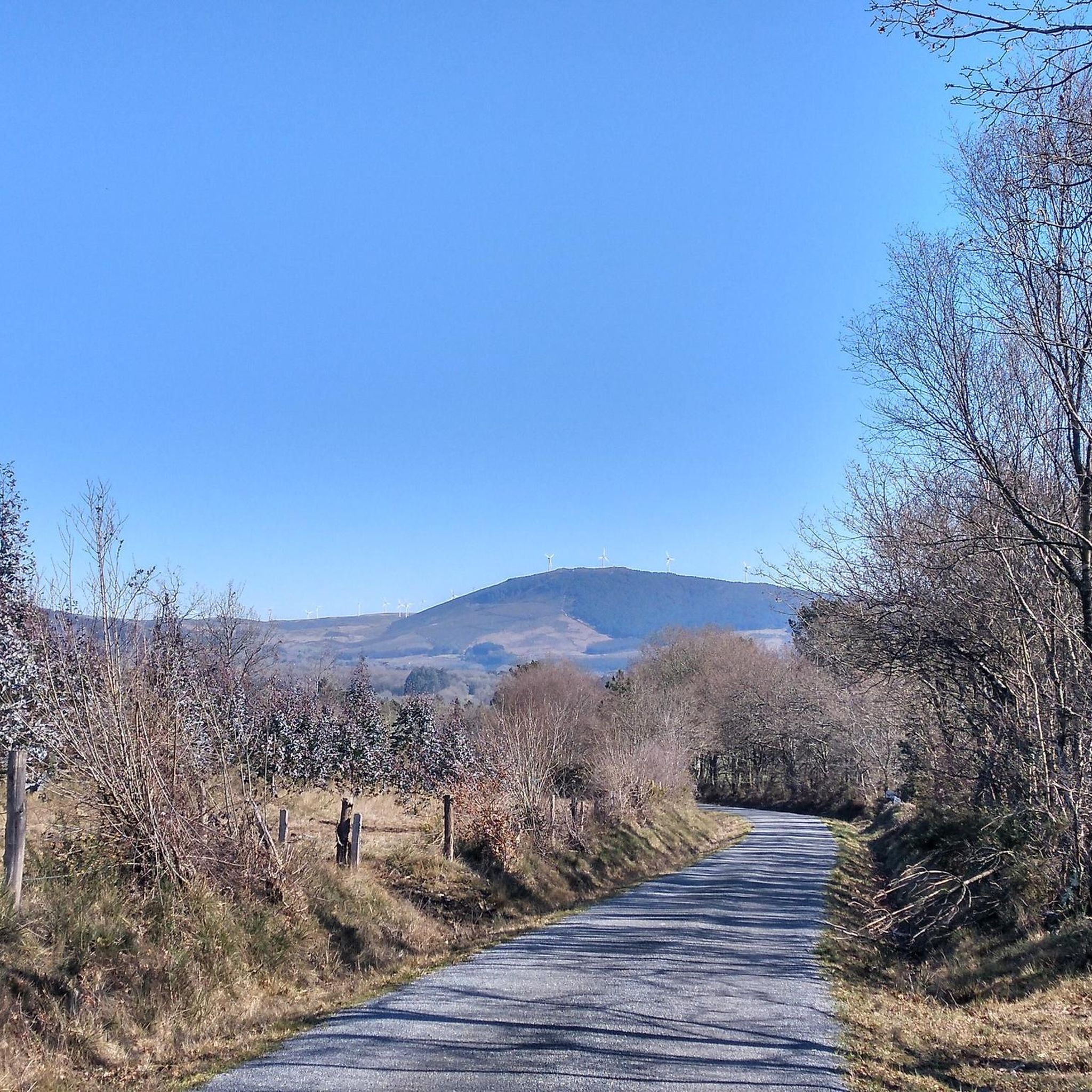
A beautiful view 🤙
1
1
Nice view 🤙
0
1

A good way to find inspiration at the start of a cycle touring trip is to cycle unhurriedly following the universal yellow arrows of the Camino de Santiago. In Ribadeo begins the Natural Route of the Cantabrian Route and it is also the entrance to Galicia of the Camino del Norte or Camino de la Costa from Asturias, in both ways it is known the Camino de Santiago that runs along the Cantabrian coast from Irún to Santiago de Compostela. The Jacobean route leaves the Cantabrian coast and faces the first stage through the interior of Galicia, the landscape, the language and the cultural signs change but the faithful yellow arrows remain along with the inseparable Compostelan scallop shell along the Camiño Norte. The main purpose of including this variant in the trip is to connect with the Natural Route of San Rosendo and to discover the landscapes and villages that this ancient pilgrimage route travels between Mondoñedo and Foz. The connection point between the Camino de Santiago and the Natural Route is in Vilanova de Lourenzá, an ancient town of the Bridge from other times, when pilgrims sought asylum and protection in the hospitium of the Benedictine monastery of San Salvador. The meeting of the two routes is precisely at the medieval bridge over the Baos river, at the entrance to the town, and one could continue directly along the Natural Route of San Rosendo towards the coast, but the visit to the historic city of Mondoñedo is fundamental, former seat of courts, lordships and bishoprics, it has an old town declared a Historic-Artistic Site with arcades, cobbled streets and facades decorated with coats of arms and crests. The two routes coexist in the villages of the route until the Plaza de la Catedral de Mondoñedo, then you have to return along the same route and in Lourenzá undertake the descent towards the coast through the parishes of Casolga and Celeiro, in the mountains of the Masma river valley, the river collector that flows into the estuary of Foz. The landmarks of the Natural Route of San Rosendo pass through the basilica of San Martiño de Mondoñedo, the ancient site of Mindumneto, refuge of the bishop of Braga, Sabarico, in the mid-9th century and seat of the diocese until the year 1112, it is the oldest preserved cathedral in Spain and the first raised in southern Europe, built in the 6th century. The signs of the Route continue through the forests that lead to the panoramic spot of the hermitage of Obispo Santo and finally descend to the coastal platform, connecting with the Natural Route of the Cantabrian Route on the outskirts of Foz to finish the cycling stage by touring the coast of the Gulf of Masma to Cape Burela.
0
0
Frequently Asked Questions
How many running routes are available in Serra Do Xistral?
Serra Do Xistral offers a diverse network of over 20 running routes, catering to various fitness levels. These include 1 easy, 8 moderate, and 11 difficult trails, ensuring options for both casual joggers and experienced runners.
Are there any easy or beginner-friendly jogging routes in Serra Do Xistral?
Yes, for beginners or those seeking a less strenuous run, there is at least one easy route available. Additionally, several moderate trails, such as the Ponte Romana loop from As Pontes de García Rodríguez (5.7 miles / 9.3 km), offer manageable distances and elevation changes, making them suitable for a relaxed pace.
What kind of terrain can I expect on the running trails in Serra Do Xistral?
The terrain in Serra Do Xistral is quite varied, characterized by forested hills, cultural landmarks, and tranquil lakeside paths. You'll encounter everything from gentle gradients near water bodies to significant elevation gains in more mountainous sections, particularly on routes like the Sierra de Toxiza Loop from Mondoñedo.
Are there any circular running routes in Serra Do Xistral?
Many of the running routes in Serra Do Xistral are designed as loops, allowing you to start and finish at the same point. Examples include the Ponte Romana loop from As Pontes de García Rodríguez and the Lago de As Pontes loop from As Pontes de García Rodríguez, which is a moderate 3.9-mile (6.3 km) trail around the lake.
What are some notable landmarks or attractions I might see while running in Serra Do Xistral?
Runners can discover several interesting points of interest. For instance, the Mondoñedo Cathedral – Mondoñedo loop from Mondoñedo passes by historical sites. Other natural attractions in the wider region include the impressive Tronceda River Waterfalls and the scenic Río Ouro and Escouridal Waterfall.
Are there any running routes suitable for families with children?
While specific 'family-friendly' designations aren't always available, routes with moderate difficulty and shorter distances are generally suitable. The Mondoñedo – Mondoñedo Cathedral loop from Mondoñedo, at 4.3 miles (6.9 km) with moderate elevation, could be a good option for families looking for a pleasant outing.
Can I bring my dog on the jogging trails in Serra Do Xistral?
Most natural trails in Serra Do Xistral are generally dog-friendly, especially if your dog is well-behaved and kept on a leash. It's always advisable to check local regulations for specific areas or protected zones. Routes through forested hills and lakeside paths offer great opportunities for you and your canine companion to enjoy the outdoors.
Are there routes with good viewpoints in Serra Do Xistral?
Yes, the region's varied topography, including the Sierra de Toxiza, offers several opportunities for scenic viewpoints. Routes that climb to higher elevations, such as those near Monseivane Summit or Pico O Cadramón, are likely to provide expansive vistas of the surrounding landscape.
What is the best time of year to go running in Serra Do Xistral?
The best time for running in Serra Do Xistral is typically during spring and autumn when the weather is mild and the natural scenery is at its most vibrant. Summer can also be pleasant, especially in the mornings or late afternoons, though some trails might be more exposed to the sun. Winter runs are possible, but be prepared for cooler temperatures and potentially wet conditions.
Are there any running routes that pass by lakes or rivers?
Yes, Serra Do Xistral features tranquil lakeside paths and routes along rivers. The Lago de As Pontes loop from As Pontes de García Rodríguez is a prime example, offering a scenic run directly around a lake. You'll also find routes that follow river courses, providing a refreshing experience.
What do other runners say about jogging in Serra Do Xistral?
More than 100 runners have used komoot to explore Serra Do Xistral's varied terrain. Users often praise the region for its diverse landscape, which includes a mix of challenging long-distance trails and shorter, more accessible running options through forested hills, past cultural landmarks, and along tranquil lakeside paths.
Most popular routes in Serra Do Xistral
Most popular attractions in Serra Do Xistral

Get inspired with the komoot mobile app


Explore more
Browse the best Running Trails & Routes in other regions.
