Attractions and Places To See in Canón Do Sil - Top 20
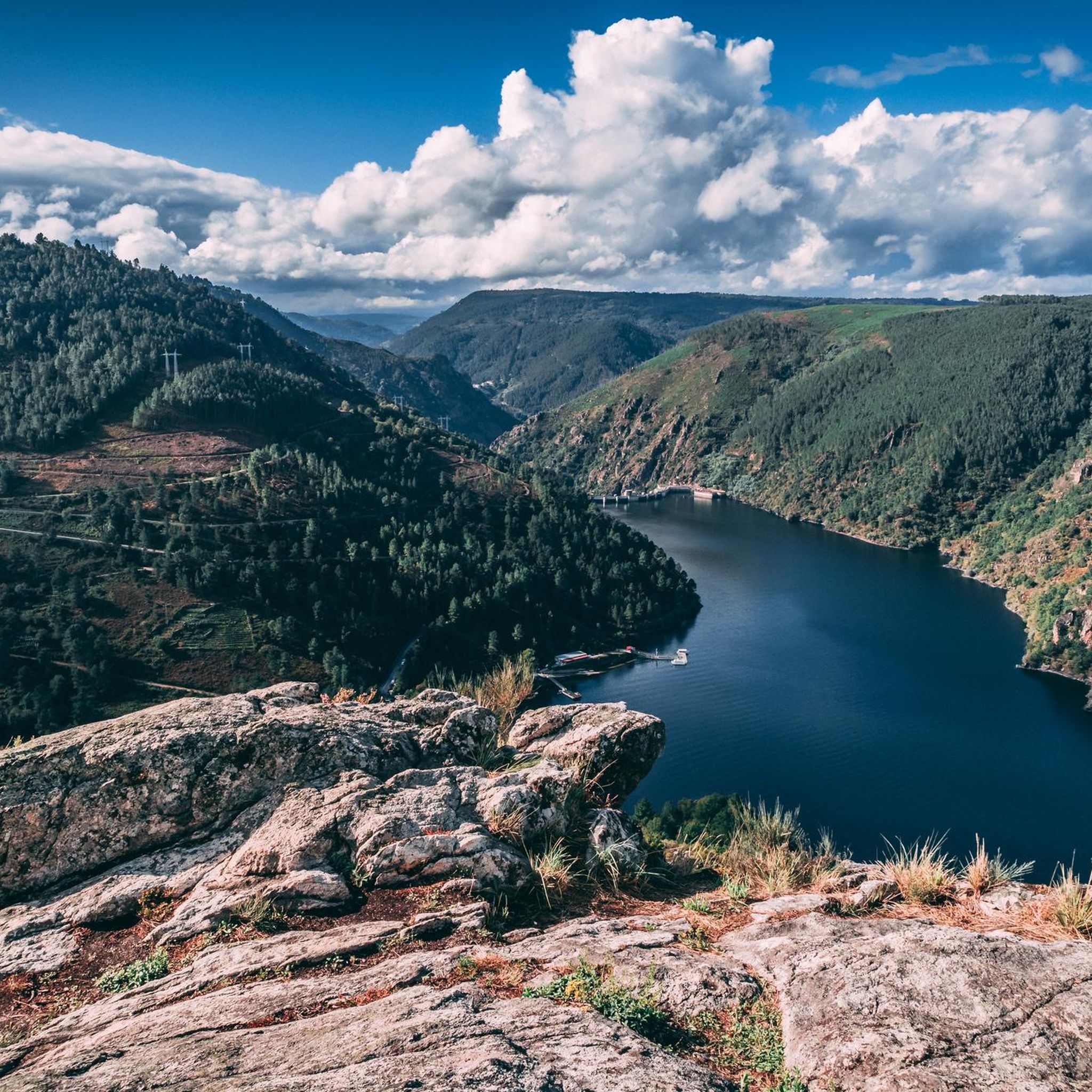
Best attractions and places to see in Canón Do Sil include a dramatic gorge carved by the Sil River, featuring cliffs up to 500 meters high. This region, known as Ribeira Sacra, is characterized by its unique "heroic viticulture" on steep, terraced slopes. It is also home to a rich monastic heritage with numerous historical monasteries. The area offers a blend of impressive natural landscapes and a deep cultural past.
Best attractions and places to see in Canón Do Sil
…Last updated: July 2, 2026
Monastery of Santa Cristina
Highlight • Religious Site
Translated by Google •
Tip by

Monastery of Santo Estevo de Ribas de Sil
Highlight • Religious Site
Translated by Google •
Tip by

Sign up now to discover places like this
Get recommendations on the best single tracks, peaks, & plenty of other exciting outdoor places.
Sign up for free
Cividade Viewpoint
Highlight • Viewpoint
Translated by Google •
Tip by

Pedra Longa Viewpoint
Highlight • Viewpoint
Translated by Google •
Tip by
Traditional crops
Highlight • Trail
Translated by Google •
Tip by

Sign up for free to discover even more attractions in Canón Do Sil.
Sign up for free
Already have an account?
Start today with a free account
Your next adventure awaits.
Login or Signup
Tips from the Community

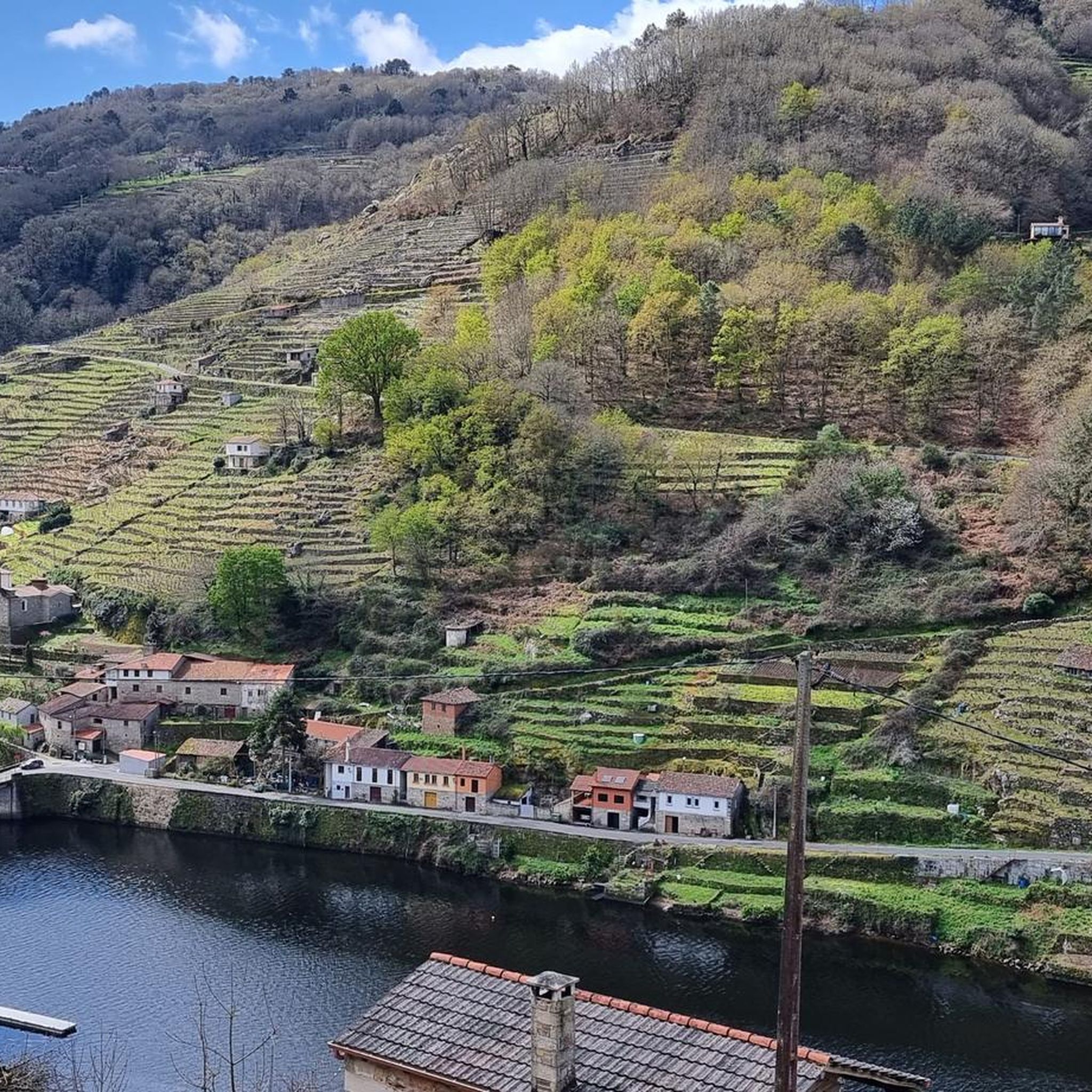
The PR-G 98 takes the Santa Cristina detour along an ancient country path dug into the mountainside centuries ago in remote and steep places, like the remains of the stone villages that appear during the journey through this enchanted world. Remains of mills, houses, wineries, “sequeiros” and a multitude of constructions with mossy walls emerge from the small natural steps of the terrain that are suitable for building a building. The rest of the surroundings are a forest of chestnut and oak trees, old and gnarled, forgotten by man and time, placed everywhere forming a magnificent forest of enormous trees that hide the views of the Sil gorge. The river is close but practically unreachable.
0
0
It is a magnificent example of rural Galician Romanesque architecture. The original building is from the 12th century, and preserves carvings from the 16th century and baroque altarpieces from the 18th century. The entrance to the cloister has a Romanesque doorway with lobed arches and a magnificent sculptural pantheon. The economic power of the monks of the Sil reached a notable splendour in the 12th century, when they received royal privileges and papal protection to expand the monasteries and sanctuaries on both banks of the Sil, a territory with a strong historical and cultural personality, called Rivoyra Sacrata at that time and known since then as Ribeira Sacra.
1
0

The viewing platform was designed by the Ola Estudio architectural studio, a Galician team specialising in landscape interventions and sustainable architecture. The viewing platform is built primarily from wood and Corten steel, durable and resistant materials that allow the structure to blend harmoniously with the natural environment. The use of Corten steel, which develops a protective patina that imitates rust, contributes to the rustic aesthetic of the Galician landscape.
1
0
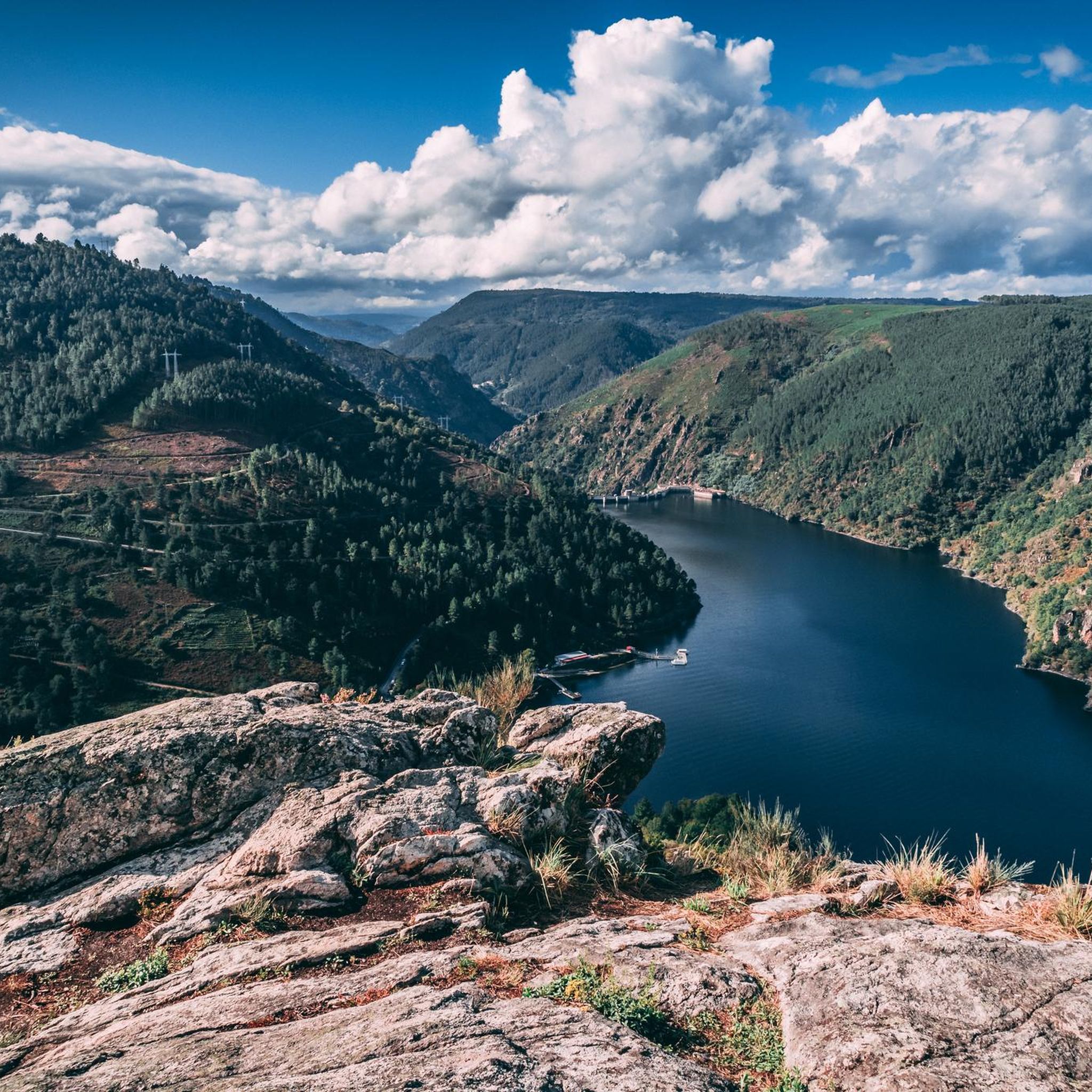
Designed to offer panoramic views of the Ribeira Sacra landscape, especially the Cabe River valley and the surrounding areas of the city. From this viewing point you can see the terraced vineyards, the hills and the lush forests that characterise the region.
1
0


The monastery of Santo Estevo de Ribas de Sil is one of the most outstanding and spectacular complexes of the rich monumental heritage of Galicia. It was built between the 12th and 18th centuries. This monastery was important, because nine bishops retired to it and renounced their episcopal sees and chose the monastery to end their days throughout the 10th century and perhaps part of the 11th. The monastery kept his remains and as a souvenir it carried the nine miters on its shield. The church has a basilica plan, spacious and proportioned. It preserves the Romanesque apse with three apses, the central one being lower than the lateral ones, an unusual case in Galician Romanesque. The façade of the church is from the end of the 16th century or beginning of the 17th century. At the top there is a simple oculus that gives light to the interior and ends in a niche inside which is the image of Saint Stephen.
1
0
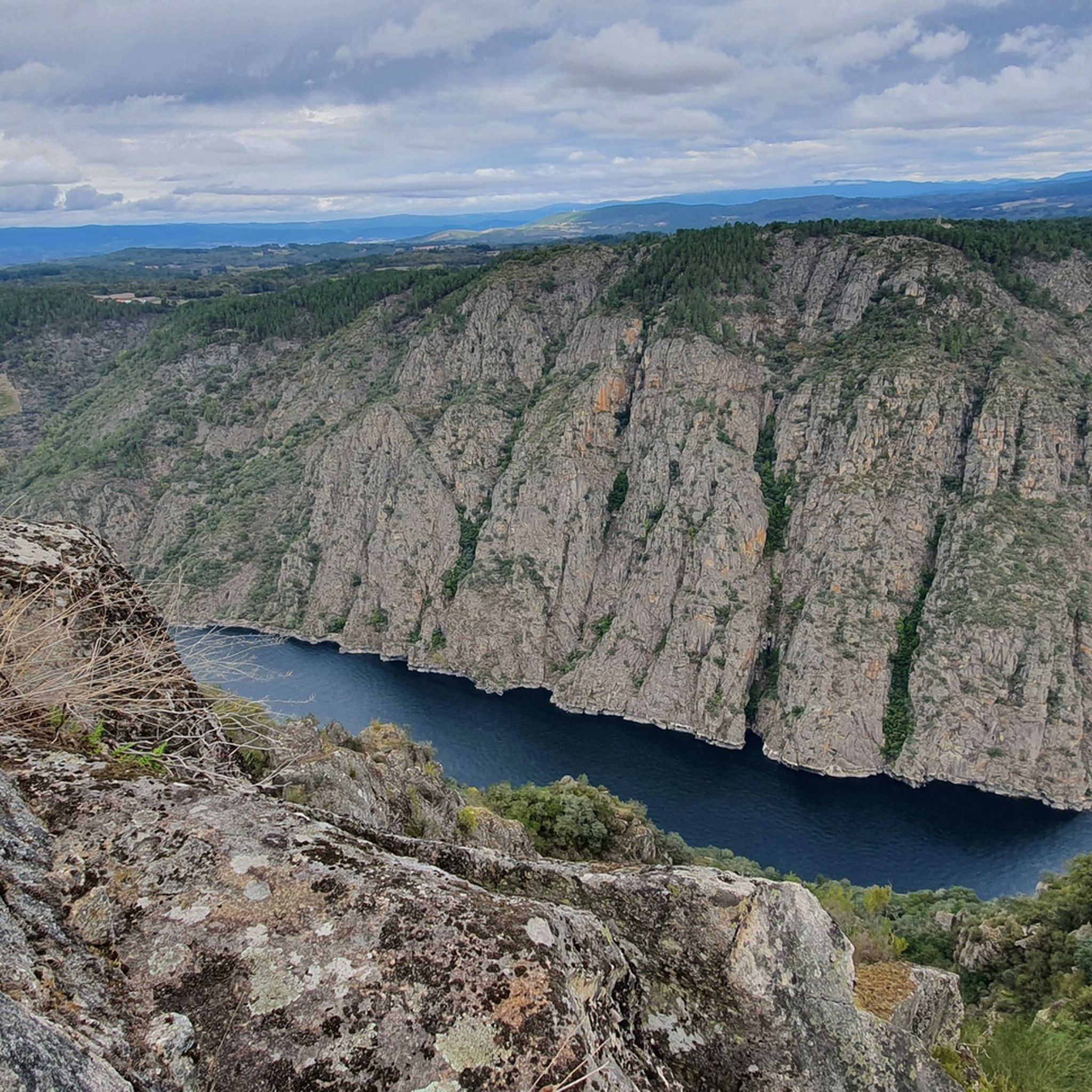
Mirador da Pedra Longa, a majestic rock formation in the shape of a vertical monolith whose height exceeds 7 meters and is made up of just one piece of stone. Rain and wind have been responsible for sculpting this wonderful work of art for millions of years. It is accompanied by the special background that the valley and the Sil canyon give it. From here you will see a good stretch of the Sil River, from Pombeiro (Pantón) to the mouth of the Cabe River, in A Barca. Also in the distance you will appreciate the high and vertical slopes of the canyon in Sober, in the parishes of Belmonte or Santiorxo.
2
0

Along the Sil River Canyon as it passes through the Ribeira Sacra there is a wide network of viewpoints on both banks. Beautiful views.
6
0
Frequently Asked Questions
What are the most impressive viewpoints in Cañón do Sil?
The Cañón do Sil is renowned for its panoramic viewpoints. Some of the most spectacular include Balcones de Madrid (Os Torgás), offering dizzying views, and Cividade Viewpoint, which provides expansive vistas of terraced vineyards and lush forests. Other notable spots are Cabezoás, Matacás, Vilouxe, and Chao de Madeiros, each presenting unique perspectives of the canyon's dramatic landscape.
Which historical monasteries can I visit in Cañón do Sil?
The region, known as "Ribeira Sacra" (Sacred Shore), is rich in monastic heritage. You can explore the prominent Monastery of Santo Estevo de Ribas de Sil, a spectacular complex built between the 12th and 18th centuries, now a parador hotel. Another Romanesque jewel is the 10th-century Monastery of Santa Cristina de Ribas de Sil. Additionally, the ancient San Pedro de Rocas Monastery and Santa María de Xunqueira de Espadanedo offer further insights into the region's religious past.
What is the significance of the Ribeira Sacra wine region?
The Cañón do Sil is integral to the renowned Ribeira Sacra wine region, famous for its "heroic viticulture." This refers to the challenging cultivation of grapevines on steep, terraced slopes that have been worked since Roman times. The unique microclimate supports not only vineyards but also Mediterranean vegetation like olive trees, contributing to the distinct character of its wines.
Can I take a boat tour through the Cañón do Sil?
Yes, catamaran excursions are a very popular way to experience the canyon's immense scale and beauty from the water. Tours typically depart from various jetties, such as San Estevo and Doade, offering a unique perspective of the towering cliffs and terraced vineyards.
What hiking opportunities are available in Cañón do Sil?
Numerous hiking trails wind through the canyon, catering to various difficulty levels. A popular option is the circular route along the Mao River Footbridges, starting in Barxacova, which offers a scenic path along the Mao River. There's also a 22-kilometer route connecting the monasteries of San Esteban and Santa Cristina, allowing you to combine natural beauty with historical exploration. For more detailed routes, you can explore the Running Trails in Cañón do Sil guide.
Are there options for cycling or running in Cañón do Sil?
Absolutely. The region offers diverse routes for both road cycling and running. For cyclists, there are challenging routes like the "Cabezoás Viewpoint – Mao Walkways loop" or the "Ascent to the Sil Canyon" which can be found in the Road Cycling Routes in Cañón do Sil guide. Runners can enjoy trails such as the "Mirador de los Balcones de Madrid – circular desde Parada de Sil" or the "Ribeira Sacra Natural Trail," detailed in the Running Trails in Cañón do Sil guide. Mountain biking trails are also available, including loops around viewpoints like Cividade and O Boqueiriño, which you can find in the MTB Trails in Cañón do Sil guide.
When is the best time to visit Cañón do Sil?
The Cañón do Sil is beautiful year-round, but spring and autumn are often considered the best times to visit. During these seasons, the weather is generally mild, ideal for hiking and outdoor activities, and the landscapes are particularly vibrant with blooming flora or rich autumn colors in the vineyards. Summer can be warm, perfect for river activities, while winter offers a quieter, often misty, and dramatic atmosphere.
Are there family-friendly activities in Cañón do Sil?
Yes, Cañón do Sil offers several activities suitable for families. Catamaran tours on the Sil River are a relaxing way for all ages to appreciate the canyon's grandeur. Many viewpoints are easily accessible by car, providing stunning views without strenuous effort. Shorter, less challenging sections of hiking trails, such as parts of the Mao River Footbridges, can also be enjoyed by families.
What are some unique natural formations in Cañón do Sil?
Beyond the dramatic canyon itself, you can discover unique natural formations like Pedra Longa Viewpoint. This site features a majestic vertical monolith, over 7 meters tall, sculpted by millions of years of rain and wind erosion. It offers a striking visual against the backdrop of the Sil River and its surrounding valley.
Are there any ancient archaeological sites in the area?
Yes, the region holds ancient history. The Necropolis of San Víctor is an archaeological site featuring anthropomorphic tombs carved directly into stone, dating back to the 9th and 10th centuries. This site provides a fascinating glimpse into the early medieval history and burial practices of the area.
What is the general terrain like for outdoor activities in Cañón do Sil?
The terrain in Cañón do Sil is characterized by dramatic contrasts. You'll find towering cliffs reaching up to 500 meters above the Sil River, creating deep gorges. The landscape includes steep, terraced vineyards, lush forests of chestnut and oak, and winding river valleys. Hiking and cycling routes often involve significant elevation changes, reflecting the rugged beauty of the canyon.
Are the hiking trails in Cañón do Sil well-marked?
Many of the established hiking trails in Cañón do Sil, especially those managed by local tourism bodies or forming part of official routes like the Mao River Footbridges, are generally well-marked. However, as with any outdoor activity, it's always advisable to carry a map or use a reliable navigation app like komoot, especially when exploring less frequented paths.
What are the parking options for viewpoints in Cañón do Sil?
Most of the popular viewpoints in Cañón do Sil, such as Balcones de Madrid, Cabezoás, and Cividade, have designated parking areas nearby, making them accessible by car. These parking facilities are typically located a short walk from the viewing platforms, allowing visitors to easily enjoy the panoramic vistas.
Most popular routes in Canón Do Sil
Most popular attractions in Canón Do Sil

Get inspired with the komoot mobile app


Explore more
Still not found the Highlight you’re looking for? See guides of the top attractions in other regions:
