The best cycling routes in Ancares
4.6
(5)
144
riders
6
rides
Touring cycling in Ancares offers routes through a mountainous region defined by rugged terrain and deep valleys, carved by rivers like the Ancares, Burbia, and Cúa. The landscape features peaks reaching just under 2,000 meters, alongside extensive forests of oak, maple, and birch. This area is recognized as a Biosphere Reserve, providing a diverse natural environment for challenging cycling.
Best touring cycling routes in Ancares
- The most popular touring cycling route is Balouta – Ancares Pass loop from Robledo de…
Last updated: August 11, 2026
5
riders
34.2km
03:00
1,280m
1,280m
Hard bike ride. Very good fitness required. Mostly paved surfaces. Suitable for all skill levels.
5.0
(2)
17
riders
69.0km
04:54
1,370m
1,370m
Hard bike ride. Very good fitness required. Mostly paved surfaces. Suitable for all skill levels.

Sign up for free
28
riders
47.8km
03:18
890m
890m
Hard bike ride. Very good fitness required. Mostly paved surfaces. Suitable for all skill levels.
12
riders
102km
07:33
2,460m
2,470m
Hard bike ride. Very good fitness required. Mostly paved surfaces. Suitable for all skill levels.
9
riders
21.4km
01:52
770m
770m
Hard bike ride. Very good fitness required. Mostly paved surfaces. Suitable for all skill levels.
Our route recommendations are based on thousands of hikes, rides, and runs completed by other people on komoot.
Start today with a free account
Your next adventure awaits.
Login or Signup
Popular around Ancares
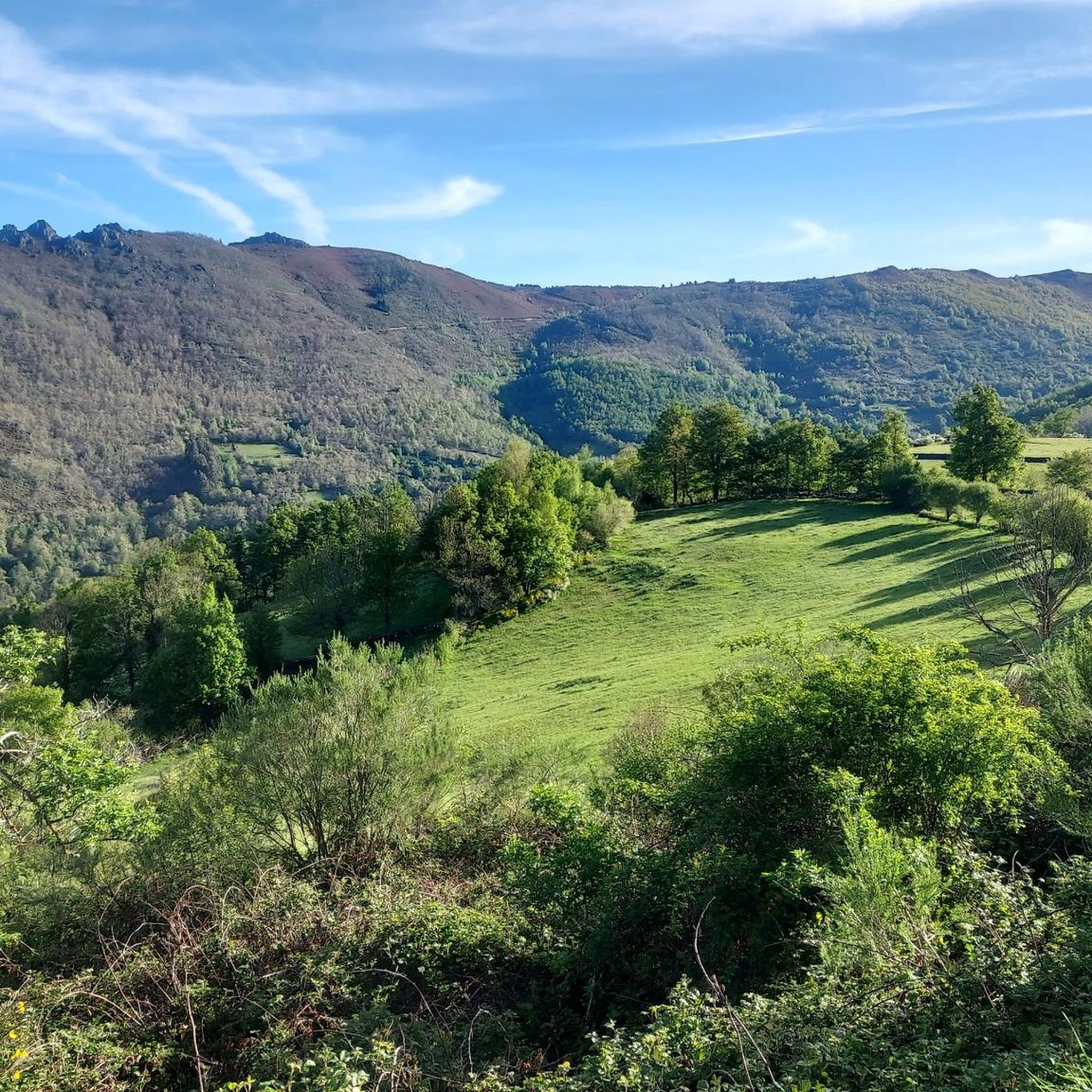
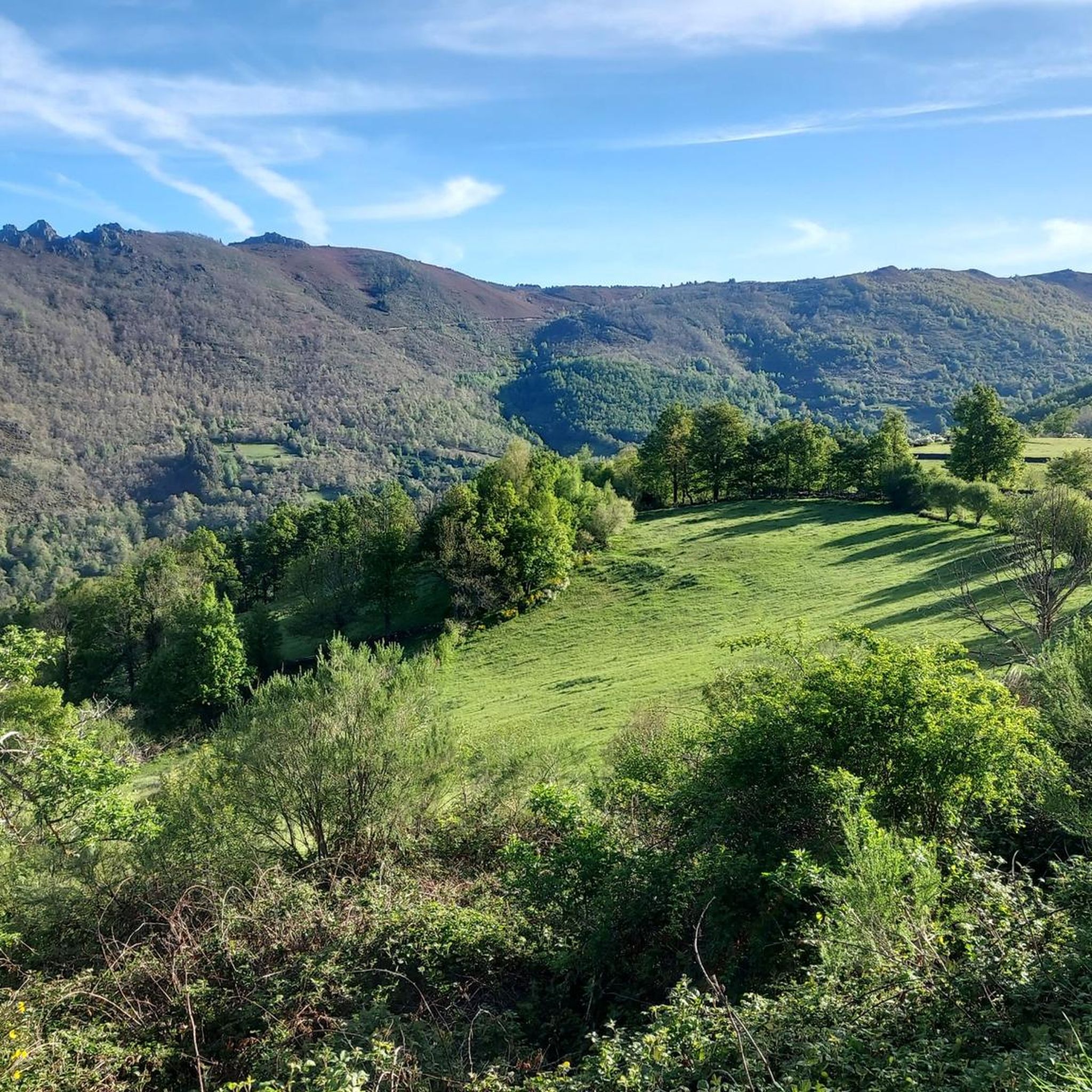
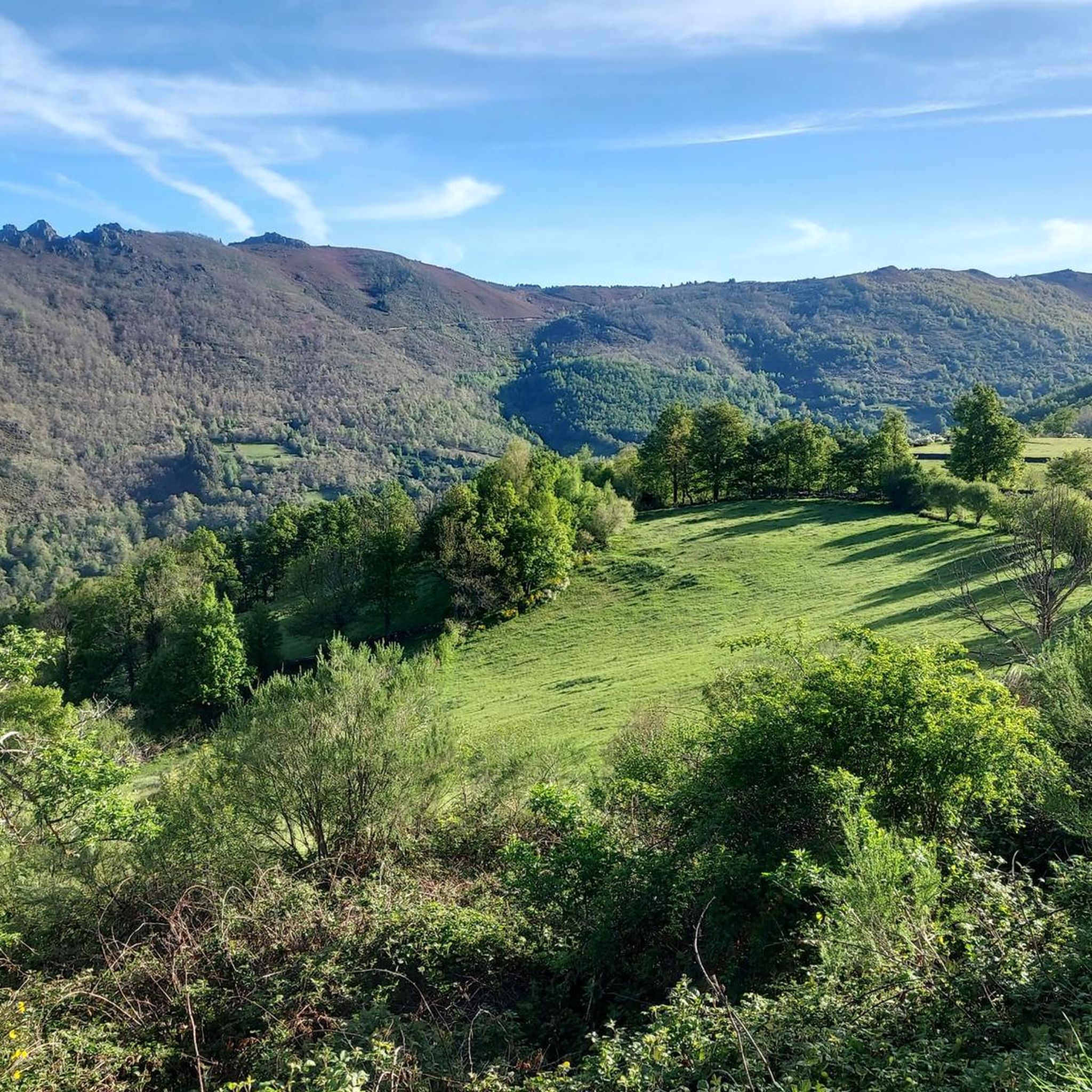
Tips from the Community

A beautiful climb, steady and challenging, surrounded by greenery. Beautiful views.
0
0

One of the highest points on the French Way of the Camino de Santiago, located between Triacastela and Fonfría, already in the province of Lugo. At 1,335 meters above sea level, this peak offers a natural viewpoint overlooking the Galician mountains. The area is often exposed to wind and changeable weather, even in summer, but the views and the feeling of having reached a milestone more than compensate. There's a hostel/bar right at the summit, useful as a stopping point for pilgrims and cyclists. Dress warmly before reaching the top: the temperature here can drop suddenly, even on sunny days. If you're on a mountain bike or e-bike, make sure you have good traction on descents and that your brakes are checked: the descent towards Fonfría is fast and winding. It's a good place to rest and refill your water or coffee before continuing.
1
0

Pereda de Ancares is a small, picturesque village in León, surrounded by mountains that preserve the rural essence of the area. It is characterized by its stone and slate houses, along with traditional granaries.
1
0
The Ancares Pass from Pereda de Ancares is one of the toughest and most spectacular climbs in the Cantabrian Mountains. It's a pass that has become legendary thanks to La Vuelta.
1
0


Of course, at this border—of which the pilgrim has already crossed several on his long journey through northern Spain—it is especially wonderful to have (finally) reached Galicia. This makes us realize that we are slowly but surely approaching the destination of the great pilgrimage route: the tomb of the Apostle James the Greater in Santiago de Compostela, Galicia.
2
0

This road sign, which is quite faded, marks the border between Castilla y Leon and Galicia. But be careful, the climb is not over!!!
4
0
Frequently Asked Questions
What is the typical difficulty level for touring cycling routes in Ancares?
Touring cycling in Ancares is primarily characterized by challenging mountain passes and significant elevation gains. The region's routes are generally considered difficult, making them ideal for advanced touring cyclists seeking a physical challenge amidst stunning natural beauty.
Are there any easier touring cycling routes suitable for beginners in Ancares?
While Ancares is known for its demanding climbs, the region does offer some paths suitable for varying skill levels. However, the routes listed in this guide are all rated as difficult. For those seeking less strenuous options, it's advisable to explore shorter sections of routes or consult local information centers for paths with gentler gradients.
What kind of terrain can I expect on touring cycling routes in Ancares?
The terrain in Ancares is rugged and dramatic, featuring deep river valleys carved by rivers like the Ancares, Burbia, and Cúa, alongside mountains with peaks reaching just under 2,000 meters. You'll encounter extensive forests of oak, maple, and birch, with higher elevations revealing spectacular rock formations. Road surfaces are often perfect, especially on the renowned climbs.
What natural features and viewpoints can I discover along the touring cycling routes?
Ancares offers breathtaking natural features and expansive views. You can expect to see Pyrenean oak and holm oak forests at lower altitudes, transitioning to oak, maple, sorb, and birch as you ascend. Higher elevations provide panoramic vistas over the Ancares valley and towards Galicia and Asturias. Notable natural highlights include Pico dos Tres Bispos, Pico Mostallar, and the vast Ancares Mountains themselves.
Are there any cultural landmarks or traditional villages to explore on a touring cycling trip?
Absolutely. Ancares is rich in traditional Galician mountain culture. You can visit small, isolated villages where the unique 'palloza' thatched cottages of Celtic origin are preserved. Some of these, like those in O Cebreiro, Piornedo, Balouta, Balboa, and Campo del Agua, have been converted into ethnographic museums. Medieval castles, such as Doiras or Donís, also dot the landscape, offering a glimpse into the region's history.
What do other touring cyclists enjoy most about cycling in Ancares?
The Ancares region is highly rated by the komoot community, with an average score of 4.9 stars from more than 10 reviews. Cyclists often praise the challenging yet incredibly scenic routes, the minimal traffic on many climbs, and the opportunity to immerse themselves in the stunning, untouched natural surroundings and traditional mountain villages.
Are there any circular touring cycling routes in Ancares?
Yes, several touring cycling routes in Ancares are designed as loops, allowing you to start and finish in the same location. Examples include the Balouta – Ancares Pass loop from Robledo de Rao, the Pereda de Ancares loop from Ermida da Madalena, and the extensive A Golada loop from Pedrafita do Cebreiro.
What is the best time of year for touring cycling in Ancares?
The best time for touring cycling in Ancares is generally during the warmer months, from late spring to early autumn. This period offers more stable weather conditions and ensures that higher mountain passes are free of snow. Summer provides long daylight hours, though some routes can be demanding in the heat. Always check local weather forecasts before heading out.
Are there cafes or amenities available along the touring cycling routes?
Given the region's remote and untouched character, amenities like cafes and pubs can be sparse, especially on higher mountain sections. However, traditional villages such as O Cebreiro, Piornedo, Balouta, Balboa, and Campo del Agua often offer basic services. It's advisable to carry sufficient water and snacks, especially on longer routes, and plan stops in advance.
What are the regulations for cycling in the Ancares Biosphere Reserve?
Ancares is recognized as a Biosphere Reserve and a Site of Community Importance within the Natura 2000 network, underscoring its ecological significance. While general cycling is permitted on established roads and trails, it's crucial to respect the natural environment. Always stay on marked paths, do not disturb wildlife, and carry out all your waste. Specific regulations regarding off-road cycling or protected areas may apply, so it's wise to check with local authorities if planning to venture off main routes.
Is public transport available to access touring cycling routes in Ancares?
Accessing the more remote touring cycling routes in Ancares via public transport can be challenging due to the region's isolated nature. While some larger towns might have bus connections, services to smaller villages and trailheads are limited. It's often more practical to travel by car to a starting point, especially if you're bringing your own touring bicycle. Always check local transport schedules and bike carriage policies in advance.
Where can I park my car when starting a touring cycling route in Ancares?
Parking availability varies depending on the starting point of your chosen route. Many villages, such as Robledo de Rao or Pedrafita do Cebreiro, offer limited parking spaces. For popular trailheads, it's best to arrive early, especially during peak season. Always ensure you park responsibly and do not obstruct local access or private property.
Most popular attractions in Ancares

Get inspired with the komoot mobile app


Explore more
Browse the best Cycling routes in other regions.
