The best cycling routes in Parc National De Doñana
4.2
(192)
1,375
riders
64
rides
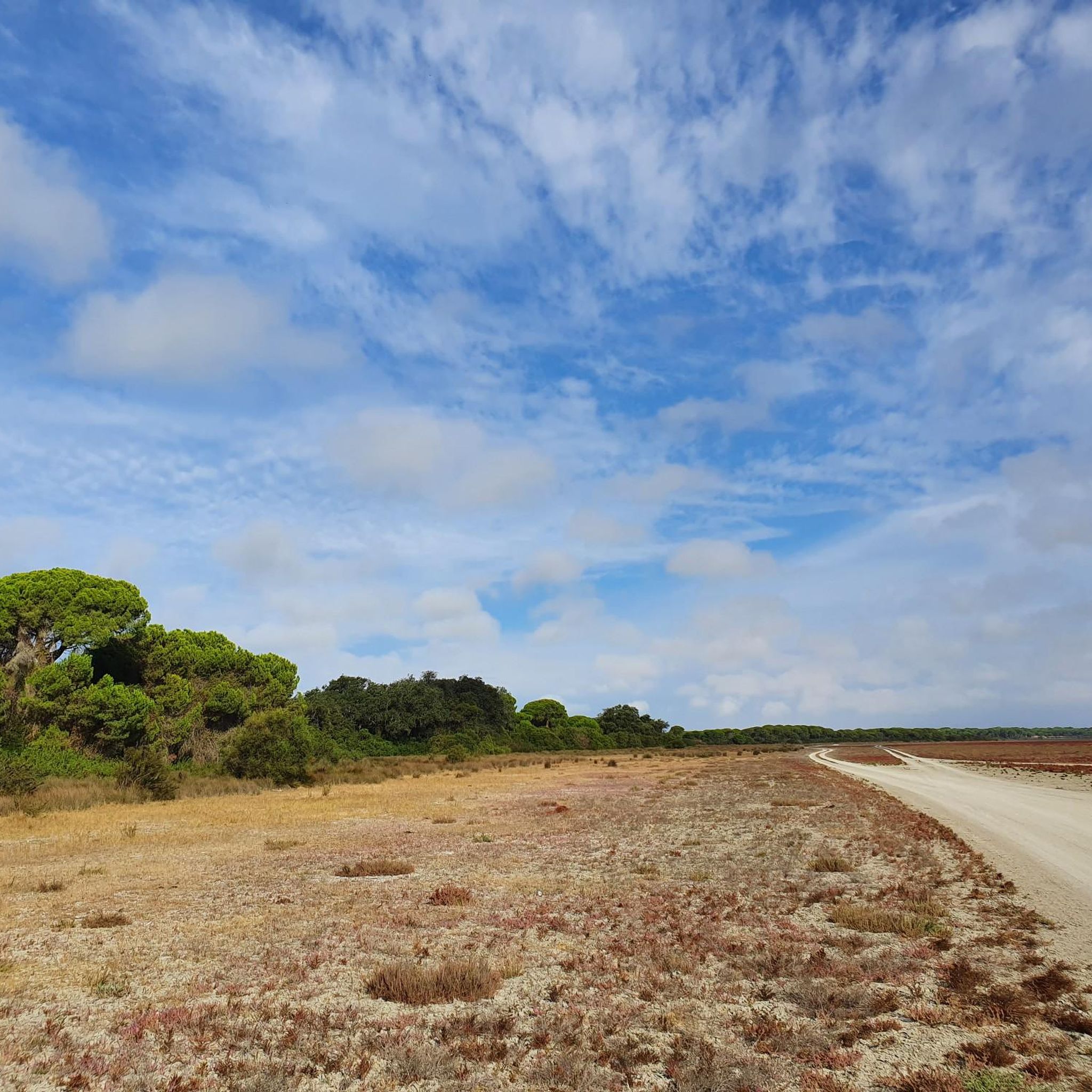
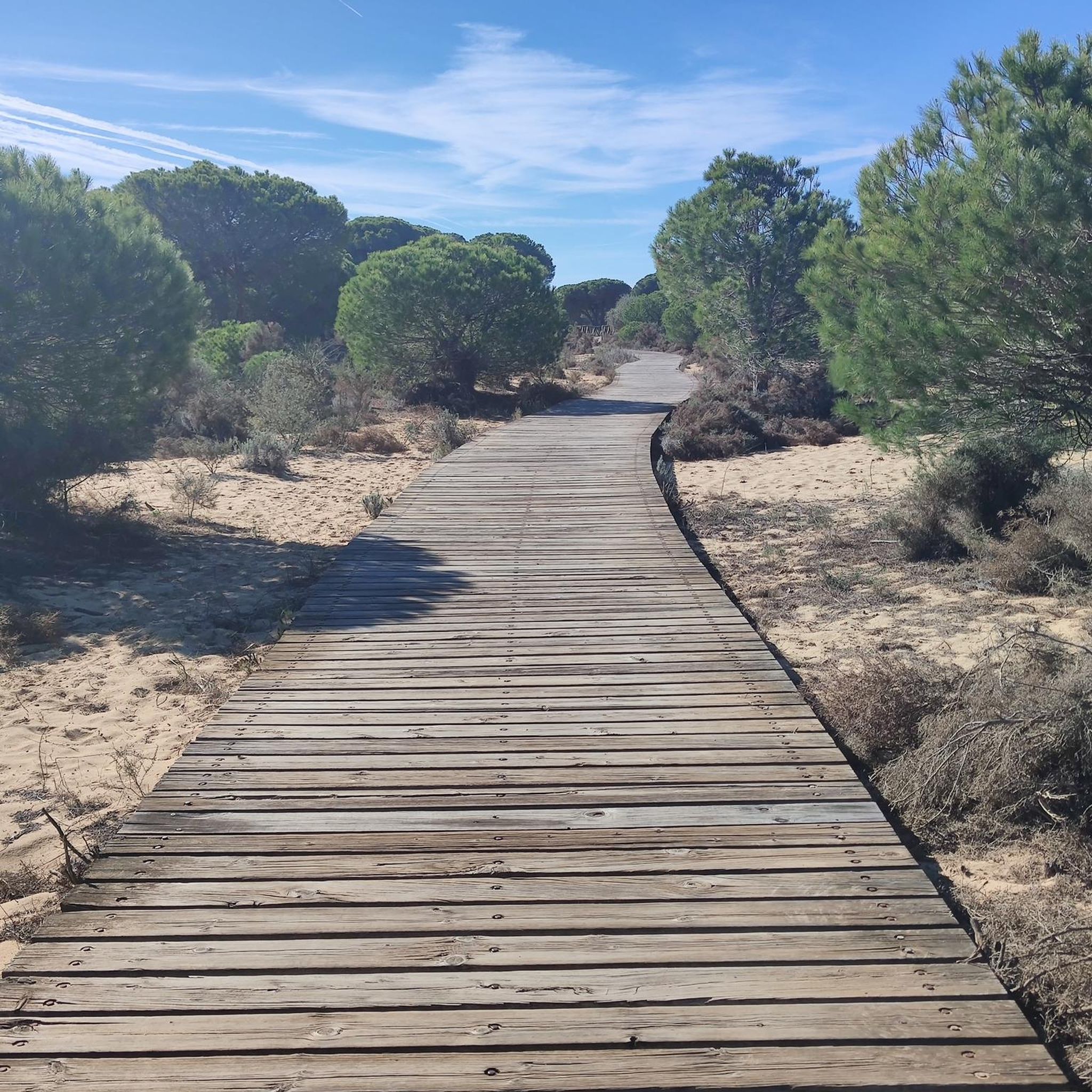
Touring cycling routes in Parc National De Doñana traverse a unique and diverse landscape characterized by extensive marshlands, mobile sand dunes, pine forests, and pristine coastal areas. The park's terrain is shaped by the Atlantic Ocean and the Guadalquivir River, offering a mosaic of ecosystems. Much of the region features flat terrain, particularly across its marshlands and coastal zones, which facilitates covering significant distances by touring bicycle. This allows cyclists to experience a variety of natural features, from vast wetlands…
Last updated: July 11, 2026
4.3
(15)
88
riders
18.2km
01:25
40m
40m
Easy bike ride. Great for any fitness level. Mostly paved surfaces. Suitable for all skill levels.
3.5
(6)
67
riders
50.5km
04:40
10m
10m
Moderate bike ride. Good fitness required. Mostly paved surfaces. Suitable for all skill levels.

Sign up for free
4.0
(1)
10
riders
17.8km
01:09
50m
50m
Easy bike ride. Great for any fitness level. Mostly paved surfaces. Suitable for all skill levels.
2.9
(8)
43
riders
32.9km
01:57
70m
70m
Easy bike ride. Great for any fitness level. Mostly paved surfaces. Suitable for all skill levels.
4.7
(3)
86
riders
54.6km
04:35
110m
110m
Moderate bike ride. Good fitness required. Mostly paved surfaces. Suitable for all skill levels.
Get access to more routes and recommendations from other explorers.
Sign up for free
Already have an account?
Our route recommendations are based on thousands of hikes, rides, and runs completed by other people on komoot.
Start today with a free account
Your next adventure awaits.
Login or Signup
Other adventures in Parc National De Doñana

Tips from the Community


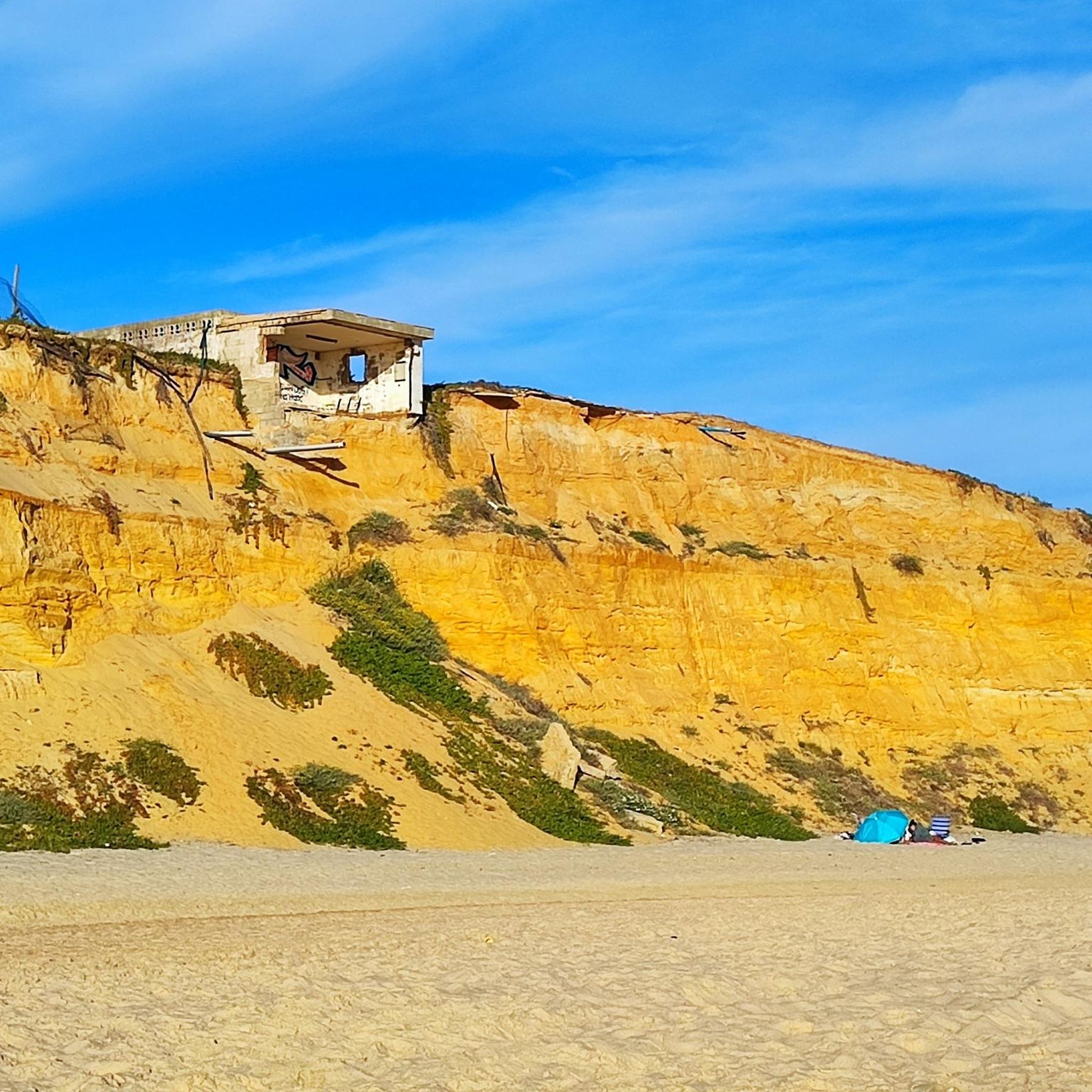
The Torre de la Higuera, also known as the "Matalascañas Stone", is a beacon tower located on the beach of Matalascañas, in the municipality of Almonte, province of Huelva. This tower was built in 1577 during the reign of Philip II as part of a coastal defence system against attacks by corsairs and pirates. The tower suffered significant damage during the Lisbon earthquake in 1755, causing it to tip over and remain in its current position. Today, it is an iconic symbol of the area and has been declared a Site of Cultural Interest since 1985.
3
0

The ferry runs from sunrise to sunset. You have to call the number and then the ferry will come. Out of season it can take a while for it to pick you up, but it will come.
1
0

Undoubtedly one of the greatest epicenters of Marian devotion in the world, the Sanctuary of Nuestra Señora del Rocío is visited by hundreds of thousands of believers throughout the year. Surrounded by marshes and fervor, the sanctuary stands in the village of El Rocío in Almonte, a magical and esoteric place where all roads converge.
6
1

The short walk runs around the lake and offers a huge variety of vegetation
9
0

Housed in a beautiful palace with views from the roof. The information center provides information about the National Park. A short walk on ramparts was made around the palace
7
0
this flat area offers beautiful gravel paths
7
0
Frequently Asked Questions
What kind of terrain can I expect on touring cycling routes in Parc National De Doñana?
Parc National De Doñana offers a diverse landscape for touring cyclists. You'll encounter extensive marshlands, mobile and fixed sand dunes, pine forests, and Mediterranean scrubland. Much of the region, especially the marshlands and coastal areas, features flat terrain, making it suitable for covering significant distances. However, some routes may include unpaved segments.
How many touring cycling routes are available in Parc National De Doñana?
There are over 70 touring cycling routes available in Parc National De Doñana, catering to various skill levels. Approximately 38 of these are rated as easy, 31 as moderate, and a few as difficult, ensuring options for nearly every cyclist.
Are there any easy touring cycling routes suitable for beginners or families?
Yes, Parc National De Doñana has numerous easy routes. An excellent option is the Hermitage of El Rocío – Rocío loop from El Rocío, an easy 17.7 km trail. Another accessible route is the Restaurant – Matalascañas Dune loop from Torre de la Higuera, which is 17.8 km long and also rated easy.
What natural features or landmarks can I see while cycling in Doñana?
While cycling, you can experience a remarkable variety of natural features. The park is famous for its vast salt marshes, impressive mobile sand dunes (some over 30 meters high), and extensive pine forests. You might also encounter the fossil Asperillo Dunes. Notable landmarks include the Hermitage of El Rocío and various pristine beaches like Torre Carbonero Beach and Castilla Beach.
Can I cycle along the coast or beaches in Parc National De Doñana?
Yes, the park boasts 38 kilometers of unspoilt coastline. Cycling along these beaches, especially at low tide, offers a unique experience. Routes like the Torre Carbonero Beach – Castilla Beach loop from Playa de Castilla provide an opportunity to pedal alongside the sea with the lush coastal vegetation of Doñana on one side.
What kind of wildlife might I spot during a touring cycling trip?
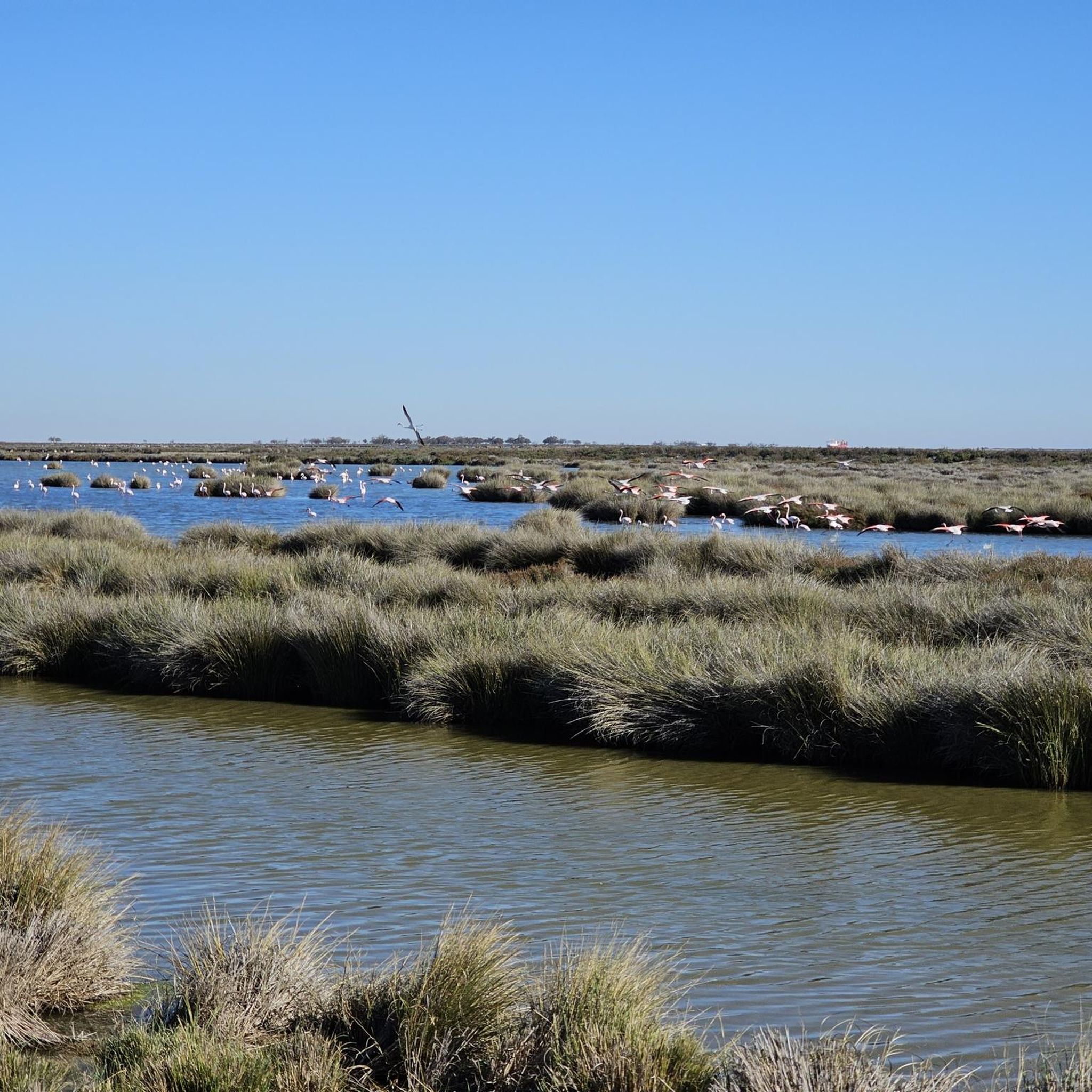
Parc National De Doñana is a sanctuary for unique wildlife. Cyclists might spot fallow deer, Spanish red deer, and wild boars. It's also a crucial refuge for endangered species like the Spanish imperial eagle and the Iberian lynx. The marshlands are a critical breeding ground and transit point for thousands of migratory birds, including spectacular colonies of flamingos, especially during winter.
Are there any circular touring cycling routes in the park?
Yes, many routes in Parc National De Doñana are designed as loops. For example, the Matalascañas Dune – Matalascañas Plug loop from La Rocina is a moderate 31.7 km circular trail that takes you through areas near the sand dunes and pine forests.
What do other cyclists say about touring cycling in Parc National De Doñana?
The touring cycling routes in Parc National De Doñana are highly rated by the komoot community, with an average score of 4.2 stars from over 270 reviews. Reviewers often praise the unique and diverse landscapes, the opportunity for wildlife observation, and the variety of routes suitable for different fitness levels.
Are there any challenging touring cycling routes for experienced riders?
For experienced riders seeking a challenge, the park offers more demanding routes. An example is the Playa de Matalascañas – Playa de la Calzada loop from Corral Pino de Flandes Chico, a difficult 69.9 km route that provides a longer and more strenuous cycling experience.
Where can I get more information about the park or access visitor facilities?
Visitor centers such as El Acebuche, La Rocina, and Palacio del Acebrón provide information about the park and often offer access to self-guided walking and cycling trails. These centers are good starting points for your exploration.
Is Parc National De Doñana suitable for touring cycling year-round?
While the park is generally accessible, the best time to visit for touring cycling is typically during the cooler months, from autumn to spring. Summers can be very hot, which might make long rides less comfortable. The winter months are particularly good for birdwatching in the marshlands.
Most popular routes in Parc National De Doñana
Most popular attractions in Parc National De Doñana

Get inspired with the komoot mobile app


Explore more
Browse the best Cycling routes in other regions.
