Top 20 Natural Monuments in Dartmoor
Best natural monuments in Dartmoor include a diverse range of natural landmarks and features. Dartmoor is characterized by its granite tors, extensive blanket bogs, and ancient upland oakwoods. The region also features picturesque river valleys and numerous prehistoric sites integrated into the natural landscape. These elements combine to create a unique environment for exploration and offer varied walking terrain.
Best natural monuments in Dartmoor
- The most popular natural monuments is Haytor Rocks, a natural monument that offers panoramic views…
Last updated: June 26, 2026
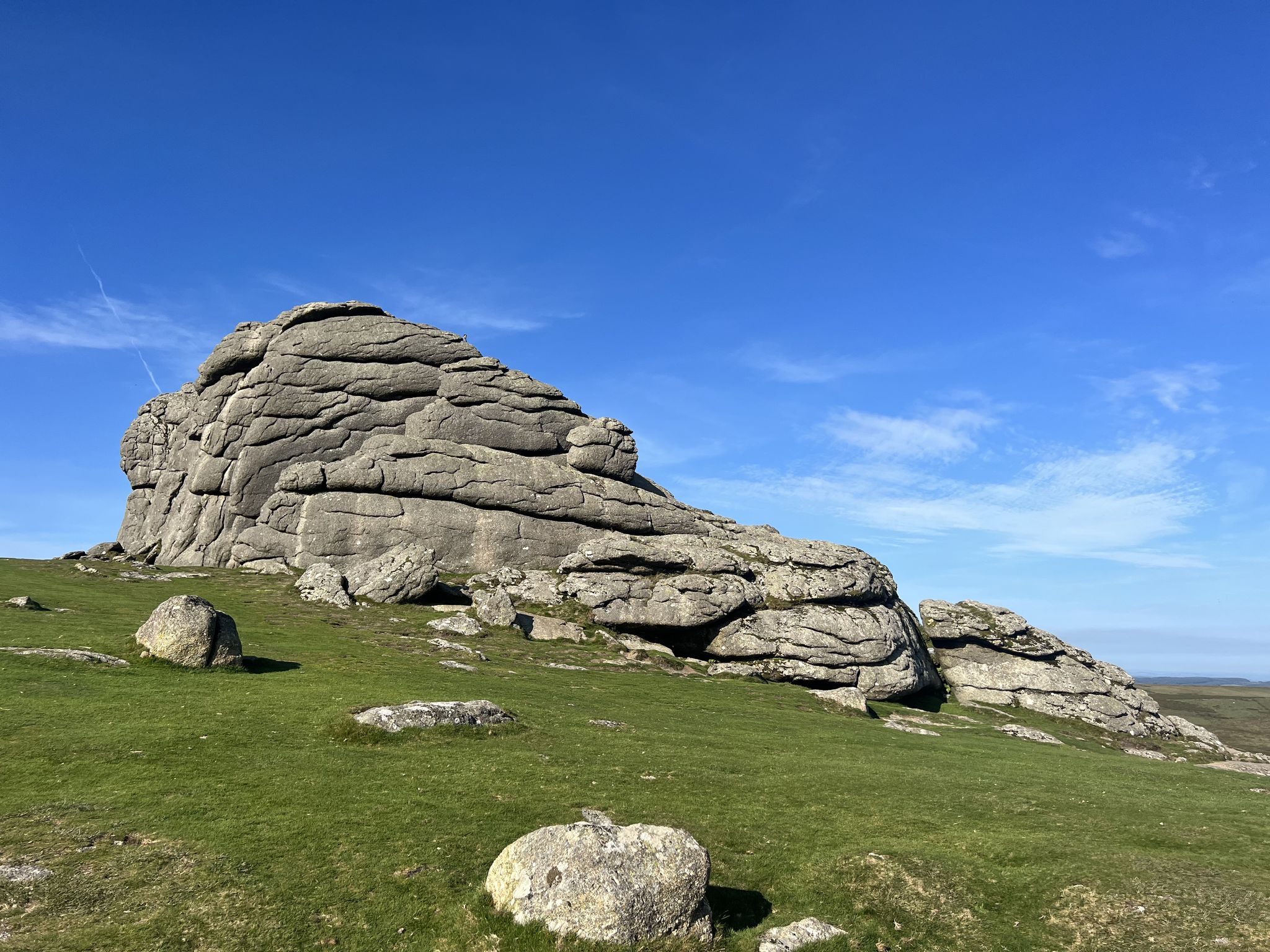
Haytor Rocks
Highlight • Natural Monument
Tip by

Hound Tor
Highlight • Climb
Tip by
Sign up now to discover places like this
Get recommendations on the best single tracks, peaks, & plenty of other exciting outdoor places.
Sign up for free
Yes Tor summit
Highlight • Summit
Tip by

High Willhays summit
Highlight • Natural Monument
Tip by

Bellever Tor
Highlight • Summit
I almost always hike in from the North, coming …
Tip by

Sign up for free to discover even more natural monuments in Dartmoor.
Sign up for free
Already have an account?
Start today with a free account
Your next adventure awaits.
Login or Signup
Popular around Dartmoor
Dartmoor National Park – A Walk in the Parks
Celtic Way — An epic pilgrimage through prehistory and wild beauty
Just Around The Corner — exploring the best of the South West by bike
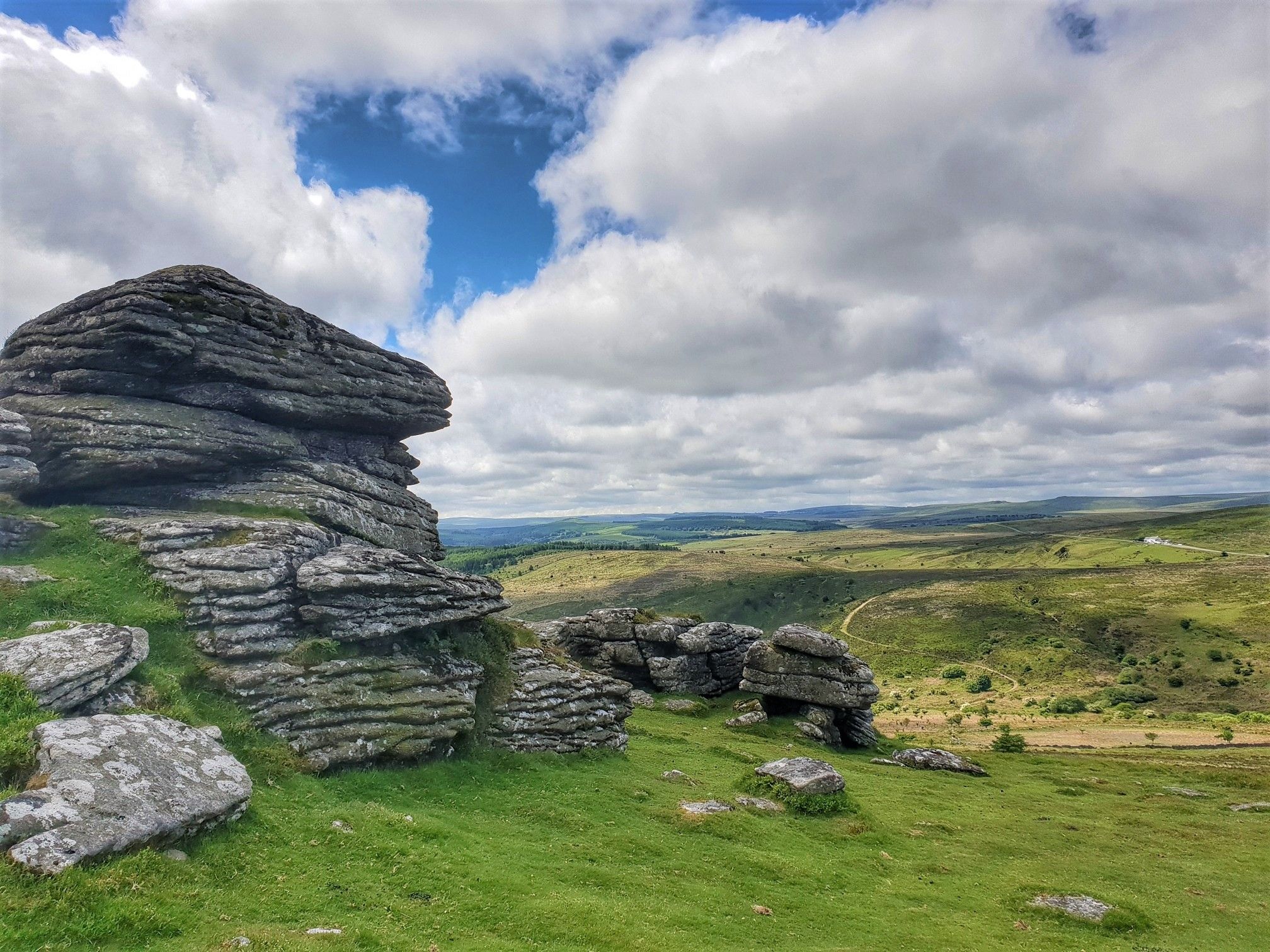
Two Moors Way — Wild coast-to-coast over Dartmoor and Exmoor
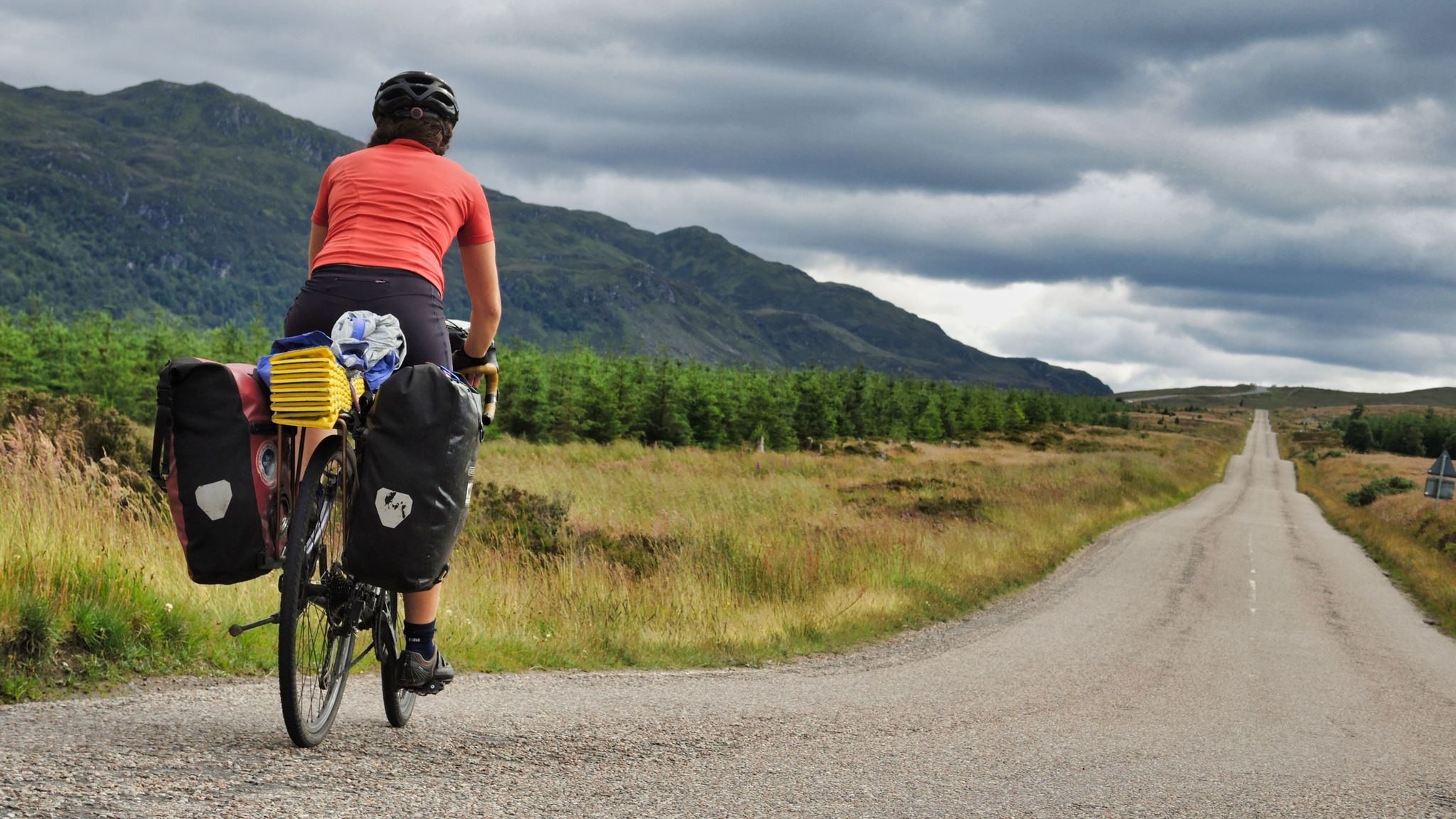
Land's End to John O'Groats – an unforgettable ride

Devon Coast to Coast – Pristine beaches to vast moorlands
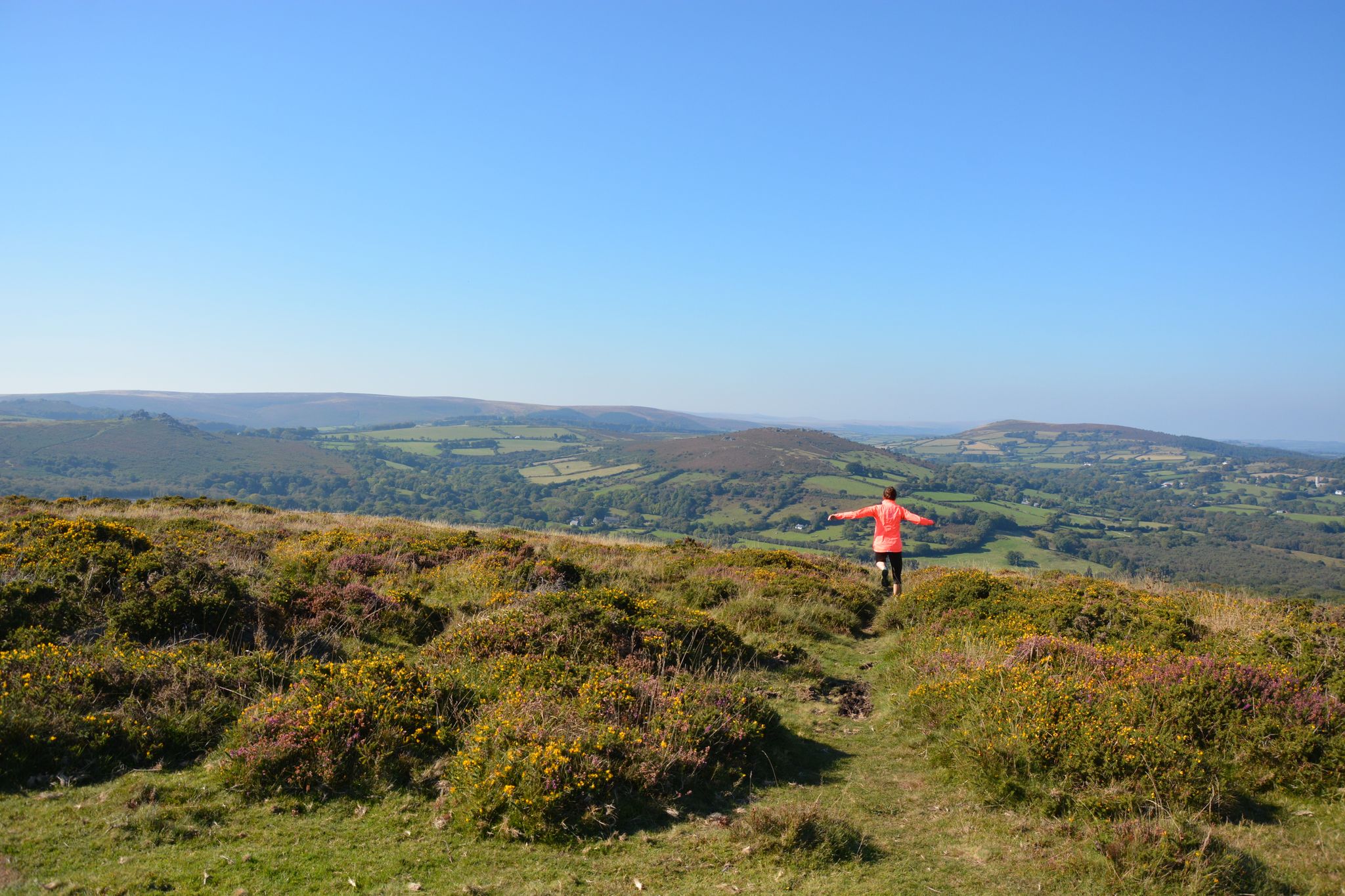
Footsteps through time – trail running in Dartmoor National Park
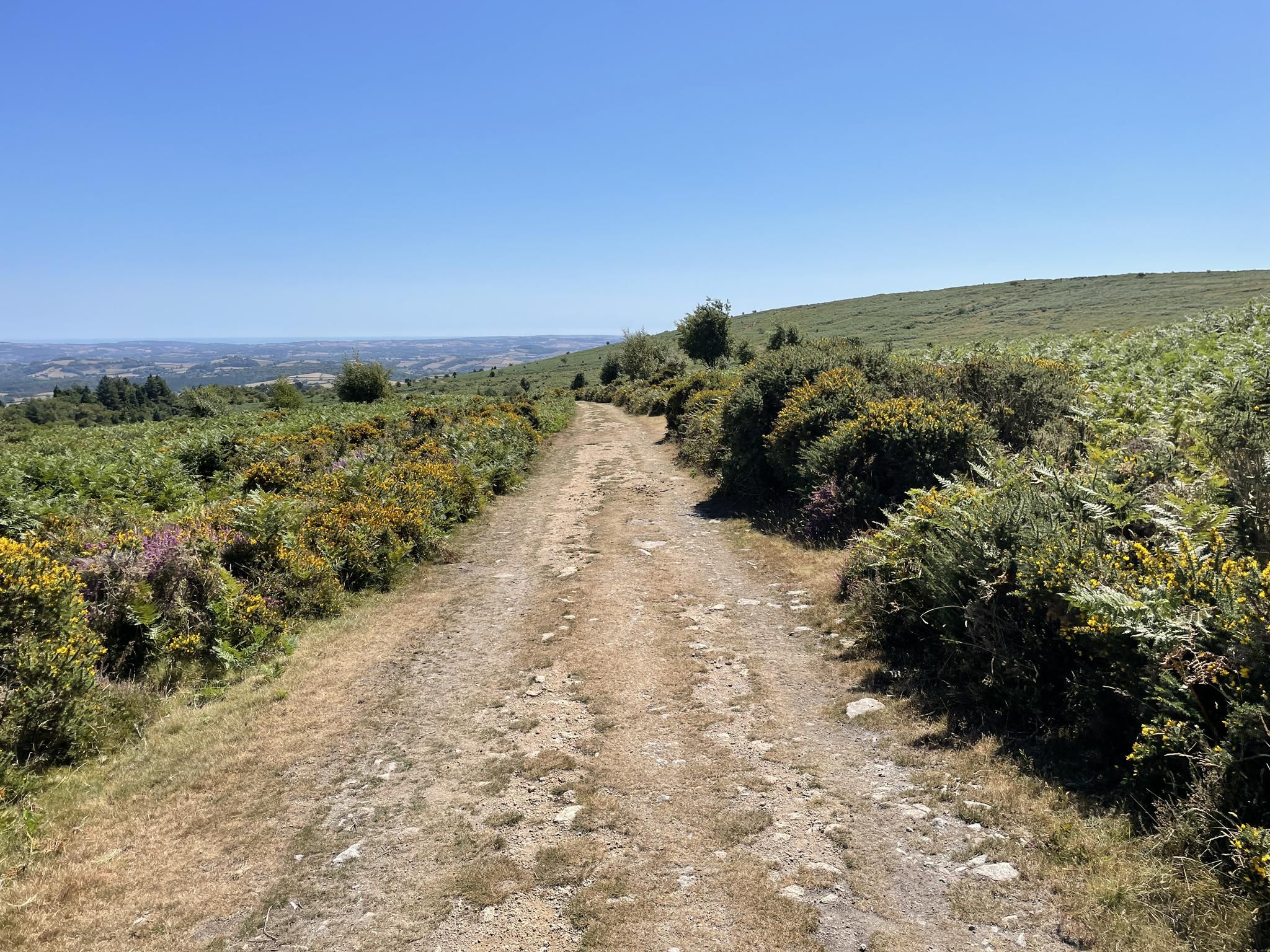
Accessible adventures for all – Dartmoor Miles Without Stiles
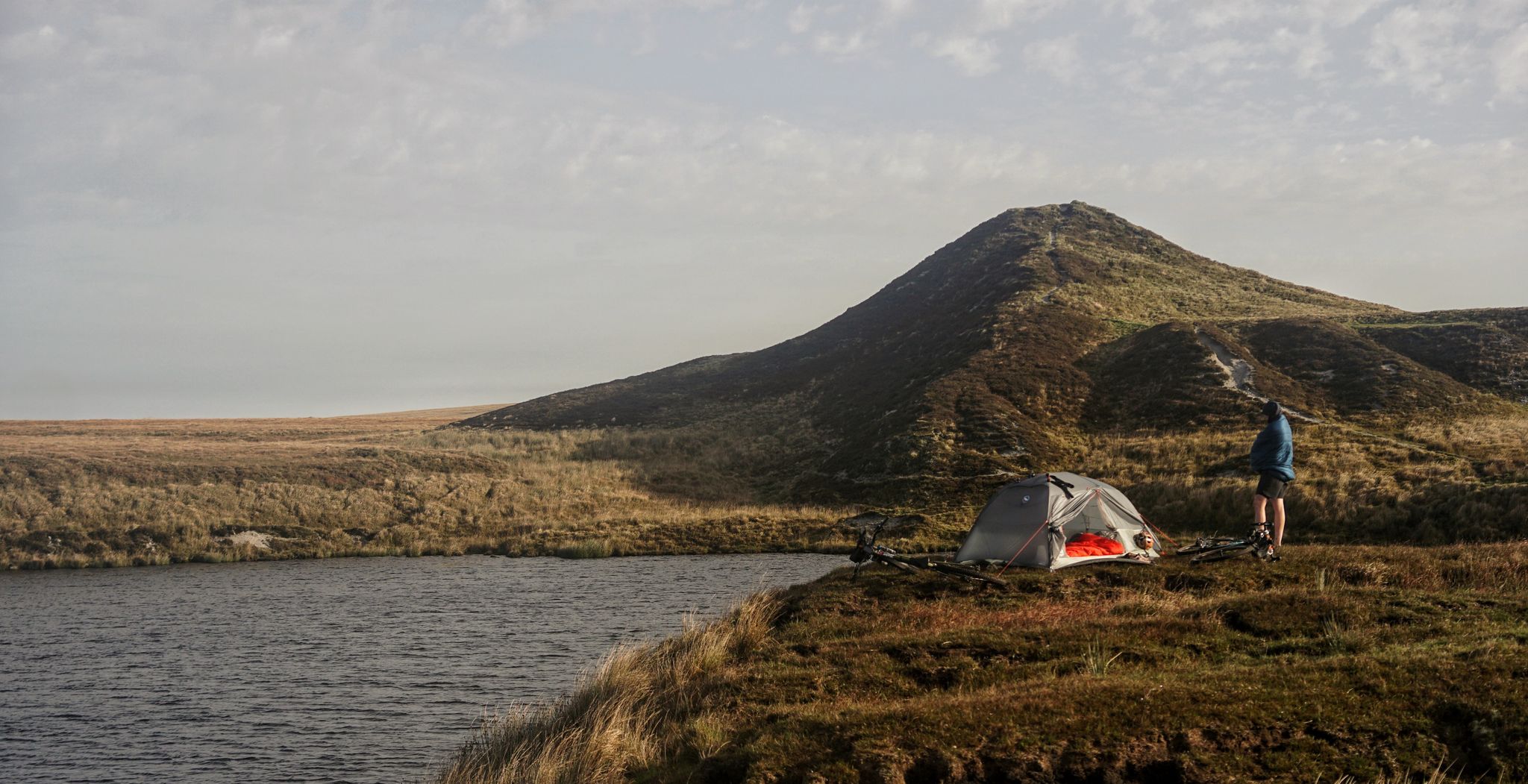
A classic South Dartmoor off-road loop – Red Lake overnighter
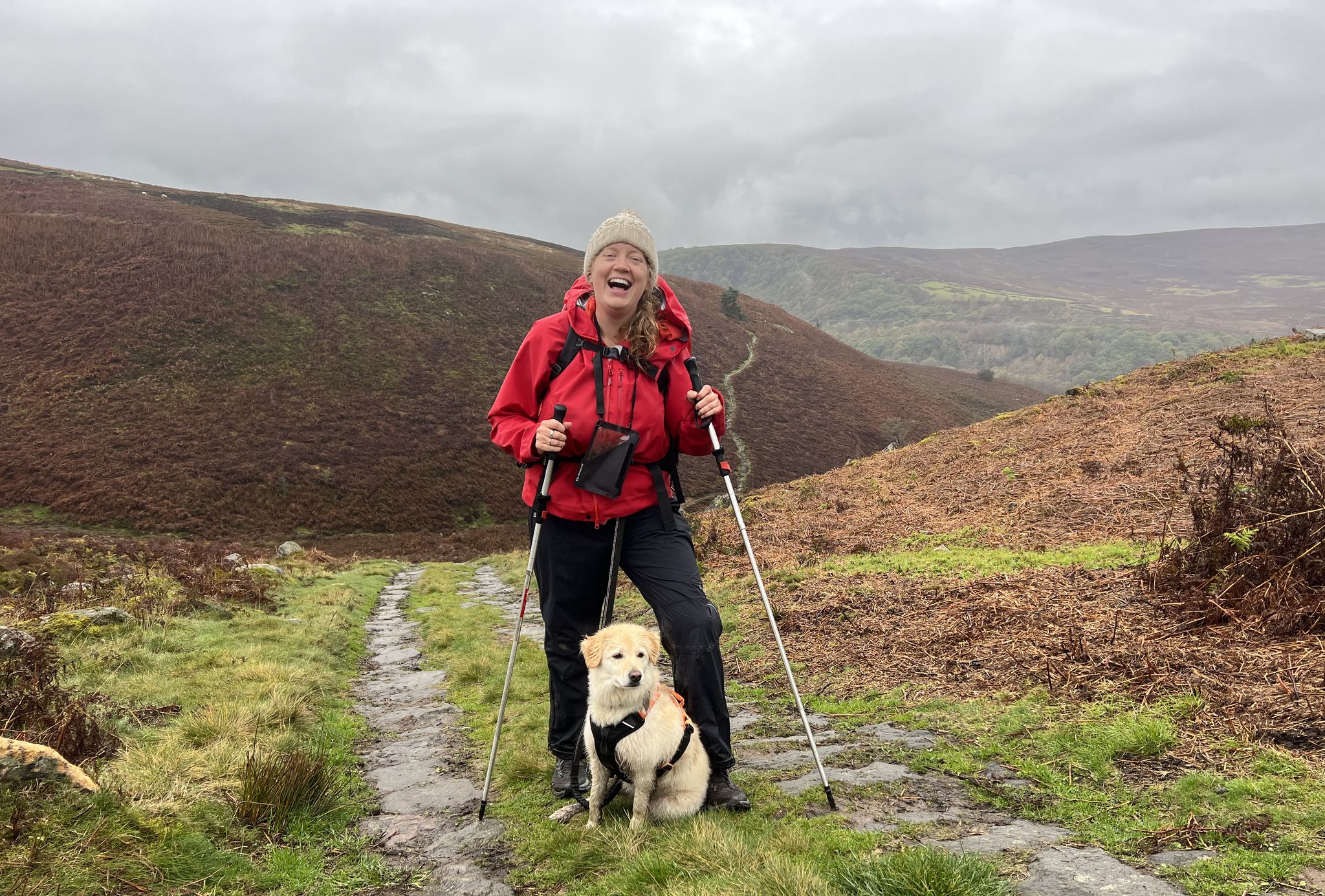
A Walk in the Parks – hikes across all of England’s national parks
Other adventures in Dartmoor


Tips from the Community

Bellever Tor is a hill near Postbridge in Dartmoor. It feels a bit like something from Lord of the Rings...
0
0

This tor is just a stone's throw from the nearby car park and towers over Dartmoor. Very impressive, good for a short tour, as a starting point for visiting other tors, for a picnic (depending on the unpredictable weather here 😉) or recently also for climbing (you could see a few people free climbing - but I can't say for sure whether it's allowed) and for treasure hunts. Otherwise just beautiful nature and (outside of tourist times) nice and quiet.
0
0

In the late afternoon towards evening you are pretty much alone. Beautiful place to enjoy a sunset or to marvel at the stars. Here you have a 360 ° panoramic view. https://www.dartmoor.gov.uk/enjoy-dartmoor/planning-your-visit/places/haytor
6
1

The ever so slightly smaller summit of High Willhays, Yes Tor feels grander due to the large granite outcrop. Standing beside the triangulation point atop of Yes Tor offers beautiful views in all directions. A must climb if hiking with the Meldon area.
0
0
Highest point of Devon and Southern England at 621m, accesible form various routes within the area. Although not as grand or striking as other Tors in the area such as Yes, Great Links or West Mills it offers beautiful 360 degree views in all directions.
0
0


High Willhays is the highest point but it’s neighbour yes tor always feels somewhat grander, for a steep descent and climb head down past fordsland ledge into the okemont valley and back up to kitty tor
1
0

Superb views of Dartmoor - highly recommended.
0
0
Frequently Asked Questions
What are some of the most iconic granite tors to visit in Dartmoor?
Dartmoor is famous for its granite tors. Among the most iconic are Haytor Rocks, offering panoramic views, and Hound Tor, known for its breathtaking vistas and local legends. Other notable tors include Yes Tor summit and High Willhays summit, the second and highest points in Dartmoor National Park respectively, both providing expansive views.
Are there family-friendly natural monuments in Dartmoor?
Yes, several natural monuments in Dartmoor are suitable for families. Bellever Tor is accessible via a wide path, making it suitable for families with pushchairs, and the nearby Bellever Forest offers enchanting walks and picnic spots. Haytor Rocks also has a visitor's center nearby, making it a great starting point for family explorations.
What unique natural habitats can I explore in Dartmoor?
Beyond the tors, Dartmoor is internationally important for its blanket bogs and wet heaths, which are crucial for wildlife spotting, including rare lichens and birds. You can also explore ancient upland oakwoods like Wistman's Wood, Dendle's Wood, and Black-a-tor Copse, which offer intimate, fairytale-like settings and unique habitats for species like the pied flycatcher.
Can I find prehistoric sites among Dartmoor's natural monuments?
Yes, Dartmoor boasts the highest concentration of Bronze Age remains in Britain, often deeply integrated with the natural landscape. Significant sites include the Merrivale Stone Rows, the well-preserved Scorhill Stone Circle, and Grimspound, an extensive Late Bronze Age settlement with visible roundhouse foundations. These sites offer a powerful connection to Dartmoor's ancient past.
What outdoor activities can I do near Dartmoor's natural monuments?
Dartmoor's natural monuments are excellent starting points for various outdoor activities. You can find numerous hiking trails, from easy walks to more challenging routes. For example, there are many easy hikes and general hiking routes. The area also offers opportunities for gravel biking, with routes like the South Hessary Tor loop.
What do visitors enjoy most about the views from Dartmoor's natural monuments?
Visitors consistently praise the panoramic and expansive views from Dartmoor's natural monuments. From Haytor Rocks, you can see across the moorland to the coast on clear days. Yes Tor summit offers stunning vistas of North Devon and Cornwall, while Bellever Tor provides big views in all directions. Many find these spots ideal for sunrises, sunsets, and stargazing.
Are there any natural monuments with unique folklore or legends?
Yes, Dartmoor is rich in folklore. Hound Tor is famously associated with a legend that its rocks were once hunting dogs, a tale believed to have inspired 'Hound of the Baskervilles'. Bowerman's Nose is another distinctive granite outcrop known for its unique shape resembling a human profile, with local legend attributing its form to a hunter turned to stone by witches.
Where can I experience Dartmoor's rivers and valleys?
Dartmoor's rivers originate on the high moor and flow through deep-cut valleys. A picturesque spot to experience this is Dartmeet, where the East Dart and West Dart rivers converge. It's ideal for picnics, paddling, and enjoying the tranquility of nature amidst boulder-strewn rivers and broadleaf woodlands.
What should I know before visiting Yes Tor or High Willhays?
Yes Tor summit and High Willhays summit are the highest points in Dartmoor National Park. Due to their proximity to a military range, visitors should check for firing times before visiting Yes Tor. It's always advisable to start out well-equipped for tours through Dartmoor, especially when heading to these higher, more exposed areas.
What kind of wildlife can I expect to see near Dartmoor's natural monuments?
Dartmoor's diverse habitats support a variety of wildlife. In the blanket bogs and wet heaths, you might spot rare lichens, butterflies, and birds. The upland oakwoods are home to characteristic species like the pied flycatcher and salmon, as well as rare species such as the marsh fritillary butterfly. Wild ponies are also often seen grazing near tors like Bellever Tor.
What is the best time of year to visit Dartmoor's natural monuments?
Dartmoor's natural monuments offer unique experiences throughout the year. Spring brings vibrant new growth and milder weather, ideal for hiking. Summer provides longer daylight hours for exploration. Autumn showcases stunning foliage in the woodlands and dramatic skies over the tors. Even winter offers a wild, remote beauty, though conditions can be challenging, requiring appropriate gear.
Are there any less-known natural monuments in Dartmoor that offer solitude?
For those seeking solitude and unspoiled beauty, Chinkwell Tor (also known as Clinkwell Tor) is a less-known gem. Perched along Bonehill Down, it offers imaginative shapes in the rocks and stunning views over Dartmoor's vast openness, providing a more secluded experience away from the more popular spots.
What are the best natural monuments for photography in Dartmoor?
Haytor Rocks is arguably the most famous and photographed tor, especially at sunrise and sunset. Hound Tor and Brat Tor (Widgery Cross) also offer dramatic backdrops, particularly magical at sunset. The unique shape of Bowerman's Nose provides an interesting subject, and the ancient, moss-covered trees of Wistman's Wood are perfect for atmospheric shots.
Most popular routes in Dartmoor
Most popular attractions in Dartmoor

Get inspired with the komoot mobile app


Explore more
Extend your search for the best caves by checking out these guides of the top ones in Dartmoor:
