Attractions and Places To See in Dartmoor - Top 20
Attractions and places to see in Dartmoor National Park encompass a wild upland area in southern Devon, England. This region is characterized by dramatic granite tors, ancient woodlands, and expansive moorland. It also features historic sites and cultural landmarks, providing a diverse range of places to explore. Protected since 1951, Dartmoor is recognized for its natural beauty and rich history.
Best attractions and places to see in Dartmoor
- The most popular attractions is Haytor Rocks, a natural monument that offers panoramic views across the moorland. This much-photographed landmark provides a vantage point for experiencing the surrounding landscape.
- Another must-see spot is Hound Tor, a granite outcrop. Visitors can climb to the top for views over Dartmoor and observe its distinctive rock formations.
- Visitors also love Yes Tor summit, the second highest point in Dartmoor National Park. This summit provides vistas of North Devon and Cornwall.
- Dartmoor is known for its granite tors, ancient woodlands, and prehistoric sites. The region offers a variety of natural features and cultural landmarks to see and explore.
- The attractions in Dartmoor are appreciated by the komoot community, with more than 400 upvotes and over 190 photos shared.
Last updated: July 6, 2026
Haytor Rocks
Highlight • Natural Monument
Tip by

Hound Tor
Highlight • Climb
Tip by
Sign up now to discover places like this
Get recommendations on the best single tracks, peaks, & plenty of other exciting outdoor places.
Sign up for free
Yes Tor summit
Highlight • Summit
Tip by

High Willhays summit
Highlight • Natural Monument
Tip by

Bellever Tor
Highlight • Summit
I almost always hike in from the North, coming from Postbridge which is a nice steady climb all the way to the base of this beautiful Tor.
Also to be noted that the nice wide path allows pushchairs and I myself have pushed my 4 yo to the top of Bellever Tor so we could play on these rocks together.
Tip by

Sign up for free to discover even more attractions in Dartmoor.
Sign up for free
Already have an account?
Start today with a free account
Your next adventure awaits.
Login or Signup
Popular around Dartmoor
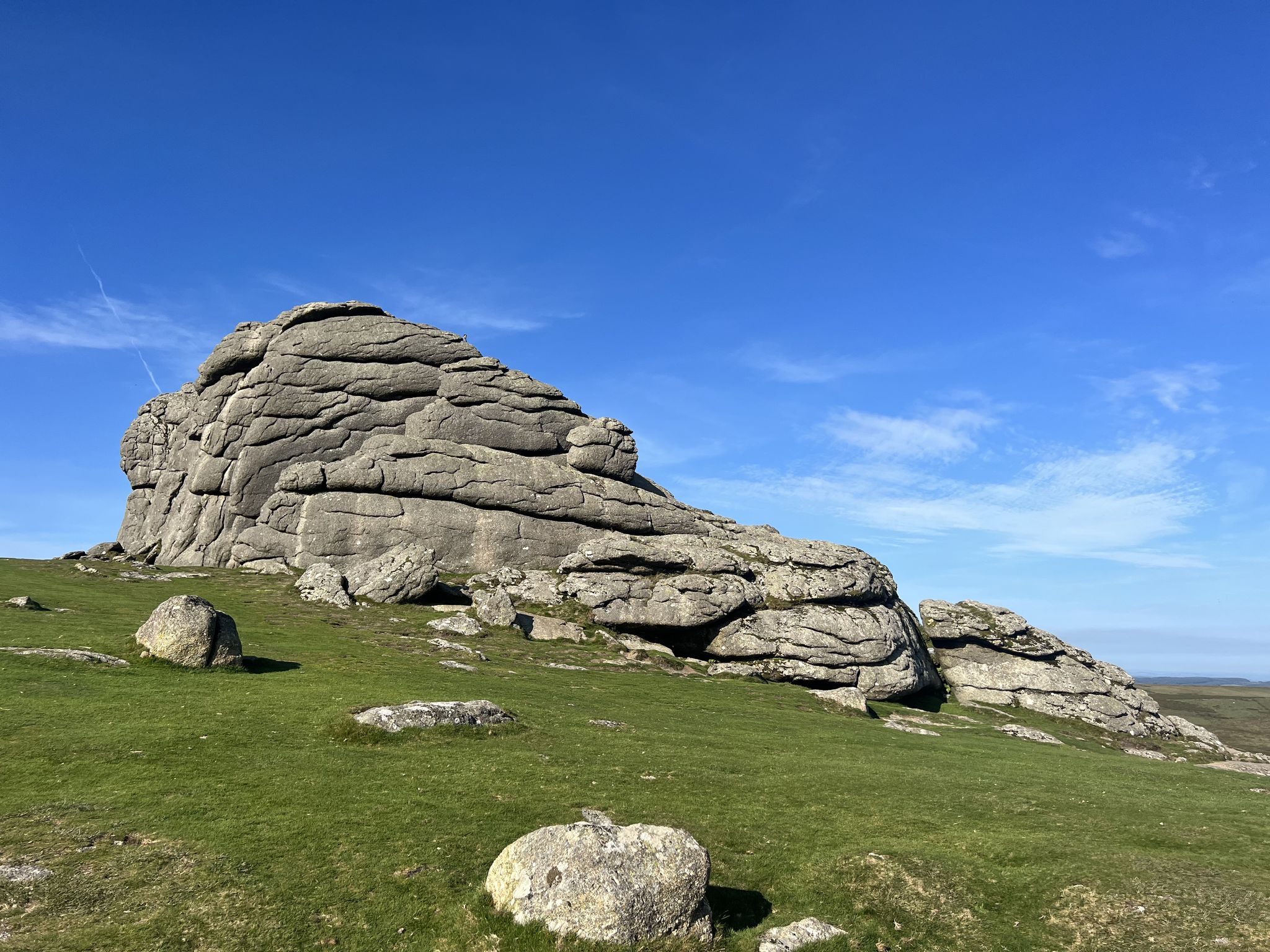
Dartmoor National Park – A Walk in the Parks
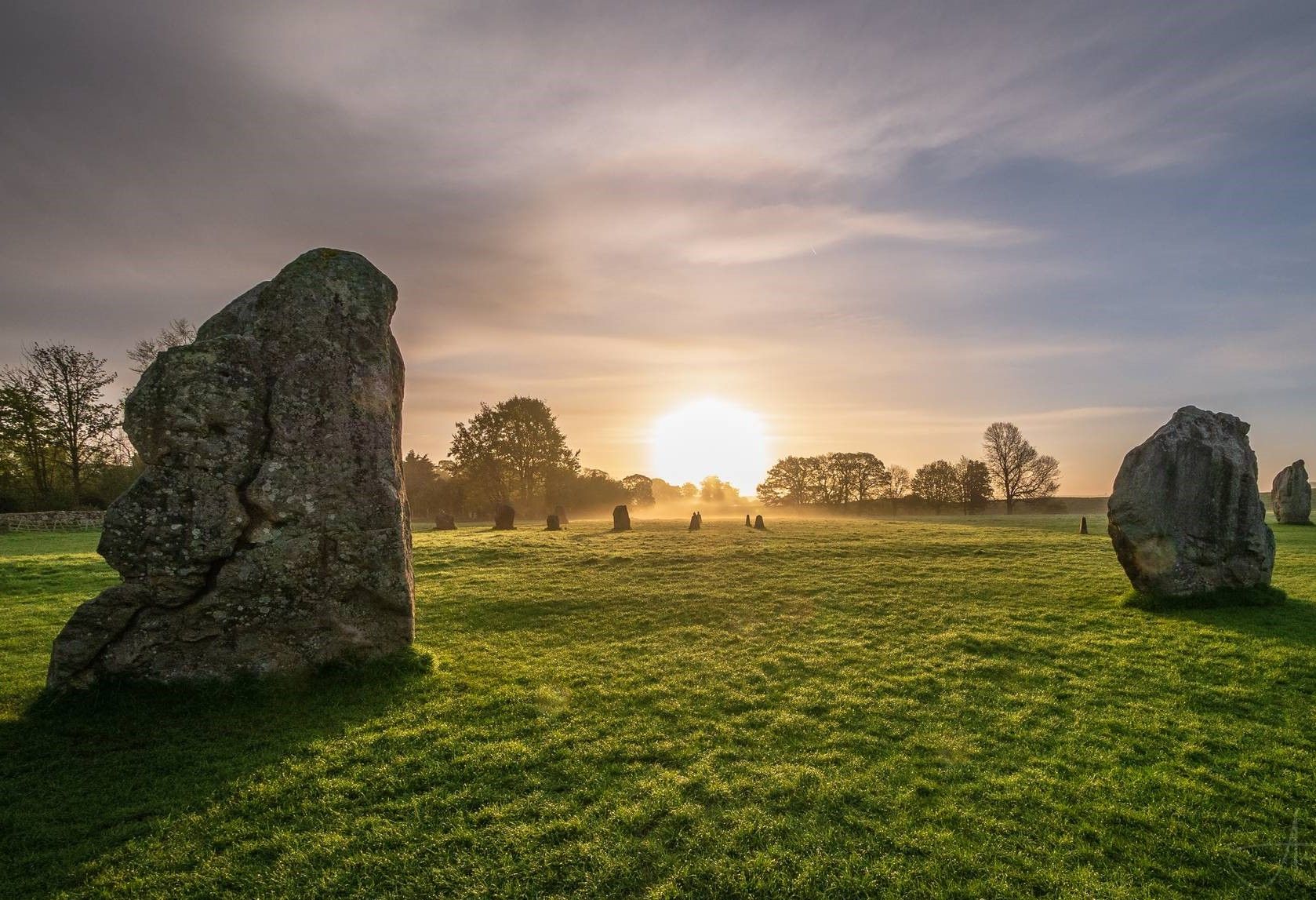
Celtic Way — An epic pilgrimage through prehistory and wild beauty
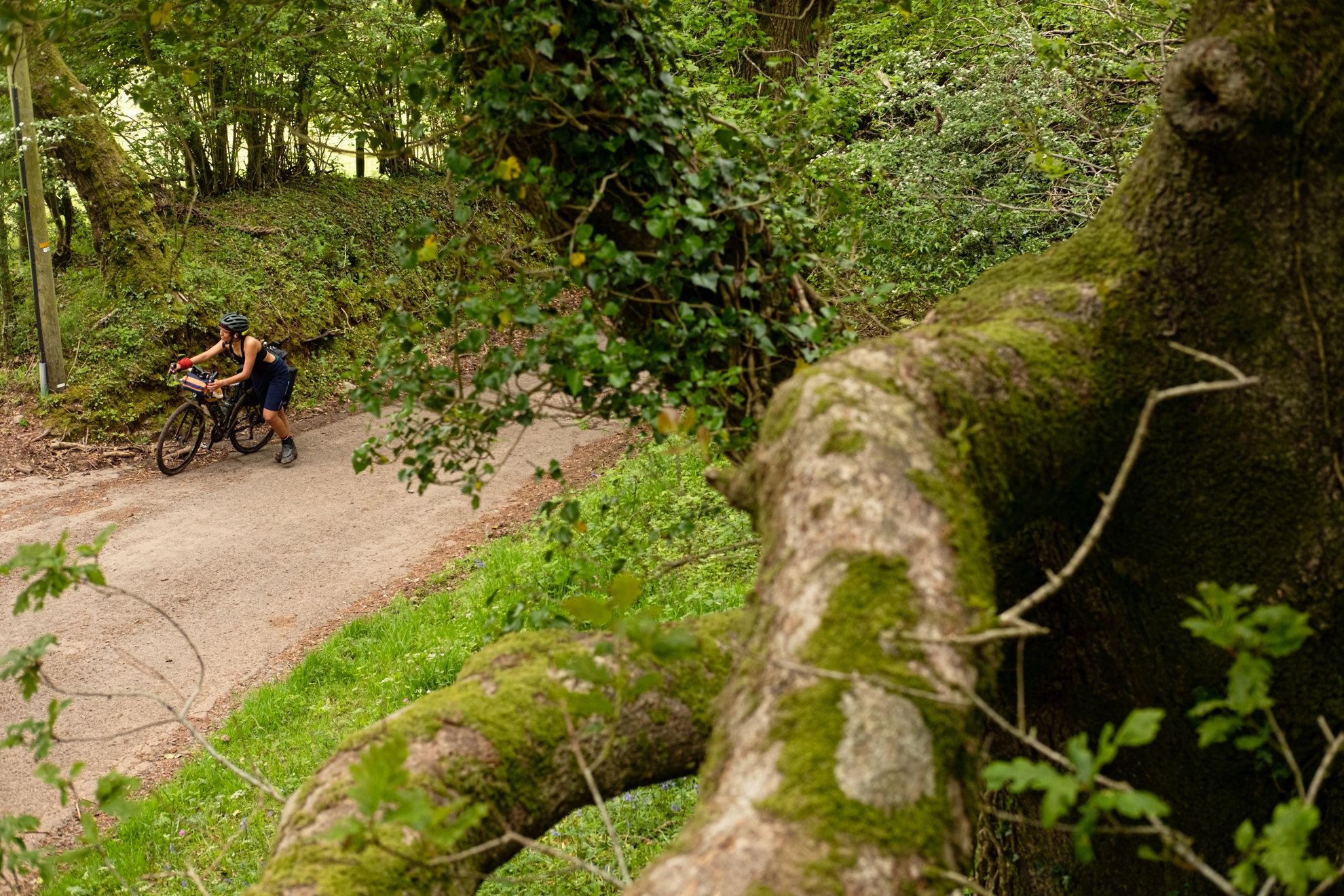
Just Around The Corner — exploring the best of the South West by bike
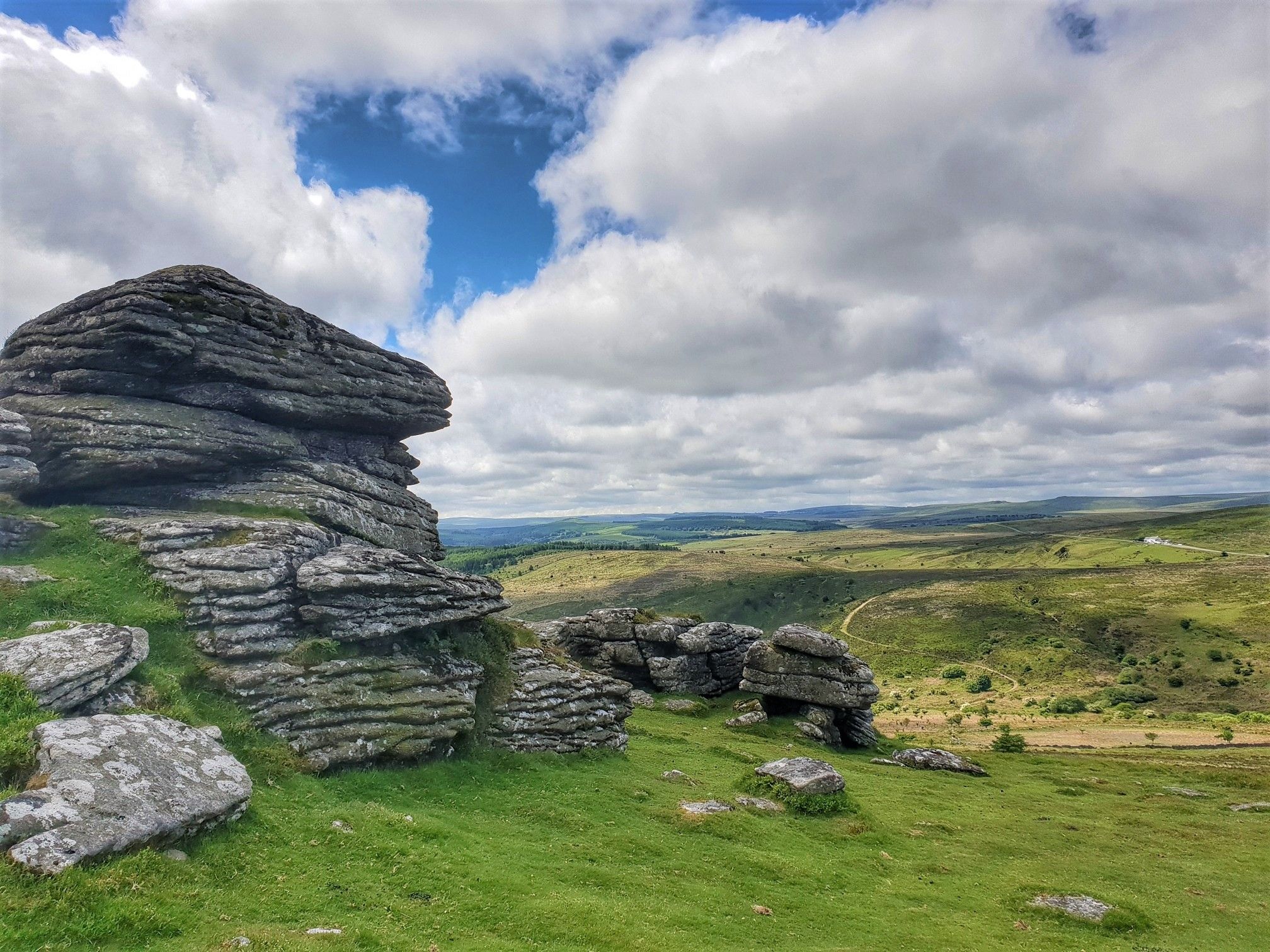
Two Moors Way — Wild coast-to-coast over Dartmoor and Exmoor
Land's End to John O'Groats – an unforgettable ride

Devon Coast to Coast – Pristine beaches to vast moorlands
Footsteps through time – trail running in Dartmoor National Park
Accessible adventures for all – Dartmoor Miles Without Stiles
A classic South Dartmoor off-road loop – Red Lake overnighter
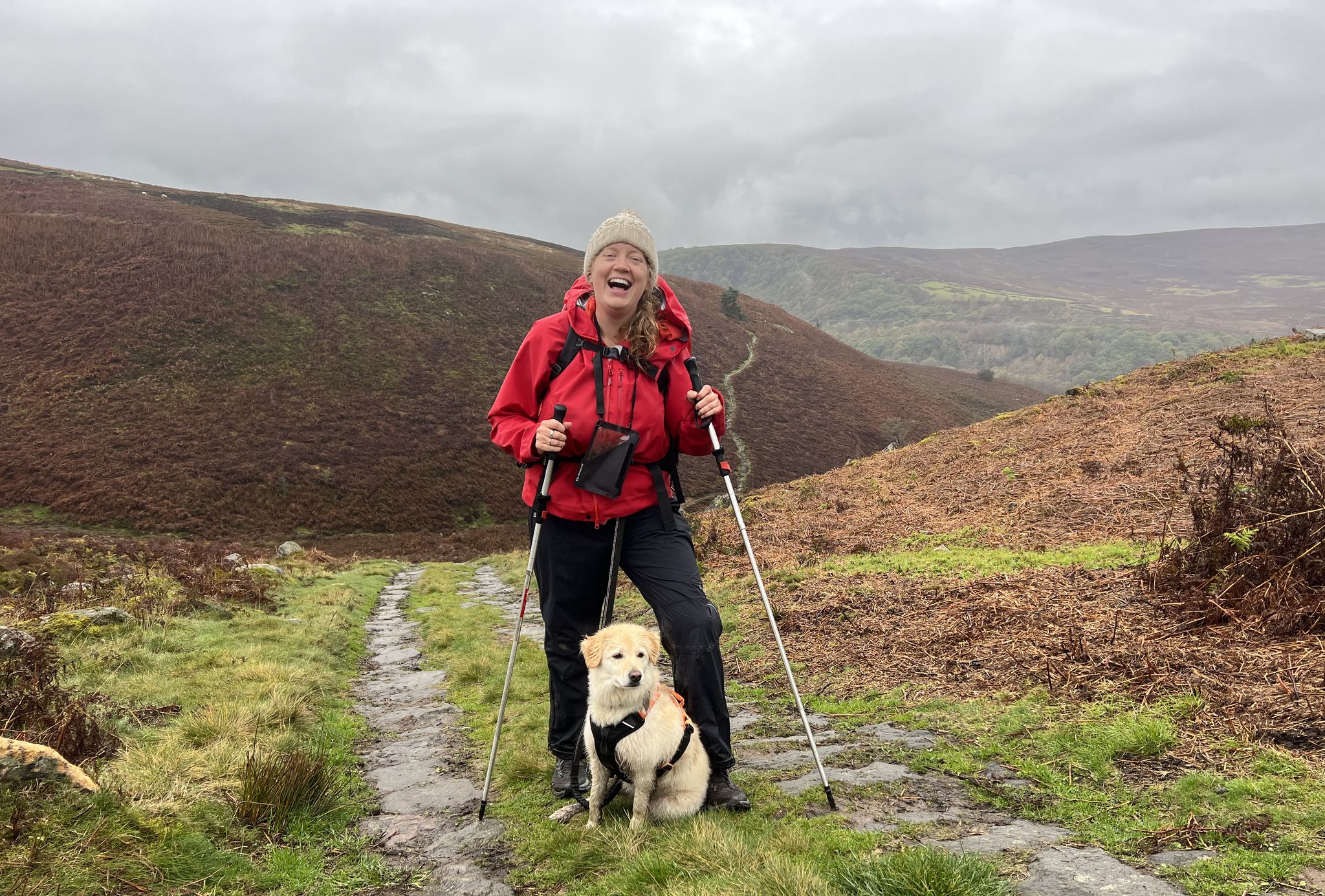
A Walk in the Parks – hikes across all of England’s national parks
Other adventures in Dartmoor


Tips from the Community

Bellever Tor is a hill near Postbridge in Dartmoor. It feels a bit like something from Lord of the Rings...
0
0

This tor is just a stone's throw from the nearby car park and towers over Dartmoor. Very impressive, good for a short tour, as a starting point for visiting other tors, for a picnic (depending on the unpredictable weather here 😉) or recently also for climbing (you could see a few people free climbing - but I can't say for sure whether it's allowed) and for treasure hunts. Otherwise just beautiful nature and (outside of tourist times) nice and quiet.
0
0

In the late afternoon towards evening you are pretty much alone. Beautiful place to enjoy a sunset or to marvel at the stars. Here you have a 360 ° panoramic view. https://www.dartmoor.gov.uk/enjoy-dartmoor/planning-your-visit/places/haytor
6
1

The ever so slightly smaller summit of High Willhays, Yes Tor feels grander due to the large granite outcrop. Standing beside the triangulation point atop of Yes Tor offers beautiful views in all directions. A must climb if hiking with the Meldon area.
0
0
Highest point of Devon and Southern England at 621m, accesible form various routes within the area. Although not as grand or striking as other Tors in the area such as Yes, Great Links or West Mills it offers beautiful 360 degree views in all directions.
0
0


High Willhays is the highest point but it’s neighbour yes tor always feels somewhat grander, for a steep descent and climb head down past fordsland ledge into the okemont valley and back up to kitty tor
1
0

Superb views of Dartmoor - highly recommended.
0
0
Frequently Asked Questions
What are some of the most notable natural landmarks and viewpoints in Dartmoor?
Dartmoor is renowned for its granite tors, offering spectacular views. Among the most popular are Haytor Rocks, known for its panoramic vistas, and Hound Tor, a distinctive granite outcrop. For the highest points, consider High Willhays summit and Yes Tor summit, which provide extensive views across North Devon and Cornwall. Other significant natural features include the ancient Wistman's Wood, the dramatic Lydford Gorge with its Whitelady Waterfall, and the serene Burrator Reservoir.
Are there any family-friendly attractions or activities in Dartmoor?
Yes, Dartmoor offers several family-friendly options. Many tors, like Bellever Tor, are accessible for families, with some paths even suitable for pushchairs. Canonteign Falls, home to England's tallest waterfall, provides a blend of natural beauty and activities. The Dartmoor National Park Visitor Centres, particularly in Princetown, offer engaging exhibits about the park's history and wildlife. Bellever Forest is also a great spot for walks and spotting Dartmoor ponies.
What historical and cultural sites can I explore in Dartmoor?
Dartmoor is rich in history. You can visit the well-preserved medieval Postbridge Clapper Bridge, the impressive Buckfast Abbey with its stunning architecture and gardens, or the unique Castle Drogo, England's last castle. For a glimpse into ancient history, explore the Bronze Age settlement of Grimspound or the extensive Merrivale Prehistoric Settlement with its stone rows and hut circles. The Museum of Dartmoor Life in Okehampton also provides insights into the region's heritage.
What kind of outdoor activities and routes are available in Dartmoor?
Dartmoor is a paradise for outdoor enthusiasts. You can enjoy various activities, including hiking, mountain biking, and gravel biking. For hiking, popular routes include the loop around Haytor Rocks and Greator Rocks, or the challenging ascent to Yes Tor summit and High Willhays summit. Gravel biking routes often explore areas like South Hessary Tor and Burrator Reservoir. You can find detailed routes and guides for these activities on the Hiking in Dartmoor, Mountain Hikes in Dartmoor, and Gravel biking in Dartmoor guide pages.
Are there any less crowded or 'hidden gem' locations in Dartmoor?
While popular spots can get busy, Dartmoor has many quieter areas. Consider exploring Fernworthy Reservoir, which is surrounded by wildflower meadows and ancient Bronze Age sites, offering a peaceful experience. The remote Brentor Church, perched high on a crag, provides stunning views and a sense of solitude. For a unique historical insight, visit the extensive remains of The Deserted Village of Hound Tor, a 13th-century settlement.
What is the best time of year to visit Dartmoor for outdoor activities?
The best time to visit Dartmoor for outdoor activities generally depends on your preference. Spring and autumn offer pleasant temperatures and beautiful scenery, with fewer crowds than the peak summer months. Spring brings blooming wildflowers, while autumn showcases vibrant foliage. Summer is popular for longer daylight hours, but the moor can be busy. Always be prepared for changeable weather, regardless of the season.
Can I find places to eat and stay near Dartmoor's attractions?
Yes, Dartmoor has various options for food and accommodation. Picturesque villages like Widecombe-in-the-Moor, Chagford, and Lustleigh offer charming pubs, cafes, and guesthouses. The Warren House Inn is famously the highest inn in the southwest of England and a unique spot for a meal. Princetown also provides amenities, including the Princetown Visitor Centre and nearby pubs.
Are there any specific safety considerations when exploring Dartmoor?
When exploring Dartmoor, it's important to be prepared for its wild and often remote terrain. Weather can change rapidly, so always carry appropriate clothing and navigation tools. Some areas, like near Yes Tor summit, are close to military firing ranges; always check firing times before your visit at dartmoor-ranges.co.uk. Inform someone of your route, especially for longer hikes, and be aware of livestock on the open moor.
What makes Dartmoor's geology unique?
Dartmoor's geology is primarily defined by its granite bedrock, which formed approximately 295 million years ago. This granite has eroded over millennia to create the distinctive tors that crown many of its hills, such as Haytor Rocks and Hound Tor. The landscape also features extensive blanket bogs and heathland, shaped by the acidic soils derived from the granite, contributing to its unique ecosystem and scenic beauty.
What do visitors enjoy most about Dartmoor's attractions?
Visitors frequently praise the breathtaking panoramic views from the tors, such as those found at Haytor Rocks and Yes Tor summit. The unique rock formations, like those at Hound Tor, are also a highlight, often inspiring exploration and photography. Many appreciate the sense of wildness and rugged beauty, along with the opportunity for peaceful walks and the chance to spot Dartmoor ponies.
Are there any accessible trails or attractions for visitors with limited mobility?
While much of Dartmoor's terrain is rugged, efforts are made to provide accessible options. Some paths around reservoirs like Burrator Reservoir offer relatively flat and well-maintained surfaces suitable for easier walks. The Dartmoor National Park Authority provides information on accessible routes and facilities. It's advisable to check specific attraction websites or visitor centers for the most up-to-date accessibility information.
Most popular routes in Dartmoor
Most popular attractions in Dartmoor

Get inspired with the komoot mobile app


Explore more
Still not found the Highlight you’re looking for? See guides of the top attractions in other regions:
