New Forest National Park
New Forest National Park
The 6 Most Amazing Peaks in New Forest National Park
The New Forest National Park, located in Southern England, is characterized by its expansive heathlands, ancient woodlands, and diverse wildlife. While not known for towering mountains, it features numerous high points and viewpoints that offer vistas across its unique landscape. The park's topography includes a mix of open heath, dense forest, and river valleys. This region provides opportunities to explore varied natural environments and historical sites.
Best mountain peaks in New Forest National Park
- The most popular mountain peaks is Holm Hill, a viewpoint that features open heathland with towering Scots pine trees, sandy knolls, and bogs. This area is characterized by its distinct natural features within the park.
- Another must-see spot is Burbush Hill, a risen mound with categories including forest, family-friendly, viewpoint, and summit. It offers rolling landscapes of heather, gorse, and ancient oak trees, providing excellent views of the surrounding forest and countryside.
- Visitors also love Ragged Boys Hill, a viewpoint and summit. This peak features a beautiful oak woodland on a south-facing slope, affording sensational views across the park.
- New Forest National Park is known for its viewpoints, forest areas, and heathlands. The park offers a variety of high points and elevated areas to explore, providing diverse perspectives of the landscape.
- The mountain peaks in New Forest National Park are appreciated by the komoot community, with 62 upvotes and 14 photos shared across the highlights.
Last updated: July 1, 2026
Burbush Hill
Highlight • Natural
Tip by

Holm Hill
Highlight • Viewpoint
Tip by
Sign up now to discover places like this
Get recommendations on the best single tracks, peaks, & plenty of other exciting outdoor places.
Sign up for free
Ragged Boys Hill
Highlight • Viewpoint
Tip by
View of the Avon Valley and River Avon
Highlight • Viewpoint
Tip by

White Moor Trig Point
Highlight • Viewpoint
Tip by

Sign up for free to discover even more peaks in New Forest National Park.
Sign up for free
Already have an account?
Start today with a free account
Your next adventure awaits.
Login or Signup
Popular around New Forest National Park
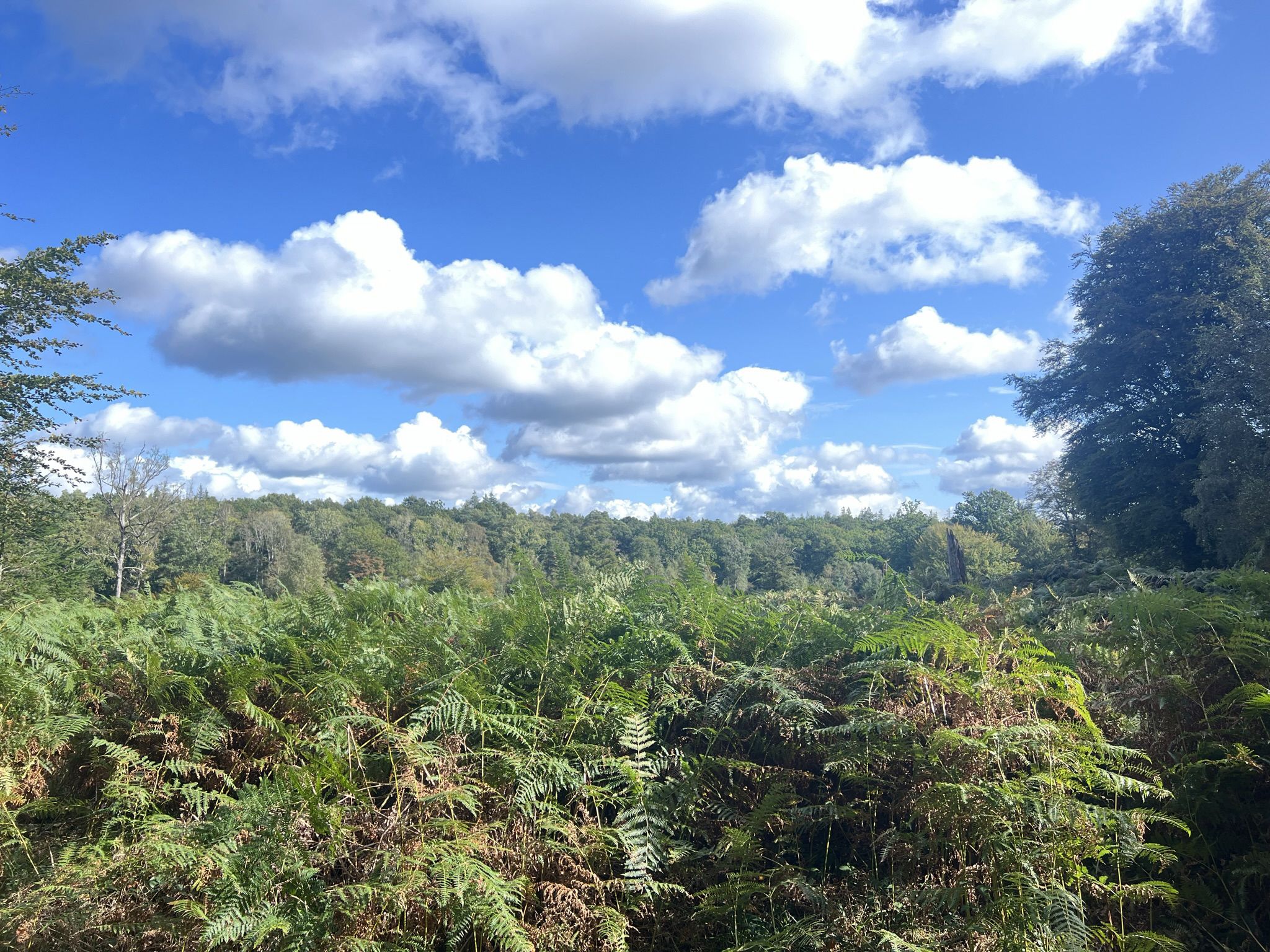
New Forest National Park – A Walk in the Parks
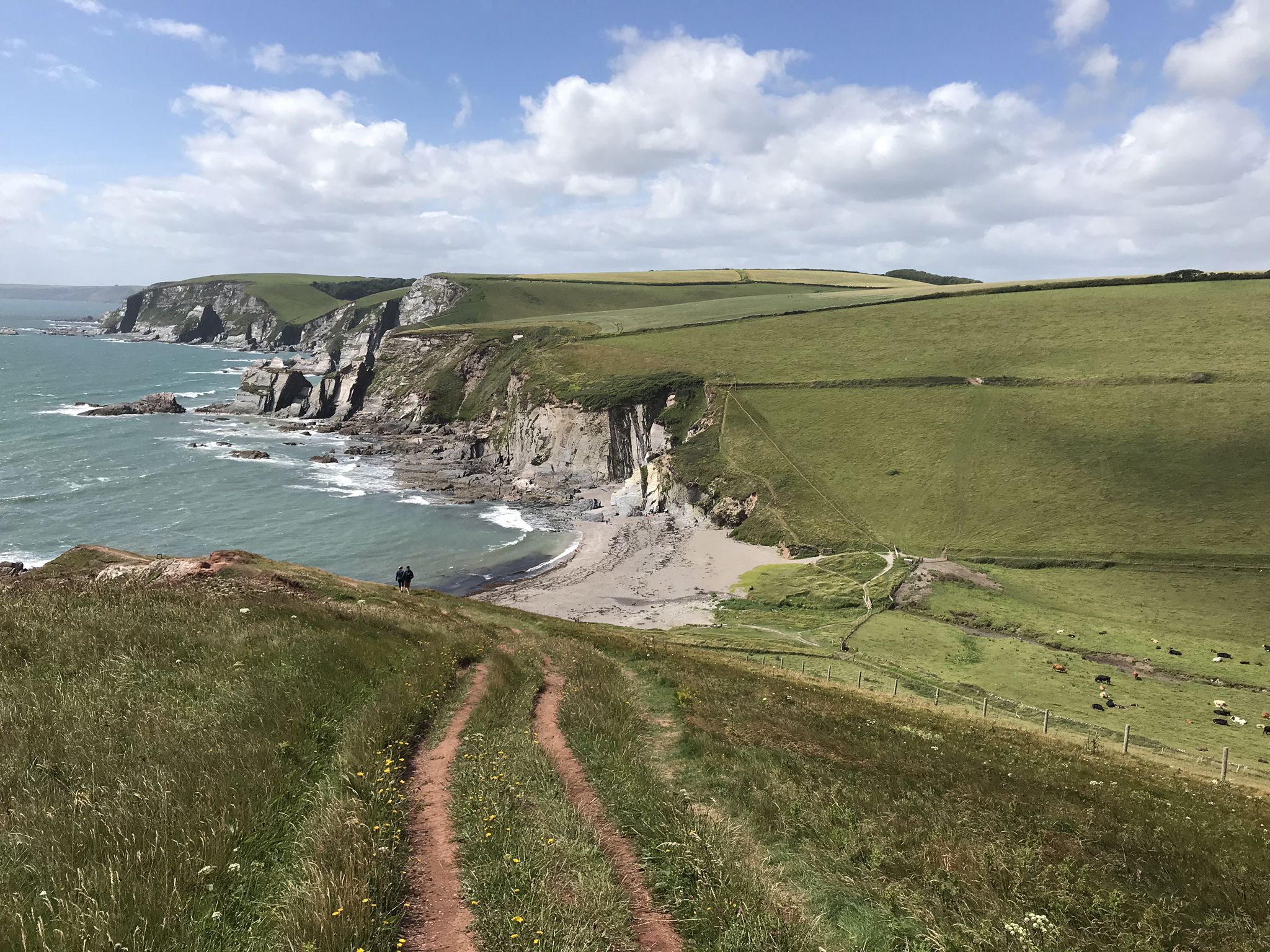
E9 Plymouth to Dover — An epic exploration of England's south coast
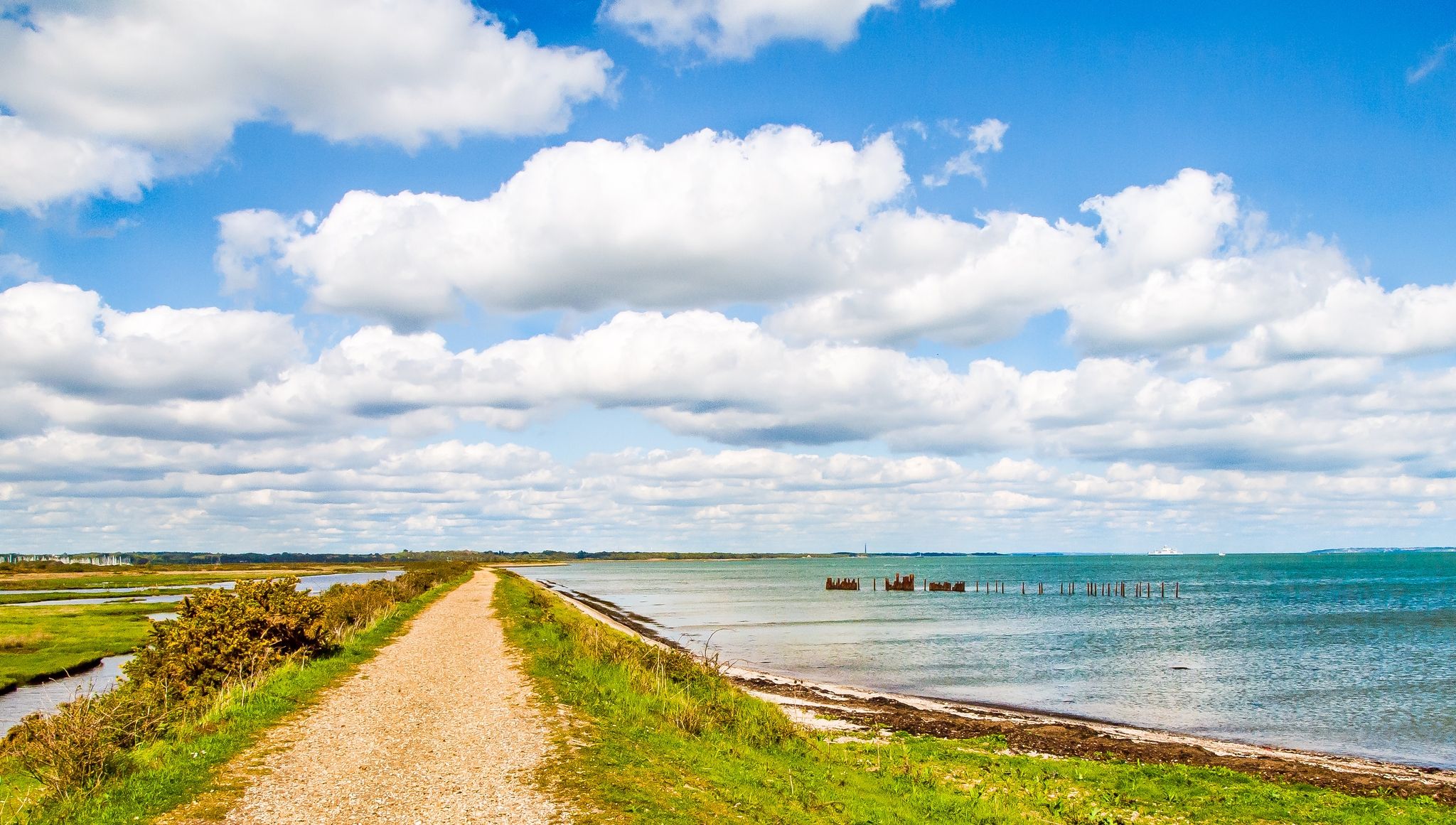
Solent Way — A picturesque hike along the Hampshire coastline
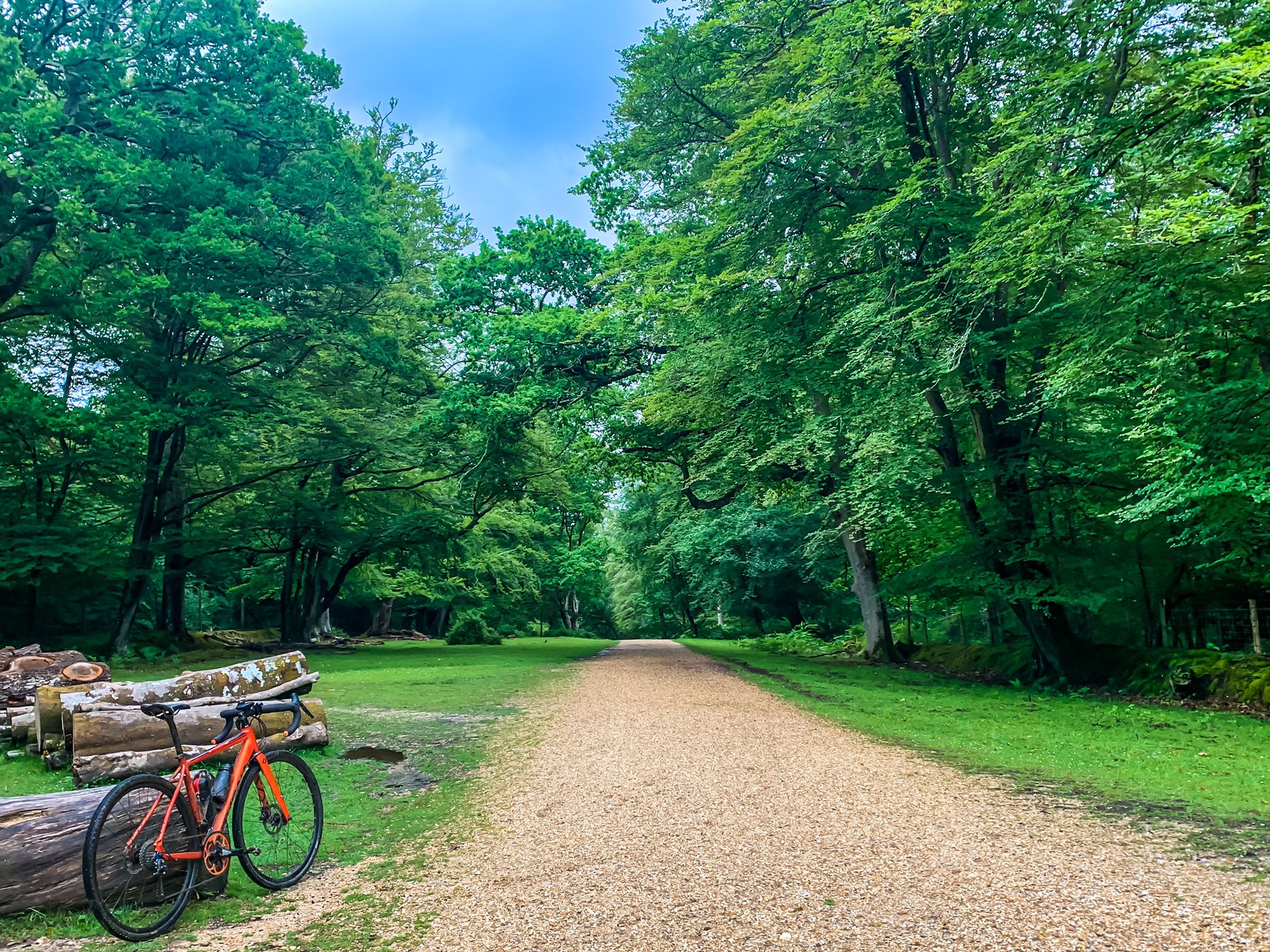
New Forest - The most Beautiful Cycling Routes
New Forest - All the Accessible Routes
New Forest - Walking in the National Park
A Walk in the Parks – hikes across all of England’s national parks
Smooth rolling in the New Forest — 7 scenic road rides
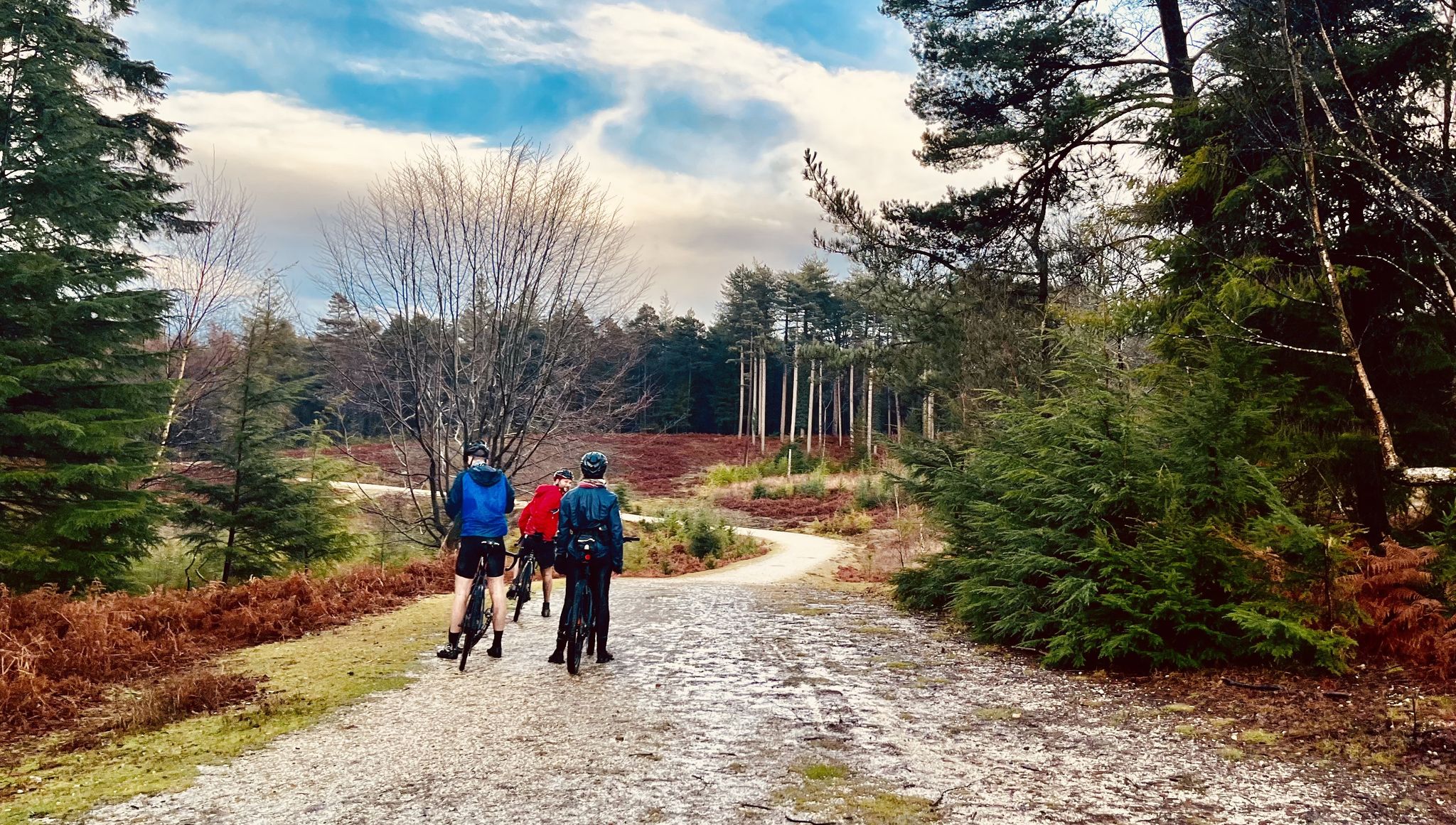
Discover the New Forest trails — 7 magical cycling safaris
My favourite West Country riding — South-West Gravel Gold
Other adventures in New Forest National Park


Tips from the Community

The New Forest is called "new" because it was established in 1079 by William the Conqueror as the "New Royal Hunting Forest." At that time, farmers were granted the right to freely graze their horses, cattle, and even pigs. This right still applies today... they also roam freely in the villages, which is why all houses have either a gate or a cattle grid. The landscape is magnificent, and the hiking is wonderful.
0
0

The giant oaks are widely spaced, allowing them to form large crowns. Were they planted as "pasture oaks"? To provide acorns for the cattle that were driven into the forest for grazing?
0
0


A place where the infmaous ragged boys gang would play before it was used for bombing raid practice.
0
0

The trig point t the summit of White Moor stands at 49 m. It's not a very pronounced summit, but the trig helps with orientation when you run here. The trails in all directions are great fun, fairly flat and fast underfoot.
0
0

Holm Hill is an area of open heathland situated in the stunning New Forest National Park. The area is characterised by towering wind-blown Scots pine trees, sandy knolls, and various bogs.
1
0
Burbush Hill is a risen mound located in the beautiful New Forest National Park near Burley. The area is characterised by its rolling landscapes that feature heather, gorse, and ancient oak trees, and excellent views of the surrounding forest and countryside.
2
0
Frequently Asked Questions
What is the highest point in New Forest National Park?
The highest point in the New Forest National Park is Pipers Wait, located near Nomansland. It stands at approximately 140 meters (459 feet) above sea level and offers extensive panoramic views that can reach as far as Watership Down and the Isle of Wight on a clear day.
What other notable high points and viewpoints are there in the New Forest?
Beyond Pipers Wait, you can explore several other significant high points and viewpoints. Telegraph Hill, at around 127 meters, offers extensive views and was historically a semaphore station. Cockley Hill is another prominent hill at 133 meters. For unique vistas, consider Bratley View for its mist views and golden gorse, or Blissford Hill for wide, open views across gorse-covered plains.
Are there any family-friendly high points or viewpoints in the New Forest National Park?
Yes, several high points and viewpoints are suitable for families. For example, Burbush Hill is categorized as family-friendly and offers rolling landscapes of heather and ancient oak trees. Holm Hill, with its open heathland and Scots pine trees, is also family-friendly. Additionally, the View of the Avon Valley and River Avon provides a lovely spot with a bench, perfect for a family picnic.
What kind of natural features can I expect to see at the high points in the New Forest?
The high points in the New Forest offer a diverse range of natural features. You'll encounter expansive heathlands, ancient woodlands, and areas characterized by gorse and heather. For instance, Holm Hill features open heathland with towering Scots pine trees, sandy knolls, and bogs. Burbush Hill showcases rolling landscapes of heather, gorse, and ancient oak trees.
What is the general difficulty of walks to the high points in New Forest National Park?
The New Forest National Park is not known for challenging mountainous ascents. Most high points and viewpoints offer relatively easy to moderate walks. While some, like Ragged Boys Hill, are marked as intermediate, the overall topography is gentle, making it accessible for a wide range of fitness levels. The trails are generally fast and flat underfoot, as seen around White Moor Trig Point.
Are there historical sites or points of interest near the New Forest high points?
Yes, the New Forest has a rich history. For example, Telegraph Hill once housed a semaphore telegraph station from 1795. Castle Hill, near Godshill, offers glimpses into the past with remnants of an Iron Age hill fort and a Norman castle, alongside beautiful views across the Avon Valley. The ancient woodlands themselves, like those found at Ragged Boys Hill, also hold historical significance related to grazing rights and forest management dating back to William the Conqueror.
What outdoor activities can I do near the New Forest high points?
The New Forest National Park offers a variety of outdoor activities near its high points. You can enjoy extensive hiking, with routes like the Whitefield Moor loop or the Brockenhurst Village route. Cycling is also very popular, with options such as the Rhinefield Ornamental Woodland loop or the Beaulieu to Brockenhurst loop. For more details on hiking routes, visit the Hiking in New Forest National Park guide, and for cycling, check out the Cycling in New Forest National Park guide.
What is the best time to visit the New Forest for exploring its high points and views?
The New Forest is beautiful year-round, but each season offers a unique experience. Spring brings golden gorse, while summer showcases vibrant purple heather, making these seasons popular for photographers at spots like Bratley View. Autumn offers stunning foliage in the ancient woodlands, and even winter provides serene, clear views, though appropriate clothing is recommended. Clear days are best for maximizing the panoramic vistas from any high point.
What makes the New Forest unique compared to other UK national parks, given its lack of towering mountains?
The New Forest National Park stands out for its unique landscape of expansive heathlands, ancient woodlands, and diverse wildlife, rather than towering mountains. It is one of the flattest national parks in the UK. Its charm lies in its serene atmosphere, historical interest, and the opportunity to observe free-roaming ponies, cattle, and deer, alongside its numerous high points and viewpoints that offer impressive vistas across this distinctive environment.
Are there any coastal viewpoints or high points in the New Forest?
While most high points are inland, the New Forest does offer coastal views. Keyhaven Marshes, though not a traditional 'peak,' provides sweeping coastal skies, saltmarsh lagoons, and diverse birdlife. Walking the seawall here offers views across to Hurst Castle and the Isle of Wight, presenting a different kind of wild and expansive vista.
What do visitors enjoy most about the high points and viewpoints in the New Forest?
Visitors frequently praise the breathtaking panoramic views and the tranquil atmosphere. Many appreciate the opportunity to spot diverse wildlife, including deer, ponies, and various bird species. The blend of open heathland, ancient oak woodlands, and unique geological features like sandy knolls and bogs, as seen at Holm Hill, also contributes to a rewarding experience. The historical context, such as the ancient grazing rights, adds another layer of interest.
Where can I find short walks with good views in the New Forest?
Many of the New Forest's high points and viewpoints are accessible via relatively short and easy walks. For instance, White Moor Trig Point offers surrounding trails that are fast and flat. Locations like Bolton's Bench in Lyndhurst provide iconic views of ancient woodlands and meadows with minimal effort. The Easy hikes in New Forest National Park guide lists several routes, including the Bolderwood Trails, which are ideal for shorter, scenic excursions.
Most popular routes in New Forest National Park
Most popular attractions in New Forest National Park

Get inspired with the komoot mobile app


Explore more
See even more amazing summits in New Forest National Park with these guides:
