The best walks and hikes in South Uist Machair
4.4
(61)
252
hikers
11
hikes
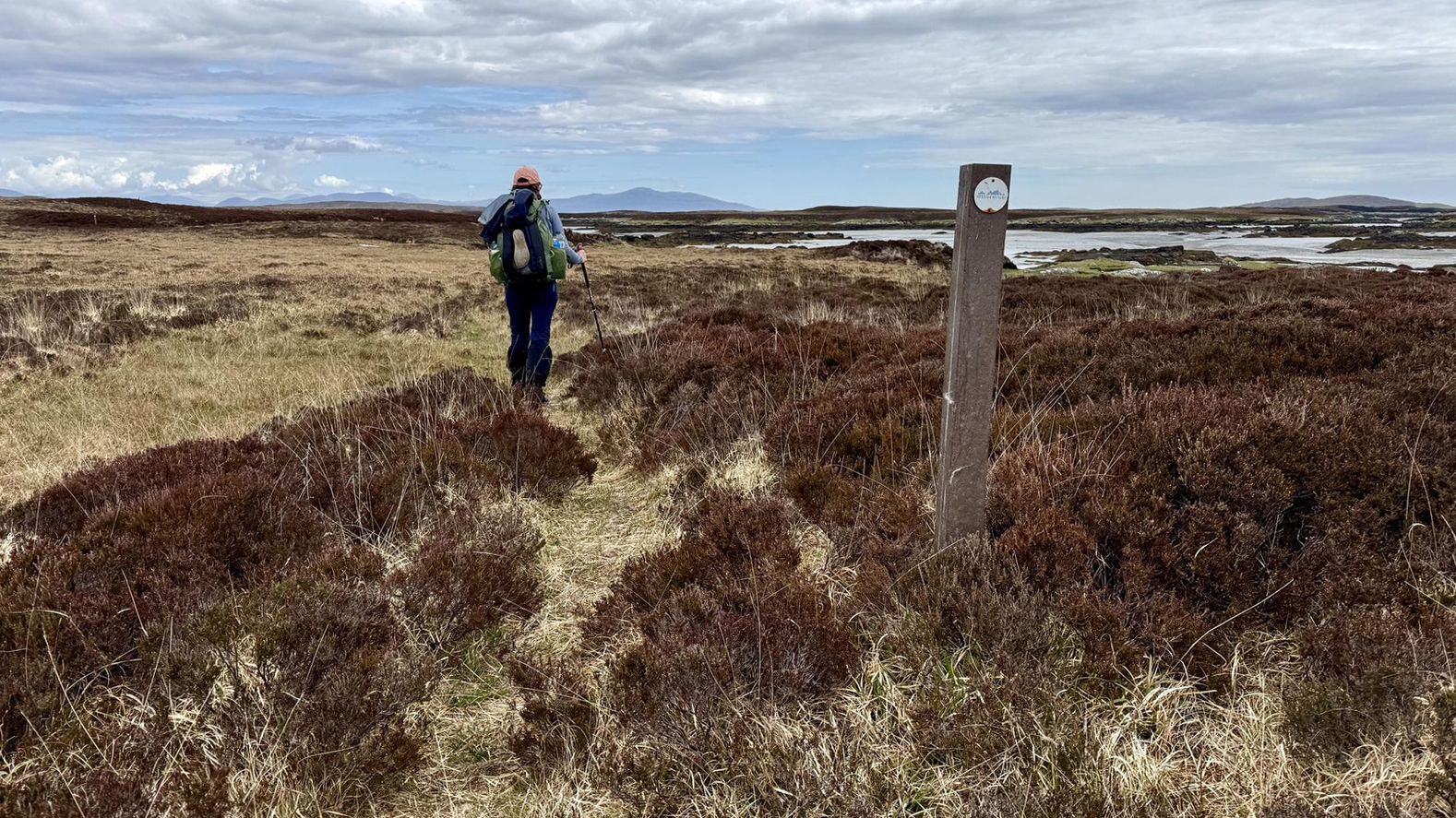
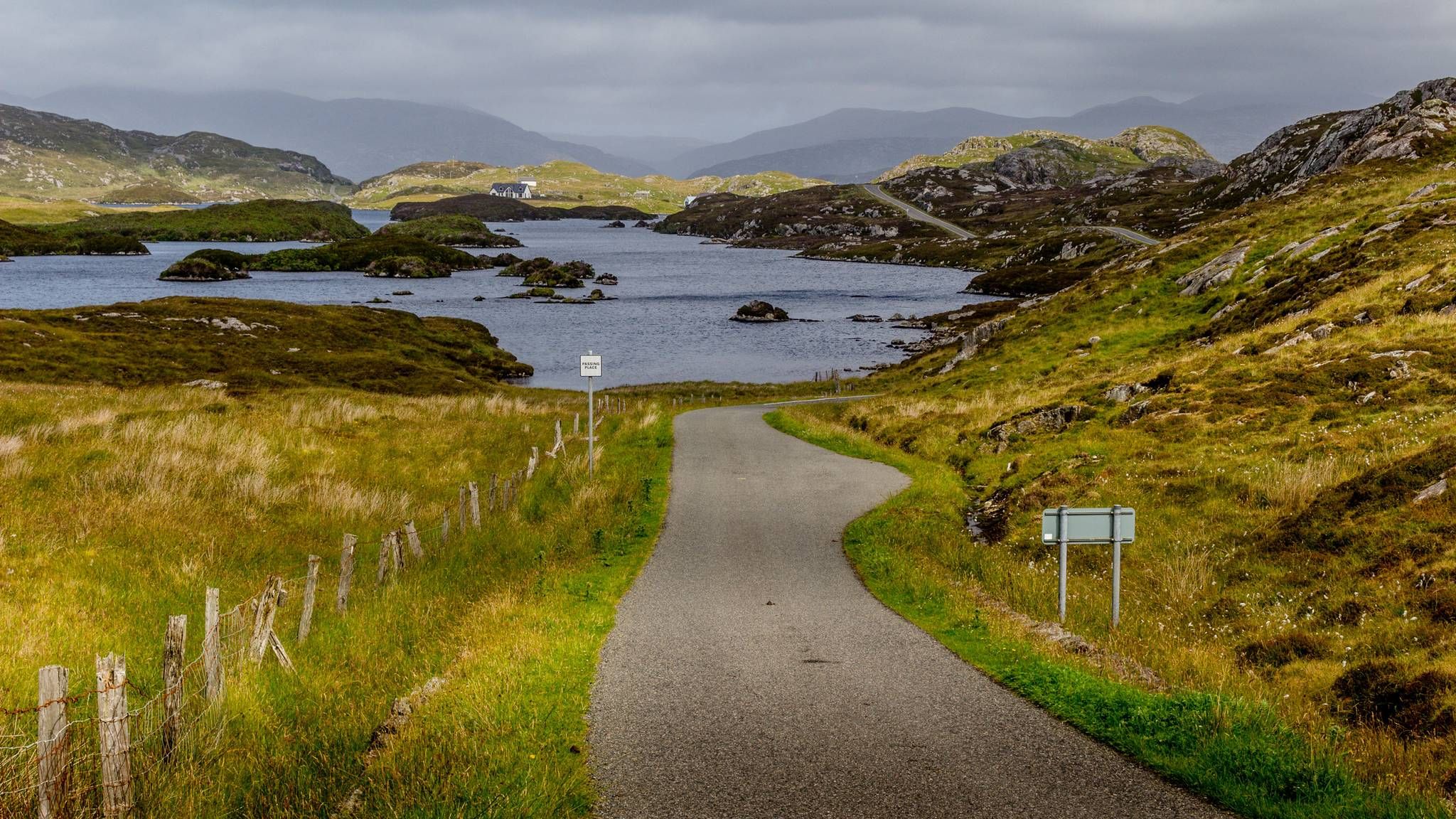
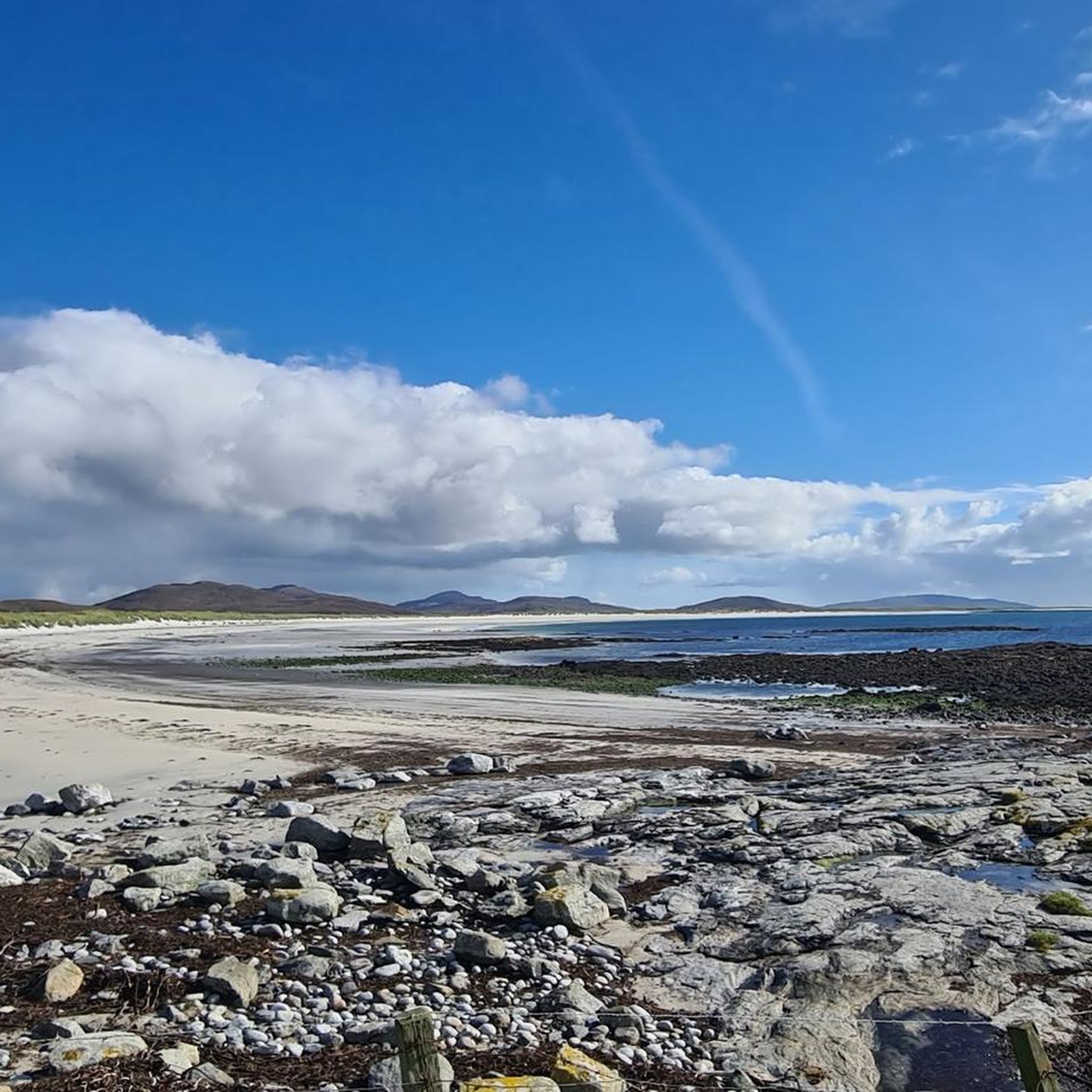
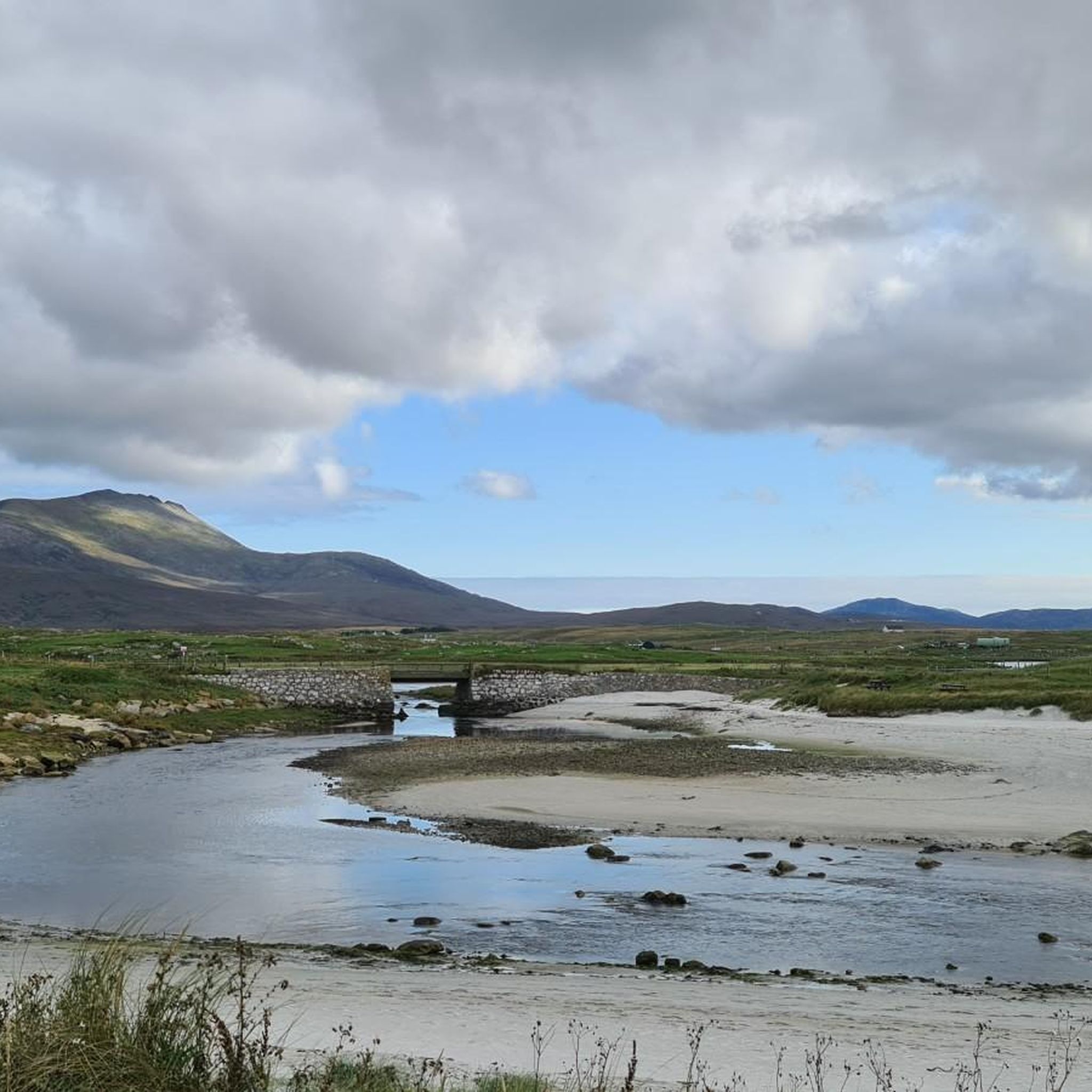
Hikes in South Uist Machair explore a unique landscape in the Outer Hebrides. The region is characterized by its machair, a low-lying coastal grassland, which runs alongside extensive white sand beaches. Numerous freshwater lochs dot the area, and the terrain is mostly flat, with many routes being relatively easy.
Best hiking trails in South Uist Machair
- The most popular hiking route is Loch Druidibeg Nature Reserve – Loch Druidibeag loop from Howmore, a 8.9 mile (14.4 km) trail that…
Last updated: July 8, 2026
4.6
(9)
49
hikers
14.4km
03:39
40m
40m
Moderate hike. Good fitness required. Easily-accessible paths. Suitable for all skill levels.
5.0
(24)
10
hikers
10.1km
02:33
20m
20m
Moderate hike. Good fitness required. Easily-accessible paths. Suitable for all skill levels.

Sign up for free
5.0
(1)
12
hikers
6.97km
01:46
20m
20m
Easy hike. Great for any fitness level. Easily-accessible paths. Suitable for all skill levels.
5.0
(1)
12
hikers
6.96km
01:46
20m
20m
Easy hike. Great for any fitness level. Easily-accessible paths. Suitable for all skill levels.
5.0
(1)
3
hikers
6.24km
01:35
10m
10m
Easy hike. Great for any fitness level. Easily-accessible paths. Suitable for all skill levels.
Get access to more routes and recommendations from other explorers.
Sign up for free
Already have an account?
Our route recommendations are based on thousands of hikes, rides, and runs completed by other people on komoot.
Start today with a free account
Your next adventure awaits.
Login or Signup


Tips from the Community

This beautiful nature reserve's moorland contrasts starkly with the vibrant machair found elsewhere on South Uist. The reserve is home to a variety of ground nesting bird species, including hen harriers, skylarks and merlins. You might also spot a few wild ponies on your travels and, if you're really lucky, a sea eagle or two. There are also lovely views towards Beinn Mhòr, Hacla and Beinn Tairbert.
0
0

Built in 1991, the Aileach is the first replica of a Hebridean birlinn (or West Highland galley) ever built. She is 40 feet long, clinker-built in larch on an oak frame. She has sixteen oars and a square sail. Her voyages take her to numerous destinations in the Hebrides and as far as the Faroe Islands.
3
0
Caisteal Bheagram was a Clanranald stronghold until the 17th century. The castle was accessed via a now-submerged causeway. It is believed to have been built on the site of an Iron Age settlement.
3
0

great little museum with island connection
0
0
The museum is definitely worth a visit. The exhibits about life in the Outer Hebrides are fascinating and informative.
2
0
A short footpath leads to the houses
0
0
The site is well explained on several panels
2
0

Daliburgh Beach stretches for about 20 mile along the coast of South Uist. The beach is renowned for its pristine white sands and the surrounding machair, which is a unique coastal grassland found in the Hebrides.
0
0
Frequently Asked Questions
When is the best time to see the machair wildflowers in bloom?
The best time to see the machair in its full glory is during late spring and summer. From May to August, these unique coastal grasslands burst into a vibrant carpet of wildflowers, creating a spectacular and colorful landscape for walking.
What kind of wildlife might I spot while hiking?
South Uist is a haven for wildlife. On the machair and along the coast, keep an eye out for nesting birds like oystercatchers and lapwings, and listen for the rare corncrake. The island's many lochs are home to swans and golden plovers, while coastal paths, especially near Locheynort, offer chances to see otters and even sea eagles.
Are there any easy, family-friendly walks available?
Yes, the gentle, flat terrain of the machair is perfect for families. There are several easy walks to choose from. For a shorter outing that combines coastal scenery with history, consider the Cladh Hallan Roundhouses – Daliburgh Beach loop from Askernish, which is a relatively flat 4.2-mile (6.7 km) route.
Can I bring my dog on hikes in South Uist?
Dogs are generally welcome on the trails, but it's crucial to be responsible. The machair is a vital breeding ground for many bird species. To protect the local wildlife, please keep your dog on a lead, especially during the nesting season from spring through summer.
Are there any circular walks available?
Yes, many of the recommended trails in South Uist are circular, making logistics simple. These loops are designed to showcase the diversity of the landscape, often combining stretches of beach, machair grassland, and views of inland lochs. The Loch Druidibeg Nature Reserve – Loch Druidibeag loop from Howmore is a great example of a longer circular route that explores different habitats.
What is the terrain like on the hikes?
The landscape is famously varied. The western side, where the machair is located, features mostly flat and gentle terrain with grassy paths and long sandy beaches. In contrast, the eastern side of the island is mountainous and rugged, offering more strenuous hillwalks with significant climbs and rewarding panoramic views.
Is there parking available for the main hiking trails?
Parking is available at the start of many popular routes, but it can be limited. You'll often find small, informal parking areas at road ends or near beach access points, such as the trailhead for Beinn Mhor. It's always a good idea to arrive early and park considerately, without blocking access for locals.
Are there any hikes that include historical sites?
Absolutely. The island is rich in history. A great option is the Daliburgh Beach – Cladh Hallan Roundhouses loop from Garryheillie, which takes you directly to a fascinating Bronze Age settlement. Other walks pass by Neolithic standing stones and the remains of Viking-era structures.
What do other hikers enjoy most about South Uist Machair?
The area is highly rated by the komoot community. Reviewers frequently praise the unique experience of walking between the vibrant machair grasslands and the pristine white sand beaches. The tranquility, abundant birdlife, and the dramatic contrast between the gentle west coast and the rugged eastern hills are also popular highlights.
How can I get to the trailheads using public transport?
South Uist is served by a local bus service that connects many of the main villages and settlements, which can get you close to some trailheads. However, services can be infrequent, especially to more remote starting points. For detailed timetables and planning your journey, it's best to check the latest information on the Visit Outer Hebrides website.
Are there any challenging mountain hikes on the island?
Yes, while the machair is flat, the eastern side of South Uist offers challenging hillwalks. The ascent of Beinn Mhor, the island's highest peak at 2,034 feet (620 m), is a strenuous climb that rewards hikers with incredible panoramic views across the island's lochs and out to the Atlantic.
What should I wear for a hike in South Uist?
The weather in the Outer Hebrides can change very quickly, so it's essential to be prepared. Wear sturdy, waterproof walking boots as paths can be boggy. Layering is key, and a waterproof and windproof jacket is a must-have, even on a sunny day. The coastal paths are very exposed, so protection from wind is important.
Most popular routes in South Uist Machair
Most popular attractions in South Uist Machair

Get inspired with the komoot mobile app


Explore more
Browse the best Hikes in other regions.
