Top 9 Caves in Lake District
Best caves in Lake District are often remnants of its industrial past, offering unique underground experiences. The region features dramatic landscapes shaped by glacial activity and a rich history of slate and copper mining. These geological features have created numerous natural and man-made caverns, providing diverse opportunities for exploration and historical insight.
Best caves in Lake District
- The most popular caves is Rydal Cave, a cave that is a large, man-made cavern resulting from slate mining. Visitors can navigate stepping stones through shallow water to reach drier parts of the cave, making it a highly accessible and popular choice for families.
- Another must-see spot is Cathedral Cavern, an impressive chamber and historical site. Visitors can expect a massive central pillar supporting the cavern roof and two large, window-like openings that flood the main chamber with natural light.
- Visitors also love Buttermere Tunnel, a man-made tunnel cut directly through the rock face, reaching down to the lake shore. It provides an interesting and adventurous passage, offering a different kind of "caving" experience right by the water's edge.
- Lake District is known for its man-made caverns, historical mining sites, and natural shelters. The area offers a variety of caves to see and explore, from large quarry systems to genuine hermit caves.
- The caves in Lake District are appreciated by the komoot community, with more than 250 upvotes and over 200 photos shared across 10 highlights.
Last updated: October 2, 2026
Rydal Cave
Highlight • Cave
Take the stepping stones through the shallow water at the entrance to the drier part of the cave. A torch is not really necessary.
Translated by Google •
Tip by

Cathedral Cavern
Highlight • Historical Site
As it is an abandoned quarry, the site has unprotected steep drops, deep water and there is a risk of falling rocks. If you decide to visit the quarry, make sure you are well prepared.
(National Trust)
Showing Translation
Tip by
Sign up now to discover places like this
Get recommendations on the best single tracks, peaks, & plenty of other exciting outdoor places.
Buttermere Tunnel
Highlight • Structure
Tip by

Priest's Hole
Highlight • Cave
Tip by

Black Moss Pot
Highlight • Gorge
Tip by

Sign up for free to discover even more caves in Lake District.
Already have an account?
Start today with a free account
Your next adventure awaits.
Popular around Lake District
Scenic hikes to stand-up paddleboarding locations in the UK

Supporting the National Three Peaks FKT in true Green Runners’ Style
Ephemeral Lines – Stunning UK Winter Ridges
Lakeland 300 — Bikepacking in the hills of the Lake District
Lakeland 100 – ultra tour of the Lake District
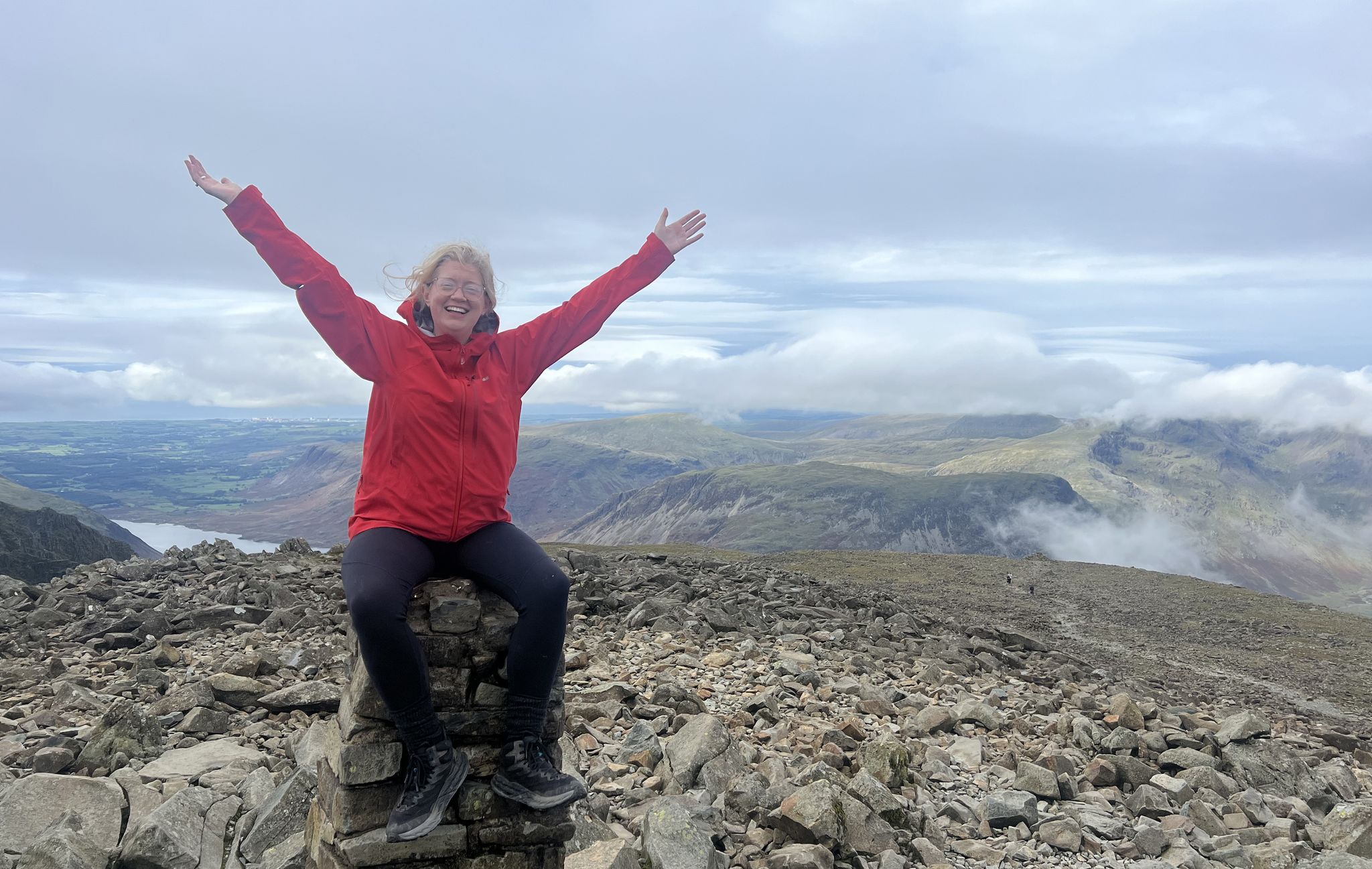
Lake District National Park – A Walk in the Parks
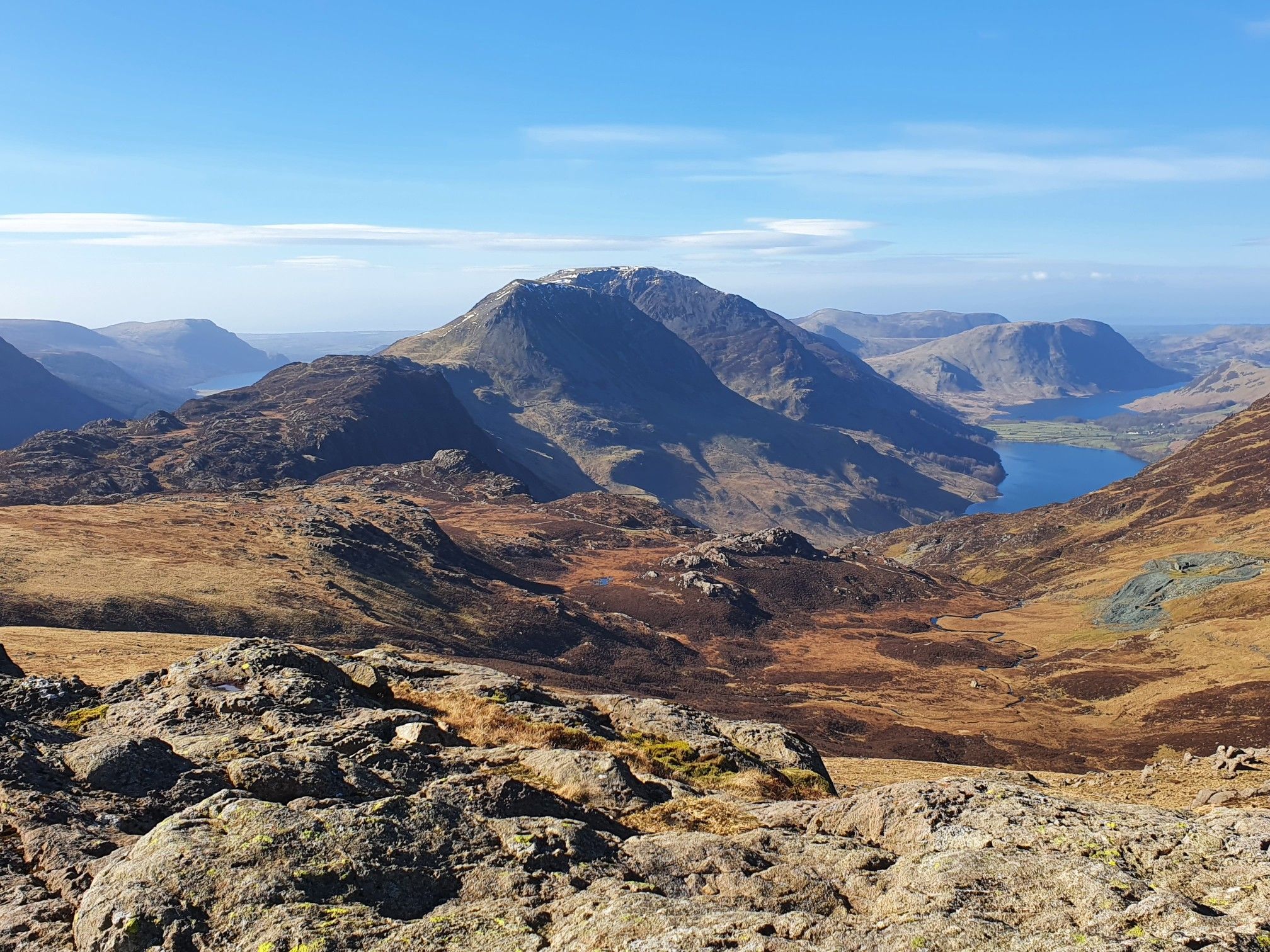
Cumbrian Traverse – A sublime high-level hike across Lakeland
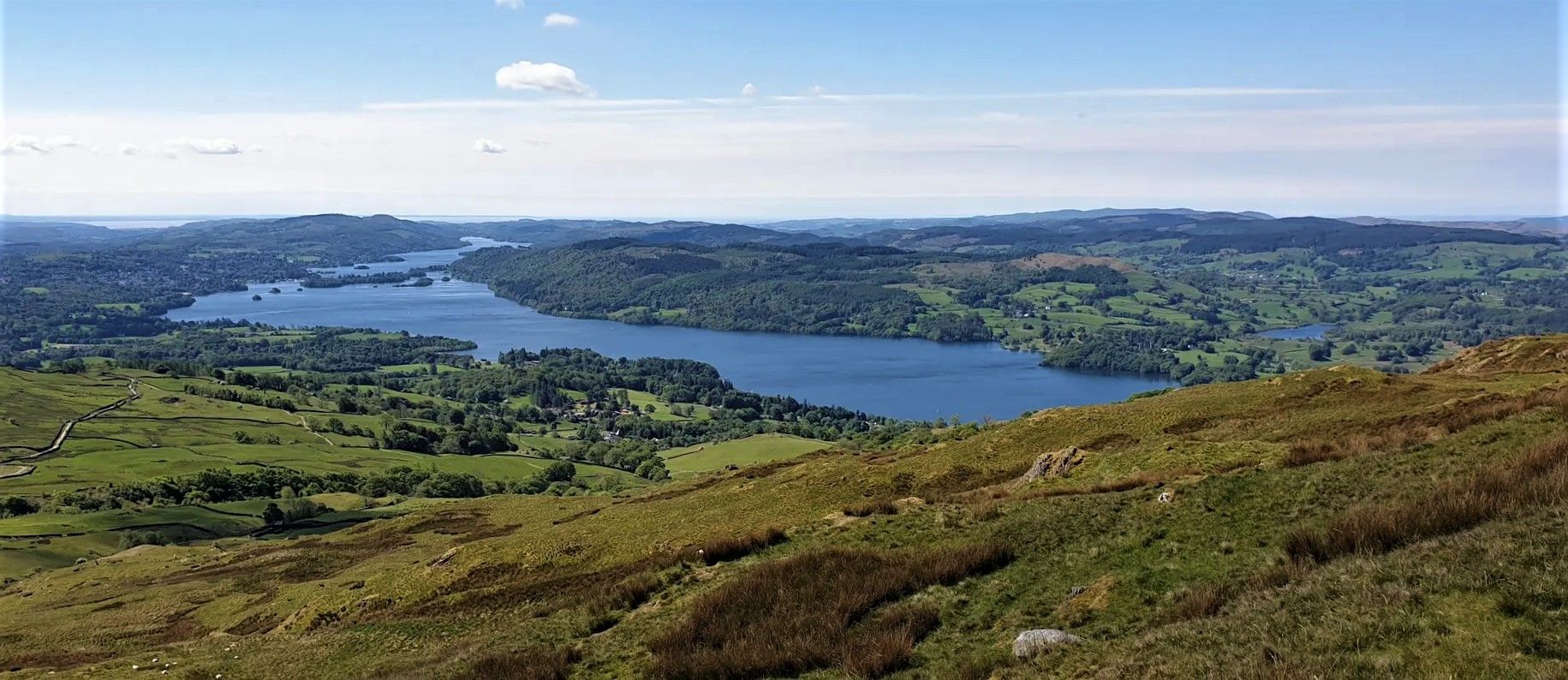
Windermere Way — Hike a poetic loop of a Lakeland legend
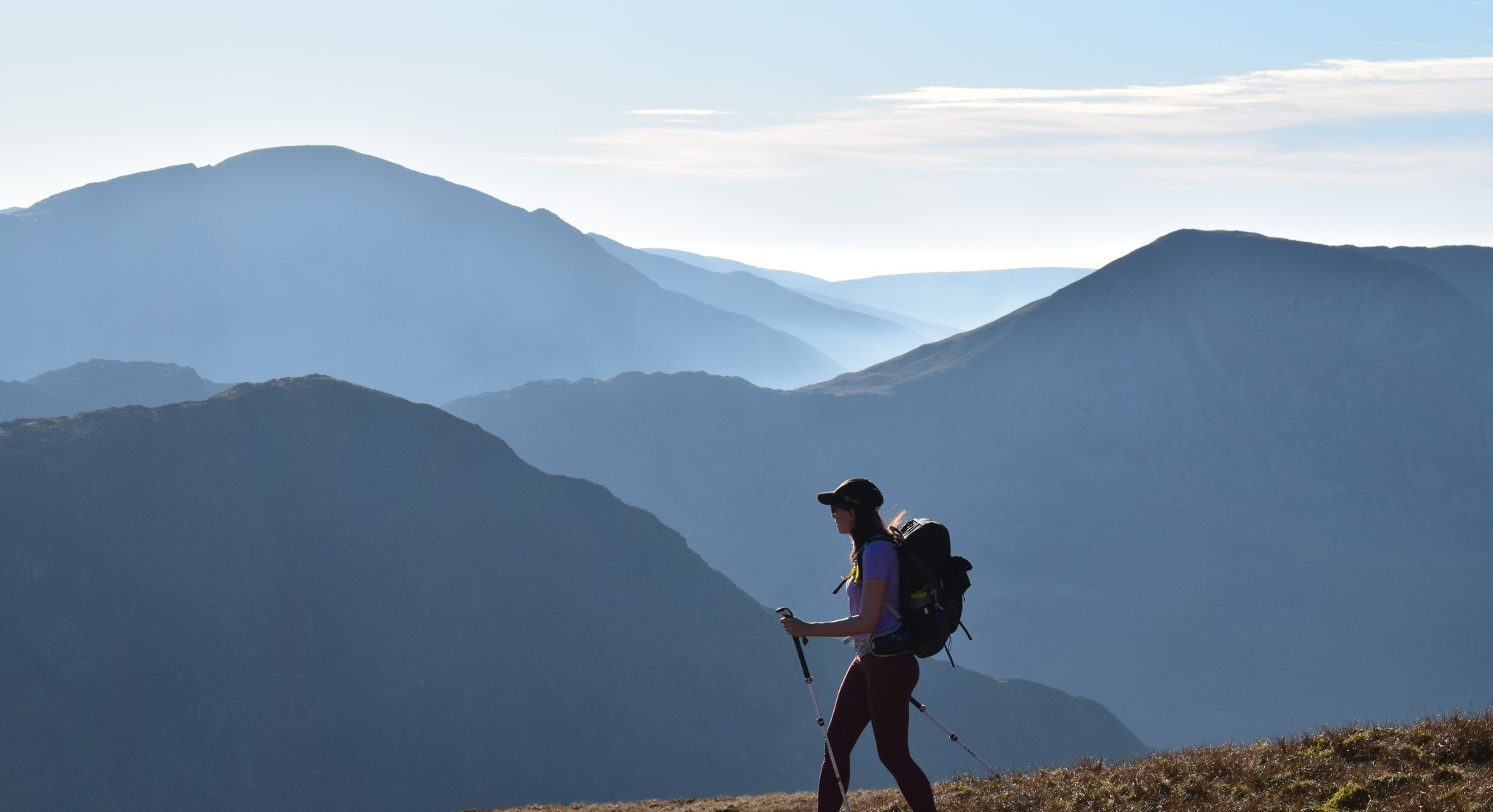
All the Wainwrights in seven weekends — a book by book adventure
Lake to Lake Walk — Windermere to Kielder across the beautiful North
Other adventures in Lake District


Tips from the Community

An abandoned slate quarry, gifted to the National Trust by Beatrix Potter. The site is a relic of the area's quarrying past, shaped by man and now slowly being reclaimed by nature. As it is an abandoned quarry, the site has unprotected steep drops, deep water and there is a risk of falling rocks. If you decide to visit the quarry, make sure you are well prepared. (National Trust)
10
0

Mega little walk make sure you have good waterproof boots the water is a little deep in a few spots in the cave and a good torch head light for exploring the caves you could spend hour exploring great for the kids
3
0
Take your time visiting Rydal Cave. It is a large cave on the north side of Loughrigg Fell, above Rydal Water. This cave is actually man-made, as a result of slate mining. Take the stepping stones through the shallow water at the entrance to the drier part of the cave. A torch is not really necessary.
10
1

A tunnel cut through the rock face which comes right down to the lake shore, leaving no alternative but a tunnel. It is quite dark and wet so be careful.
1
0

Take wellies if you want to escape out through the tunnels. And torches if you want to do the longer one.
2
0

Cathedral Quarry's history dates back to the 16th century. It used to be known as the Little Langdale Quarries but often referred to as Cathedral Quarries nowadays the site was used to extract green slate. This slate is still used today to build walls and roofs in the area. In 1929 the quarry was bought by Beatrix Potter who later gave it to the National Trust.
1
0


Cathedral Cave is the largest cave in this old mine complex. You can explore the main chambers and venture deeper into the system. This area is owned by the National Trust, but entry is at your own risk and the site is not managed as an attraction. Remember to bring a torch, or you won't be able to get far.
3
0
Frequently Asked Questions
Which caves in the Lake District are suitable for families with children?
For a family-friendly adventure, Rydal Cave is an excellent choice. It's a large, man-made cavern from slate mining, easily accessible with stepping stones through shallow water. Another fun option is the Buttermere Tunnel, a man-made passage cut through rock by the lake shore, which is often enjoyed by children for its adventurous feel and echoing laughter.
What is the historical significance of the caves in the Lake District?
Many caves in the Lake District are remnants of the region's rich industrial past, particularly slate and copper mining. Cathedral Cavern, for example, is a testament to 18th-century slate mining. Additionally, sites like Priest's Hole hold unique historical tales, having served as a hiding place for Catholic priests during the 16th century.
Are there any challenging cave explorations for experienced adventurers?
Yes, for those seeking a more challenging experience, Priest's Hole offers a demanding ascent to a hidden cave high on a cliff face, requiring sure-footedness and a traverse. While not a traditional cave, Hodge Close Quarry, known as 'Skull Cave,' is a deep, dramatic site popular with cave divers for its underwater tunnels and thrill-seekers for its sheer rockface.
What should I wear or bring when exploring caves in the Lake District?
It's advisable to wear sturdy, waterproof footwear for most cave explorations, as many sites can be wet or have shallow water. A torch or headlamp is highly recommended, especially for deeper sections or tunnels like those found in Cathedral Cavern or the Buttermere Tunnel, where it can be pitch black and puddles may be present.
Are there any hidden or lesser-known caves worth discovering?
Millican Dalton's Cave in the Borrowdale Valley offers a glimpse into a unique piece of local history. This genuine hermit cave was once home to the 'Borrowdale Hermit' and provides stunning panoramic views over Derwentwater after a rewarding hike. It's the highest of several caves in its area and features an intriguing inscription.
What kind of geological features can be observed in the Lake District caves?
The caves in the Lake District showcase a mix of natural formations and man-made alterations. Many are former slate quarries, revealing impressive rock structures and large chambers like the central pillar in Cathedral Cavern. Natural shelters and dramatic rock faces, such as those at Hodge Close Quarry, also highlight the region's mountainous terrain and glacial history.
Can I go swimming or cliff jumping near any of the cave sites?
Yes, Black Moss Pot is a popular spot for swimming and cliff jumping. It features a deep pool on Langstrath Beck with high rock walls, where water cascades into a small ravine. It's known for its clear water and is a favorite among locals for a refreshing dip, especially in warmer months.
Are there any guided caving tours available in the Lake District?
While specific guided caving tours for all sites are not detailed, some locations like Cathedral Cavern are popular for activities like abseiling and rock climbing, which are often done with guides or experienced groups. For general exploration, many caves are accessible independently, but caution and appropriate gear are always advised.
What outdoor activities can I combine with a visit to the caves?
The Lake District offers numerous outdoor activities near its caves. You can find excellent easy hikes, such as the Aira Force and Gowbarrow Park Trail, or routes around Tarn Hows. For cyclists, there are diverse options including gravel biking and MTB trails, like the Borrowdale Bash or routes in Whinlatter Forest.
Is there parking available near the Lake District caving sites?
Parking availability varies by site. Popular locations like Rydal Cave and Cathedral Cavern are often accessed via established walking routes from nearby villages or car parks. It's recommended to research specific parking options for each cave you plan to visit, as some more remote sites may require a longer walk from the nearest parking area.
Do I need a permit for caving in the Lake District?
Generally, you do not need a permit for casual exploration of the publicly accessible caves in the Lake District, such as Rydal Cave or Cathedral Cavern. However, for more advanced caving, particularly in privately owned or managed systems, or for organized activities like abseiling, it's always best to check with local authorities or land managers like the National Trust for any specific requirements or restrictions.
Most popular routes in Lake District
Most popular attractions in Lake District

Get inspired with the komoot mobile app


Explore more
Extend your search for the best caves by checking out these guides of the top ones in Lake District:
