Attractions and Places To See in Amvrakikos National Park - Top 8
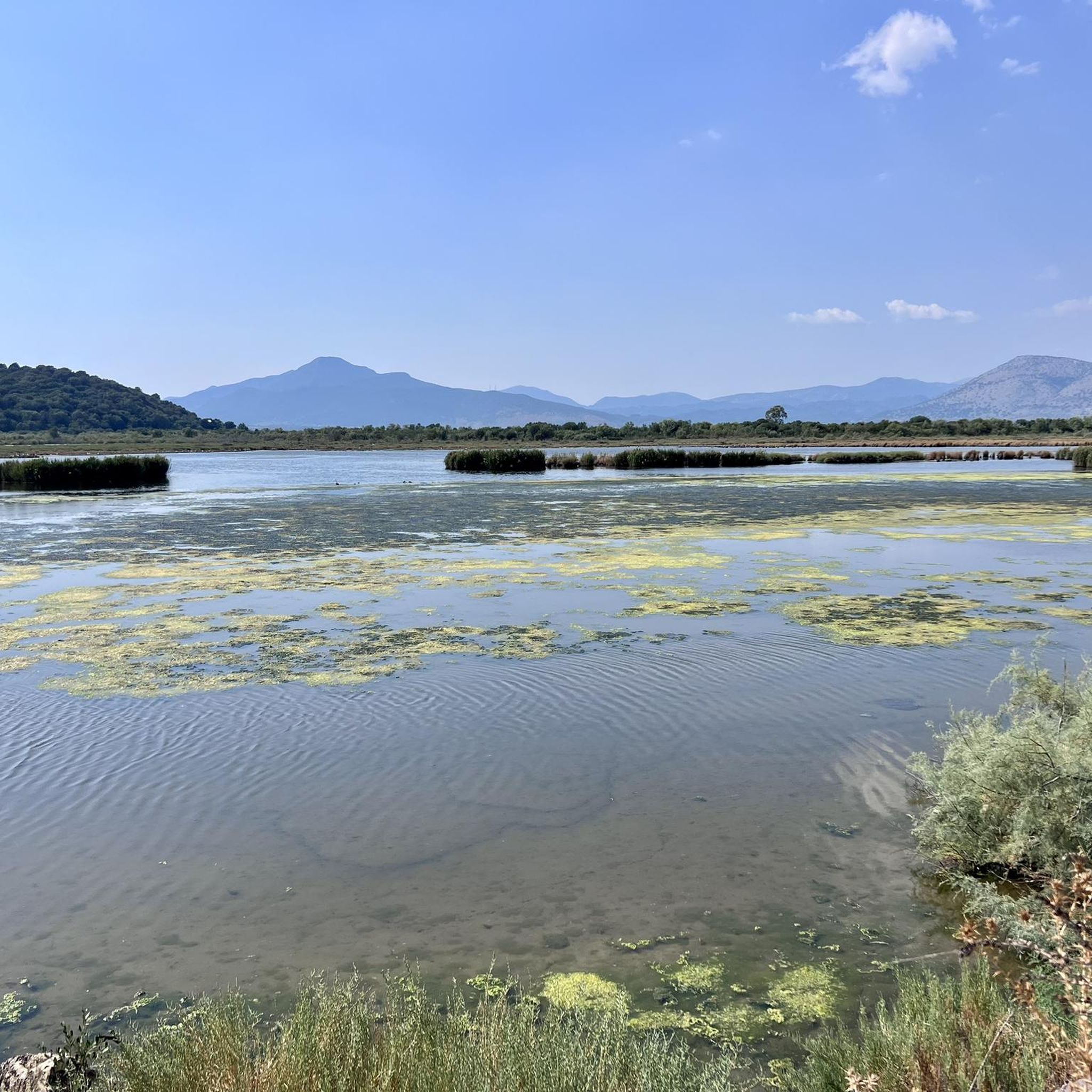
Best attractions and places to see in Amvrakikos National Park, located in northwestern Greece, is a significant wetland complex. It is recognized for its rich biodiversity, diverse landscapes, and cultural heritage, making it one of Europe's most important protected natural areas. The park features extensive lagoons, river deltas, and riparian forests, providing critical habitats for numerous species. Visitors can explore a blend of natural wonders and historical sites within this unique environment.
Best attractions and places to see in Amvrakikos…
Last updated: July 1, 2026
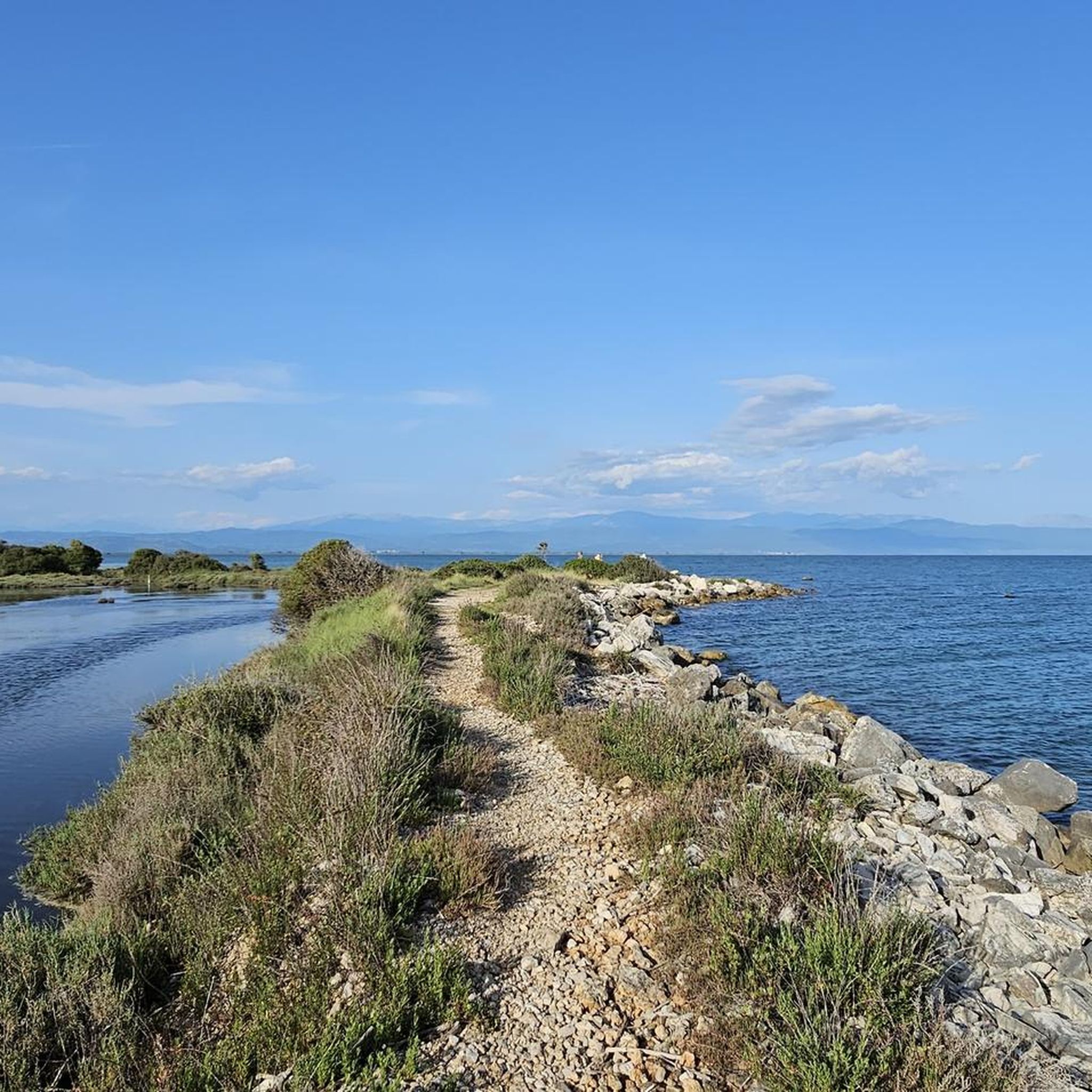
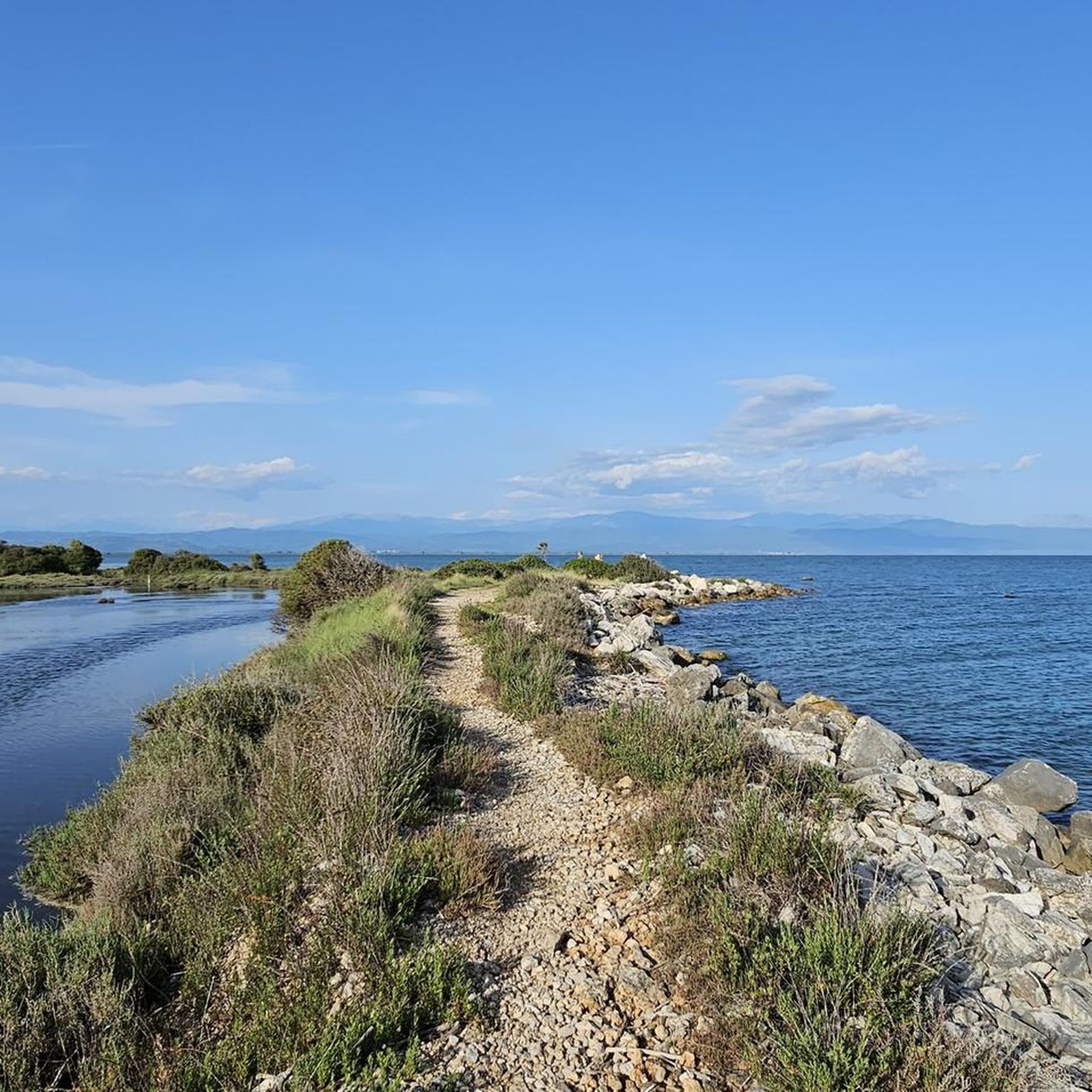
Gravel Road Along the Lagoon
Highlight (Segment) • Trail
Translated by Google •
Tip by

Panagia Rodias Monastery
Highlight • Religious Site
Translated by Google •
Tip by

Sign up now to discover places like this
Get recommendations on the best single tracks, peaks, & plenty of other exciting outdoor places.
Sign up for free
Ai Vlassis Cave
Highlight • Cave
Translated by Google •
Tip by
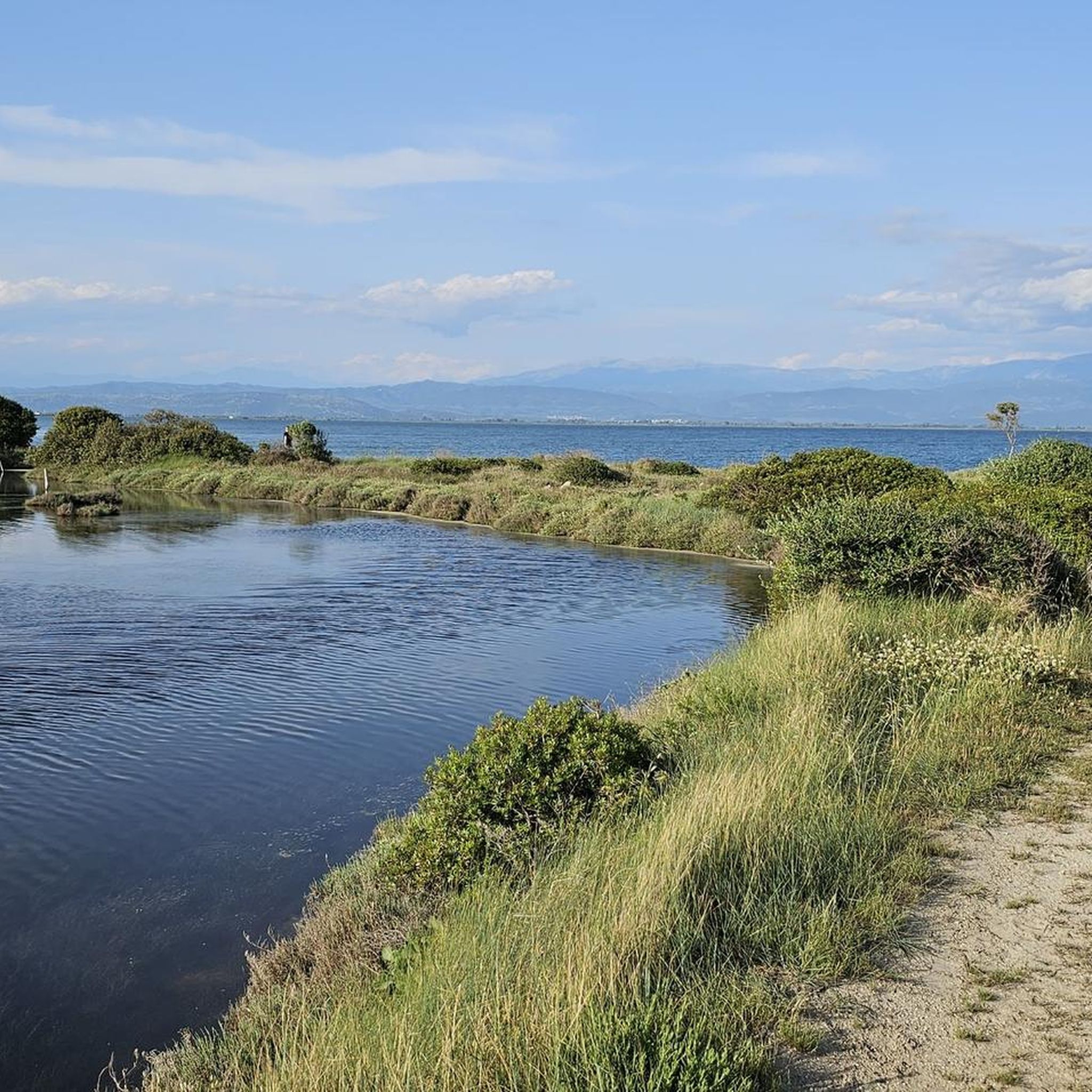
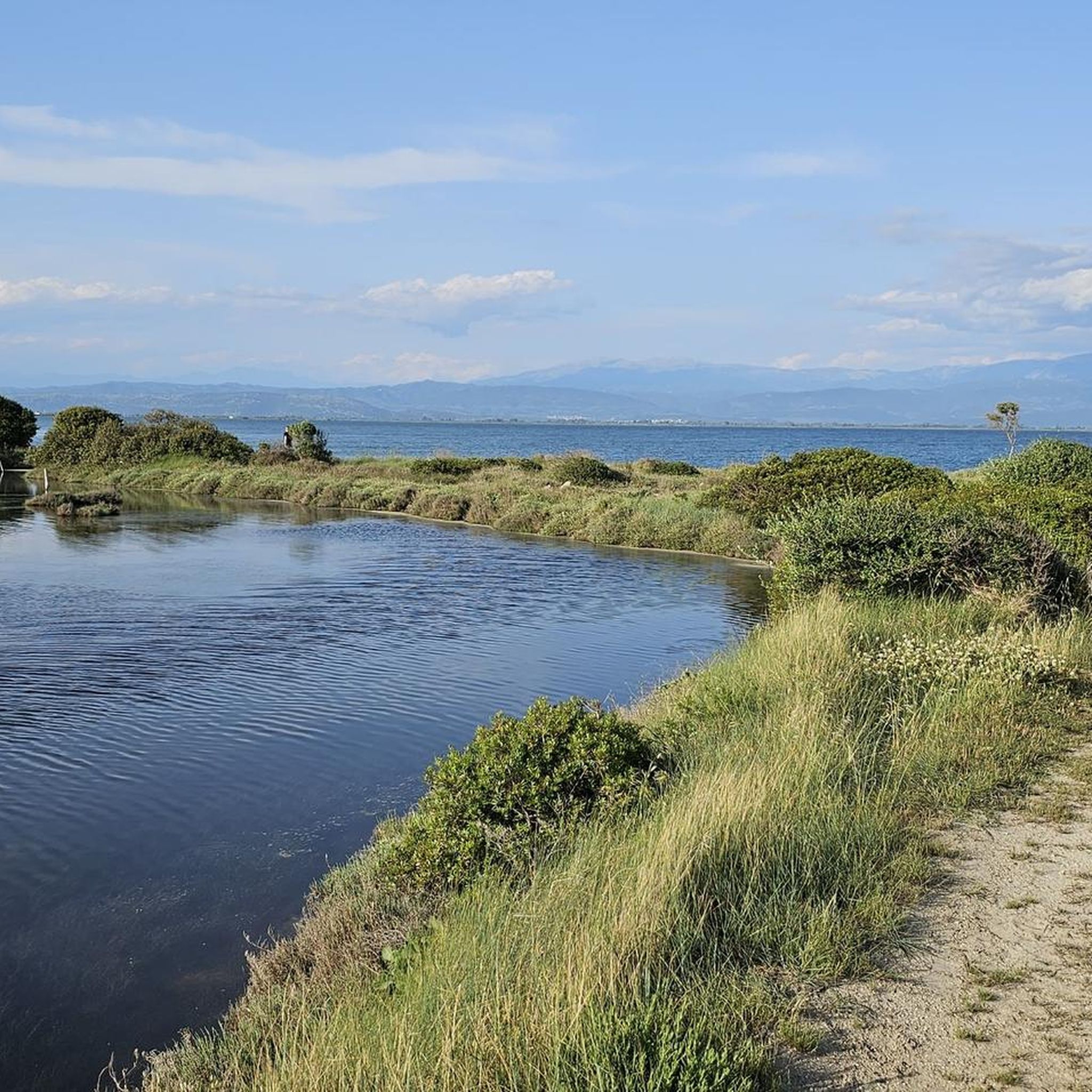
Bench With View of the Lagoon
Highlight • Viewpoint
Translated by Google •
Tip by

Ancient Palairos
Highlight • Historical Site
Tip by

Sign up for free to discover even more attractions in Amvrakikos National Park.
Sign up for free
Already have an account?
Start today with a free account
Your next adventure awaits.
Login or Signup
Tips from the Community

The Panagia Rodias Monastery is picturesquely located on the slope of Mavrovouni mountain directly above the Rodia lagoon in Amvrakikos National Park. According to historical sources, the Byzantine monastery was originally founded in 970 during the reign of Emperor John Tzimiskes. The present-day church building (Katholikon) was rebuilt in 1860 on the old foundations. The area is characterized by its traditional, historic stone walls and the iron gate. The church inside houses impressive murals and historical frescoes.
0
0

Great trail, but unfortunately, there were a few stray dogs. They came very close to us, but probably just wanted food. We were able to pass slowly.
1
0

In front of the monastery there is a board with a QR code for all the information
0
0
Benches dot the path, ideal for relaxing and birdwatching.
2
0

The bench faces the water and faces south - a dream in winter when you want to warm up a bit while taking a break.
0
0
Unfortunately, the church will be closed in January 2024, as will the monastery grounds. There are only a few cows there. Nevertheless, the visit is worth it because the location is picturesque.
0
0
The cave can be reached by stairs about 30m above sea level (2min on foot). It served not only as a hermitage for monks, but also as a temple and, from 1940-44, as a hiding place for the residents of the surrounding villages. Later as a shelter for shepherds and their animals.
1
0
A world-class ancient heritage site. This is the "lost city" of Palairos. Dating from around 2-3000 BC in terms if human habitation it was at its peak around 300BC during which formidable fortifications several metres high, over 2 metre wide and stretching over 2.5 Km across the undulating terrain. It is little impacted by the restoration efforts starting in 2000AD. However provided you have good footwear, an able constitution, and some imaginative powers you will be transported back in time most effectively. A particular highlight is the NW gate - climb to the too of the steps beside this and you can view in one glance the entire site of Palairos, the distant Ionian sea and the lake below in the other direction.
1
0
Frequently Asked Questions
What natural features and wildlife can I expect to see in Amvrakikos National Park?
Amvrakikos National Park is renowned for its diverse natural features. You can explore the extensive Rodia and Tsoukalio Lagoons, which are part of the Louros River delta and host around 300 bird species. The Louros and Arachthos River Deltas themselves create unique environments of mudlands, marshes, and reed beds. The park also boasts significant riparian forests, such as the one near Saint Barnabas, and the Ambracian Gulf is home to marine life including sea turtles, dolphins, and various fish like grey mullet and the local 'gabari' shrimp.
Are there good spots for birdwatching in Amvrakikos National Park?
Yes, Amvrakikos National Park is a premier destination for birdwatching. The Rodia and Tsoukalio Lagoons are particularly crucial for birdlife, hosting numerous species including Great Egrets, Greater Flamingos, and Dalmatian Pelicans. Observation hides and platforms are available throughout the park, and the dirt track between Strongyli and Vigla is known for its songbirds and shorebirds.
What historical sites can I visit in Amvrakikos National Park?
The park and its surrounding area offer several historical sites. You can visit Ai Vlassis Cave, which served as a hermitage, a temple, and a WWII hiding place. The Panagia Rodias Monastery, though sometimes with limited access, is set in a picturesque location. Additionally, the historic Arta's Bridge is a notable landmark in the wider Amvrakikos region.
Are there any ancient ruins to explore in the area?
Yes, the area features the impressive ruins of Ancient Palairos. This 'lost city' dates back to around 2000-3000 BC and reached its peak around 300 BC. Visitors can explore formidable fortifications, some meters high and over 2 meters wide, stretching for 2.5 km. The NW gate offers panoramic views of the site, the Ionian Sea, and the lake below.
What kind of outdoor activities, like hiking, are available near the attractions?
Amvrakikos National Park offers various outdoor activities. You can enjoy scenic drives and walks along gravel roads beside the lagoons. For more structured activities, there are several routes available. You can find options for hiking, including easy loops like the 'Chapel by the Sea loop from Vonitsa' or the 'Lake in Arta Stadtwäldchen loop from Arta'. There are also running trails, such as the 'Running loop from KITE CLUB IDAS'.
Are there family-friendly activities or attractions in Amvrakikos National Park?
Yes, the park offers family-friendly experiences, particularly for nature lovers. Birdwatching is a great activity for all ages, and the Bench With View of the Lagoon provides a relaxing spot to enjoy the scenery. Exploring the traditional fishing villages and observing the unique fishing 'Ivaria' can also be an engaging experience for families.
When is the best time to visit Amvrakikos National Park for wildlife viewing?
Winter is an excellent time to visit Amvrakikos National Park for birdwatching, as large numbers of migratory birds, including Great Egrets, Greater Flamingos, and Eurasian Spoonbills, can be observed. The park is also rich in bird species year-round, especially during migration seasons.
What are some unique aspects of the local culture or traditions in Amvrakikos National Park?
The region maintains a strong connection to its fishing heritage, with traditional fishing villages dotting the area. You can observe unique traditional fishing methods using 'bourla' stones, skins, myrtles, and reeds, which create natural fish farms within the bay, known as 'Ivaria'.
Where can I find scenic views or viewpoints in Amvrakikos National Park?
For picturesque views, you can take the Gravel Road Along the Lagoon, which offers beautiful scenery and birdwatching opportunities. Another serene spot is the Bench With View of the Lagoon, ideal for relaxation. The NW gate of Ancient Palairos also provides expansive views of the site, the Ionian Sea, and the adjacent lake.
Are there any specific trails recommended for walking or exploring the lagoons?
Yes, visitors can enjoy gravel roads that run along the lagoons, offering picturesque views and opportunities for birdwatching. The dirt track between Strongyli and Vigla is particularly noted for its songbirds and shorebirds, providing a great route for exploration.
What do visitors particularly enjoy about the attractions in Amvrakikos National Park?
Visitors appreciate the scenic beauty and tranquility of the park. The Gravel Road Along the Lagoon is enjoyed for its soft terrain and views. The Bench With View of the Lagoon is a favorite for relaxing and birdwatching, especially in cooler months. The historical significance of sites like Ai Vlassis Cave also adds to the unique appeal for many.
Can I find traditional fishing villages in Amvrakikos National Park?
Yes, the Amvrakikos National Park area is dotted with charming traditional fishing villages. These villages reflect a fishing tradition that dates back to ancient times, offering a glimpse into the local way of life and culture. Koronisia, an inhabited island connected to the mainland by road, is one such example, known for its seafood and peaceful landscape.
Most popular routes in Amvrakikos National Park

Get inspired with the komoot mobile app


