Attractions and Places To See in Météores - Top 15
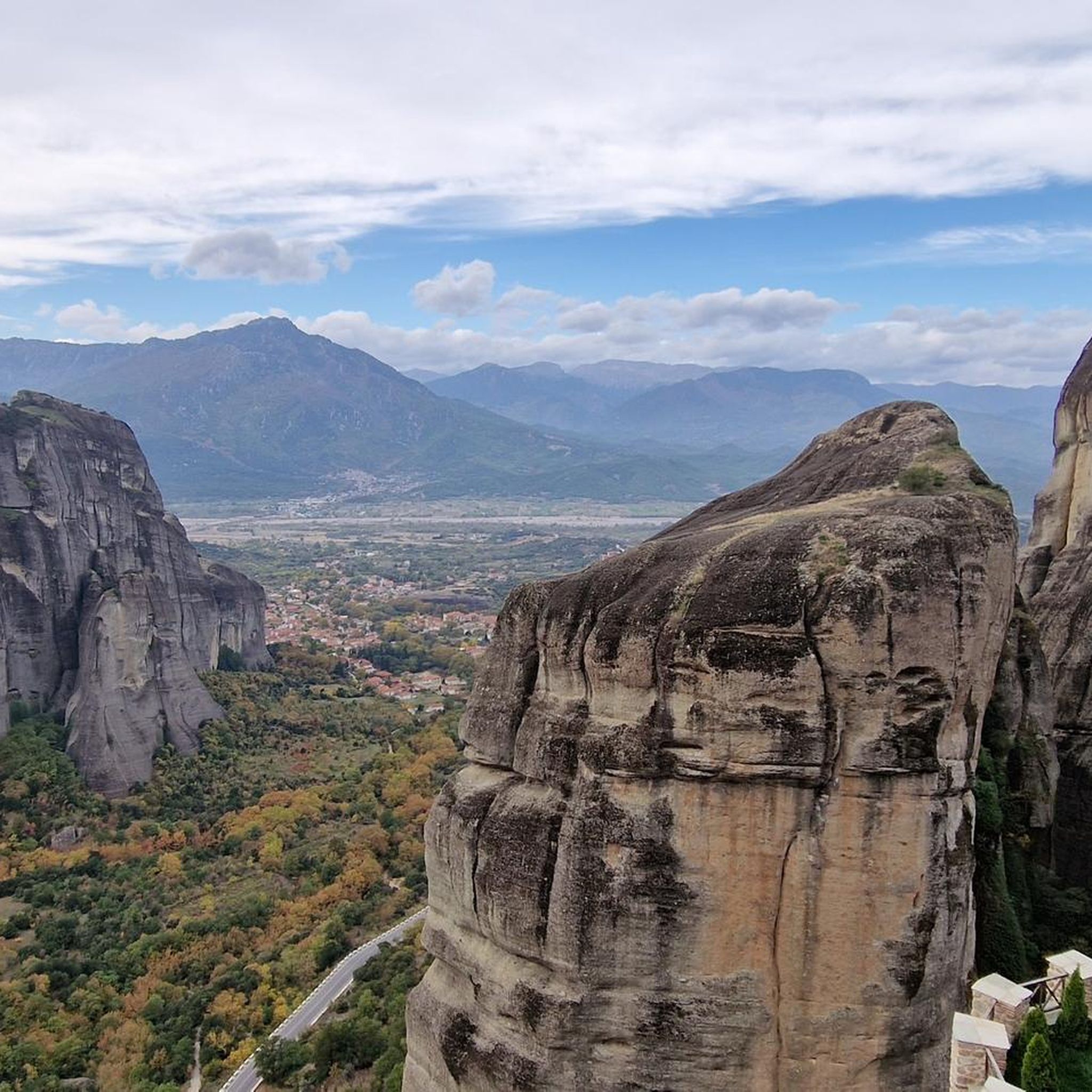
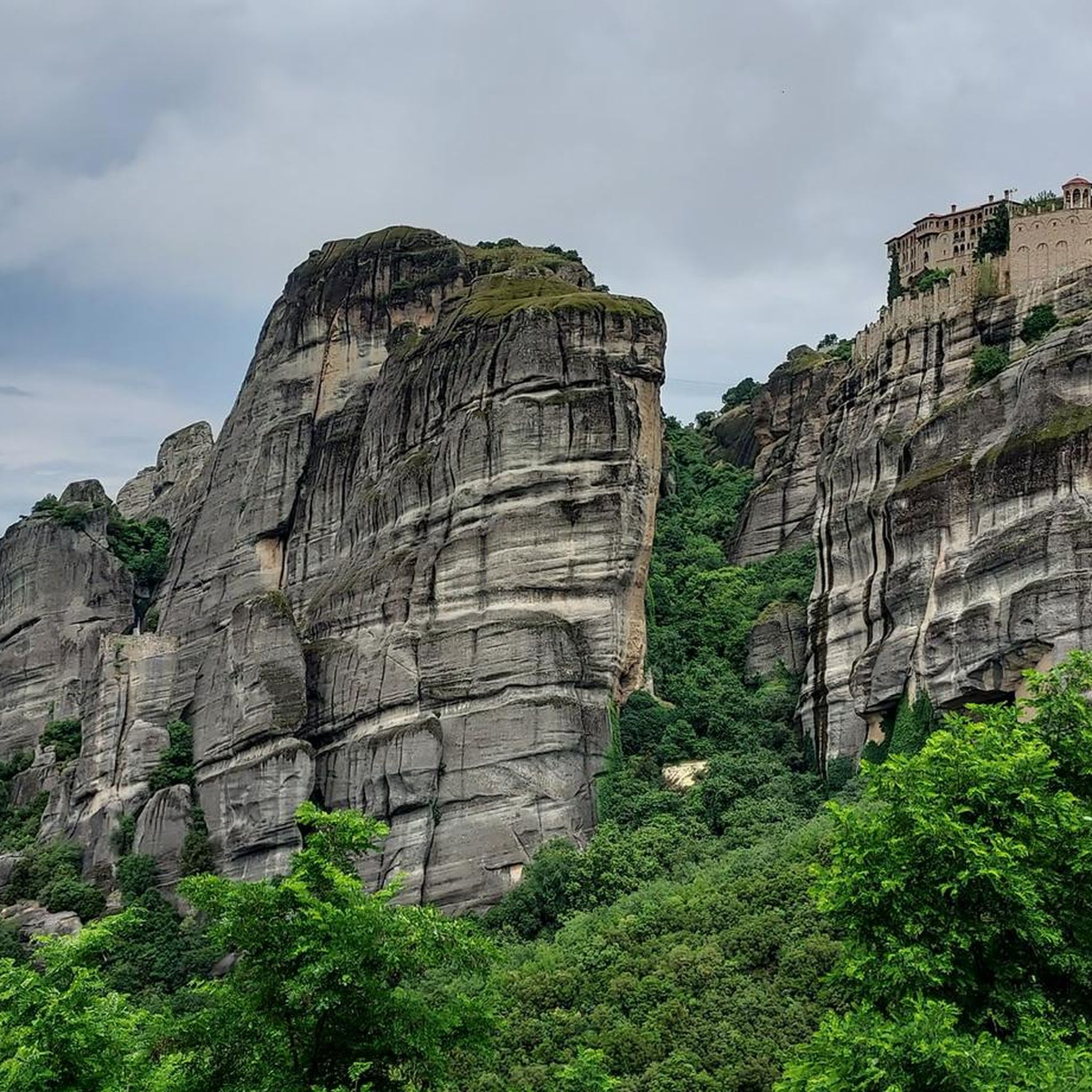
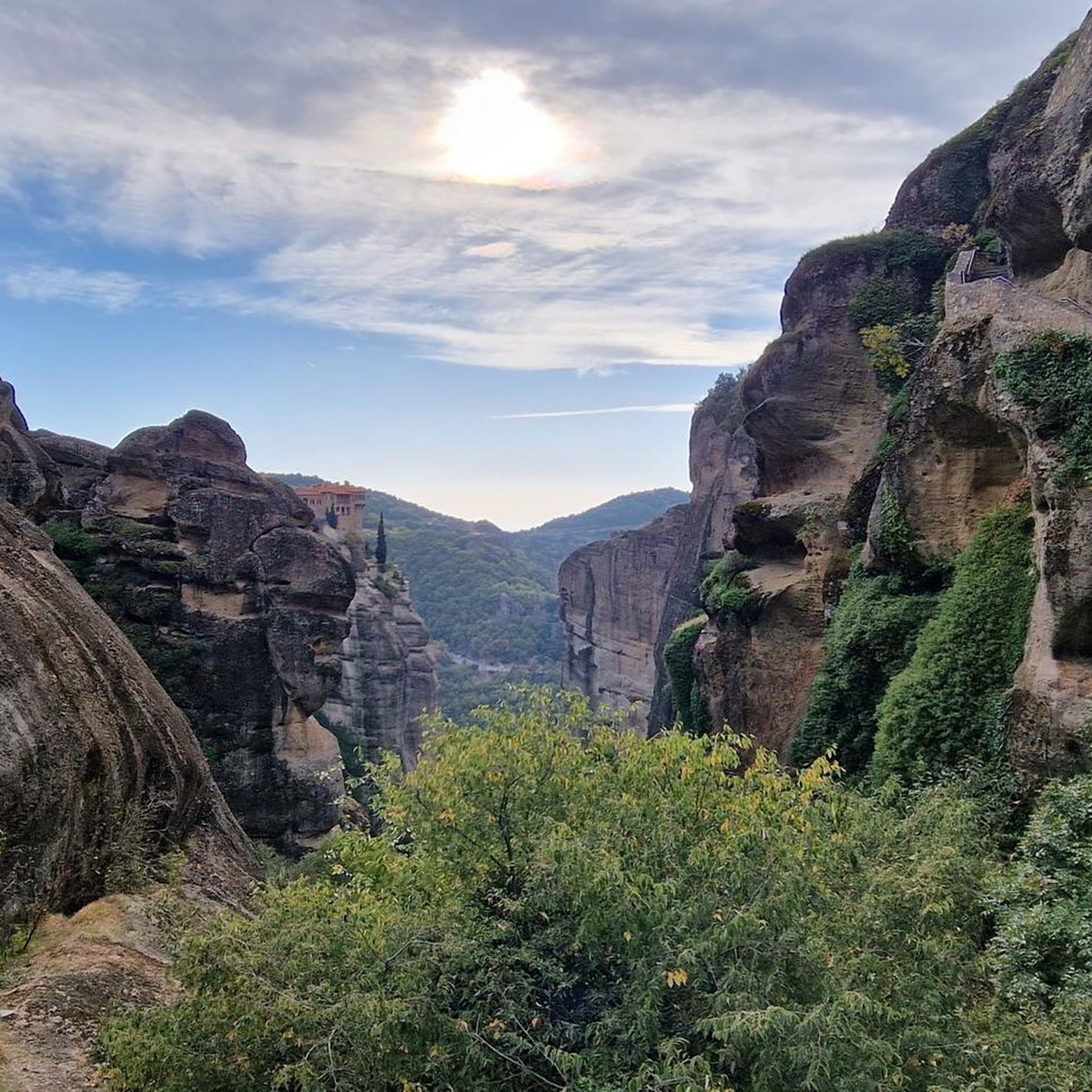
Best attractions and places to see in Météores include a unique landscape of towering rock formations crowned by historic Eastern Orthodox monasteries. This UNESCO World Heritage site in central Greece offers a blend of natural beauty and rich cultural heritage. The region is known for its distinctive geology and spiritual significance, with many sites offering panoramic views.
Best attractions and places to see in Météores
- The most popular attractions is Agia Triada (Holy Trinity) Monastery, Meteora, a religious building that is one of the most famous Meteora monasteries. It is often depicted in iconic photographs and offers spectacular views.
- Another must-see spot is Great Meteoron Monastery (Megalo Meteoro), a religious building. This is the oldest, largest, and highest monastery in Météores, holding a dominant position within the monastery group.
- Visitors also love Roussanou Monastery, a religious building run by nuns. It is built on an impressive vertical pillar of rock and features peaceful gardens and an ornate chapel.
- Météores is known for its historic Eastern Orthodox monasteries, unique geological rock formations, and ancient hiking trails. The area offers a variety of cultural sites, natural features, and viewpoints to explore.
- The attractions in Météores are appreciated by the komoot community, with more than 300 upvotes and over 240 photos shared.
Last updated: August 30, 2026
Agia Triada (Holy Trinity) Monastery, Meteora
Highlight • Religious Site
Translated by Google •
Tip by

Roussanou Monastery
Highlight • Religious Site
Translated by Google •
Tip by

Sign up now to discover places like this
Get recommendations on the best single tracks, peaks, & plenty of other exciting outdoor places.
Sign up for free
Holy Monastery of Saint Stephen (Agios Stefanos)
Highlight • Religious Site
Translated by Google •
Tip by
Stairway to the Monastery of Rousanou, Meteora
Highlight • Religious Site
Translated by Google •
Tip by
Cable car to the Holy Trinity Monastery (Agia Triada)
Highlight • Religious Site
Translated by Google •
Tip by

Sign up for free to discover even more attractions in Météores.
Sign up for free
Already have an account?
Start today with a free account
Your next adventure awaits.
Login or Signup

Tips from the Community

Very beautiful Meteora monastery with a great view.
0
0
Very beautiful Meteora monastery. From there you can also go higher to a photo point.⛪️📸
0
0
Very beautiful monastery.
0
0

East of the Pindus Mountains, mighty sandstone cliffs rise to a height of approximately 500 meters. 24 monasteries were once built on their summits. Monks and nuns still live in six of them today. These monasteries are now UNESCO World Heritage sites and are often referred to as "floating monasteries" because they appear almost suspended in fog or low clouds.
1
0
East of the Pindus Mountains, mighty sandstone cliffs rise to a height of approximately 500 meters. 24 monasteries were once built on their summits. Monks and nuns still live in six of them today. These monasteries are now UNESCO World Heritage sites and are often referred to as "floating monasteries" because they appear almost suspended in fog or low clouds.
2
0
East of the Pindus Mountains, mighty sandstone cliffs rise to a height of approximately 500 meters. 24 monasteries were once built on their summits. Monks and nuns still live in six of them today. These monasteries are now UNESCO World Heritage sites and are often referred to as "floating monasteries" because they appear almost suspended in fog or low clouds.
2
0
East of the Pindus Mountains, mighty sandstone cliffs rise to a height of approximately 500 meters. 24 monasteries were once built on their summits. Monks and nuns still live in six of them today. These monasteries are now UNESCO World Heritage sites and are often referred to as "floating monasteries" because they appear almost suspended in fog or low clouds.
3
0

The patronage of this monastery was not conferred on one of the (almost infinite) number of saints, but rather placed under the protection of the "Holy Trinity." The following words come from the late Holy Father, Pope Benedict XVI (Joseph Ratzinger), about the mystery of faith that we in Christianity venerate the ONE God in THREE Persons: "On the Sunday after Pentecost, we celebrate the Solemnity of the Most Holy Trinity. Through the Holy Spirit, who helps us understand the words of Jesus and guides us into all truth, the faithful can, so to speak, gain knowledge of the innermost being of God and thereby discover that He is by no means infinite solitude, but a communion of light and love, life given and received in an eternal dialogue between the Father and the Son in the Holy Spirit—lover, beloved, and love, to use the words of St. Augustine." (Address by Pope Benedict XVI, at the Angelus on June 11, 2006)
1
0
Frequently Asked Questions
What natural features define the Météores region?
Météores is renowned for its towering sandstone pillars, some rising over 400 meters, which were formed over millions of years by geological forces. The name "Meteora" itself means "lofty" or "suspended in the air," perfectly describing these unique formations. The region also features dense vegetation, including oaks and maples, and is a vital habitat for rare birds like vultures and eagles, as well as mammals such as foxes. You can also explore the Antichassia Natural Park near Kalambaka.
Beyond the main monasteries, what other historical or cultural sites can I explore in Météores?
Beyond the six active monasteries, you can visit the Agia Triada (Holy Trinity) Monastery, Meteora, which is often depicted in iconic photographs. Other historically significant sites include the Monastery of Agios Antonios, Agios Nikolaos of Badovas, and the Monastery of Ypapanti. Don't miss the Theopetra Cave, one of Europe's most significant prehistoric sites, or the picturesque Kastraki Village with its Byzantine churches.
Are there any family-friendly activities or attractions in Météores?
While the monasteries are a key attraction, families can enjoy the unique geological landscape and the Museum of Natural History and Mushroom Museum in Kalambaka, which showcases local flora and fauna. Exploring the ancient hiking trails can also be an adventure for older children. The Holy Monastery of Saint Stephen (Agios Stefanos) is particularly accessible, as it can be reached via a small bridge without climbing stairs, making it suitable for families with younger children or strollers.
Which monasteries are easiest to access, especially for those with mobility concerns?
The Holy Monastery of Saint Stephen (Agios Stefanos) is the easiest to access, as it is the only monastery that can be visited without climbing stairs, reachable via a small bridge. Roussanou Monastery, built on a lower rock, is also considered more accessible than some others.
What is the best time of year to visit Météores?
The best time to visit Météores is typically during spring (April to June) and autumn (September to October). During these seasons, the weather is pleasant for exploring, hiking, and enjoying the views, and the crowds are generally smaller than in the peak summer months. Summer can be very hot, and winter can bring cold weather and sometimes snow, though the landscape can be stunning then too.
Are there opportunities for hiking or other outdoor activities near the attractions?
Yes, Météores offers a network of ancient trails used by original monks and pilgrims, providing an excellent way to explore the area and get close to the rock formations. Trails lead from Kalambaka to Agia Triada (Holy Trinity) Monastery, Meteora and from Kastraki to Agio Pnevma (Holy Spirit) rock. For more detailed routes, you can find various options for hiking in Météores, as well as MTB trails and cycling routes in the region.
Where are the best spots to watch the sunset in Météores?
There are several popular spots for sunset viewing. The Psaropetra Lookout Point offers panoramic views of Roussanou, Varlaam, and Great Meteoron monasteries, and is particularly stunning at golden hour. Many local guides also recommend specific Meteora Sunset Viewpoints for breathtaking vistas over the rock formations and monasteries as the sun goes down.
What are some less crowded alternatives to the main monasteries?
While the main six monasteries are popular, you can find quieter spots by exploring the Hermit Caves of Badovas (or Bandovas Caves) and Pyxari Rock Hermitages. These ancient cave dwellings, carved into the rock face, offer insight into the region's spiritual past and are visible from the road, though some are difficult to reach. Visiting the Museum of Natural History and Mushroom Museum in Kalambaka can also offer a different perspective away from the monastery crowds.
How can I get around to the different monasteries and attractions?
The monasteries are accessible by car, and there are roads connecting most of them. Parking is available near the monasteries, though it can get busy during peak times. Public transport options are limited, but local buses connect Kalambaka and Kastraki to some of the monasteries. Many visitors also choose to explore the area on foot or by bicycle using the extensive network of trails and roads.
What should I wear when visiting the monasteries?
When visiting the monasteries, it is important to dress respectfully. Shoulders and knees must be covered for both men and women. Many monasteries provide wraps or skirts at the entrance if needed. Comfortable walking shoes are also highly recommended, as there can be many steps and uneven paths, especially at monasteries like Great Meteoron Monastery (Megalo Meteoro).
Are there any museums in the Météores area?
Yes, in Kalambaka, you can visit the Museum of Natural History and Mushroom Museum of Meteora. This museum features a large collection of birds, mammals, and mushrooms native to the Meteora region, offering a different perspective on the area's natural heritage.
What do visitors particularly enjoy about the Météores attractions?
Visitors are consistently captivated by the breathtaking views and the unique blend of natural beauty and spiritual significance. Many appreciate the historical depth of sites like Varlaam Monastery with its impressive frescoes and the sense of peace found in places like Roussanou Monastery. The sheer wonder of the monasteries perched atop the towering rock formations, often described as 'floating monasteries,' leaves a lasting impression.
Most popular attractions in Météores

Get inspired with the komoot mobile app


