Top 10 Huts and Cabins around Parco Naturale Regionale delle Dolomiti d’Ampezzo
Best huts around Parco Naturale Regionale delle Dolomiti d’Ampezzo are situated within a vast protected area of the UNESCO Dolomite Systems. This region features majestic peaks, clear lakes, and historic trails. The park serves as a base for exploring the diverse natural landscape. Numerous mountain huts provide accommodation and services for hikers and mountaineers.
Best huts around Parco Naturale Regionale delle Dolomiti d’Ampezzo
- The most popular huts is Son Forca Hut, a hut located at 2,235 meters at the foot of Mount Cristallo. It offers panoramic views of the Cortina d'Ampezzo valley and surrounding Dolomite peaks.
- Another must-see spot is Biella Hut / Seekofel Hut, a hut of the Italian Alpine Club. It provides simple accommodations and Italian food, with a terrace view over the Sennes plateau.
- Visitors also love Malga Ra Stua, a hut offering tour possibilities. It is known for its views and cuisine.
- Parco Naturale Regionale delle Dolomiti d’Ampezzo is known for various types of huts, including traditional refuges, bivouacs, and those with restaurant facilities. Visitors can find huts offering accommodation, food, and viewpoints.
- The huts around Parco Naturale Regionale delle Dolomiti d’Ampezzo are appreciated by the komoot community, with more than 390 upvotes and over 240 photos across 9 highlights.
Last updated: July 13, 2026
Biella Hut / Seekofel Hut
Highlight • Mountain Hut
The view from the terrace over the Sennes plateau is picturesque. In just one to one and a half hours you climbed from here to the summit of Seekofel (2,810 m). From there you have the most spectacular view over Lake Braies, the glaciers of the main Alpine ridge and the surrounding three-thousanders of the Dolomites.
You can find information about the hut here: rifugiobiella.it
Translated by Google •
Tip by

Cimabanche Pass
Highlight • Mountain Pass
Translated by Google •
Tip by

Sign up now to discover places like this
Get recommendations on the best single tracks, peaks, & plenty of other exciting outdoor places.
Sign up for free
Malga Ra Stua
Highlight • Mountain Hut
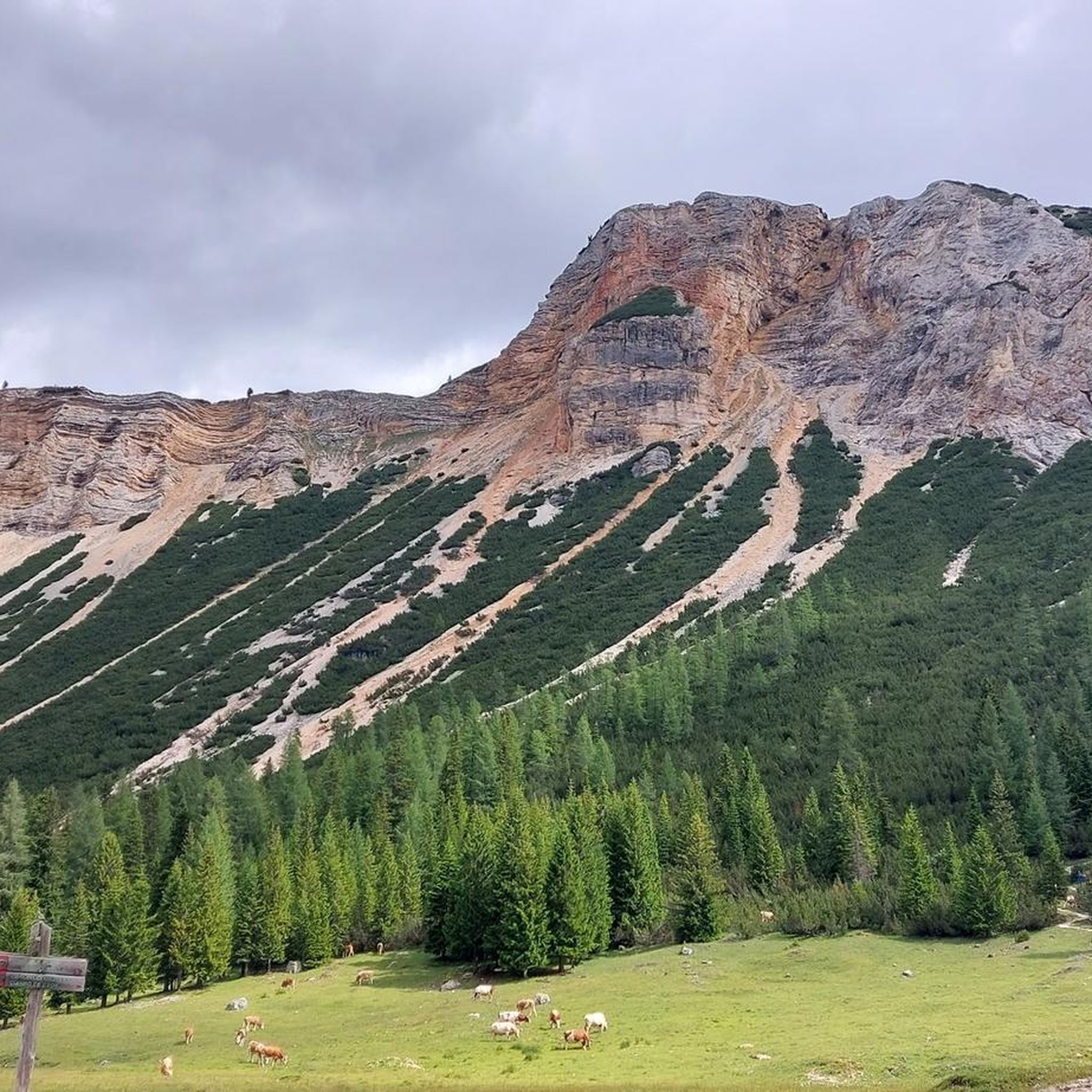
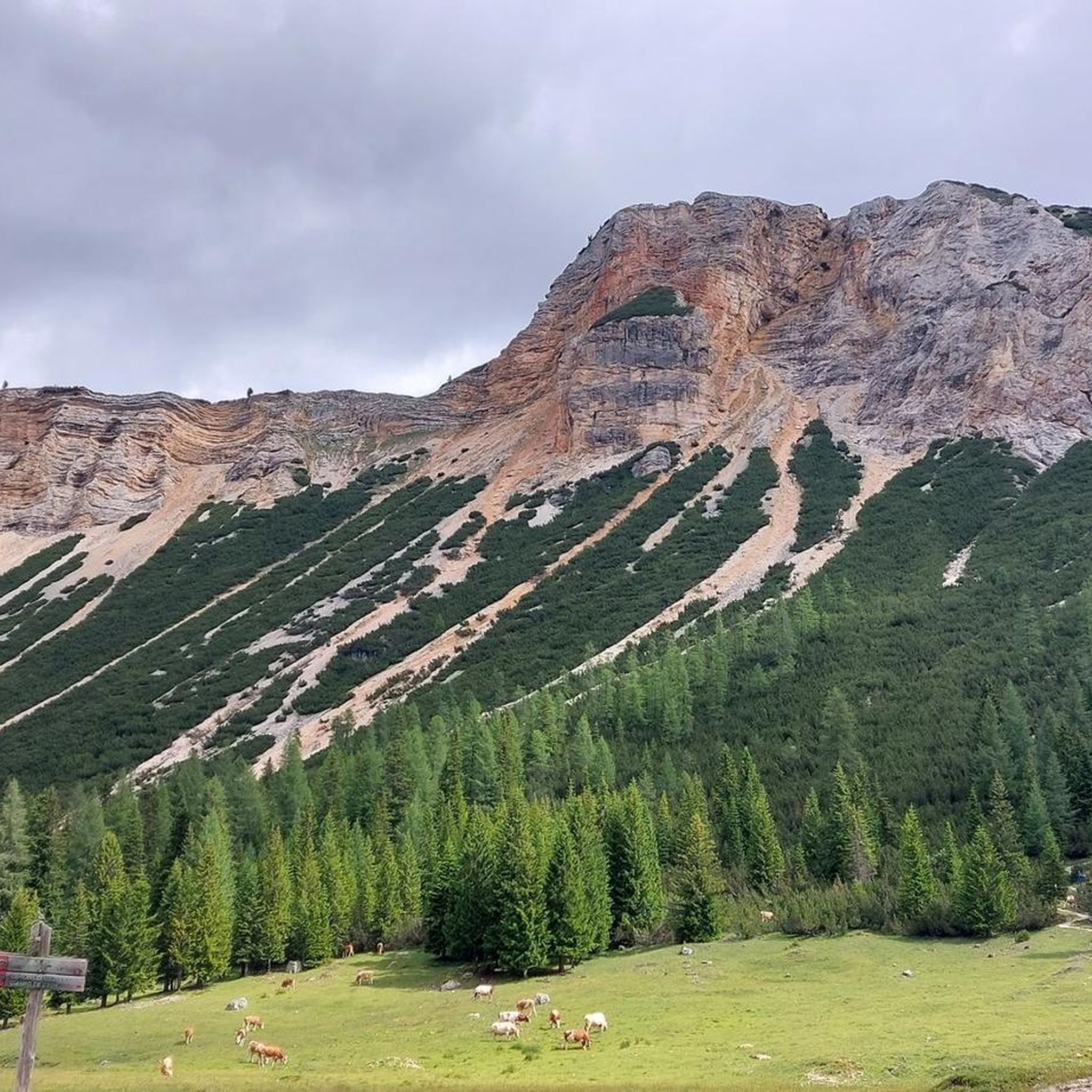
Known as a popular destination for both summer and winter excursions, the mountain hut offers delicious dishes, including Ra Stua tagliatelle with sausages and mushrooms, and chops with polenta and melted cheese. The menu also includes delicious desserts, including the classic sacher.
The surroundings are lovely; the lush green meadows create a beautiful contrast with the mountainous backdrop. Running on these beaten paths is amazing.
Translated by Google •
Tip by

Camillo Giussani Mountain Hut
Highlight • Mountain Hut
Translated by Google •
Tip by

Son Forca Hut
Highlight • Mountain Hut
Translated by Google •
Tip by

Sign up for free to discover even more huts and cabins around Parco Naturale Regionale delle Dolomiti d’Ampezzo.
Sign up for free
Already have an account?
Start today with a free account
Your next adventure awaits.
Login or Signup
Popular around Parco Naturale Regionale delle Dolomiti d’Ampezzo
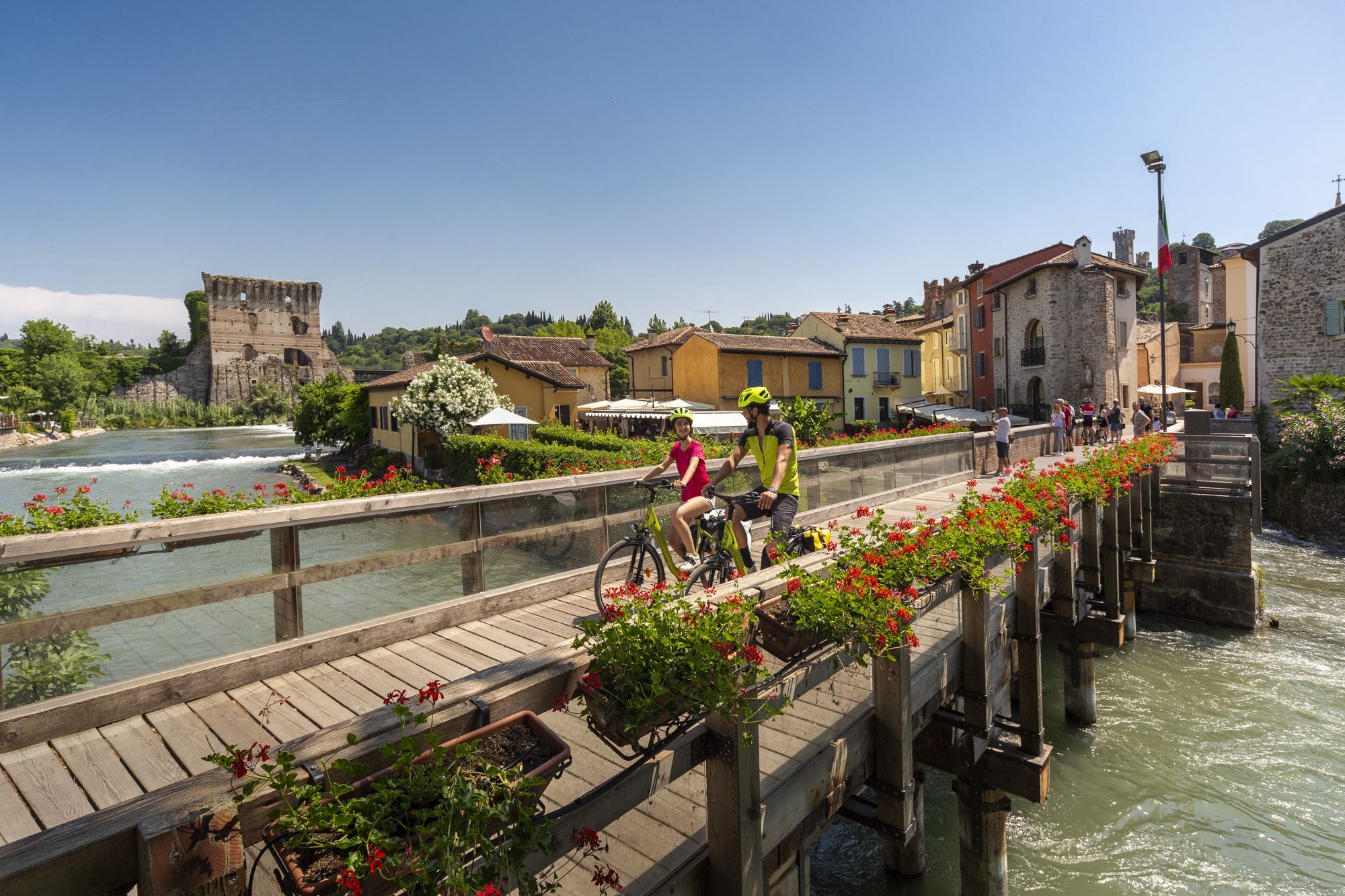
Explore Veneto at a slow pace – day trips by bike
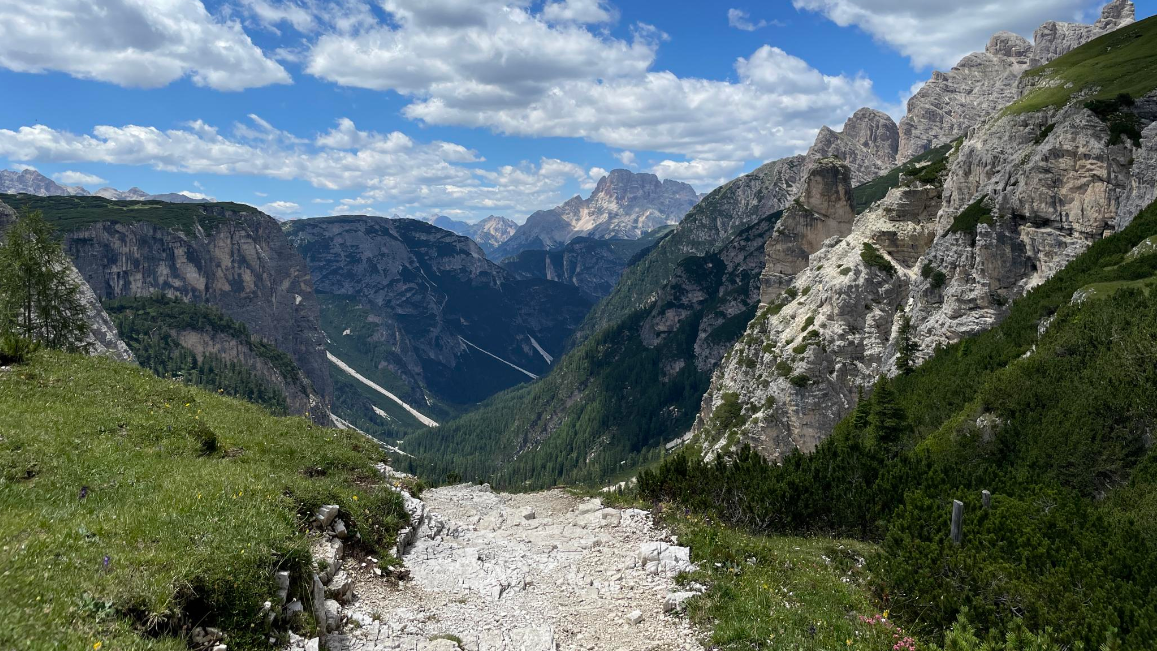
Trail running between the peaks of the Dolomites – Lavaredo Ultra Trail
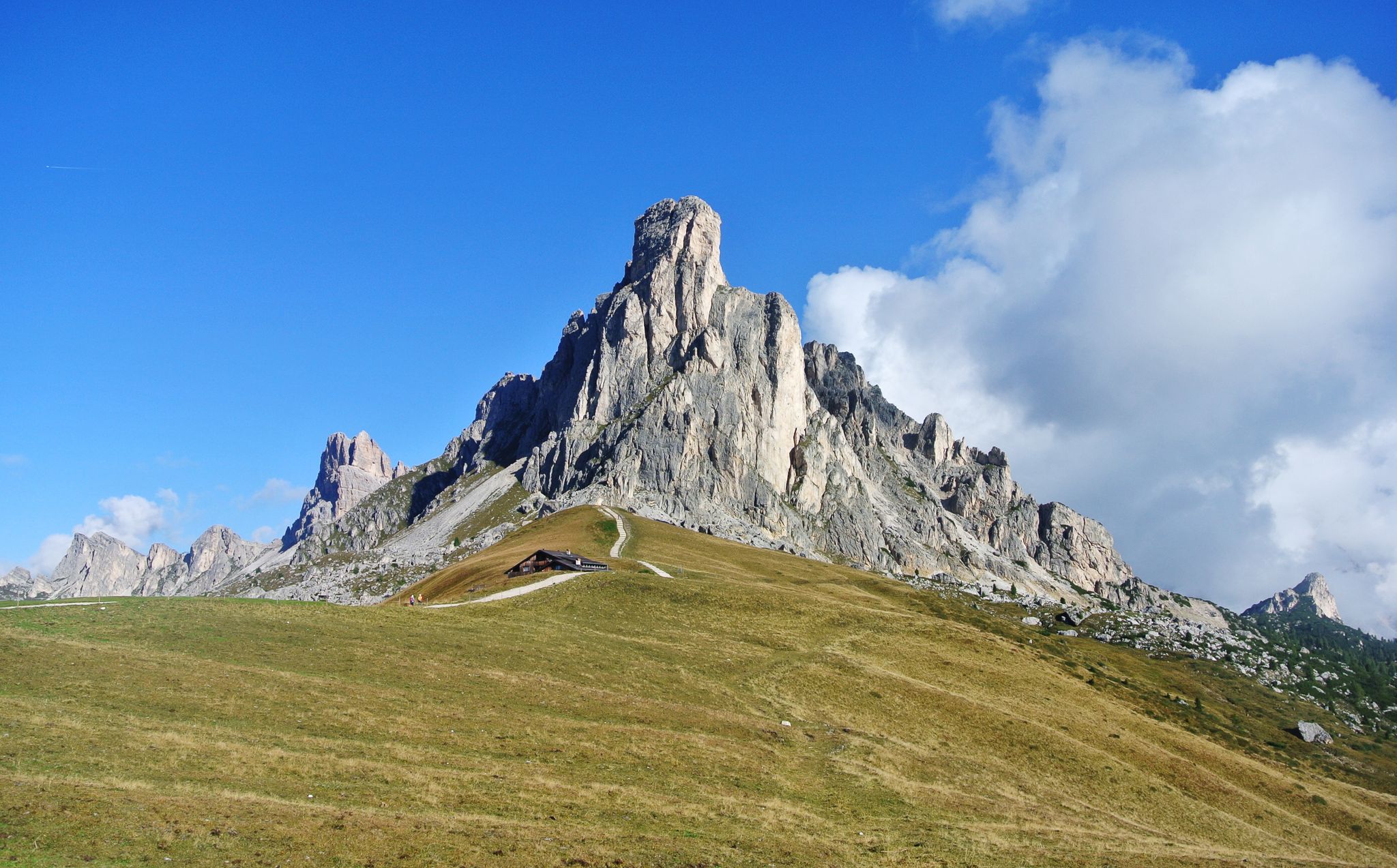
Refuge to refuge in the Dolomites – discovering Lavaredo
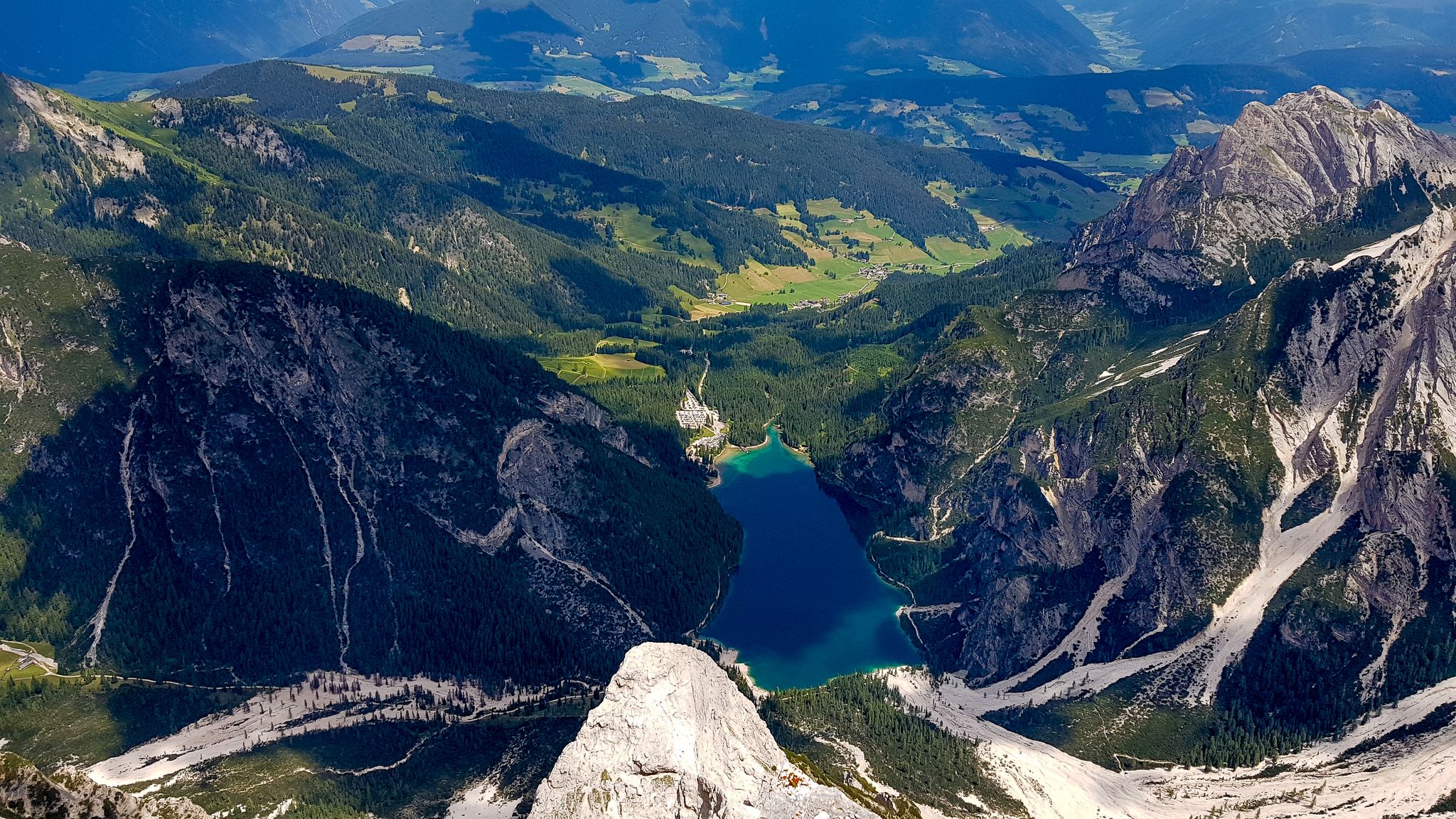
Wild Braies Valley – hikes in Alta Pusteria
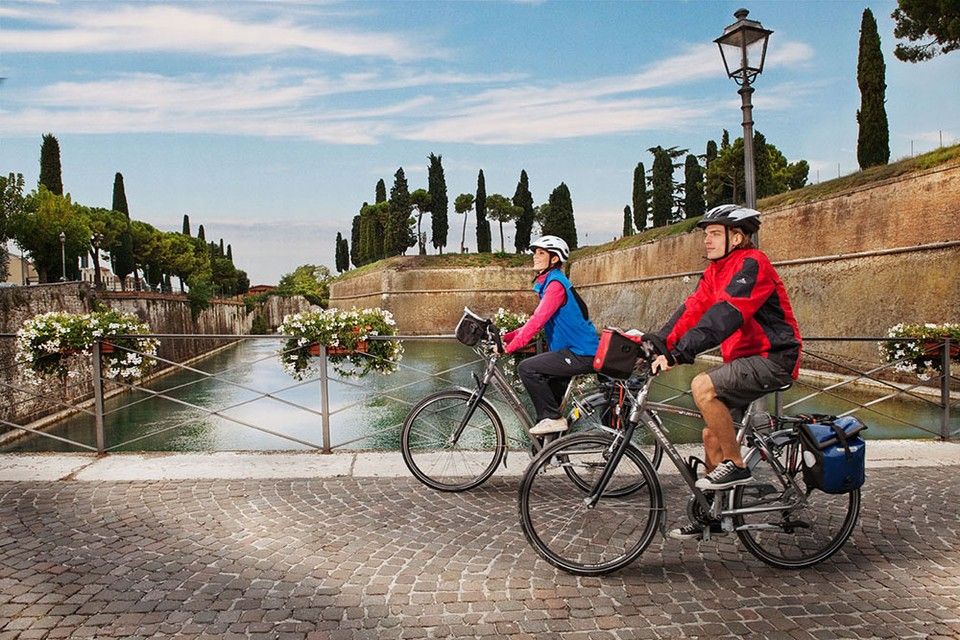
Between Lake Garda and the Adriatic Sea – cycle Tours in Italy’s Veneto
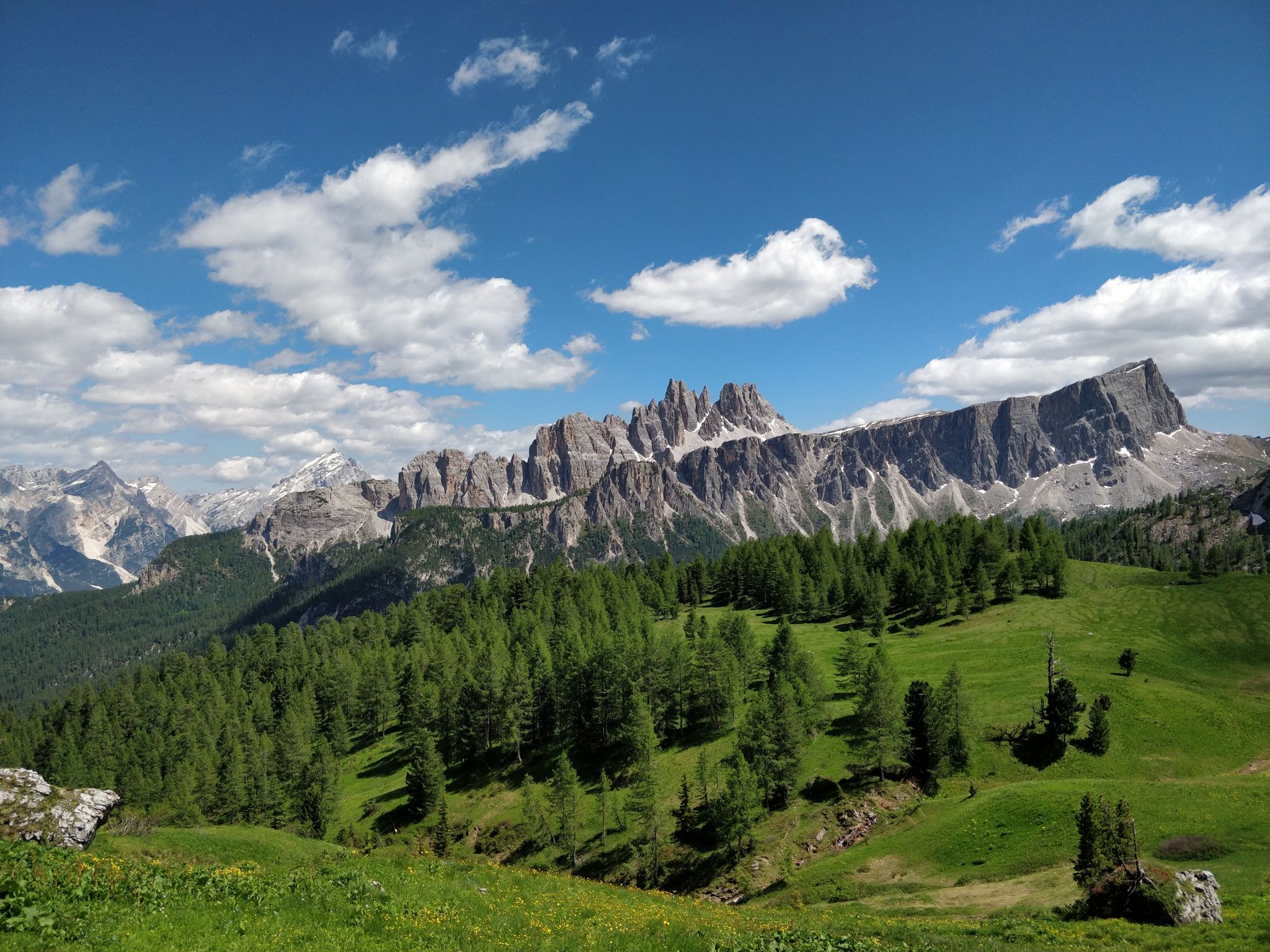
Hiking one step from heaven – Alta Via delle Dolomiti 1
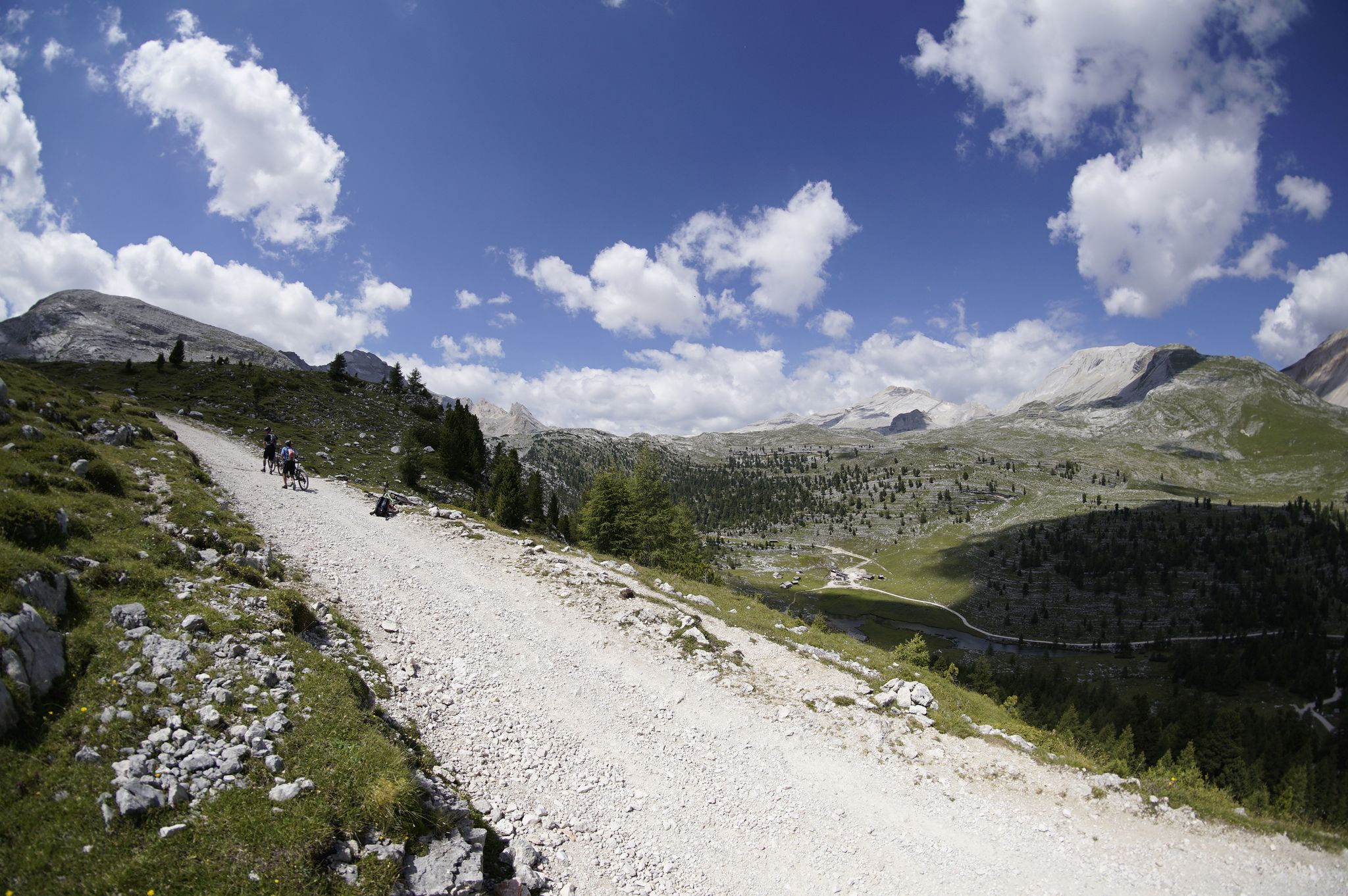
Bike & hike in the Dolomites – MTB hut Tour with summit hikes
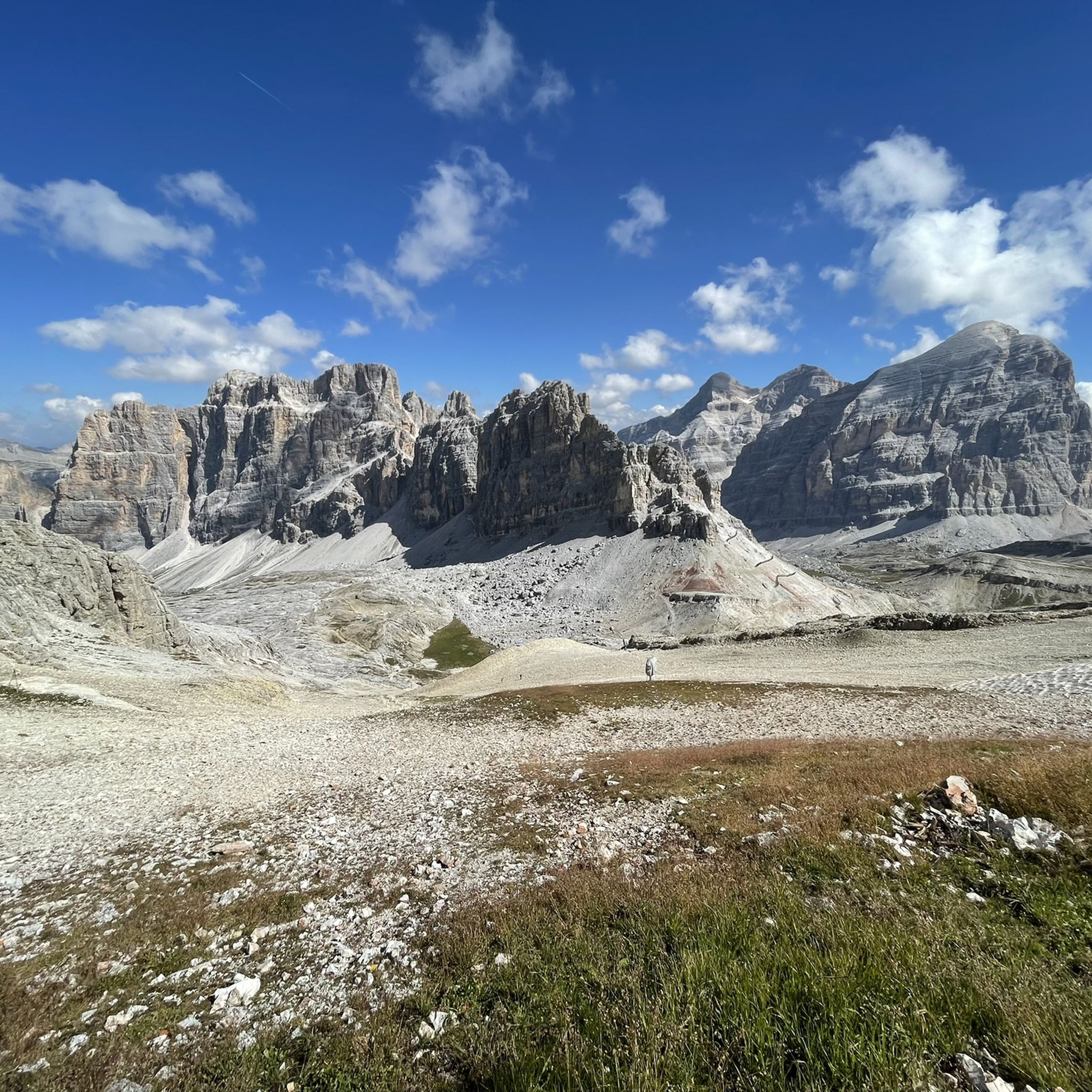
Hiking around Parco Naturale Regionale delle Dolomiti d’Ampezzo
Road Cycling Routes around Parco Naturale Regionale delle Dolomiti d’Ampezzo
Cycling around Parco Naturale Regionale delle Dolomiti d’Ampezzo
Other adventures around Parco Naturale Regionale delle Dolomiti d’Ampezzo


Tips from the Community

Located at 2,235 meters above sea level, at the foot of Mount Cristallo, the Son Forca refuge offers a remarkable panoramic view. From here, the view sweeps across the Cortina d'Ampezzo valley and the surrounding Dolomite peaks. It's easy to reach via the Rio Gere - Son Forca chairlift.
0
0

Refuge in a panoramic position reachable by chairlift or numerous paths for all levels of difficulty
1
0

The Rifugio Son Forca, at 2,235 m, is located in the Cortina d'Ampezzo basin, facing Monte Cristallo. It offers typical Ampezzo cuisine, a large panoramic terrace, and there are several rooms for overnight stays. Open both in summer and winter, I recommend checking availability on the refuge's website: https://rifugiosonforca.it/
2
0

Well-positioned high alpine pasture. Accessible via asphalt road, many hiking and biking opportunities from the pasture.
1
0

The Giussani Refuge is located near the wide Forcella Fontananegra, in an area singularly dotted with boulders. It is a fundamental support point for hikers who travel the Alta Via n. 1, the Lipella and Olivieri via ferratas, and the climb to the Tofane. Owned by the CAI Section of Cortina d'Ampezzo, it is entrusted to the management of the Da Poz family. The structure, inaugurated on 17 September 1972, was built on the initiative of the Comit Subsection of the CAI. Renovated in the 1990s, it is named after Camillo Giussani (1879-1960), a Milanese, lawyer, director of the Banca Commerciale Italiana, a prominent figure in Lombard mountaineering in the 1930s, a scholar of classical literature and a mountain writer. The current building, the third in number, stands not far from the previous ones, still visible today. The first was inaugurated in 1886 as the Rifugio Tofana, on the initiative of the Ampezzo section of the D.Ö.A.V. with the aim of dealing with the growing mountaineering activity. It did not have a fixed management, but was left at the disposal of the guides who let their clients sleep before the ascent. At the beginning of the Great War, a military village was built around the refuge; the shelter itself was expanded and used as a Command Headquarters. After the conflict, the proposal to renovate the refuge was preferred to the adaptation of another war building, slightly further upstream, the former Alpine barracks. The CAI Section of Cortina inaugurated the structure on 5 September 1921, dedicating it to Antonio Cantore, the first high-ranking commander of the Royal Army to fall during the war. The position, close to the rocks of Punta Marietta, was the cause of infiltrations and small collapses in the following years. Despite ongoing maintenance work, the refuge ceased to be managed in 1971 and fell into disrepair. Hence the construction of a new refuge, slightly higher up: the current Giussani. In the meantime, the old Cantore was used as a winter shelter. But in 1984, the structure no longer offered guarantees of safety. In 1993, the CAI decided to renovate and make the old Rifugio Tofana from the late 1800s usable as a winter shelter, with work to redo the floor, the attic, the fixtures and the roof. A return to the origins, which, even if only partially, keeps alive the memory of what was the beginning of the history of the Fontananegra refuges. www.rifugiogiussani.com
1
0

A must-see/stay cabin! Wide beds, warm shower, really good food and a 😎 team.
1
0

Wonderful classic refuge located at the base of the valley which is located between Tofana di Rozes and Tofana di mezzo.
1
0

Located at an altitude of 1,695 metres, the Malga Ra Stua refuge serves as a farmhouse and mountain hut for grazing cattle and horses. The property can be reached by car via the state road that connects Cortina to Dobbiaco. During the months of July and August, the road is closed to vehicular traffic, but a paid shuttle service is available that leaves from Fiames. Known as a popular destination for both summer and winter excursions, the mountain hut offers delicious dishes, including Ra Stua tagliatelle with sausages and mushrooms, and chops with polenta and melted cheese. The menu also includes delicious desserts, including the classic sacher. The surroundings are lovely; the lush green meadows create a beautiful contrast with the mountainous backdrop. Running on these beaten paths is amazing.
2
0
Frequently Asked Questions
What are some of the most popular huts in the Parco Naturale Regionale delle Dolomiti d’Ampezzo?
Among the most popular huts are Son Forca Hut, known for its panoramic views at the foot of Mount Cristallo, and Biella Hut / Seekofel Hut, an Italian Alpine Club refuge offering simple accommodations and delicious Italian food with views over the Sennes plateau. Malga Ra Stua is also highly appreciated for its views and cuisine.
Which huts offer unique amenities or experiences in the region?
Several huts provide distinct experiences. Rifugio Croda da Lago features a unique Finnish barrel sauna at 2,000 meters altitude. Rifugio Scoiattoli offers a wood-fired open-air bathtub with spectacular views of the Cinque Torri. Rifugio Nuvolau, as the oldest refuge in the Dolomites, provides a historical stay with unrivaled 360-degree panoramas.
Are there huts in the Parco Naturale Regionale delle Dolomiti d’Ampezzo that are easily accessible?
Yes, some huts are more accessible than others. Rifugio A. Dibona can be reached by car via an asphalt road turning into a well-maintained dirt path. Rifugio Lagazuoi is accessible by cable car or hiking trails. Rifugio Auronzo is easily accessible by car and serves as a popular starting point for the Tre Cime di Lavaredo loop.
What kind of views can I expect from the huts in Parco Naturale Regionale delle Dolomiti d’Ampezzo?
The huts offer breathtaking views of the Dolomites. Rifugio Croda da Lago provides stunning reflections of peaks in Lago Federa. Rifugio A. Dibona offers panoramic views of Antelao, Sorapìs, Croda da Lago, and Cinque Torri. Rifugio Nuvolau boasts unrivaled 360-degree panoramas, while Rifugio Lagazuoi has a magnificent terrace overlooking an 'ocean of peaks.' Rifugio Locatelli offers an iconic direct view of the north faces of the Tre Cime di Lavaredo.
What historical or cultural sites can be explored near the huts?
The region is rich in history. Rifugio Lagazuoi serves as an excellent base for visiting the open-air museum of the Great War. Near Rifugio Scoiattoli, you can explore WWI trenches. The area around Rifugio Locatelli also features countless caves and old war tunnels, reflecting its historical significance.
What outdoor activities can I do near these huts?
The huts serve as excellent bases for various outdoor activities. You can embark on challenging ascents like Punta Anna on Tofana di Rozes from Rifugio A. Dibona, or explore climbing routes near Rifugio Scoiattoli. For hiking, consider routes like the Fanes Waterfalls and Canyons Trail or the Trail to Rifugio Biella from Malga Ra Stua, which are part of the Waterfall hikes around Parco Naturale Regionale delle Dolomiti d’Ampezzo guide. Cycling enthusiasts can find routes like the E1 – Long Trail of the Dolomites by bike in the Cycling around Parco Naturale Regionale delle Dolomiti d’Ampezzo guide.
Are there family-friendly huts or trails suitable for families?
Yes, Malga Ra Stua is noted as family-friendly and offers pleasant tour possibilities. The Cimabanche Pass area also features family-friendly trails. Many huts offer comfortable stays and access to trails of varying difficulties, making them suitable for families.
What is the best time to visit the huts in the Parco Naturale Regionale delle Dolomiti d’Ampezzo?
The best time depends on your activity. Many huts, like Rifugio A. Dibona, are open during summer months, Christmas holidays, and weekends from Epiphany to Easter, catering to both summer and winter enthusiasts. Summer is ideal for hiking, while winter offers opportunities for skiing and snowshoeing. Always check the specific hut's opening times before planning your visit.
What kind of food can I expect at the huts?
Huts in the region are known for their authentic mountain cuisine. Rifugio Croda da Lago serves hearty soups, homemade pastas, game dishes, and local cheeses. Rifugio A. Dibona offers delicious local specialties like beetroot ravioli and blueberry mascarpone pasta. Rifugio Nuvolau provides hearty fare such as steaming polenta and strudel, while Rifugio Scoiattoli is known for Ampezzo plates like violette ai sapori del bosco and raspberry-sauced venison.
Can I find huts that offer accommodation for overnight stays?
Yes, many huts provide accommodation. Son Forca Hut offers several rooms for overnight stays. Biella Hut / Seekofel Hut provides simple accommodations with bunk beds. Rifugio Croda da Lago and Rifugio A. Dibona also offer cozy rooms, with the latter featuring refurbished accommodations with modern amenities like USB sockets.
Are there any bivouacs available for emergency shelter or minimalist stays?
Yes, the region includes bivouacs for more minimalist or emergency stays. The Buffa di Perrero Bivouac, a former command post, has been converted and recently renovated. It's a great place for shelter if the weather turns bad, offering basic facilities like a stove for heating.
What do visitors enjoy most about the huts in Parco Naturale Regionale delle Dolomiti d’Ampezzo?
Visitors frequently praise the stunning panoramic views, the authentic mountain cuisine, and the welcoming atmosphere of the huts. The unique settings, such as Rifugio Croda da Lago on Lago Federa or Rifugio Scoiattoli near Cinque Torri, are often highlighted. The convenience of accessing hiking and climbing routes directly from the huts is also a major draw.
Most popular routes around Parco Naturale Regionale delle Dolomiti d’Ampezzo
Most popular attractions around Parco Naturale Regionale delle Dolomiti d’Ampezzo

Get inspired with the komoot mobile app


Explore more
Find more beautiful huts and cabins around Parco Naturale Regionale delle Dolomiti d’Ampezzo by checking out the top ones in these nearby places:
