The best running trails around Parco regionale del Conero
4.3
(72)
3,025
runners
99
runs
Jogging around Parco regionale del Conero offers a unique blend of coastal and mountain terrain. The region is characterized by Monte Conero, a coastal mountain featuring dramatic limestone cliffs that plunge into the Adriatic Sea, alongside lush Mediterranean vegetation and mixed forests. Joggers can explore paths winding through fragrant forests, olive groves, and vineyards, often leading to panoramic viewpoints overlooking the sea and charming bays. This diverse landscape provides varied running routes, from gentle coastal paths to more challenging trails…
Last updated: July 7, 2026
4.0
(1)
23
runners
7.31km
00:52
190m
190m
Jog the moderate 4.5-mile Anello della Pecorara loop in Conero Regional Park, offering diverse scenery and panoramic views.
4.4
(11)
680
runners
10.2km
01:03
60m
60m
Moderate run. Good fitness required. Mostly paved surfaces. Suitable for all skill levels.

Sign up for free
5.0
(2)
221
runners
8.16km
00:52
100m
100m
Moderate run. Good fitness required. Mostly paved surfaces. Suitable for all skill levels.
5.0
(1)
113
runners
17.5km
02:21
850m
850m
Hard run. Very good fitness required. Sure-footedness, sturdy shoes and alpine experience required.
4.7
(3)
75
runners
8.01km
00:53
140m
140m
Moderate run. Good fitness required. Mostly paved surfaces. Suitable for all skill levels.
Get access to more routes and recommendations from other explorers.
Sign up for free
Already have an account?
Our route recommendations are based on thousands of hikes, rides, and runs completed by other people on komoot.
Start today with a free account
Your next adventure awaits.
Login or Signup
Popular around Parco regionale del Conero
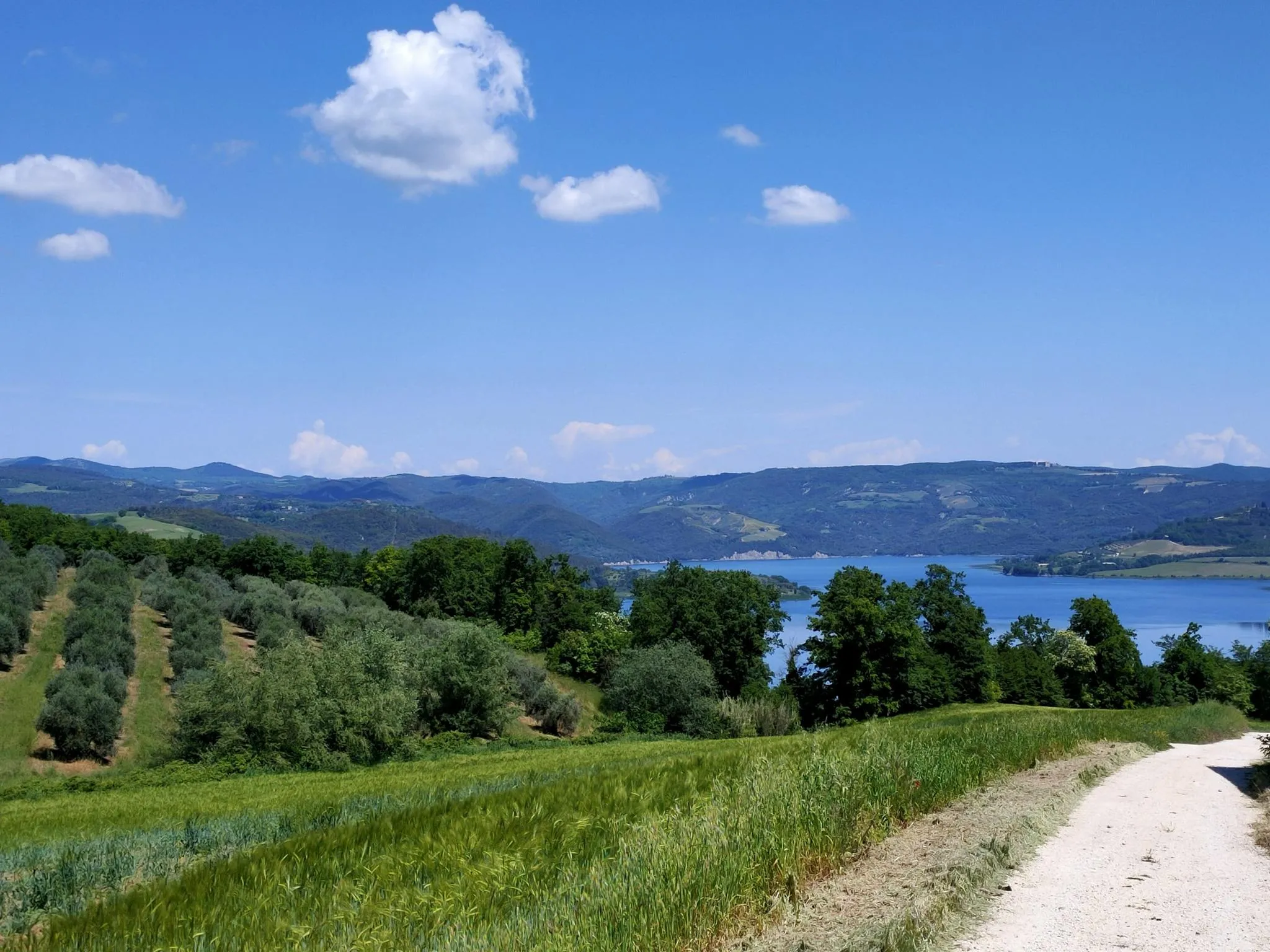
Italian Coast2Coast – From Portonovo to Orbetello
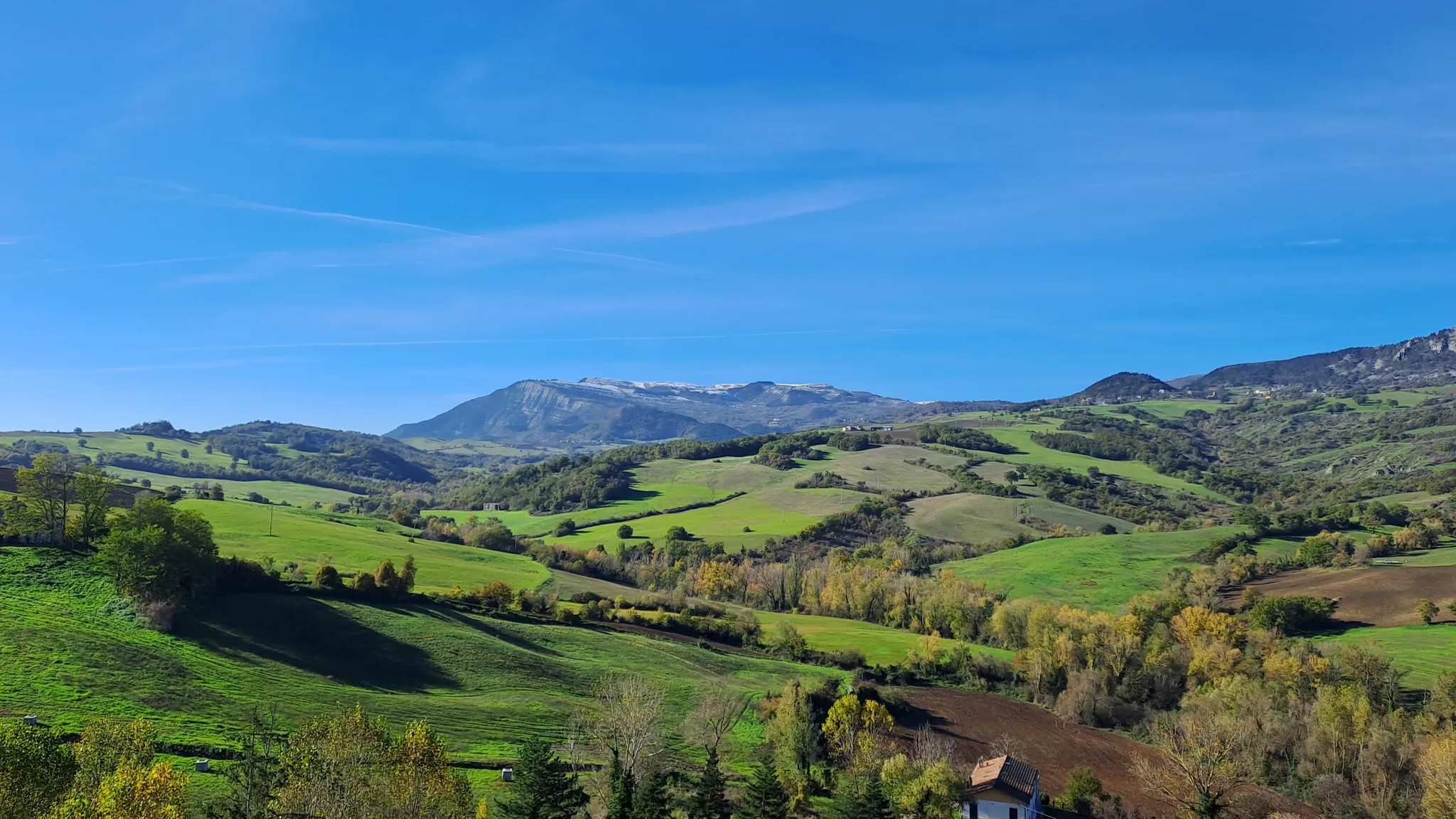
Cycling the Marche – sea to the mountains, among villages and hills
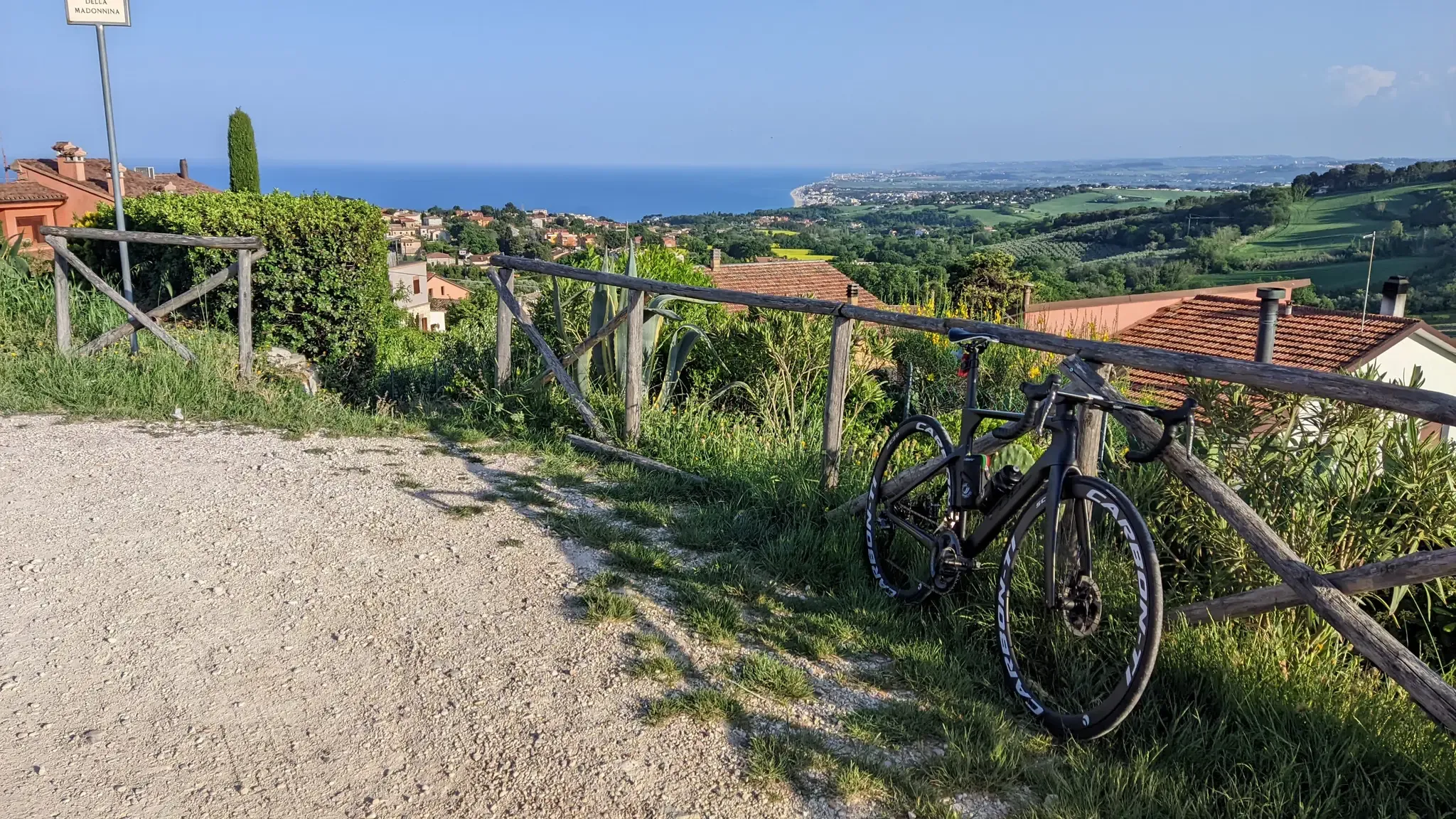
Between mountains and sea — road cycling in Italy’s Marche
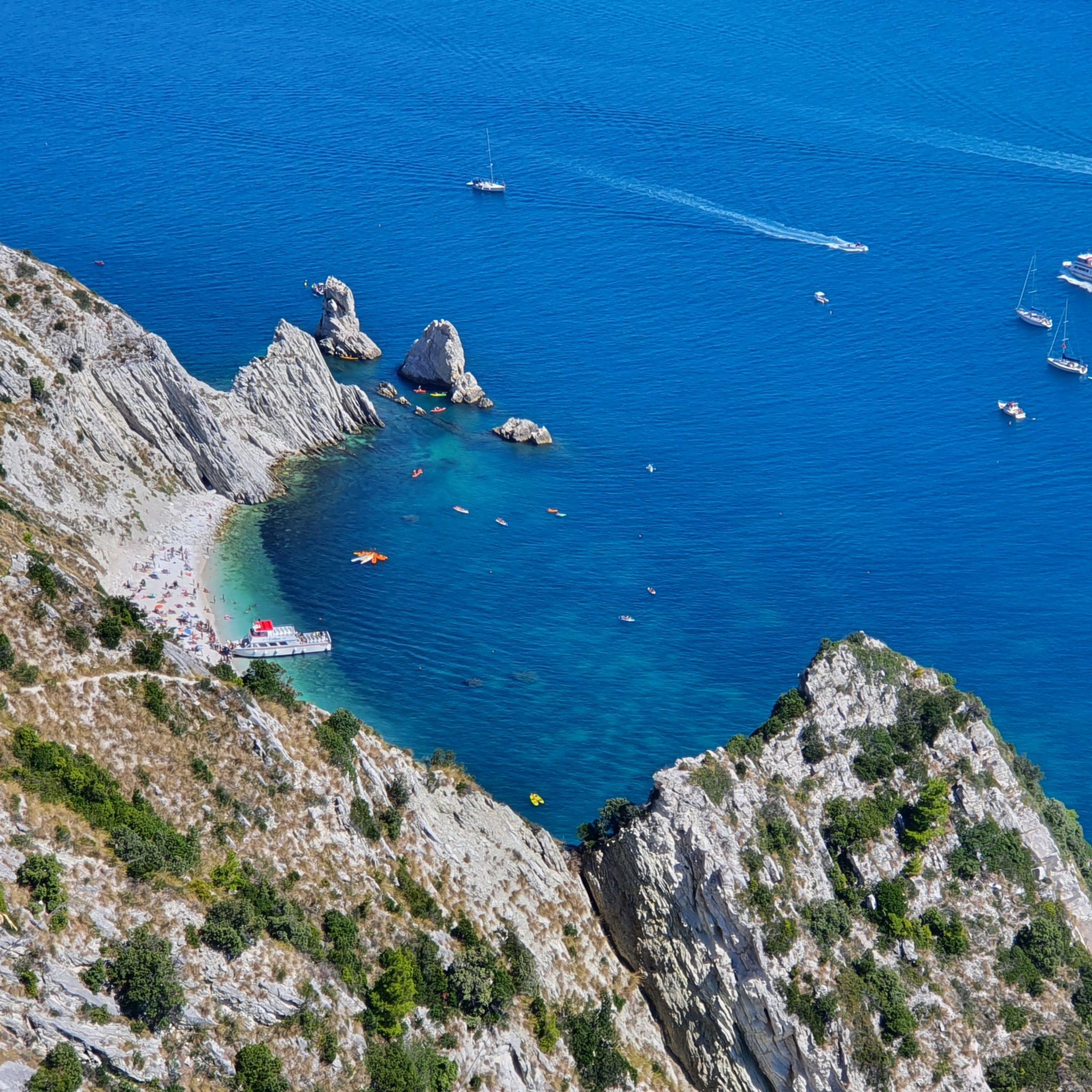
Hiking around Parco regionale del Conero
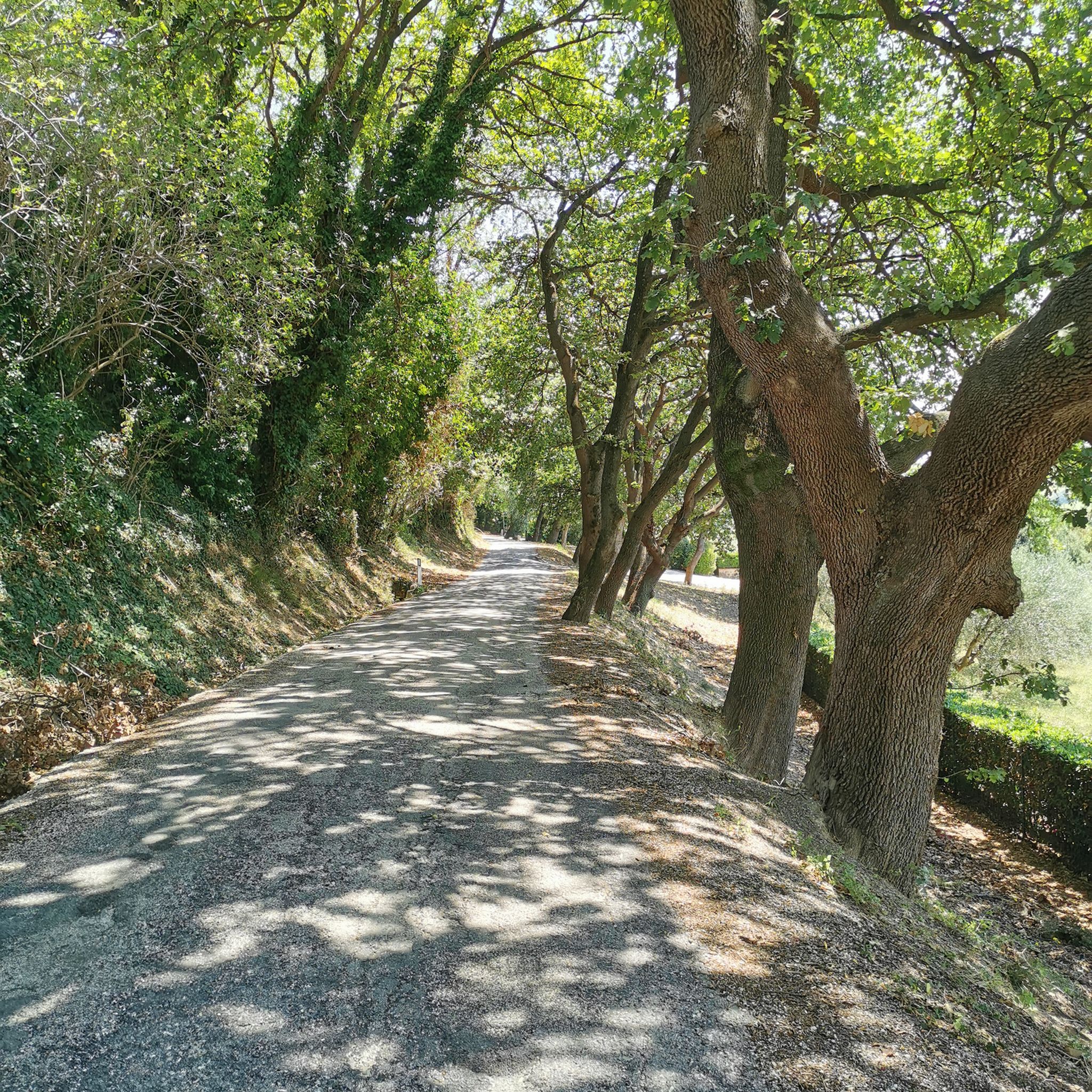
Cycling around Parco regionale del Conero
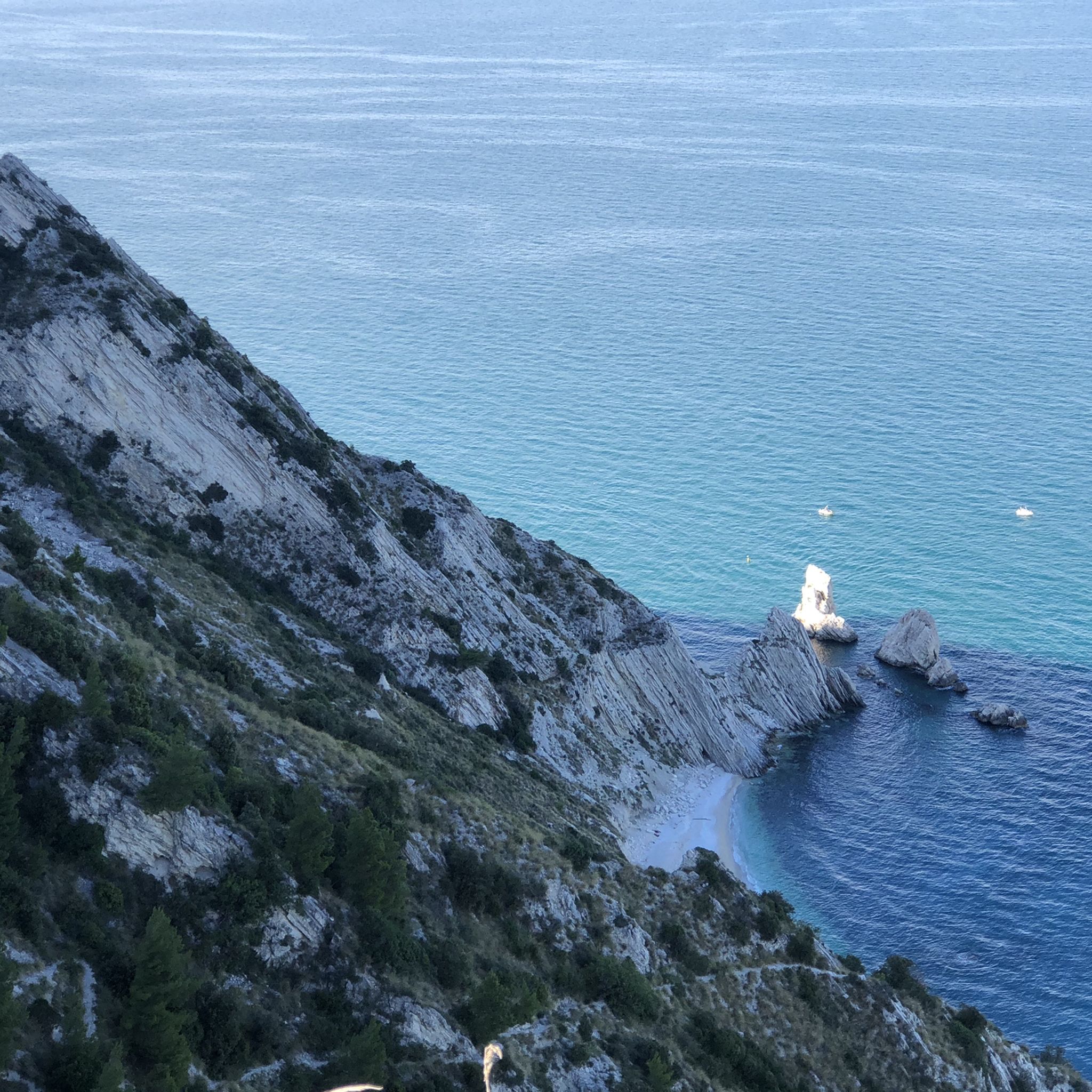
MTB Trails around Parco regionale del Conero
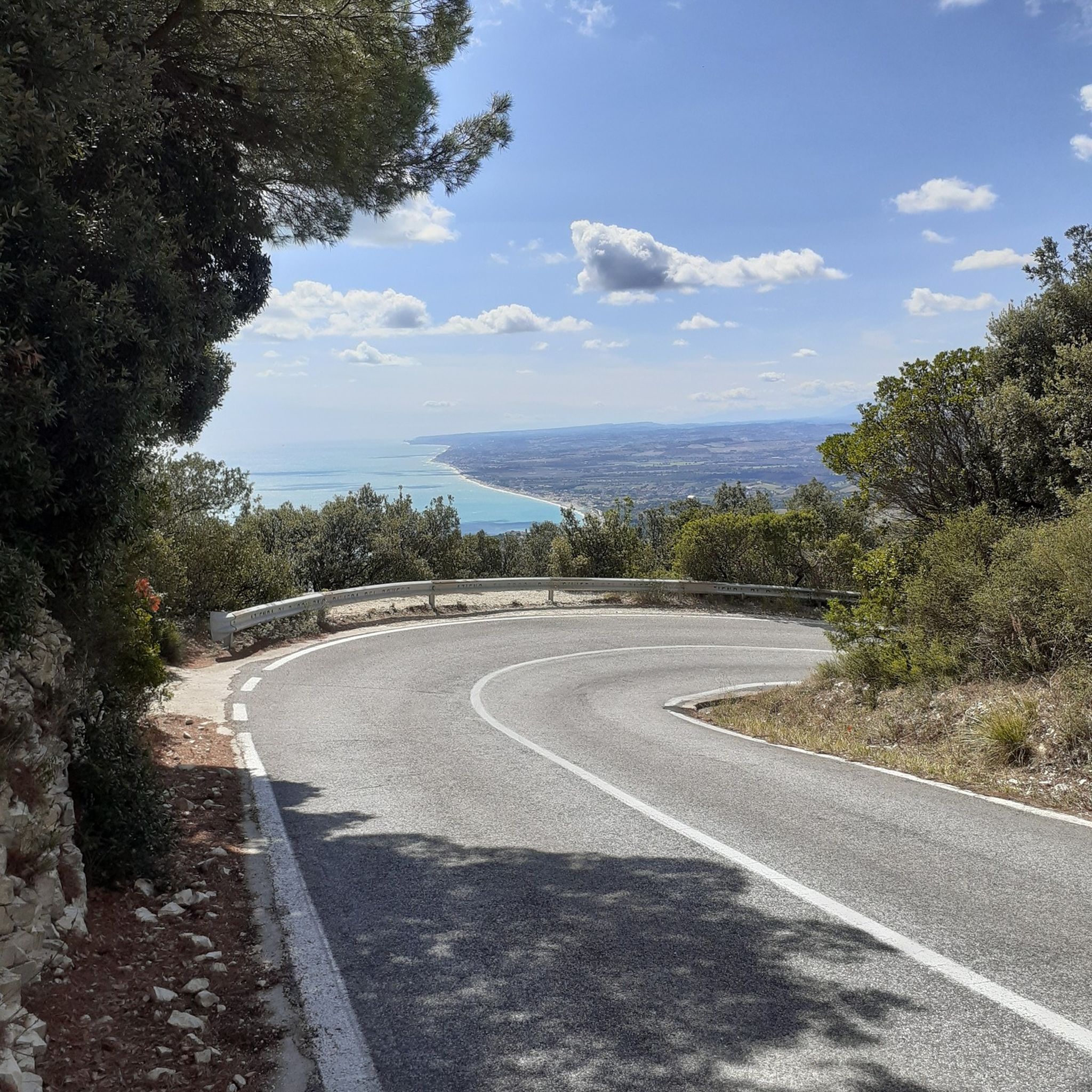
Road Cycling Routes around Parco regionale del Conero

Gravel biking around Parco regionale del Conero
Other adventures around Parco regionale del Conero


Tips from the Community

Great view of the northern bay
0
0

The Ancona Herb Market is an Art Nouveau style structure built in 1926 to a design by municipal engineer Federico Federiconi. The structure, made of iron and cast iron, was conceived to provide a roof for the market that was already held in Piazza delle Erbe. The work was carried out by shipyard workers, using, in part, metal from Austrian ships ceded to Italy as compensation for damages from World War I; among them was the battleship SMS Erzherzog Franz Ferdinand which had struck the city. A century later, it still retains its original purpose as a covered market serving the city's four central districts, whose boundaries intersect in the nearby Piazza Roma. All of this constitutes a vast hub animated by about two hundred operators. The main facade has a palmette crowning and bears the inscription MERCATO PUBBLICO, which arches over a double scallop shell of Saint James; above the entrance, a depressed arch, is a clock surmounted by the civic coat of arms and flanked by two cornucopias overflowing with fruit, symbols of abundance. Above the side entrances, the construction date of the building can be seen: ANNO 1926. In January 2024, the long restoration work began.
1
0


Very suggestive view towards Ancona
0
0
The Abbey of San Pietro al Conero is located near the summit of the Monte, it's a perfect place to stop and there is also a hotel and a bar.
1
0
The Church of Santa Maria della Piazza is an example of particular significance both for its architectural value and for its testimonial value regarding the origins of Christianity in the city of Ancona. Built at the end of the 12th century on the remains of the church dedicated to Saint Stephen, the first Christian martyr whose relic is preserved in the Diocesan Museum, it represents the historical continuity of the Christian religion expressed through the monuments that have come down to us and is at the same time a document of the evolving history of the city. The Church is a jewel of Romanesque architecture: it has a rectangular plan, a Latin cross layout, and is divided into three naves. The bell tower originally had a strategic function, being a tower attached to the fortification that connected to the hill behind. The richly ornamented portal strikes with the movement and fine interweaving of the small arches and pilasters. After the consolidation work initiated following the earthquake of 1972, it seems possible to connect the history of this church to the most ancient memories of Christian worship in Ancona between the 2nd and 4th centuries, identifying its title with that of the very ancient basilica dedicated to the protomartyr Stephen, built on the ruins of imperial buildings from the Trajanic era.
1
0
Municipal seat of the city until 1947, and from 2007 to the present day, the Palazzo degli Anziani is located in Piazza Benvenuto Stracca. It boasts very ancient origins, dating back to 425 AD, as the seat of the Roman imperial administration. This first building was seriously damaged in 839 during the Saracen invasion. The current building was erected in Gothic style in 1270, based on a design by Margaritone d'Arezzo. Built on a very steep slope, it has a rather particular architectural structure, leaning against the slope and originally having six floors towards the port and only three towards the hill. It has two main facades, one western, facing the sea, and the other eastern, facing the square in front. While the facade towards the port largely retains its original form, the upper one, which was entirely made of Conero limestone, was modified during the 17th century. During the terrible fire of 1348, which destroyed large areas of the city, the Palace was seriously compromised. With the papal rule, recovery work was finally carried out to readapt it as the seat of the city administration. After repairing the damage from World War II, the palace first became the seat of the Civic Art Gallery, then the seat of the Faculty of Economics and Commerce of the University of Ancona. After the completion of the latest interior renovations, on November 21, 2011, the city council returned to meet again within the ancient palace.
1
0

Stunning view! Best on less crowded weekdays.
1
0
Frequently Asked Questions
How many running routes are available in Parco regionale del Conero?
There are over 90 running routes available in Parco regionale del Conero, offering a wide variety of options for different preferences and fitness levels. These include easy loops, moderate trails, and more challenging runs with significant elevation changes.
What kind of terrain can I expect when running in Parco regionale del Conero?
The terrain in Parco regionale del Conero is incredibly diverse. You'll find paths winding through fragrant Mediterranean forests, olive groves, and vineyards. Many routes feature dramatic limestone cliffs, coastal paths, and white pebble beaches. The region is dominated by Monte Conero, so expect a mix of flat sections and significant elevation changes, especially on trails leading to viewpoints.
Are there running routes suitable for beginners or those looking for an easy jog?
Yes, Parco regionale del Conero offers several easy running routes. There are at least 5 routes specifically categorized as easy, providing gentle paths for a relaxed jog. These routes often feature less elevation and smoother surfaces, perfect for a leisurely run.
What do other runners say about the trails in Parco regionale del Conero?
The running routes in Parco regionale del Conero are highly rated by the komoot community, with an average score of 4.3 stars from over 60 reviews. More than 2,400 runners have used komoot to explore the varied terrain, often praising the stunning sea views, diverse landscapes, and well-maintained paths.
Are there challenging running routes with significant elevation gains in the Conero Park?
Absolutely. For those seeking a challenge, Parco regionale del Conero offers 37 difficult running routes. Trails like the Passo del Lupo Viewpoint loop from Sirolo, with over 560 meters of elevation gain, or the Down to Clomb loop from Sirolo, which climbs over 760 meters, provide strenuous workouts and rewarding panoramic views.
Can I find circular running routes in Parco regionale del Conero?
Yes, many of the running routes in Parco regionale del Conero are circular, allowing you to start and finish at the same point without retracing your steps. For example, the Shepherdess's Loop Trail is a popular moderate option that offers diverse scenery and panoramic views in a convenient loop.
What natural features or landmarks can I see while running in the Conero Park?
Running in Parco regionale del Conero offers breathtaking views of the Adriatic Sea, dramatic limestone cliffs, and lush Mediterranean vegetation. You can spot unique botanical species and various wildlife. Many trails lead to stunning viewpoints overlooking bays like Portonovo, Due Sorelle, San Michele, and Sassi Neri. You might also encounter historical sites like the San Pietro al Conero Abbey or explore fascinating geological formations such as the Roman Quarries of Monte Conero or the Mortarolo Cave.
Are there any running routes that offer coastal views or lead to beaches?
Absolutely. The Conero Park is renowned for its coastal beauty. Routes like the View From the Beach loop from Numana provide extensive coastal views and lead towards picturesque beaches. The La Costarella loop from Marcelli also takes you through charming coastal areas with beautiful bays.
Is Parco regionale del Conero suitable for family-friendly running or jogging with children?
Yes, the park offers trails suitable for families. While specific 'family-friendly' routes aren't explicitly listed, the presence of easy and moderate trails suggests options for different ages and abilities. Look for routes with less elevation and shorter distances, often found closer to the charming towns of Numana and Sirolo, which also provide amenities.
What is the best time of year to go running in Parco regionale del Conero?
The park is beautiful year-round, but spring and autumn are often ideal for running due to milder temperatures and vibrant natural colors. Summer can be hot, so early mornings or late afternoons are preferable, and choosing shaded routes through the forests is recommended. Winter offers cooler, crisp air, though some paths might be muddy after rain.
Are there options for parking or public transport access to the running trails?
Yes, the charming hilltop villages of Numana and Sirolo, which serve as gateways to the park, offer parking facilities. Maps of the 18 marked trails are readily available at visitor centers in these towns, which can also provide information on public transport access points to various trailheads. Many routes can be accessed directly from these towns.
Can I combine my run with exploring nearby towns or cultural sites?
Definitely. The park is surrounded by picturesque towns like Numana and Sirolo, with their stone-paved alleys and squares. You can easily incorporate a run that starts or ends in these villages, allowing you to enjoy their cultural charm, local cafes, and stunning views. The San Pietro al Conero Abbey, located at the top of Monte Conero, also offers magnificent views and can be integrated into longer running routes.
Most popular routes around Parco regionale del Conero
Most popular attractions around Parco regionale del Conero

Get inspired with the komoot mobile app


Explore more
Browse the best Running Trails & Routes in other regions.
