The best cycling routes around Parco Del Ticino
4.4
(101)
638
riders
33
rides
Touring cycling routes around Parco Del Ticino traverse a diverse landscape centered on the Ticino River, Italy's second-largest river. The park features an extensive network of cycle-pedestrian paths, including 122 kilometers along canals, with many routes on unpaved surfaces. This UNESCO Biosphere Reserve spans across the provinces of Varese, Milan, and Pavia, offering a mosaic of natural environments including lowland forests, wetlands, and traditional agricultural landscapes. The terrain is generally flat to gently rolling, making it suitable for various touring…
Last updated: July 7, 2026
4.3
(31)
134
riders
31.6km
01:58
260m
260m
Embark on a touring bicycle adventure with the "Discovering Ranco and Angera − loop tour," a moderate 19.6-mile (31.6 km) route that takes you along the picturesque shores of Lake…
4.6
(20)
62
riders
41.7km
02:31
90m
90m
Embark on a touring bicycle journey through the Campagna Pavese, a region characterized by its flat, riverine landscapes and agricultural plains between the Po and Ticino rivers. This moderate route…

Sign up for free
4.0
(11)
65
riders
31.9km
01:59
300m
300m
Embark on a moderate touring cycling adventure with the Arona and Lagoni di Mercurago Park Loop, a route spanning 19.8 miles (31.9 km) and featuring 988 feet (301 metres) of…
4.2
(9)
45
riders
Embark on a difficult touring bicycle loop around the Parco della Quassa, covering 39.0 miles (62.7 km) with an elevation gain of 1857 feet (566 metres), typically taking 4 hours…
5
riders
Moderate bike ride. Good fitness required. Mostly paved surfaces. Suitable for all skill levels.
Get access to more routes and recommendations from other explorers.
Sign up for free
Already have an account?
Our route recommendations are based on thousands of hikes, rides, and runs completed by other people on komoot.
Start today with a free account
Your next adventure awaits.
Login or Signup
Popular around Parco Del Ticino
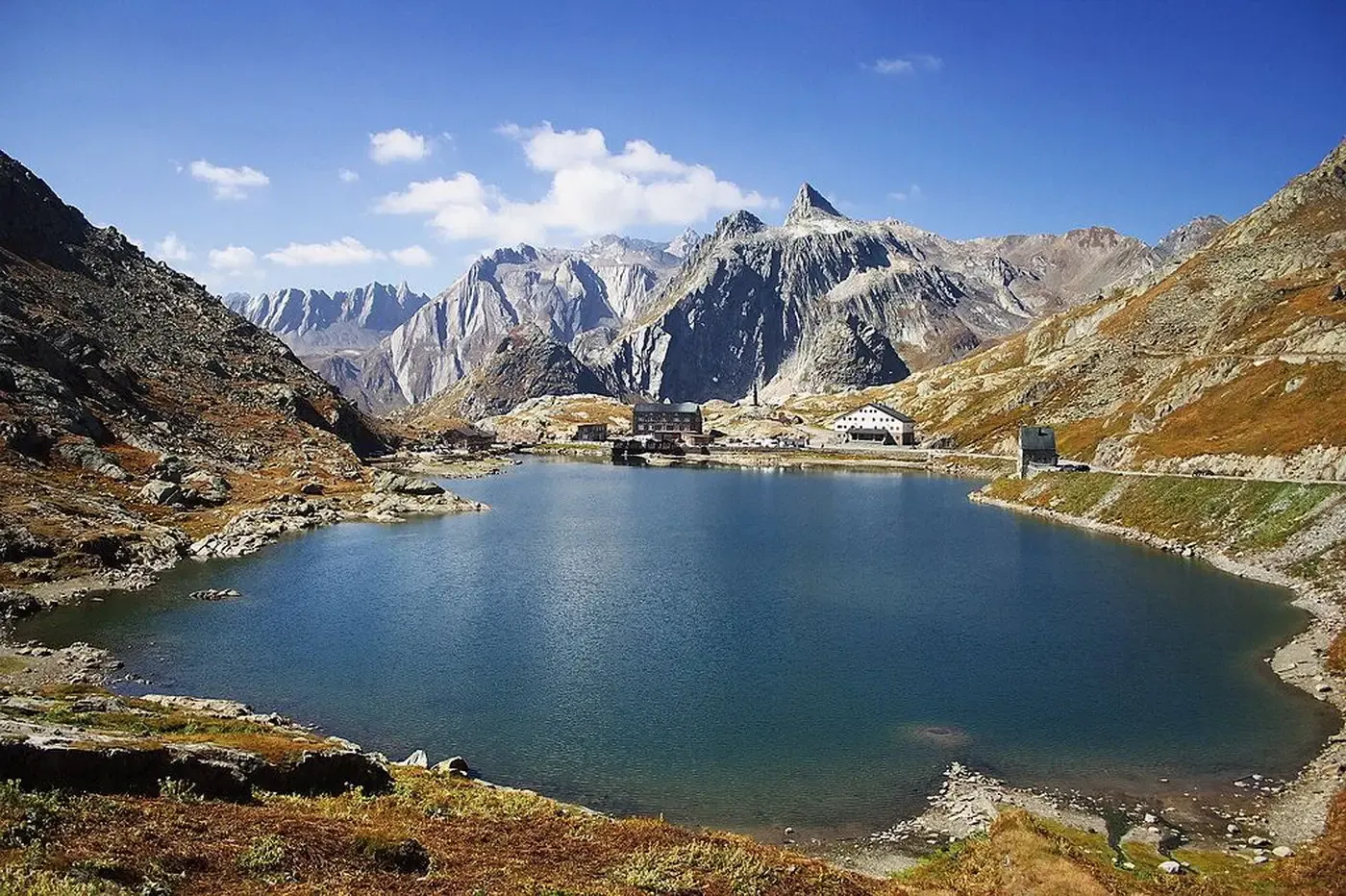
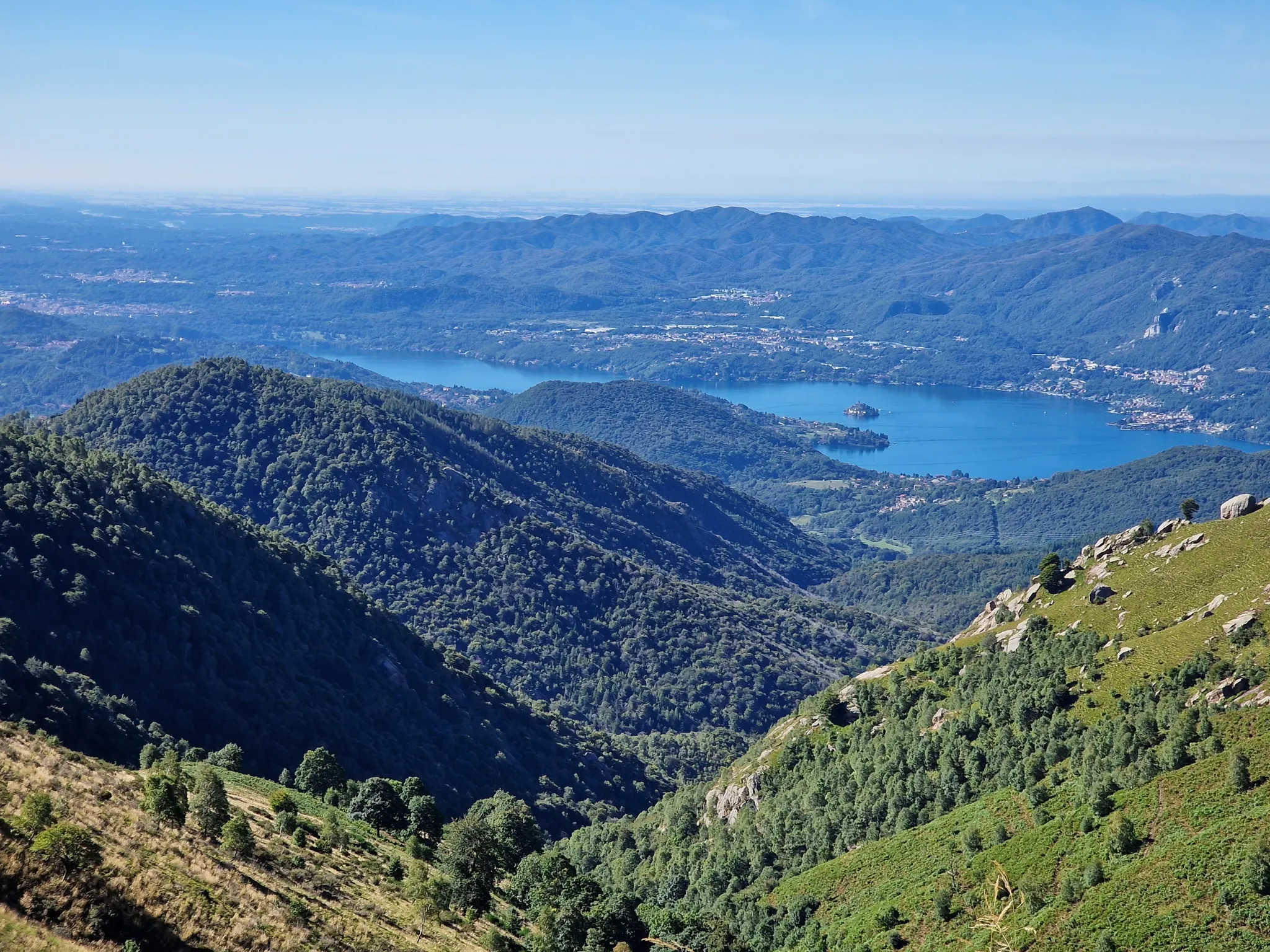
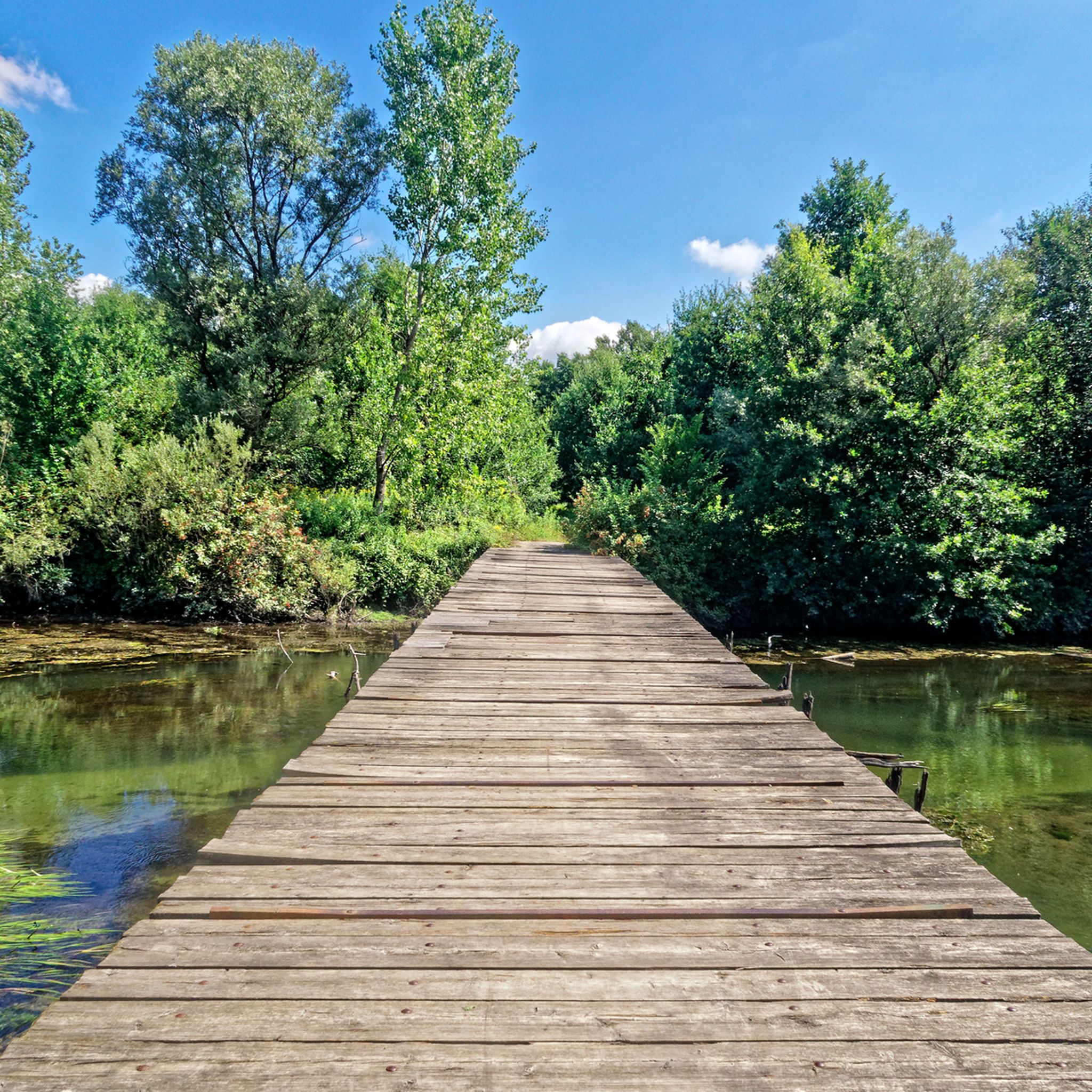
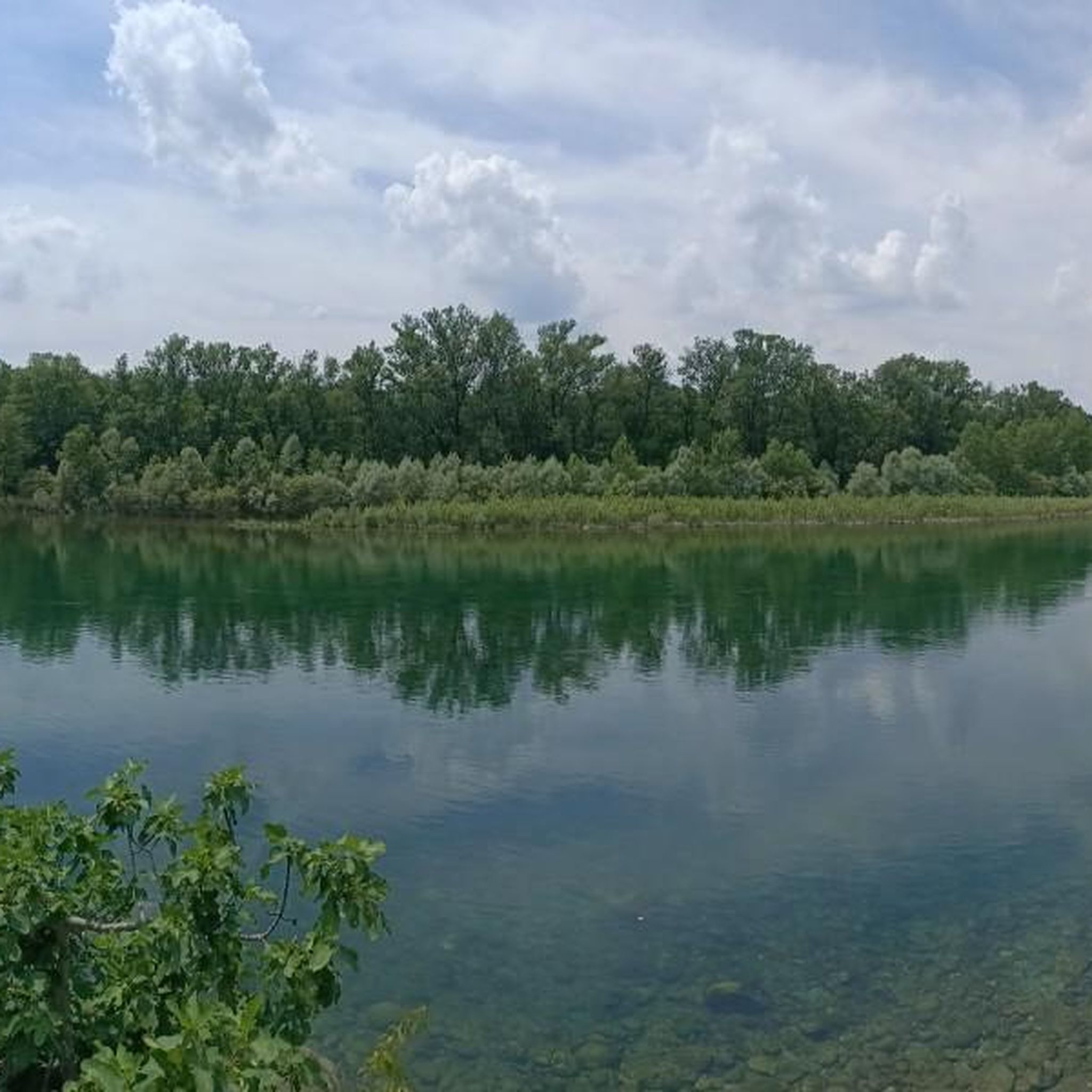
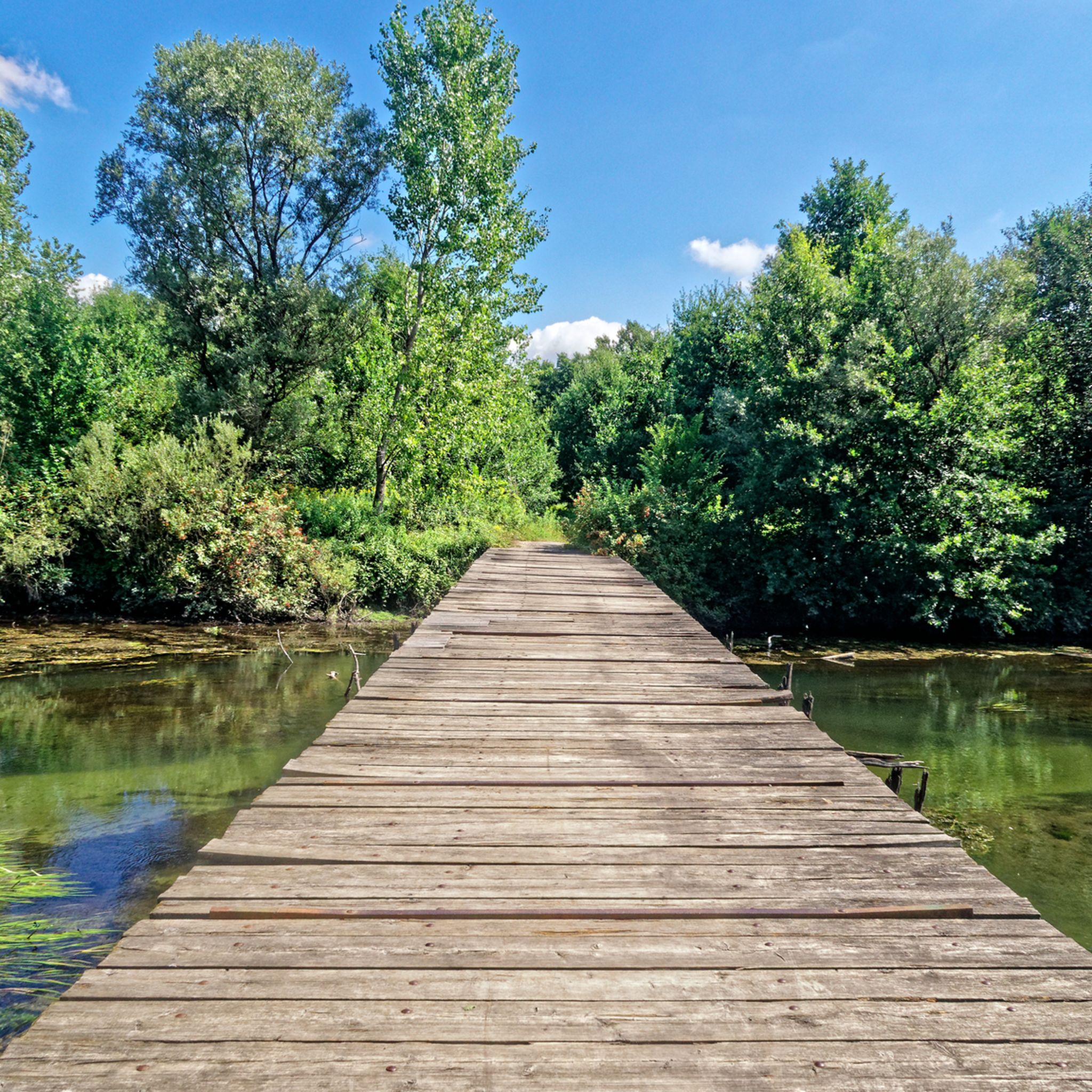
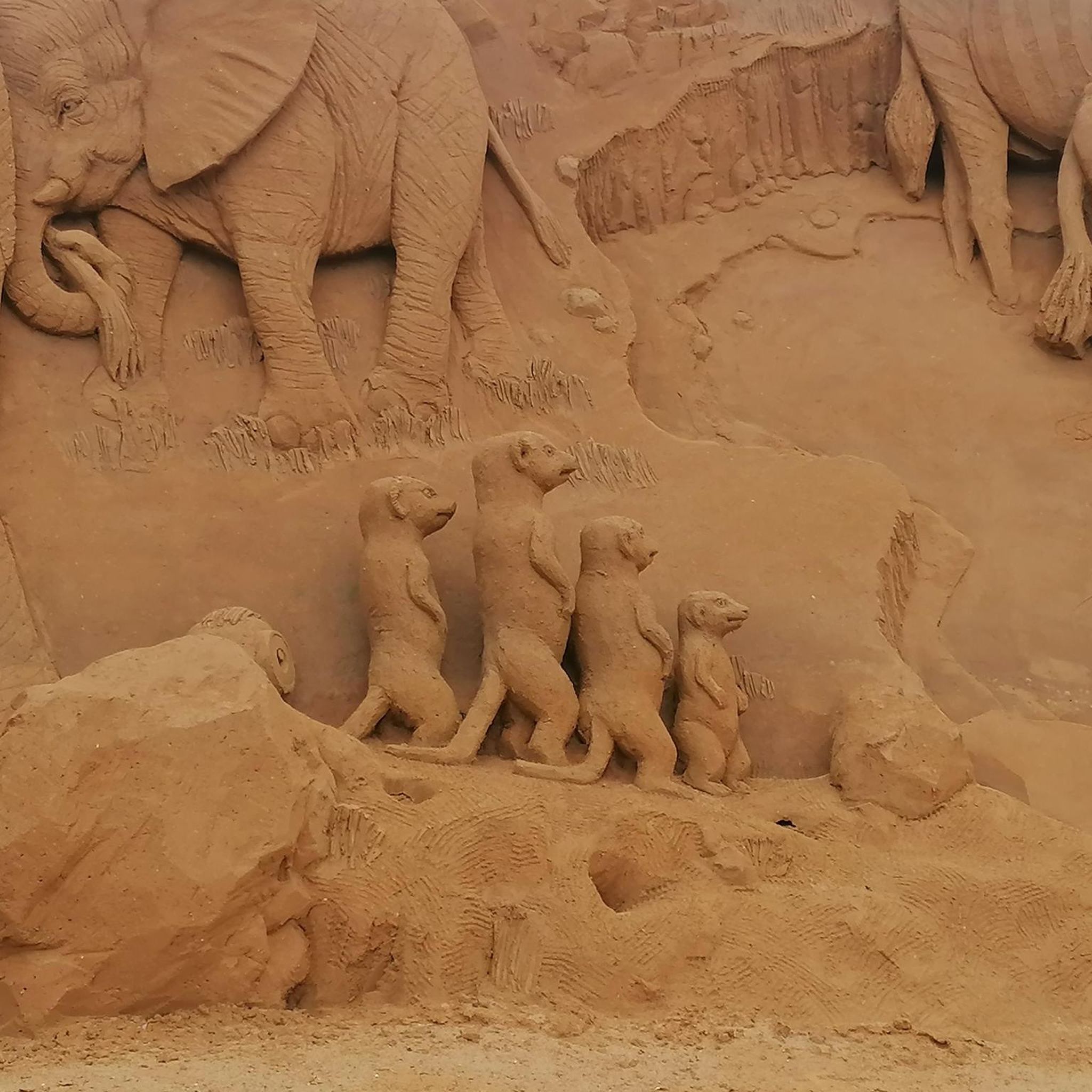
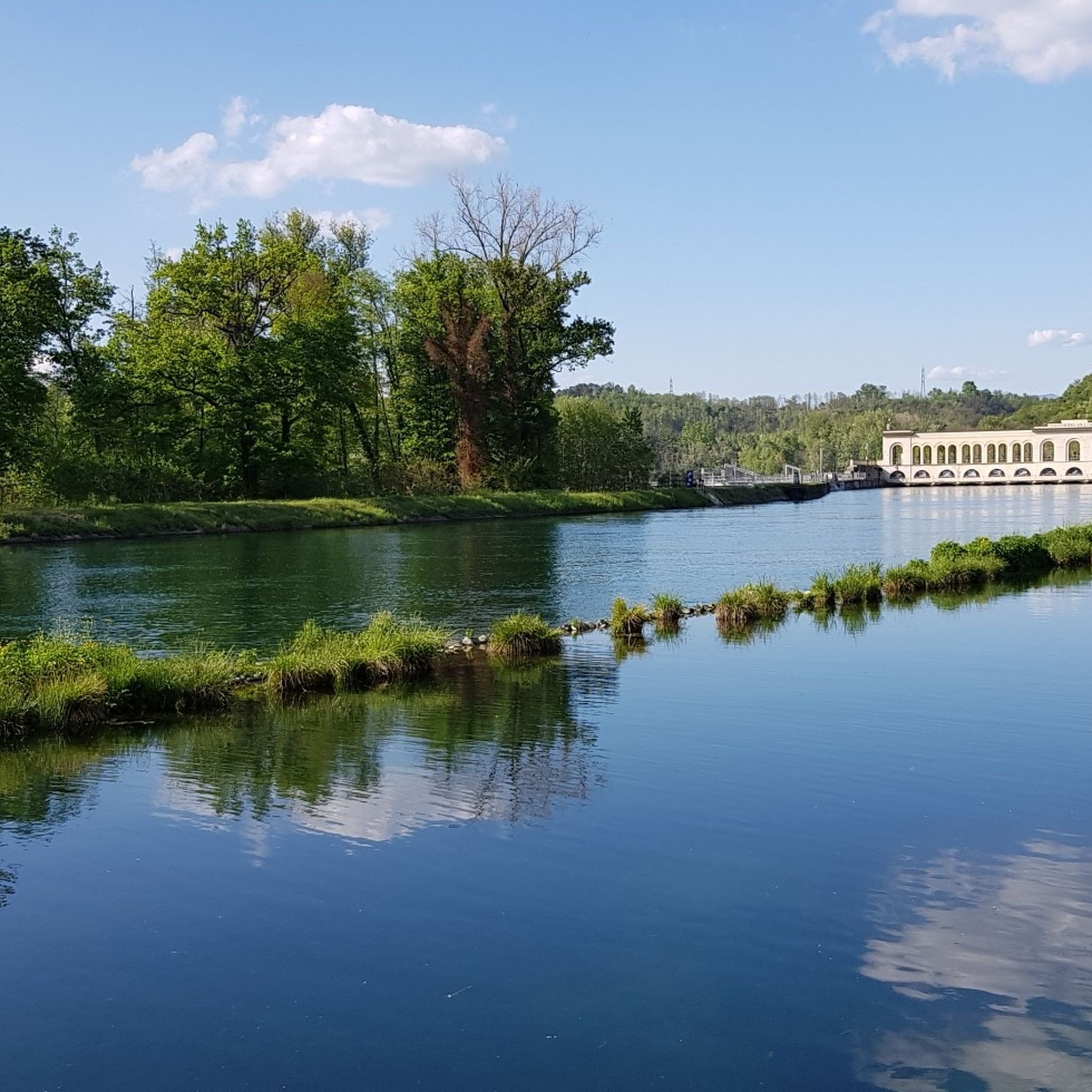
Other adventures around Parco Del Ticino


Tips from the Community

This was Borgo Tre Case, a hamlet of Borgo Dieci Case, the imaginary village that formed the backdrop to the events of Artemio, the farmer whose quips became a cult classic, played by the young Renato Pozzetto.
0
0

Cycle path legacy of the World Championships.
0
0

Santa Caterina del Sasso, Leggiuno Santa Caterina del Sasso Ballaro (actually Eremo di Santa Catarina del Sasso Ballara) was originally a hermitage. It is now located in the Italian municipality of Leggiuno in the province of Varese. In the 13th century, Dominicans converted the building into a monastery. This is a destination for many pilgrimages. It is located directly on Lake Maggiore and, like many former hermitages, is built on a rock in a location that is difficult to access. Construction began in the early 13th century, but the main work dates back to around 1300/1320. The core of the complex is the small church dedicated to St. Catherine of Alexandria. The nickname "del sasso" means that the building stands on a rock; "Sasso Ballaro" refers to a rockslide in 1640 that caused significant damage. "Sasso ballaro" roughly translates as "wobbly rock." According to tradition, the merchant Alberto Besozzi founded the monastery after he had successfully survived a shipwreck on the lake. He later became a hermit and is buried in the church. In 1230, Dominicans built the small convent and oratory. Around 1450, additional staircases were added to connect the individual parts of the building. In the following centuries, the monastery was rebuilt and expanded several times to accommodate the growing number of pilgrims. The 14th-century church tower is still Romanesque. The Renaissance decorations on the current façade date from the 15th century, the numerous frescoes in the former refectory, the arcade, and the church date from the 14th to 17th centuries, and the paintings in the church are Baroque. Due to the steep slope and the difficult subsoil, the interior of the church is shaped to follow the curve of the mountain. It is richly frescoed, although moisture damage has destroyed significant portions of the paintings. The frescoes date primarily from the 16th century and were further enhanced with floral motifs in the 17th century. At the center of the church stands the sarcophagus of the founder, the hermit Alberto. In the courtyard separating the church from the convent building stands an old wine press dating from 1769. Text / Source: Province of Varese - Piazza Libertà No. 1 - 21100 Varese http://www.santacaterinadelsasso.com/
12
0
The Santa Caterina del Sasso church impresses with its unique construction. When visiting the sanctuary, you will encounter three buildings that make up the entire structure: the southern cloister, the small cloister, and finally the church, which houses the body of St. Besozzi and the Chapel of St. Catherine. The southern cloister was built in 1300 and renovated in 1624 by Prior Giulio Cesare Martignoni after part of the old wooden structure collapsed into the lake. It is accessed through an archway supported by slender granite columns. The small cloister is located opposite the courtyard where a large wine press stands. Text / Source: Lago-Maggiore.de https://www.lago-maggiore.de/ausflugsziele/kloster-santa-caterina-del-sasso.html
14
0
The Hermitage - Santa Caterina del Sasso, Leggiuno The Hermitage of Santa Caterina del Sasso is situated on a cliff overlooking the lake and is undoubtedly one of the most impressive settings on Lake Maggiore. Access to the church is via a portico consisting of four rounded arches with a Renaissance imprint. The current building has a truly unique structure, the result of the merging of three chapels that were originally distinct and built in different eras. In front of and inside the church are numerous pictorial cycles dating from the 14th to the 19th century. Art and history are magnificently integrated into one of the most evocative natural landscapes, almost like a balcony jutting out towards the Borromean Gulf, Stresa, and the islands. Upon entering the hermitage, one first encounters the southern cloister (14th-17th centuries), with interesting frescoes in the fireplace room, then the convent (13th century), decorated with a long 17th-century fresco inspired by the Dance of Death just below the first-floor windows, and finally the church, which houses the Chapel of Santa Caterina. Text / Source: Province of Varese - Piazza Libertà No. 1 - 21100 Varese http://www.santacaterinadelsasso.com/eremo
14
0
Santa Caterina del Sasso / Hermitage, Leggiuno A brief, interesting insight into the history and origins of the Hermitage. According to tradition, the Hermitage was founded by the wealthy local merchant Alberto Besozzi. He miraculously survived a shipwreck while crossing the lake. He then decided to retire to this part of the coast as a hermit. Blessed Alberto built a chapel on this site and dedicated it to Saint Catherine of Egypt, who is depicted in the frescoes in the background of the chapel. This chapel, built in the 12th century, was soon joined by two additional chapels: the chapels of San Nicolao and Santa Maria Nova, which can be dated with certainty to the 14th century. From this time until the 16th century, the monastery experienced a period of prosperity and importance. After an initial historical period inhabited by Dominicans, the hermitage was run by monks of the Milanese convent of Sant'Ambrogio ad Nemus from 1314 to 1645. They were replaced by the Carmelites until 1770. It is worth mentioning that at the beginning of the 18th century, an enormous avalanche of rocks rolled down on the church, but miraculously remained suspended in the dome of a chapel for over two centuries until 1910, without causing major damage. These "wobbling" stones may have given the hermitage its name, which is fully Santa Caterina del Sasso Ballaro. However, it is more likely that the name derives from the nearby village of Ballarate. Since 1970, the hermitage has been the property of the Province of Varese. From 1986 to 1996, it was run by a Dominican community, but today it is run by the Benedictine Order. Text / Source: Province of Varese - Piazza Libertà No. 1 - 21100 Varese http://www.santacaterinadelsasso.com/
14
0
The History of the Santa Caterina del Sasso Monastery The history of the hermitage of Santa Caterina del Sasso is truly fascinating because it is connected to a centuries-old legend. According to this legend, Alberto Besozzi, a wealthy Milanese usurer and merchant, was caught in a terrible storm in the 12th century while traveling on business on Lake Maggiore. In those dramatic moments, he begged the help of Saint Catherine of Alexandria, to whom he was deeply devoted, in his last dread. The grace was granted. After his miraculous rescue, he decided to change his life and from then on led a hermit's life in this corner of heaven, which seemed to him like a foretaste of what was to come. Text / Source: Lago-Maggiore.de https://www.lago-maggiore.de/ausflugsziele/kloster-santa-caterina-del-sasso.html
14
0
Old wine press at the hermitage of Santa Caterina del Sasso The small monastery is located opposite the courtyard where a large wine press stands. It is accessed through an archway supported by slender granite columns. Text / Source: Lago-Maggiore.de https://www.lago-maggiore.de/ausflugsziele/kloster-santa-caterina-del-sasso.html
14
0
Frequently Asked Questions
What kind of terrain can I expect on touring cycling routes in Parco Del Ticino?
Parco Del Ticino offers a varied cycling experience. Many routes feature unpaved surfaces, providing an authentic immersion in nature, especially along the extensive 780 kilometers of cycle-pedestrian paths. You'll also find routes with mostly paved surfaces, particularly those suitable for all skill levels, and some that combine both paved and dirt road segments. The landscape includes riverine areas, lowland forests, and traditional agricultural fields.
Are there easy touring cycling routes suitable for families or beginners?
Yes, Parco Del Ticino has many options for beginners and families. Out of the over 45 touring cycling routes, more than 25 are classified as easy. An example is the Panperduto Dam – Miorina Dam loop from Sesto Calende, which is an easy ride. The park's generally flat to gently rolling terrain makes it accessible for various touring cycling experiences.
What are some of the more challenging touring cycling routes in Parco Del Ticino?
For those seeking a more demanding ride, the park offers several challenging routes. For instance, the Around the Parco della Quassa between cycle paths and dirt roads − loop tour is classified as difficult, featuring significant elevation changes and varied terrain. Other challenging options mentioned in the region research include the 'Visconti Castle, Pavia – View of the Coperto Bridge loop from Pavia' and 'Via Francigena Near Pavia – View of the Coperto Bridge loop from Motta San Damiano'.
What historical and natural landmarks can I see along the touring cycling routes?
Parco Del Ticino is rich in both natural beauty and historical sites. Along your rides, you can encounter significant landmarks such as the Panperduto Dam, an impressive example of industrial hydraulics. Other notable attractions include the Castelletto Bridge on the Naviglio Grande and the historic Ponte Coperto (the Covered Bridge) in Pavia. The park also features ancient sites like the Monsorino Necropolis in Golasecca, and various castles and abbeys throughout the Ticino Valley.
Are there any circular touring cycling routes in the park?
Yes, many touring cycling routes in Parco Del Ticino are designed as loops, allowing you to start and end at the same point. Examples include the popular Discovering Ranco and Angera − loop tour and the Arona and Lagoni di Mercurago Park Loop. These circular routes offer convenient ways to explore different parts of the park without needing to retrace your steps.
What is the best time of year for touring cycling in Parco Del Ticino?
The park's diverse landscapes, including lowland forests and riverine areas, are enjoyable throughout much of the year. Spring and autumn generally offer the most pleasant temperatures for cycling, with vibrant foliage in spring and colorful displays in autumn. Summer can be warm, but routes along the Ticino River and canals provide refreshing breezes. Winter cycling is possible, though some unpaved paths might be muddy or require more robust tires.
Can I bring my dog on the touring cycling routes in Parco Del Ticino?
Parco Del Ticino is generally dog-friendly, but it's important to keep your dog on a leash, especially in areas with wildlife or near agricultural lands. The park is a UNESCO Biosphere Reserve, home to over 6,800 species of animals, plants, and fungi, so respecting the natural environment and its inhabitants is crucial. Always ensure your dog's waste is properly disposed of.
What do other touring cyclists say about their experience in Parco Del Ticino?
The touring cycling routes in Parco Del Ticino are highly rated by the komoot community, with an average score of 4.6 stars from over 110 reviews. Cyclists often praise the serene riverine landscapes, the extensive network of paths, and the opportunity to explore both natural beauty and historical sites. Many appreciate the mix of paved and unpaved surfaces that cater to different preferences.
Are there places to eat or stay along the cycling routes?
Yes, the region around Parco Del Ticino offers various options for refreshments and accommodation. Along popular routes like the Ticino Cycle Path, you'll find villages and towns with cafes, restaurants, and guesthouses. It's advisable to check in advance for specific services along less frequented sections, especially if planning a longer tour.
How extensive is the cycling network in Parco Del Ticino?
Parco Del Ticino boasts an impressive and extensive network for cyclists. There are approximately 780 kilometers of cycle-pedestrian paths throughout the park, with 122 kilometers specifically running along canals. This vast network, including segments of the European E1 path, provides numerous opportunities to explore the park's natural and cultural heritage.
What kind of wildlife can I spot while cycling in Parco Del Ticino?
As a UNESCO Biosphere Reserve, Parco Del Ticino is a haven for biodiversity. While cycling, you might spot various water birds like purple herons and white storks, or birds of prey such as sparrowhawks and peregrine falcons. Mammals like foxes and badgers are also present, and the park has successfully reintroduced roe deer and European otters. The diverse environments, from wetlands to lowland forests, support this rich ecosystem.
Are there any specific routes that follow the Ticino River closely?
Yes, the Ticino Cycle Path (Ciclabile del Ticino) is a protected route that closely follows the Ticino River from Sesto Calende all the way to Pavia. This path offers continuous views of the river, passing through charming villages, historical villas, and churches, all set within unparalleled natural scenery. It's an excellent way to experience the park's central feature.
Most popular routes around Parco Del Ticino
Most popular attractions around Parco Del Ticino

Get inspired with the komoot mobile app


Explore more
Browse the best Cycling routes in other regions.
