Top 13 Lakes around Duinen van Texel
Best lakes around Duinen van Texel National Park are characterized by wet dune valleys and wetlands, offering diverse natural experiences on the Dutch island of Texel. This region is known for its unique ecosystems, including brackish waters and dune slacks, which support a variety of plant and animal life. The landscape features high dunes, woodlands, and grasslands, providing habitats for numerous bird species and rare flora. Visitors can explore these areas through various trails and viewpoints.
Best lakes around Duinen…
Last updated: August 23, 2026
Texel Ferry
Highlight • Rest Area
Translated by Google •
Tip by

De Bollekamer Dune Valley
Highlight • Natural
Translated by Google •
Tip by

Sign up now to discover places like this
Get recommendations on the best single tracks, peaks, & plenty of other exciting outdoor places.
Sign up for free
The Hors Ponds
Highlight • Lake
Translated by Google •
Tip by

De Petten Wetlands, Texel
Highlight • Natural
'De Petten' consists of brackish waters and artificially protected islands. The water in this nature area is brackish because the salt water adjoining 'De Petten' mixes with the …
Translated by Google •
Tip by

Ploegelanderweg: Forest, Fens and Wild Geese
Highlight • Trail
Translated by Google •
Tip by

Sign up for free to discover even more lakes around Duinen van Texel.
Sign up for free
Already have an account?
Start today with a free account
Your next adventure awaits.
Login or Signup
Popular around Duinen van Texel
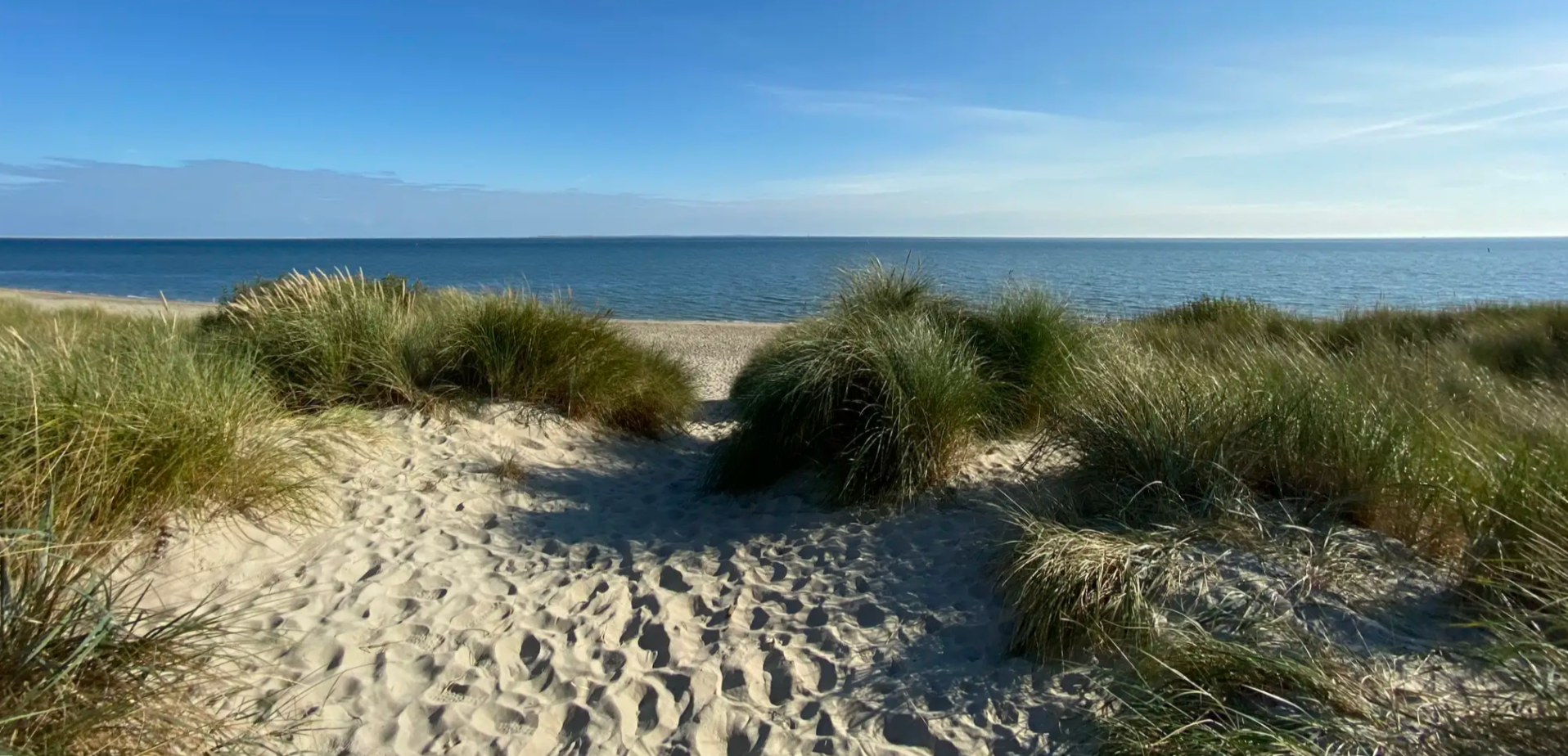
Regional Trail WaddenWalking (SP 04) - Hiking across the Wadden Sea.
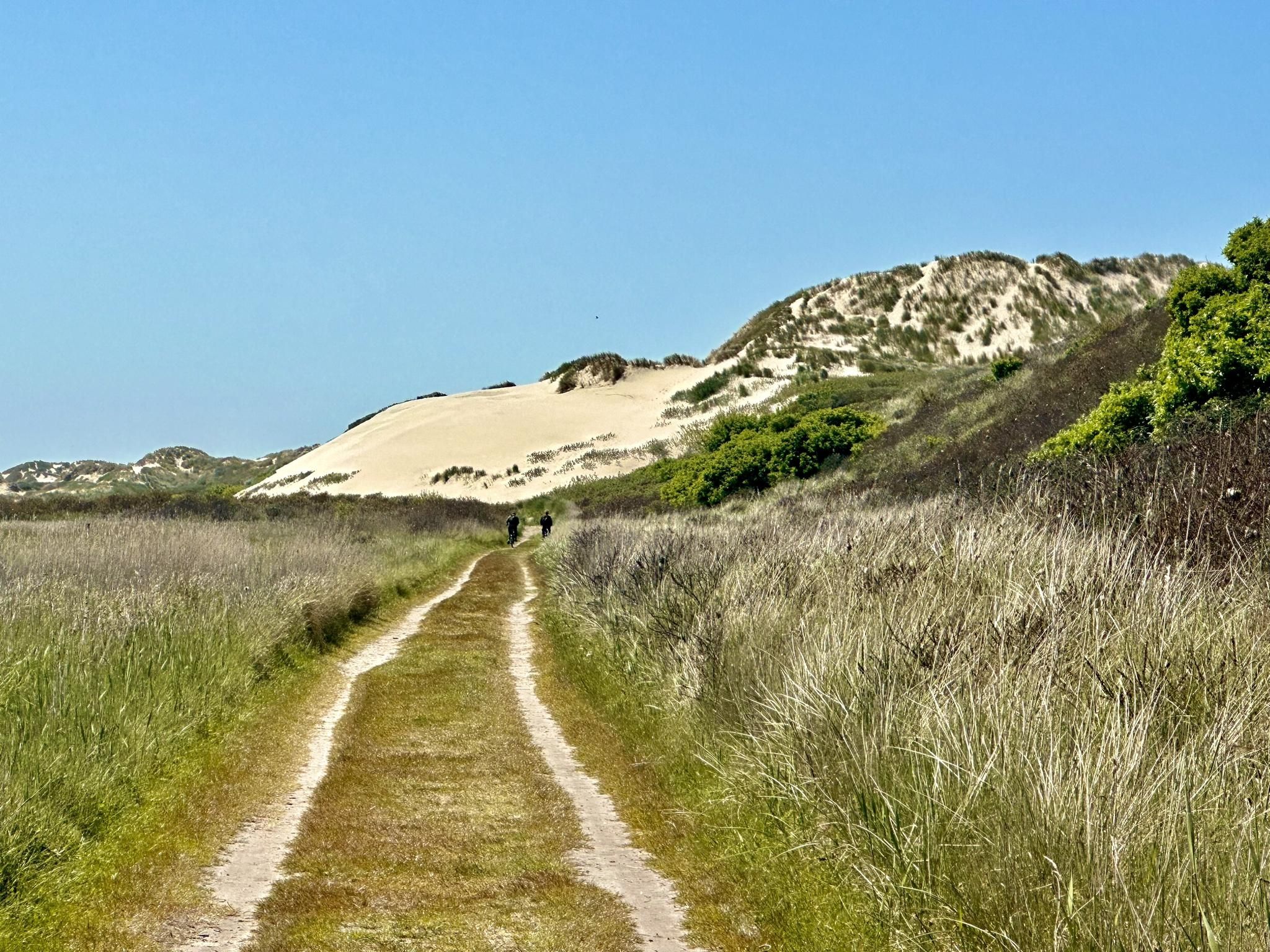
Smulling in the beach tent all year round - 5x walking on the Wadden
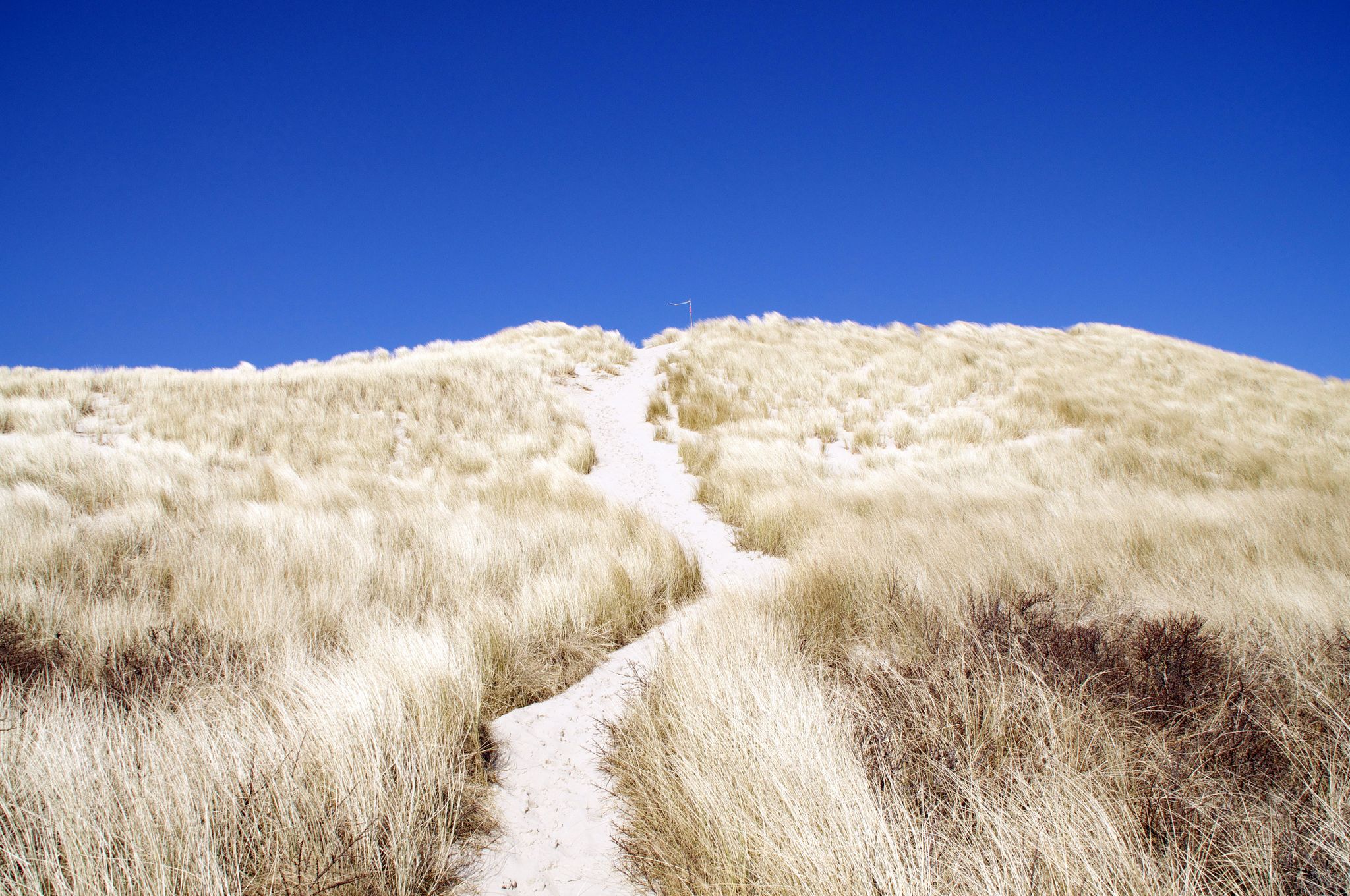
Birds, lighthouses and fish restaurants – trail runs on the Wadden Islands
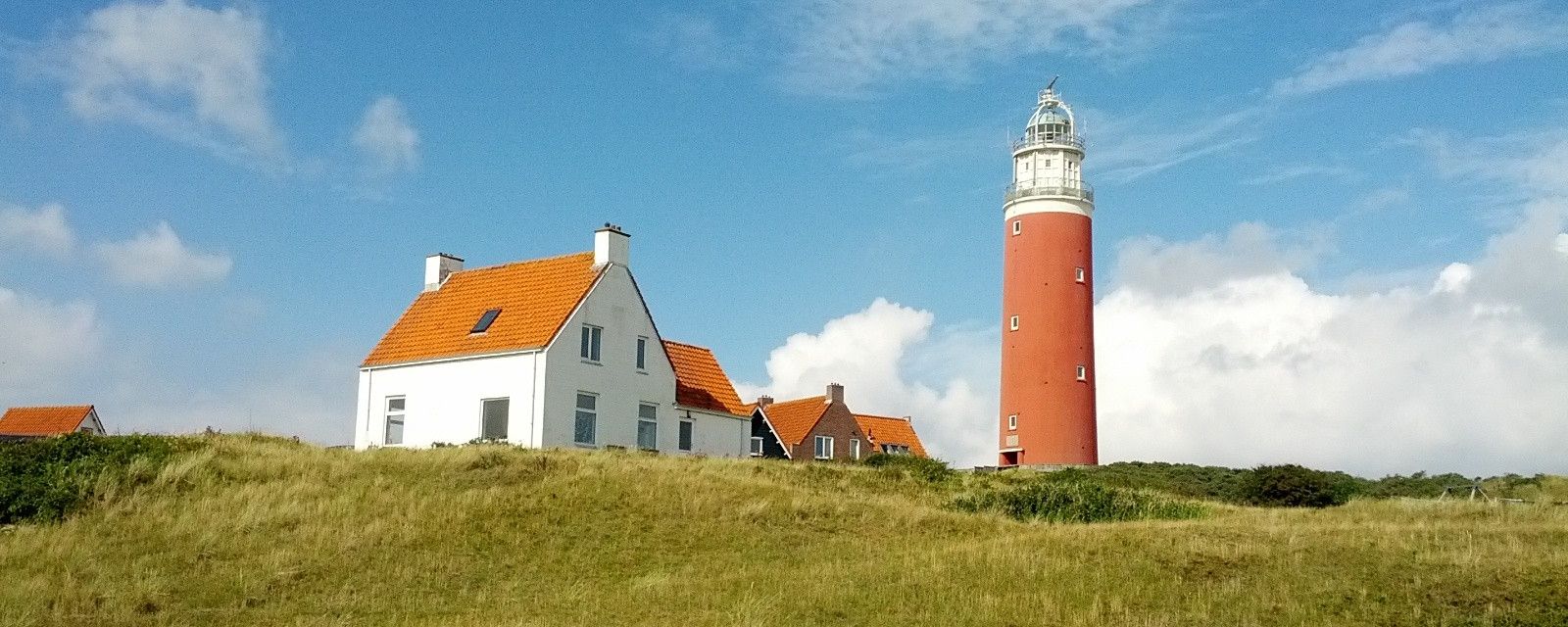
Sand dunes and beaches – best hikes along Netherland’s west coast
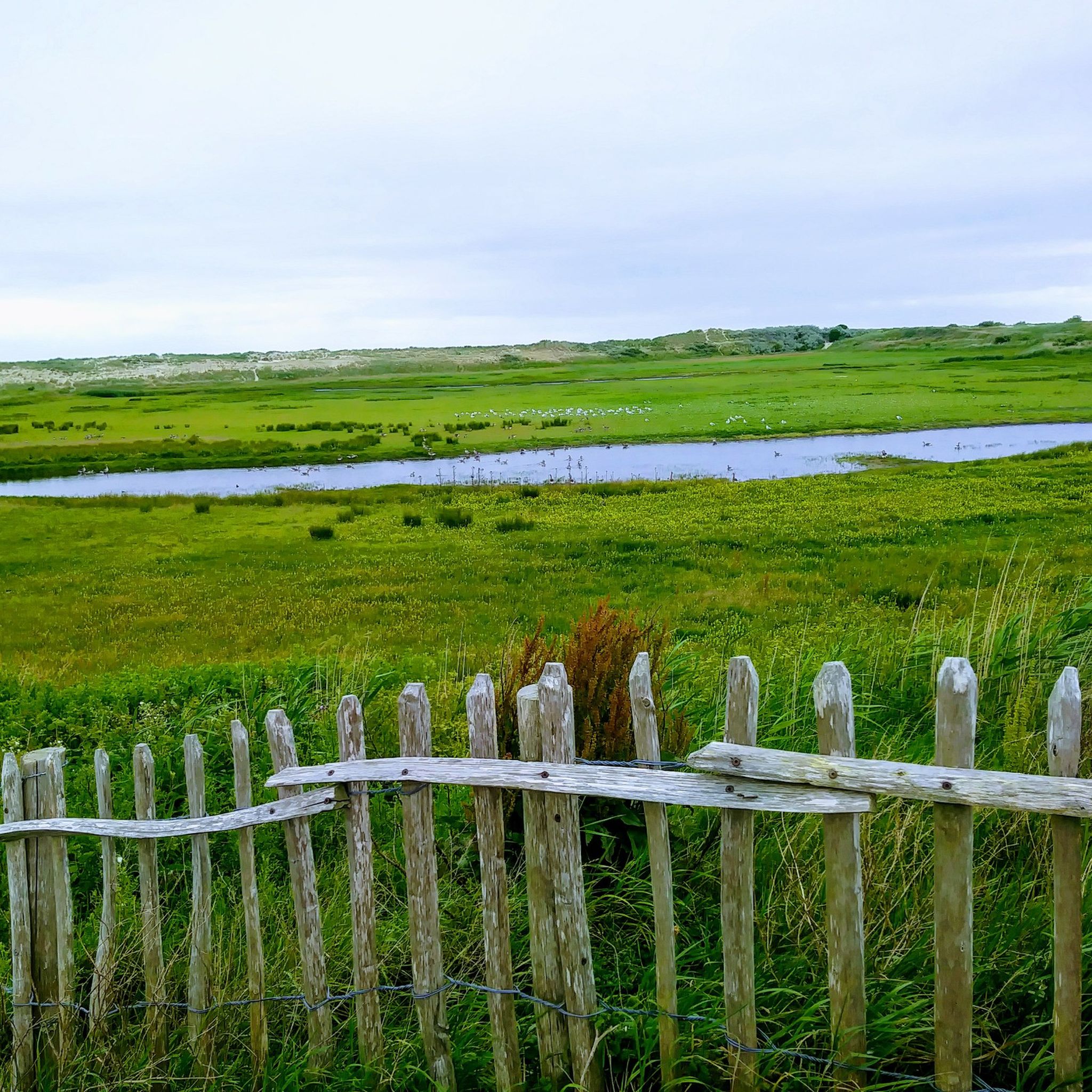
Hiking around Duinen van Texel
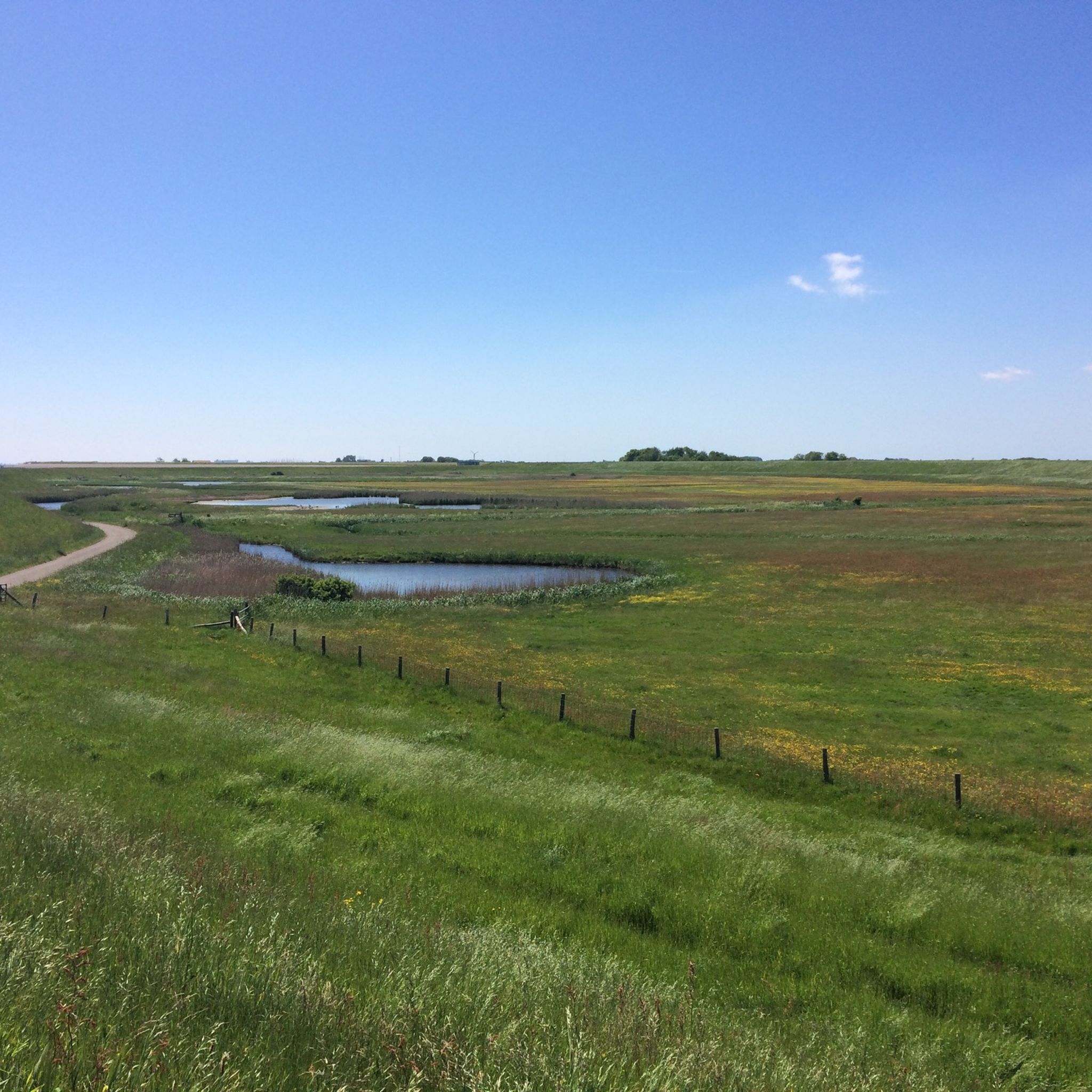
Cycling around Duinen van Texel
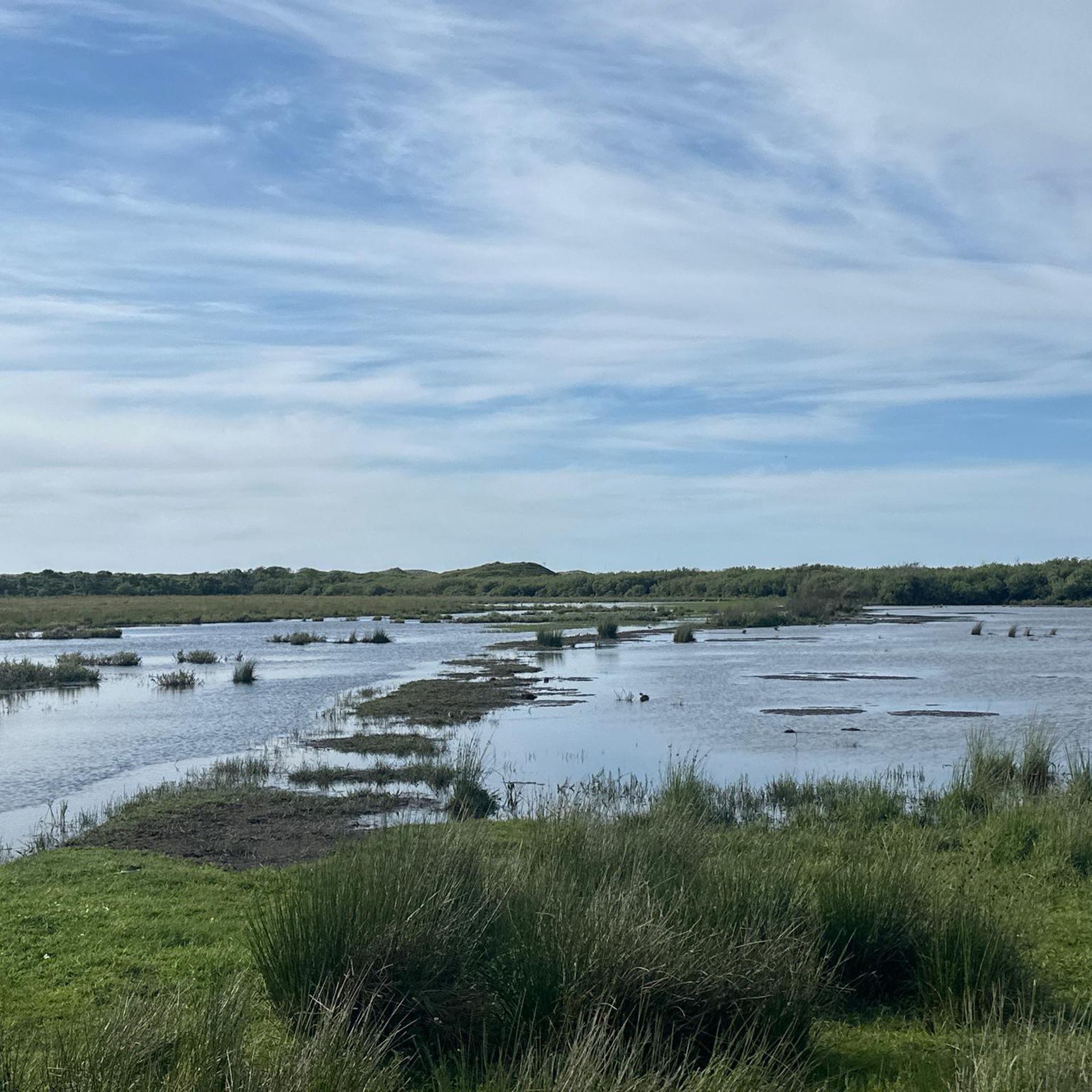
Running Trails around Duinen van Texel
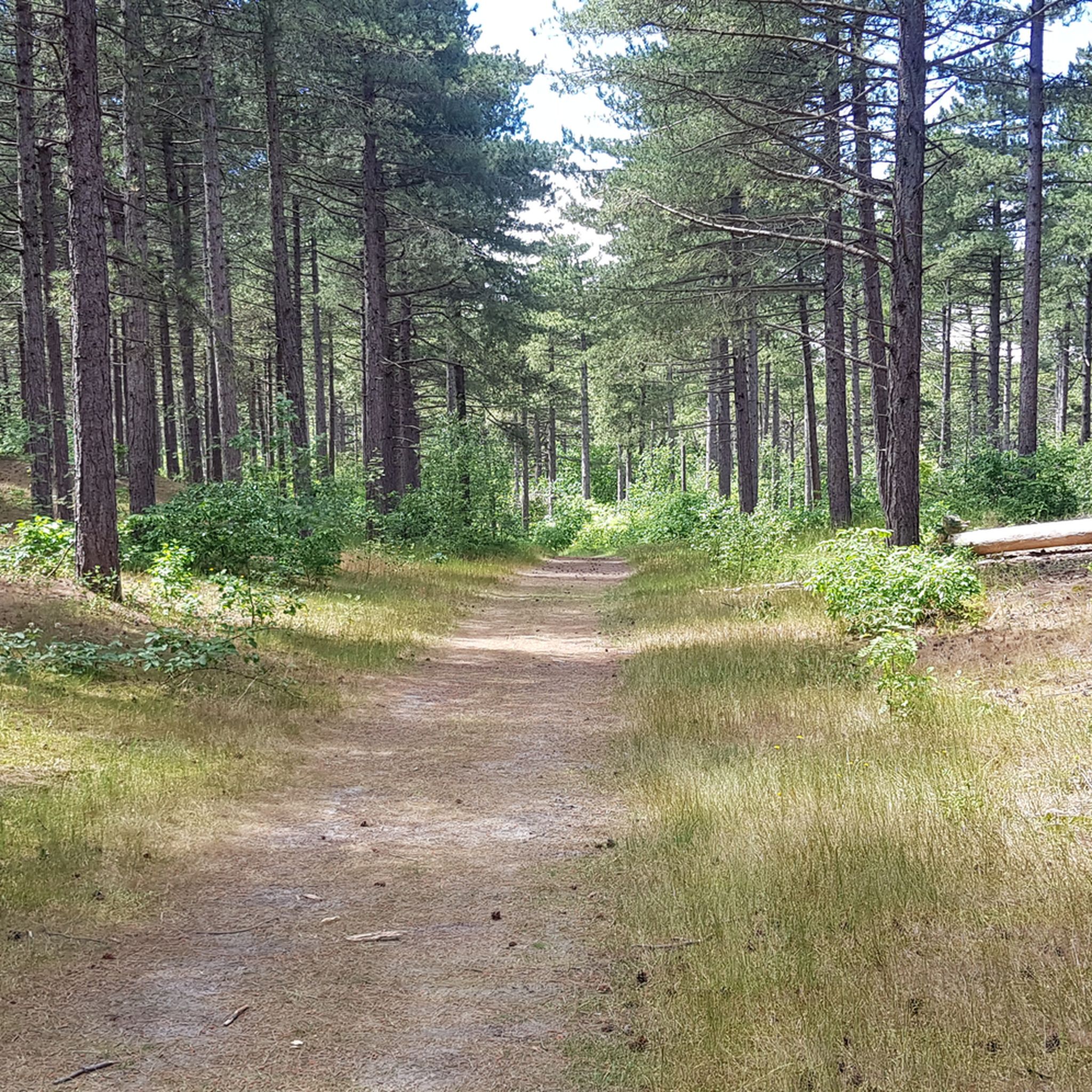
MTB Trails around Duinen van Texel
Road Cycling Routes around Duinen van Texel

Gravel biking around Duinen van Texel
Other adventures around Duinen van Texel


Tips from the Community

Beautiful viewpoint with 360 degree view
0
0

Circular hiking trail on shell paths. Top.
1
0

Always a good place for atmospheric photos.
4
0

The ferry connection is very cheap for cyclists from Den Helder to Texel !! The return trip is included in the price. As of 2022: 10 euros for 2 people with 2 wheels there and back
5
0

Pedestrians 2.50 euros Bike 5 euros For there and back. You can buy that directly there, car etc. have to be ordered via the website. Travel time 20 minutes, everything is quick and uncomplicated.
5
0

You can be on Texel in half an hour and that very cheaply!
5
0

Small Islands 'De Petten' consists of brackish waters and artificially protected islands. The water in this nature area is brackish because the salt water adjoining 'De Petten' mixes with the fresh rainwater. Every four years, mussels are strewn on the small islands to prevent them from crumbling in the water. Annually in winter the grown plants are removed from the ground. This makes the dry parts of 'De Petten' an ideal and sought-after breeding ground for the different bird species. But birds that are just passing through like to land at De Petten to take a break. The nature area also serves as a haven for birds when the sea level is very high. fishing 'De Petten' is separated from the nature areas 'De Mok' and 'De Mokbaai' by a sea dike, where birds can fish to their heart's content for their offspring. The approach and departure of the birds over the dyke is a special sight. Many shelducks, ringed plovers, greylag geese, black-headed gulls, avocets, terns and common terns are observed in this area during the breeding season. 'De Petten' is not accessible to visitors, but can be seen from the public path or from the dyke - with or without binoculars. 'Natural Monuments' 'De Petten' is managed by 'Natuurmonumenten'. This association is a landscape conservation organization. That is, it protects nature by taking care of areas. 'Natuurmonumenten' also preserves the natural treasures and thereby awakens more interest in nature in society.
4
0
Frequently Asked Questions
What kind of wildlife can I expect to see around the lakes in Duinen van Texel?
The wet dune valleys and wetlands of Duinen van Texel are rich in biodiversity. You can observe a wide variety of bird species, including spoonbills (De Geul and De Muy are significant colonies), water rails, little grebes, and marsh harriers. The area also hosts grazing animals like Scottish Highlanders and Exmoor ponies in areas such as De Bollekamer Dune Valley.
Are there specific spots for birdwatching around the lakes?
Yes, several areas are excellent for birdwatching. Mokbaai is a unique tidal bay ideal for observing numerous wading birds at low tide. De Geul is renowned for its large spoonbill colony and features an observation tower. De Muy is famous for having the oldest spoonbill colony in the Wadden region, sharing nesting sites with grey herons and cormorants. The De Petten Wetlands, Texel also serve as an ideal breeding and resting ground for various bird species.
What unique plant species grow in the lake areas of Duinen van Texel?
The diverse ecosystems support unique flora. In De Geul, you can find unusual plant species like moonworts, smooth cat's-ear, swamp moss, and clay earth-moss. De Muy is celebrated for its unique vegetation, including different types of orchids and rare plants like the delicate scarlet pimpernel and parnassia. De Bollekamer Dune Valley is notable for special plants such as the deep blue bog gentian, which is particularly striking in summer.
Are there easy walking routes around the lakes in Duinen van Texel?
Yes, there are several accessible paths. The Ploegelanderweg: Forest, Fens and Wild Geese highlight describes a very nice, protected stretch of road that invites exploration of small lakes. Many areas, like De Muy, offer numerous walking trails, some leading to viewpoints. For more options, you can explore the Running Trails around Duinen van Texel guide, which includes routes suitable for walking.
What are some popular hiking trails near the lakes?
Visitors particularly enjoy the Dune Trail in Oefenterrein Joost Dourleinkazerne, which is beautifully situated between lakes and ponds and offers opportunities for birdwatching along its one-lane trails. The dunes of Texel, including areas like De Muy and De Bollekamer Dune Valley, offer well-signposted hiking trails with great scenery.
Can I find routes for other outdoor activities near the lakes?
Absolutely. Besides walking and hiking, Duinen van Texel offers opportunities for cycling and mountain biking. You can find various routes in the Cycling around Duinen van Texel guide and the MTB Trails around Duinen van Texel guide. These guides feature routes that often pass by or near the region's beautiful lake areas.
Are the lakes around Duinen van Texel suitable for family visits?
Yes, many areas are family-friendly. Highlights like De Bollekamer Dune Valley and Mokbaai are categorized as family-friendly. The diverse landscapes, opportunities for wildlife spotting, and various walking trails make it an engaging destination for families.
When is the best time to visit the lakes in Duinen van Texel?
The best time depends on your interests. For birdwatching, the breeding season (spring/early summer) is ideal, especially for spoonbills in De Geul and De Muy, and migratory birds in De Petten Wetlands. For enjoying unique plant species like the deep blue bog gentian, summer is particularly striking in areas like De Bollekamer Dune Valley.
What makes De Muy a significant lake area to visit?
De Muy is a diverse dune and heathland area featuring high dunes, woodlands, and the 'Muyplas' (Muy lake). It's famous for having the oldest spoonbill colony in the Wadden region and is a popular bird area where you can spot nightingales and bluethroats. The area is also celebrated for its unique vegetation, including various orchids and rare plants, and offers numerous walking trails with panoramic viewpoints like the Bertusnol.
What is unique about the De Petten Wetlands?
De Petten Wetlands, Texel consist of brackish waters and artificially protected islands. The water is brackish due to the mixing of saltwater with fresh rainwater. It serves as an ideal and sought-after breeding ground for various bird species and a crucial resting spot for migratory birds. Mussels are periodically strewn on the islands to prevent erosion, and plants are removed annually to maintain the habitat.
How can I reach the lakes in Duinen van Texel using public transport?
Texel has a public transport system, including bus routes that connect various parts of the island, including areas within or near the Duinen van Texel National Park. It's advisable to check local bus schedules for the most current information on routes that serve the lake areas.
Is there parking available near the lake areas?
Yes, parking is generally available near popular access points and trailheads for the lake areas within Duinen van Texel. Specific parking locations will vary depending on which lake or dune area you plan to visit, but many natural reserves on Texel provide designated parking facilities for visitors.
What do visitors particularly enjoy about the lake areas in Duinen van Texel?
Visitors frequently praise the stunning natural scenery, the tranquility, and the abundant wildlife. Many enjoy the well-maintained hiking trails, the opportunity to observe rare birds and plants, and the chance to see grazing animals like Scottish Highlanders. The unique combination of dunes, forests, and wetlands, as seen in areas like Dune Trail in Oefenterrein Joost Dourleinkazerne, is often highlighted as a favorite aspect.
Most popular routes around Duinen van Texel
Most popular attractions around Duinen van Texel

Get inspired with the komoot mobile app


Explore more
Still not found your perfect lake around Duinen van Texel? Check out the guides of these regions to see even more beautiful places.
