Attractions and Places To See around De Biesbosch - Top 20
Best attractions and places to see around De Biesbosch include a unique freshwater delta characterized by an intricate network of rivers, streams, and willow forests. This rare freshwater tidal wetland in Europe supports diverse flora and fauna, making it a significant natural reserve. The area offers a variety of natural features and points of interest for exploration.
Best attractions and places to see around De Biesbosch
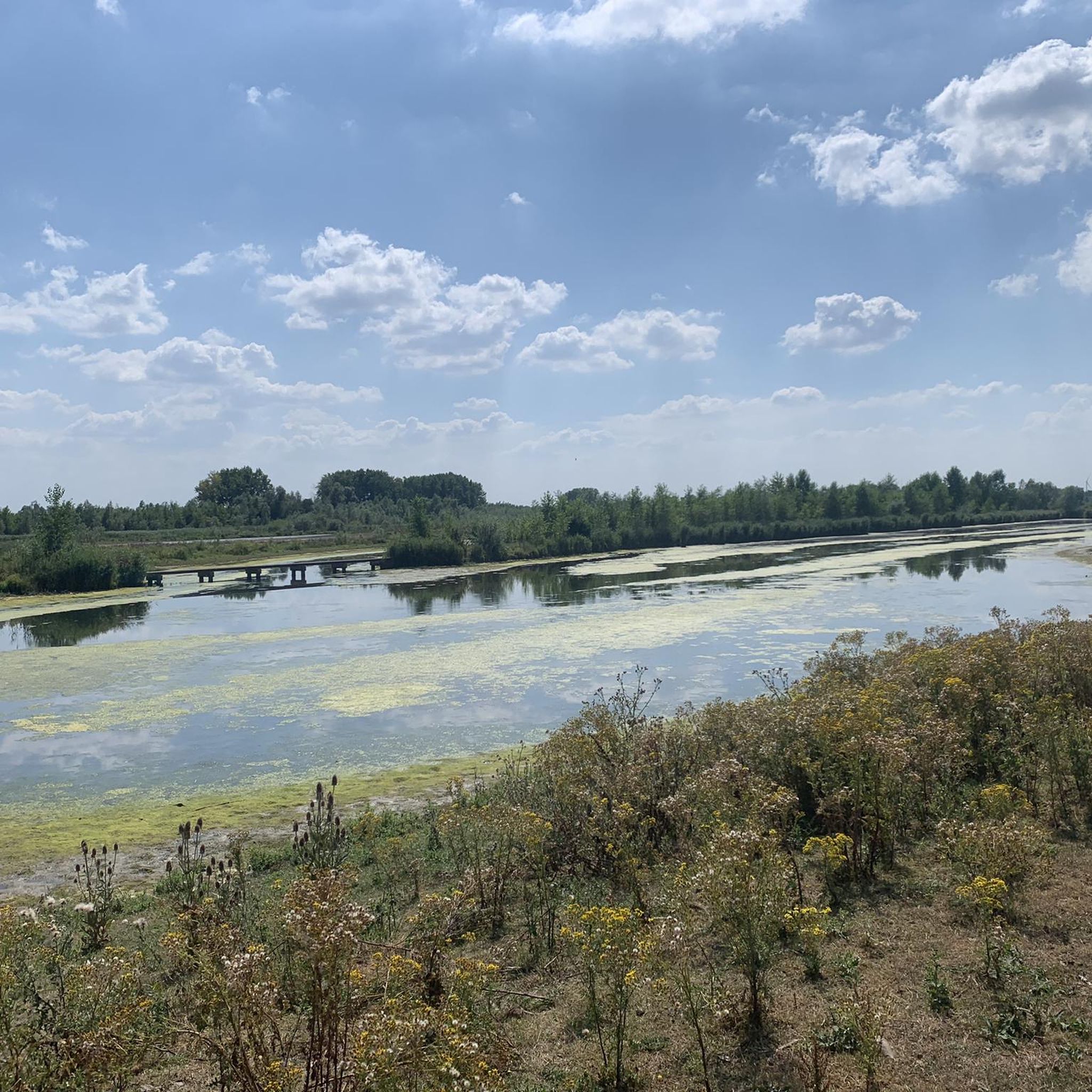
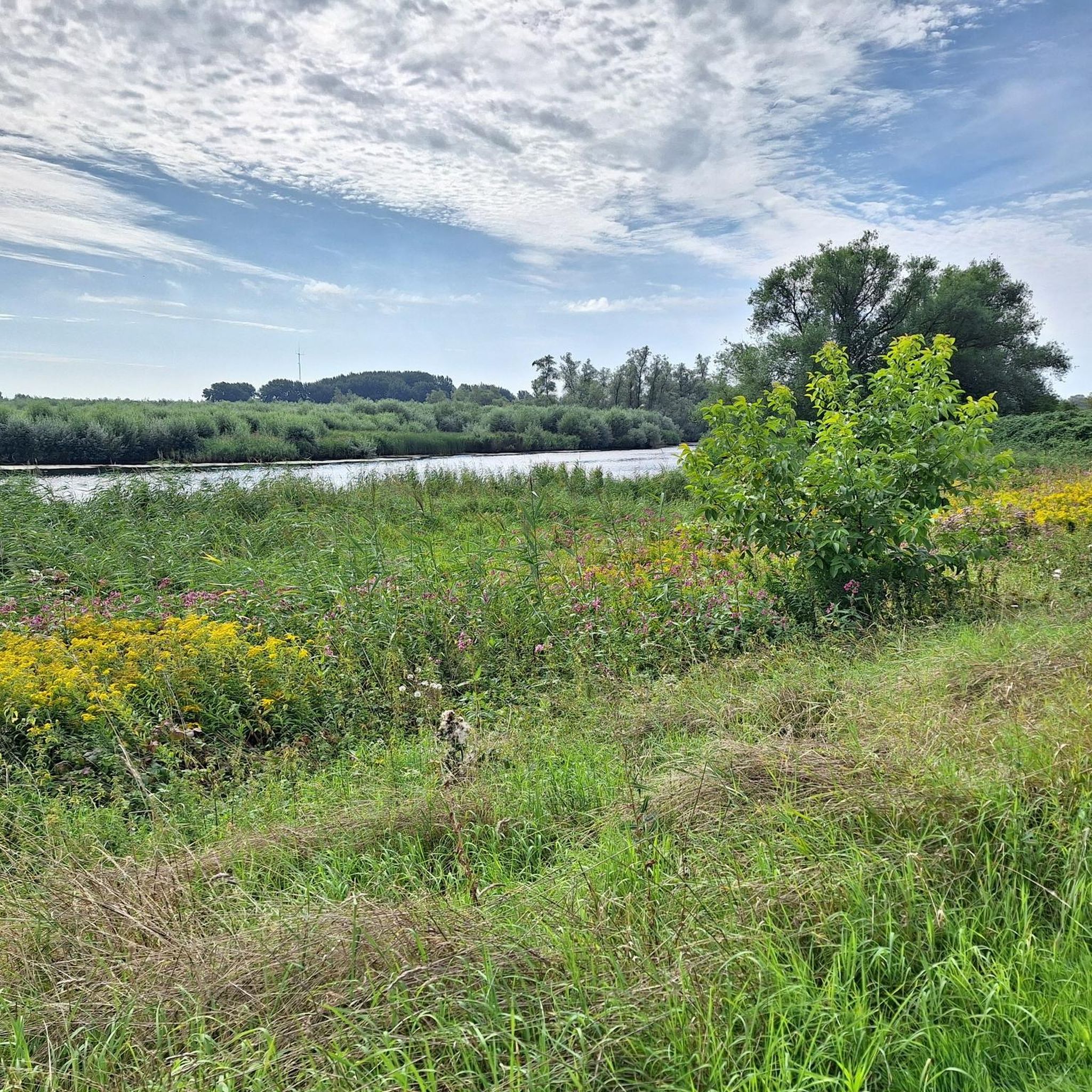
- The most popular attractions is De Biesbosch National Park, a freshwater tidal area offering opportunities for hiking, cycling, or canoeing through a labyrinth of rivers and streams. It is a protected nature reserve known for its extensive reed areas, meadows, and swampy forests.
- Another must-see spot is Jantjesplaat, an island nature reserve where paths and footbridges allow for walking amidst flooded trees and water birds. This area showcases untouched, wild nature within the river delta.
- Visitors also love Dead trees in the De Biesbosch wetlands, a wetland area offering views of diverse nature and birdlife. It is accessible via bicycle paths and ferry connections, providing opportunities for wildlife observation.
- De Biesbosch is known for its natural features, historical sites, and viewpoints. The region offers a variety of attractions to see and explore, from unique ecosystems to cultural insights.
- The attractions around De Biesbosch are appreciated by the komoot community, with more than 900 upvotes and 70 photos shared across the highlights.
Last updated: October 10, 2026
De Biesbosch National Park
Highlight • Natural
Since 1994, De Biesbosch has been a national park, where work is now in full swing to give more space to the rivers.
Translated by Google •
Tip by

New Merwede Ferry (Kop van 't Land – Werkendam)
Highlight • Rest Area
Translated by Google •
Tip by

Sign up now to discover places like this
Get recommendations on the best single tracks, peaks, & plenty of other exciting outdoor places.
Jantjesplaat
Highlight • Natural
Paths and footbridges are paved, detours into the countryside are not recommended, swampland!
Translated by Google •
Tip by

Dead trees in the De Biesbosch wetlands
Highlight • Natural
Translated by Google •
Tip by

Biesbosch Museum Island
Highlight • Historical Site
Translated by Google •
Tip by

Sign up for free to discover even more attractions around De Biesbosch.
Already have an account?
Start today with a free account
Your next adventure awaits.
Popular around De Biesbosch
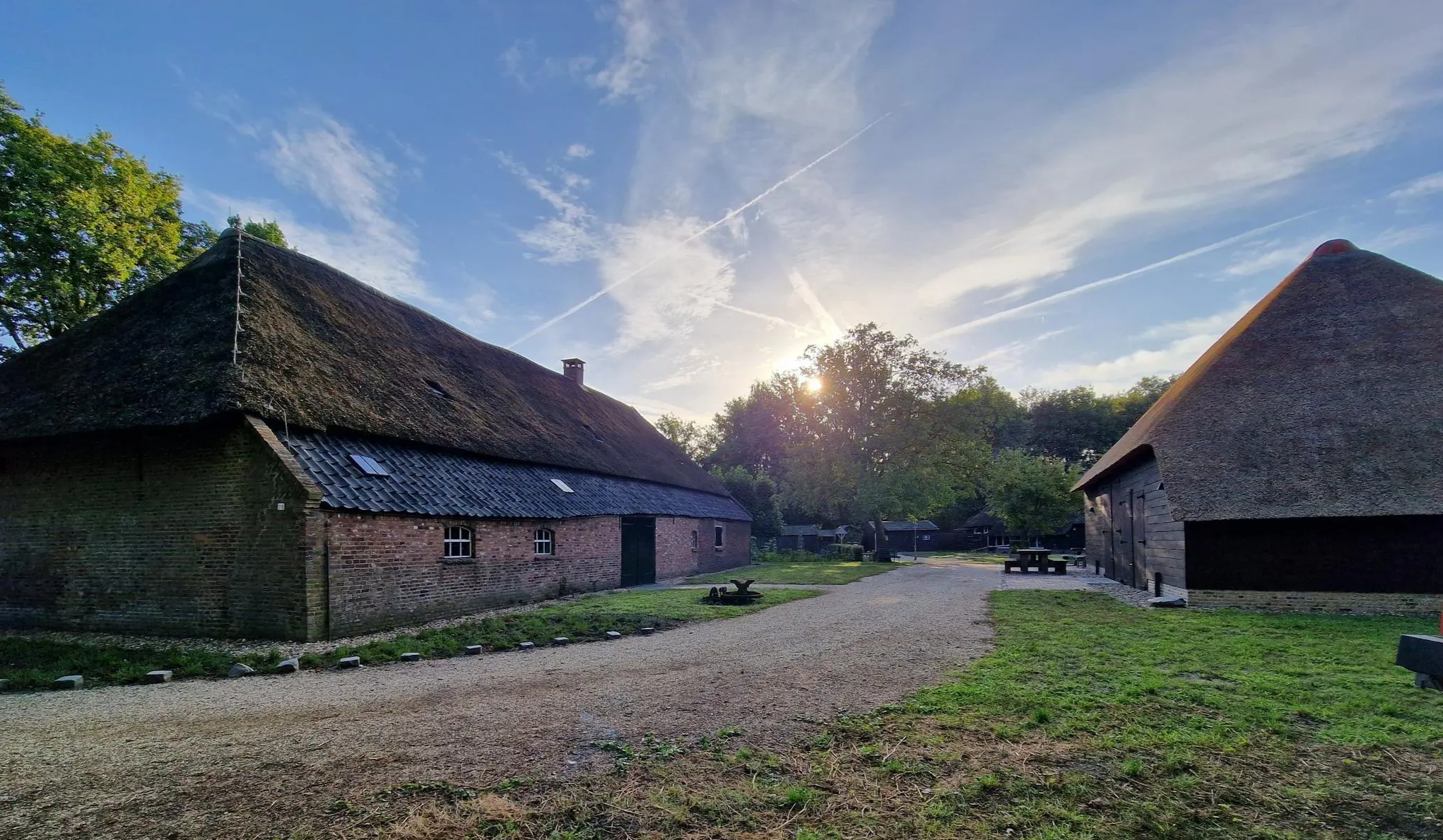
Four versatile Brabant – Nature camping route Noord-Brabant
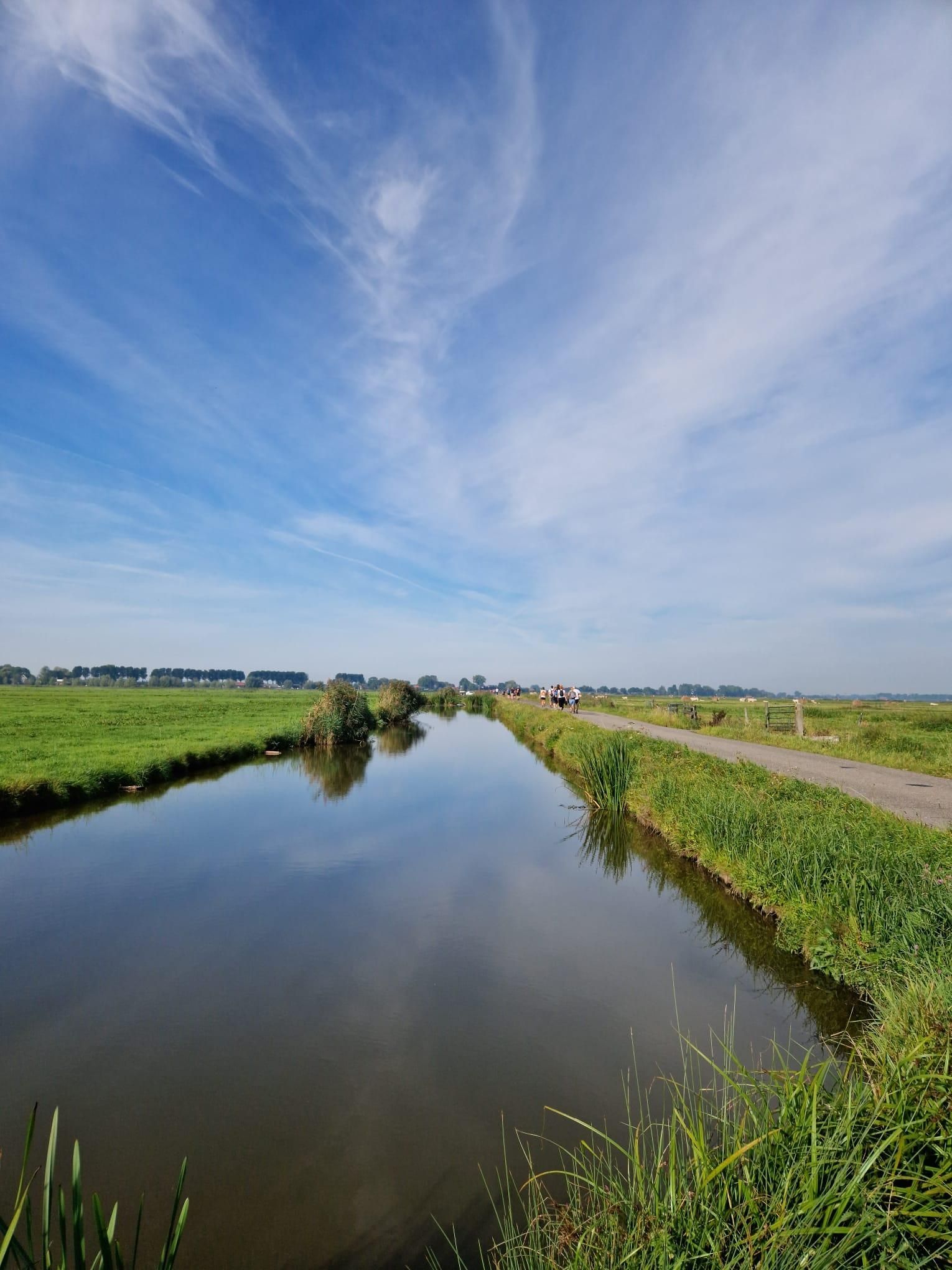
Below the waterline of the Sint-Elisabethsvloed – Biesboschpad
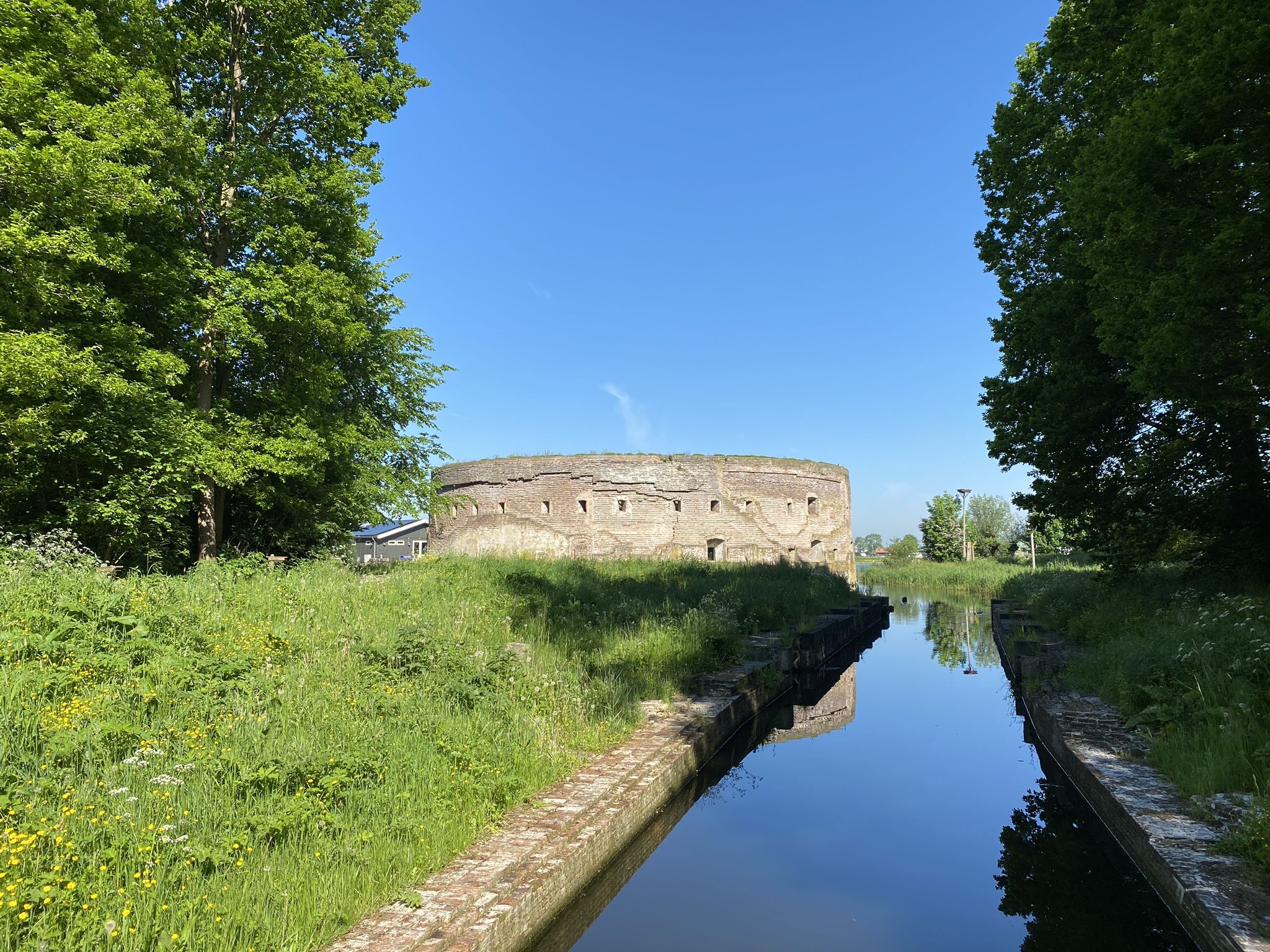
History and Nature – walking the Waterliniepad
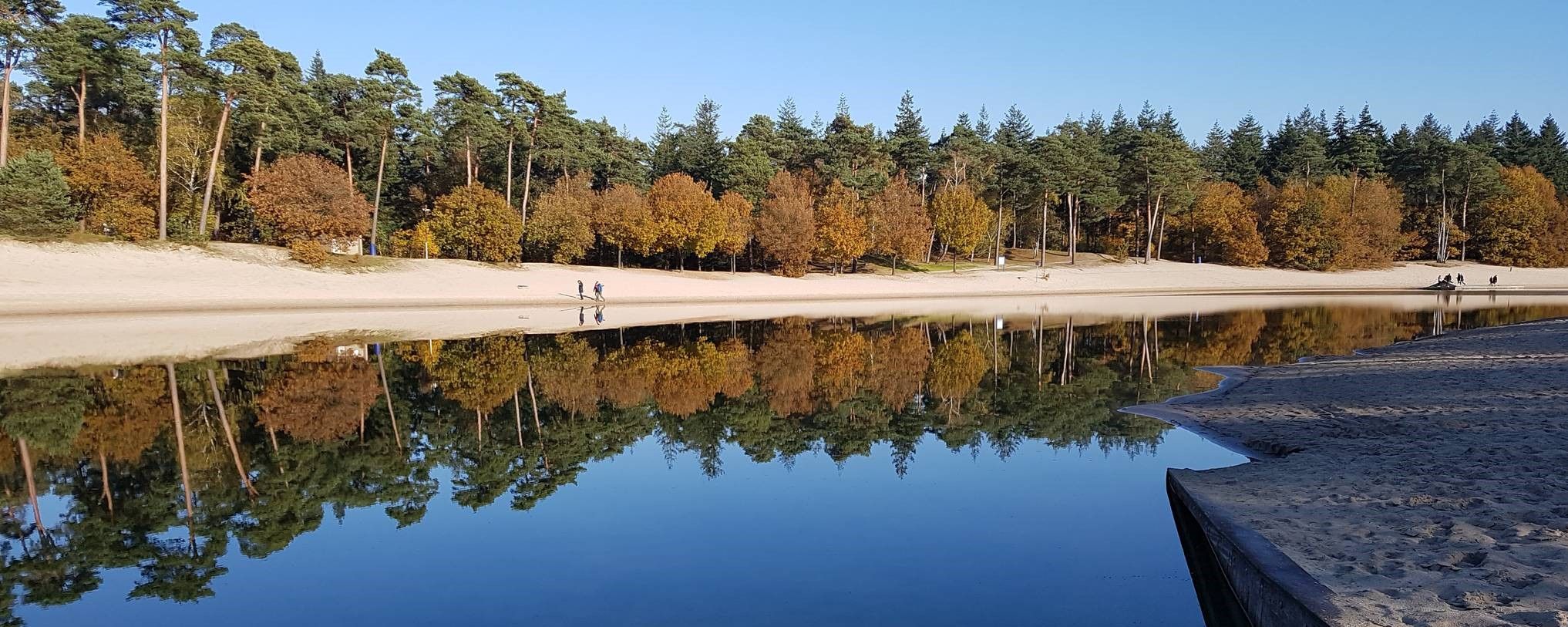
Hiking and swimming - Paths with a refreshing end
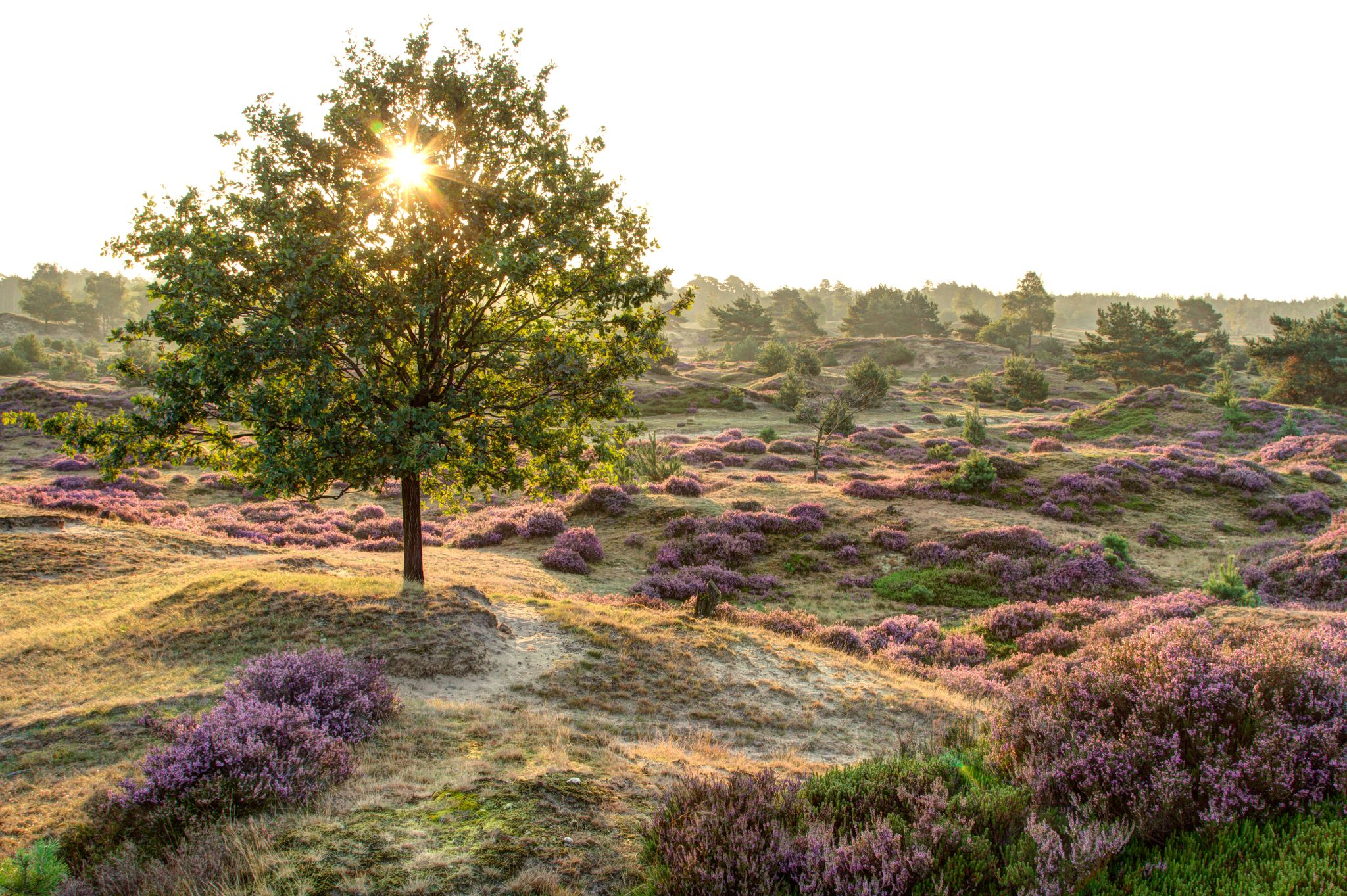
A complete hiking bucket list through every Dutch National Park
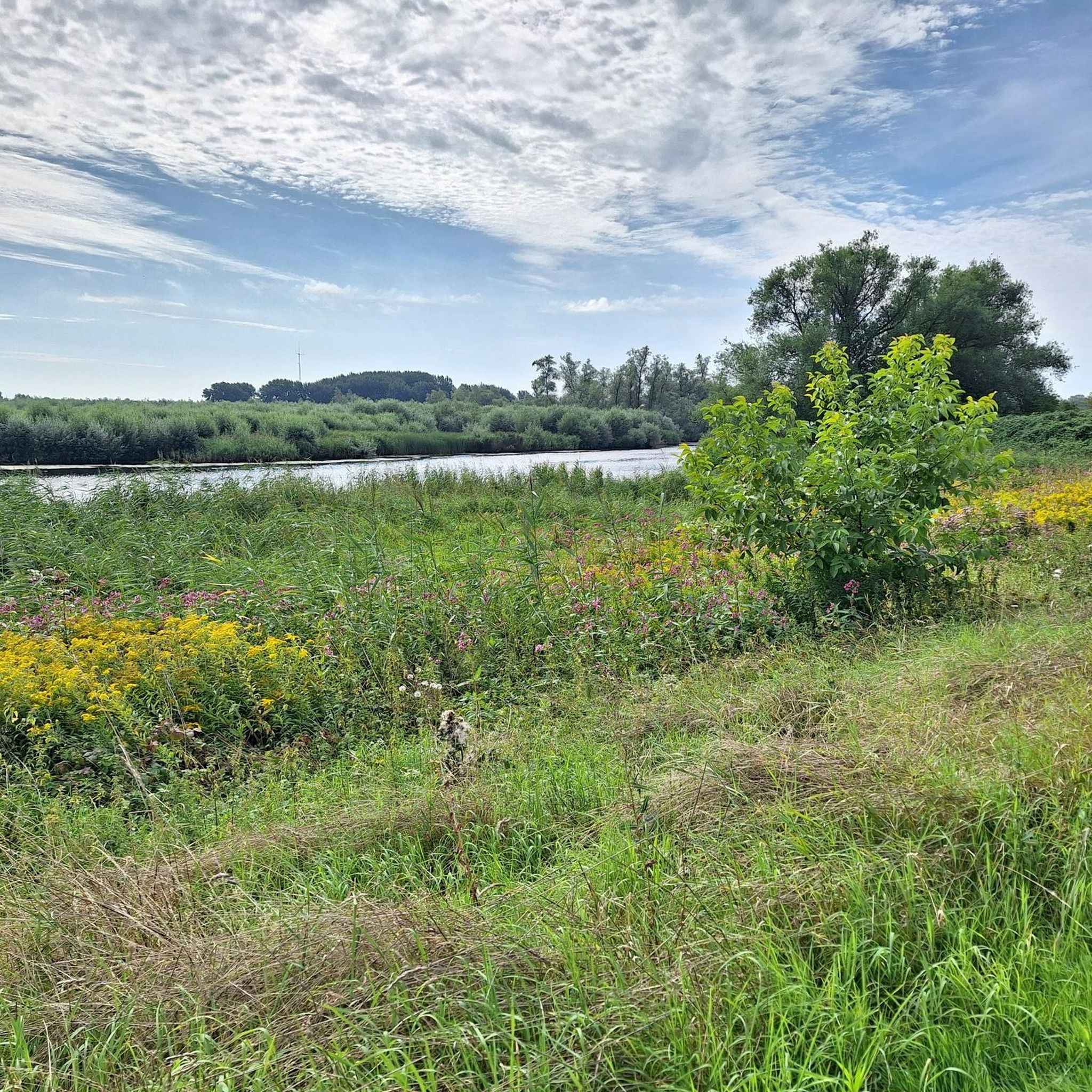
Hiking around De Biesbosch
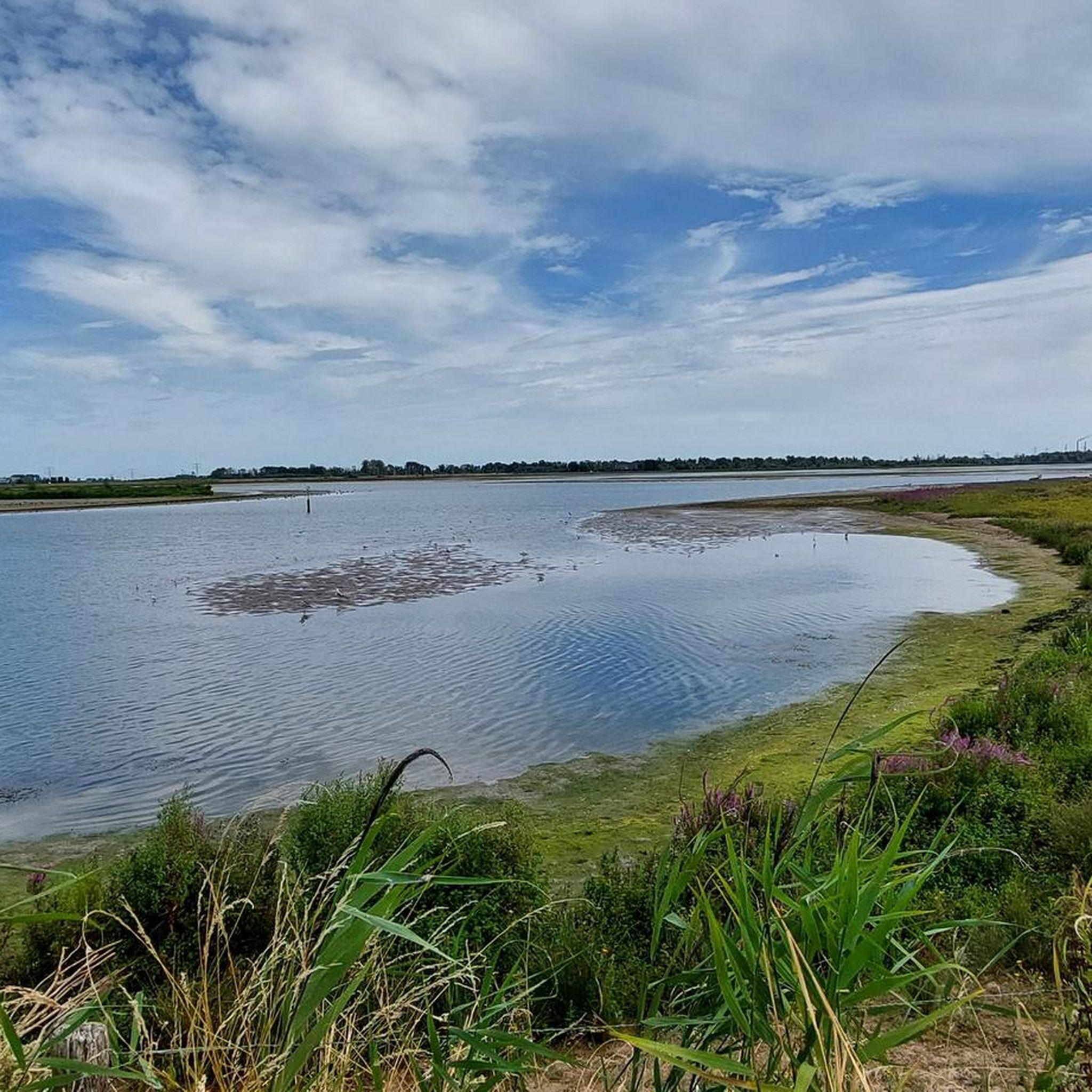
Cycling around De Biesbosch
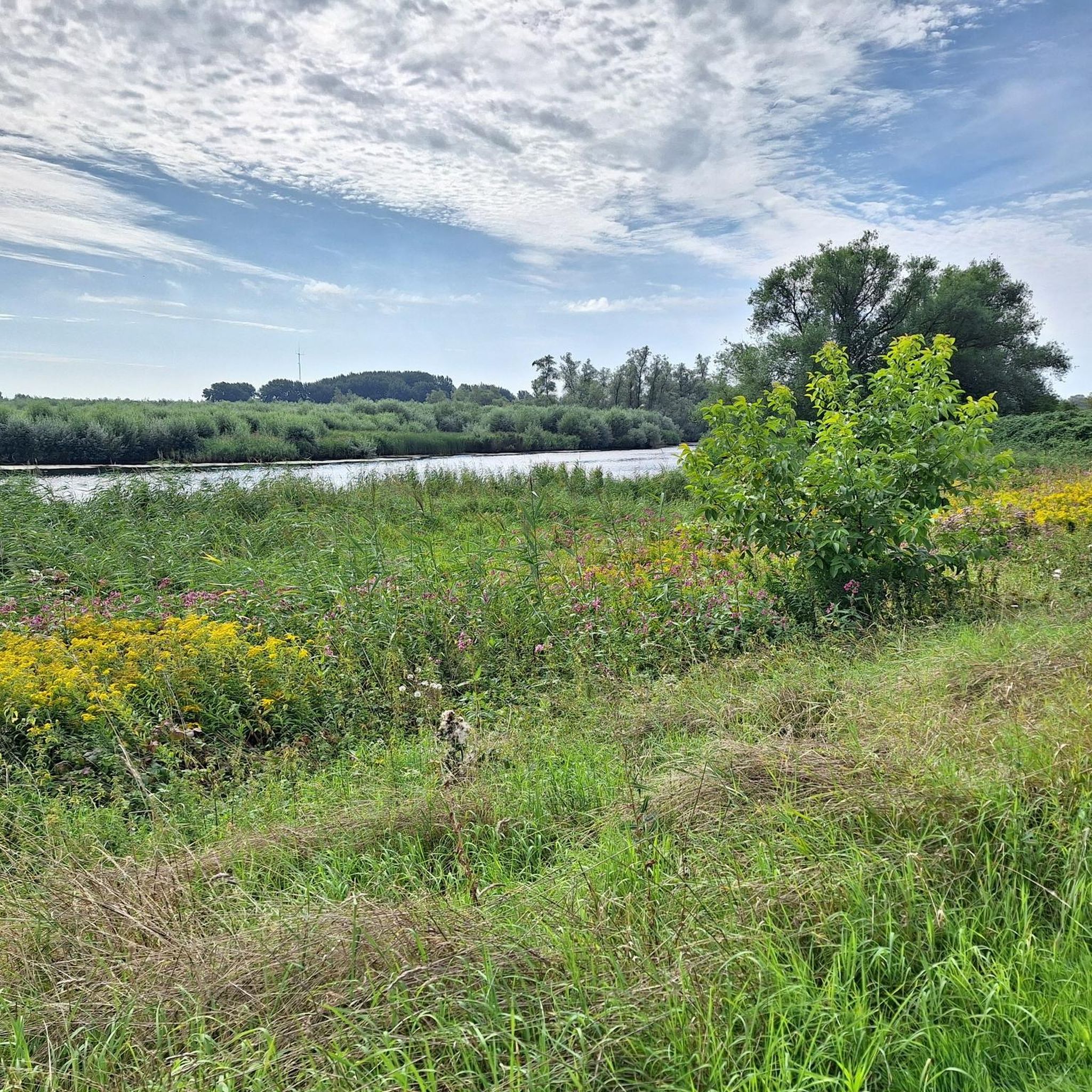
Road Cycling Routes around De Biesbosch
Running Trails around De Biesbosch
MTB Trails around De Biesbosch
Other adventures around De Biesbosch


Tips from the Community


There's plenty of flora and fauna to discover in the Biesbosch National Park. The park's museum and café are also a must-see. It's important to check the ferry service to Crezée in advance.
1
0

The Biesbosch Museum, located in the heart of the National Park, conveys the history, nature and culture of this unique river landscape and invites you to learn more about the ecological importance of the area.
0
0

Lovely place (I was halfway) to rest for a while and if you want to visit the museum, or take a boat trip through the Biesbosch.
2
0

National Park De Biesbosch is on the list of protected nature reserves. De Biesbosch is partly used for agriculture and there is a lot of (water) recreation. Specially constructed reservoirs provide for the storage of clean surface water. Since 1994, De Biesbosch has been a national park, where work is now in full swing to give more space to the rivers.
3
0

The (bicycle) ferry from Lage Zwaluwe runs all day until about half past six (with a break between a quarter past 1 and 2 o'clock). From there you will be treated to a beautiful wetland, outside the Wadden area, the Netherlands' most beautiful nature reserve, if I may say so. Enjoy the many birds and the diversity of (wet) nature. If you park your bicycle, you can also explore the area on foot; there are several lookout towers where you can secure your bicycle. At the end of the ride I set up my tent at the Knotwilg nature campsite. A hiker's field with a view over the water, great! There are also beautiful routes into the area from there. There is a mini lookout tower near the campsite, so you can enjoy a beautiful sunset.
5
0
With the (bicycle) ferry from Lage Zwaluwe you will be completely immersed in the most beautiful nature reserve in the Netherlands. Take your time for this part, there are various routes into the area!
3
1

Easy and fast drive to cross the river and that only for just 1€ including beautiful views !
5
0
Frequently Asked Questions
What kind of wildlife can I expect to see in De Biesbosch?
De Biesbosch is a haven for wildlife. You can spot iconic beavers, with guided beaver safaris available. Birdwatchers will be delighted by hundreds of species, including sea eagles, ospreys, kingfishers, and bluethroats. Deer and foxes also inhabit the area. The Jantjesplaat nature reserve is particularly known for its many water birds, and the De Biesbosch wetlands offer views of diverse birdlife.
What are the best ways to explore the natural landscapes of De Biesbosch?
Exploring the intricate network of rivers, streams, and willow forests is best done by boat or canoe. You can rent whisper boats or canoes, or join guided boat tours. Numerous routes for walking and cycling also crisscross the nature reserve, allowing you to immerse yourself in the diverse landscapes and spot wildlife. The De Biesbosch National Park is ideal for hiking, cycling, or canoeing.
Are there specific viewpoints or natural features worth visiting in the region?
Yes, De Biesbosch offers several excellent spots for panoramic views and nature observation. The Zuiderklip Observatory Tower, accessible by boat or canoe, is perfect for birdwatching. The Viewpoint Noordwaard provides elevated views of the wetland area, and the Tongplaat Hide is another great location for wildlife observation. The eastern part of the Sliedrechtse Biesbosch also features one of the last intact systems of river dunes in the Netherlands.
What cultural or historical sites can I visit in De Biesbosch?
The Biesbosch Museum Island is a key cultural site, offering insights into the park's history, ecology, and human interaction with the landscape, including the story of its creation after the St. Elizabeth flood of 1421. You can also visit authentic Griend Workers' Huts, which offer a glimpse into the lives of historical willow harvesters.
What outdoor activities can I do near these attractions?
Beyond exploring the attractions, De Biesbosch is excellent for various outdoor activities. You can find numerous running trails, including the easy Jantjesplaat Trail. For hikers, there are many easy routes like the Shortened walk Jantjesplaat. Cyclists can enjoy road cycling routes such as the Kooigat Wetlands and Windmills loop.
Are there family-friendly activities available in De Biesbosch?
De Biesbosch is very family-friendly. The Biesbosch Museum Island features an extensive exhibition and interactive models suitable for all ages. Exploring the waterways by whisper boat or canoe is a popular family activity. Many walking and cycling routes are also suitable for families, and the park's abundant wildlife, especially beavers and birds, provides engaging observation opportunities.
What is the best time of year to visit De Biesbosch?
De Biesbosch offers unique experiences throughout the year. Spring and summer are ideal for boating, cycling, and observing migratory birds and lush vegetation. Autumn brings beautiful colors to the willow forests and is excellent for birdwatching. Even in winter, the park has a serene beauty, with opportunities for quiet walks and spotting wintering birds, though some activities might be limited by weather conditions.
Are there accessible routes or facilities for visitors with limited mobility?
While the wild nature of De Biesbosch can present challenges, efforts have been made to improve accessibility. The New Merwede Ferry is wheelchair accessible, connecting different parts of the Biesbosch. Some visitor centers and parts of the Biesbosch Museum Island are designed to be accessible. It's advisable to check with specific visitor centers for detailed information on wheelchair-friendly paths and facilities.
Can I bring my dog to De Biesbosch?
De Biesbosch generally welcomes dogs, but specific rules may apply in certain nature reserves or on guided tours to protect wildlife. It's best to keep dogs on a leash, especially in areas with sensitive flora and fauna. Always check local signage or inquire at visitor centers for the most current regulations regarding dog access in specific areas or on trails.
Where can I find information and start my visit to De Biesbosch?
Key access points and information centers include the Biesbosch Museum Island in Werkendam, Biesboschcentrum Dordrecht, and Biesboschcentrum Drimmelen. These centers offer maps, information, boat rentals, and serve as starting points for various excursions into the park.
What makes De Biesbosch a unique natural area?
De Biesbosch is unique as one of Europe's largest freshwater tidal wetlands, often described as a 'delta jungle'. Its defining characteristic is the freshwater tidal movement, which creates a dynamic landscape of waterways, islands, and mudflats. This rare ecosystem supports diverse flora and fauna, including extensive willow forests and a vast network of creeks, making it a truly special natural reserve.
Most popular routes around De Biesbosch
Most popular attractions around De Biesbosch

Get inspired with the komoot mobile app


Explore more
Still not found the Highlight you’re looking for? See guides of the top attractions in other regions:
