Attractions and Places To See around Park Narodowy Bory Tucholskie - Top 20
Best attractions and places to see around Park Narodowy Bory Tucholskie are characterized by vast pine forests, numerous lakes, and unique natural features. This national park, spanning over 4,500 hectares, is located in the Pomeranian Voivodeship. It features diverse landscapes shaped by glacial activity, including rare lobelia lakes, peat bogs, and the Struga Siedmiu Jezior. Cultural sites like the Napoleonic Cross and ancient Stone Circles in Odry also add to the region's appeal.
Best attractions and places to see around Park Narodowy Bory Tucholskie
- The most popular attractions is Trail between Brda and Swornegacie, a cycle way that offers a beautiful cycling path in the Zaborski Landscape Park. It is a sensational, wide, and well-marked bike path.
- Another must-see spot is Charzykowy–Małe Swornegacie cycle path, a cycle way that runs between Małe Swornegacie and Charzykowy. Visitors can expect mostly easy riding, with occasional nice views of Lake Charzykowskie.
- Visitors also love Bartuś Oak, a natural monument estimated to be around 600 years old. This majestic tree stands at 25 meters high with a circumference of 718 cm, making it a significant natural landmark.
- Park Narodowy Bory Tucholskie is known for its extensive pine forests, unique lobelia lakes, and historical sites. The region offers a variety of attractions to see and explore, from ancient trees to educational trails and scenic viewpoints.
- The attractions around Park Narodowy Bory Tucholskie are appreciated by the komoot community, with 72 upvotes and 25 photos shared by visitors.
Last updated: May 17, 2026
Napoleonic Cross
Highlight • Monument
chojniczanin.pl/chojnickie-nekropolie-pozamiejskie-nieistniejace
Translated by Google •
Tip by

Lake Wielkie Gacno
Highlight • Lake
Translated by Google •
Tip by

Sign up now to discover places like this
Get recommendations on the best single tracks, peaks, & plenty of other exciting outdoor places.
Sign up for free
Trail between Brda and Swornegacie
Highlight (Segment) • Cycleway
In the Zaborski Landscape Park.
More information: pnbt.com.pl/historia_i_dziedzictwo_kulturowe-349, zaborskipark.pl and pl.wikipedia.org/wiki/Zaborski_Park_Krajobrazowy
Translated by Google •
Tip by

Bartuś Oak
Highlight • Natural Monument
Translated by Google •
Tip by

Charzykowy–Małe Swornegacie cycle path
Highlight (Segment) • Cycleway
Not always asphalted, but easy to ride.
Mostly next to the road, occasionally changes sides of the road.
Sometimes nice views of Lake Charzykowskie.
More information: pl.wikipedia.org/wiki/Jezioro_Charzykowskie
Translated by Google •
Tip by
Sign up for free to discover even more attractions around Park Narodowy Bory Tucholskie.
Sign up for free
Already have an account?
Start today with a free account
Your next adventure awaits.
Login or Signup
Popular around Park Narodowy Bory Tucholskie
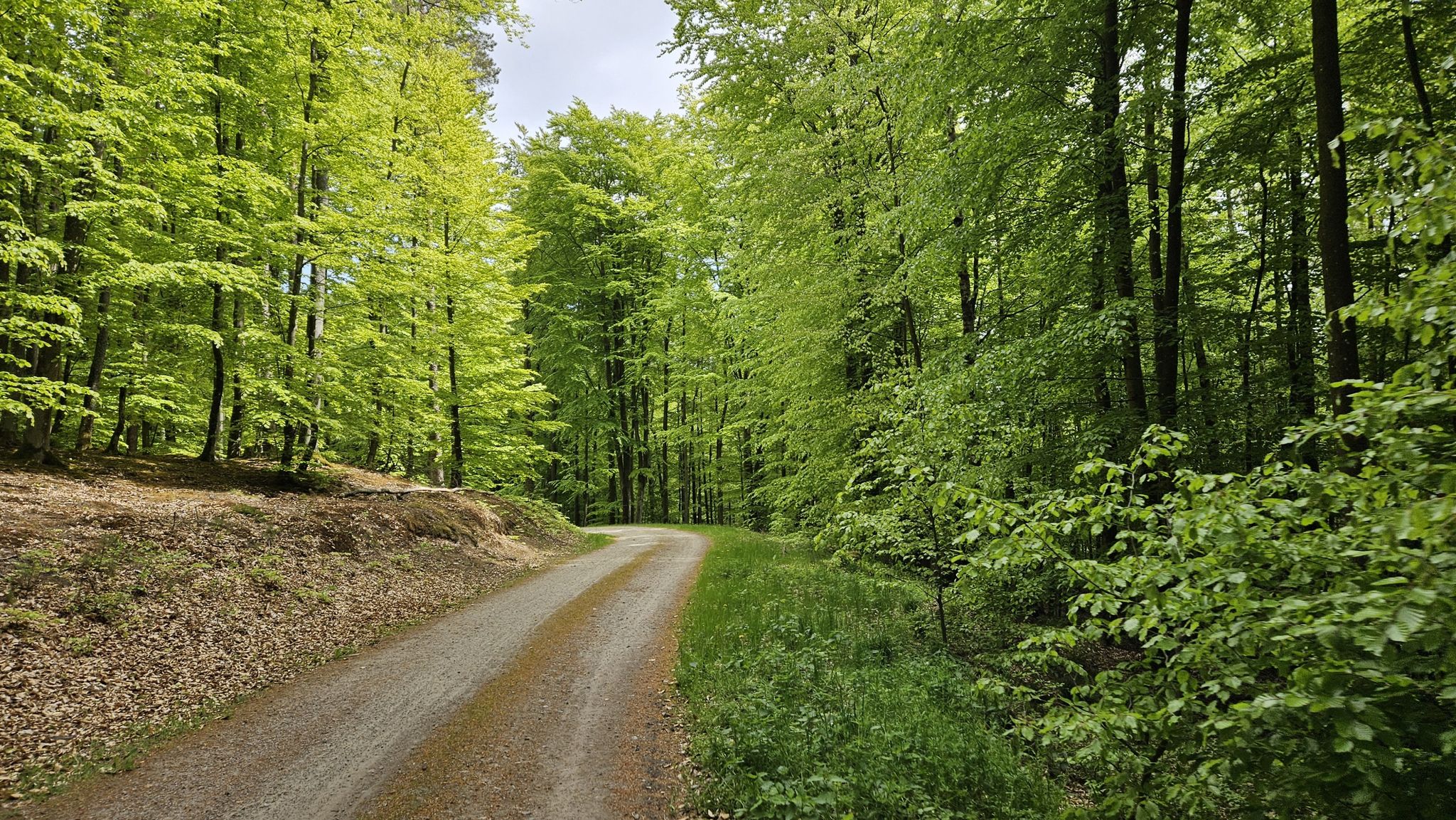
Kashubia, the Baltic and the forests of Pomerania - Wanoga Gravel
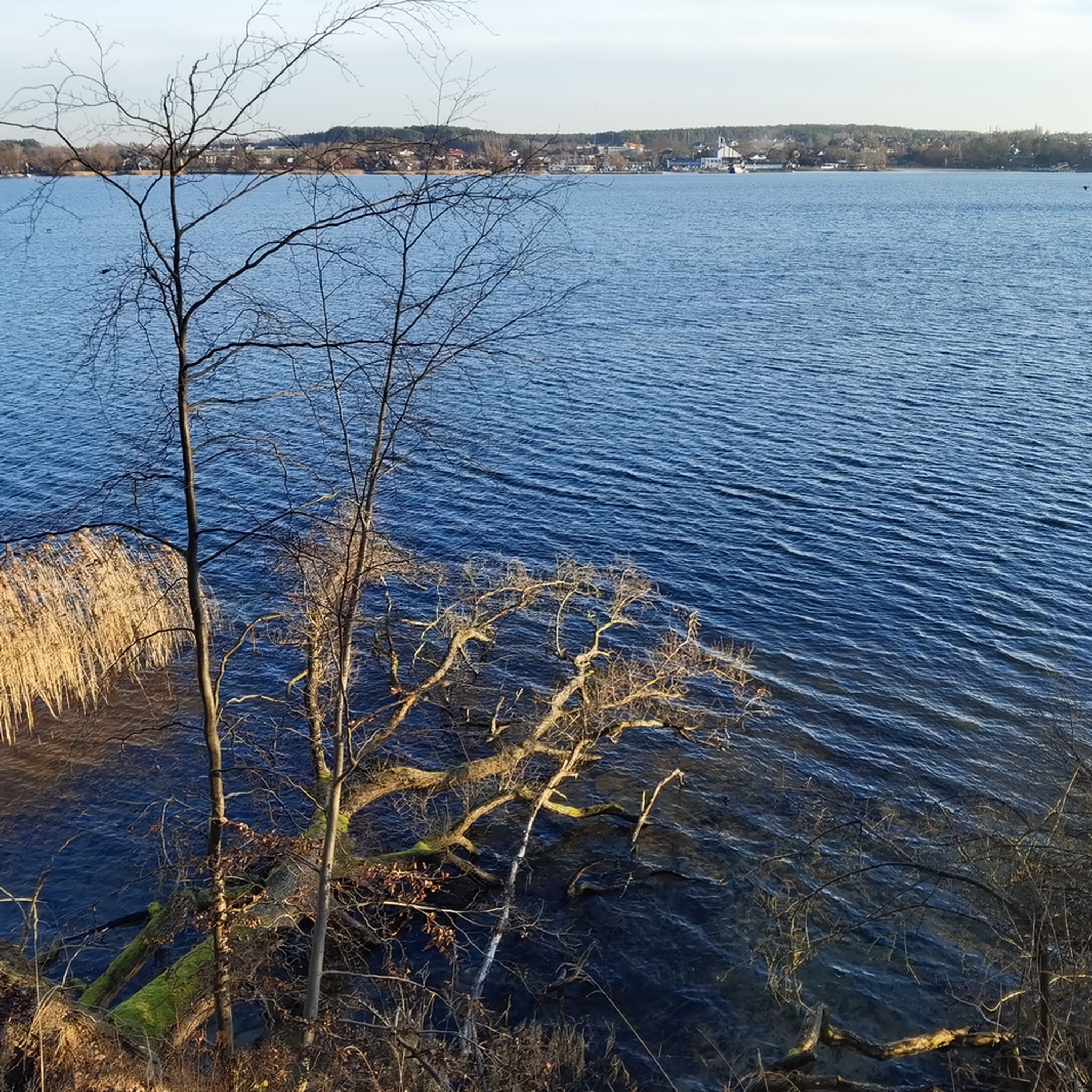
Hiking around Park Narodowy Bory Tucholskie
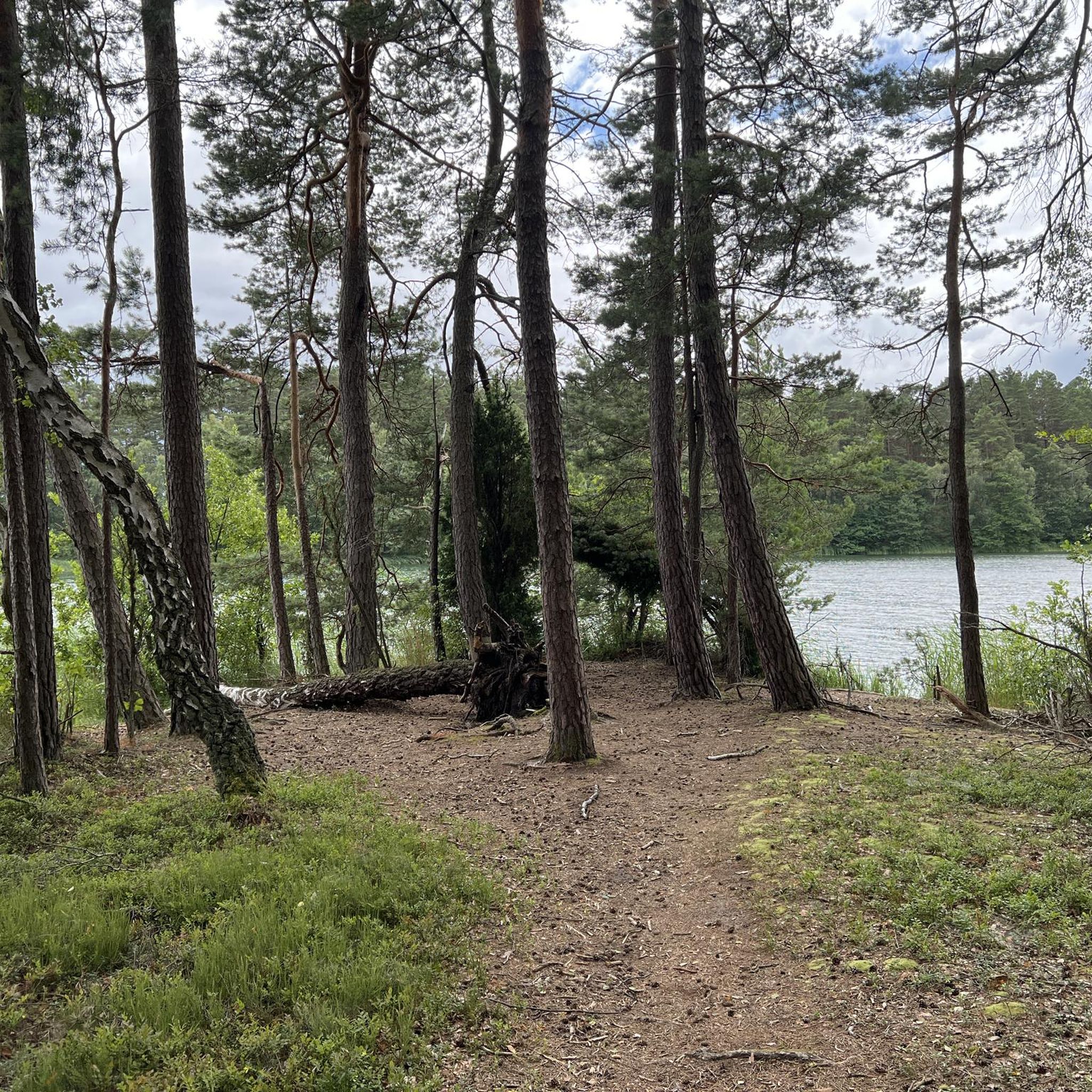
Cycling around Park Narodowy Bory Tucholskie
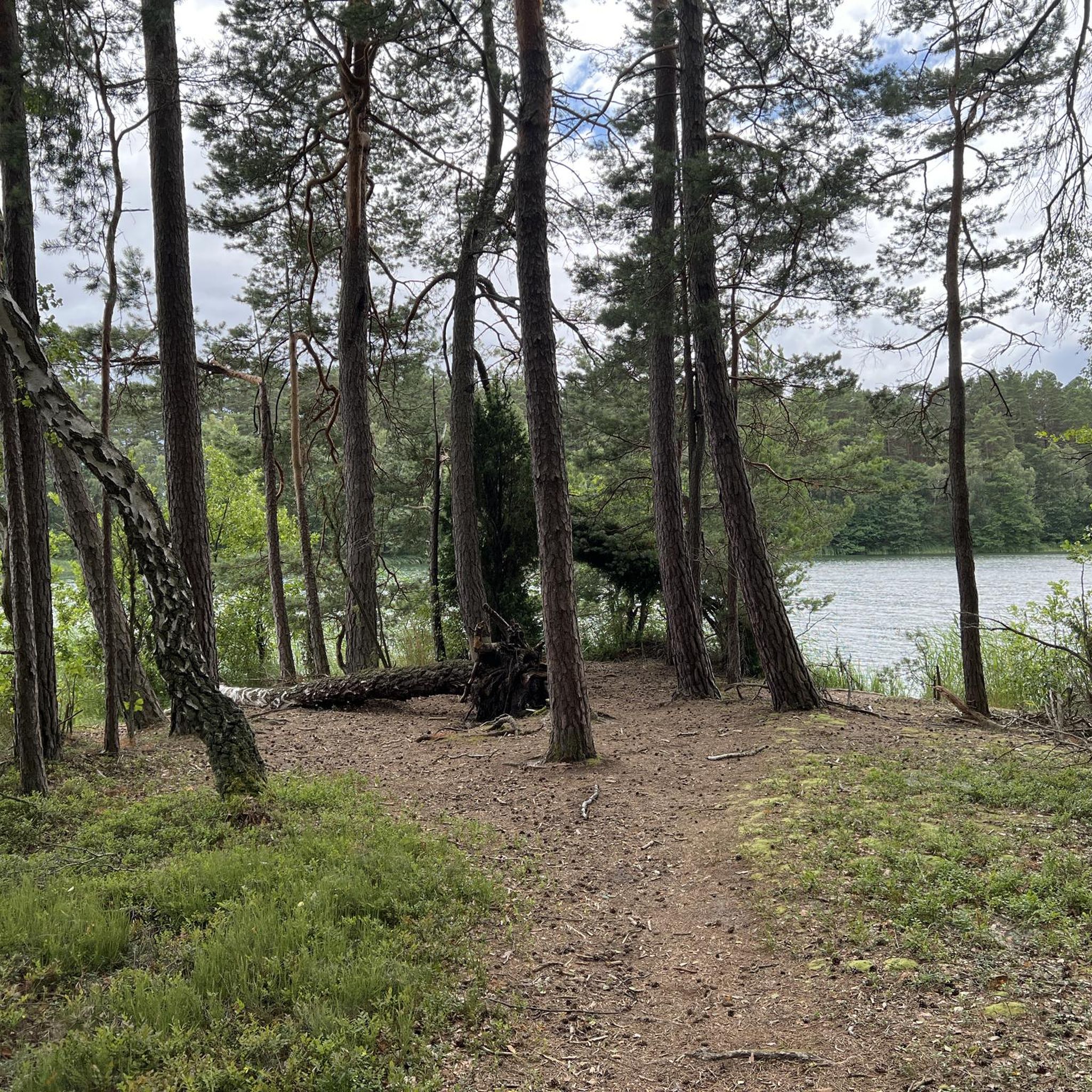
Road Cycling Routes around Park Narodowy Bory Tucholskie
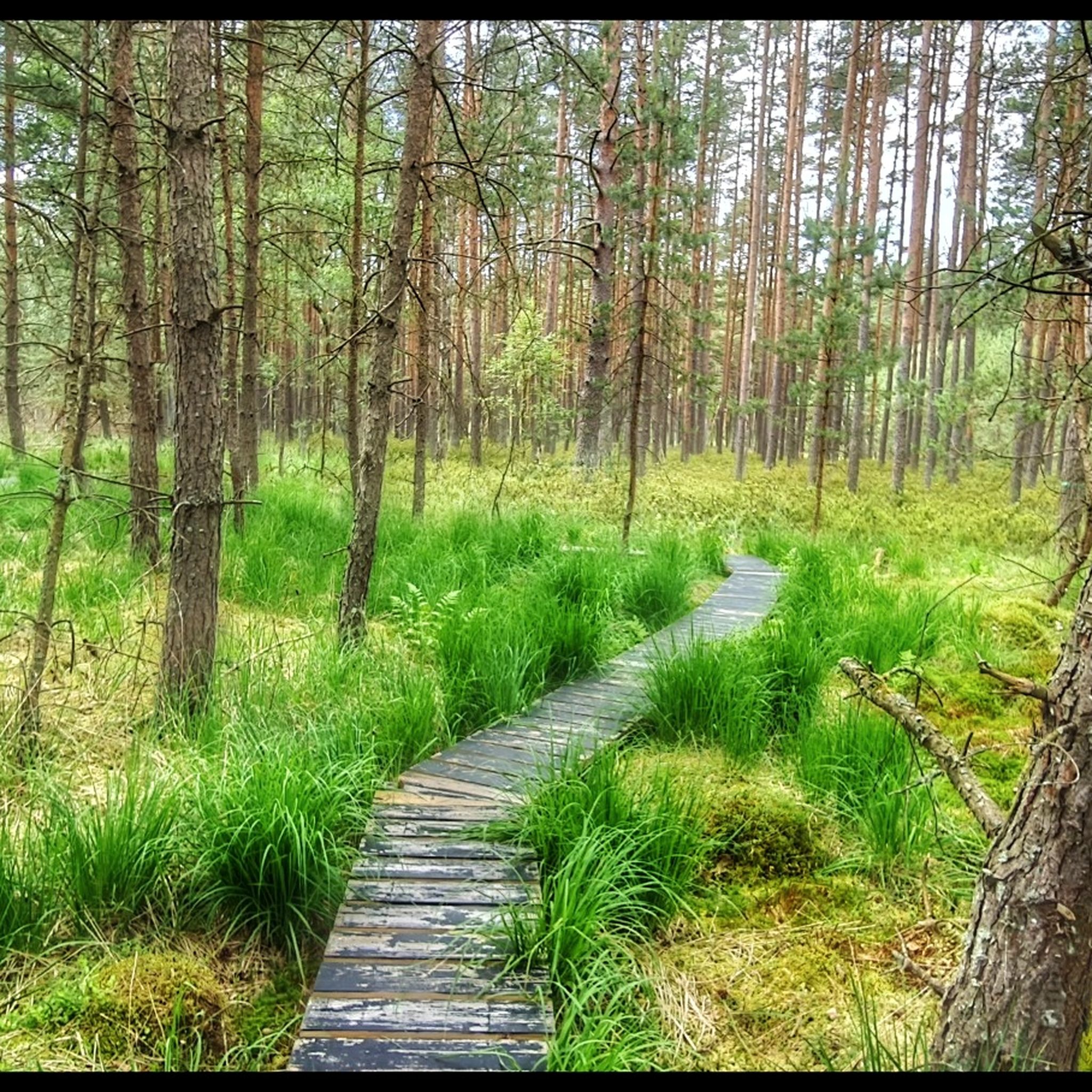
MTB Trails around Park Narodowy Bory Tucholskie
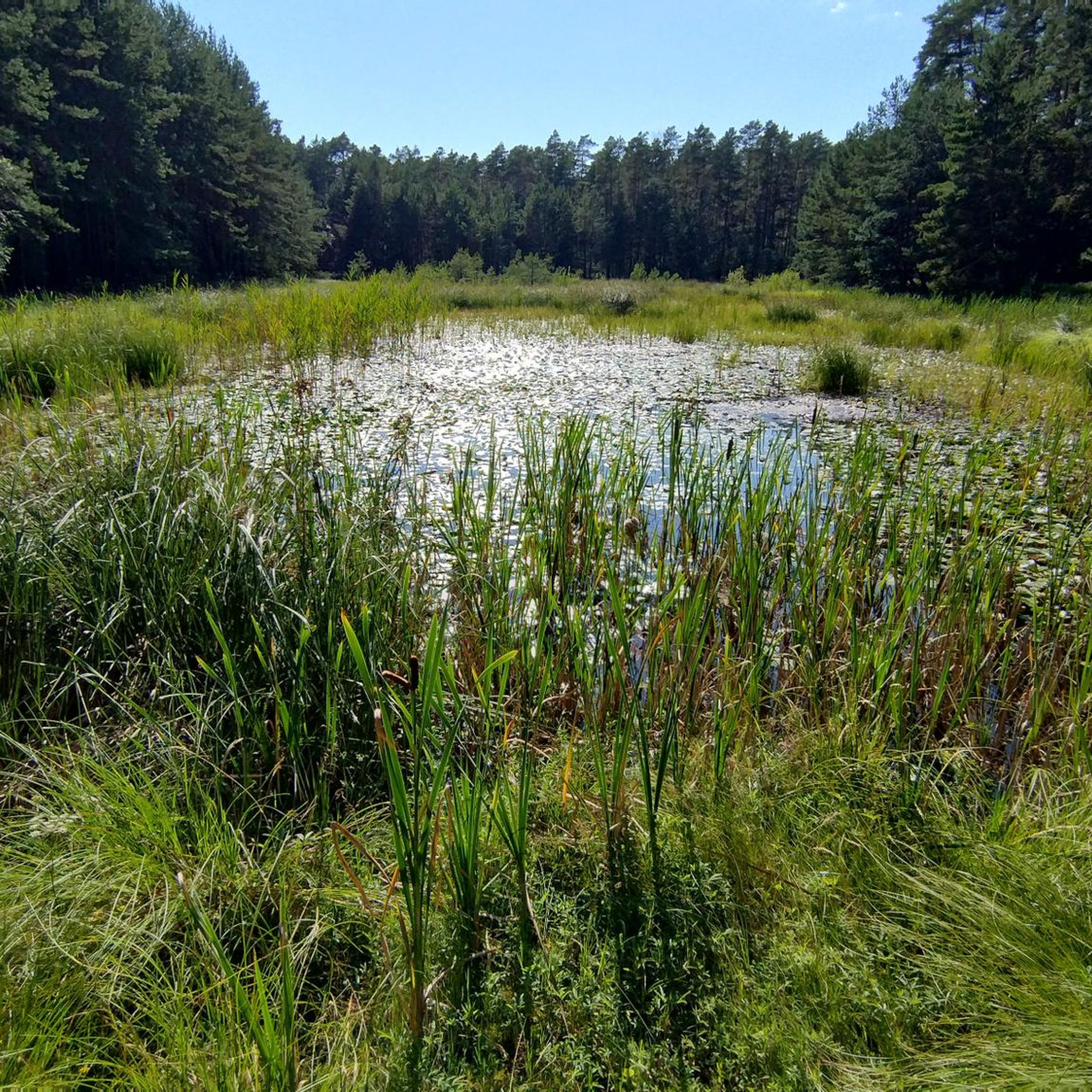
Running Trails around Park Narodowy Bory Tucholskie

Gravel biking around Park Narodowy Bory Tucholskie
Other adventures around Park Narodowy Bory Tucholskie

Tips from the Community

Kaszubska Marszruta is a network of over 165 km of marked cycle paths in the Tuchola Forest.
0
0
The pier has been renovated, still heart-shaped:)
0
0
Lake Wielkie Gacno is a unique lobelia lake in the Tuchola Forest, known for its clear waters and distinctive vegetation, such as lake lobelia and quillwort. Despite the lack of fish, it attracts tourists with a heart-shaped wooden pier and a 6.6-kilometer-long nature trail. Around the lake, visitors can observe rare plant species, as well as animals and birds.
0
0

A cool tourist attraction in the Tuchola Forest.
0
0

A very old tree and therefore a natural monument. Over 600 years old! - this one must have seen its day! It looks very majestic. Maybe, if you listen carefully, you will hear some words from a great sage?
0
0

The cross, erected by Egon Raszke, just outside the village of Bachorze, was excavated in 2010 by employees of the Tuchola Forest National Park, cleaned and preserved. After renovation, the cross was placed by the Piła Młyn educational trail. Since then, it has found a worthy place, and tourists visiting the Park are happy to stop by it. Maybe to pray or maybe for a moment of reflection. And it calmly guards the Tuchola Forest National Park. https://chojniczanin.pl/chojnickie-nekropolie-pozamiejskie-nieistniejace/
2
0
The history of the Napoleonic Cross is connected with the stay of Napoleon's troops in the Chojnice area. It is a wooden cross with a tin crucifix, located in the Tuchola Forest National Park, on the Pilska Road (the so-called cart route), connecting Drzewicz with Bachorze in the Chojnice commune. The original cross was erected by soldiers of Napoleon's army (including Polish legionnaires), who in 1812 were moving east on their way from Szczecinek, through Chojnice, Bachorze and Swornegacie towards Bytów. Some of them, a Polish unit, stopped to rest in Bachorze. These troops were welcomed enthusiastically. Slogans of freedom and throwing off the yoke of slavery resounded. Great hopes were placed in Napoleon, and the success of the expedition and the lives of the soldiers were entrusted to God's care. Among the soldiers was someone willing to make the cross. And since there were only pine trees around, it was carved from its wood. During a rest stop in Bachorze, together with local peasants, they erected a 5.60-meter-high pine cross. They cut out and hung a crucifix from sheet metal. There is no information about where the cross was originally erected, perhaps it was the Bachorze settlement or maybe on the cart route towards Swornegacie. According to the notes of the forester from Bachorze, Egon Raszke, it was brutally removed from its place after World War II. Unfortunately, it lay for a dozen or so years in not very good conditions, because half of the cross's over 5-meter length remained. In 1979 or 1980, in agreement with the parish priest in Charzykowy, two parishioners moved the cross to the Park area, to a dune in the forest, which was formed on an old fire protection strip (east of Bachorze). In 2008 it was removed and put into renovation, because its technical condition was very poor. An oak copy of the cross was made in 1982 by Stefan Jażdżewski, commissioned by forester Egon Raszke. He believed that the cross, or rather its replica, should stand in the village of Bachorze. He took care of the matter himself. He found a carpenter who made a replica of the Napoleonic Cross. The hostility of the residents of the village of Bachorze resulted in the replica being dug up behind the village of Bachorze, right by the road, on a small hill. https://chojniczanin.pl/chojnickie-nekropolie-pozamiejskie-nieistniejace/
2
0
The tree is not impressive, but the area where it stands is. And of course the age of the plant:)
0
0
Frequently Asked Questions
What unique natural features can I explore in Park Narodowy Bory Tucholskie?
The park is renowned for its rare lobelia lakes, characterized by crystal-clear, acidic waters and unique flora like lake lobelia and quillwort. Lake Wielkie Gacno is a prime example, featuring a heart-shaped wooden pier and a nature trail. You can also discover the Struga Siedmiu Jezior, a 14 km long stream connecting seven lakes, and vast pine forests. Don't miss the impressive Bartuś Oak, a natural monument estimated to be around 600 years old.
Are there any historical or cultural sites to visit in the area?
Yes, the region offers several historical and cultural points of interest. You can visit the Napoleonic Cross near Bachorze, believed to be a replica of a crucifix placed by Polish legions in 1812. Additionally, the ancient Stone Circles in Odry, located around the park, are significant cultural attractions constructed by Goths between the 1st and 3rd centuries AD.
What kind of cycling paths are available around Park Narodowy Bory Tucholskie?
The area boasts excellent cycling infrastructure. Popular options include the Trail between Brda and Swornegacie, a sensational, wide, and well-marked bike path in the Zaborski Landscape Park. Another great choice is the Charzykowy–Małe Swornegacie cycle path, offering mostly easy riding with occasional nice views of Lake Charzykowskie. Various other cycling routes, such as segments of the Kaszubska Marszruta, are also available.
Are there family-friendly attractions or activities in Park Narodowy Bory Tucholskie?
Absolutely! Many attractions are suitable for families. The educational trails like Piła Młyn and Łąki Józefowskie offer engaging walks through nature. The Lake Wielkie Gacno with its heart-shaped pier and nature trail is also a great spot for families. The cycling paths, such as the Charzykowy–Małe Swornegacie cycle path, are generally easy to ride and provide scenic views for all ages.
What are the best viewpoints in the park area?
A notable viewpoint is located on the high, northeastern bank of Lake Charzykowskie, offering scenic vistas and easily accessible from a nearby parking lot. Additionally, the nature trails often lead to picturesque spots, such as the resting place and viewpoint at Lake Wielkie Gacno, which features a beautiful footbridge.
What outdoor activities can I do near these attractions?
Beyond exploring the attractions, you can enjoy a variety of outdoor activities. The region is excellent for cycling, with numerous paths like the Trail between Brda and Swornegacie. There are also extensive hiking trails, including segments of the red Kashubian Trail and the green Struga Seven Lakes Trail. For more specific routes, you can explore running trails, road cycling routes, and MTB trails around the park.
Are there specific hiking trails recommended for exploring the park's nature?
Yes, the park offers over 45 km of hiking trails. Educational trails like Piła Młyn (Blue Trail), starting in Bachorze, highlight rare lichens and unique plants, passing by the Napoleonic Cross and several lakes. The Łąki Józefowskie (Red Trail) allows for observation of diverse ecosystems, including forests and meadows, near Lake Ostrowite. The Pętla "Lipnickiego" explores a reclaimed peat extraction area.
What is the best time to visit Park Narodowy Bory Tucholskie?
The park offers beauty throughout the year, but the best time to visit largely depends on your preferred activities. Spring and autumn provide pleasant temperatures for hiking and cycling, with vibrant foliage in autumn. Summer is ideal for water-based activities on the lakes and enjoying the extensive pine forests. The park's diverse flora and fauna can be observed across different seasons.
What do visitors enjoy most about the attractions around Park Narodowy Bory Tucholskie?
Visitors frequently praise the serene natural environment, the crystal-clear waters of the lobelia lakes, and the extensive, well-maintained trails for cycling and hiking. The ancient Bartuś Oak is often highlighted for its majestic presence, and the cycling paths like the Trail between Brda and Swornegacie receive high marks for their quality and scenic beauty.
Are there any rare plants or wildlife to look out for in the park?
The park is rich in biodiversity. Keep an eye out for rare plant species such as sundew and clubmoss, particularly around the peat bogs. The unique lobelia lakes are home to lake lobelia and quillwort. Wildlife includes deer, bucks, wild boars, and various bird species like cranes and eagles. Wolves are also present in the area.
Are there any specific regulations or permits required to visit Park Narodowy Bory Tucholskie?
For detailed information on current regulations, entry fees (if any), and permit requirements for specific activities within the national park, it is best to consult the official park website: pnbt.gov.pl. This will ensure you have the most up-to-date information for your visit.
Most popular routes around Park Narodowy Bory Tucholskie
Most popular attractions around Park Narodowy Bory Tucholskie

Get inspired with the komoot mobile app


Explore more
Still not found the Highlight you’re looking for? See guides of the top attractions in other regions:
