The best running trails around Białowieski Park Narodowy
4.8
(11)
643
runners
18
runs
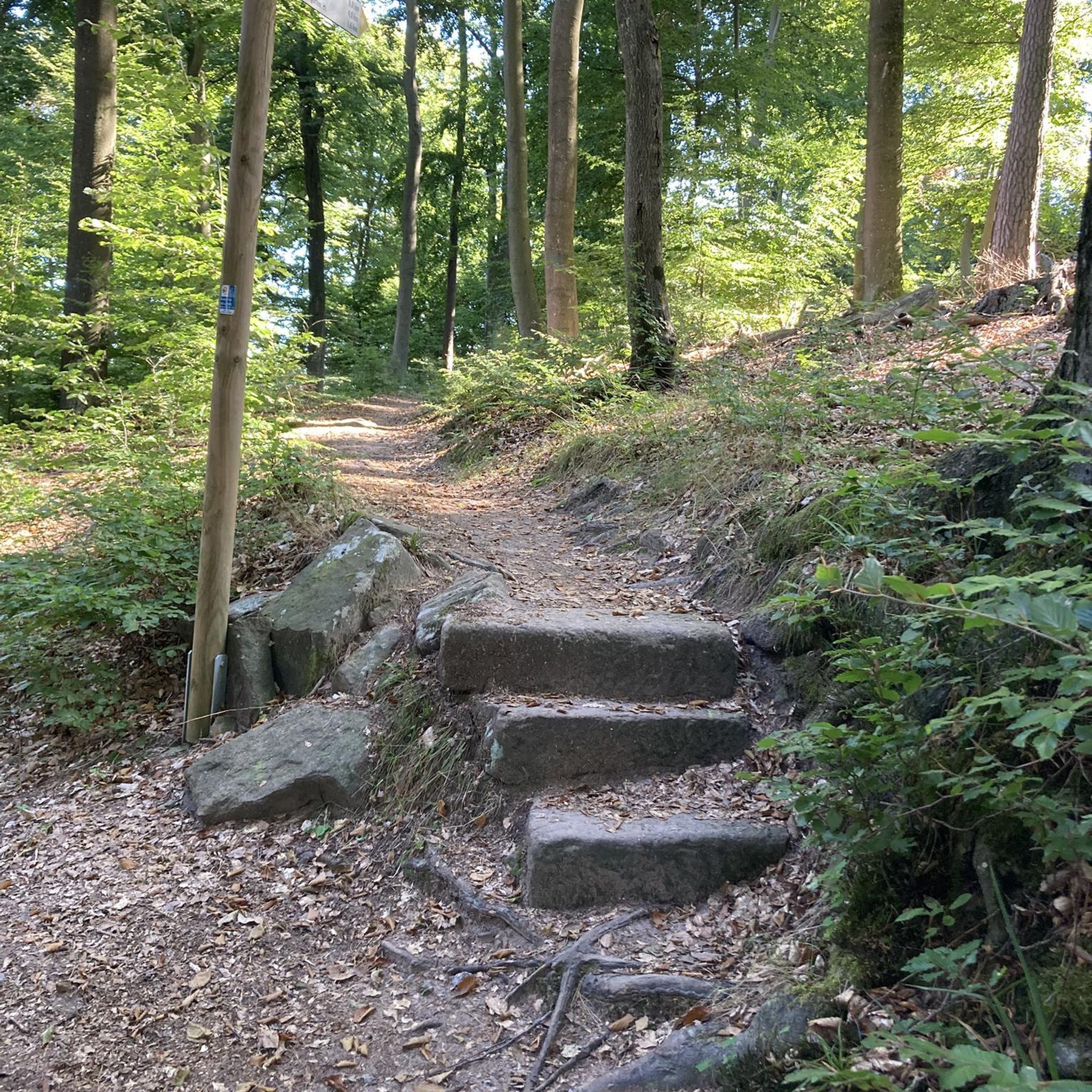
Jogging around Białowieski Park Narodowy offers an opportunity to explore one of Europe's last primeval forests. The region is characterized by ancient woodlands, dense forest paths, and gentle rolling terrain. These running routes provide access to diverse natural environments within the park and its surroundings. The landscape is predominantly flat to gently undulating, making it suitable for various running abilities.
Best jogging routes around Białowieski Park Narodowy
- The most popular jogging route is Wooden Crosses Memorial loop from gmina Hajnówka…
Last updated: May 15, 2026
5.0
(1)
12
runners
11.2km
01:13
50m
50m
Moderate run. Good fitness required. Mostly paved surfaces. Suitable for all skill levels.
15
runners
8.30km
00:51
30m
30m
Moderate run. Good fitness required. Mostly paved surfaces. Suitable for all skill levels.

Sign up for free
6
runners
9.12km
00:59
30m
30m
Moderate run. Good fitness required. Mostly paved surfaces. Suitable for all skill levels.
7
runners
15.6km
01:43
70m
70m
Hard run. Very good fitness required. Mostly paved surfaces. Suitable for all skill levels.
7
runners
Moderate run. Good fitness required. Mostly paved surfaces. Suitable for all skill levels.
Get access to more routes and recommendations from other explorers.
Sign up for free
Already have an account?
Our route recommendations are based on thousands of hikes, rides, and runs completed by other people on komoot.
Start today with a free account
Your next adventure awaits.
Login or Signup
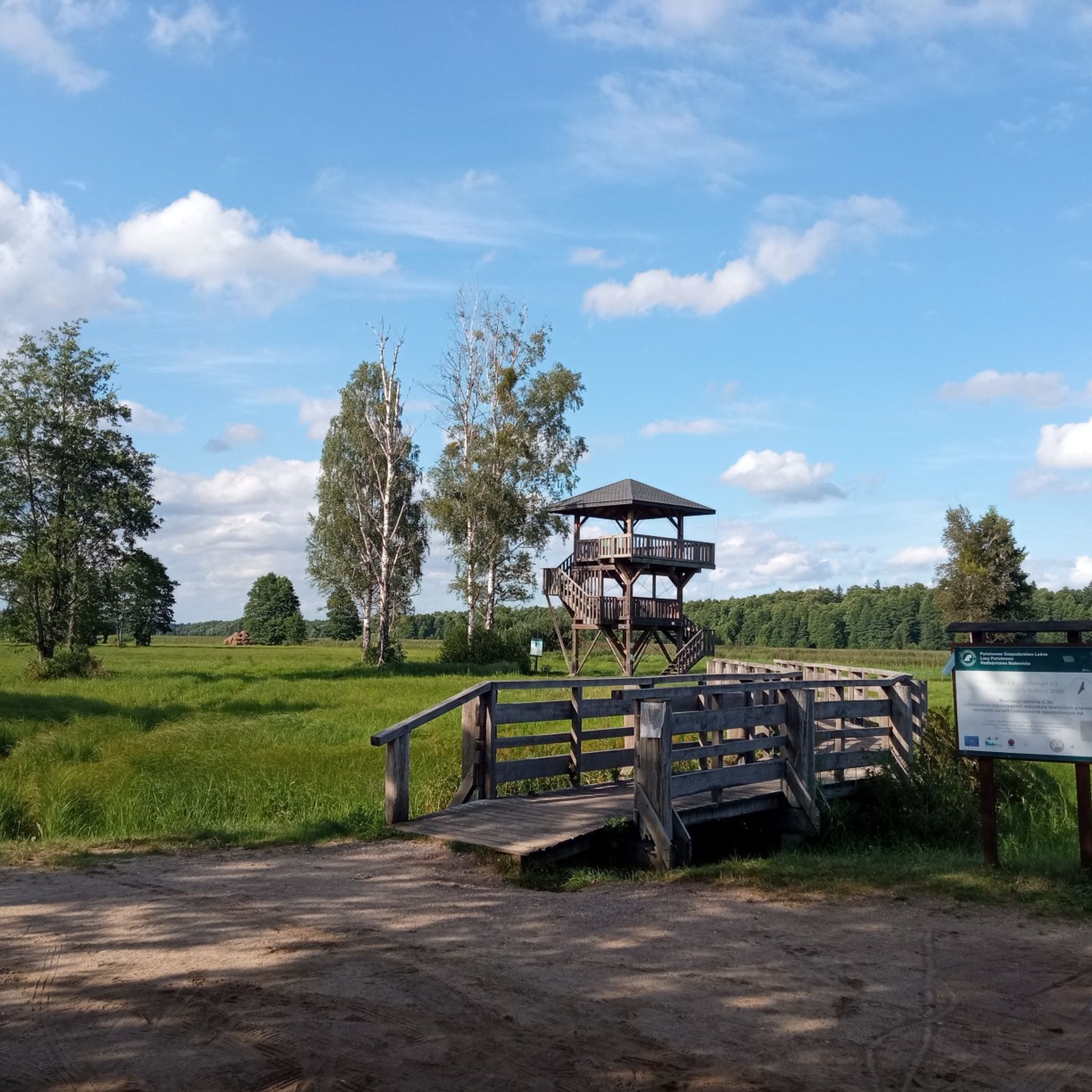
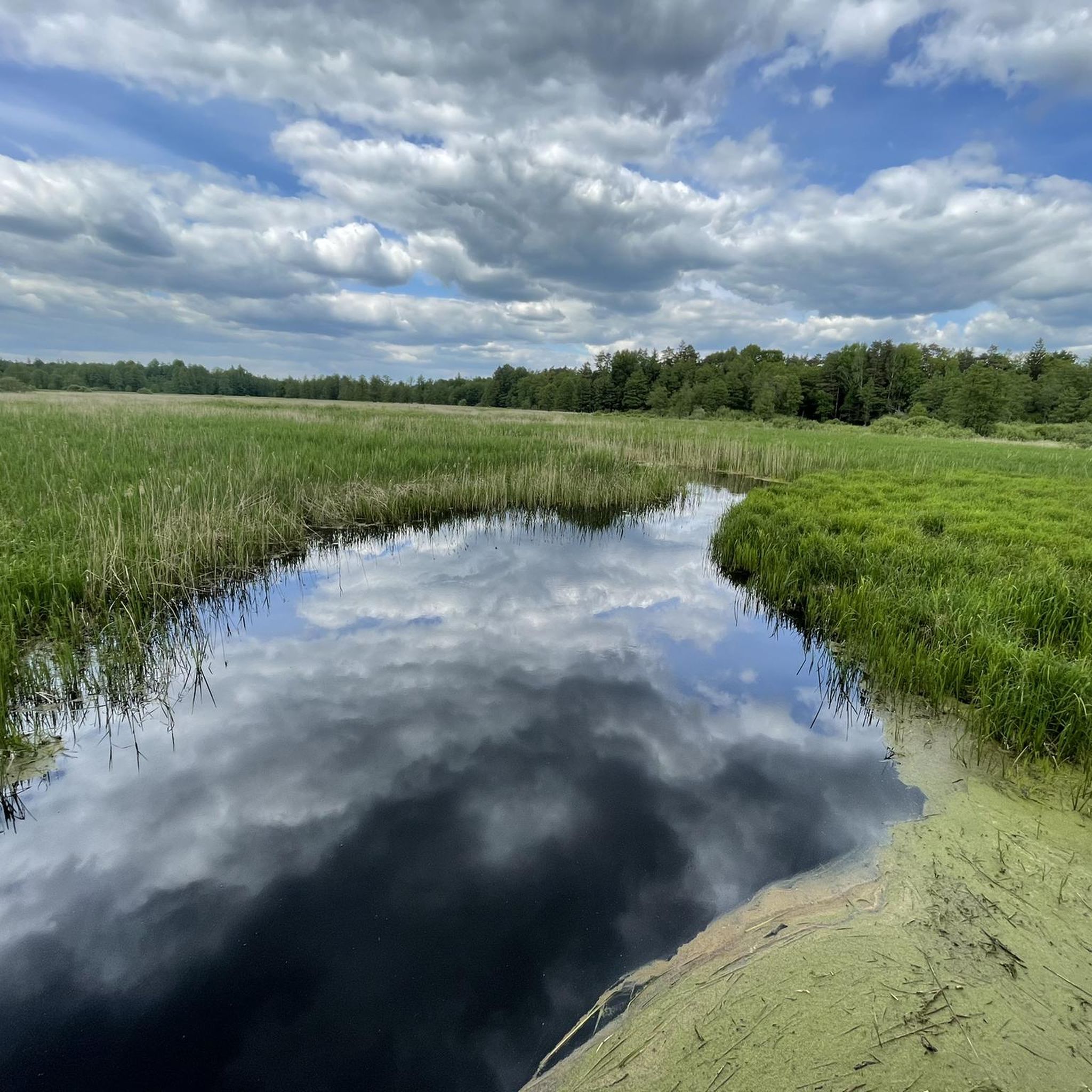
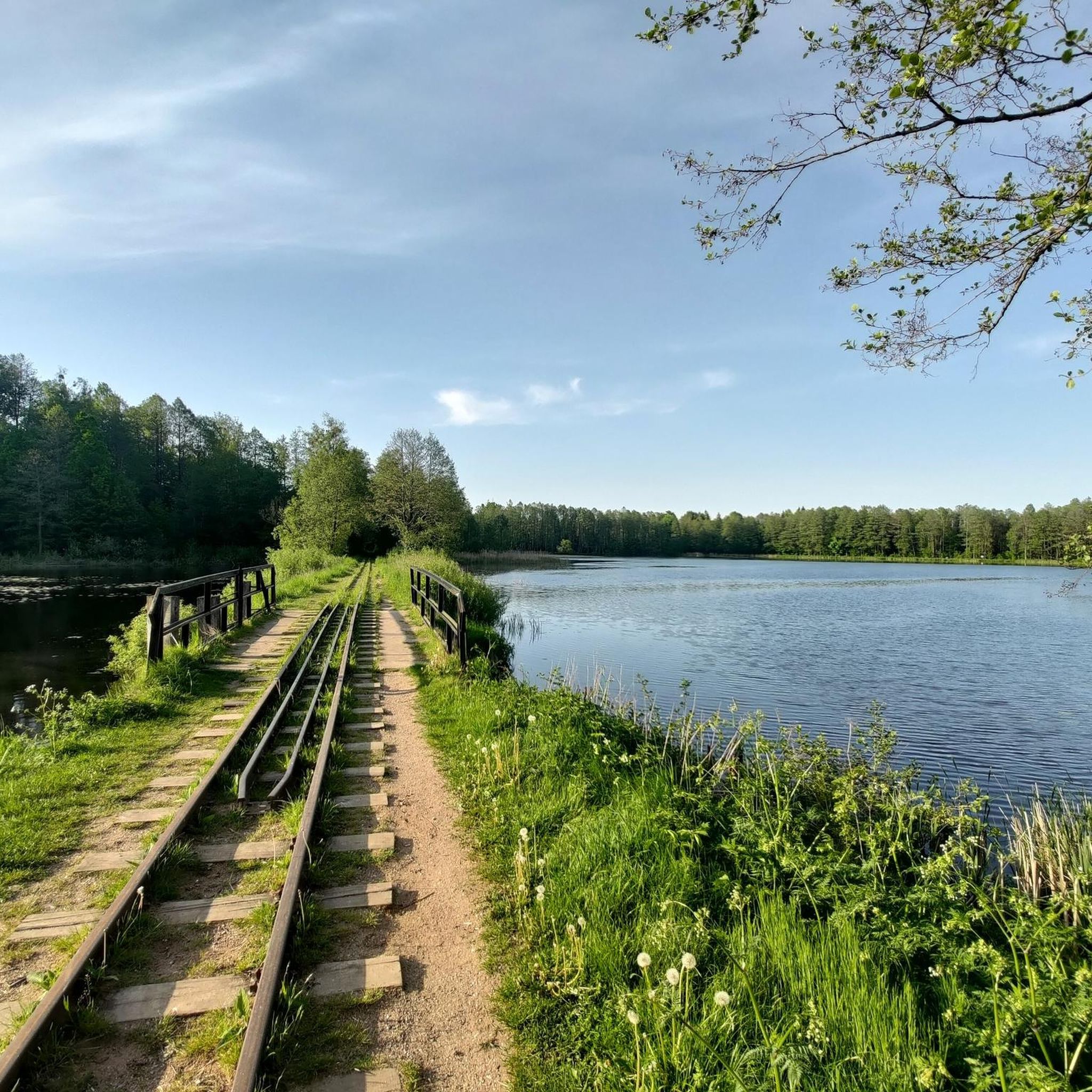
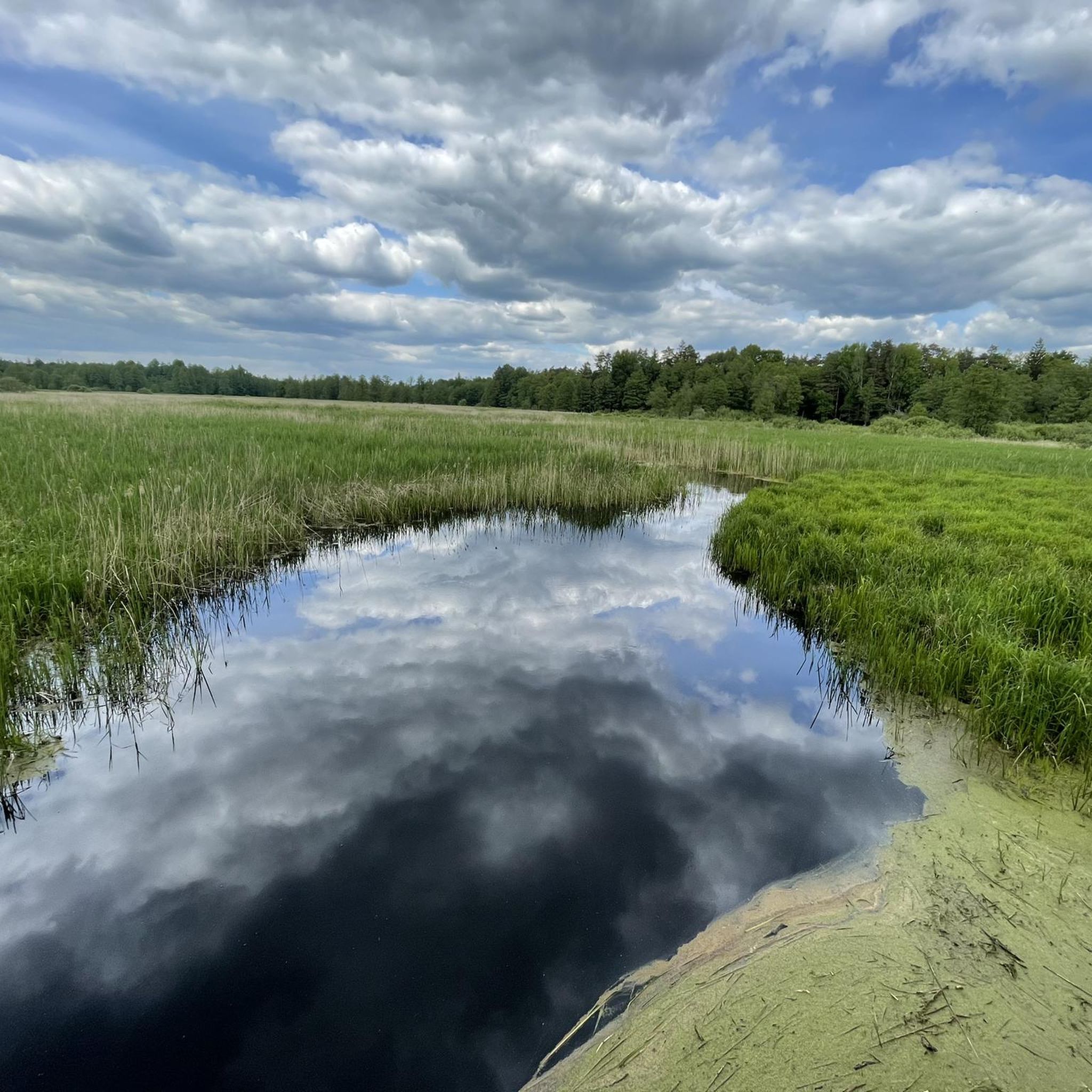
Tips from the Community

It is wonderful that after so many years the memory of this extraordinary girl has been restored...
0
0
The Danuta Siedzikówna Monument in Gruszki – a monument commemorating Danuta Siedzikówna Inka, a nurse in the Polish independence underground. https://pl.wikipedia.org/wiki/Pomnik_Danuty_Siedzik%C3%B3wny_w_Gruszkach
0
0

Beautiful old Orthodox church next to the entrance gate to the Palace Park.
0
0

The Białowieża-Towarowa station building, built to serve the Tsar's residence, is one of the few very well-preserved buildings of this type in the Podlaskie province. The fact that it was built on the grounds of the private residence of the Russian Tsars determined that it was given an exceptionally representative character. After an exemplary renovation, the station was awarded the title of the General Conservator of Monuments in the 2004 edition of the competition called Zabytek Zaddani. The building has artistic values referring to the richly decorated Russian railway construction of the turn of the 19th and 20th centuries. The carpentry decorations of the gables and window frames refer to the residential construction of Russia and the so-called Swiss villas (Swiss style) popular in European health resorts at that time.
0
0
Immediately after its construction, in the 19th century, the church was widely considered (by the press of the time) to be the most beautiful in the entire Grodno Governorate. Its historical values are associated with the patrons and founders of the church - the royal family. The building was funded and built under the personal supervision of Tsar Alexander III, it was visited by the most distinguished state dignitaries and clergy, and was and is the place of important religious and secular ceremonies.
1
0

A very interesting, beautiful, wooden covered bridge over the Narewka River, leading to the famous Palace Park, with beautiful views of the river.
0
0

St. Nicholas Church in Białowieża. According to local accounts, a small church existed in Białowieża as early as the 17th century, but it was burned down along with the village during the plague of 1710. These accounts locate the church on the Brov Road. The only surviving relic of it is said to be a bell from 1661, located in the cemetery chapel. Unfortunately, there is no confirmation of this information in known written sources. Initially, the Białowieża residents were assigned to the parish church in Shereshevo, which received funds and privileges from Ivan Abramovich as early as 1517. After the construction of the church in Suchopol in 1680 and the establishment of the Suchopol parish, they transferred to it. In 1704, the Białowieża manor received the right to collate and present the Suchopol priests from King Augustus II. Białowieża's affiliation with the Suchopol parish is confirmed by visitations from 1748, 1757, and 1769. In 1757, it had 733 faithful, including 83 from Białowieża. In 1769, the parish had 251 families – 23 from Białowieża (56 people were recorded as having gone to confession). Around 1782, the church in Suchopol burned down. Because the chapel built in its place could not accommodate all the parishioners, construction of a new church began. Construction work lasted seven years. In 1799, Białowieża, with 30 families, was still part of the Suchopol parish, although it had already had its own church for several years. The Białowieżaites may have been assigned to the Suchopol parish as late as 1800, but the 1801 visit does not mention them. The Orthodox church in Białowieża was built in 1793. The church's foundation deed was issued on May 2, 1797, by the Chief Treasurer, Major Jan Szczepanowski. bialowieza.travel/see-it-necessarily/sacred-objects/attraction/171
3
0
According to local records, as early as the 17th century, there was a small Orthodox church in Białowieża, which was burned down along with the village during the plague of 1710. Records locate the church on Browska Road. The only surviving relic of it is said to be a bell from 1661, located in the cemetery chapel. Unfortunately, there is no confirmation of this information in known written sources. Initially, the Białowieża residents were assigned to the parish church in Shereshevo, which received funds and privileges from Ivan Abramovich as early as 1517. After the construction of the church in Suchopol in 1680 and the establishment of the Suchopol parish, they transferred to it. In 1704, the Białowieża manor received the right to collate and present the Suchopol priests from King Augustus II. Białowieża's affiliation with the Suchopol parish is confirmed by visitations from 1748, 1757, and 1769. In 1757, it had 733 faithful, including 83 from Białowieża. In 1769, the parish had 251 families – 23 from Białowieża (56 people were recorded as having gone to confession). Around 1782, the church in Suchopol burned down. Because the chapel built in its place could not accommodate all the parishioners, construction of a new church began. Construction work lasted seven years. In 1799, Białowieża, with 30 families, was still part of the Suchopol parish, although it had already had its own church for several years. The Białowieżaites may have been assigned to the Suchopol parish as late as 1800, but the 1801 visit does not mention them. The Orthodox church in Białowieża was built in 1793. The church's foundation deed was issued on May 2, 1797, by the Chief Treasurer, Major Jan Szczepanowski. https://bialowieza.travel/zobacz-koniecznie/obiekty-sakralne/atrakcja/171
4
0
Frequently Asked Questions
How many running routes are available in Białowieski Park Narodowy?
There are over 10 dedicated running routes around Białowieski Park Narodowy listed on komoot, offering a variety of distances and difficulties. The komoot community has rated these routes highly, with an average score of 4.8 stars.
Are there easy running paths suitable for beginners or casual joggers?
Yes, Białowieski Park Narodowy offers several easy jogging routes. The terrain is predominantly flat to gently undulating, making it suitable for various abilities. For example, the Wooden Crosses Memorial loop from Sacharewo is a moderate 5.7 miles (9.1 km) trail that winds through ancient woodlands, perfect for a refreshing run.
What are some options for longer or more challenging running trails?
For those seeking a greater challenge, Białowieski Park Narodowy has longer and more difficult routes. The Polana Zubra. loop from Rezerwat Dębowy Grąd is a difficult 23.3 miles (37.5 km) path that explores the heart of the forest, offering extensive views of the reserve. Another challenging option is the Kosy Most Bridge loop from Janowo, covering 15.5 km.
Can I bring my dog on the running trails in Białowieski Park Narodowy?
While many areas within Białowieski Park Narodowy are protected, some trails outside the strictly protected zones may allow dogs on a leash. It's always best to check local regulations for specific routes or sections of the park before heading out with your canine companion to ensure a pleasant and compliant experience.
Are there family-friendly jogging paths in the area?
Yes, the region offers paths suitable for families. The generally gentle terrain and well-maintained forest paths make it enjoyable for all ages. Routes like the Wooden Crosses Memorial loop from gmina Hajnówka, at 6.9 miles (11.2 km), are moderate and can be a great option for families looking for a shared outdoor activity.
What kind of wildlife can I expect to see while running in Białowieski Park Narodowy?
Białowieski Park Narodowy is renowned for its rich biodiversity. While running, you might encounter various bird species, deer, wild boar, and if you're very lucky, even European bison, especially near the European Bison Reserve. The ancient woodlands provide a unique opportunity for wildlife viewing.
What are some interesting landmarks or attractions along the running routes?
Many running routes pass by significant natural and historical points. You can explore the Royal Oaks Trail, a highlight for its ancient trees, or the Place of Power, a mystical natural monument. The Widmo Zamoyskiego Memorial – Garden path to Altmühl Pavilion loop from Grudki also offers historical insights.
Are there circular running routes available?
Yes, many of the running routes in Białowieski Park Narodowy are designed as loops, allowing you to start and finish at the same point. Examples include the Wooden Crosses Memorial loop from gmina Hajnówka and the Polana Zubra. loop from Rezerwat Dębowy Grąd, providing convenient options for your run.
What is the best season for running in Białowieski Park Narodowy?
Each season offers a unique experience. Spring brings lush greenery and blooming flora, while autumn showcases vibrant fall colors. Summer is popular for its longer daylight hours, and winter transforms the forest into a serene, snow-covered landscape, ideal for those who enjoy cold-weather running. Always check local weather conditions before your run.
Are there facilities like cafes or restrooms near the running trails?
While the park is primarily a natural wilderness, some routes may pass near villages or visitor centers where you can find amenities like cafes or restrooms. It's advisable to carry sufficient water and snacks, especially on longer routes, as facilities might be sparse within the deeper forest areas.
What do other runners enjoy most about jogging in Białowieski Park Narodowy?
The area is highly rated by the komoot community, with an average score of 4.8 stars from over 10 reviews. Runners often praise the tranquility of the ancient woodlands, the opportunity for wildlife spotting, and the well-preserved natural environment that offers a unique escape into one of Europe's last primeval forests.
What should I wear for running in Białowieża Forest?
Given the forest environment, layered clothing is recommended, especially during cooler months, to adapt to changing temperatures. Sturdy trail running shoes with good grip are essential for navigating varied forest paths, which can sometimes be muddy or uneven. Don't forget insect repellent, particularly in warmer seasons.
Most popular routes around Białowieski Park Narodowy
Most popular attractions around Białowieski Park Narodowy

Get inspired with the komoot mobile app


Explore more
Browse the best Running Trails & Routes in other regions.
