Attractions and Places To See around Ria Formosa - Top 20
Attractions and places to see around Ria Formosa include a dynamic lagoon system, barrier islands, and extensive salt marshes along 60 kilometers of the southeastern Portuguese coast. This natural park is recognized as an internationally important Ramsar Wetland, featuring diverse ecosystems and cultural heritage sites. Visitors can explore a labyrinth of islands, sandbars, and canals, alongside historic towns and unique landmarks. The region offers a blend of natural beauty and points of interest for exploration.
Best attractions and places to see around Ria Formosa
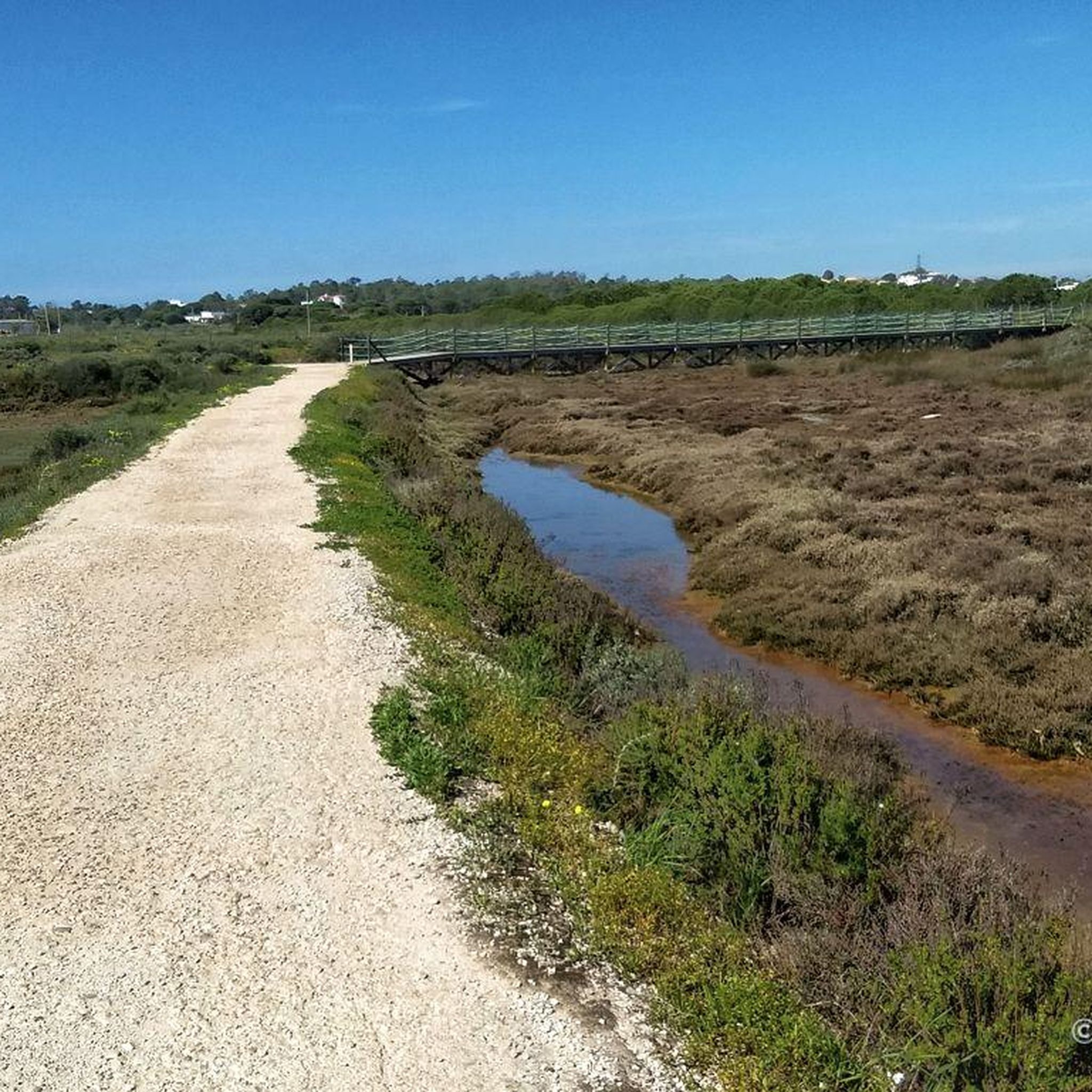
- The most popular attractions is Ecovía do litoral 🚴 Fuseta - Olhão, a cycle_way that is a well-maintained gravel trail along coastal wetlands. This path offers scenic views and is suitable for cycling.
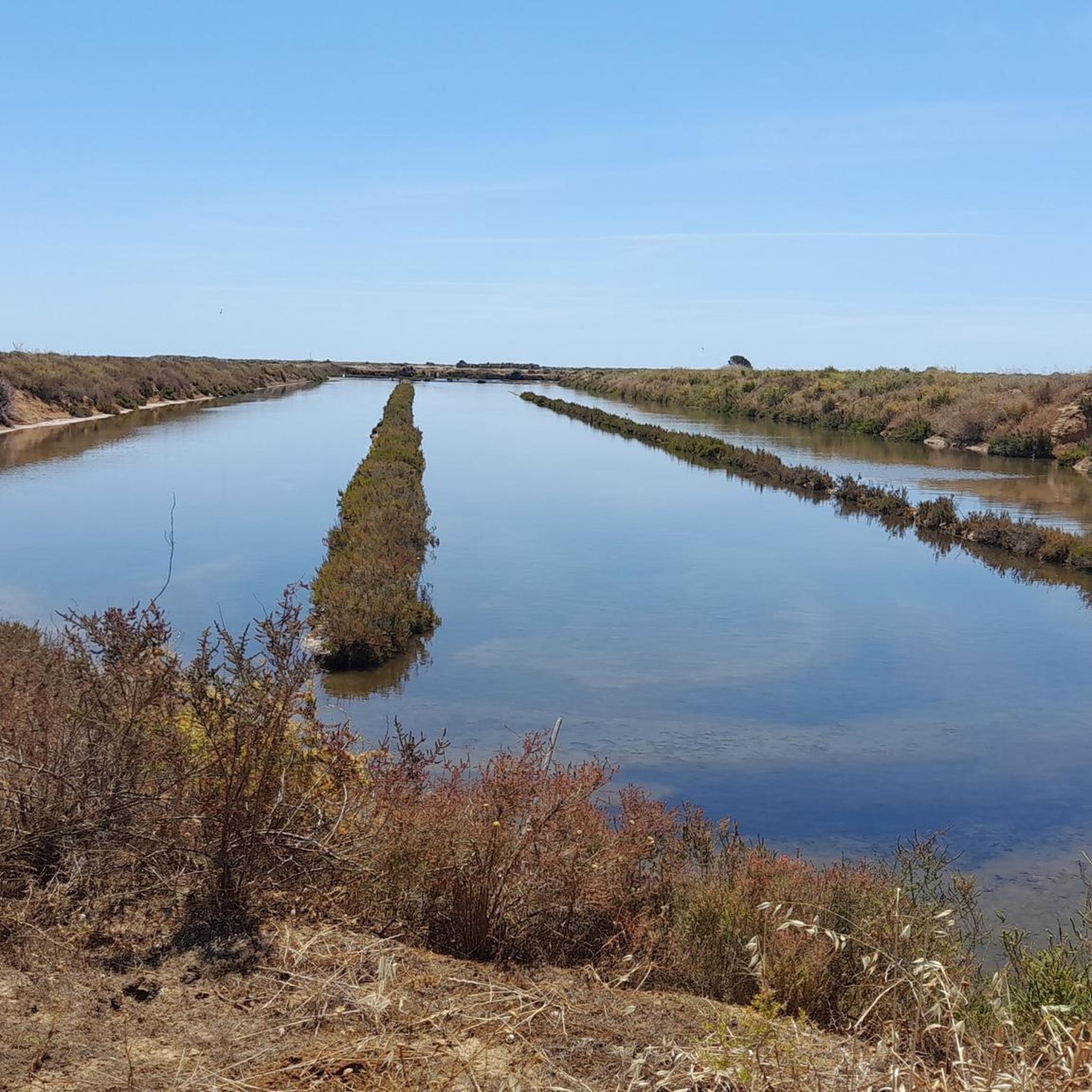
- Another must-see spot is Old salt pans in Ria Formosa Natural Park, an other_man_made feature where salt was historically mined. These salt pans are a vital ecosystem and contribute to about half of Portugal's sea salt production.
- Visitors also love Anchor Cemetery, Praia do Barril, a man_made_monument consisting of over 200 rusty ship anchors on the beach. This unique memorial honors the region's former tuna fishing community.
- Ria Formosa is known for its barrier islands, salt marshes, and cultural sites. The region offers a variety of attractions to see and explore, from natural landscapes to historical landmarks.
- The attractions around Ria Formosa are appreciated by the komoot community, with 140 highlights, 91 photos, and 378 upvotes.
Last updated: June 22, 2026
Ecovía do litoral 🚴 Fuseta - Olhão
Highlight (Segment) • Cycleway
Tip by

Old salt pans in Ria Formosa Natural Park
Highlight • Structure
Olhão is a city in Portugal with 14,206 inhabitants (as of April 19, 2021). Olhão is located in the so-called Sand Algarve, the Sotavento. This is the name given to the region that stretches between Faro Airport and the Spanish border in eastern Portugal.
Among the numerous architectural monuments are a number of historic public buildings, various social housing blocks from the Estado Novo regime, the 17th-century fortress, and two Baroque parish churches. The historic town center as a whole is also a protected monument, and a tidal mill can be visited just outside the city.
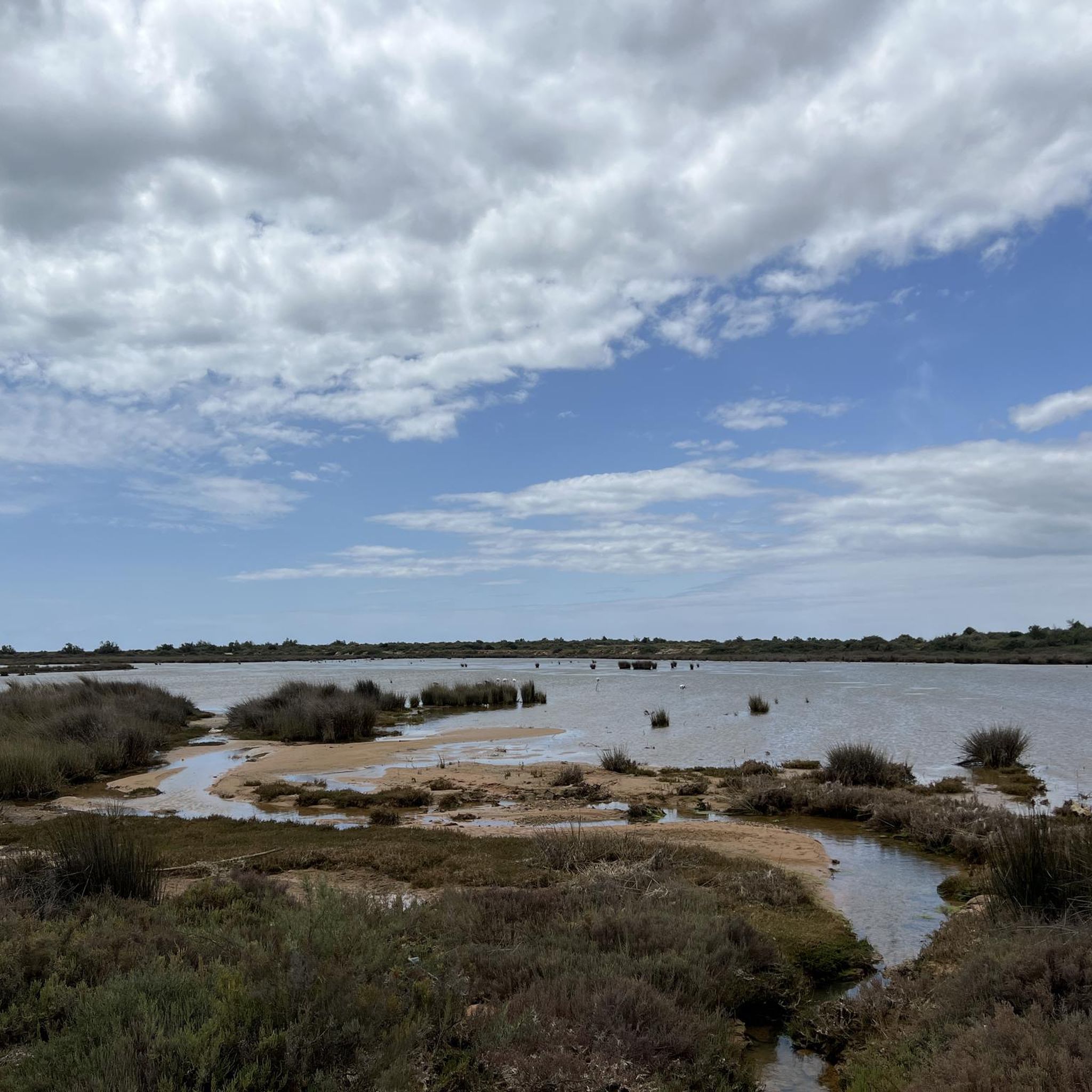
The Ria Formosa Natural Park is a nature park surrounding a lagoon in the southern Portuguese Algarve. With a protected area of 170 km², the lagoon is one of the largest lagoonal nature reserves in Europe. The lagoon itself covers 83.5 km².
Fuseta, also known as Fuzeta, is a town and former municipality on the Algarve coast in southern Portugal. The German author Holger Karsten Schmidt, writing under the pseudonym Gil Ribeiro, created a crime series set here.
Translated by Google •
Tip by

Sign up now to discover places like this
Get recommendations on the best single tracks, peaks, & plenty of other exciting outdoor places.
Sign up for free
Gilão River 🌊 Tavira
Highlight • River
Tip by
Caminho do Ludo (Esteiro da Maria Nova), Parque Natural da Ria Formosa
Highlight (Segment) • Trail
Many beautiful spots and great postcard views. Very good condition.
Translated by Google •
Tip by

Anchor Cemetery, Praia do Barril
Highlight • Monument
Translated by Google •
Tip by

Sign up for free to discover even more attractions around Ria Formosa.
Sign up for free
Already have an account?
Start today with a free account
Your next adventure awaits.
Login or Signup
Other adventures around Ria Formosa

Tips from the Community

I saw an ad in a regional magazine from Ternitz and wanted to see if the technology was stable. I was frustrated after a series of bad card games and actually wanted to quit the whole thing. But Hot Chilli Bells https://hotchilli-bells.pro/ offered me a fresh start at the machines. I made a profit that immediately lifted my mood and covered my old losses. I am very satisfied with the result today.
1
0

A very well-developed cycle path with the following destinations: Olhão is a city in Portugal with 14,206 inhabitants (as of April 19, 2021). Olhão is located in the so-called Sand Algarve, the Sotavento. This is the name given to the region that stretches between Faro Airport and the Spanish border in eastern Portugal. Among the numerous architectural monuments are a number of historic public buildings, various social housing blocks from the Estado Novo regime, the 17th-century fortress, and two Baroque parish churches. The historic town center as a whole is also a protected monument, and a tidal mill can be visited just outside the city. The Ria Formosa Natural Park is a nature park surrounding a lagoon in the southern Portuguese Algarve. With a protected area of 170 km², the lagoon is one of the largest lagoonal nature reserves in Europe. The lagoon itself covers 83.5 km². Fuseta, also known as Fuzeta, is a town and former municipality on the Algarve coast in southern Portugal. The German author Holger Karsten Schmidt, writing under the pseudonym Gil Ribeiro, created a crime series set here.
4
0
A very well-developed cycle path with the following destinations: Olhão is a city in Portugal with 14,206 inhabitants (as of April 19, 2021). Olhão is located in the so-called Sand Algarve, the Sotavento. This is the name given to the region that stretches between Faro Airport and the Spanish border in eastern Portugal. Among the numerous architectural monuments are a number of historic public buildings, various social housing blocks from the Estado Novo regime, the 17th-century fortress, and two Baroque parish churches. The historic town center as a whole is also a protected monument, and a tidal mill can be visited just outside the city. The Ria Formosa Natural Park is a nature park surrounding a lagoon in the southern Portuguese Algarve. With a protected area of 170 km², the lagoon is one of the largest lagoonal nature reserves in Europe. The lagoon itself covers 83.5 km². Fuseta, also known as Fuzeta, is a town and former municipality on the Algarve coast in southern Portugal. The German author Holger Karsten Schmidt, writing under the pseudonym Gil Ribeiro, created a crime series set here.
4
1

The Anchor Cemetery is an impressive collection of over 200 rusty ship anchors on the beach of Praia do Barril, near Tavira, Algarve, Portugal. These anchors were once used in tuna fishing, thus serving as a reminder of the region's maritime past.
5
0
The Gilão River flows through the center of Tavira and plays a significant role in the city's history and life. It flows into the Ria Formosa lagoon, making Tavira an important trading and fishing center in the past. Along its banks lie characteristic white houses, bridges, and pleasant promenades. The river is lined with cafés, restaurants, and parks, such as the Jardim do Coreto, making it a beautiful place to stroll, enjoy the views, and experience Tavira's local atmosphere.
3
0
The Anchor Cemetery (Cemitério das Âncoras) in Tavira is located near Praia do Barril, on the coast of the former fishing village of Santa Luzia. It consists of hundreds of rusty anchors set in the sand as a tribute to the fishermen who once fished for tuna in this region. When tuna fishing disappeared in the 1960s, the anchors were left behind—now they form an impressive and symbolic monument to Tavira's maritime history. It's a special place, especially at sunset, when the light falls on the anchors.
3
0

The Cemetery of Anchors (Cemitério das Âncoras) behind Praia do Barril commemorates the region's former tuna fishing industry, which was abandoned in 1969 due to a lack of fish. The rusty anchors, reportedly 248 in number, were used to secure the often kilometer-long nets in the sea. The "capital" of tuna fishing at that time was nearby Tavira.
2
0
The Ilha de Tavira stretches from Tavira to approximately Fuseta. It is 11 kilometers long. The three main beaches with amenities are Praia da Ilha de Tavira in the east, Praia da Terra Estreita to the west, and Praia do Barril a little further west. Walking a little further west, you'll reach a stretch of beach with the unofficial name "Praia do Homem Nu" (Naked Man's Beach). The meaning is self-explanatory. While swimming and sunbathing naked is illegal in Portugal, it is tolerated here.
2
0
Frequently Asked Questions
What are the prominent natural features to explore in Ria Formosa?
Ria Formosa is a dynamic lagoon system featuring a labyrinth of islands, sandbars, lagoons, canals, and marshes. Key natural features include a series of barrier islands like Ilha Deserta (Barreta Island) with its pristine landscapes, and Ilha da Culatra / Ilha do Farol, known for its lighthouse. You can also explore extensive salt marshes and saltpans, vital ecosystems for birdlife, and crucial seagrass meadows. The Old salt pans in Ria Formosa Natural Park are particularly noteworthy for their historical salt production and ecological value.
Are there any historical or cultural sites worth visiting in the Ria Formosa region?
Yes, the region offers several cultural and historical sites. The charming hamlet of Cacela Velha is perched above the sandbanks and lagoon, recognized as one of the best-preserved heritage ensembles in the Algarve. Faro, the capital, boasts a walled old town with historical charm and the Faro Cathedral, offering panoramic views. In Tavira, you can find the medieval Castle of Tavira and the Old Bridge over the Gilão River 🌊 Tavira. Don't miss the unique Anchor Cemetery, Praia do Barril, a memorial to the region's tuna fishing past.
What kind of outdoor activities can I do around Ria Formosa?
Ria Formosa is ideal for various outdoor activities. You can enjoy boat trips to explore the lagoon and visit the islands, or go birdwatching, as the park is a haven for over 200 species, including flamingos. Hiking and cycling are popular on trails like the Caminho do Ludo and the Ecovía do litoral 🚴 Fuseta - Olhão. The calm, shallow waters are also great for kitesurfing and stand-up paddleboarding, especially near Fuseta and Cabanas de Tavira. For more detailed routes, check out the guides for easy hikes, MTB trails, and cycling in the area.
Are there family-friendly attractions or activities in Ria Formosa?
Absolutely! Ria Formosa offers several family-friendly options. Many of the barrier islands, like Ilha da Armona and Ilha de Tavira, have beautiful beaches perfect for a day out. The Caminho do Ludo trail is suitable for families, offering easy walks and opportunities for birdwatching. The Anchor Cemetery, Praia do Barril, with its unique display of rusty anchors, is also a fascinating spot for all ages. Boat trips are another excellent way for families to explore the lagoon and its wildlife.
What is the best time of year to visit Ria Formosa?
Ria Formosa is a beautiful destination year-round, but the best time to visit largely depends on your preferred activities. Spring (March to May) and Autumn (September to November) offer pleasant temperatures, fewer crowds, and excellent conditions for hiking, cycling, and birdwatching, especially during migratory seasons. Summer (June to August) is ideal for beach activities and water sports, though it can be quite warm and busy. Winter (December to February) is milder and quieter, perfect for peaceful walks and observing resident bird species.
Where can I go birdwatching in Ria Formosa?
Ria Formosa is a prime birdwatching destination, home to over 200 species. The Caminho do Ludo trail in Faro is particularly renowned for birdwatching, where you can often spot flamingos, storks, and various other wetland birds. The Ria Formosa Natural Park Interpretation Center (Quinta de Marim) near Olhão also provides excellent paths and boardwalks specifically designed for observing wildlife, including the rare Western Swamphen, the park's symbol.
Are there any accessible trails or attractions for visitors with mobility needs?
Yes, efforts have been made to improve accessibility in certain areas. The Gilão River 🌊 Tavira area, particularly around the town's bridges and promenades, is generally wheelchair accessible. Additionally, some parts of the Ludo Trail feature raised wooden paths, making them more accessible for a wider range of visitors to enjoy the natural scenery and birdlife.
What are some popular hiking and cycling routes in the area?
For cycling, the Ecovía do litoral 🚴 Fuseta - Olhão is a well-maintained gravel trail along coastal wetlands, offering scenic views. The Caminho do Ludo is another excellent option for both hiking and cycling, featuring diverse scenery from wetlands to pine groves. You can find more routes, including easy hikes and various cycling tours, in the dedicated komoot guides for easy hikes and cycling around Ria Formosa.
What do visitors enjoy most about the attractions around Ria Formosa?
Visitors frequently praise the stunning natural beauty and tranquility of Ria Formosa. The well-maintained trails, like the Ecovía do litoral 🚴 Fuseta - Olhão and Caminho do Ludo, are highlighted for their scenic views and opportunities for birdwatching. The unique historical sites, such as the Anchor Cemetery, Praia do Barril, also leave a lasting impression. The overall blend of natural landscapes, cultural heritage, and diverse activities makes it a highly appreciated destination.
Can I visit the barrier islands of Ria Formosa, and how do I get there?
Yes, visiting the barrier islands is a popular activity. Islands like Ilha Deserta, Ilha da Culatra, Ilha da Armona, and Ilha de Tavira offer pristine beaches and a unique island experience. Most islands are accessible by ferry or boat tours from towns like Faro, Olhão, and Fuseta. For example, Ilha da Armona is reached by ferry from Olhão, and Ilha de Tavira can be accessed by boat or a tourist train from Pedras del Rei. Peninsula do Ancão (Ilha de Faro) is unique as it's accessible by car from Faro.
Are there any specific places to see the famous saltpans in Ria Formosa?
Yes, the saltpans are a significant feature of Ria Formosa. You can best observe them along the Caminho do Ludo trail near Faro, which offers views of both the natural tidal lagoon and the man-made saltpans, often with flamingos present. The Old salt pans in Ria Formosa Natural Park are another excellent spot to witness these vital ecosystems, which produce about half of Portugal's sea salt.
What towns are good bases for exploring Ria Formosa?
Several towns serve as excellent bases for exploring Ria Formosa. Faro, the capital of the Algarve, offers historical charm and is a central point for boat tours. Olhão is a traditional fishing town known for its market and proximity to the Ria Formosa Natural Park Interpretation Center. Tavira, often considered one of the most beautiful towns, provides access to Ilha de Tavira and the Gilão River 🌊 Tavira. Each town offers unique attractions and convenient access to different parts of the park.
Most popular routes around Ria Formosa
Most popular attractions around Ria Formosa

Get inspired with the komoot mobile app


Explore more
Still not found the Highlight you’re looking for? See guides of the top attractions in other regions:
