Attractions and Places To See around Bunken Klitplantage - Top 12
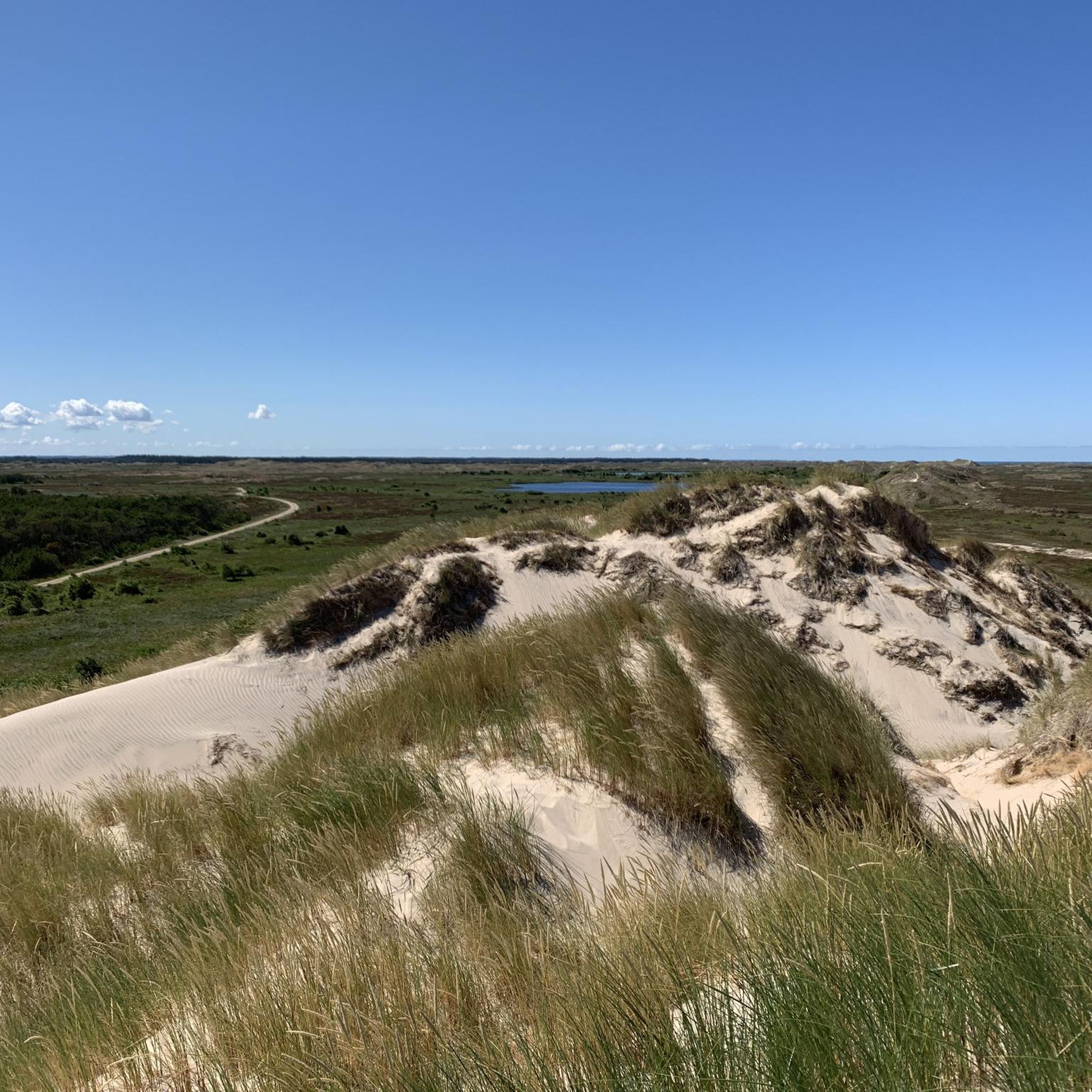
Best attractions and places to see around Bunken Klitplantage, located near Skagen, Denmark, offer a diverse natural landscape. Established in 1887 to combat sand drift, this dune plantation features dune heath, bogs, dunes, lakes, and beaches. The area provides opportunities to explore significant natural features and historical sites.
Best attractions and places to see around Bunken Klitplantage
- The most popular attractions is Bike Path Along the Dunes, a cycle_way that offers scenic views along the dunes. This path is…
Last updated: July 7, 2026
Råbjerg Mile
Highlight • Natural Monument
Translated by Google •
Tip by

Hulsig Heath
Highlight • Natural
Translated by Google •
Tip by

Sign up now to discover places like this
Get recommendations on the best single tracks, peaks, & plenty of other exciting outdoor places.
Sign up for free
Bunken Plantage Coastal Battery (Ålbæk Bugt) Bunkers
Highlight (Segment) • Monument
Translated by Google •
Tip by

Bunken Klitplantage Shelter
Highlight • Rest Area
Overnight in nature
The Danish Agency for Nature Management cordially invites you to spend the night in the national nature areas.
We can offer you four different types of accommodation:
Sleep on the forest floor
Translated by Google •
Tip by
Østkystruten (National Cycle Route 5) – Skagen Section
Highlight • Cycleway
Tip by

Sign up for free to discover even more attractions around Bunken Klitplantage.
Sign up for free
Already have an account?
Start today with a free account
Your next adventure awaits.
Login or Signup

Tips from the Community

There are two shelters here for hikers or bike travelers. There is even running water and a fireplace with a grill.
0
0

Definitely worth seeing, even if you have to dismount at some points.
1
0

A real bicycle highway :)
0
0
Be sure to go up. Pro tip: take off your shoes right at the bottom :)
2
0

This scenic traffic-free path winds through the coastal dunes and offers stunning views of the Baltic Sea (technically, the meeting point of the Skagerrak and Kattegat seas). It's also the starting point of Denmark’s National Cycle Route 5 (Østkystruten), which runs along the country’s eastern coast.
1
0

This type of cycle path runs through large parts of Denmark and is great to ride on. It is a highlight for smaller children because you can ride on the road like the grown-ups.
0
0

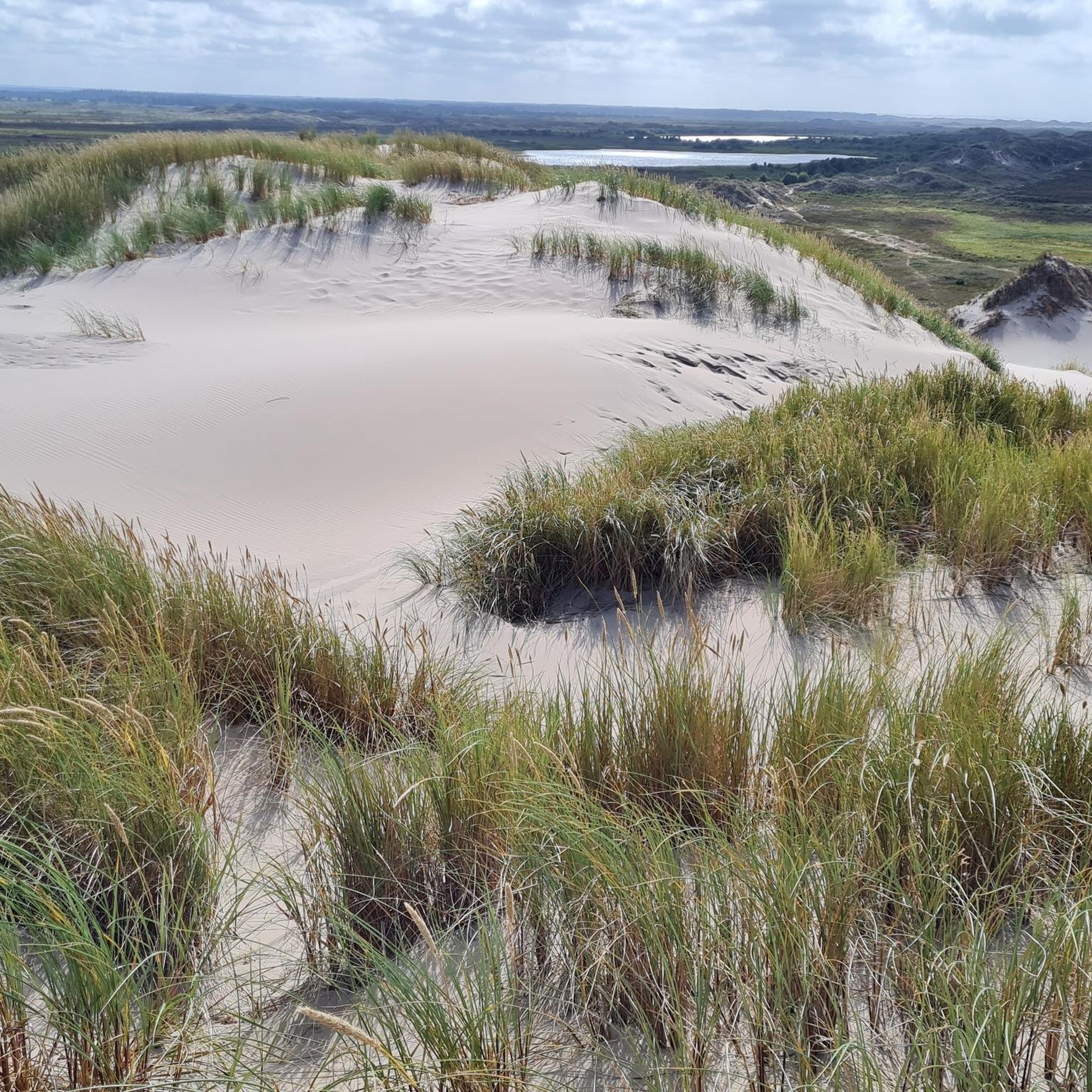
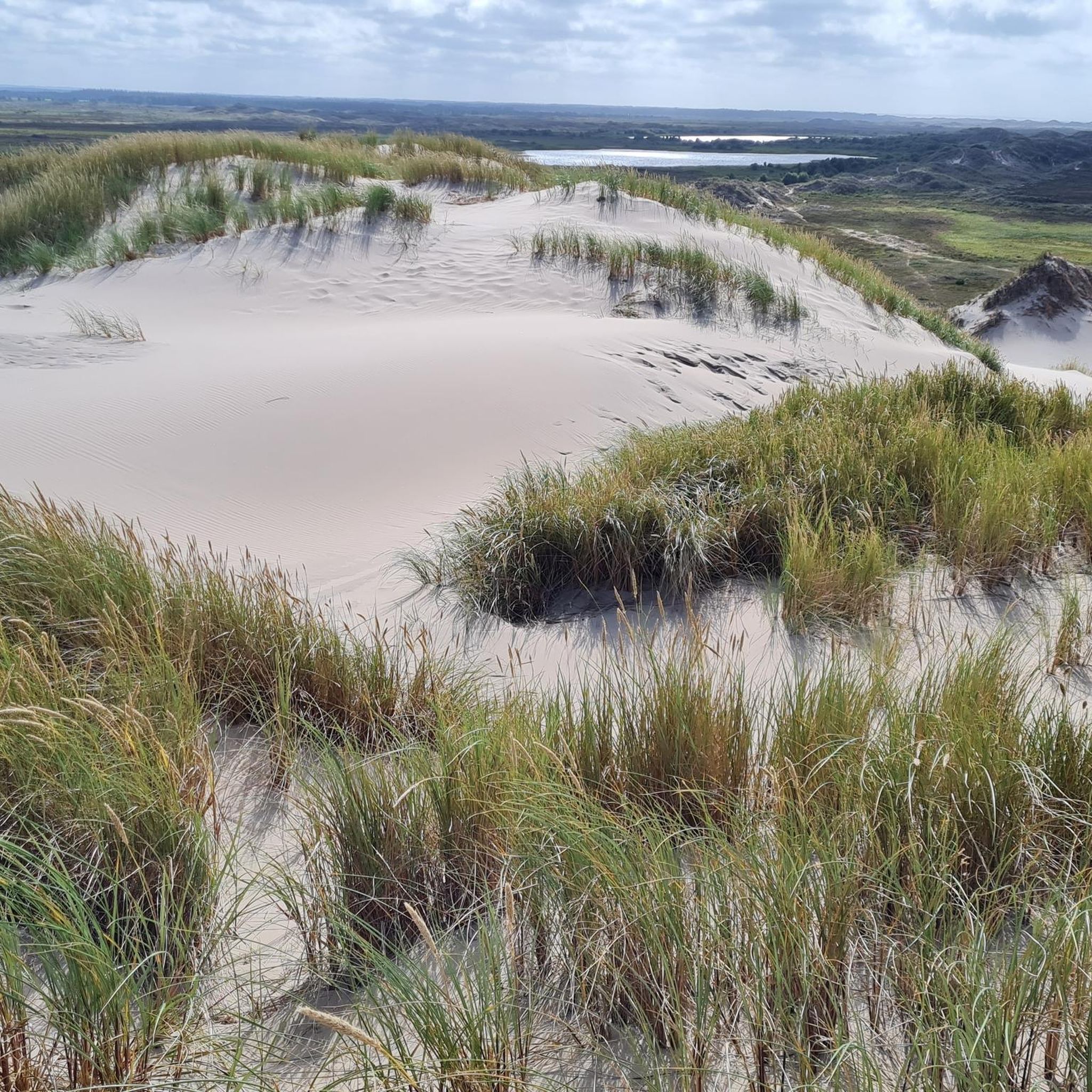
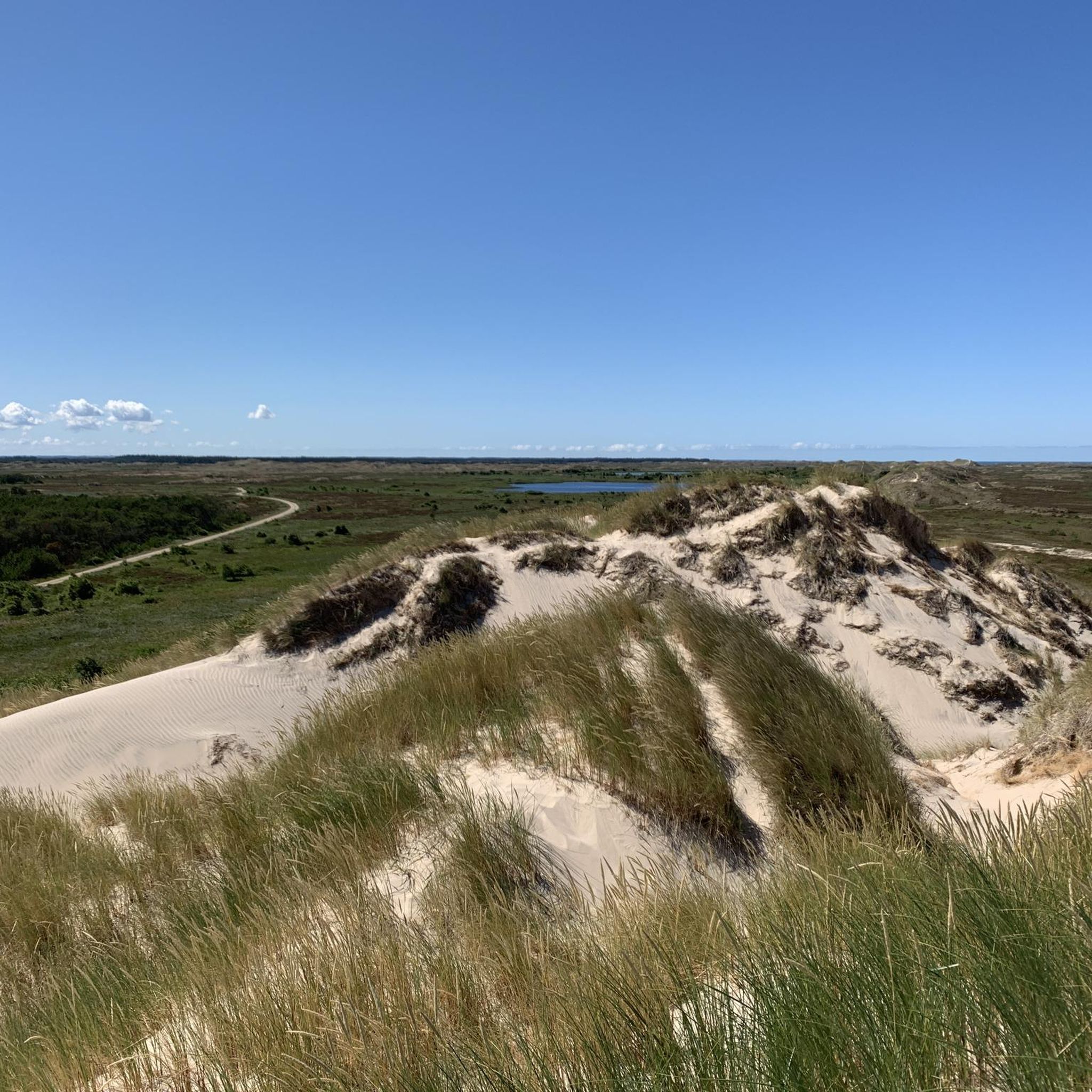
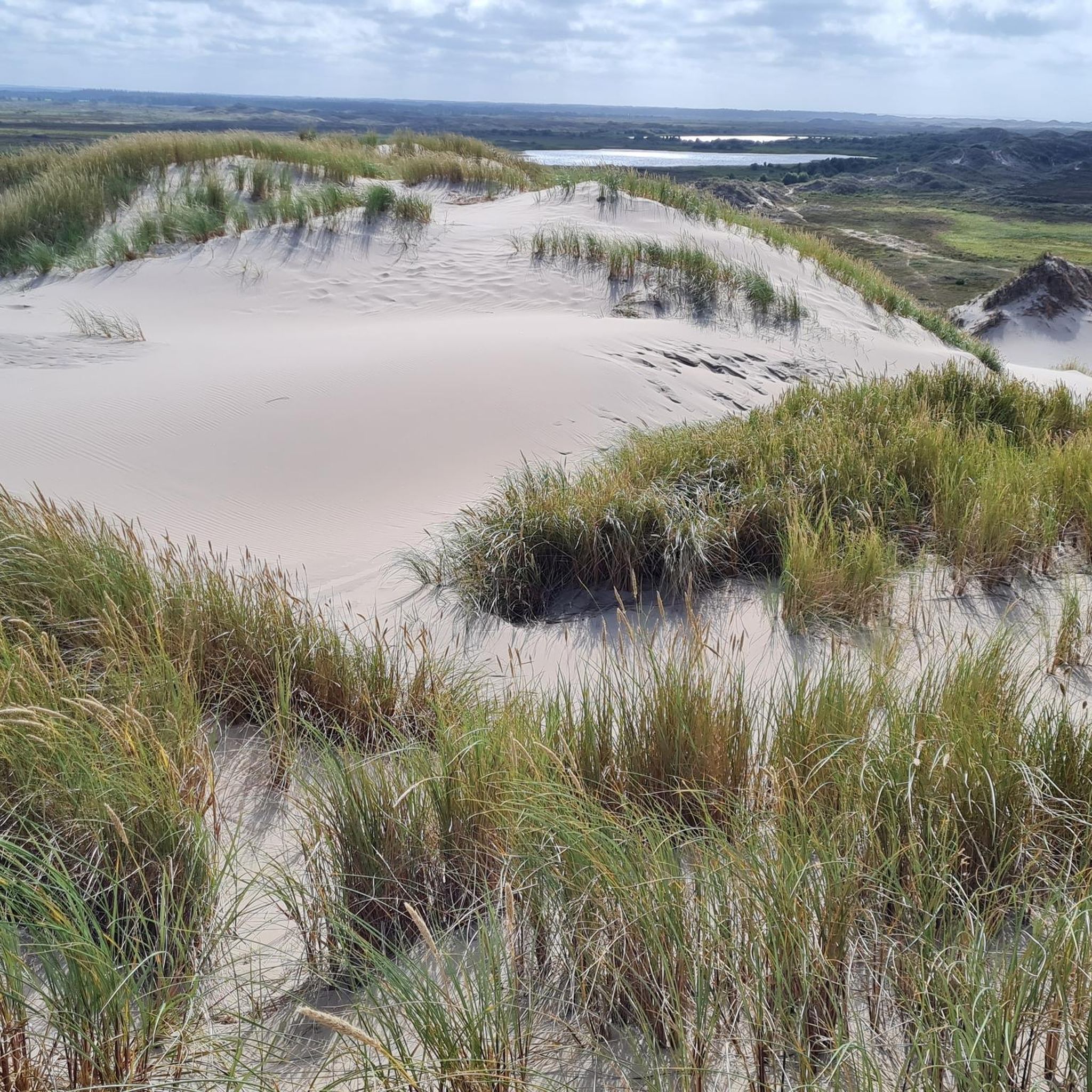
Råbjerg Mile is a massive shifting dune on the northern tip of Jutland, Denmark. It has been a nature reserve since 1900. This ensures that dune migration can continue unhindered. The sand masses reach heights of over 40 meters and cover an area of approximately 120 hectares. Due to prevailing westerly winds, the sand moves eastward toward the Kattegat. Each year, the dune moves an average of 15 meters. According to estimates, Råbjerg Mile will reach the 3.5 km distant road to Skagen around the year 2130 and disappear into the Baltic Sea after another 30 years. The question of whether the Frederikshavn–Skagen railway line would need to be rerouted westward around the dune in 100 years has not yet sparked any political debate. By the mid-19th century, the northern town of Skagen was also suffering from increasing drifting sand, a result of deforestation and the destruction of dune vegetation to meet the demand for fuel. The municipality eventually offered to transfer the inhospitable land to the state, which undertook an extensive reforestation program starting in 1887. The forests (klitplantager) in Bunken and Skagen were established. At the same time, Skagen received a paved road to Aalbæk and a railway connection. Previously, all transport had been accomplished by horse-drawn carts across the impassable Baltic Sea coast. However, the taming of the raw forces of nature also aroused resistance. The poet Jeppe Aakjær (1866–1930) was an early advocate for nature conservation. In 1900, the Danish state acquired the area around Råbjerg Mile to protect it from human interference. While World War I was raging in Europe, this desert-like panorama served as the backdrop for the Danish silent film Sfinxens Hemmelighed (English: "The Secret of the Sphinx") by director Robert Dinesen. The monumental wooden backdrop of a Sphinx of Giza rising from the sand attracted so many onlookers that filming was occasionally interrupted to allow summer visitors to enjoy themselves. https://de.wikipedia.org/wiki/R%C3%A5bjerg_Mile
3
0

Here is a link to the project Hulsig Hede: https://naturstyrelsen.dk/naturbekstelltning/naturprojekter/life-hulsig-hede/
0
0
Frequently Asked Questions
What natural features can I explore in Bunken Klitplantage?
Bunken Klitplantage offers a diverse landscape including dune heath, bogs, dunes, lakes, and beaches. You can visit Råbjerg Mile, Denmark's largest migrating dune, and Hulsig Heath, an internationally recognized nature reserve featuring white and grey dunes, moorland, and wetlands. The Døde Skov (Dead Forest) area is also undergoing restoration to become a wetter environment with scenic views.
Are there historical sites to visit in the area?
Yes, the region has significant historical sites. You can explore the German "Sperrbatterie Aalbæk Bucht" within Fårebakke, which comprises 13 concrete bunkers from World War II. Most of these bunkers are preserved and accessible, offering a glimpse into the past. The very establishment of Bunken Klitplantage in 1887 to combat sand migration is also a historical effort in land management.
What outdoor activities are available around Bunken Klitplantage?
The area is excellent for outdoor activities. You can enjoy hiking and cycling on a network of marked trails, including a route that is part of an international cycling path. For more specific routes, explore running trails, easy hikes, and cycling routes in the region.
Are there family-friendly attractions or activities?
Many attractions are suitable for families. Råbjerg Mile is a popular spot for all ages to experience a unique 'mini-desert' landscape. Hulsig Heath also offers accessible natural beauty. The Bunken Klitplantage Shelter provides facilities for families looking to spend time outdoors, including overnight stays.
Can I go hiking in Bunken Klitplantage?
Absolutely. Bunken Klitplantage features a network of marked trails perfect for hiking. You can find various routes, including easy hikes, that allow you to explore the diverse landscapes of dunes, heath, and forest. For detailed options, check out the easy hikes around Bunken Klitplantage.
What about cycling opportunities?
Cycling is a fantastic way to explore the area. The region boasts a network of smooth bike paths, including the popular Bike Path Along the Dunes, which is part of an international cycling route. These paths are well-maintained and suitable for various cycling levels. You can find more routes in the cycling guide for Bunken Klitplantage.
Is Råbjerg Mile accessible, and what should I know about visiting it?
Råbjerg Mile is Denmark's largest migrating dune, covering nearly one square kilometer. It's generally accessible, though some areas may involve walking on loose sand. The dune moves about 15 meters northeast each year, creating a dynamic landscape. It's a nature reserve, so visitors are encouraged to stay on marked paths and respect the natural environment.
Where can I find accommodation or camping facilities?
For those wishing to extend their stay, Bunken Camping is located in the northeastern part of the plantation, situated between the main road and the Kattegat. Additionally, the private Råbjerg Mile Camping is conveniently located nearby for visitors to the migrating dune. There is also the Bunken Klitplantage Shelter for basic overnight stays in nature.
Are there any specific rules or permits needed for visiting the natural areas?
Generally, the natural areas like Bunken Klitplantage and Råbjerg Mile are open to the public without specific permits for day visits. However, as Råbjerg Mile is a nature reserve, it's important to respect the environment, stay on designated paths, and avoid disturbing wildlife. For overnight stays in shelters or campsites, specific rules apply, which can often be found on local information boards or at the campsites themselves.
What is the best time of year to visit Bunken Klitplantage?
Bunken Klitplantage offers beauty year-round. Spring and summer provide pleasant weather for hiking and cycling, with blooming heathlands and longer daylight hours. Autumn brings beautiful colors to the landscape. Even winter can be appealing for crisp walks, though some facilities might have reduced hours. The migrating dune of Råbjerg Mile is a constant spectacle regardless of the season.
Are the trails dog-friendly?
Many trails within Bunken Klitplantage are dog-friendly, allowing you to explore with your canine companion. However, it's generally required to keep dogs on a leash, especially in nature reserves like Hulsig Heath and around Råbjerg Mile, to protect wildlife and ensure a pleasant experience for all visitors. Always look for local signage regarding dog regulations.
How can I reach Bunken Klitplantage by public transport?
Bunken Klitplantage is located approximately 12 kilometers southwest of Skagen. While specific public transport routes directly into the heart of the plantation might be limited, you can typically reach nearby towns like Skagen or Aalbæk by train or bus. From there, cycling or a short taxi ride would be necessary to reach the main attractions within the plantation.
What kind of wildlife can I expect to see?
Bunken Klitplantage and its surrounding areas are rich in wildlife. The diverse habitats, including dune heath, bogs, and forests, support a variety of bird species, small mammals, and insects. Keep an eye out for deer, foxes, and numerous bird species, especially near the lakes and wetlands. The unique flora of the dune heath is also a highlight for nature enthusiasts.
Most popular routes around Bunken Klitplantage

Get inspired with the komoot mobile app


Explore more
Still not found the Highlight you’re looking for? See guides of the top attractions in other regions:
