Attractions and Places To See around Forêt d'Halatte - Top 15
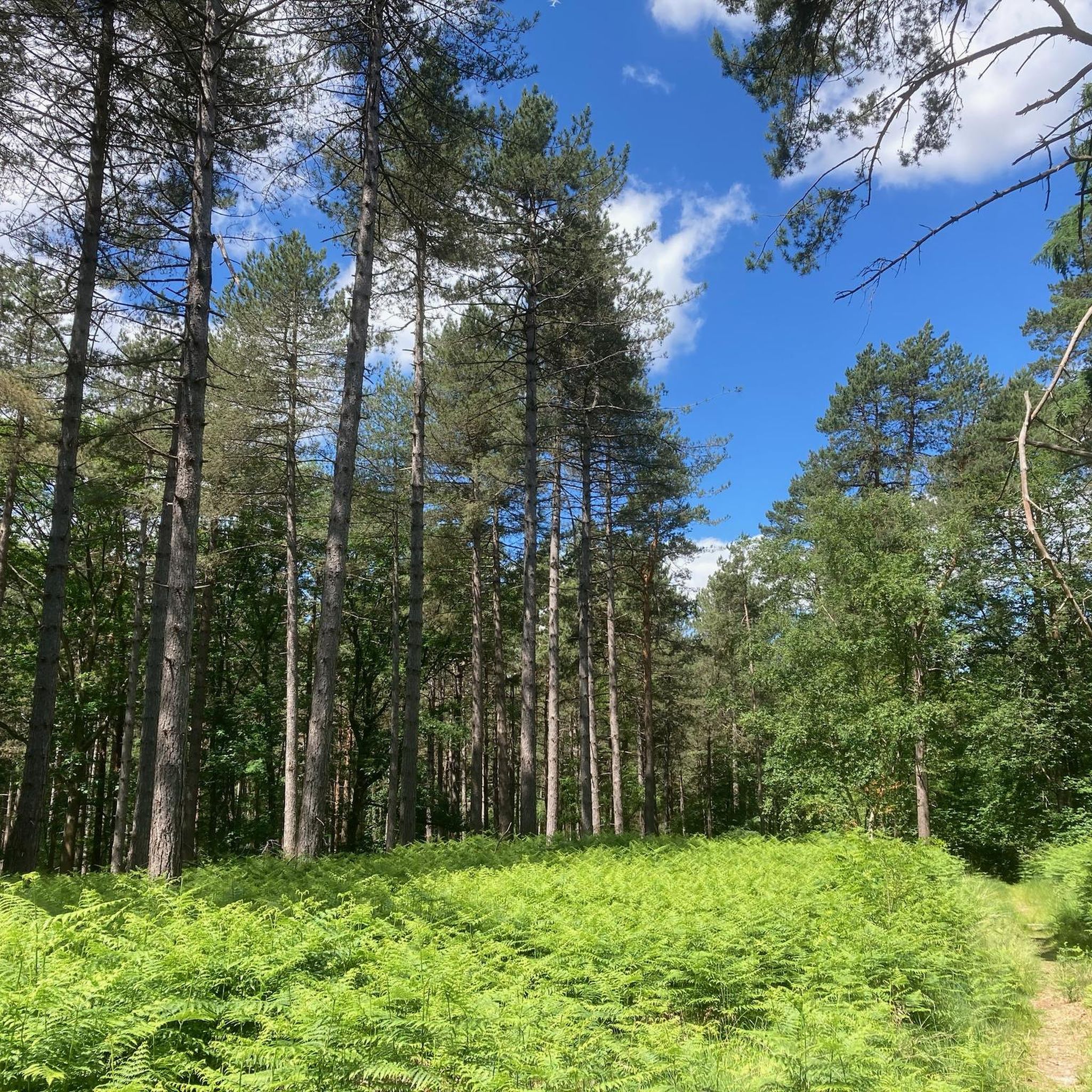
Best attractions and places to see around Forêt d'Halatte, a state forest in the Hauts-de-France region of France, covers approximately 4,295 hectares. It features expansive oak and beech forests, forming part of the larger Massif des Trois Forêts. This ancient forest is a protected area, rich in natural beauty and historical significance, including remnants of Celtic and Gallo-Roman settlements. The forest is characterized by towering oak and beech trees and is home to diverse wildlife.
Best attractions and places to…
Last updated: May 5, 2026
Mont Pagnotte viewpoint
Highlight • Forest
Translated by Google •
Tip by

King of Rome Obelisk
Highlight • Other
Translated by Google •
Tip by

Sign up now to discover places like this
Get recommendations on the best single tracks, peaks, & plenty of other exciting outdoor places.
Sign up for free
Ognon Gallo-Roman temple
Highlight • Monument
Translated by Google •
Tip by
The Image Oak
Highlight • Other
According to a tradition dating from …
Translated by Google •
Tip by
The Apremont Table
Highlight • Historical Site
Translated by Google •
Tip by
Sign up for free to discover even more attractions around Forêt d'Halatte.
Sign up for free
Already have an account?
Start today with a free account
Your next adventure awaits.
Login or Signup


Tips from the Community

The orientation table that previously existed and the wooden terrace have been removed. The trees have grown, making the view non-existent. Before, on a clear day, it was possible to make out the Eiffel Tower.
0
0

Gallo-Roman site to see while enjoying the Halatte forest
1
0


This obelisk was built in 1811 to commemorate the birth of the son of Napoleon I and Marie-Louise of Austria, made king of Rome by his father to defy Pope Pius VII. Why here and by whom? We don't know anything about it. This tribute was perhaps paid to Napoleon for the relaunch of healthy management of the Halatte forest after a period of abandonment following the revolution of 1789. In any case, he met his future wife Marie-Louise d'Halatte. Austria, nearby, at the castle of Compiègne where he installed his son the king of Rome.
0
0
In the middle of the halate forest the last 500 meters no bitumen
0
0

The Table d'Apremont crossroads is a crossroads surrounded by forests and pastures, where there is a large stone table dating from the 15th century. This table was used by hunters to dismount without assistance. You can also enjoy views of Chantilly Castle and its gardens, as well as the nearby polo fields and golf courses.
3
0
The remains of a Gallo-Roman temple dedicated to healing and built by a Gallic tribe, the Sulbanectes, in the middle of the 1st century AD. You can admire the ex-votos, coins, vases and fibulae discovered during excavations at the Senlis art and archeology museum. The temple is hidden in the bushes, so you have to follow a forest path to reach it. It is a unique and fascinating site that will take you back in time.
2
0
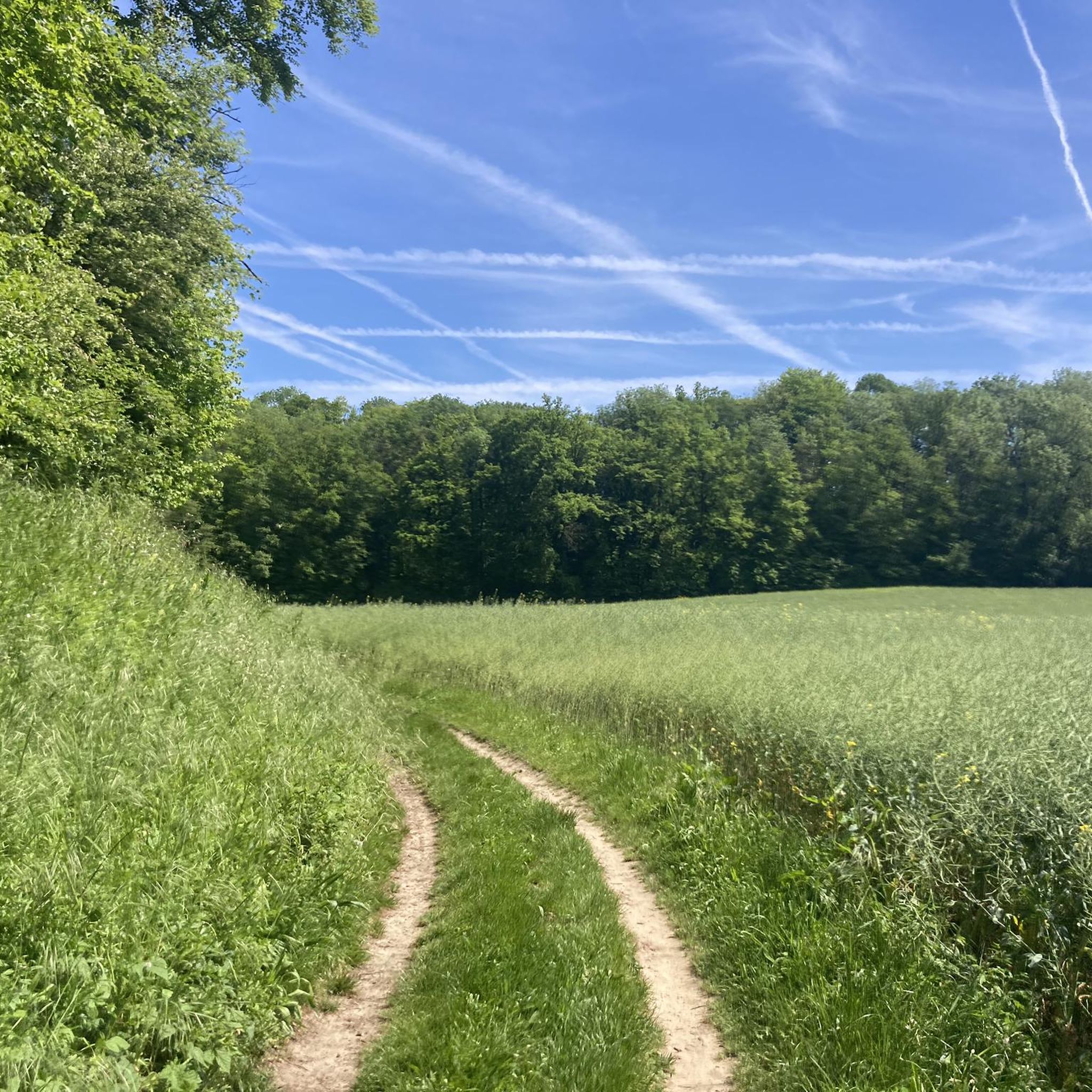
Mont Pagnotte is the highest point in Valois and one of the highest in the Paris region, with an altitude of 222 meters. It was also an ancient Celtic and Gallo-Roman colony, of which you can still see some ruins along the way. The trail takes you through the magnificent Halatte Forest, where you can appreciate the diversity of trees and wildlife. From the summit of Mont Pagnotte, you can admire a panoramic view of the forest and the surrounding countryside. This is an ideal hike for a family outing or to escape the city.
2
0
Frequently Asked Questions
What natural features can I explore in Forêt d'Halatte?
Forêt d'Halatte is rich in natural beauty. You can explore ancient woodlands with towering oak and beech trees, some centuries old. Don't miss Mont Pagnotte viewpoint, the highest point in the Valois region, offering panoramic views. Mont Alta is another plateau with extensive vistas. The forest is also home to diverse wildlife.
Are there historical sites to visit within the forest?
Yes, the forest is steeped in history. You can discover the ruins of a Gallo-Roman temple near Ognon, originally built in the mid-1st century CE. Other historical points include the King of Rome Obelisk, commemorating Napoleon I's son, and prehistoric vestiges like menhirs and dolmens. The Apremont Table is a 15th-century stone table with historical significance.
What kind of wildlife can I expect to see in Forêt d'Halatte?
The forest is a protected area, part of a Zone Naturelle d'Intérêt Écologique, Faunistique et Floristique (ZNIEFF) and Natura 2000 sites. You can frequently spot deer, and numerous bird species fill the air with their songs. The diverse habitats support a variety of fauna.
Are there good hiking opportunities in Forêt d'Halatte?
Absolutely. The forest offers well-maintained trails suitable for various skill levels. You can find easy hikes, such as the Mont Pagnotte viewpoint loop or the Napoleon Obelisk loop. For more options, explore the Easy hikes around Forêt d'Halatte guide.
Can I go cycling in the Forêt d'Halatte area?
Yes, cycling is a popular activity. The forest and surrounding areas provide numerous routes for both touring and road cycling. You can find detailed routes in the Cycling around Forêt d'Halatte guide and the Road Cycling Routes around Forêt d'Halatte guide.
What is the highest point in the forest and what does it offer?
The highest point is Mont Pagnotte viewpoint, reaching 222 meters. It offers panoramic views of the forest and the surrounding countryside. Historically, it was also an ancient Celtic and Gallo-Roman settlement, adding a layer of cultural interest to its natural beauty.
Are there any unique historical markers or monuments in the forest?
Beyond the major sites, you can find unique Armorial Boundary Markers carved with coats of arms and dated 1540, delineating historical property divisions. Another notable spot is Le Chêne à l'Image (The Image Oak), an ancient oak that is the subject of an annual pilgrimage.
Is Forêt d'Halatte suitable for family outings?
Yes, Forêt d'Halatte is very family-friendly. It provides numerous spots for picnics, and its well-maintained trails cater to various skill levels, making them suitable for walks with children. Highlights like Mont Pagnotte viewpoint and The Apremont Table are also noted as family-friendly.
What is the significance of the Ognon Gallo-Roman temple?
The Ognon Gallo-Roman temple, discovered in the heart of the forest, was a healing temple built by a Gallic tribe in the mid-1st century AD. Objects found during excavations, such as coins, votive offerings, and jewelry, are displayed at the Art and Archeology Museum of Senlis.
When is the best time of year to visit Forêt d'Halatte?
Forêt d'Halatte offers beauty year-round, but spring, summer, and autumn are particularly appealing. During these seasons, the forest's vibrant canopy of oak and beech trees is at its best, providing lush greenery or stunning autumnal colors, ideal for hiking, cycling, and wildlife spotting.
What do visitors enjoy most about Forêt d'Halatte?
Visitors particularly enjoy the panoramic views from Mont Pagnotte, the historical significance of sites like the King of Rome Obelisk, and the serene atmosphere of the ancient woodlands. The diversity of trees and wildlife, along with the well-maintained trails, also receive high praise for family outings and escaping the city.
Most popular routes around Forêt d'Halatte

Get inspired with the komoot mobile app


Explore more
Still not found the Highlight you’re looking for? See guides of the top attractions in other regions:
