Offenbach an der Queich
Offenbach an der Queich
The best road cycling routes around Offenbach an der Queich
4.5
(928)
13,061
riders
15
rides
Road cycling routes around Offenbach an der Queich are set within the Southern Wine Route and the Palatinate Forest, offering a diverse landscape for cyclists. The region features rolling hills, extensive vineyards, and the flat, well-maintained paths along the River Queich. Cyclists can expect varied terrain, from easy, low-elevation paths through meadows to more challenging ascents into the forest areas. This blend provides options for different skill levels, with generally well-paved surfaces suitable for road bikes.
Best road cycling routes…
Last updated: July 11, 2026
3.3
(3)
81
riders
Moderate road ride. Good fitness required. Mostly well-paved surfaces and easy to ride.
57
riders
8.01km
00:20
20m
20m
Easy road ride. Great for any fitness level. Mostly well-paved surfaces and easy to ride.

Sign up for free
30
riders
Easy road ride. Great for any fitness level. Mostly well-paved surfaces and easy to ride.
28
riders
Moderate road ride. Good fitness required. Mostly well-paved surfaces and easy to ride.
3.9
(14)
51
riders
Easy road ride. Great for any fitness level. Mostly well-paved surfaces and easy to ride.
Get access to more routes and recommendations from other explorers.
Sign up for free
Already have an account?
Our route recommendations are based on thousands of hikes, rides, and runs completed by other people on komoot.
Start today with a free account
Your next adventure awaits.
Login or Signup
Popular around Offenbach an der Queich
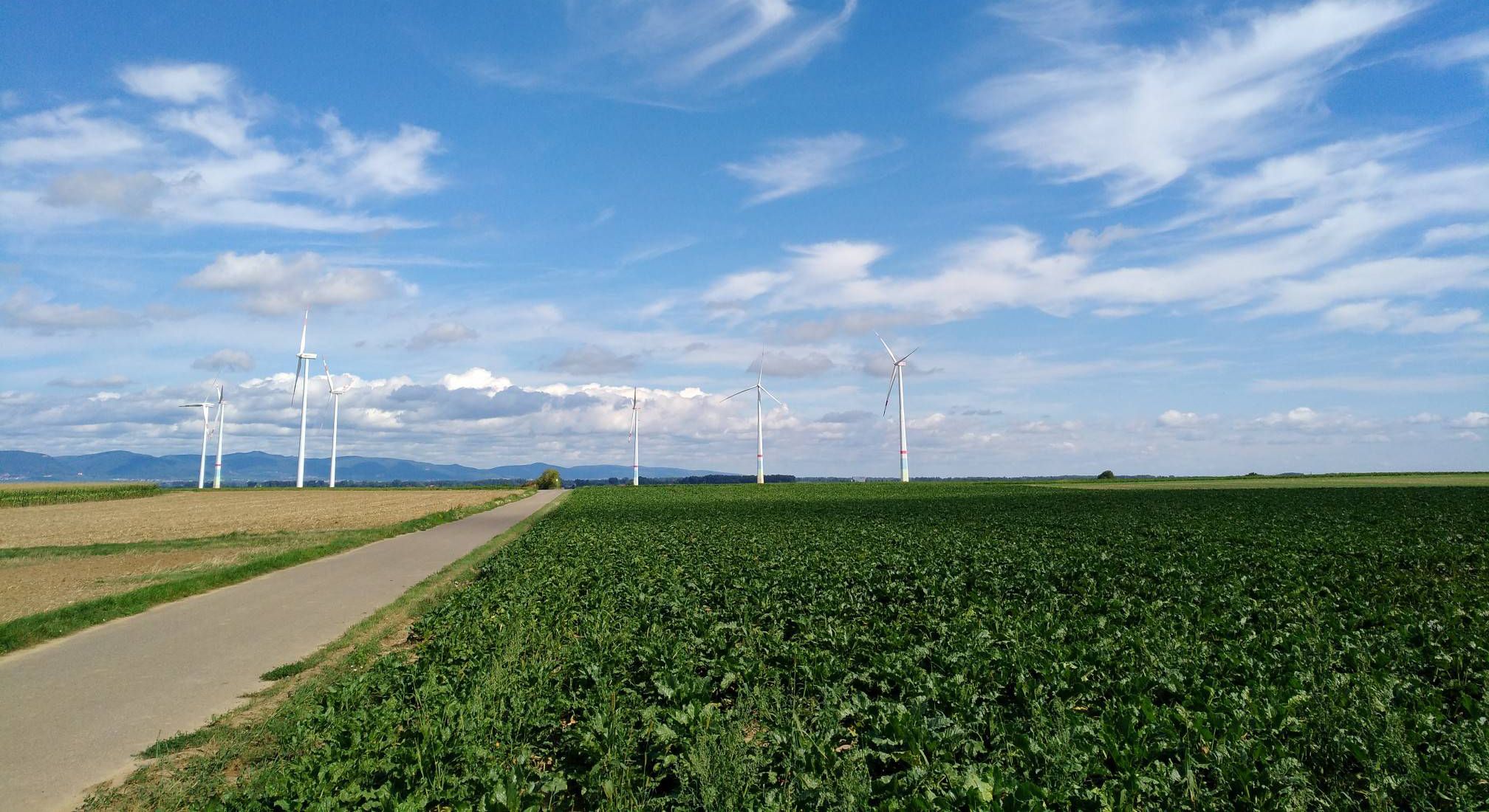
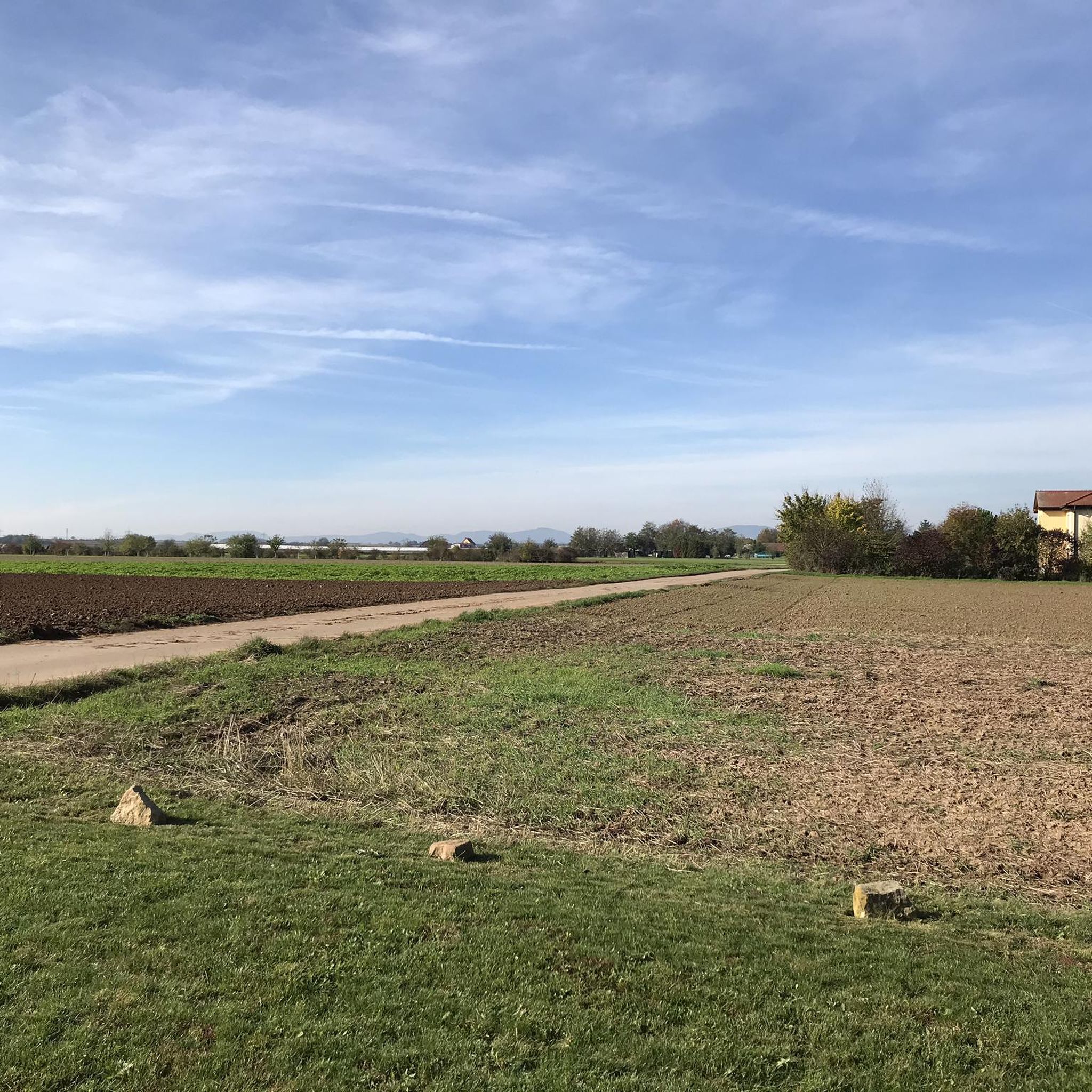
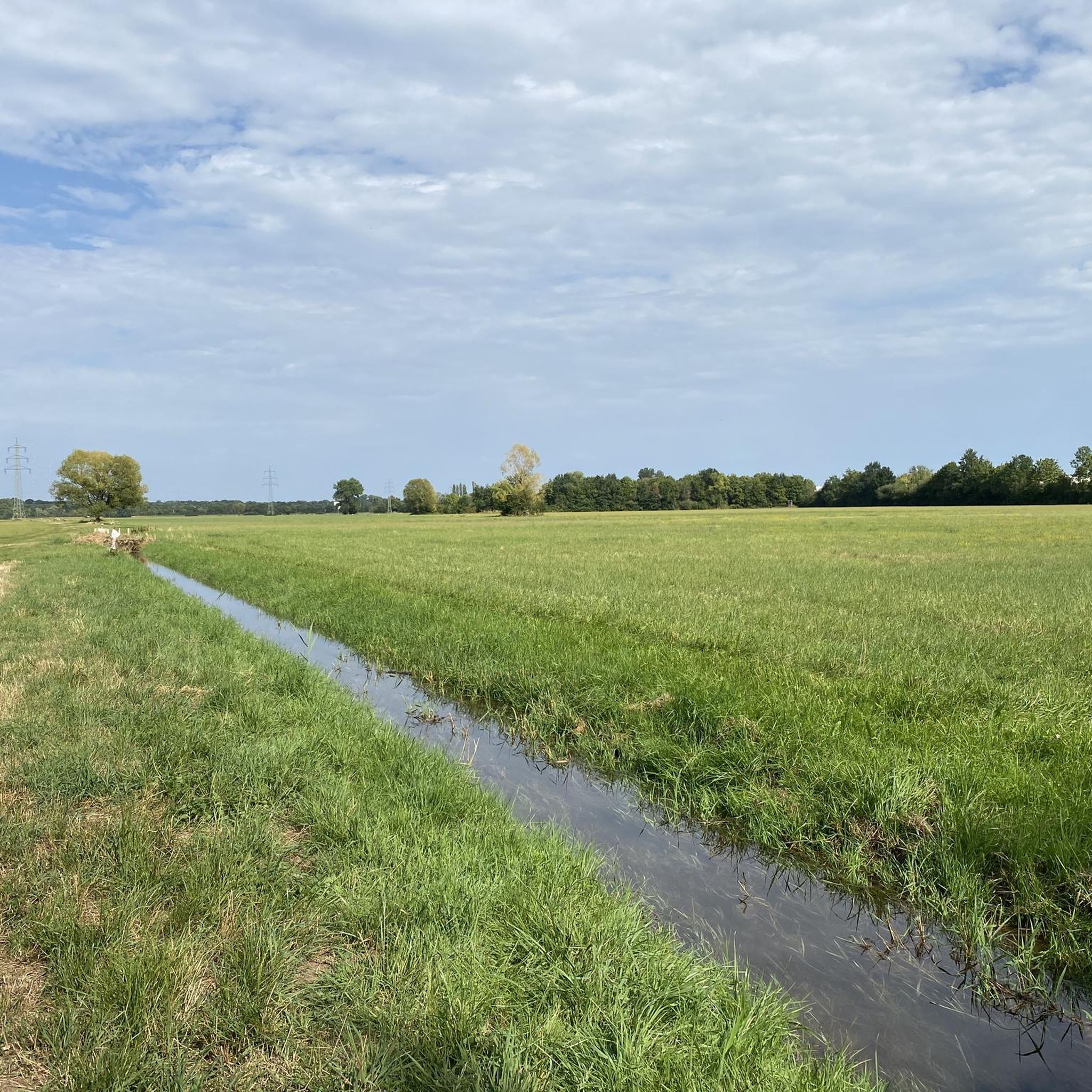
Other adventures around Offenbach an der Queich

Tips from the Community

Ornately decorated entrance gate on Essinger Street
0
0
on Offenbacher Weg (car-free)
0
0

Knight Stefan von Mörlheim, co-founder of the Cistercian monastery of Eußerthal, donated his manor, including a chapel, to the monastery in Mörlheim around 1148. After a turbulent history, the dilapidated St. Martin's Church in Mörlheim passed into Catholic ownership in 1705. The monastery church in Eußerthal and the church in Mörlheim still display a mitre and abbot's staff alongside the cross on their steeples – ecclesiastical symbols that Heinrich Wilhelm, Baron von und zu Sickingen, was permitted to wear as a layman. In 1754, Heinrich Wilhelm, Baron von und zu Sickingen, had the Mörlheim church rebuilt. It was consecrated on September 14, 1754. One hundred and fifty years later, at the beginning of the 20th century, the church had once again fallen into disrepair. The swinging of the bells in the bell tower had weakened the church ceiling, and the cramped space was no longer sufficient for the congregation. One hundred years ago, on July 1, 1912, the reconstruction of the church into the present one began, based on plans by the architect Johannes Albert Boßlet. It was extended to the west, and the existing beamed ceiling was replaced by a Baroque-style lath and plaster ceiling suspended from the roof truss, visually resting on newly added wall piers. Finally, a church tower nearly 30 meters high was erected. Two bells call the faithful to prayer, and the city of Landau owns the clock and its large clock faces. The reconstruction of the church, and especially the construction of the new church tower, was made possible by the Bavarian Church Community Ordinance of 1912. According to this ordinance, even landowners outside the parish could be assessed for the construction and maintenance of religious buildings. A good 75 percent of the land in Mörlheim subject to these assessments formerly belonged to outsiders, the so-called "outsiders." The extensive renovation of the church in 2008 has given the Mörlheim church a great splendor. (Egon Ehmer)
0
0

Nice, fast cycle path between towns.
1
0

The church tower of St. Nicholas Church is 70 meters high and visible from afar. The church dominates the townscape of Bellheim. The foundation stone was laid on September 3, 1868.
2
0

A must-see
1
0

The Herxheim Museum presents its permanent exhibitions on the topics of the Neolithic period and local history, as well as changing special exhibitions on archaeological and cultural history topics, on over 400m². The focus of the museum is on the absolutely unique Neolithic ritual find from Herxheim, which was discovered during excavations in the 1990s: broken human bones with cut marks and all kinds of destroyed everyday objects including the high-quality decorative ceramics kept archaeological research and the news on tenterhooks. Even after intensive investigations and years of interdisciplinary research, many questions remain unanswered and the find continues to amaze. Active knowledge transfer in the form of guided tours, workshops and action days is an integral part of the program. Opening times: Thu / Fri 2-7 p.m. Sat / Sun 11 a.m.-6 p.m. Guided tours and workshops on request, action days on fixed dates 3-4 times a year. Information at www.museum-herxheim.de
0
0

Rheinzabern - the center of the world. I'm already gone....
3
0
Frequently Asked Questions
How many road cycling routes are available around Offenbach an der Queich?
There are over 15 road cycling routes around Offenbach an der Queich, offering a variety of experiences. These routes are highly rated by the komoot community, with an average score of 4.6 stars from more than 600 reviews.
What kind of terrain can I expect on road cycling routes in Offenbach an der Queich?
The region offers diverse terrain, from flat, well-maintained paths along the River Queich to rolling hills through vineyards and more challenging ascents into the Palatinate Forest. Surfaces are generally well-paved, making them suitable for road bikes.
Are there road cycling routes suitable for beginners or families in Offenbach an der Queich?
Yes, Offenbach an der Queich has several easy routes perfect for beginners or families. The Roadbike loop from Offenbach an der Queich is an easy 8 km path, and the Scenic Road Through the Fields loop from Offenbach an der Queich is a gentle 6.1 km ride. The Queichtal Cycle Path, which passes through Offenbach, is also largely flat and easy, following the river.
What are some notable landmarks or natural features I can see while cycling?
You can enjoy views of the Palatinate Forest and the Southern Wine Route. The Queich River and its meadows, recognized by UNESCO for their traditional irrigation system, are central features. Keep an eye out for white storks, especially near Bornheim. Historic architecture in Offenbach's town center and panoramic views from the Houschder Winzerturm are also highlights. You might also pass by historic sites like Landeck Castle.
Are there any circular road cycling routes available?
Yes, many routes around Offenbach an der Queich are designed as loops. For example, the Ascent of the Kalmit – Totenkopfstraße Descent loop from Offenbach an der Queich offers a challenging circular ride, while the Roadbike loop from Offenbach an der Queich provides an easier circular option.
What is the best time of year for road cycling in Offenbach an der Queich?
The spring, summer, and early autumn months generally offer the most pleasant weather for road cycling. During these seasons, you can enjoy the lush vineyards, blooming meadows, and comfortable temperatures. Summer provides longer daylight hours for extended rides.
Where can I find parking for my car when starting a road cycling route?
Offenbach an der Queich offers various parking options within the town, often near the starting points of popular routes. Specific parking information can usually be found on local municipality websites or by checking the route details on komoot for designated parking areas.
Can I reach road cycling routes in Offenbach an der Queich using public transport?
Offenbach an der Queich is accessible by public transport, including train services, which can be convenient for cyclists. The Queichtalbahn (Queich Valley Railway) connects Offenbach with Landau and Pirmasens, allowing you to bring your bike and start your ride directly from the station.
Are there any permits required for road cycling in the area?
Generally, no special permits are required for road cycling on public roads and designated cycle paths around Offenbach an der Queich. Cyclists are expected to follow standard traffic laws and respect local regulations, especially within natural protected areas.
What do other road cyclists enjoy most about cycling in Offenbach an der Queich?
The area is highly rated by the komoot community, with an average score of 4.6 stars. Reviewers often praise the varied landscape, from the serene Queich meadows and vineyards to the challenging climbs in the Palatinate Forest, as well as the generally well-maintained road surfaces.
Are there any challenging road cycling routes for experienced riders?
Yes, experienced riders can find more demanding routes. The Ascent of the Kalmit – Totenkopfstraße Descent loop from Offenbach an der Queich is a moderate route featuring a significant ascent of the Kalmit, offering a good challenge with over 600 meters of elevation gain.
Are there places to eat or stay near the cycling routes?
Offenbach an der Queich and the surrounding towns along the Southern Wine Route offer a variety of cafes, restaurants, and accommodation options. You'll find places to refuel with local Palatinate cuisine or stay overnight, often with cyclist-friendly amenities.
Most popular routes around Offenbach an der Queich
Most popular attractions around Offenbach an der Queich

Get inspired with the komoot mobile app


Explore more
Browse the best Road cycling routes in other regions.
