Attractions and Places To See around Holler- und Wittemoor - Top 9
Best attractions and places to see around Holler- und Wittemoor include a significant nature reserve in Lower Saxony, Germany. This high moor landscape, spanning approximately 380 hectares, is recognized for its renaturation efforts and diverse ecosystem. The area features natural landscapes, historical points of interest, and designated hiking routes. It offers insights into prehistoric travel and local flora and fauna.
Best attractions and places to see around Holler- und Wittemoor
- The most popular attractions is Observation Platform at Holler- und…
Last updated: July 6, 2026
Prehistoric Boardwalk in Witte Moor
Highlight • Historical Site
Translated by Google •
Tip by

Observation Platform at Holler- und Wittemoor
Highlight • Viewpoint
Three designated hiking trails lead you through the …
Translated by Google •
Tip by

Sign up now to discover places like this
Get recommendations on the best single tracks, peaks, & plenty of other exciting outdoor places.
Sign up for free
Holler Moor
Highlight • Natural
Translated by Google •
Tip by

Dohlenweg – Witte Moor
Highlight (Segment) • Trail
Translated by Google •
Tip by
Witte Moor near Hude
Highlight (Segment) • Natural
Translated by Google •
Tip by
Sign up for free to discover even more attractions around Holler- und Wittemoor.
Sign up for free
Already have an account?
Start today with a free account
Your next adventure awaits.
Login or Signup
Tips from the Community

The hiking trail "Huder Weg zum Moor" from the hiking series "Wildegeest on foot" also leads along here. All information about the circular route can be found under the following link: https://www.wildegeest.de/wandern/20-wandertipps/huder-weg-zum-moor/index.html (as of February 21, 2025).
1
0

Looks completely natural. Made by nature.
2
0

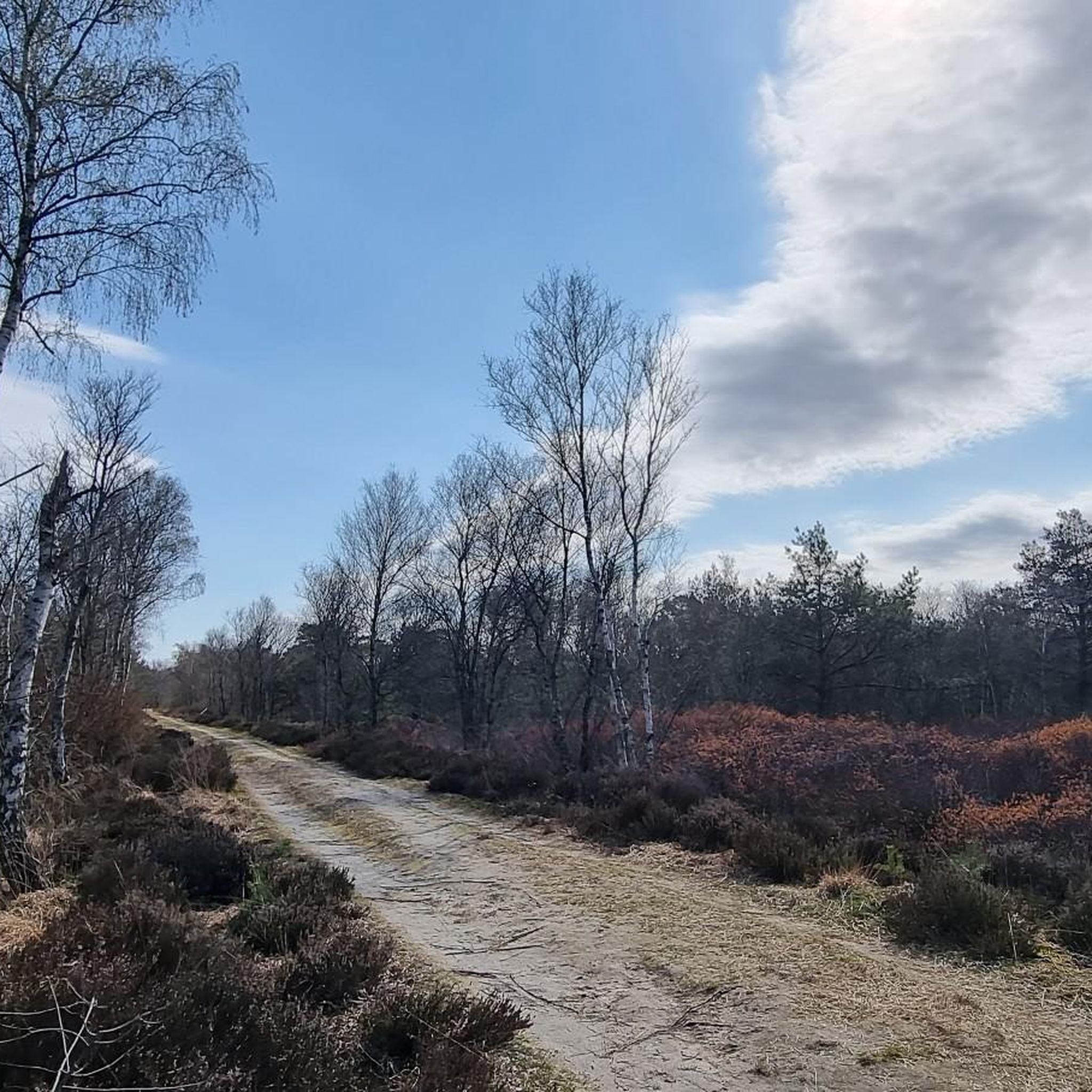
Very beautiful moor with three marked hiking trails. For cycling, only the main trail is advisable and permitted. You can get a good view of the moor from a viewing platform. Information boards are available.
1
0

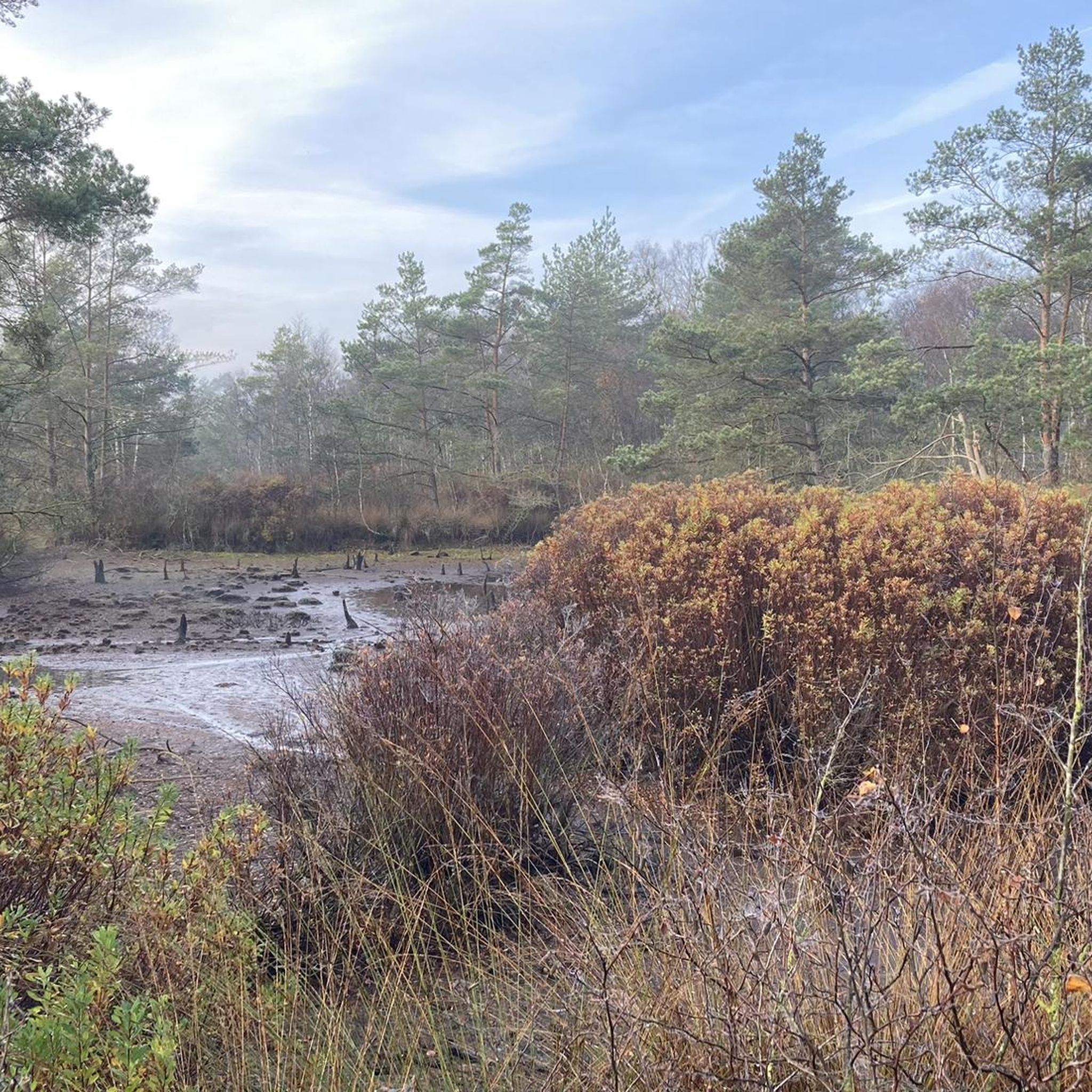
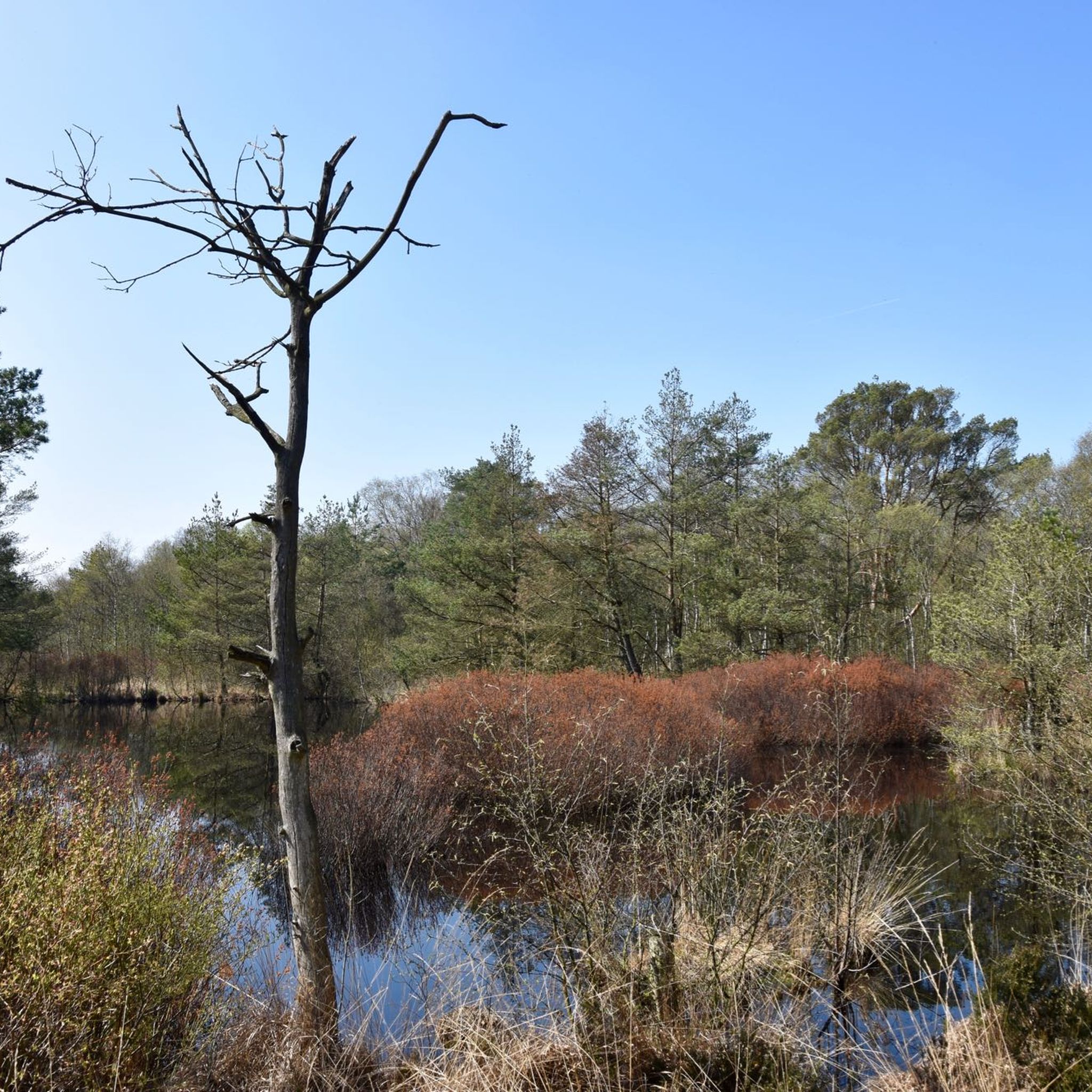
The Holler Moor borders directly on the Witte Moor. A beautiful, rewetted moorland area. It now offers a habitat for many animals and plants.
4
0

A special experience can be had here in April/May, when the bog myrtle blooms.
2
0
Unfortunately, everything is slowly falling into disrepair. The information boards are broken and barely legible. There is no apparent effort on the part of the municipality to intervene and preserve the place. It's a real shame.
0
0

The nature reserve with the registration number NSG WE 093 is around 377 hectares in size. It consists of the 195 hectare “Holler Moor” in the Oldenburg district and the 182 hectare “Wittemoor” in the Wesermarsch district. The area has been protected since December 17, 1988. The “Holler Moor” nature reserve, which was designated in 1978, and the “Holler and Wittemoor” landscape protection area, which was also designated in 1978, were incorporated into it. The responsible lower nature conservation authorities are the districts of Oldenburg and Wesermarsch. The raised moor area is located northwest of Hude on the edge of the Delmenhorster Geest in the transition area to the Wesermarsch and is a remnant of a former extensive raised bog that has largely been destroyed and disappeared due to drainage and peat mining. Parts of the protected moor were rewetted in the 1980s so that it can regenerate. Moor-typical plants such as peat mosses and cotton grass are settling here again.
1
0
The Holler Moor borders directly on the Witte Moor. A beautiful murder area that has been wet again. This means that it once again offers a habitat for many animals and plants.
6
0
Frequently Asked Questions
What natural features can I explore in the Holler- und Wittemoor region?
The primary natural attraction is the Holler- und Wittemoor Nature Reserve itself, a 380-hectare high moor landscape known for its renatured areas. You can observe typical moor plants like cotton grass, heather, and bog myrtle, and it provides a habitat for diverse wildlife, including bird species and moor frogs. The Holler Moor and Witte Moor near Hude are key parts of this expansive natural area.
Are there historical sites or cultural points of interest to visit?
Yes, the region offers fascinating historical insights. You can visit the Prehistoric Boardwalk in Witte Moor, a replica of an ancient path that illustrates how people crossed boggy terrain in prehistoric times. Along this reconstructed path, you'll also find replicas of abstract wooden figures, including male and female deities, which are among the few surviving Iron Age carvings and suggest the site may have been a cultic place.
Where can I get the best views of the moor landscape?
For elevated views over the renatured high moor landscape, head to the Observation Platform at Holler- und Wittemoor. This approximately 4-meter-high lookout tower provides an excellent vantage point for nature observation within the reserve.
What kind of hiking trails are available in the nature reserve?
The nature reserve features several designated hiking routes ranging from 4.5 to 7.5 kilometers. These trails guide visitors through regenerating moorland, moor forests, and grasslands. The terrain can be wet, so appropriate waterproof footwear is recommended. A popular route is the Dohlenweg – Witte Moor, which connects parts of the Holler and Witte Moor.
Are there options for cycling around Holler- und Wittemoor?
Yes, the area around Holler- und Wittemoor offers various cycling opportunities. You can find numerous routes for both road cycling and touring bicycles. For example, there are routes like the 'Hude Abbey Ruins – Nordenholzer Hof loop' for road cycling or the 'Hude Abbey Ruins – Huder Bach at Hude Monastery loop' for touring. You can explore more options on the dedicated komoot guides for Road Cycling Routes around Holler- und Wittemoor and Cycling around Holler- und Wittemoor.
Is the Holler- und Wittemoor area suitable for families with children?
Yes, many attractions and trails in the Holler- und Wittemoor area are considered family-friendly. The designated hiking trails are accessible, and the replica of the Prehistoric Boardwalk in Witte Moor with its informative panels can be an engaging experience for children. The nature observation opportunities from the Observation Platform also appeal to families.
What is the best time of year to visit Holler- und Wittemoor?
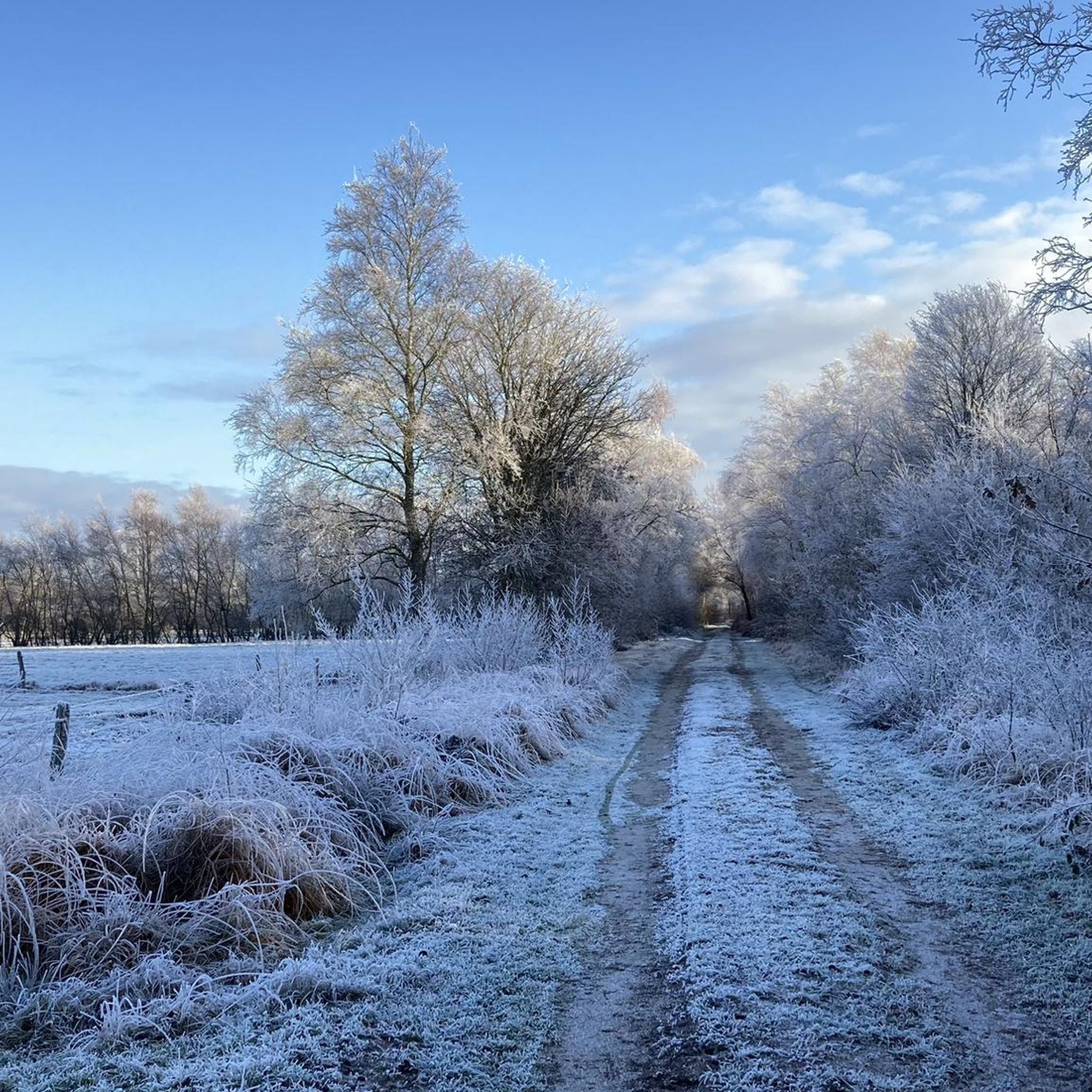
The Holler- und Wittemoor offers unique experiences in every season. Spring brings new growth and bird activity, while summer showcases the moor plants in full bloom. Autumn offers beautiful colors, and even winter can be picturesque, though trails might be wetter. Visitors note that there are plants and animals to discover throughout the year, making it a great hiking area in any season.
Where can I park when visiting the nature reserve?
A convenient starting point for accessing the nature reserve's hiking trails is the Reiherholz Car Park, located on Linteler Straße. This provides easy access to the various paths within Holler- und Wittemoor.
What should I wear when exploring the moor?
Given that the terrain in the high moor can be wet, especially after rain or in certain seasons, it is highly recommended to wear appropriate waterproof footwear. Layers of clothing are also advisable to adapt to changing weather conditions.
Are dogs allowed on the trails in Holler- und Wittemoor?
To protect the sensitive ecosystem and wildlife within the nature reserve, visitors are encouraged to keep dogs on a leash when on designated paths. This helps preserve the natural habitat for species like the red-backed shrike and moor frogs.
What kind of wildlife can I expect to see?
The renatured high moor provides a habitat for diverse wildlife. You might spot typical moor birds such as the red-backed shrike, as well as moor frogs. The rewetting efforts have successfully created an environment where many animals and plants can thrive once again.
What do visitors enjoy most about Holler- und Wittemoor?
Visitors frequently praise the quiet and relaxing atmosphere of the moor, making it ideal for peaceful walks. The unique natural landscape, with its springy moor path, offers a different walking experience. The informative panels along trails, such as the Prehistoric Boardwalk, are also highly appreciated for providing insights into the area's history and ecology.
Most popular routes around Holler- und Wittemoor
Most popular attractions around Holler- und Wittemoor

Get inspired with the komoot mobile app


Explore more
Still not found the Highlight you’re looking for? See guides of the top attractions in other regions:
