Attractions and Places To See around Osburger Wald - Top 20
Best attractions and places to see around Osburger Wald are found within the Hunsrück region of Rhineland-Palatinate, largely covered by forests and part of the Saar-Hunsrück Nature Park. The area features notable landmarks like the Rösterkopf, the highest elevation at 708 meters, and the source of the Ruwer river. Visitors can explore natural features such as spring-bogs and deeply incised valleys, alongside cultural sites including Roman aqueducts and Celtic burial mounds. This diverse landscape offers a range of experiences for…
Last updated: June 22, 2026
Former Beaver Pond in the Wadrill Valley
Highlight • Lake
Translated by Google •
Tip by

Ruwer Spring
Highlight • Natural Monument
To quote the incomparable humorist Heinz Erhardt (1909 - 1979), who was known to a …
Translated by Google •
Tip by

Sign up now to discover places like this
Get recommendations on the best single tracks, peaks, & plenty of other exciting outdoor places.
Sign up for free
Rock formation "Frau Holle"
Highlight • Natural Monument
Translated by Google •
Tip by

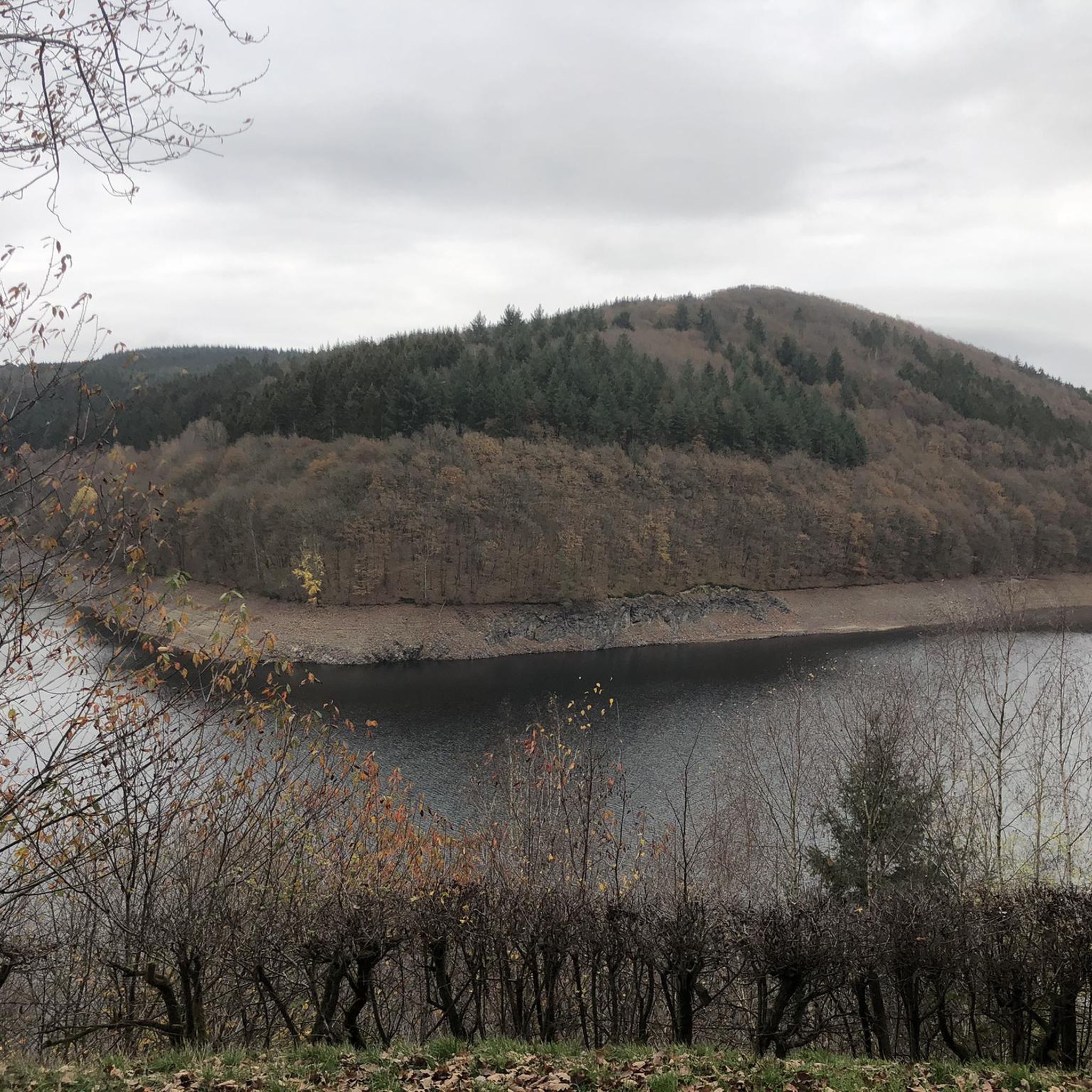
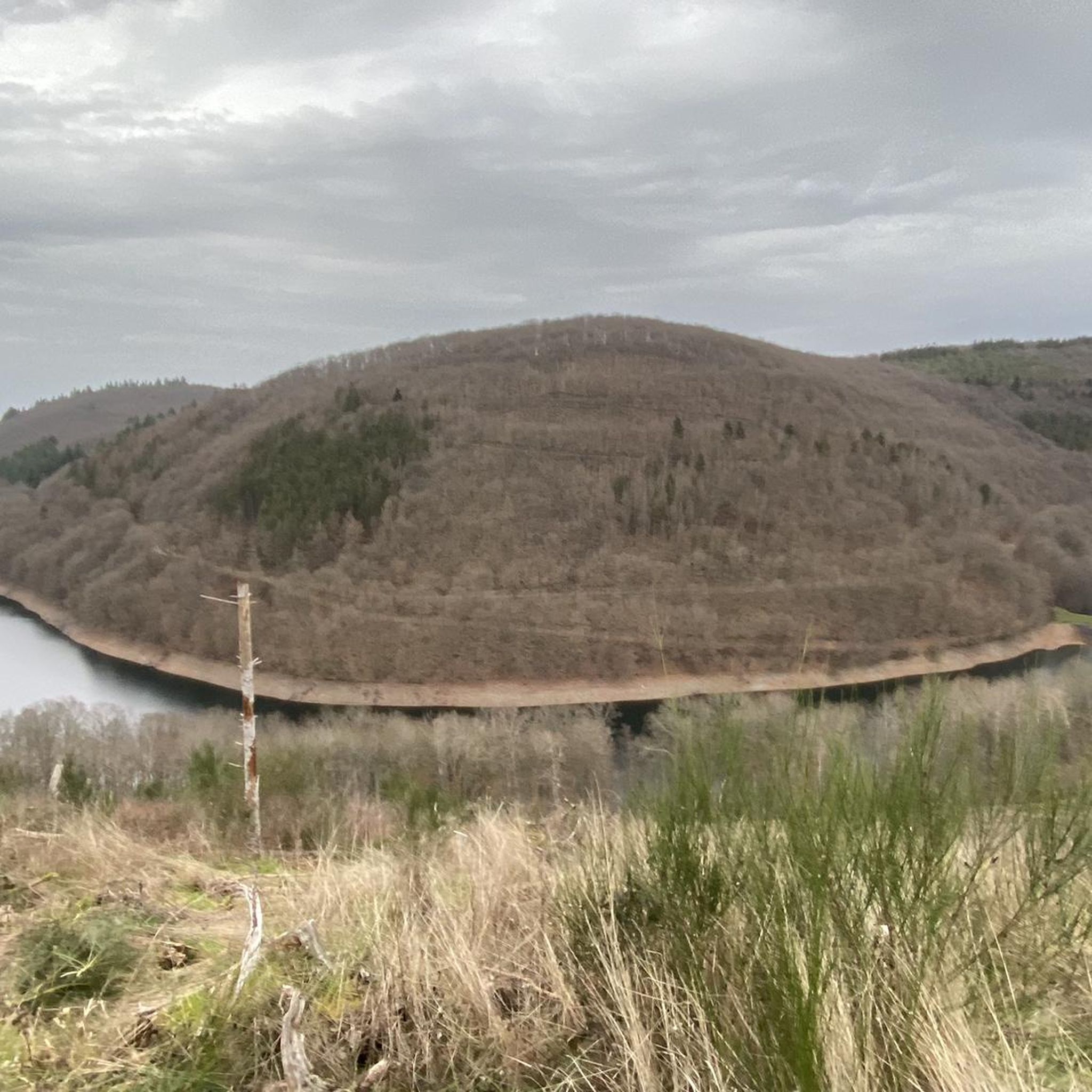
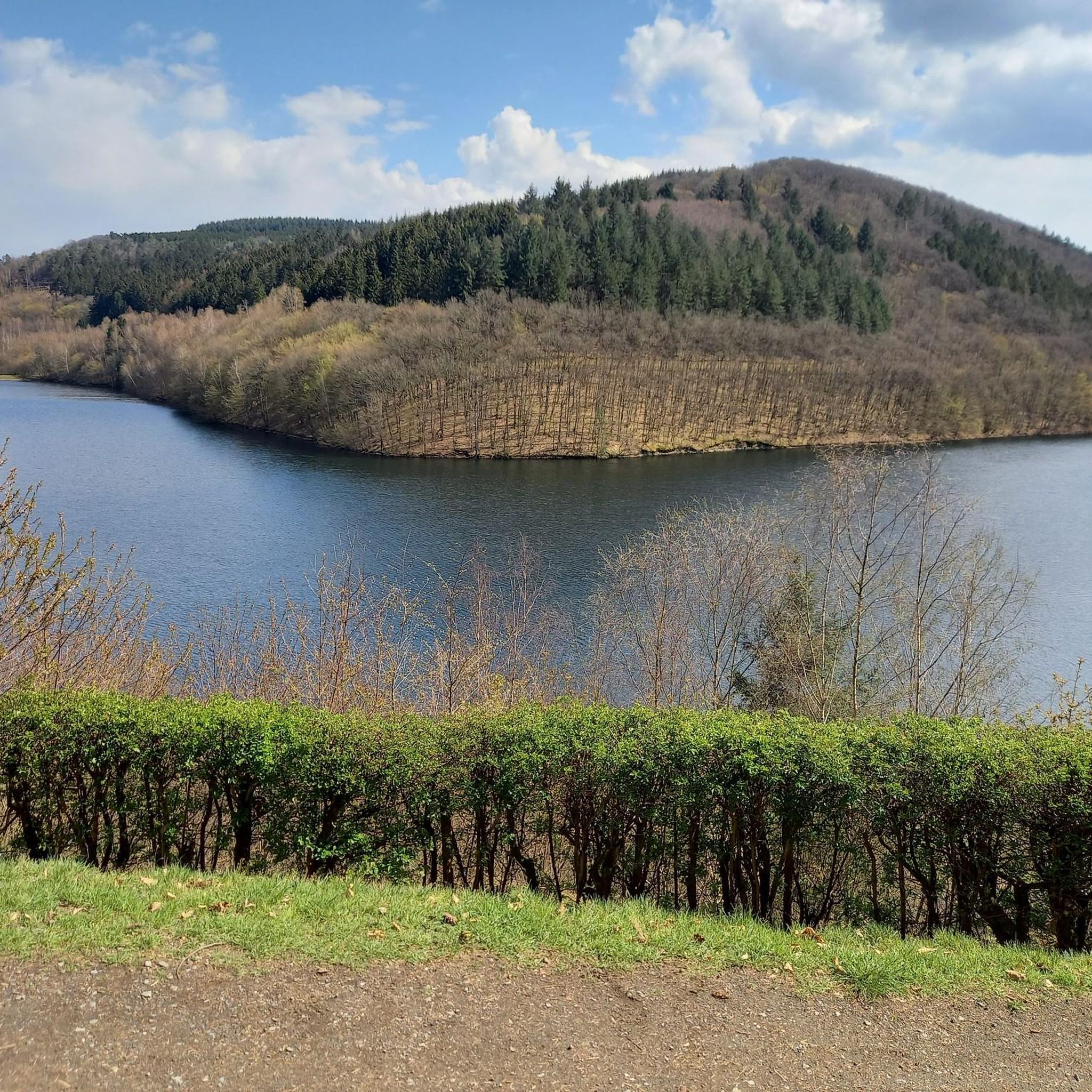
Riveris Reservoir
Highlight • Lake
Translated by Google •
Tip by

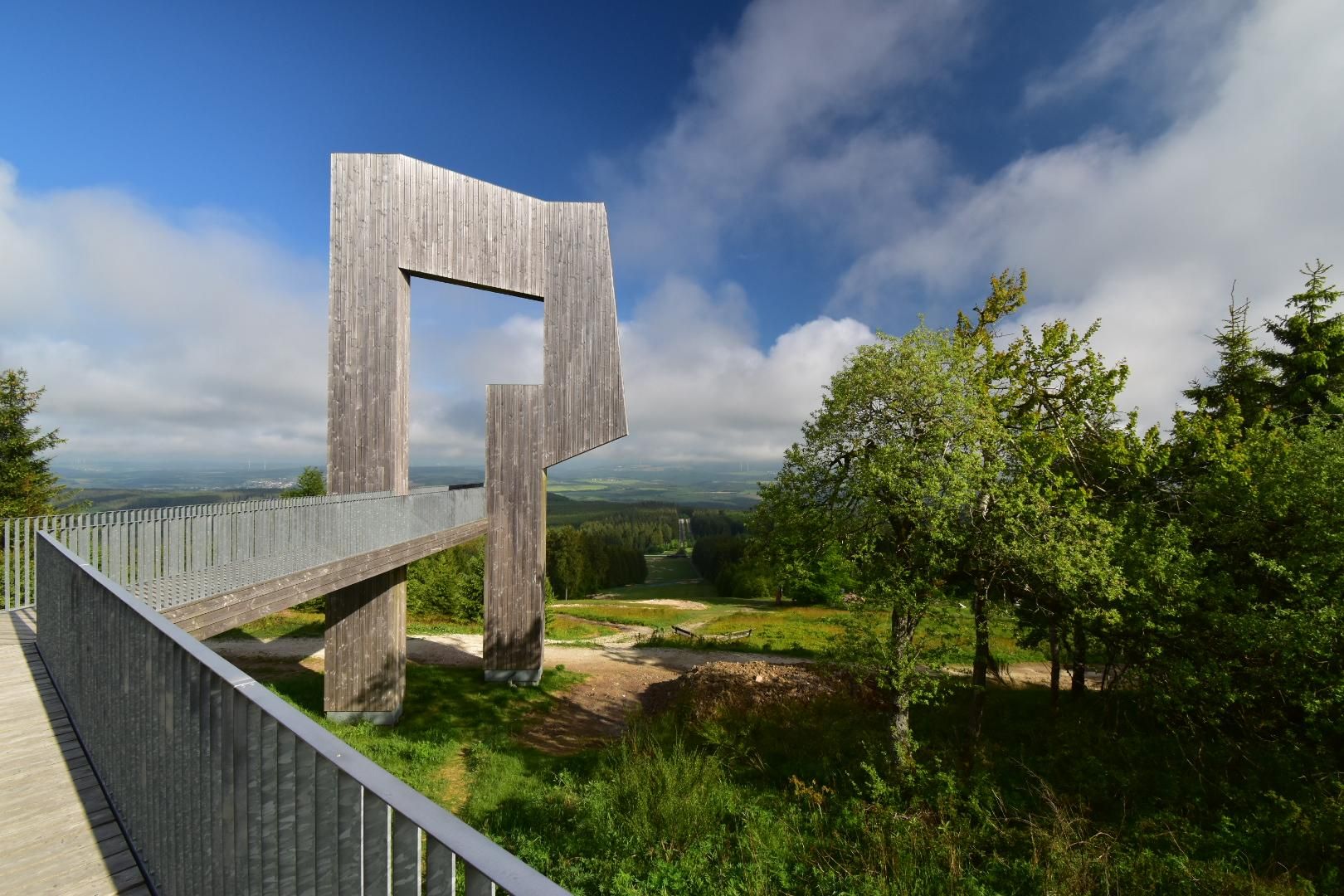
Rösterkopf Communication Tower
Highlight • Monument
Translated by Google •
Tip by

Sign up for free to discover even more attractions around Osburger Wald.
Sign up for free
Already have an account?
Start today with a free account
Your next adventure awaits.
Login or Signup
Other adventures around Osburger Wald

Tips from the Community

For me, "Frau Holle" was always the kind old lady shaking out down comforters. This "Frau Holle" with her hollow eyes gazing out of the rock, however, goes back to the Celtic/Germanic legendary figure who was declared a demon during the Christianization process.
1
0

Very beautiful rock formation at the beginning of the dream loop.
1
0

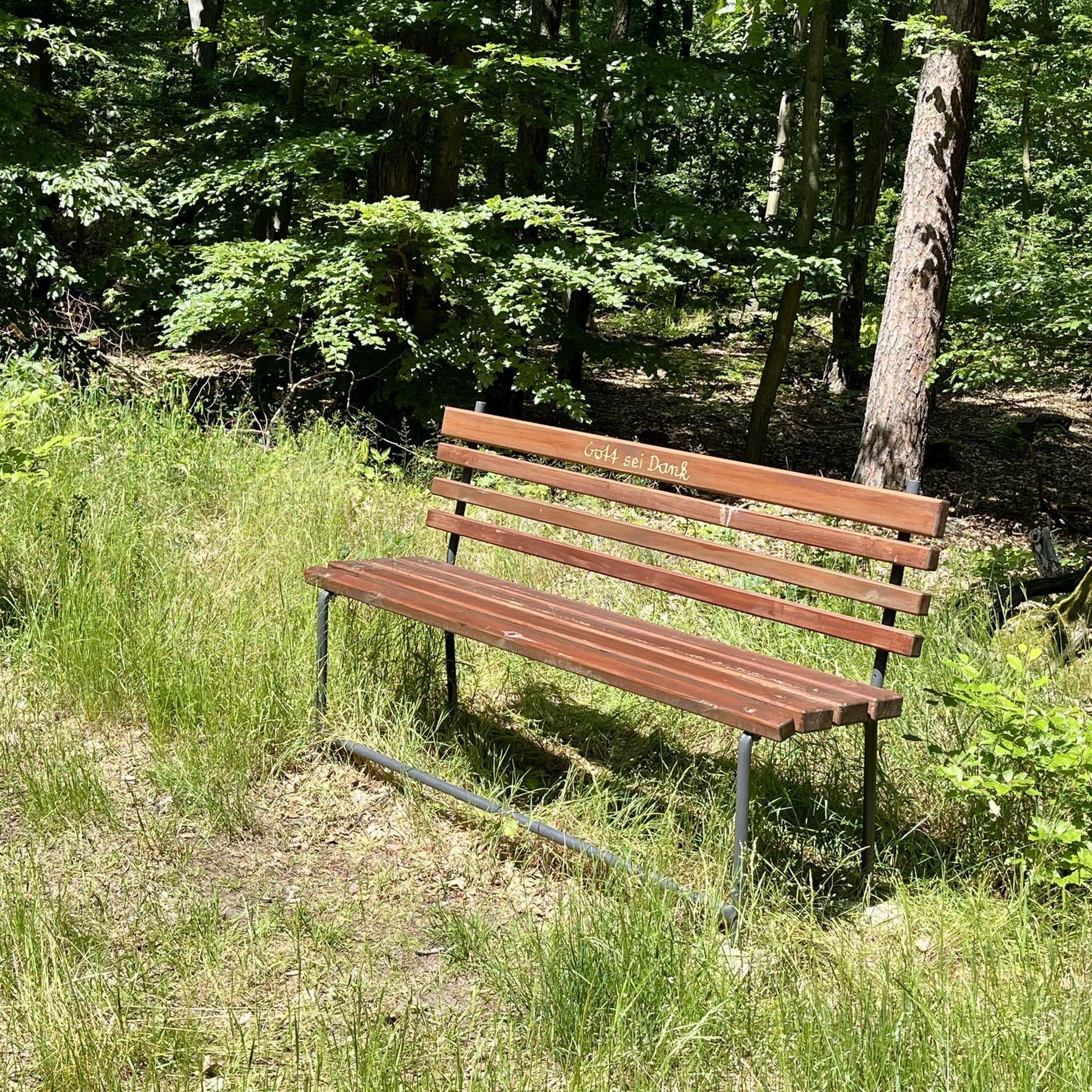
A few years ago beavers were spotted here again. Next to the habitat there is a nice little shelter that invites you to take a break and also offers an information board about beavers.
0
0

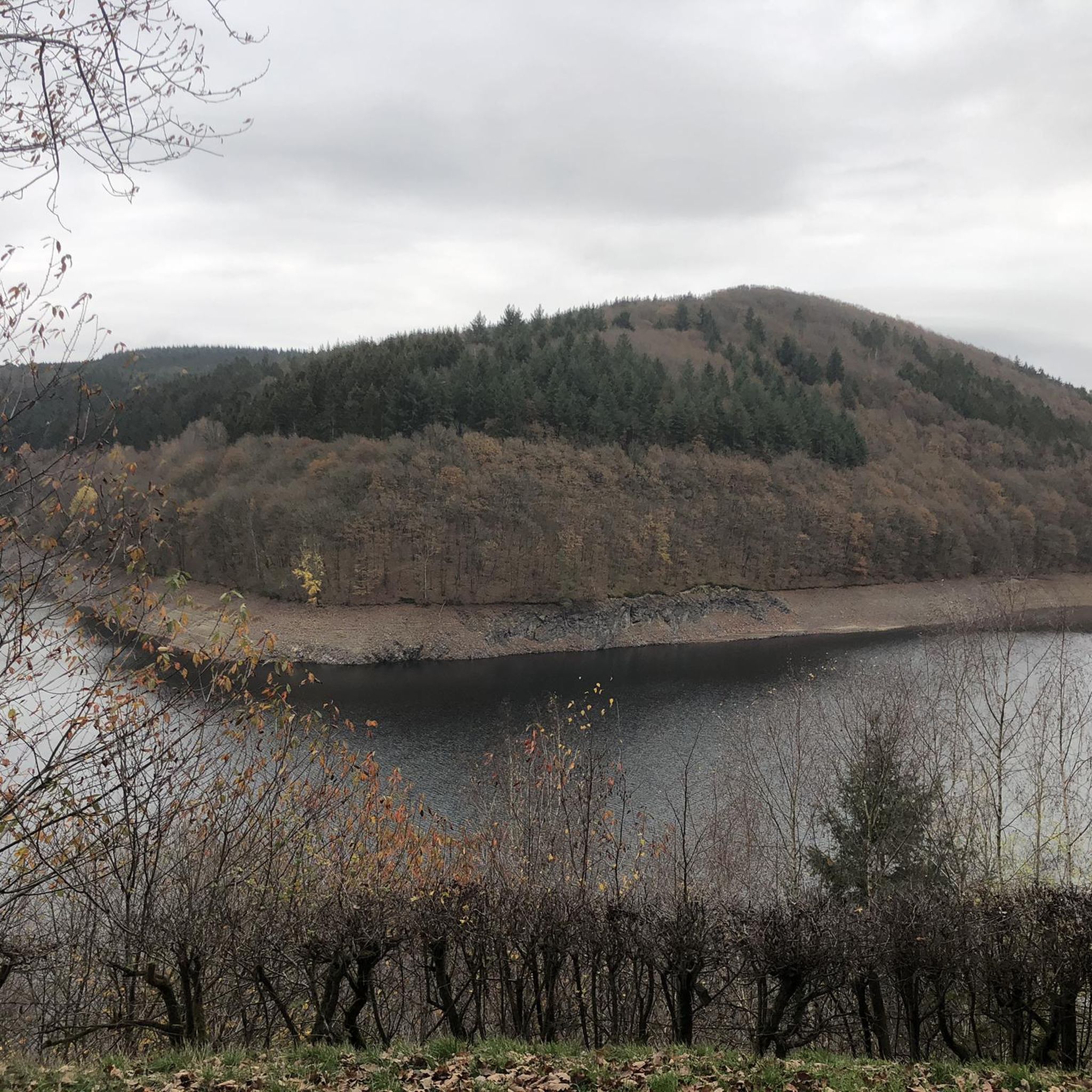
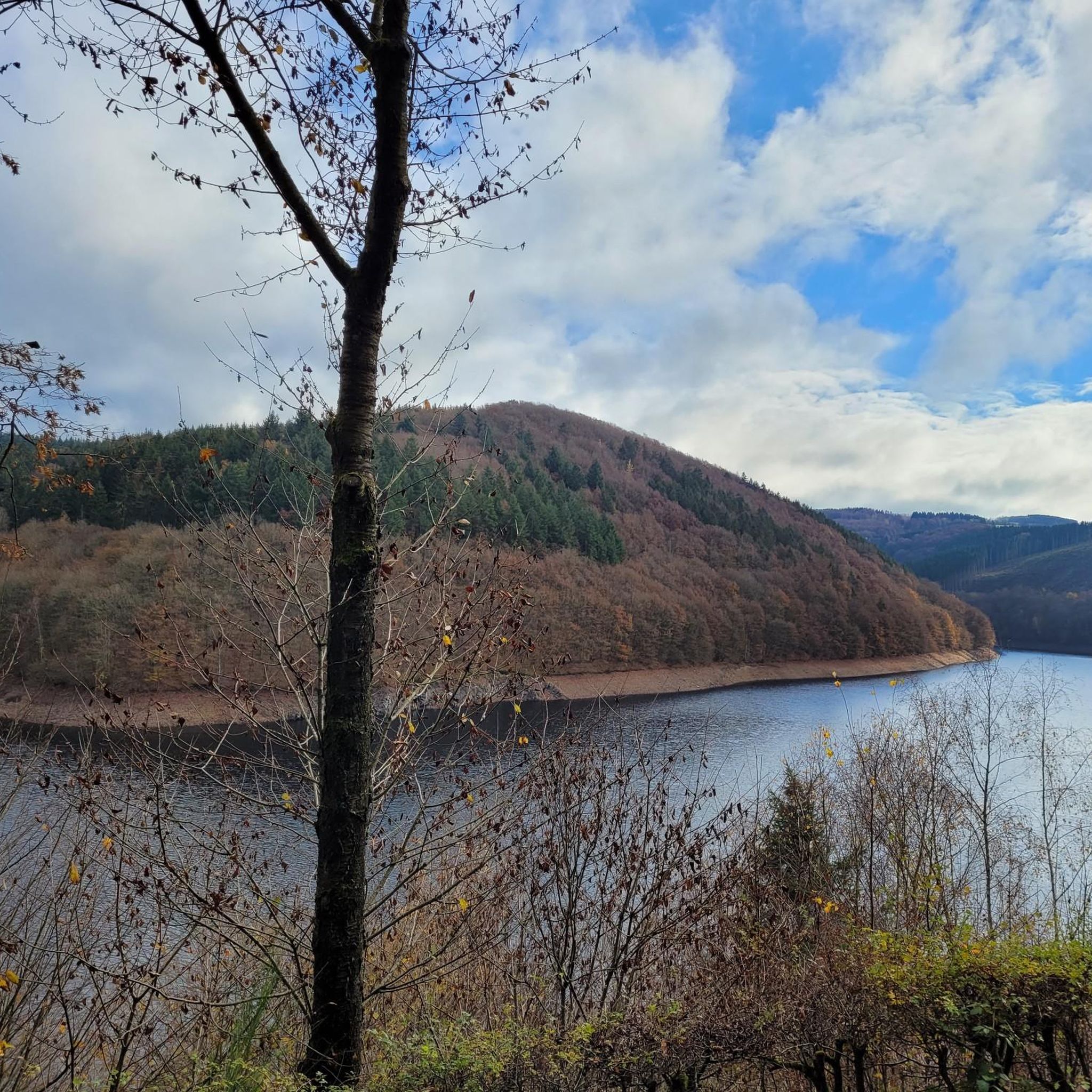
If you want to see the lake well, you should do the tour when the trees are not in leaf 😊
0
0

The Riveristalsperre is a drinking water dam that was built in the Riveris valley and has been supplying the city of Trier with drinking water since 1958. Technical data: Dam: 350,000 m³ slope and valley gravel, dam height: 50 m, dam width: 178 m, content: up to 5 million m³ drinking water. The area around the dam is a water protection area. You can walk around the dam on a leisurely hiking trail. There is a large car park below the dam. Swimming and water sports are not permitted on the dam, as the water must be protected from contamination.
1
0

𝑽𝒐𝒏 𝒅𝒆𝒏 𝑸𝒖𝒆𝒍𝒍𝒆𝒏 𝒃𝒊𝒔 𝒛𝒖𝒓 𝑴ü𝒏𝒅𝒖𝒏𝒈 In the large forest area of the Osburger Hochwald, at 708 meters above sea level, lies the highest point in the Ruwer catchment area - the Rösterkopf. Where the groundwater flowing in the quartzite meets impermeable clay slate, there are several spring outflows. The escaping water ultimately forms the basis for the Ruwer, which is still very inconspicuous there. Below its headwaters, the Ruwer then flows through the Keller Mulde, a nature reserve designated in 1999 with a size of around 270 hectares. The subsoil changes from the original quartzite rock to the softer Hunsrück schist. From now on, the Ruwer flows to the southwest at a significantly lower flow rate than in the source region. In the local area of Zerf, at an altitude of 350 meters above sea level, the river changes its direction of flow and turns north - one speaks of the so-called "Zerfer knee", as the Ruwer changes its direction in a 95 ° bend. Initially, wide floodplains change into stream sections with a narrow valley bottom and quite steep slopes. Only occasionally there are larger valley widenings. The settlements in this middle Ruwertal are on the upper slope. Only there are the slopes and heights more gently inclined and can also be used for agriculture. Finally, in the lower section of the river, there are the wine-growing towns of Waldrach, Kasel, Mertesdorf and Trier-Ruwer. The wine that has made the Ruwertal famous far beyond the country's borders grows on the steep slate slopes facing south and west. Source: Ruwer and tributaries water project, a brochure on the Ruwer water project; Ed .: District administration Trier-Saarburg, 2001
7
1
𝗗𝗶𝗲 𝗥𝘂𝘄𝗲𝗿 𝑬ı𝒏 𝒌𝒍𝒆𝒊𝒏𝒆𝒓, 𝒂𝒃𝒆𝒓 𝒃𝒆𝒌𝒂𝒏𝒏𝒕𝒆𝒓 𝑭𝒍𝒖𝒔𝒔 𝒊𝒏 𝑫𝒆𝒖𝒕𝒔𝒄𝒉𝒍𝒂𝒏𝒅 Although the Ruwer is only 46km long and should be referred to as a stream rather than a river, it has become extremely well known, not least because of the well-known vineyards in the lower Ruwer valley. popularly also known as "Ruwerspring" is the most famous spring. On its 46 km long stretch to the Ruwer district of Trier, it overcomes a difference in altitude of around 550 meters. On their way to their big sister, the Moselle, a varied relief unfolds with deeply incised valley valleys, flat hollow valleys and wide plateaus. The Ruwer course is also shaped very differently in terms of climate. In the extensive forests around the Rösterkopf, the climate is rather cool and rainy, and spring is often a long time coming, whereas in the lower Ruwertal there are almost meditarranean conditions, which enable wine-growing on the steep slate slopes facing south and west. Source: Text information board
7
0
𝗗𝗶𝗲 𝗥𝘂𝘄𝗲𝗿 𝑬ı𝒏 𝒌𝒍𝒆𝒊𝒏𝒆𝒓, 𝒂𝒃𝒆𝒓 𝒃𝒆𝒌𝒂𝒏𝒏𝒕𝒆𝒓 𝑭𝒍𝒖𝒔𝒔 𝒊𝒏 𝑫𝒆𝒖𝒕𝒔𝒄𝒉𝒍𝒂𝒏𝒅 Although the Ruwer is only 46km long and should be referred to as a stream rather than a river, it has become extremely well known, not least because of the well-known vineyards in the lower Ruwer valley. popularly also known as "Ruwerspring" is the most famous spring. On its 46 km long stretch to the Ruwer district of Trier, it overcomes an altitude difference of around 550 meters. On their way to their big sister, the Moselle, a varied relief with deeply incised notch valleys, flat hollow valleys and wide plateaus unfolds. The Ruwer course is also shaped very differently in terms of climate. In the extensive forests around the Rösterkopf, the climate is rather cool and rainy, and spring is often a long time coming, whereas in the lower Ruwertal there are almost meditarranean conditions, which enable wine-growing on the steep slate slopes facing south and west. Source: Text information board
10
2
Frequently Asked Questions
What natural attractions can I explore in the Osburger Wald region?
The Osburger Wald region, part of the Saar-Hunsrück Nature Park, offers diverse natural features. You can visit the Ruwer Spring, the source of the Ruwer river, or the scenic Riveris Reservoir, which provides a beautiful setting for walks. Don't miss the Former Beaver Pond in the Wadrill Valley to observe beaver activity, or the unique Rock formation "Frau Holle", steeped in local folklore. The area also features the Weyrichsbruch, a natural spring-bog with a wooden walkway for exploration, and extensive mixed and coniferous forests.
Are there any historical or cultural sites to visit in Osburger Wald?
Yes, the region is rich in history. You can discover remnants of a Roman aqueduct and a section of a Roman road, as well as ancient Celtic burial mounds. In Osburg itself, explore the historical circular route that includes the old church and the former forestry office. Nearby cultural highlights include the 17th-century Monaise Castle and the Karthaus Monastery, now a cultural center.
What outdoor activities are popular around Osburger Wald?
The Osburger Wald is ideal for various outdoor activities. Hiking is very popular, with numerous well-maintained paths like the Osburger Panoramaweg. You can find many hiking routes, including moderate and difficult options, by exploring hiking trails around Osburger Wald. Mountain biking is also a great way to experience the forested landscape; check out MTB trails around Osburger Wald for routes like the Keller Reservoir loop.
Are there family-friendly attractions in the Osburger Wald area?
Absolutely! Several attractions are suitable for families. The Former Beaver Pond in the Wadrill Valley offers an engaging experience with information boards about beavers. The Ruwer Spring and the Riveris Reservoir are also marked as family-friendly, providing pleasant walks and scenic views for all ages.
Where can I find the highest point in Osburger Wald and what can I see there?
The highest point in the Osburger Hochwald is the Rösterkopf, standing at 708 meters. At its summit, you'll find the Rösterkopf Communication Tower, which offers a viewpoint over the surrounding forested landscape. The Ruwer river also originates at the foot of the Rösterkopf.
What do visitors enjoy most about the natural sites in Osburger Wald?
Visitors particularly appreciate the tranquility and natural beauty. For instance, at the Former Beaver Pond, many hope to spot beavers and marvel at their structures. The Ruwer Spring is valued for its significance as a river source and the varied landscapes it creates. The Riveris Reservoir is praised for its beautiful circular route and scenic views.
Are there any unique natural features or reserves in the region?
Yes, the Osburger Wald is part of the Saar-Hunsrück Nature Park, ensuring its preserved natural beauty. A particularly unique feature is the Weyrichsbruch, a nearly 7-hectare spring-bog or highmoor that remains in a natural state. A wooden walkway allows visitors to explore this rare ecosystem without disturbing it.
Can I find trails for different difficulty levels in Osburger Wald?
Yes, the region offers trails for various skill levels. For example, the circular route around the Riveris Reservoir is mostly easy to manage. Many hiking and MTB routes are classified as moderate, such as the 'Historic Weir on the Wadrill – Frau Holle Rock Formation loop'. More challenging routes, like the 'Riveris Reservoir – View of Sommerau Castle Ruins loop', are also available for experienced hikers. You can explore options on the hiking guide.
What kind of forested landscapes can I expect in Osburger Wald?
The Osburger Hochwald is almost entirely covered by diverse forests, including mixed, coniferous, and beech forests. You'll encounter deeply incised valleys and numerous spring brooks emerging from the hillsides. On the slopes leading to the Ruwer valley, you can also find dry forests, adding to the varied natural scenery.
Are there any specific viewpoints or scenic spots recommended in Osburger Wald?
Beyond the Rösterkopf Communication Tower, which offers panoramic views, the Riveris Reservoir provides beautiful vistas, especially along its circular path. The Rock formation "Frau Holle" is another interesting natural viewpoint, offering a unique geological sight.
Can I find routes that feature waterfalls or rivers in the area?
Yes, the region's deeply incised valleys and numerous spring brooks mean there are opportunities to explore routes along water features. You can find specific routes that highlight the Ruwer river and other water elements by looking at waterfall hikes around Osburger Wald, such as the 'Path Along the Ruwer – Ruwer River loop'.
Most popular routes around Osburger Wald
Most popular attractions around Osburger Wald

Get inspired with the komoot mobile app


Explore more
Still not found the Highlight you’re looking for? See guides of the top attractions in other regions:
