Attractions and Places To See around Rotenberg - Top 20
Attractions and places to see around Rotenberg offer a diverse range of natural landscapes and historical sites. This region in Germany features significant natural monuments, ancient forests, and remnants of historical fortifications. Visitors can explore extensive cycling paths, scenic trails, and unique cultural monuments. The area provides opportunities for outdoor activities amidst varied terrain.
Best attractions and places to see around Rotenberg
- The most popular attractions is Pollarded hornbeam wood near Gieboldehausen, a forest that is a special historic…
Last updated: August 16, 2026
Old Railway Embankment Cycle Path (Herzberg–Ruhmspringe)
Highlight • Cycleway
Translated by Google •
Tip by

Rhume Spring
Highlight • Natural Monument
Translated by Google •
Tip by

Sign up now to discover places like this
Get recommendations on the best single tracks, peaks, & plenty of other exciting outdoor places.
Sign up for free
Pollarded hornbeam wood near Gieboldehausen
Highlight • Forest
In 1995, the Landscape Conservation …
Translated by Google •
Tip by

Rhumspringe barbecue area with shelter
Highlight • Rest Area
Since the Harzclub Rumspringe has created something great.
Translated by Google •
Tip by

König Heinrichs Vogelherd Castle Ruins and Grill Area
Highlight • Castle
Translated by Google •
Tip by

Sign up for free to discover even more attractions around Rotenberg.
Sign up for free
Already have an account?
Start today with a free account
Your next adventure awaits.
Login or Signup
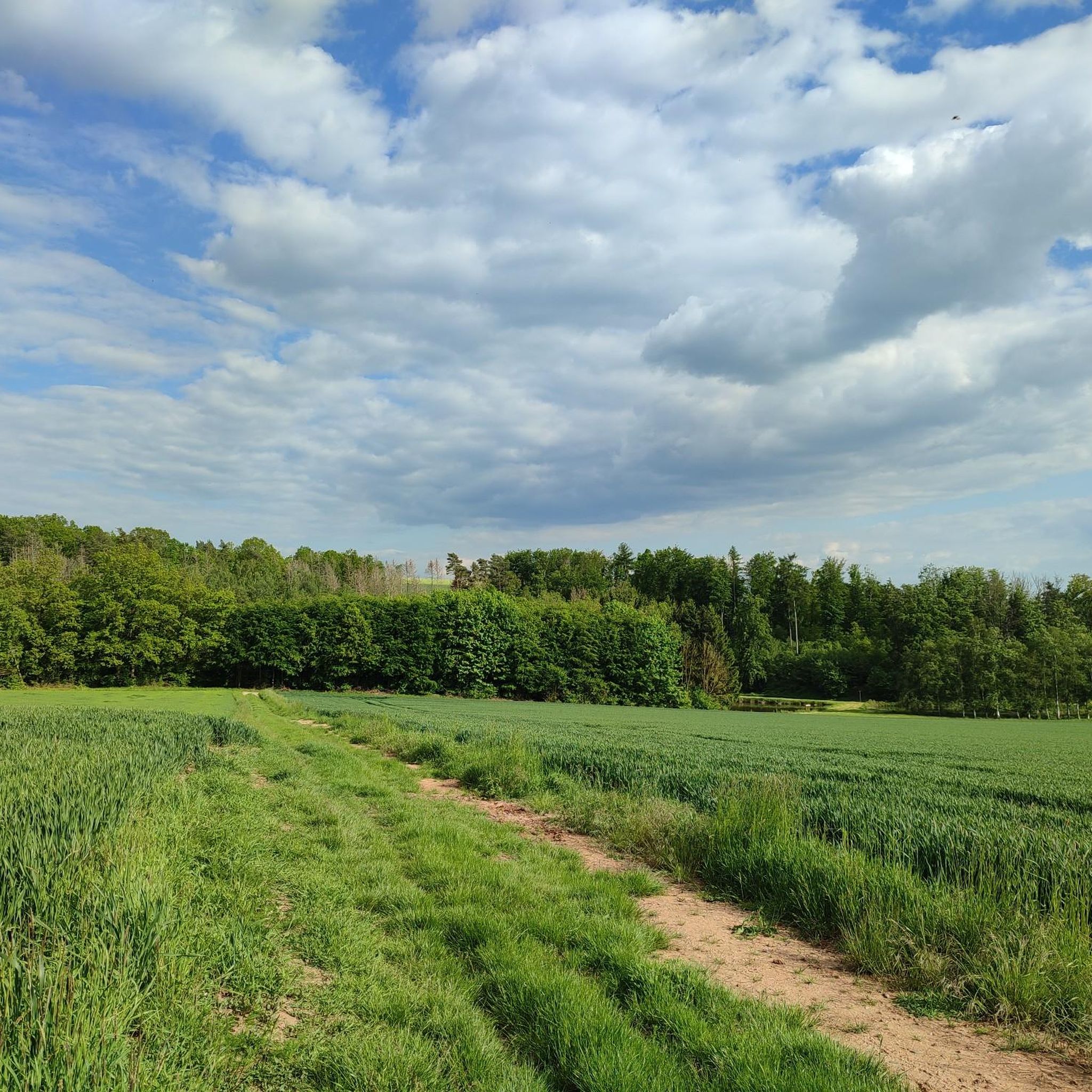
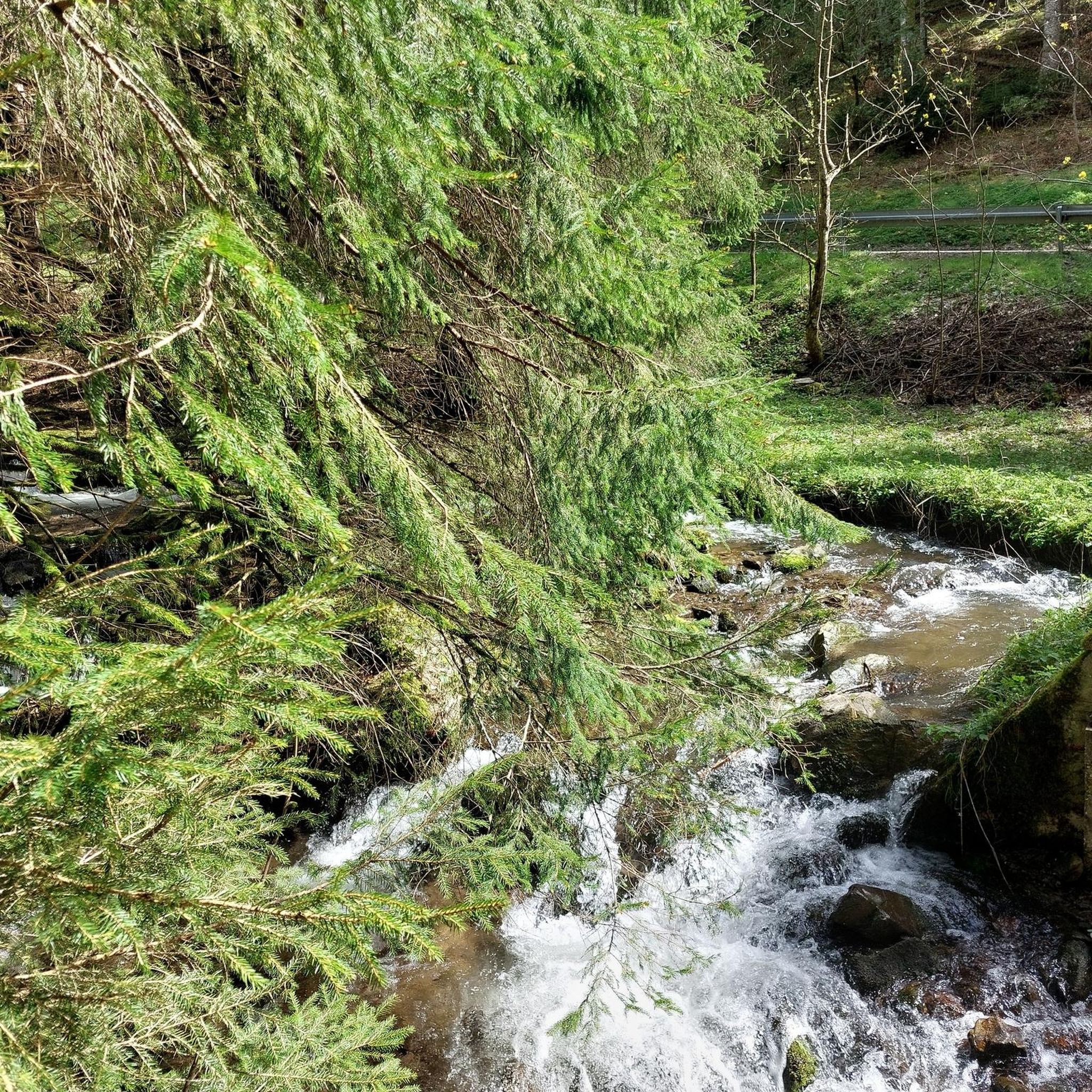
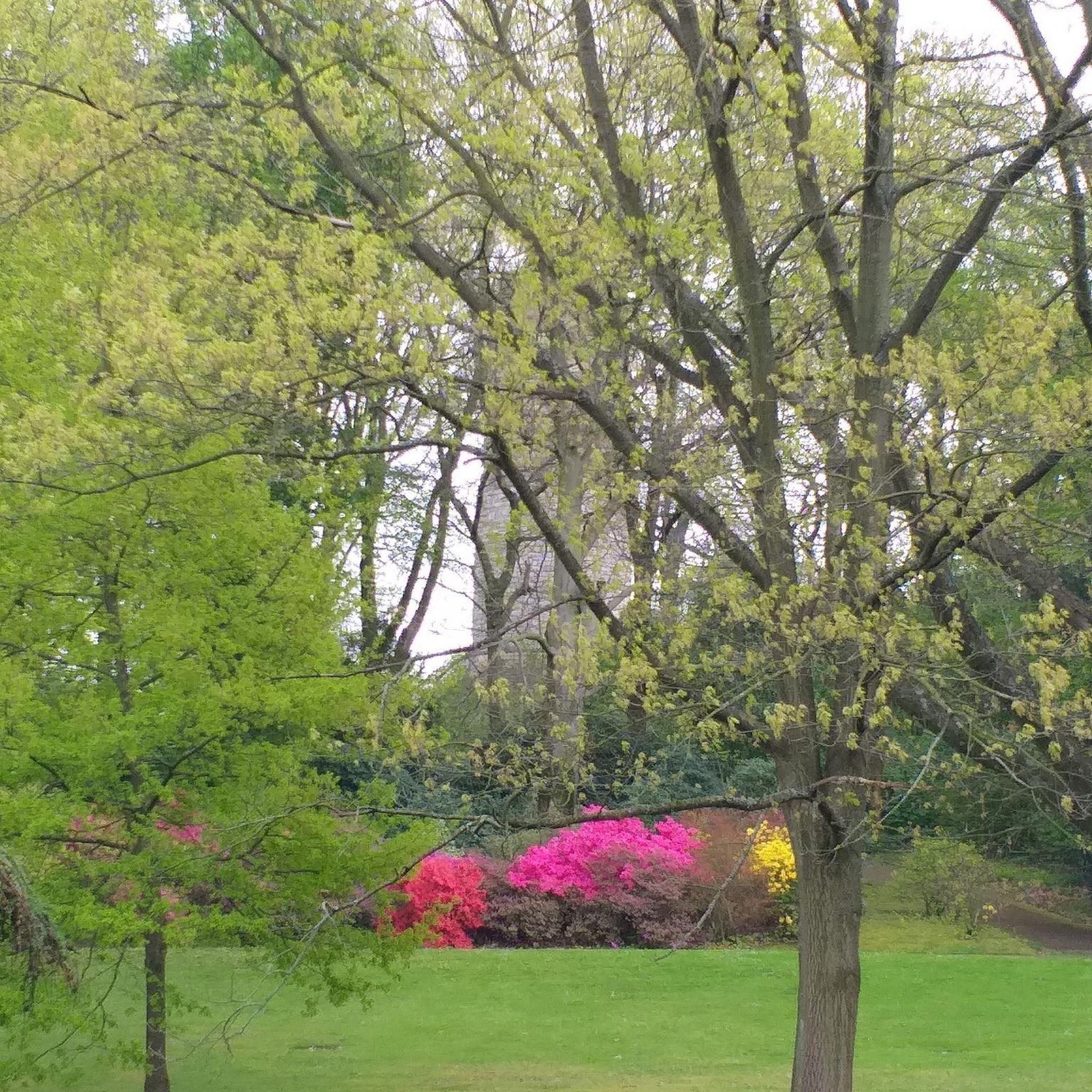
Tips from the Community

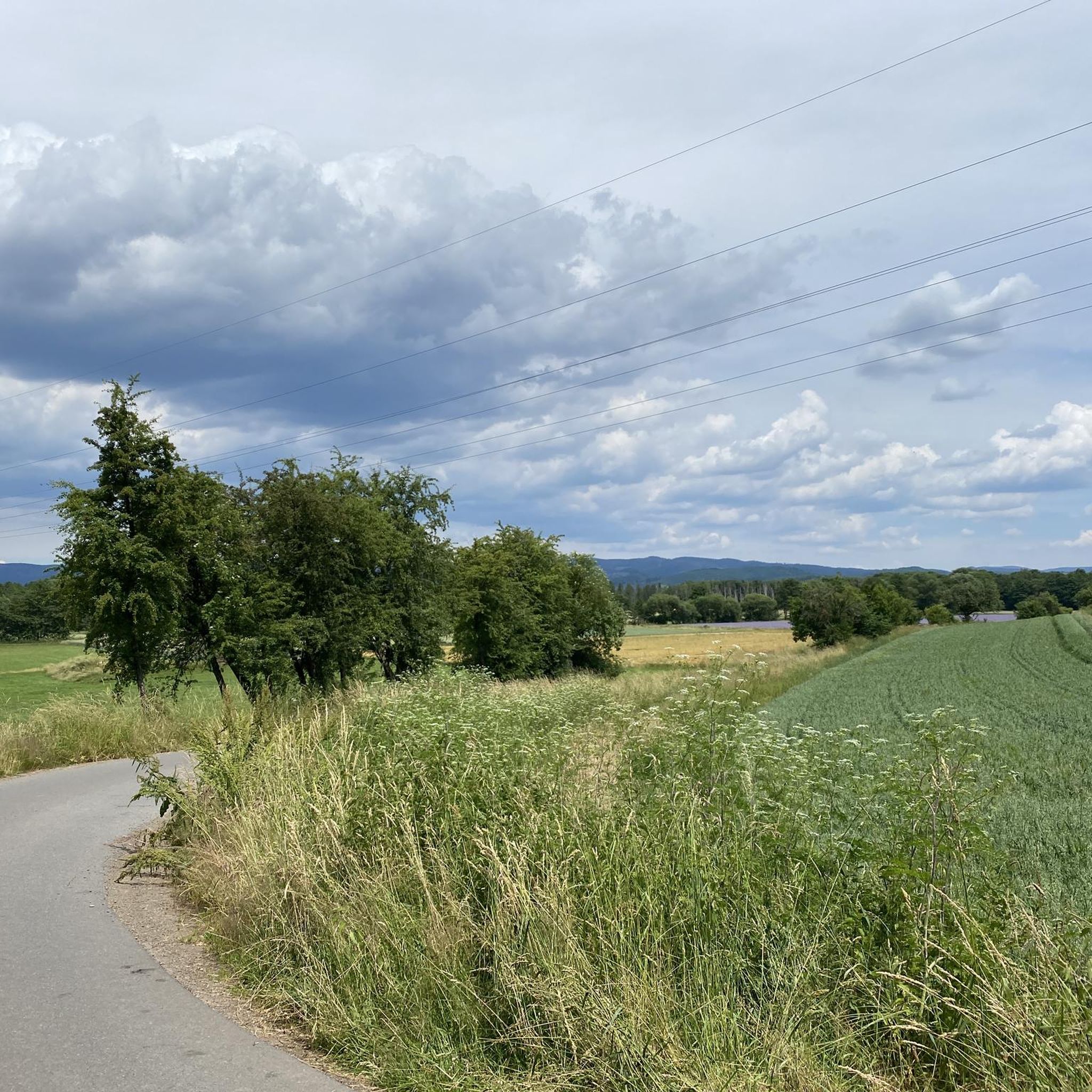
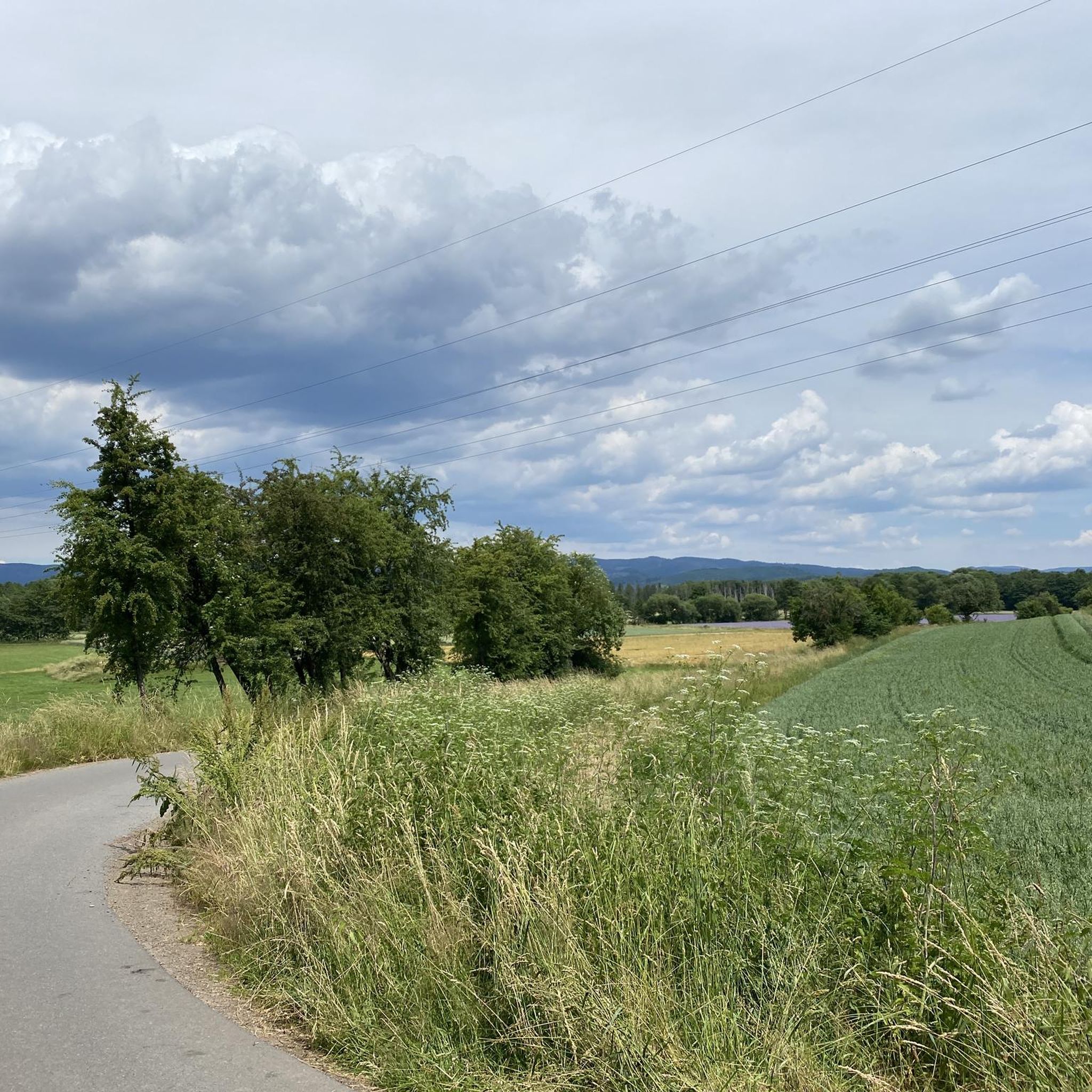
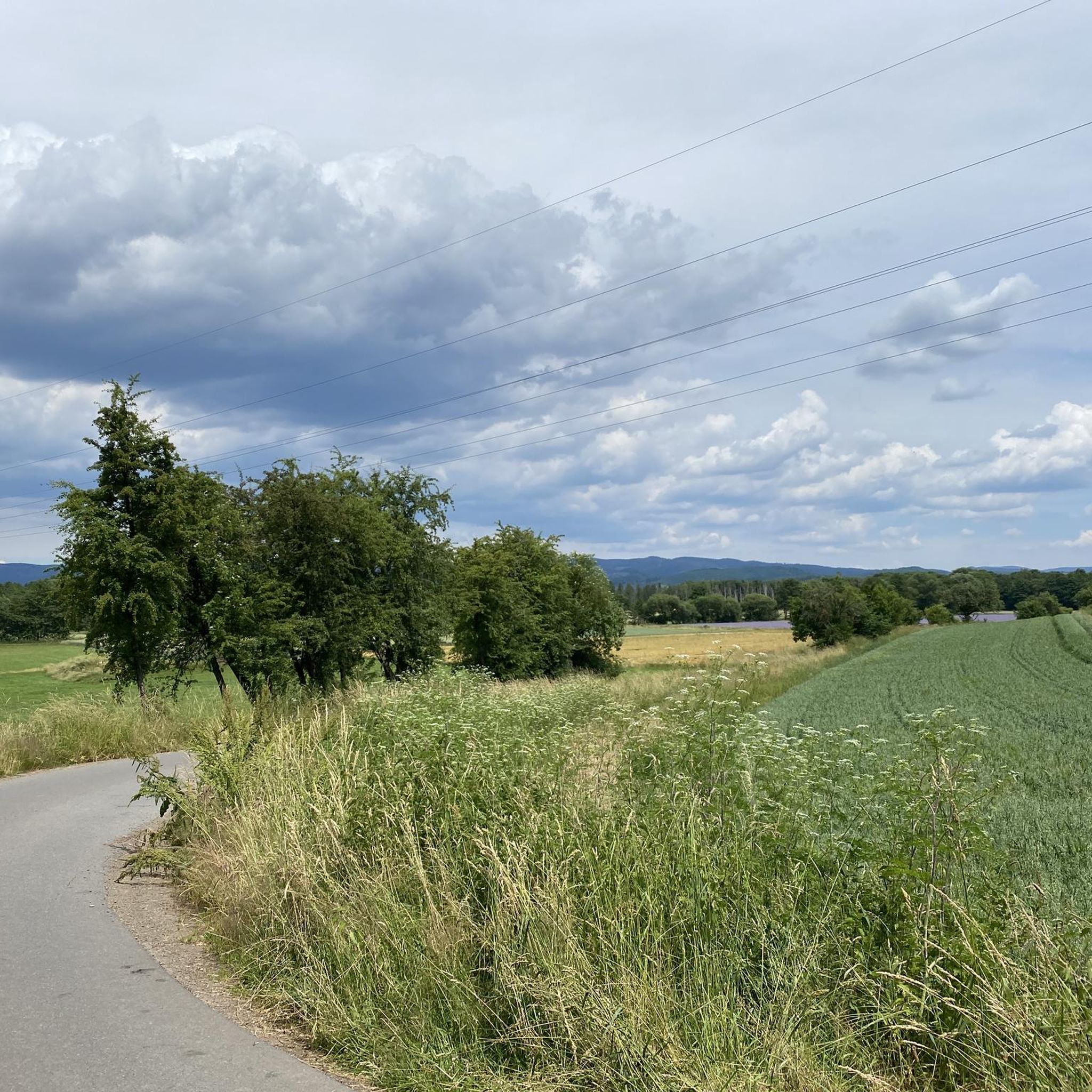
The path is marked as "cobblestone", but it is much more rideable!
0
0

Beautiful straight cycle path to Herzberg in the shade of the forest
0
0

Can be ridden very well with a gravel bike
0
0


The spacious barbecue area is located about 1.5 kilometers along the hiking trail from the Ruhmequelle.
6
0


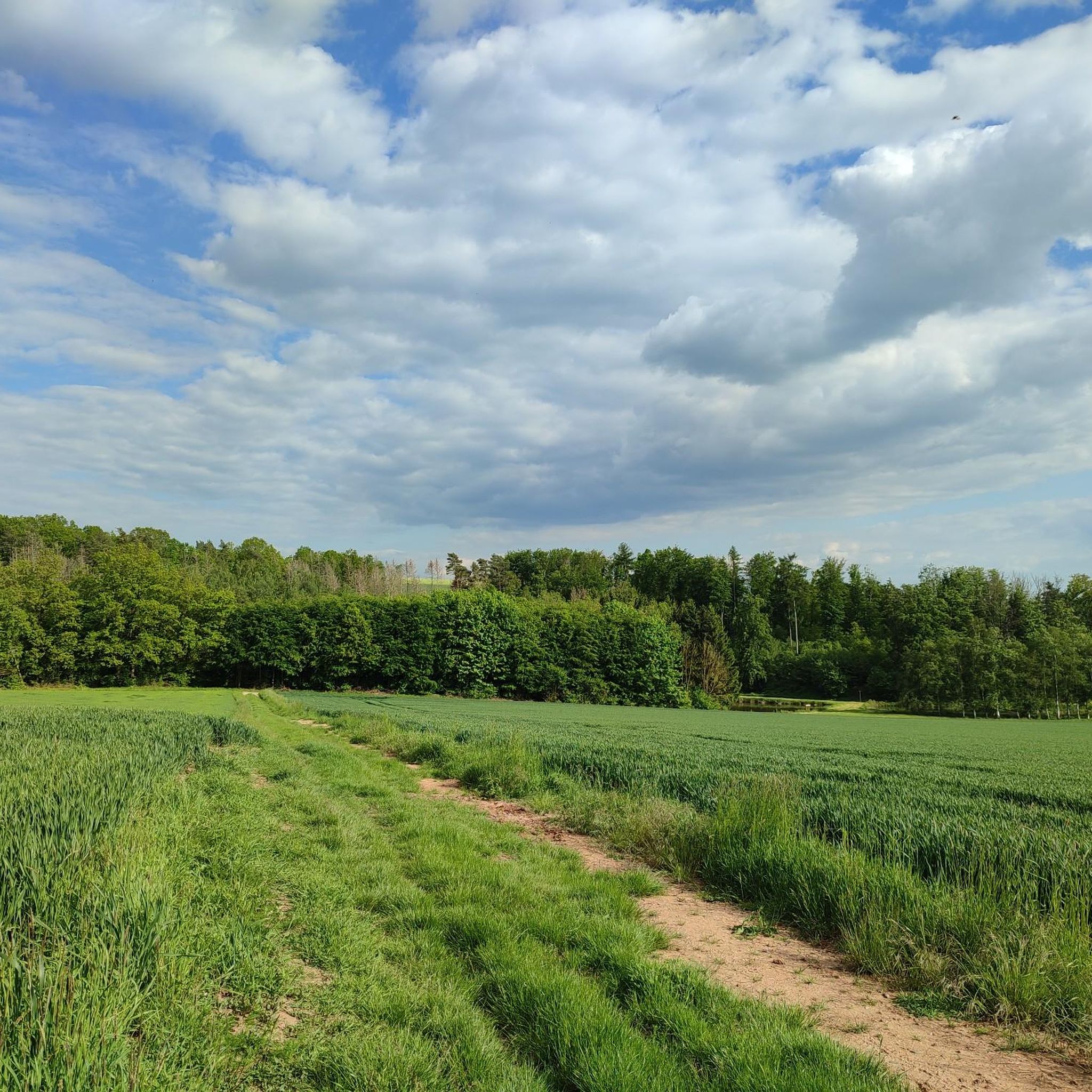
The hornbeam forest is definitely worth a visit. Good information board with the creation and use of the facility.
0
0

Driving here is a lot of fun. A really great route. Beware of skaters and pedestrians!
1
0
Frequently Asked Questions
What are the most popular natural attractions around Rotenberg?
Visitors particularly enjoy the Pollarded hornbeam wood near Gieboldehausen, a unique historic cultural monument with over 1800 hornbeams, many over 100 years old. Another highly-rated natural site is the Rhume Spring, known for its impressive spring pot and the bluish coloration of its water, a fascinating hydrogeological phenomenon.
Are there any historical sites to explore in the Rotenberg area?
Yes, the König Heinrichs Vogelherd Castle Ruins and Grill Area is a significant historical site dating back to the 9th to 10th century. While only foundations and ramparts remain, it offers a glimpse into early German history and includes a covered barbecue area for visitors.
What kind of cycling paths are available near Rotenberg?
The Old Railway Embankment Cycle Path (Herzberg–Ruhmspringe) is a popular choice. This well-maintained path offers a shady ride, especially pleasant in summer, and is suitable for road bikes. It also forms part of the Karst hiking trail.
What do visitors appreciate most about the Pollarded hornbeam wood near Gieboldehausen?
Visitors appreciate its unique character as a special historic cultural monument. The gnarled, ancient hornbeams, many over a century old, create an ideal habitat for various animals and offer a distinct natural experience. It's a testament to traditional coppice farming.
Are there family-friendly attractions around Rotenberg?
Many attractions in the area are suitable for families. The König Heinrichs Vogelherd Castle Ruins and Grill Area features a covered barbecue area with ample seating, perfect for a family outing. Natural sites like the Rhume Spring and the Pollarded hornbeam wood also offer engaging outdoor experiences for all ages.
Where can I find trails for mountain biking near Rotenberg?
For mountain biking, you can explore routes like the "Pastorenweg Section 2" or the "Grill Hut Pöhlde" loop. These are part of the wider network of MTB Trails around Rotenberg, offering various distances and difficulty levels.
What hiking opportunities are available around Rotenberg?
The region offers diverse hiking trails. You can find routes like the "Harz View Rest Area – Finnenbruch Nature Reserve loop" or the "Dolomite rock – Cultural Site Rhume Spring loop." More options, including easy to moderate trails, are available in the Hiking around Rotenberg guide.
Are there any challenging mountain hikes in the Rotenberg area?
Yes, for more challenging experiences, consider mountain hikes such as the "Cloverleaf – Wolfsberg loop" or the "Großer Knollen lookout tower – Lutter Stream loop." These and other demanding routes can be found in the Mountain Hikes around Rotenberg guide.
What is the Rotenberg Trail?
The Rotenberg Trail is a single trail through a mixed forest, suitable for both uphill and downhill sections. It's an intermediate trail that offers a nice outdoor experience, though it's important to check for current conditions as forestry work can sometimes affect passability.
What makes the Rhume Spring unique?
The Rhume Spring is unique due to its impressive spring pot and the hydrogeological processes behind it. Groundwater from the Harz slopes flows through an underground karst cave system, hitting an impermeable rock layer that forces the water to the surface with great pressure. The water's bluish tint is caused by light scattering off small lime particles.
Is the Rotenberg area the same as Rothenburg ob der Tauber or Rotenberg, Stuttgart?
No, the Rotenberg area featured in this guide, with attractions like the Pollarded hornbeam wood and Rhume Spring, is distinct from the medieval town of Rothenburg ob der Tauber in Bavaria and the district of Rotenberg in Stuttgart, which is known for the Württemberg Mausoleum. This guide focuses on the specific Rotenberg region in Germany with its unique natural and historical sites.
Most popular routes around Rotenberg
Most popular attractions around Rotenberg

Get inspired with the komoot mobile app


Explore more
Still not found the Highlight you’re looking for? See guides of the top attractions in other regions:
