The best cycling routes around Obernfeld
4.6
(4323)
16,086
riders
656
rides
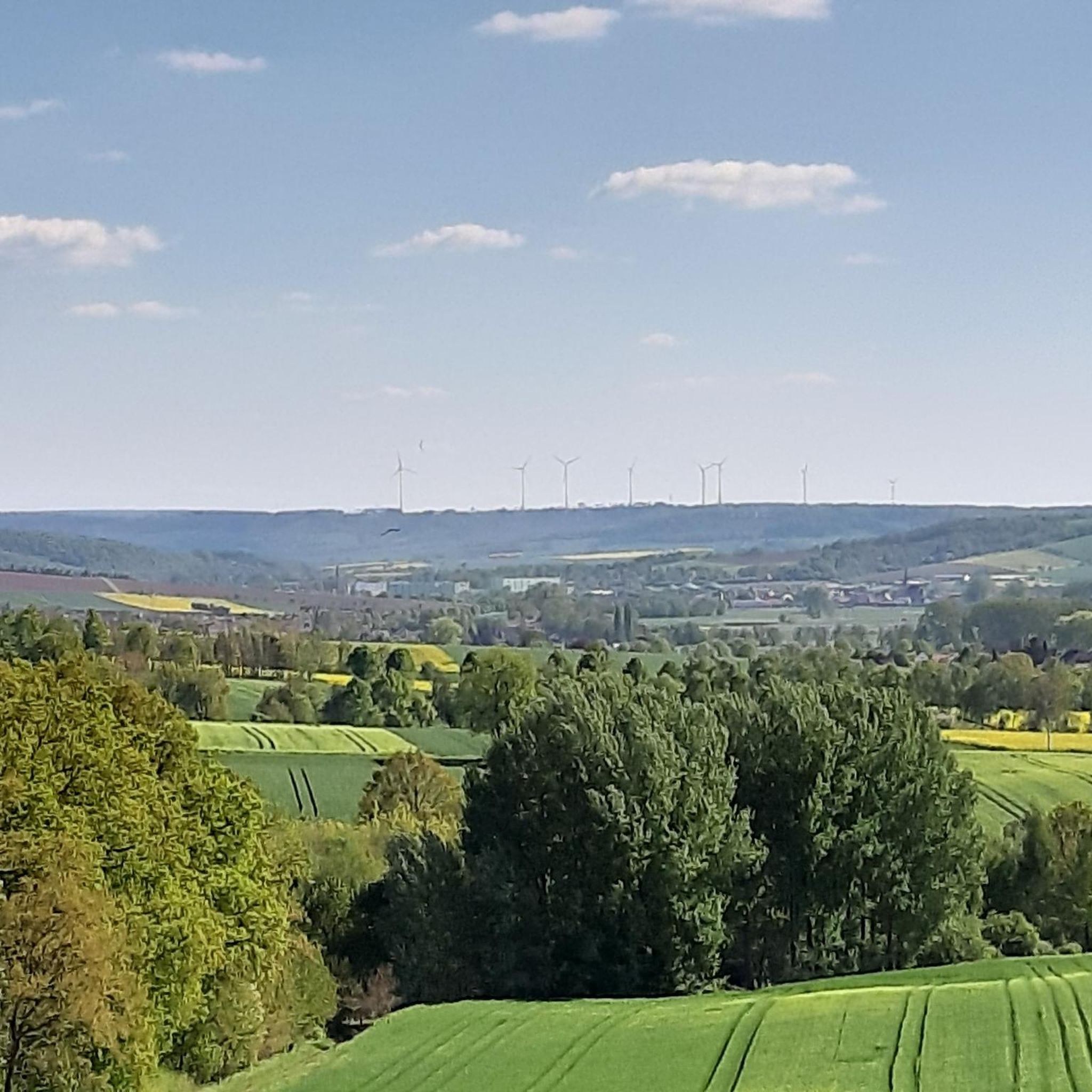
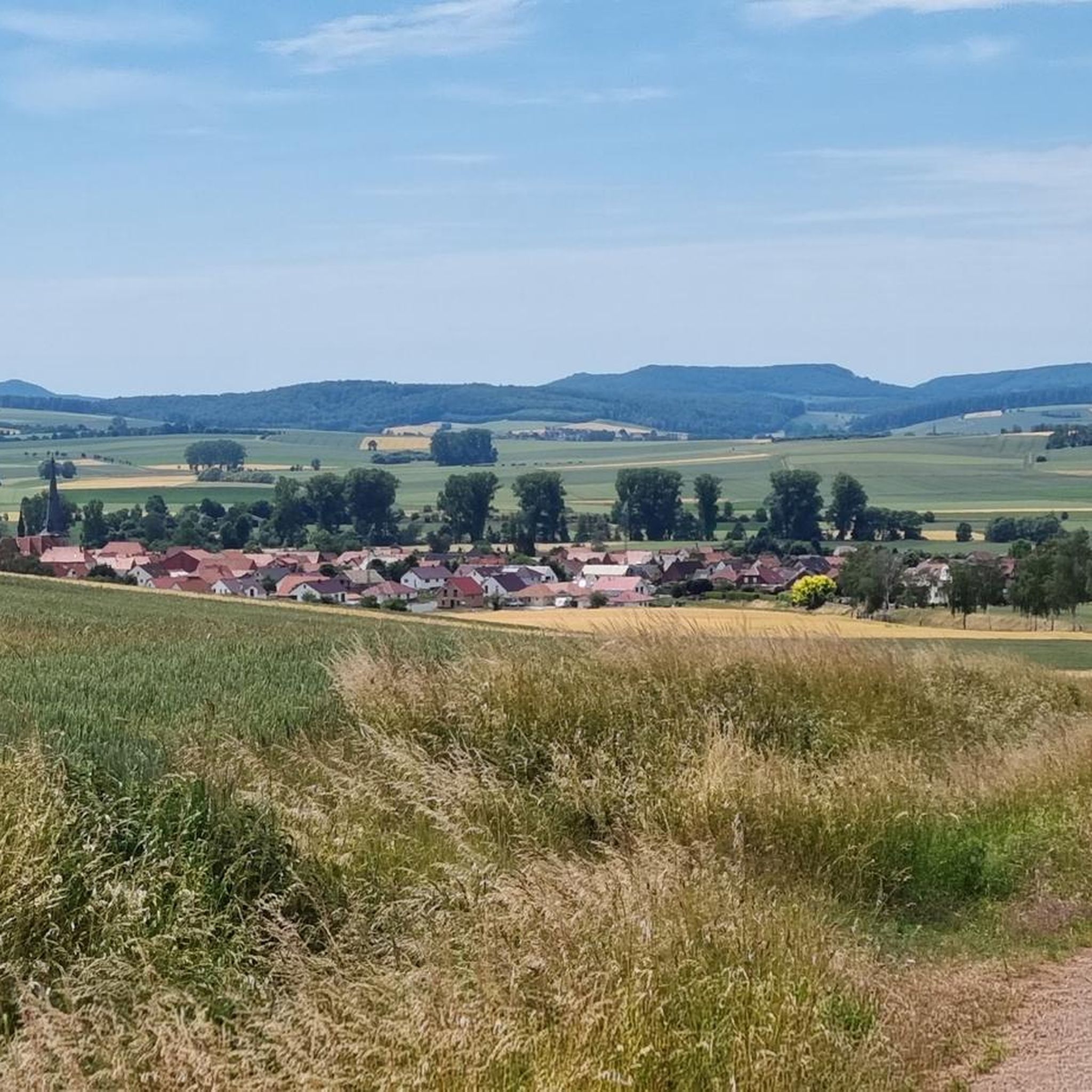
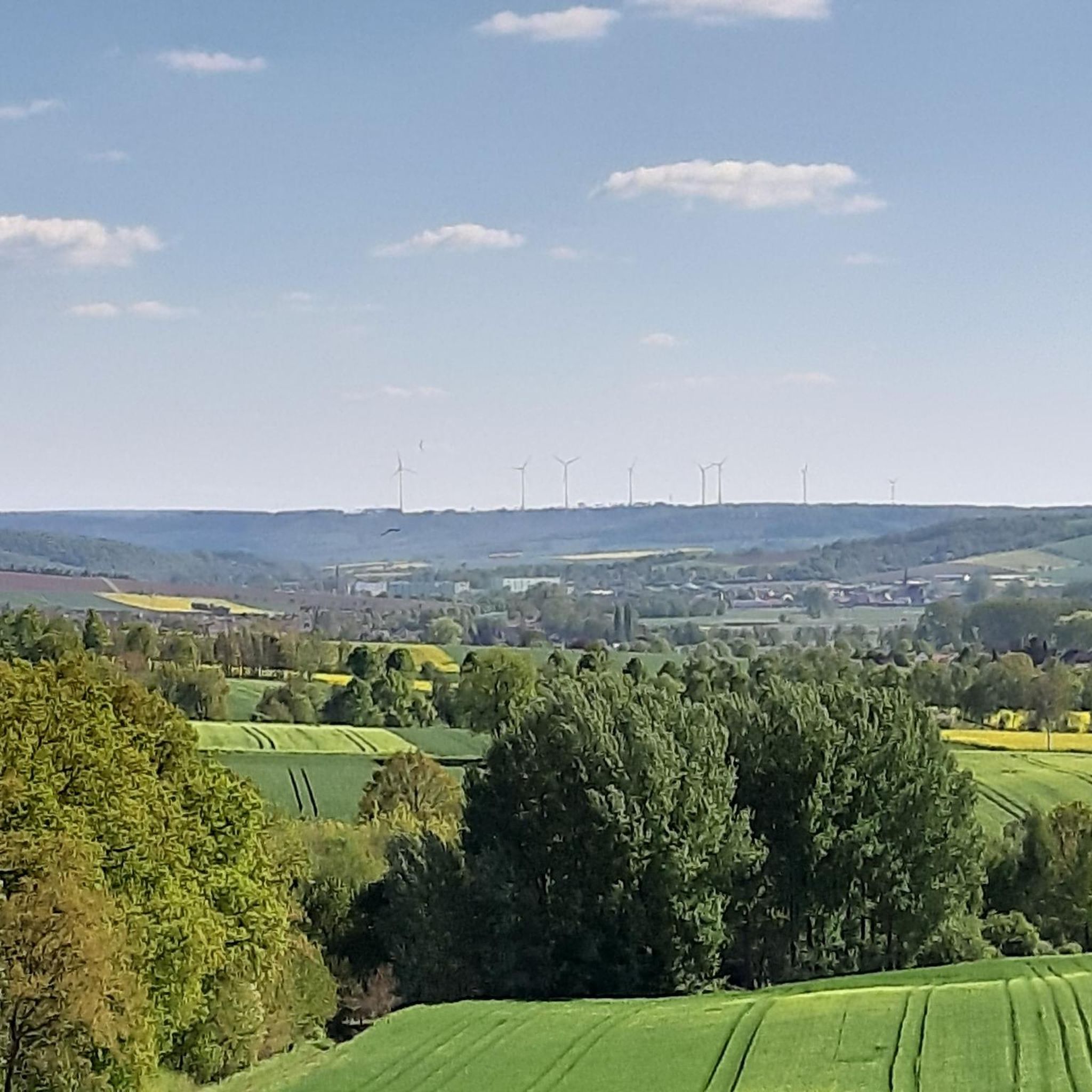
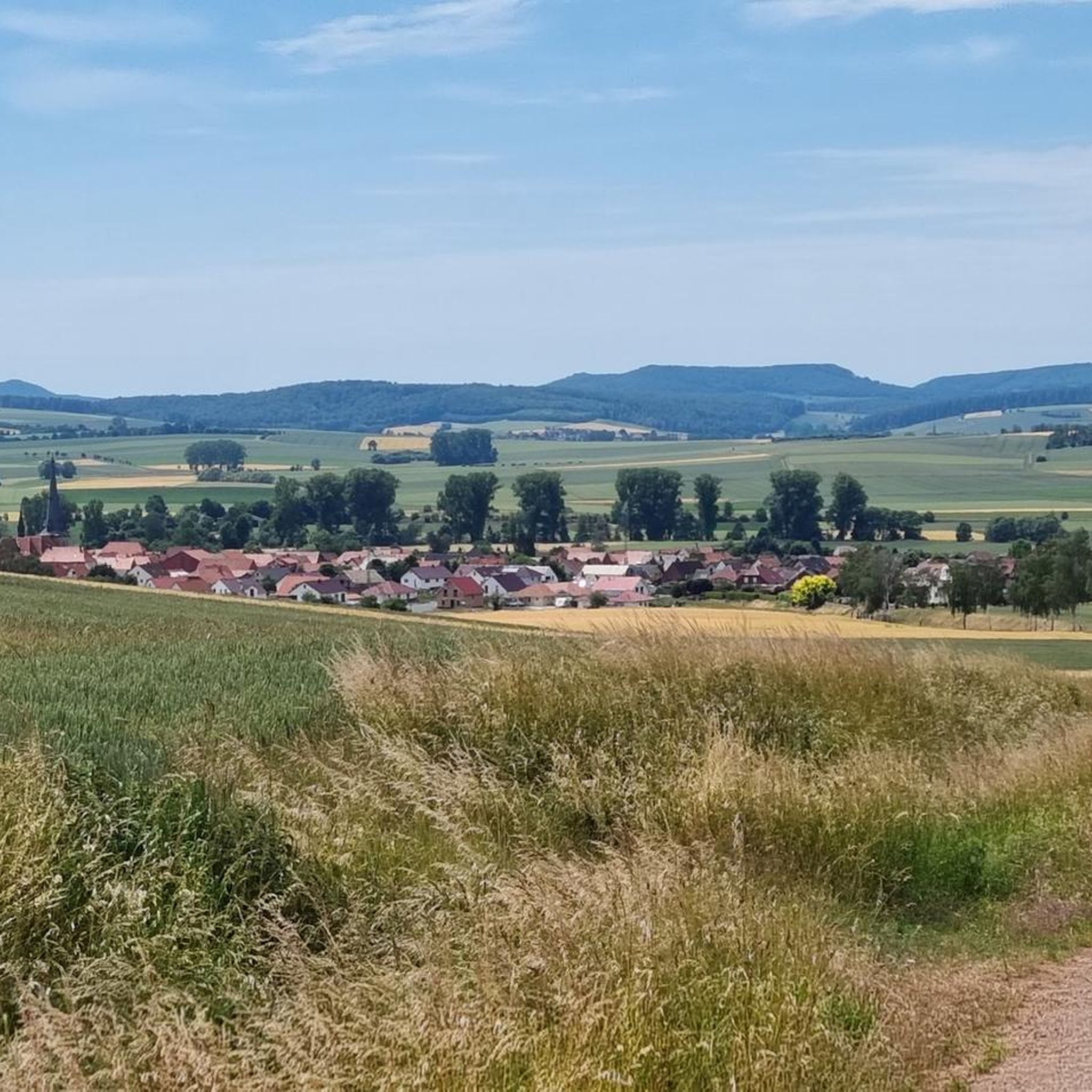
Touring cycling around Obernfeld traverses a varied landscape of gentle hills, winding river valleys, and extensive forests within the Göttingen countryside. The region, part of the Eichsfeld area, offers a mix of picturesque natural features and charming villages. Cyclists can expect routes that follow rivers like the Leine and Werra, and explore areas with diverse flora and fauna.
Best touring cycling routes around Obernfeld
- The most popular touring cycling route is Forsthaus Hübental – Rhume River, Rhumspringe loop from Breitenberg…
Last updated: October 5, 2026
4.0
(1)
31
riders
Easy bike ride. Great for any fitness level. Mostly paved surfaces. Suitable for all skill levels.
4.8
(8)
47
riders
27.9km
01:46
240m
240m
Moderate bike ride. Good fitness required. Mostly paved surfaces. Suitable for all skill levels.

5.0
(1)
18
riders
10.2km
00:41
110m
110m
Easy bike ride. Great for any fitness level. Mostly paved surfaces. Suitable for all skill levels.
5.0
(5)
26
riders
16.7km
01:05
70m
70m
Easy bike ride. Great for any fitness level. Mostly paved surfaces. Suitable for all skill levels.
5.0
(2)
25
riders
Easy bike ride. Great for any fitness level. Mostly paved surfaces. Suitable for all skill levels.
Get access to more routes and recommendations from other explorers.
Already have an account?
Our route recommendations are based on thousands of hikes, rides, and runs completed by other people on komoot.
Start today with a free account
Your next adventure awaits.
Tips from the Community

Unification can be this simple - let's reach out our hands across our children and grandchildren
1
0

Duderstadt has a very beautiful old town center
0
0

The old town of Duderstadt is one of the best-preserved historic town centers in Germany. Over 600 half-timbered houses from different centuries shape its image. Sights such as the historic town hall and the well-preserved town wall show the medieval character of the city.
1
0

Stork nest for white storks. In 2020, successful breeding took place in this nest for the first time, with three young birds hatching.
0
0
Narrow wooden bridge over the Mühlgraben. Caution, the wood could be slippery when wet.
2
0
It's always wonderful to cycle on straight paths without inclines
1
0
With its centuries-old houses, Duderstadt is one of the towns on the German Timber-Frame Road. The city largely owes its escape from wars to its location away from important transport routes in the scenically attractive Eichsfeld region between the Harz mountains, Weserbergland and Ohmgebirge. The city had its heyday in the 13th and 14th centuries, when merchants conducted brisk trade. With the decline of the Hanseatic League in the 15th century, Duderstadt also went downhill, and in 1424 a fire destroyed more than 300 houses. Source: https://www.ndr.de/ratgeber/reise/harz_suedniedersachsen/Duderstadt-Ausflug-ins-Mittelalter,duderstadt103.html
1
0
The entire old town of Duderstadt forms a densely built ensemble of half-timbered houses in various architectural styles. Half-timbered constructions and stylistic elements such as carvings and inscriptions from five centuries shape the cityscape. The rich decorations point to the medieval prosperity as a trading town. The most significant half-timbered houses in Duderstadt can be found in Marktstraße and the surrounding side and parallel streets. The old town is surrounded by a largely preserved and restored town wall, which is enclosed by former ramparts.
1
0
Frequently Asked Questions
How many touring cycling routes are available around Obernfeld?
There are over 660 touring cycling routes around Obernfeld, offering a wide variety of options for all skill levels. The komoot community has rated these routes highly, with an average score of 4.6 stars.
What kind of terrain can I expect on touring cycling routes in Obernfeld?
Obernfeld's location in the Göttingen countryside and on the edge of the Harz Mountains means you'll encounter a diverse landscape. Expect a mix of gentle hills, winding river valleys, and extensive forests. Routes often follow rivers like the Leine and Werra, providing picturesque and varied terrain.
Are there any easy touring cycling routes suitable for beginners or families?
Yes, Obernfeld offers many easy routes. For a pleasant ride around a notable natural attraction, consider the Ford Through the Aue Stream – Lake Seeburg loop from Obernfeld, which is an easy 17.3 miles (27.8 km) path. Another easy option is the St. Blasius Catholic Church – Gieboldehausen Castle loop from Obernfeld, covering about 9.6 miles (15.4 km) with minimal elevation gain.
What natural attractions or viewpoints can I discover along the cycling routes?
The region is rich in natural beauty. Many routes lead to or past significant natural features like Lake Seeburg and the Rhume Spring, one of Europe's largest karst springs. You can also find impressive views from elevated points like Hahnekopf Mountain, or enjoy the diverse flora and fauna in the Ohm Mountains Nature Reserve.
Are there any historical landmarks or cultural highlights to see while cycling?
Absolutely. The Eichsfeld region is dotted with charming villages and historic towns. You can cycle through places like Duderstadt, known for its impressive town hall and half-timbered houses. Routes also pass by historical sites such as the 13th-century St. Nicolai Church in Obernfeld, castles, and former monasteries like Kerbsche Berg. The Borderland Museum Eichsfeld also offers a unique historical perspective.
Are there circular touring cycling routes available?
Yes, many routes around Obernfeld are designed as loops. For example, the Forsthaus Hübental – Rhume River, Rhumspringe loop from Breitenberg is a moderate 29.9 miles (48.1 km) trail exploring the scenic Rhume River valley. Another popular option is the Lake Seeburg – Lake Seeburg loop from Mingerode, a more challenging 32.1 miles (51.7 km) route.
When is the best time of year for touring cycling in Obernfeld?
The spring and summer months are particularly recommended for cycling tours in Obernfeld. The mild climate and blooming nature during these seasons greatly enhance the experience, making it ideal for exploring the region's diverse landscapes.
What are the options for parking when accessing touring cycling routes?
While specific parking locations for each route are best checked on individual tour pages, Obernfeld and the surrounding villages generally offer parking facilities. Look for designated parking areas in town centers or near popular trailheads. Many routes are accessible from various points, allowing flexibility for parking.
Can I access touring cycling routes using public transport?
Public transport access to cycling routes in the Obernfeld region is generally possible, especially in larger towns and villages. Regional bus services often connect to smaller communities, and some train stations might be located near popular cycling paths. It's advisable to check local public transport schedules and bike carriage policies for specific routes.
Are there any bike-friendly cafes or accommodation options near the cycling routes?
The charming villages and historic towns throughout the Eichsfeld region, including Obernfeld, offer various cafes, pubs, and accommodation options. Many establishments cater to cyclists, providing places to rest and refuel. Look for local guesthouses and restaurants in towns like Duderstadt or near popular attractions like Lake Seeburg.
What is a good moderate touring cycling route to explore the river valleys?
For a moderate ride through river valleys, consider the Rhume River, Rhumspringe – Oder Bridge Near Pöhlde loop from Breitenberg. This route covers approximately 21.1 miles (34 km) and offers scenic views along the Rhume River, with a moderate elevation gain suitable for touring cyclists.
Most popular routes around Obernfeld
Most popular attractions around Obernfeld

Get inspired with the komoot mobile app


Explore more
Browse the best Cycling routes in other regions.
