Attractions and Places To See around Borgwallsee - Top 5
Best attractions and places to see around Borgwallsee include a serene natural environment in Mecklenburg-Vorpommern, Germany. The lake is part of a nature reserve and serves as a drinking water reservoir for Stralsund, offering ecological significance. The surrounding area provides opportunities for outdoor activities such as hiking and cycling, with notable natural features and historical points of interest.
Best attractions and places to see around Borgwallsee
- The most popular attractions is Stralsund–Tribsees Rail Trail, a cycle path that runs…
Last updated: July 1, 2026
Stralsund–Tribsees Rail Trail
Highlight (Segment) • Cycleway
Translated by Google •
Tip by

Observation Platform at Borgwallsee
Highlight • Viewpoint
Translated by Google •
Tip by

Sign up now to discover places like this
Get recommendations on the best single tracks, peaks, & plenty of other exciting outdoor places.
Sign up for free
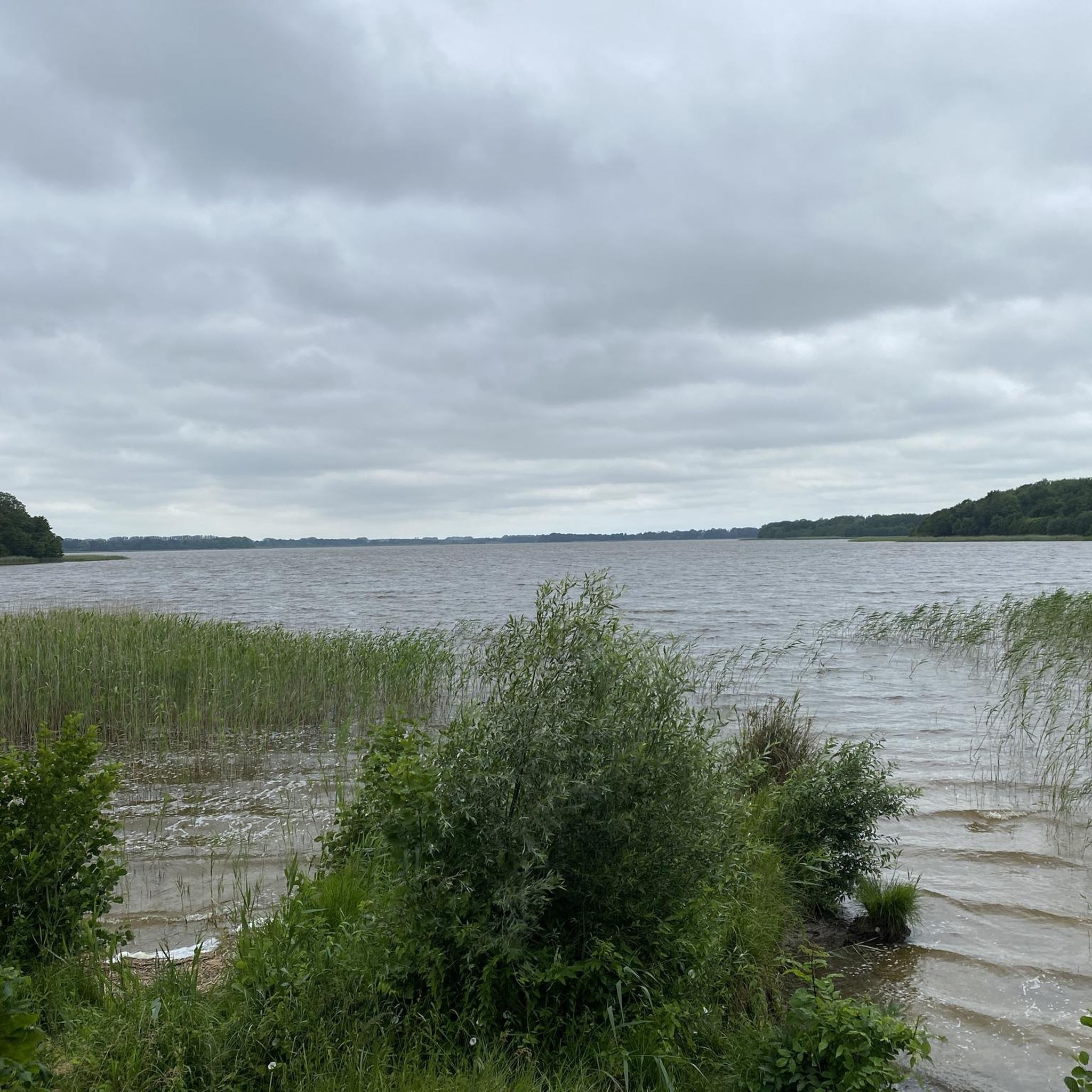
Borgwallsee near Negast
Highlight • Lake
Tip by

Flood Protection Dike
Highlight (Segment) • Structure
Translated by Google •
Tip by

Weir Between Borgwallsee and Barthe
Highlight • Structure
Translated by Google •
Tip by
Start today with a free account
Your next adventure awaits.
Login or Signup
Tips from the Community

The road is easily navigable and leads partly through the forest.
12
0

The viewing platform at the lake is located directly on the bike path and is very easily accessible. It offers a fantastic view of the lake and the opportunity to spot the rare lesser spotted eagle.
1
0

Well, some sections are already quite broken up by roots (2024). Not good in some places with a racing bike.
1
0

Water from Lake Borgwall is drained into the Barthe via this weir. Depending on the water level, more or less water flows here, which means that the Barthe is sometimes quite dry away from the lake.
0
0
The path on the dike is easy to walk on because the grass here is kept quite short. It is easy to see how it holds back the flood water from the lake side. There is a lot of reeds left and right: a great hiding place for wild boars!
0
0
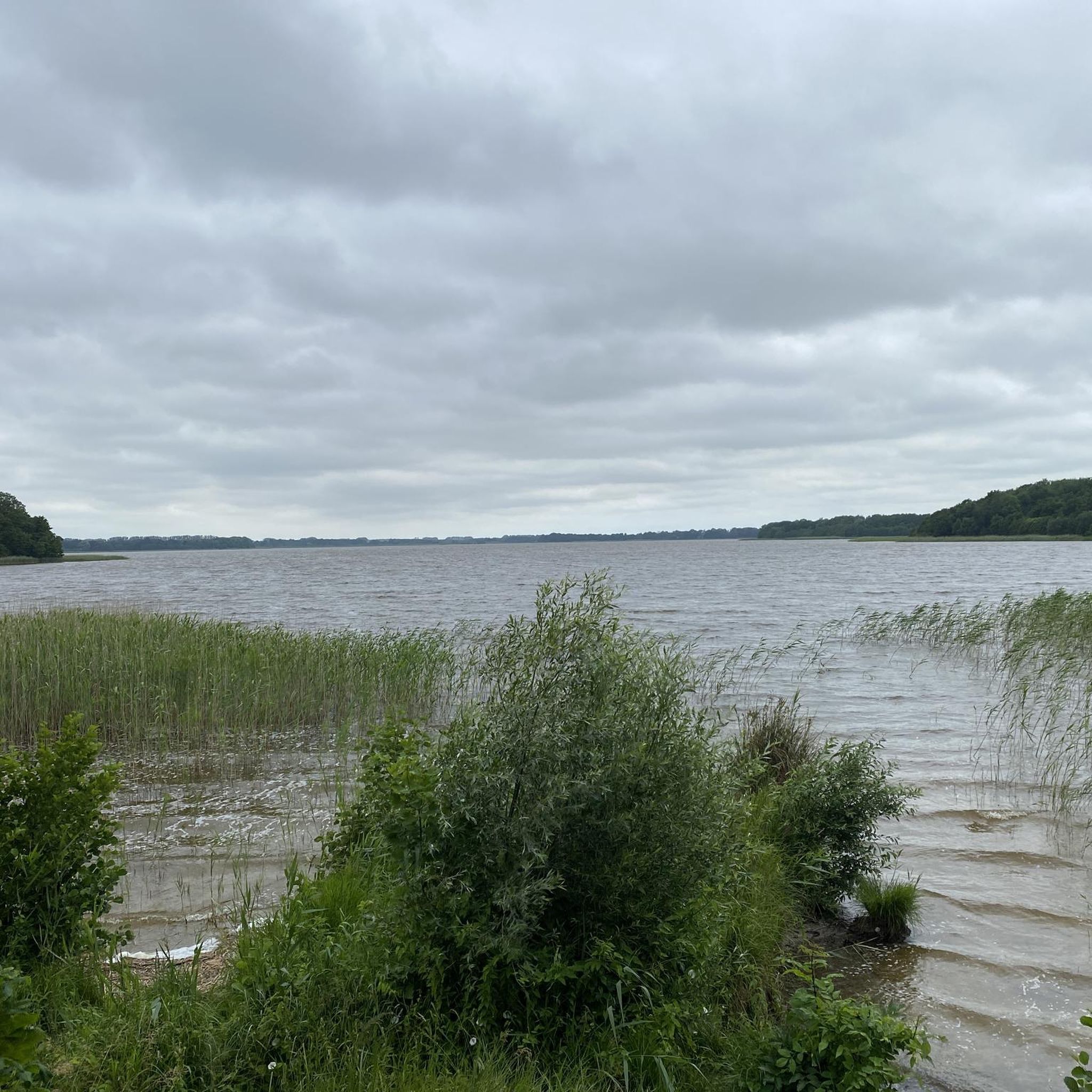
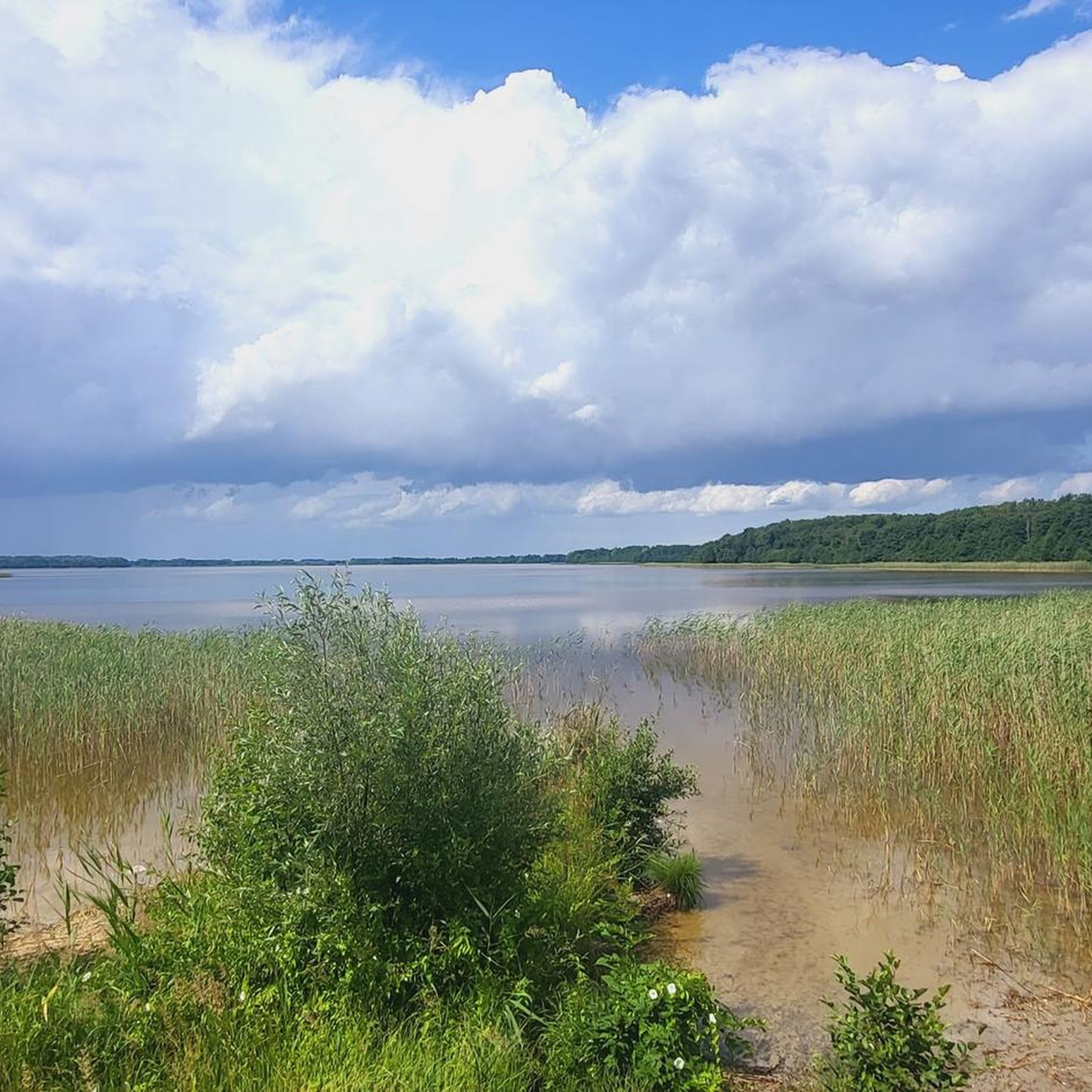
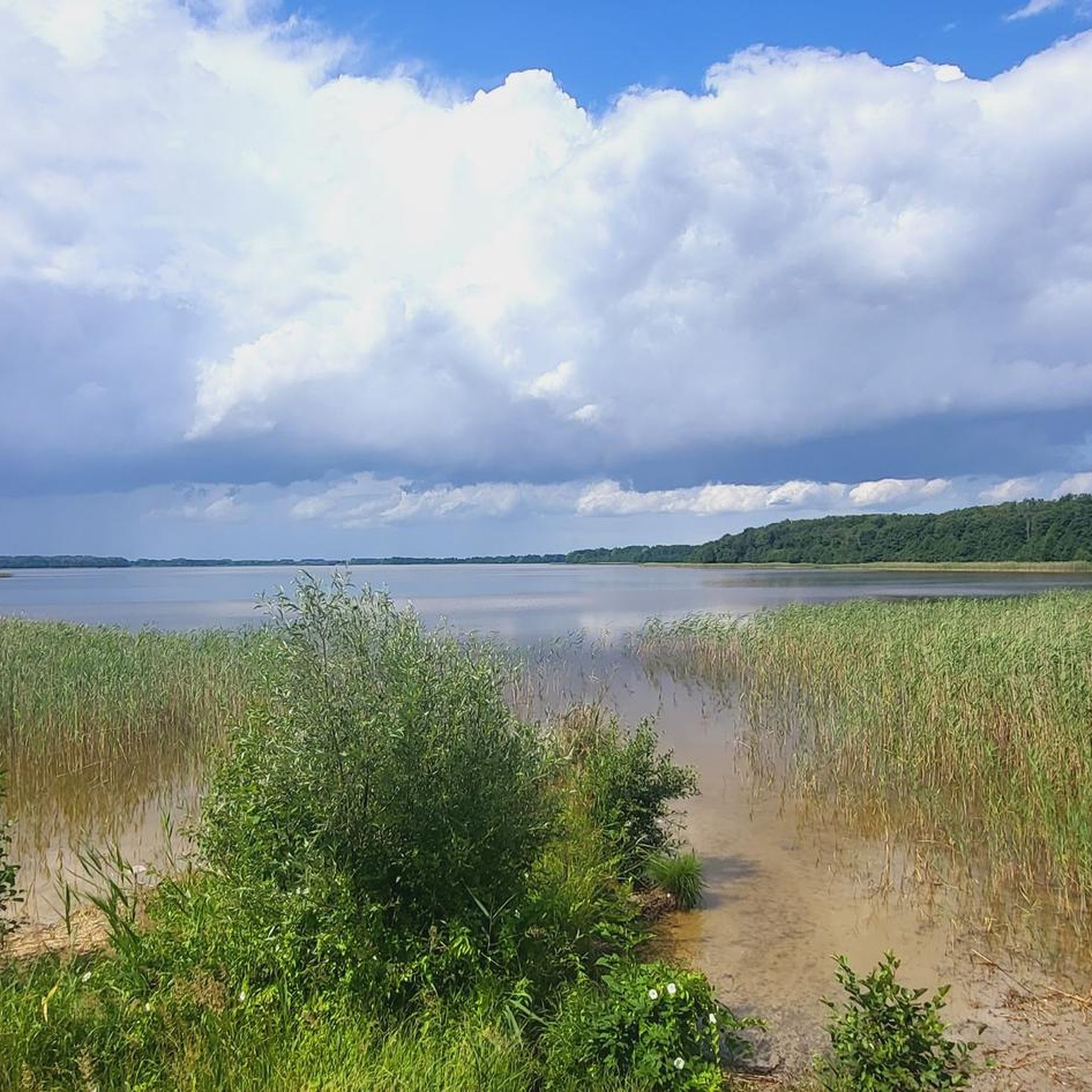
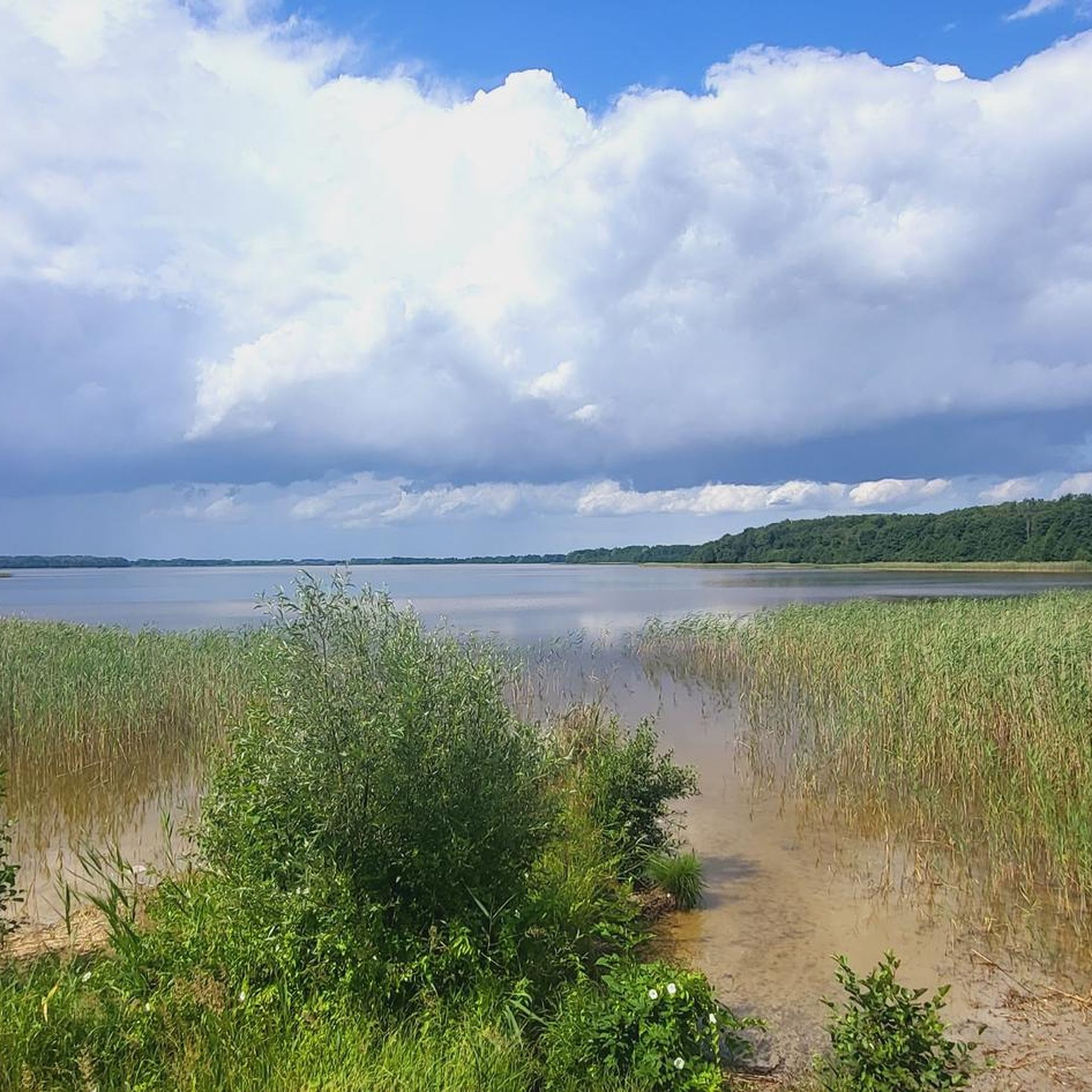
A beautiful spot right on the lake with a small sandy beach. However, swimming is prohibited because Lake Borgwallsee is a drinking water reservoir for Stralsund.
0
0

The approx. 3.89 km² large lake is part of the nature reserve Borgwallsee and Pütter See and serves the city of Stralsund as a drinking water reservoir. Therefore, driving on the lake and swimming are not permitted.
2
0
Cycle path on the former railway line Stralsund - Tribsees. From December 23, 1900, the route ran from Stralsund in a southwesterly direction to the district town of Franzburg and was extended to Tribsees on June 1, 1901 - now with a total length of 33.7 kilometers. In August 1945, the line was dismantled to pay reparations to the Soviet Union. There was no reconstruction. Only a short stretch in Stralsund remained in operation as a siding.
5
0
Frequently Asked Questions
What kind of natural features can I expect to see around Borgwallsee?
Borgwallsee is part of the Borgwallsee and Pütter See Nature Reserve, offering a serene natural environment. You can observe diverse flora and fauna, including over 50 species of breeding birds like ospreys and sea eagles, and otters. The lake itself features charophytes and large pondweeds. A great spot for observation is the Observation Platform at Borgwallsee, which provides fantastic views of the lake.
Are there any good cycling paths in the area?
Yes, the Stralsund–Tribsees Rail Trail is a well-maintained cycle path that runs partly through forests on a former railway line. It offers an easily navigable route undisturbed by traffic, perfect for a leisurely ride. You can find more cycling options in the Gravel biking around Borgwallsee guide and MTB Trails around Borgwallsee guide.
Can I go swimming in Borgwallsee?
No, swimming is prohibited in Borgwallsee. The lake serves as a drinking water reservoir for the city of Stralsund, and as such, water activities like swimming and boating are not permitted to protect its quality. While there is a small sandy beach at Borgwallsee near Negast, it is for enjoying the lakeside, not for swimming.
What historical sites are there near Borgwallsee?
While Borgwallsee itself is primarily a natural area, historical records indicate the presence of a Slavic refuge castle on a peninsula on its northwestern side, near the outflow of the Barthe. For more significant historical and cultural experiences, the nearby city of Stralsund, a UNESCO World Heritage Site, offers numerous attractions like the Alter Markt, Stralsund Town Hall, and St. Mary's Church, renowned for its Brick Gothic architecture.
Are there family-friendly activities or places to visit around Borgwallsee?
The area around Borgwallsee is excellent for family-friendly outdoor activities. The Stralsund–Tribsees Rail Trail is easy to navigate for all ages, and the Flood Protection Dike offers an easy walking path. The natural environment provides opportunities for wildlife observation, which can be engaging for children. The small sandy beach at Borgwallsee near Negast is also a pleasant spot for families to relax by the water.
What kind of hiking trails are available near Borgwallsee?
You'll find a variety of hiking trails around Borgwallsee, ranging from easy to moderate. For example, you can explore the 'Borgwallsee near Negast – Borgwallsee Lake loop' which is an easy 5.0 km route, or the 'Borgwallsee Observation Deck loop' which is a moderate 9.4 km trail. Many paths, like the one on the Flood Protection Dike, are easy to walk. For more detailed routes, check out the Hiking around Borgwallsee guide.
Is Borgwallsee accessible for people with wheelchairs or strollers?
Yes, the Observation Platform at Borgwallsee is noted as wheelchair accessible and is located directly on the bike path, making it easy to reach. Many of the cycle paths and well-maintained trails in the area are also suitable for strollers, offering accessible ways to enjoy the natural surroundings.
What is the best time of year to visit Borgwallsee?
Borgwallsee offers different charms throughout the year. Spring and autumn are ideal for hiking and cycling, with pleasant temperatures and beautiful natural colors. Birdwatching is particularly rewarding during migration seasons. Summer is great for enjoying the lakeside and outdoor activities, while winter can offer serene, quiet landscapes, though some paths might be less accessible depending on snow and ice conditions.
Are dogs allowed on the trails and in the nature reserve?
As Borgwallsee is part of a nature reserve, specific rules regarding dogs may apply to protect wildlife. Generally, dogs are allowed on many trails but should be kept on a leash, especially in protected areas, to avoid disturbing local fauna. It's always best to look for local signage regarding dog policies when visiting specific sections of the reserve.
What is the significance of the weir between Borgwallsee and Barthe?
The Weir Between Borgwallsee and Barthe is a significant structure that regulates the outflow of water from Borgwallsee into the Barthe river. Historically, this water management was crucial, as a mill canal was constructed as early as 1256 to supply Stralsund with drinking water and power watermills. Today, Borgwallsee still serves as a primary drinking water source for Stralsund.
Where can I find parking or public transport options for Borgwallsee attractions?
While specific parking locations are not detailed for every highlight, the region around Borgwallsee is generally accessible. For attractions like the Stralsund–Tribsees Rail Trail, you can often find parking near entry points in towns like Stralsund or Negast. Public transport connections to nearby towns like Stralsund are available, from where you can access the surrounding areas by bike or on foot.
Most popular routes around Borgwallsee

Get inspired with the komoot mobile app


Explore more
Still not found the Highlight you’re looking for? See guides of the top attractions in other regions:
