The best road cycling routes around Niederwinkling
4.6
(430)
6,836
riders
214
rides
Road cycling routes around Niederwinkling traverse a diverse landscape characterized by rolling hills, dense forests, and river valleys. Situated on the edge of the Bavarian Forest, the region offers varied terrain suitable for different skill levels. Cyclists can find routes along the Danube River, as well as paths through the broader Straubing-Bogen district. The area features smaller, winding roads away from main thoroughfares, providing both leisurely rides and sporting challenges.
Best road cycling routes around Niederwinkling
- The most popular road…
Last updated: July 10, 2026
4.4
(44)
308
riders
49.5km
02:02
110m
110m
Moderate road ride. Good fitness required. Some segments of this route may be unpaved and difficult to ride.
4.8
(4)
78
riders
41.2km
01:39
90m
90m
Easy road ride. Great for any fitness level. Mostly well-paved surfaces and easy to ride.

Sign up for free
4.3
(7)
40
riders
53.9km
02:04
130m
130m
Moderate road ride. Good fitness required. Some segments of this route may be unpaved and difficult to ride.
23
riders
19.2km
00:45
50m
50m
Easy road ride. Great for any fitness level. Mostly well-paved surfaces and easy to ride.
3.0
(1)
18
riders
Moderate road ride. Good fitness required. Mostly well-paved surfaces and easy to ride.
Get access to more routes and recommendations from other explorers.
Sign up for free
Already have an account?
Our route recommendations are based on thousands of hikes, rides, and runs completed by other people on komoot.
Start today with a free account
Your next adventure awaits.
Login or Signup


Tips from the Community

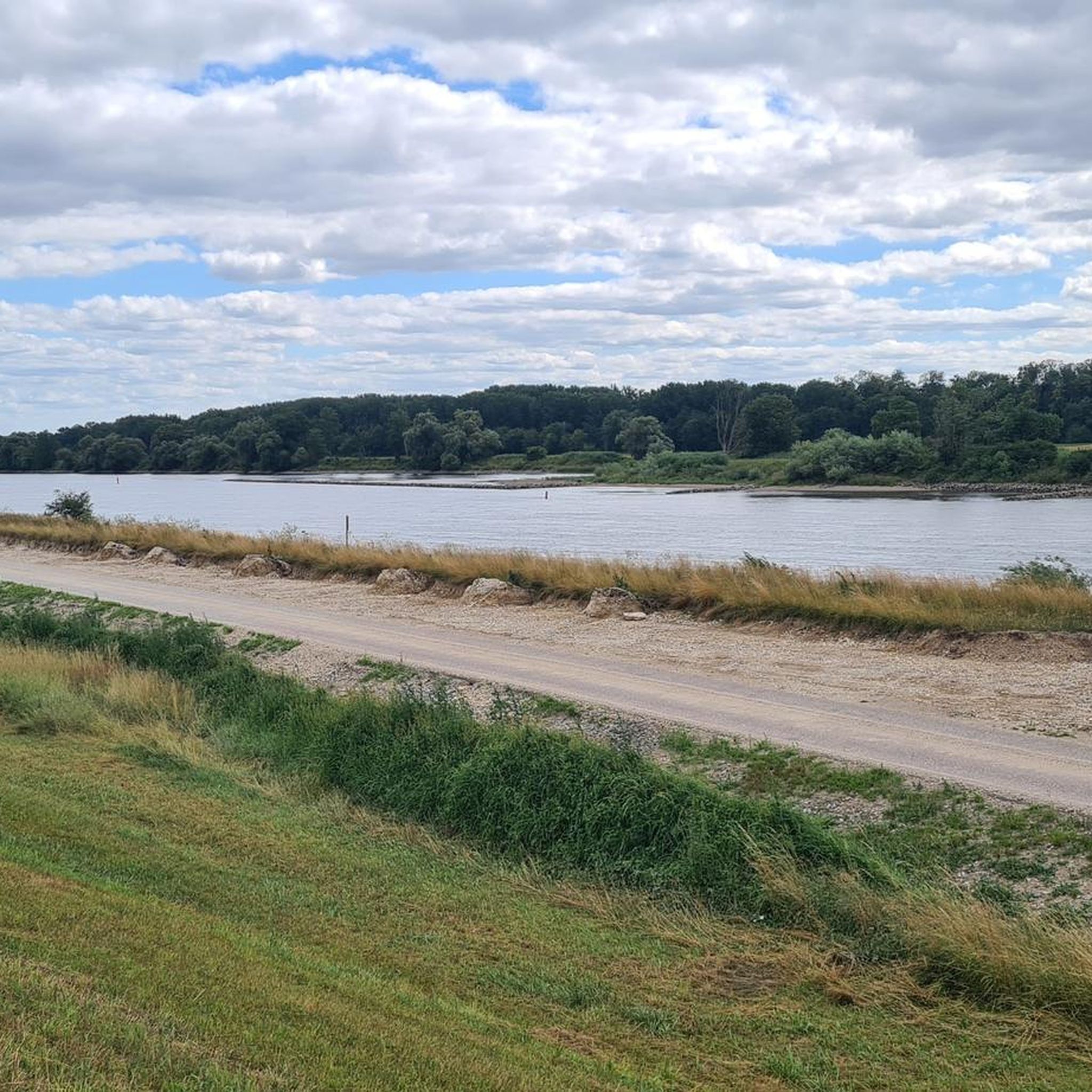
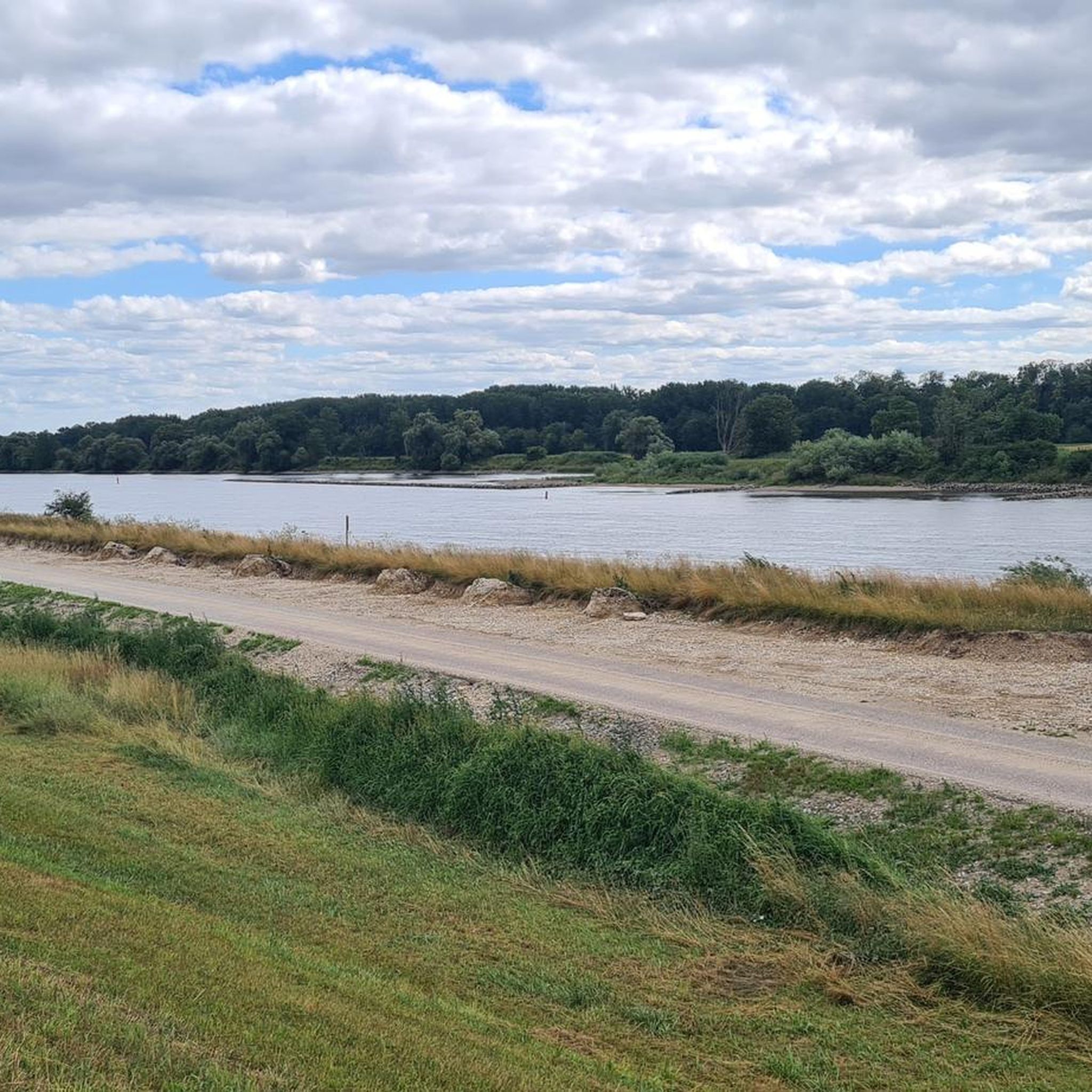
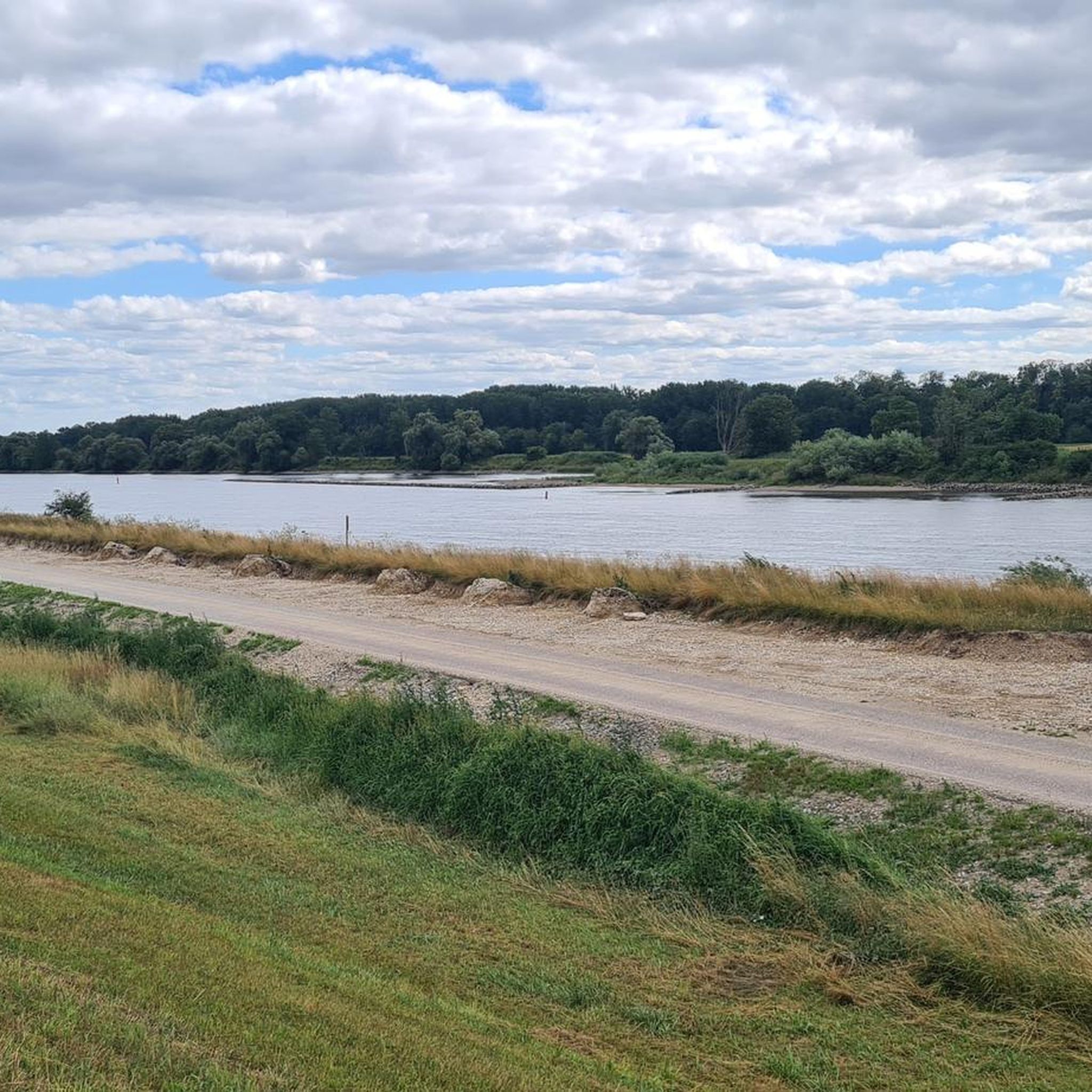
gives some nice spots on the Danube to linger
0
0

The Bogenberg, often called the „Holy Mountain of Lower Bavaria“, is much more than just an elevation on the Danube. It is a historically significant pilgrimage site, an important natural monument, and the „cradle“ of one of the most famous Bavarian symbols. After the family line died out in 1242, their possessions and coat of arms passed to the Wittelsbachs. Thus, the lozenge coat of arms of Bogen became the Bavarian state symbol. You can learn more at the Kreismuseum Bogenberg, which is located directly on the mountain.
0
0

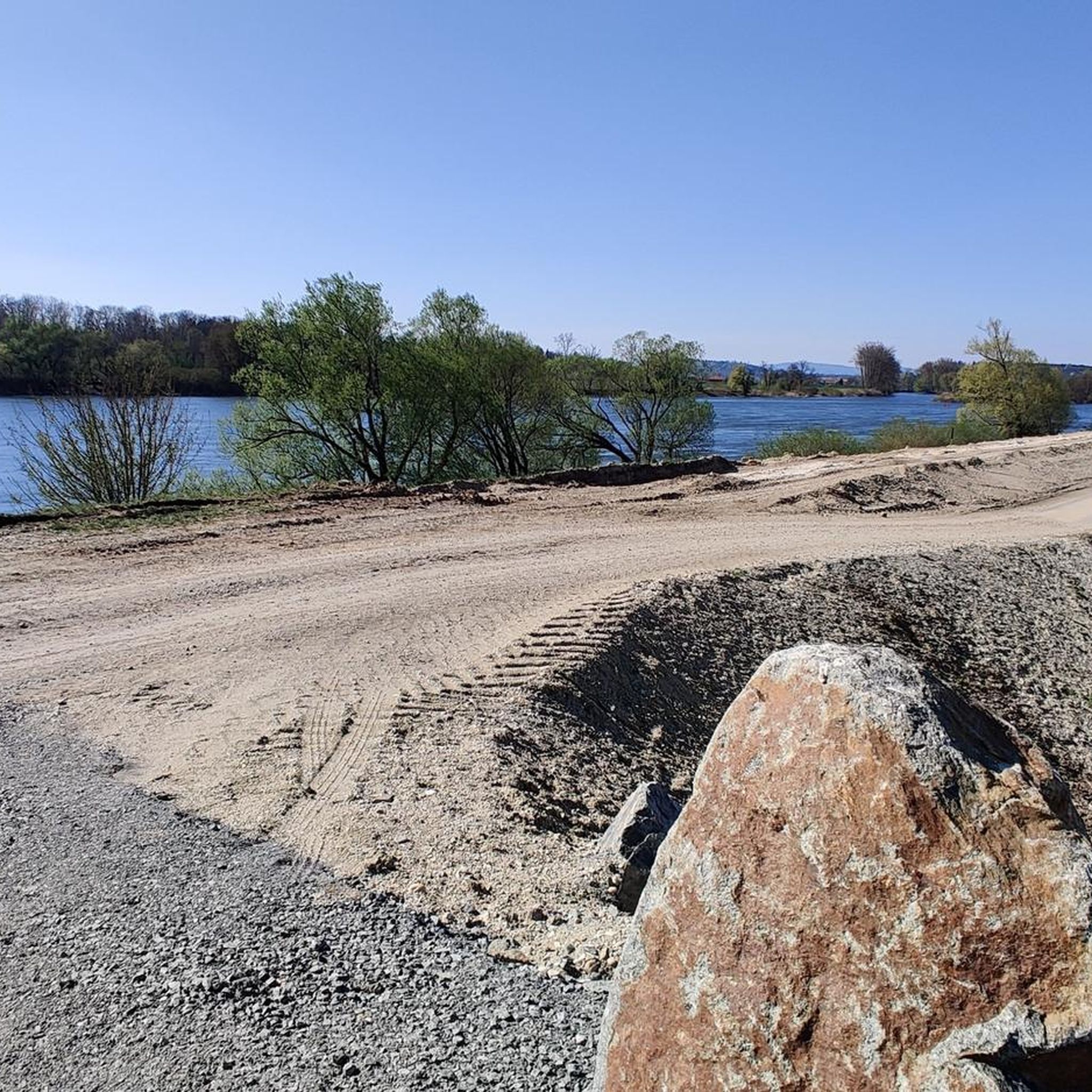
Currently a construction site, you have to push your bike.
0
0

The Catholic Parish Church of the Assumption of Mary in Deggendorf stands on truly historic ground: rising on the foundations of three of its predecessor churches, it is the spiritual center of the city's Catholic parish and its members. Located between Regensburg and Passau, in the small town of Deggendorf, the Parish of the Assumption of Mary looks back on almost a thousand years of history. Incorporating the previous, late-Gothic choir, the present church was built in the 17th century. After a devastating fire 100 years later, reconstruction had to begin again. Since another renovation in 1889, the magnificent church can be entered via a sweeping open staircase. Its interior exudes a bright atmosphere: artistic stucco work is illuminated by the sunlight streaming through the large windows. An elaborate Rococo pulpit with numerous golden ornaments adds splendor to the Assumption of Mary, and the ceiling and wall paintings also contribute to the festive atmosphere. A relief depicting the Flight to Egypt, dating back to the 13th century, has been preserved from what was probably the first Romanesque church. Television has also discovered this wonderful atmosphere, broadcasting a ZDF television service from the parish church. https://www.reservix.de/deggendorf/venue/katholische-pfarrkirche-mariae-himmelfahrt/v14698
3
0

At the moment, renovations and sprucing up are underway...
1
0

Beautiful view of the Bogenberg with St. Marien from the Danube old arm.
1
0

Monastery Church of St. Peter and Paul The first church building, which was part of the Oberaltaich Abbey, founded around 1102, was consecrated in 1129 and was a three-aisled Romanesque basilica without a transept, with a flat roof inside. At the beginning of the Thirty Years' War, the medieval monastery church was demolished in 1621 and rebuilt from 1622 to 1630 - using the two western towers again. This was done under Abbot Veit Höser, who was also responsible for the planning, while the construction management was in the hands of the Graubünden master mason Ulrich Walchner. The church was consecrated in 1630 in the presence of Emperor Ferdinand II and Elector Maximilian I. In 1632, the church and monastery were plundered and devastated by a Swedish army led by Bernhard von Weimar. The current baroque church complex is a three-aisled hall church with a five-bay floor plan, surrounded by galleries on all sides. The unusual spatial form without excluding an actual choir building is further articulated by the fact that a two-storey chapel extension with a three-quarter circular floor plan is attached to the church building on all four sides. The vaulting of the church space is achieved by an unarticulated groin vault in the central nave, groin vaults in the side aisles and lancet vaults in the galleries. The principal piece of the church furnishings is the baroque high altar from 1693 with its six-columned structure, the altarpiece of which with the crucifixion of St. Peter by Johann Georg Knappich could be lowered by a mechanism on holidays in favor of the stage-like staging of the handing over of the keys to Peter, which was created around 1730. In the south-west corner of the church is the tomb of the founders of Counts Friedrich and Aswin von Bogen with a red marble cover plate from 1418, and in the northern Albertus Chapel is the high grave of Blessed Albert with a red marble cover plate from 1395. In 1727-1730, Abbot Dominicus II. Perger had the abbey church, built in 1630, refurbished on the occasion of the monastery's upcoming millennium celebrations. Joseph Anton Merz from Straubing carried out the extensive fresco work on the vaults according to the prelate's precise instructions, which are among the top achievements of southern German ceiling painting. Source: Excerpts from www.wikipedia.de
3
0
Frequently Asked Questions
How many road cycling routes are available around Niederwinkling?
Niederwinkling offers a wide selection of road cycling routes, with over 220 tours available. These routes cater to various skill levels, from easy riverside paths to more challenging rides through the hills.
What kind of terrain can I expect on road cycling routes in Niederwinkling?
The region around Niederwinkling features diverse terrain, characterized by rolling hills, dense forests, and picturesque river valleys, particularly along the Danube. You'll find both flat sections, ideal for leisurely rides, and significant climbs, especially as you approach the Bavarian Forest.
What is the best time of year for road cycling in Niederwinkling?
Spring and autumn are particularly recommended for road cycling in Niederwinkling, offering pleasant temperatures and beautiful scenery, especially along the Danube-Ilz cycle path. Summer also provides excellent conditions, while winter cycling might be limited by weather.
Are there easy road cycling routes suitable for beginners in Niederwinkling?
Yes, Niederwinkling offers nearly 50 easy road cycling routes. An excellent option for beginners is the View of Bogenberg – Danube River loop from Pfelling, an easy 41.2 km path that follows the Danube, providing scenic views with minimal elevation gain.
Where can I find challenging road cycling routes with significant climbs?
For those seeking a challenge, Niederwinkling has over 30 difficult road cycling routes. The Village Square in Perasdorf – Maibrunner Höhe (902 m) loop from Schwarzach is a demanding 56.9 km route with over 1000 meters of elevation gain, offering a true test of endurance.
Are there circular road cycling routes around Niederwinkling?
Many of the road cycling routes in Niederwinkling are circular, allowing you to start and end at the same point. For example, the popular View of Donaupark Deggendorf loop from Niederwinkling is a 49.5 km circular route offering views of the Danube River.
What landmarks or viewpoints can I see along the road cycling routes?
Road cycling routes around Niederwinkling offer access to several notable landmarks and viewpoints. You can find routes that pass by the impressive Hirschenstein, which provides magnificent panoramic views, or the Rauher Kulm — Summit & Panoramic Viewpoint. The Danube-Ilz cycle path also offers breathtaking views of the river valley.
Are there any routes that explore the Bavarian Forest?
Yes, Niederwinkling's proximity to the Bavarian Forest means you can find routes that venture into this natural park. The region offers a variety of routes for all difficulty levels within the forest, providing a stunning backdrop for your ride. For example, the Wasserspiele Miniature Village – St. Leonhard's Chapel (St. Englmar) loop from Schwarzach leads through varied terrain with significant elevation gain, touching the edge of the forest region.
What do other road cyclists enjoy most about road cycling in Niederwinkling?
The road cycling experience in Niederwinkling is highly rated by the komoot community, with an average score of 4.7 stars from over 400 reviews. Cyclists often praise the diverse landscape, the well-maintained roads, and the scenic views along the Danube and through the rolling hills and forests.
Are there any routes that are approximately 50 km long?
Yes, several routes around Niederwinkling are approximately 50 km in length. A popular choice is the View of Donaupark Deggendorf loop from Niederwinkling, which is 49.5 km long and offers a moderate challenge with scenic views of the Danube.
Where can I find parking for road biking trails near Niederwinkling?
While specific parking areas for each trailhead are not detailed here, Niederwinkling and surrounding villages like Pfelling and Schwarzach, which serve as starting points for many routes, typically offer public parking options. It's advisable to check local signage upon arrival.
Are there family-friendly road cycling paths in Niederwinkling?
While many road cycling routes involve public roads, the flatter sections along the Danube River are generally more suitable for families. These paths often feature less traffic and more gentle gradients, providing a pleasant experience for all ages. Look for routes categorized as 'easy' for the most family-friendly options.
Most popular routes around Niederwinkling
Most popular attractions around Niederwinkling

Get inspired with the komoot mobile app


Explore more
Browse the best Road cycling routes in other regions.
