Attractions and Places To See around Dam Lehnmühle - Top 8
Attractions and places to see around Dam Lehnmühle are centered on its significant reservoir and the surrounding natural landscape of the Osterzgebirge. This region in Saxony, Germany, offers a variety of features for nature enthusiasts. The area is characterized by its historical dam, which supplies raw water and provides flood protection, alongside remnants of submerged villages. Visitors can explore diverse landscapes, from the expansive reservoir to forested mountain trails.
Best attractions and places to see around Dam Lehnmühle
- The most…
Last updated: July 6, 2026
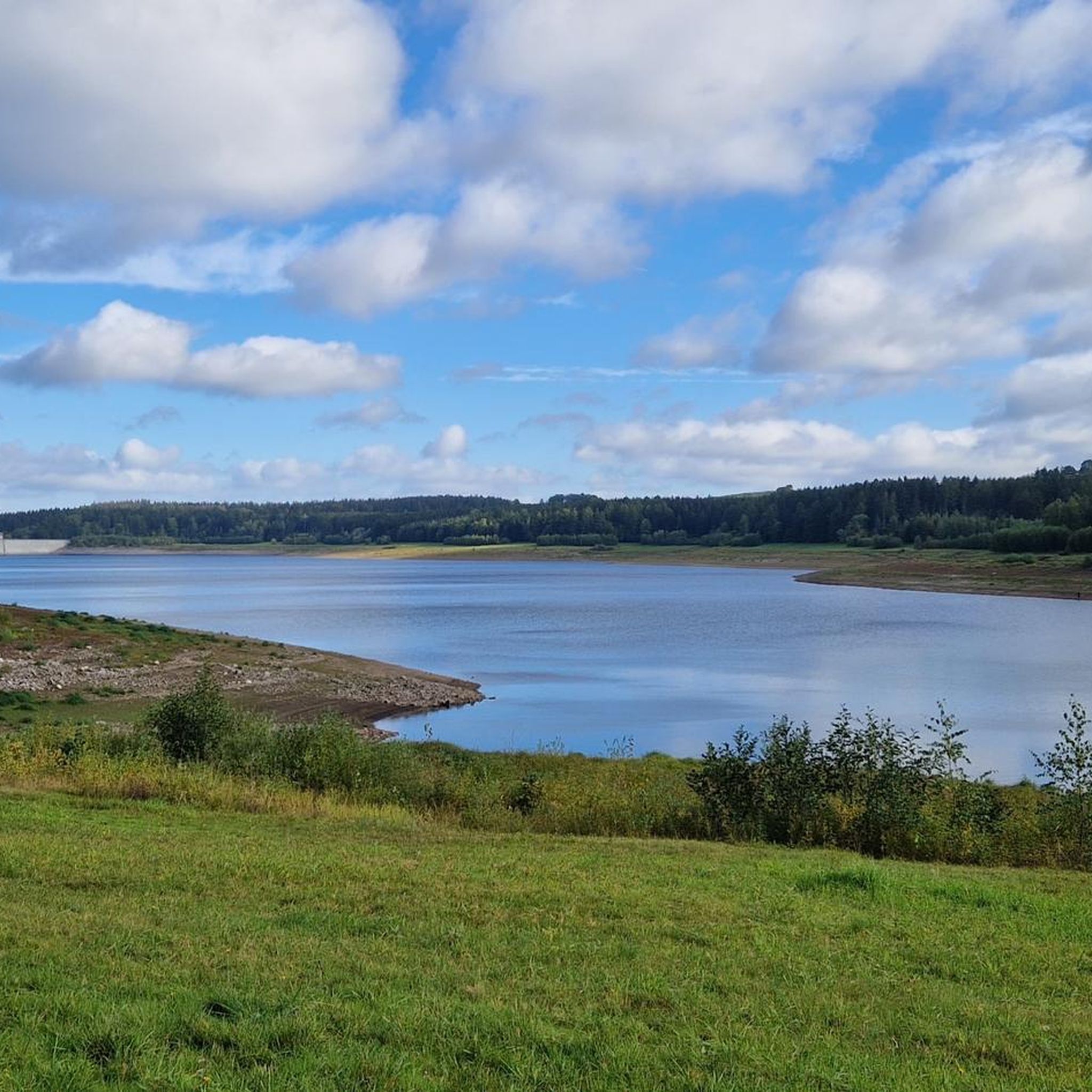
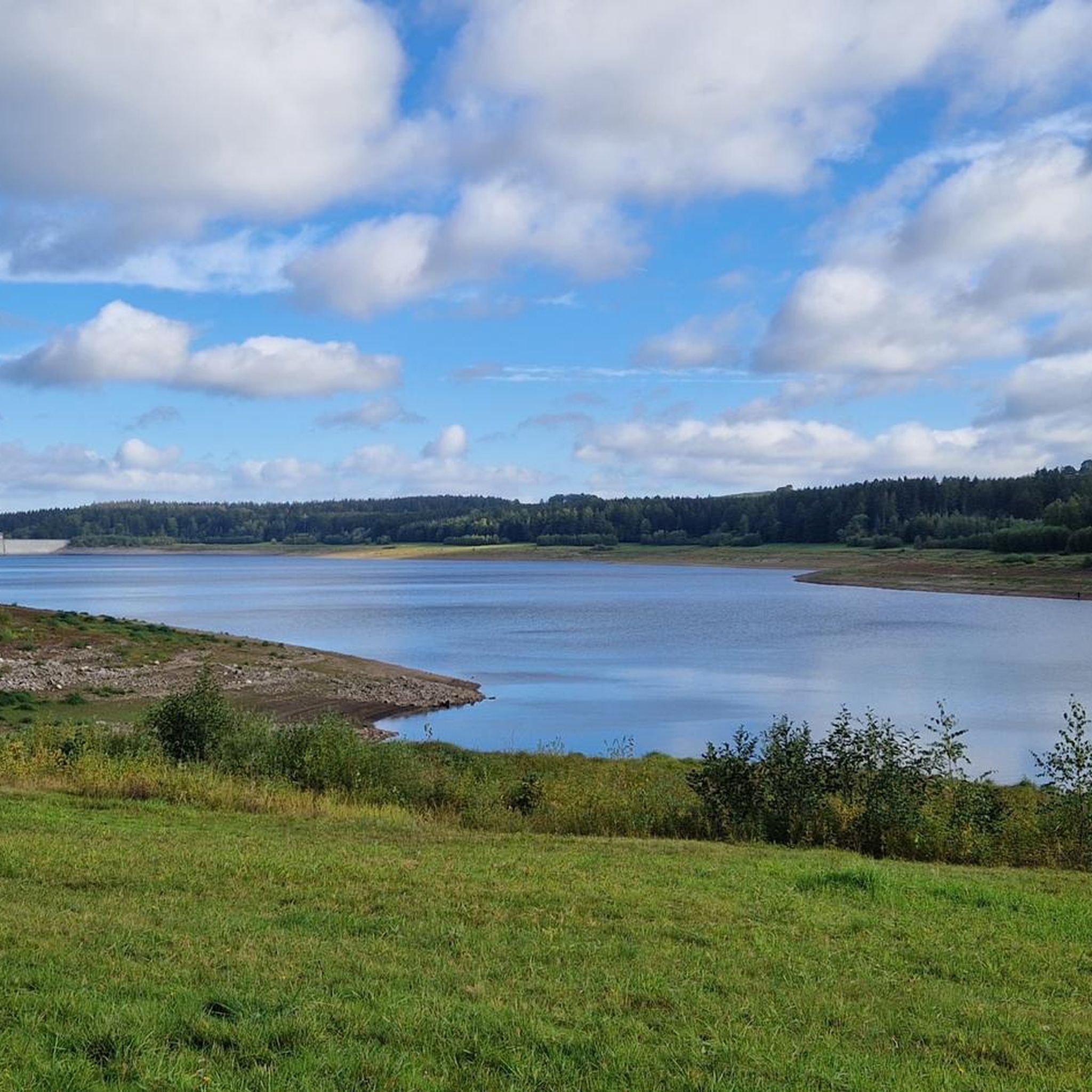
Lehnmühle Reservoir West Bank
Highlight • Lake
Translated by Google •
Tip by

Old Stone Bridge at the Lehnmühle Reservoir
Highlight • Bridge
Translated by Google •
Tip by

Sign up now to discover places like this
Get recommendations on the best single tracks, peaks, & plenty of other exciting outdoor places.
Sign up for free
Steinbrück Bridge
Highlight • Bridge
Translated by Google •
Tip by

Neubauerbach Crossing
Highlight • Bridge
Translated by Google •
Tip by

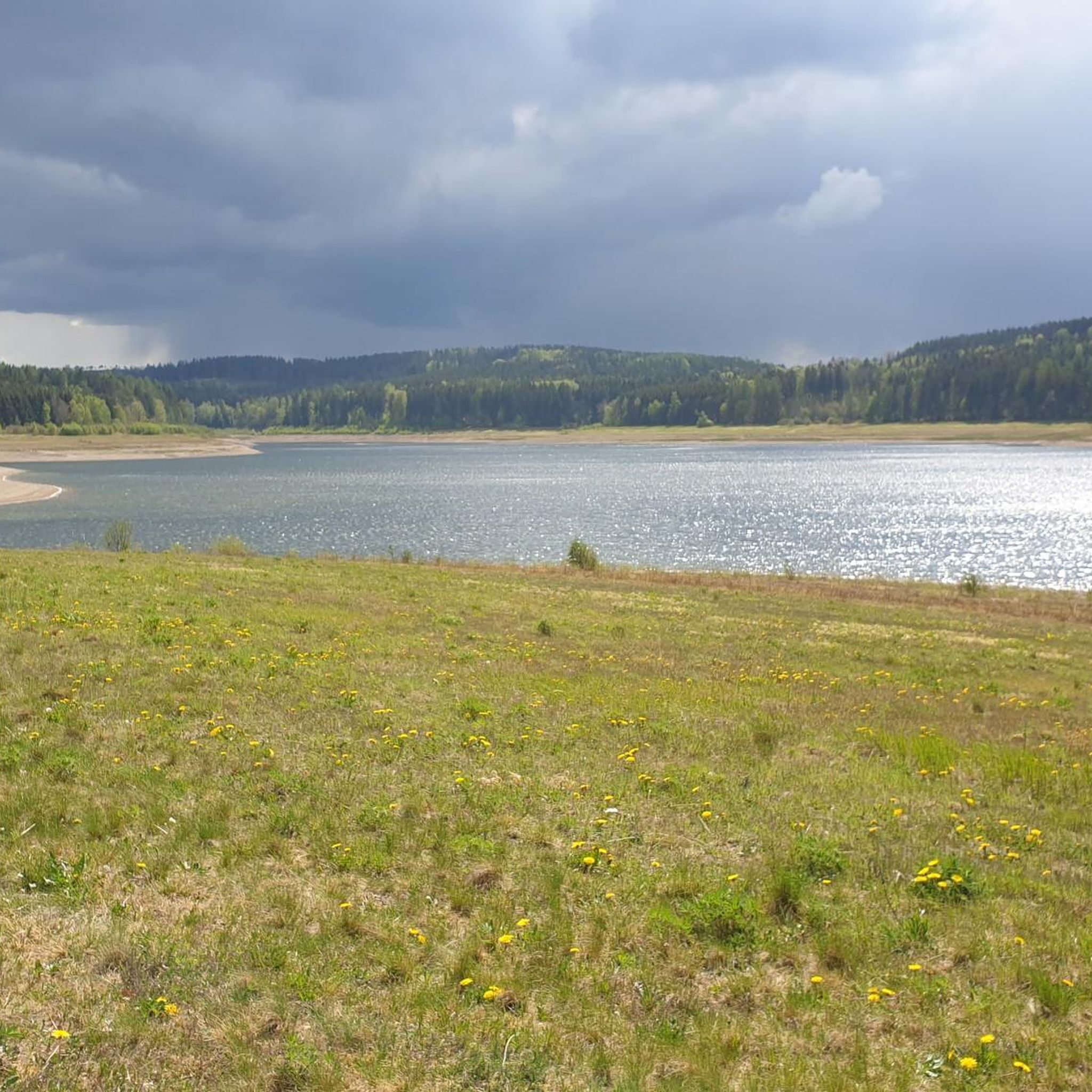
Small bay on the lake
Highlight • Beach
Translated by Google •
Tip by

Sign up for free to discover even more attractions around Dam Lehnmühle.
Sign up for free
Already have an account?
Start today with a free account
Your next adventure awaits.
Login or Signup
Tips from the Community

Very little water in November 2025.
0
0

Clearly visible path and several stones to cross on dry feet.
0
0

Only to be discovered at low water in the dam
0
0
When the water is low, the old stone bridge reappears.
0
0

The Lehnmühle dam is part of the Klingenberg/Lehnmühle dam network system and supplies raw water for the drinking water supply of the cities of Dresden and Freital. At the same time, the Lehnmühle dam in its function as a storage facility also acts as a pre-dam for the Klingenberg dam. The raw water from the plant is fed into the Klingenberg dam and on to the Klingenberg and Coschütz waterworks. The Lehnmühle dam also serves to protect against flooding and to generate electricity. It was built after the completion of the Klingenberg and Malter dams in 1926. With industrialization at the beginning of the 20th century, the population also grew in the Dresden and Freital area. Drinking water reservoirs were required to supply people with sufficient water. The old tin road from the Altenberger and Niederpöbeler tin ore areas to the Freiberger Hütten once led through the valley of today's reservoir. The "Wilde Weisseritz" flowed through the "Steinbrücke", which gave the village that gave way for the dam its name: Steinbrückmühle. However, the dam was not named after the place, but after a grinding and board mill from the Middle Ages, which stood below the dam wall. Like almost all mills, it was looted and destroyed during the Thirty Years' War (1618 to 1648). Changing owners tried to establish various trades there, such as a wood grinding shop or gastronomy. Until 1973, the "VEB Landmaschinen" company had its headquarters in the old Lehnmühle. After that, however, she visibly declined. It therefore had to be completely demolished at the end of 2006. Today, the name Lehnmühle Dam is a reminder of the old Lehnmühle, which has two special features: It was one of the first dams with a straight quarry stone wall. And its approximately 42 meter high dam wall is one of the longest in Germany with a remarkable length of 520 meters. Construction period: 1927 to 1931 Commissioning: 1931 Source: https://www.wasserwirtschaft.sachsen.de/TS_Lehnmuehle.html
9
0


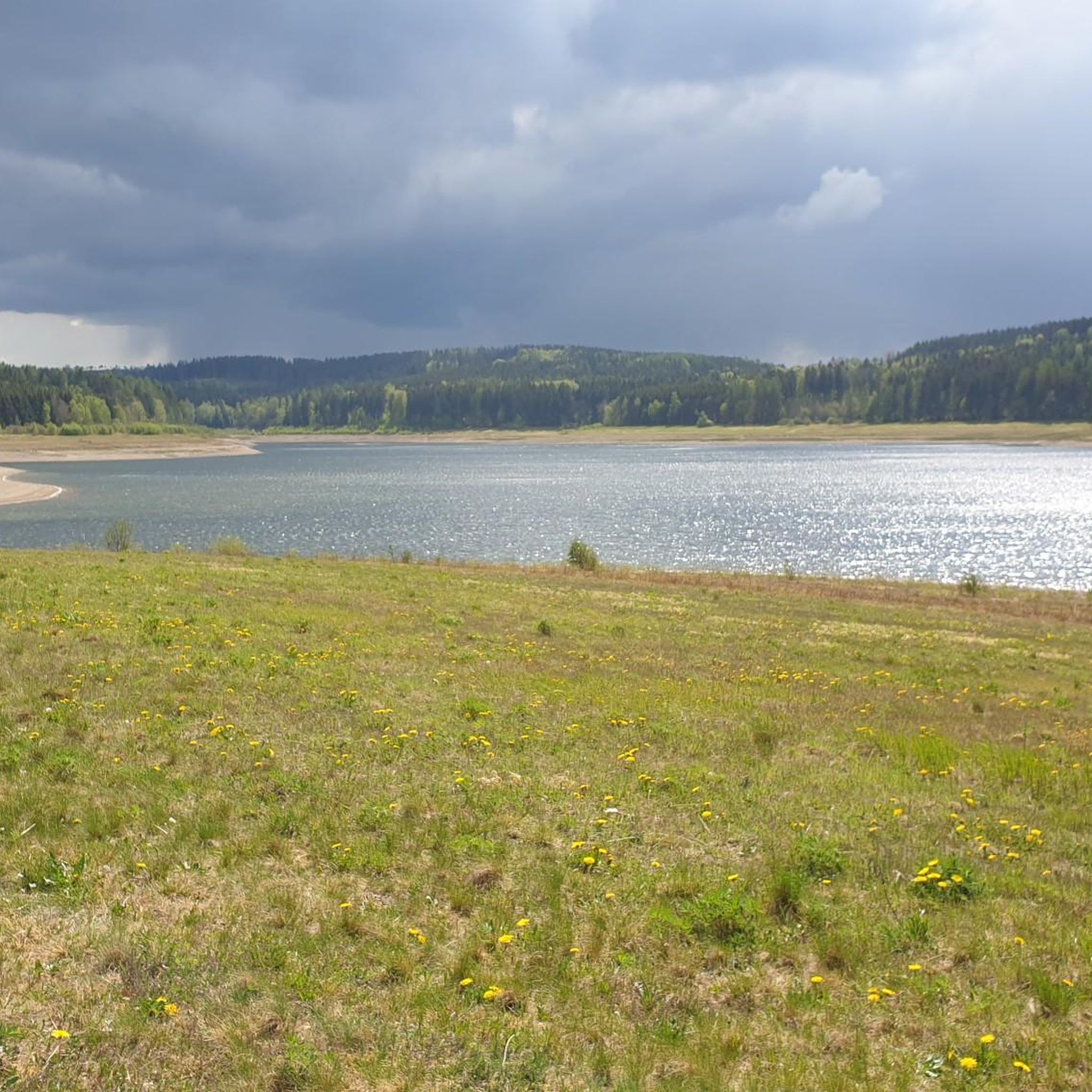
Here you can take a relaxed sunbath, provided the weather cooperates. Good resting place by the water 💧.
3
0
A very interesting and beautiful tour around the Lehnmühle dam. Recommended, also for families.
4
1
Frequently Asked Questions
What are some of the most popular attractions around Dam Lehnmühle?
Visitors frequently enjoy the Lehnmühle Reservoir West Bank for its expansive views and the impressive dam wall. Another highly regarded spot is the Old Stone Bridge at the Lehnmühle Reservoir, which offers a unique glimpse into the area's history when water levels are low.
What natural features can I explore near Dam Lehnmühle?
The central natural feature is the Lehnmühle Reservoir itself, nestled within the picturesque Osterzgebirge (Eastern Ore Mountains). You can also find scenic viewpoints, forested landscapes, and the historic Wilde Weisseritz Valley, now part of the reservoir. A small bay on the lake offers a tranquil spot to relax by the water.
Are there historical sites to visit around Dam Lehnmühle?
Yes, the area is rich in history. Besides the Old Stone Bridge that reappears at low water, you can find the impressive Lehnmühle Dam Wall, a significant engineering feat from the early 20th century. Other historical points of interest mentioned in the region include the Reichstädt Windmill and a World War I Memorial in Ammelsdorf.
What outdoor activities can I do near these attractions?
The Dam Lehnmühle area is excellent for various outdoor activities. You can find numerous routes for running, road cycling, and gravel biking. For detailed routes, explore the Running Trails around Dam Lehnmühle, Road Cycling Routes around Dam Lehnmühle, and Gravel biking around Dam Lehnmühle guides.
Are there hiking trails around Dam Lehnmühle?
Yes, the area is highly popular for hiking, offering numerous well-maintained trails and circular routes suitable for various fitness levels. Popular options include the Forest Stream Trail and loops around the Lehnmühle Reservoir West Bank. These paths allow you to immerse yourself in the diverse landscape of hills and forests.
Are there family-friendly attractions around Dam Lehnmühle?
Yes, the natural setting around Dam Lehnmühle is generally family-friendly. The Lehnmühle Reservoir West Bank and a small bay on the lake are noted as family-friendly spots, offering space for relaxation and enjoying nature. Many of the hiking trails are also suitable for families.
When is the best time of year to visit Dam Lehnmühle?
The Dam Lehnmühle area is beautiful year-round. Spring and autumn offer pleasant temperatures for hiking and cycling, with vibrant foliage in the fall. Summer is ideal for enjoying the reservoir views and outdoor activities. Even in winter, the snowy landscapes of the Osterzgebirge can be picturesque for walks.
Can I swim or do water sports in the Lehnmühle Reservoir?
No, swimming and most water sports are generally prohibited in the Lehnmühle Reservoir. This is because the reservoir serves as a crucial source of drinking water for Dresden and Freital, and its primary functions include raw water supply, flood protection, and electricity generation.
Where can I park when visiting Dam Lehnmühle?
Parking lots are available near the Lehnmühle Dam, often free of charge. For example, parking is available directly at Frauenstein, providing convenient access to the dam and surrounding trails.
What is the significance of the Lehnmühle Dam Wall?
The Lehnmühle Dam Wall is an impressive structure, standing 42 meters high and stretching 520 meters long. It is noted as one of the first dams of its kind, built with a straight gravity design using rubble stone, and is among the longest in Germany. It was constructed between 1927 and 1931 to supply raw water, provide flood protection, and generate electricity.
Are there any hidden gems or less-known spots around Dam Lehnmühle?
One unique 'hidden gem' is the Steinbrück Bridge, which is only visible and accessible when the dam is drained or water levels are exceptionally low. It offers a rare glimpse into the submerged village of Steinbrückmühle.
What is the Neubauerbach Crossing?
The Neubauerbach Crossing is a bridge over a river, featuring a clearly visible path and stones that allow for easy passage across the stream. It's a practical point for hikers navigating the trails in the area.
Most popular routes around Dam Lehnmühle
Most popular attractions around Dam Lehnmühle

Get inspired with the komoot mobile app


Explore more
Still not found the Highlight you’re looking for? See guides of the top attractions in other regions:
