The best walks and hikes around Niederheimbach
4.6
(1780)
8,301
hikers
21
hikes
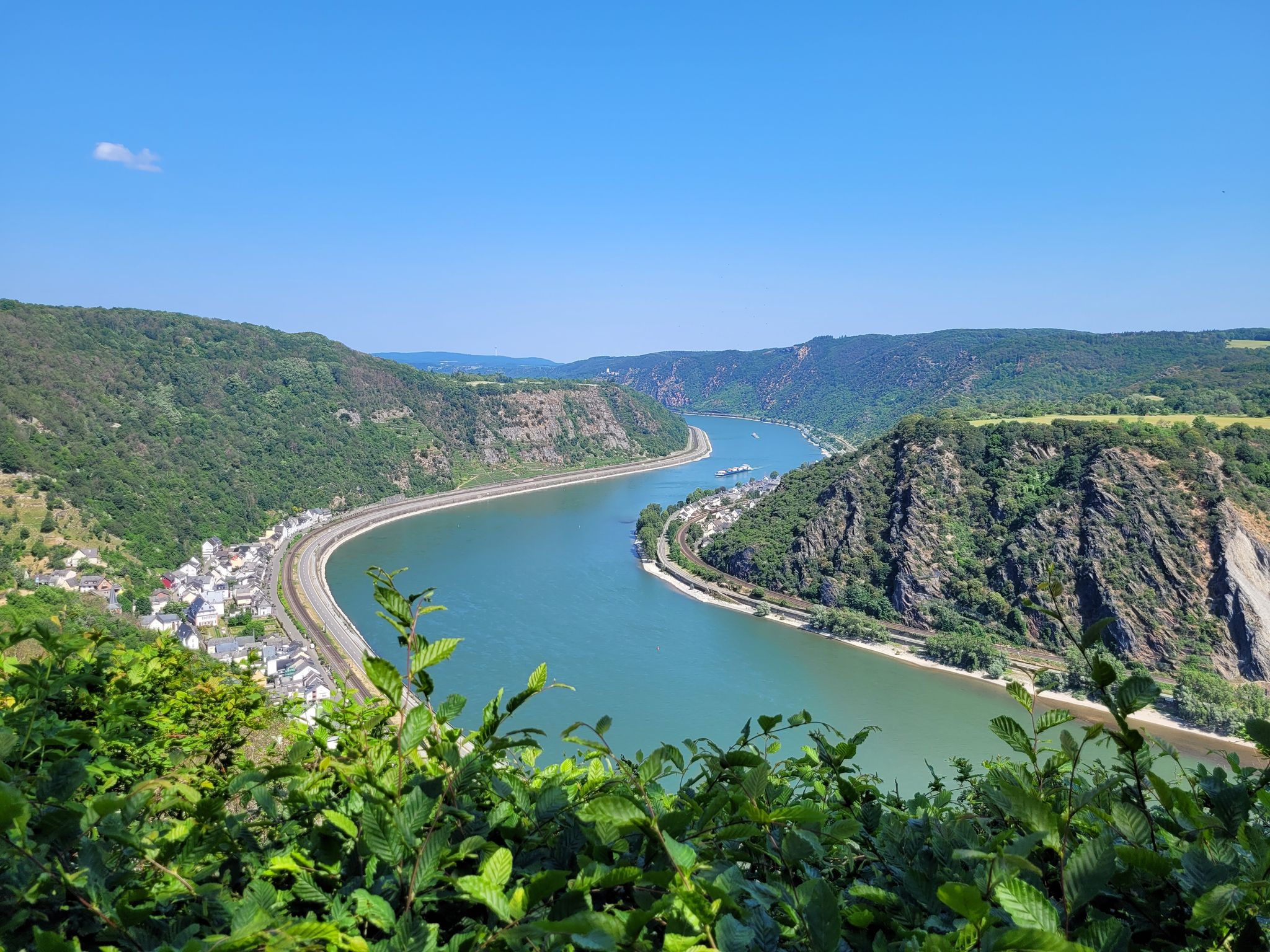
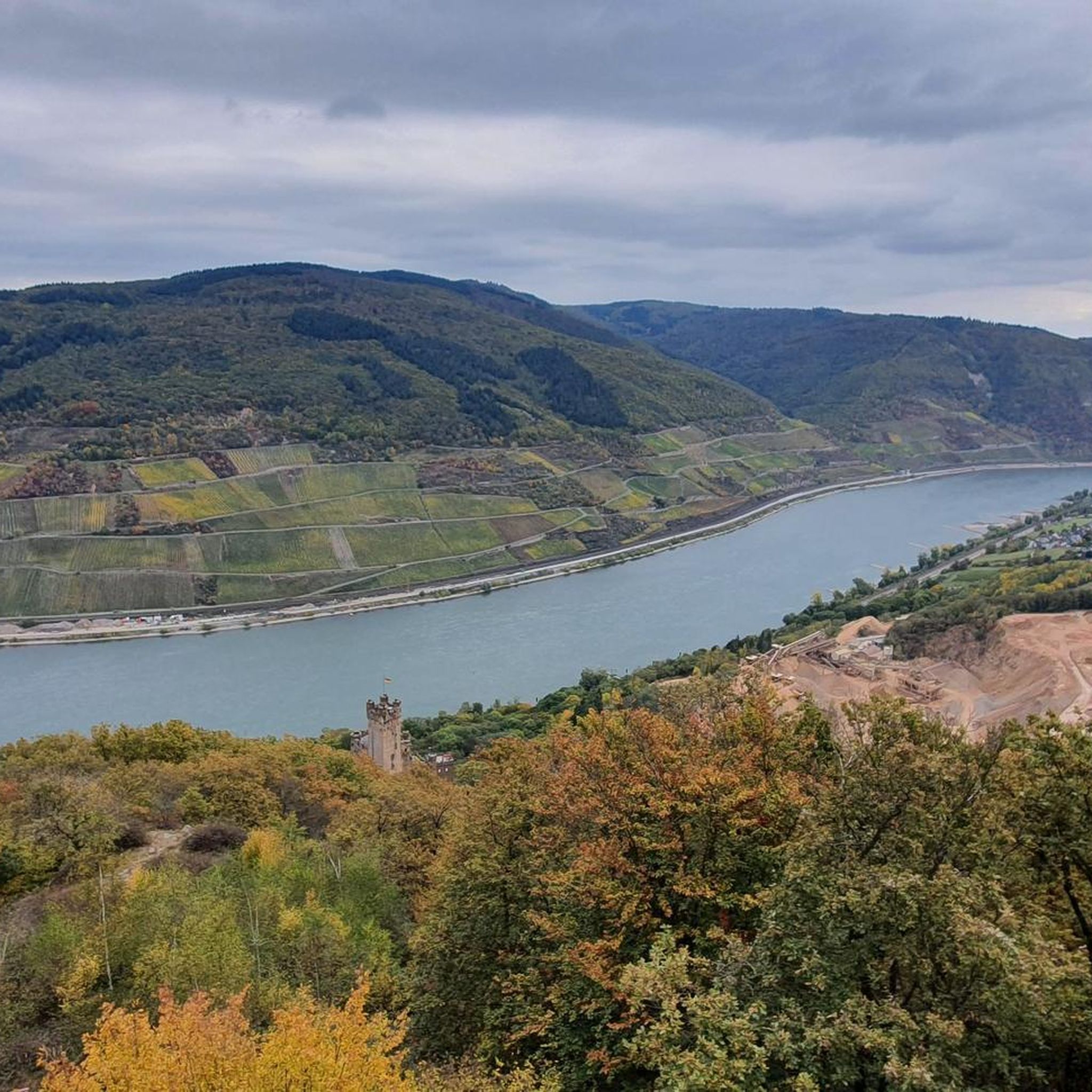
Hiking around Niederheimbach offers diverse terrain in the Mainz-Bingen district of Rhineland-Palatinate, Germany. The region is characterized by the Rhine Gorge, extensive vineyards, and the Bingen Forest to the west. Elevations range from the Rhine River to hills like Wurschberg and the Franzosenkopf, which reaches 618 meters above sea level. Valleys such as the Morgenbach valley also contribute to the varied landscape.
Best hiking trails around Niederheimbach
- The most popular hiking route is Little Sea of Rocks loop from Niederheimbach…
Last updated: August 25, 2026
4.8
(19)
121
hikers
Easy hike. Great for any fitness level. Easily-accessible paths. Suitable for all skill levels.
4.8
(25)
80
hikers
9.04km
02:37
240m
240m
Moderate hike. Good fitness required. Easily-accessible paths. Suitable for all skill levels.

Sign up for free
4.6
(15)
57
hikers
8.56km
02:39
320m
310m
Moderate hike. Good fitness required. Easily-accessible paths. Suitable for all skill levels.
4.8
(9)
33
hikers
22.0km
06:30
650m
650m
Hard hike. Very good fitness required. Easily-accessible paths. Suitable for all skill levels.
4.8
(18)
102
hikers
Easy hike. Great for any fitness level. Easily-accessible paths. Suitable for all skill levels.
Get access to more routes and recommendations from other explorers.
Sign up for free
Already have an account?
Our route recommendations are based on thousands of hikes, rides, and runs completed by other people on komoot.
Start today with a free account
Your next adventure awaits.
Login or Signup

Other adventures around Niederheimbach

Tips from the Community

Lorch from the "ebsch Seit" (= regional designation of the Rheingau inhabitants for the other/ugly side of the Rhine) is already impressive with the castle ruin "Nollig", the completely underestimated vineyards (officially Rheingau wine-growing region but geologically already Mittelrhein) and a completely underestimated historic core. Don't just look at it from the other side of the Rhine, but go there and explore it!
0
0

Halfway along the Schellengang, you can take a nice break here and enjoy a very beautiful view of Oberdiebach.
0
0

Fürstenberg Castle is the ruin of a hilltop castle in the Rheindiebach district. It was built 152 meters above sea level on a triangular rocky outcrop above the Middle Rhine. Its origins date back to the early 13th century. At that time, it was built as a toll castle and security fortress on the orders of Engelbert I, Archbishop of Cologne. In later centuries, Fürstenberg Castle saw a continuous succession of owners. The 3-meter-thick shield wall and deep moat ensured its high resistance. Unlike most castles, the castle even withstood the Thirty Years' War very well. However, it was destroyed by the French army in the late 17th century by blasting. Only the keep survived. Later plans to convert it into a neo-Gothic palace failed. The castle ruins were attractive for a time, primarily due to their adjacent vineyards. For a time, they belonged to the wine wholesaler Wasum and were passed between various owners until 1993. Its The most recent owner is Gernot Stelter from Rheindiebach, who has since been working on an intensive restoration of Fürstenberg Castle in collaboration with the State Office for Monument Preservation. His goal is to make the ruins attractive to tourists again. Original stones from the ruins of the masonry were used in the reconstruction work. The reconstruction of the building is proving to be extremely labor-intensive and complex. The Stelter family already offers visitors the opportunity to view the grounds up close and enjoy a pleasant stay. The surrounding vineyards are carefully tended and form the basis of the associated Fürstenberg Castle winery. Two vacation apartments with views of the ruins and the Rhine plain are available for overnight stays. For hikers, the grounds offer a tranquil passage through the lush green vineyards. https://www.rheingau.de/sehenswertes/burgen-rheintal/fuerstenberg
1
1
The houses, which can look like gazebos, towers or even Apulian trulli, primarily serve as shelter for the winegrowers working in the vineyard, in bad weather or to take a break.
0
0
"... She hadn't noticed that Sibor was stalking her again. He took the arrow bearing the Hohneck coat of arms, without initially pursuing any intention. But when he soon saw Kunigunde's fiancée approaching, he hid and shot him from ambush with Kunigunde's arrow. Lumberjacks didn't find the dead man until the next day. Kunigunde was deeply shocked when she realized that her fiancée had been killed with the arrow she had shot at the bird of prey. Thus, the old woman's prophecy had tragically come true. Knight Sibor didn't survive the murder for long. After a night of heavy drinking, he fell from his horse in the Sauer Valley and broke his neck. Kunigunde withdrew completely from the outside world. She built a nunnery near Hohneck and named it Sweet Church. She lived there until her death. Remains of the walls of this monastery are said to still exist today. " https://www.sagen.at/texte/sagen/deutschland/rheinland_pfalz/kunigundehohneck.html
0
0
"At the time when Heimburg was still called 'Hohneck,' a knight named Kuno lived there. However, his luck was not on his side, as he lost his beloved wife during the birth of his first child. He named his daughter after her mother, Kunigunde, and raised her as one should raise a son. Kunigunde learned everything a knight had to learn at that time. She enthusiastically hunted with her father. When she was 18, her father died. To avoid the constant harassment of Knight Sibor of Lorch, she decided to marry her lover, a young knight from Flörsheim, as soon as possible. Shortly before the wedding, as she was about to go hunting once more, she met a well-known old fortune teller. In anticipation of the upcoming wedding, Kunigunde cheekily asked her about her fate. 'Poor child,' the old woman replied, 'you carry an arrow in your quiver that will kill your beloved.' Cunegonde laughed, swung herself onto her horse, and called to the old woman: 'You're sorely mistaken! My arrows have never hurt a person. I'm a master hunter!' Cunegonde didn't hear what the old woman said, as she had long since galloped off on her horse. A short time later, Cunegonde saw a bird of prey circling in the air above a meadow valley, looking for prey. Cunegonde didn't hesitate long, grabbed an arrow, and aimed at the bird. Fatally wounded, it fell to the ground. But Cunegonde paid no further attention. ..."
0
0

It's great that there are places like this!
0
0
Not for retirees :-) Seriously, it's a great trail that even fit retirees can enjoy.
0
0
Frequently Asked Questions
How many hiking trails are available around Niederheimbach?
The Niederheimbach region offers a diverse network of over 20 hiking trails. These routes cater to various skill levels, from easy strolls through vineyards to more challenging ascents in the Bingen Forest.
What kind of terrain can I expect on hikes in Niederheimbach?
Hiking around Niederheimbach features a varied landscape. You'll find trails winding through extensive vineyards, along the dramatic Rhine Gorge, and into the heavily wooded areas of the Bingen Forest. Some routes also explore valleys with rocky slopes, offering a diverse experience.
Are there challenging hiking routes in the Niederheimbach area?
Yes, for those seeking a challenge, there are a couple of difficult routes available. One such option is the Gailsbach Valley viewpoint – View of Franzosenkopf loop from Niederheimbach, which covers nearly 22 km with significant elevation changes, leading to elevated points like the Franzosenkopf.
What are some notable natural features or viewpoints to discover while hiking?
The region is rich in natural beauty and viewpoints. You can enjoy panoramic views of the Rhine and the distant Taunus mountains from various points, including the Wurschberg. The Morgenbach valley is known for its rocky slopes, and the Bingen Forest offers serene wooded paths. Don't miss the dramatic Rhine Gorge itself, a UNESCO World Heritage site.
Are there any family-friendly hiking options in Niederheimbach?
Yes, Niederheimbach offers several easy trails suitable for families. The Crucifix on the Rheinburgenweg loop from Niederheimbach is an easy option. Additionally, the region features unique attractions like the Steckeschlääferklamm (Tree Spirits Trail) with its carved figures and a restored Märchenhain (Fairytale Grove) along the Kuhweg, which can be delightful for children.
Can I bring my dog on the hiking trails around Niederheimbach?
Many trails in the Niederheimbach area are suitable for dogs, especially those through the vineyards and forests. It's always recommended to keep your dog on a leash, particularly in nature reserves or near livestock, and to carry water for them, especially on warmer days.
What historical attractions or landmarks can I see along the hiking trails?
The area is steeped in history. Hikers can explore the ruins of Fürstenberg Castle, a medieval fortress offering historical intrigue and impressive views. The RheinBurgenWeg (Rhine Castles Trail) guides hikers past numerous castle ruins. On the opposite bank, the Rheinsteig also offers views of many castles. The Kreuzbach Suspension Bridge is another small highlight on the RheinBurgenWeg.
Are there circular hiking routes available in Niederheimbach?
Yes, the region offers several circular routes. Popular options include the Little Sea of Rocks loop from Niederheimbach and the Wurschberg Viewpoint – Speierbaum (267 m) loop from Niederheimbach. These loops allow you to start and end your hike in the same location, making planning easier.
What do other hikers enjoy most about hiking in Niederheimbach?
The hiking trails around Niederheimbach are highly rated by the komoot community, with an average score of 4.6 stars from over 1,500 reviews. Hikers frequently praise the stunning panoramic views over the Rhine, the diverse landscapes ranging from vineyards to dense forests, and the historical charm of the castles and ruins along the routes.
Is there public transport access to the hiking trails in Niederheimbach?
Niederheimbach is located directly on the Rhine, which is well-served by regional train lines and boat services. This provides options for accessing the area. Specific bus routes may also connect to trailheads, but it's advisable to check local transport schedules for the most current information.
Where can I park when hiking in Niederheimbach?
Parking is generally available in and around Niederheimbach, particularly near the town center or designated trailheads. Many routes are designed as loops, making it convenient to park your car and return to the same spot after your hike. Specific parking information can often be found on local tourism websites or detailed trail maps.
What is the best season for hiking in Niederheimbach?
The Niederheimbach region is beautiful year-round, but spring and autumn are particularly popular for hiking. In spring, the vineyards burst into life, and wildflowers bloom. Autumn offers stunning foliage colors across the Rhine Valley and vineyards. Summer is also pleasant, though some trails might be more exposed to the sun. Winter hiking is possible, especially on lower elevation trails, offering a different, quieter perspective of the landscape.
Most popular routes around Niederheimbach
Most popular attractions around Niederheimbach

Get inspired with the komoot mobile app


Explore more
Browse the best Hikes in other regions.
