Attractions and Places To See around Binnenbedijkte Maas - Top 6
Best attractions and places to see around Binnenbedijkte Maas, a historical dammed branch of the Maas River in the Hoeksche Waard region of South Holland, highlight its natural beauty and history. This area, often referred to as Binnenmaas, features serene waters, green meadows, and traditional Dutch farms. The distinctive polder landscape provides scenic views and a tranquil environment for exploration.
Best attractions and places to see around Binnenbedijkte Maas
- The most popular attractions is Route Along the Binnenmaas, a…
Last updated: July 6, 2026
Poldersche Mill
Highlight • Monument
Translated by Google •
Tip by

Village Church Westmaas
Highlight • Religious Site
Translated by Google •
Tip by

Sign up now to discover places like this
Get recommendations on the best single tracks, peaks, & plenty of other exciting outdoor places.
Sign up for free
Route Along the Binnenmaas
Highlight • Cycleway
Translated by Google •
Tip by

Windlust Windmill Westmaas
Highlight • Monument
Translated by Google •
Tip by
Overlanden Binnendijkte Maas
Highlight • Natural
Translated by Google •
Tip by

Sign up for free to discover even more attractions around Binnenbedijkte Maas.
Sign up for free
Already have an account?
Start today with a free account
Your next adventure awaits.
Login or Signup
Other adventures around Binnenbedijkte Maas

Tips from the Community

It is very likely that a polder mill stood here before 1637. Over the centuries, the mill has been replaced several times, but it has always been indispensable for regulating the water level of the Sint Anthoniepolder.
2
0

The year of construction of the Windlust corn mill in Westmaas is stated above the entrance door on the north side of the mill as 1853. The first miller was Pieter de Koning. In 1857, Willem Cornelis Heijkoop and his wife Dirkje van der Jagt became the owners. Source: https://www.molendatabase.nl/molens/ten-bruggencate-nr-01986
0
0
Westmaas was founded around 1440 by the Carthusian monks. It owes its existence to the efforts of the Carthusian monastery Nieuwlicht near Utrecht. In 1458, a parish church was founded that led a fairly autonomous existence. But it too was confronted with the consequences of the Reformation. Because before the Reformation, it was the monks who had control over their church and (parish) foundation, after the Reformation it was the bailiff and aldermen of Westmaas who were closely involved in everything that had to do with the church. The bailiff and aldermen fulfilled the task of supervising the church council and ultimately decided on an appeal to a minister issued by the church council. When the Reformation was also a fact in Westmaas, the church building also came into Protestant hands. In 1650, the then small building was replaced by the church on the Breestraat that still exists today. The church then became the property of the Reformed Church, which was part of the Dutch Reformed Church, which became the official Church of the Netherlands during the Eighty Years' War. After the French occupation, the name was changed to the Dutch Reformed Church, and with the church association on 1 May 2004, the Dutch Reformed Church merged with the Reformed Churches in the Netherlands and the Evangelical Lutheran Church into the Protestant Church in the Netherlands (PKN). The church of Westmaas was truly a village church, i.e. a house of prayer for all villagers. As a result of the Secession that took place in Westmaas in 1839, this remained the Reformed Church next to a Reformed Church on the Nieuwstraat that was demolished in 2012. In 1999, a federal collaboration between the Reformed and the Reformed was established, which was converted into a merger a few years later. As a result, the church became the Village Church again. In 1965 the church tower, owned by the civil municipality of Binnenmaas, was restored and in May 1966 the restoration of the church was started, which lasted until December 1967. On 21 December 1967 the church building was put back into use. Source: https://www.vriendendorpskerkwestmaas.nl/?page_id=20
1
0

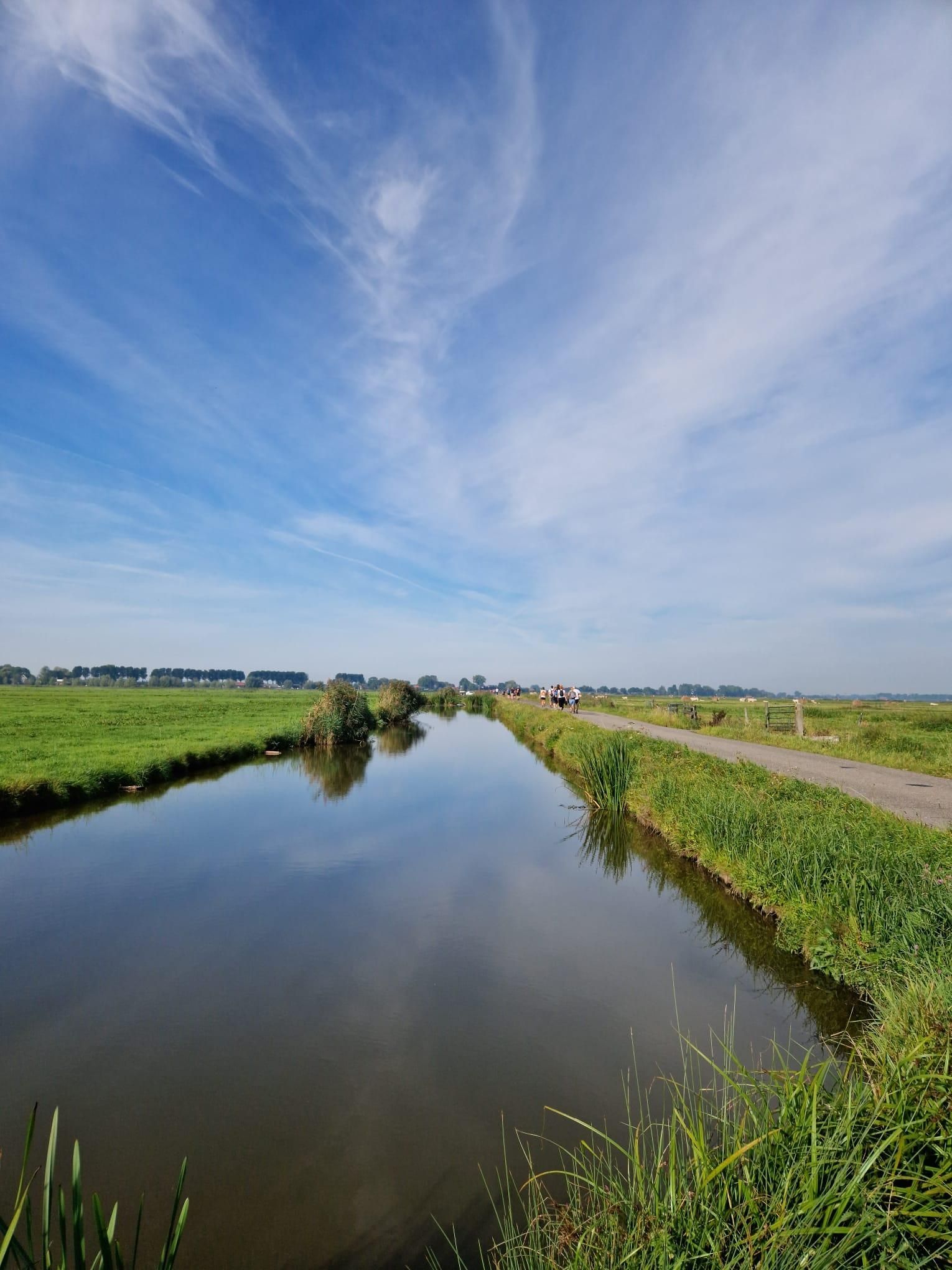
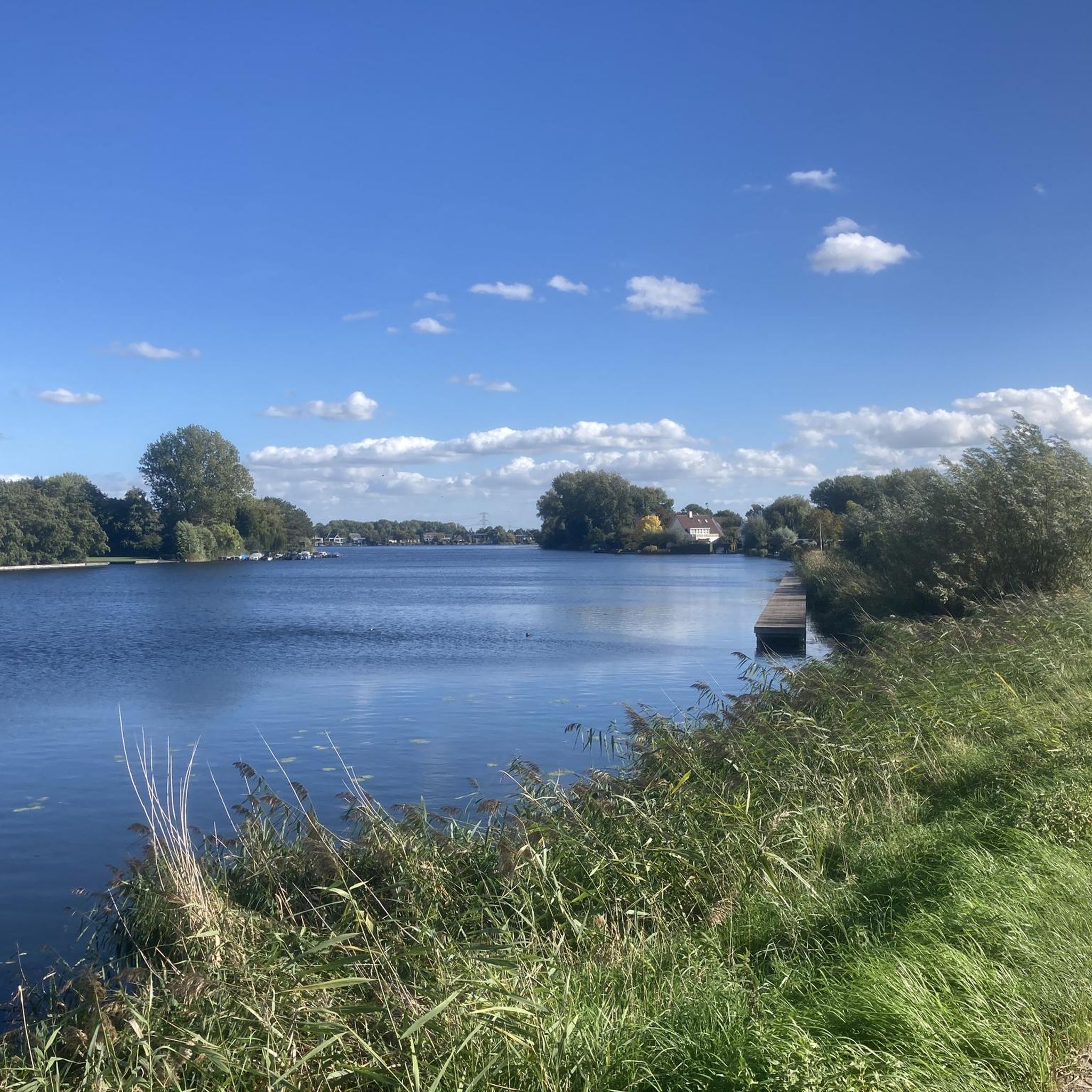
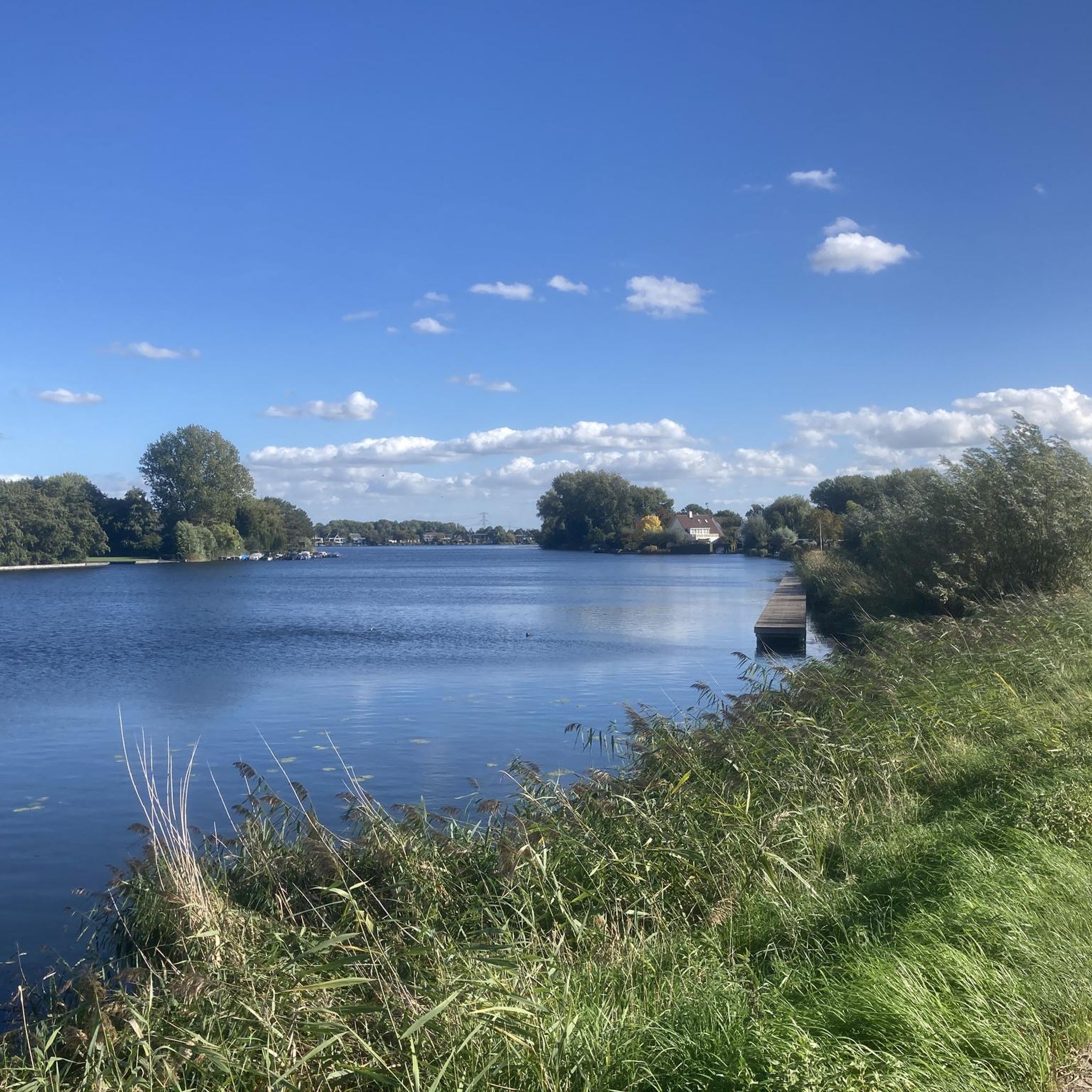
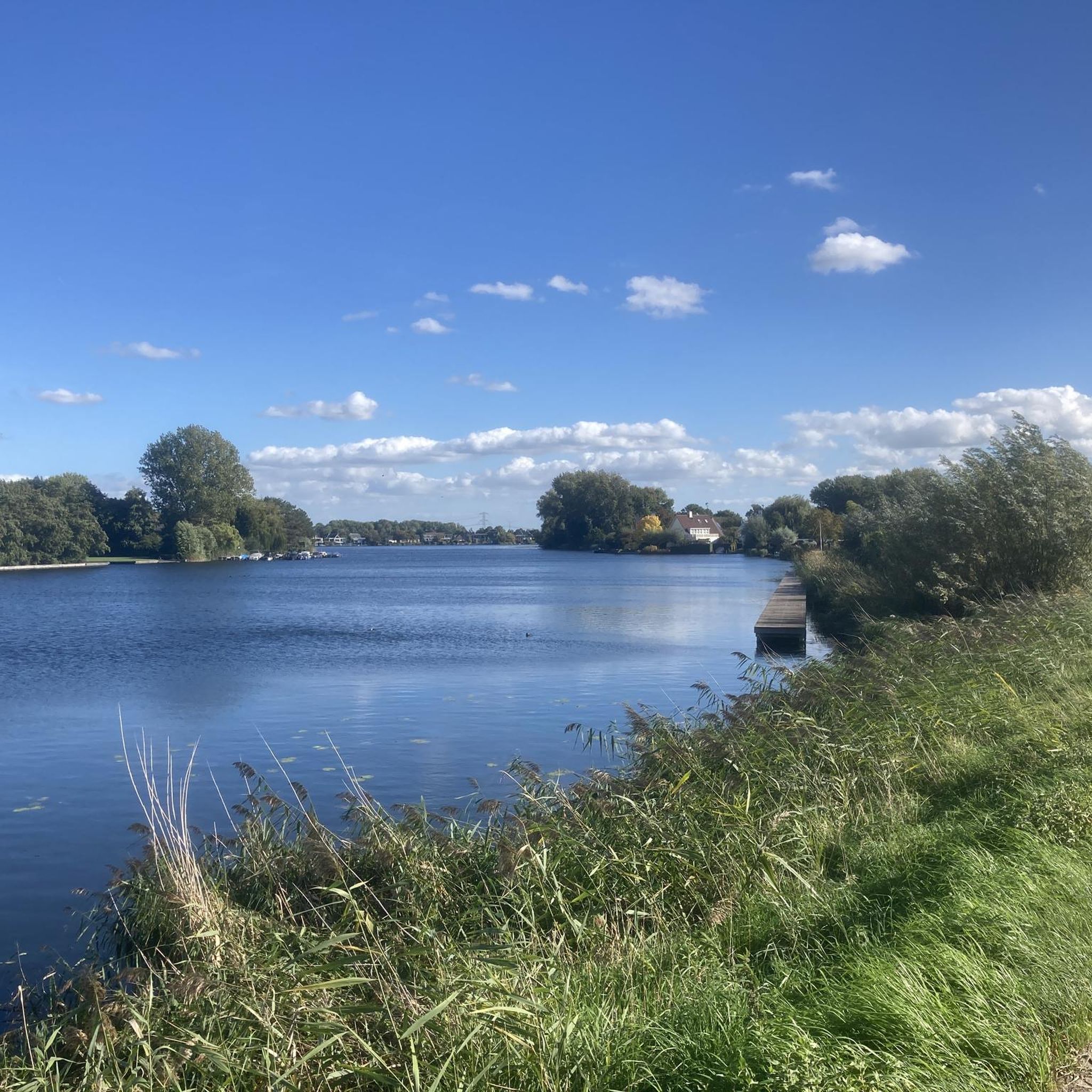
A scenic route along the Binnenmaas in the Hoeksche Waard, with calm waters, green meadows and characteristic farms. This path offers plenty of opportunity to cycle and enjoy the rural South Holland landscape, with beautiful views of the Binnenmaas and plenty of nature around you.
0
0

In the flat, watery landscape of the Netherlands stands a type of mill that has played a crucial role in the survival and prosperity of the country throughout the centuries: the polder mill. These special mills are a testament to the age-old battle against the water, a battle that has shaped the character and technical ingenuity of the Dutch people. In a country where much of the land lies below sea level, the conclusion to develop an efficient water management system quickly emerged. The polder mills were born from this solution, a brilliant invention that makes it possible to pump water from the lower polders and move it to higher rivers and canals. The architecture of these polder mills is a fascinating spectacle, each carefully designed to efficiently catch the wind and move the water with minimal effort. The beauty and technical precision with which these mills were built attracted many admirers and tourists every year. The graceful silhouettes against the open Dutch skies tell stories of a time when the rhythm of the mill sails determined the rhythm of life. The polder mills are not only functional wonders but also timeless monuments of Dutch heritage. They testify to the ingenuity and determination of a people who essentially surrendered to the elements. Instead, they transformed the watery landscapes into fertile polders, which formed the foundation for the well-being community that the Netherlands is today. Today, the polder mills stand as a reminder of the historical importance and technical ingenuity of Dutch water management. Visitors who stroll along the tranquil waterways, with the mills rising gracefully above the horizon, are treated to a vivid image of the past. One that honors the timeless dialogue between land, water, and people in the Netherlands. The polder mills are an essential chapter in the story of the Netherlands, a story of surviving, adapting, and ultimately, thriving in harmony with nature.
4
0

Interesting information about the importance of mills in the Netherlands.
3
0

A path leads to the mill for a closer look.
2
0
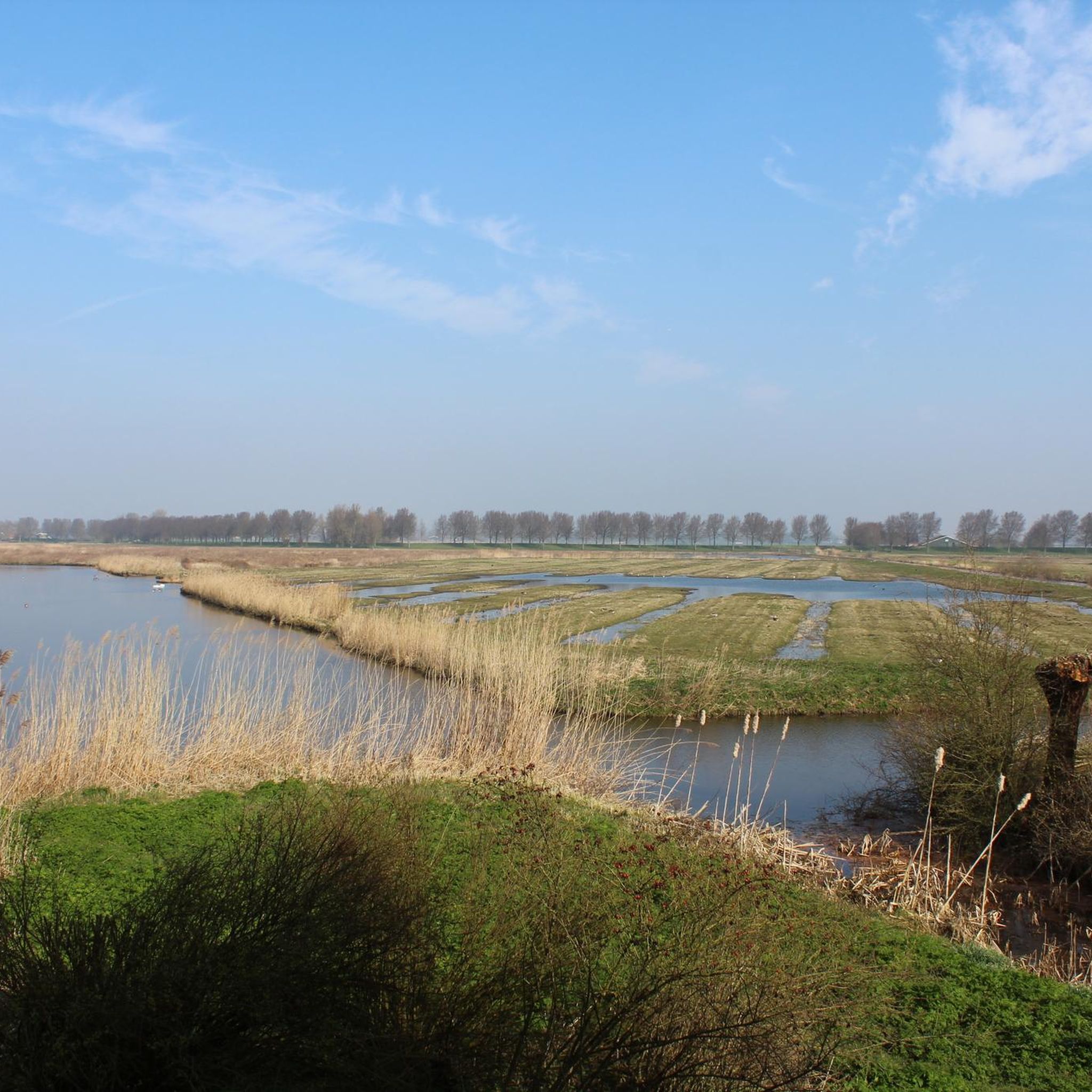
When you take a walk on the dike, you can also walk through this area to avoid cyclists and motorists. There is no path to follow so make sure you have good shoes. You can get in and out on both sides at the beginning.
1
0
Frequently Asked Questions
What natural features define the Binnenbedijkte Maas area?
The Binnenbedijkte Maas is characterized by its serene waters, green meadows, and traditional Dutch farms. The area is dominated by a distinctive polder landscape, which is low-lying fertile land reclaimed from water, offering tranquil environments and scenic views. The Binnenbedijkte Maas itself is a 7.3-kilometer long dammed branch of the Maas River.
What historical landmarks can I visit in the Binnenbedijkte Maas region?
The region is rich in historical landmarks, particularly windmills. You can visit the Poldersche Mill, which has been crucial for regulating the water level of the Sint Anthoniepolder since before 1637. Another notable historical site is the Windlust Windmill Westmaas, a corn mill dating back to 1853.
Are there any significant cultural sites in Westmaas?
Yes, the Village Church Westmaas is a significant cultural and religious site. Founded around 1440 by Carthusian monks, the current building dates back to 1650 and reflects the historical religious practices and community development of the region.
Are there family-friendly activities available around Binnenbedijkte Maas?
Yes, the area offers family-friendly options. Recreatieoord Binnenmaas is a recreational park with a playground, jeep safari, electric boats, a waterspray park, an outdoor swimming pool, and a petting zoo. Additionally, many of the cycling and walking routes, such as Route Along the Binnenmaas, are suitable for families.
What cycling routes are available to explore the Binnenbedijkte Maas?
The Binnenbedijkte Maas area is excellent for cycling. Popular routes include Route Along the Binnenmaas, which offers scenic views of the water and surrounding nature, and Binnenmaas and Ritselaarsdijk, which takes you along the Binnenmaas and through the polder. You can find more cycling tours in the area on the Cycling around Binnenbedijkte Maas guide.
Can I find hiking trails near the Binnenbedijkte Maas attractions?
Yes, there are several hiking opportunities. The region offers numerous trails to explore the beautiful surroundings, including paths with views of the Binnenmaas and through the polder. For easy walks, consider routes like the "View of the Binnenmaas Lake – Village Church Westmaas loop from Westmaas." More options are available in the Easy hikes around Binnenbedijkte Maas guide and the Hiking around Binnenbedijkte Maas guide.
What is the best time of year to visit Binnenbedijkte Maas for outdoor activities?
The Binnenbedijkte Maas area is generally pleasant for outdoor activities during spring, summer, and early autumn. These seasons offer milder weather, making cycling, hiking, and enjoying the recreational park more comfortable. The green meadows and calm waters are particularly inviting during these months.
What makes the polder landscape around Binnenbedijkte Maas unique?
The polder landscape is unique because it consists of low-lying fertile land reclaimed from water, a testament to centuries of Dutch water management. This creates a distinct environment of flat, open spaces, crisscrossed by waterways and dotted with traditional farms and historic windmills, offering tranquil and picturesque scenery.
What do visitors appreciate most about the Binnenbedijkte Maas area?
Visitors often appreciate the blend of natural beauty and historical significance. The calm waters and green polder landscapes provide a peaceful escape, while the historic mills and churches offer a glimpse into Dutch heritage. The scenic cycling and walking routes are also highly valued for experiencing the rural South Holland landscape.
Are there any viewpoints to enjoy the scenery of Binnenbedijkte Maas?
Yes, the entire Binnenbedijkte Maas area, particularly along the cycling and walking routes, offers numerous scenic viewpoints. Routes like Route Along the Binnenmaas and Binnenmaas and Ritselaarsdijk are specifically designed to provide beautiful views of the water and the surrounding polder landscape.
Is the Binnenbedijkte Maas area suitable for a day trip?
Absolutely. With its mix of historical landmarks, natural beauty, and recreational opportunities like Recreatieoord Binnenmaas, the Binnenbedijkte Maas area offers enough attractions and activities to fill a pleasant day trip for individuals, couples, or families.
Most popular routes around Binnenbedijkte Maas

Get inspired with the komoot mobile app


Explore more
Still not found the Highlight you’re looking for? See guides of the top attractions in other regions:
