The best road cycling routes around Mönchsdeggingen
4.6
(434)
5,157
riders
388
rides
Road cycling routes around Mönchsdeggingen traverse the diverse landscapes of the Donau-Ries district and the edge of the Swabian Alb. The region features rolling hills, scenic river valleys of the Danube, Lech, and Wörnitz, and the unique geological formations of the Ries Crater. Routes predominantly utilize well-paved surfaces, offering varied terrain from gentle gradients to more challenging ascents. This area provides a mix of easy rides and more demanding routes with significant elevation gain.
Best road cycling routes around Mönchsdeggingen
…Last updated: July 4, 2026
4.8
(8)
68
riders
65.3km
02:55
590m
590m
Moderate road ride. Good fitness required. Mostly well-paved surfaces and easy to ride.
4.9
(8)
43
riders
Moderate road ride. Great for any fitness level. Some segments of this route may be unpaved and difficult to ride.

Sign up for free
5.0
(1)
58
riders
71.4km
03:14
460m
460m
Moderate road ride. Good fitness required. Some segments of this route may be unpaved and difficult to ride.
3.0
(1)
18
riders
54.0km
02:20
440m
440m
Moderate road ride. Good fitness required. Mostly well-paved surfaces and easy to ride.
18
riders
Moderate road ride. Good fitness required. Some segments of this route may be unpaved and difficult to ride.
Get access to more routes and recommendations from other explorers.
Sign up for free
Already have an account?
Our route recommendations are based on thousands of hikes, rides, and runs completed by other people on komoot.
Start today with a free account
Your next adventure awaits.
Login or Signup
Popular around Mönchsdeggingen


Tips from the Community

The pride of the football nation
0
0

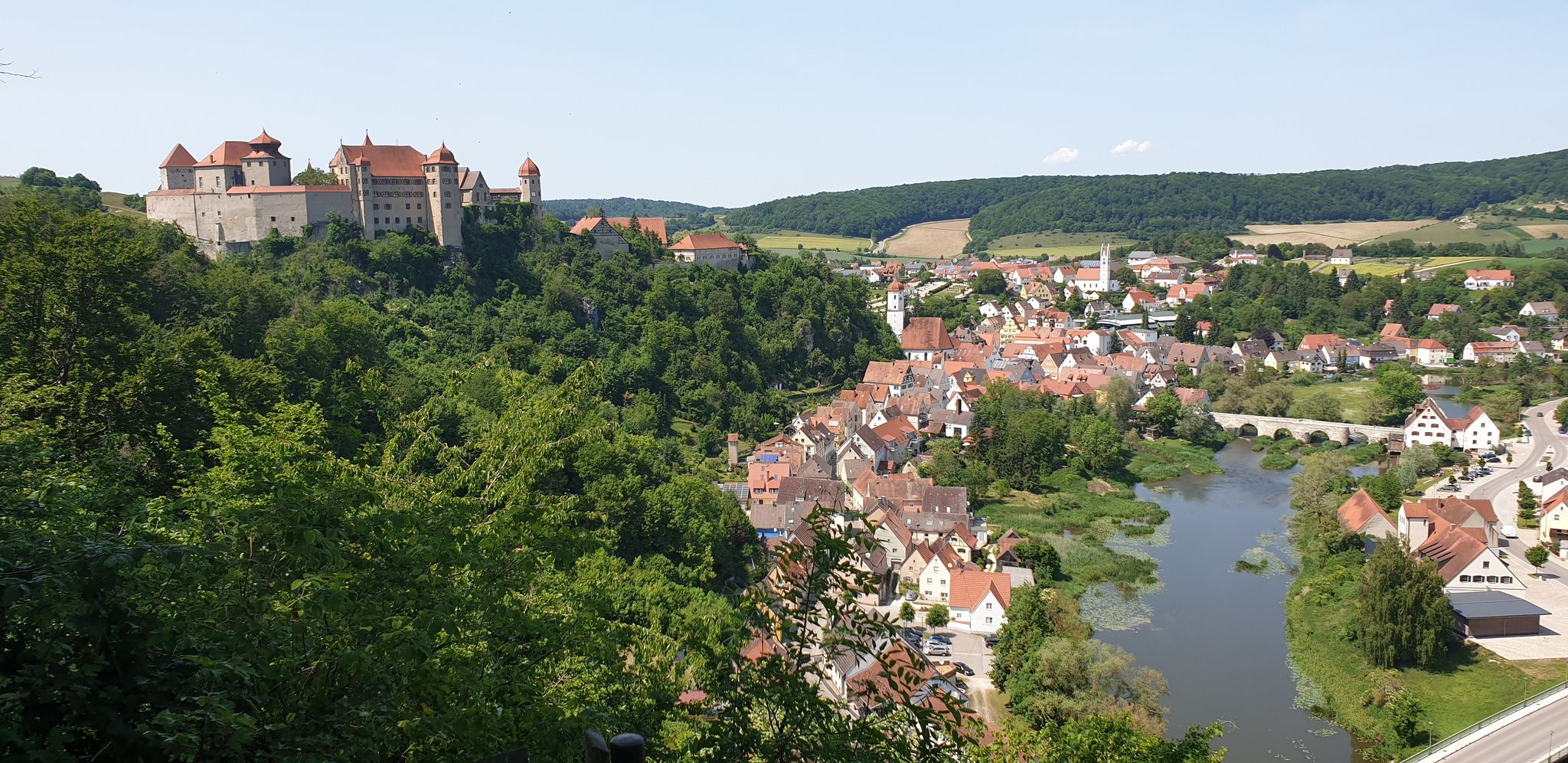
The formerly extensive, terraced complex on a rock above the town was first mentioned in 1188 in a treaty between Emperor Frederick I Barbarossa and King Alfonso VIII of Castile, in which the marriage between Frederick's son Conrad and Alfonso's daughter Berengaria was agreed upon. Half of the castle with all its appurtenances (mediam partem castri Walrstein cum omnibus suis pertinenciis), along with another 29 Staufian estates, were to be part of the bride's dowry.
1
0

The Baldinger Tor in Nördlingen is one of the five historical city gates and was first mentioned in 1376. It secured the road towards Würzburg and Frankfurt am Main and was part of the medieval city fortifications. The barbican was completed in 1406 by Master Wenzeslaus, and in 1430 a reconstruction took place under the direction of stonemason Conrad Stenglin. Originally, the gate structure resembled the Berger Tor: a rectangular main gate building with an almost square barbican. The tower was five stories high and had a round superstructure with a gun embrasure and a tent roof. During the Thirty Years' War, the gate was damaged, and in 1703 the tower unexpectedly collapsed – presumably due to insufficient repairs. Five people lost their lives.
8
0
The "Daniel" church tower of St. George's Church in Nördlingen is the town's most visible landmark and a masterpiece of late Gothic architecture. At 90 meters high, the tower rises above the town's rooftops and offers a spectacular panoramic view of the Nördlinger Ries region – on a clear day, up to 99 church towers can be seen. Construction began in 1454 and was completed in 1490 with a temporary roof. After a lightning strike in 1537, the tower received its characteristic Italian dome. Originally known as the "Wendelstein," it was renamed "Daniel" in the 19th century – an allusion to the biblical figure Daniel, who was elevated to the rank of prince. The Daniel tower is particularly vividly brought to life by a centuries-old tradition: Every evening between 10 p.m. and midnight, the watchman calls out "So G'sell, so!" from the tower room. – a greeting that dates back to a legend from 1440 in which a runaway sow helped uncover a treason and save the city from an attack. Those who climb the more than 350 steps to the viewing platform will be rewarded not only with an impressive panorama but also with a sense of the history and soul of this unique city.
9
1
The Berger Gate in Nördlingen is one of the five remaining city gates and once secured the road toward Ulm. It was built between 1435 and 1436 by the master builder Hans Rews. The upper tower floors were later expanded between 1574 and 1575 by Wolfgang and Caspar Waldberger, giving the gate its present appearance. Particularly noteworthy is the coffered barrel vault of the gate passage – an architectural detail that gives the gate its distinctive character. A cannonball from the Thirty Years' War remains embedded in the masonry, commemorating the siege of Nördlingen in 1634.
7
1
The Deininger Gate is one of Nördlingen's historic city gates and a striking example of late medieval defensive architecture. It once served as an architectural model for the neighboring Löpsinger Gate and is notable for its slender construction and curved roof. Unlike the city's other gate towers, the Deininger Gate lacked a gun platform, making it particularly vulnerable to enemy attacks. A memorial plaque commemorates the dramatic events of 1634, when imperial soldiers entered the tower during the Battle of Nördlingen. The defenders were only able to expel them by setting fire to the tower itself. The current structure, with its twelve round-arched windows, dates from the final years of the Thirty Years' War, around 1645/1646. The gate is an impressive testament to Nördlingen's eventful history and a popular stop on the historical city tour.
10
1

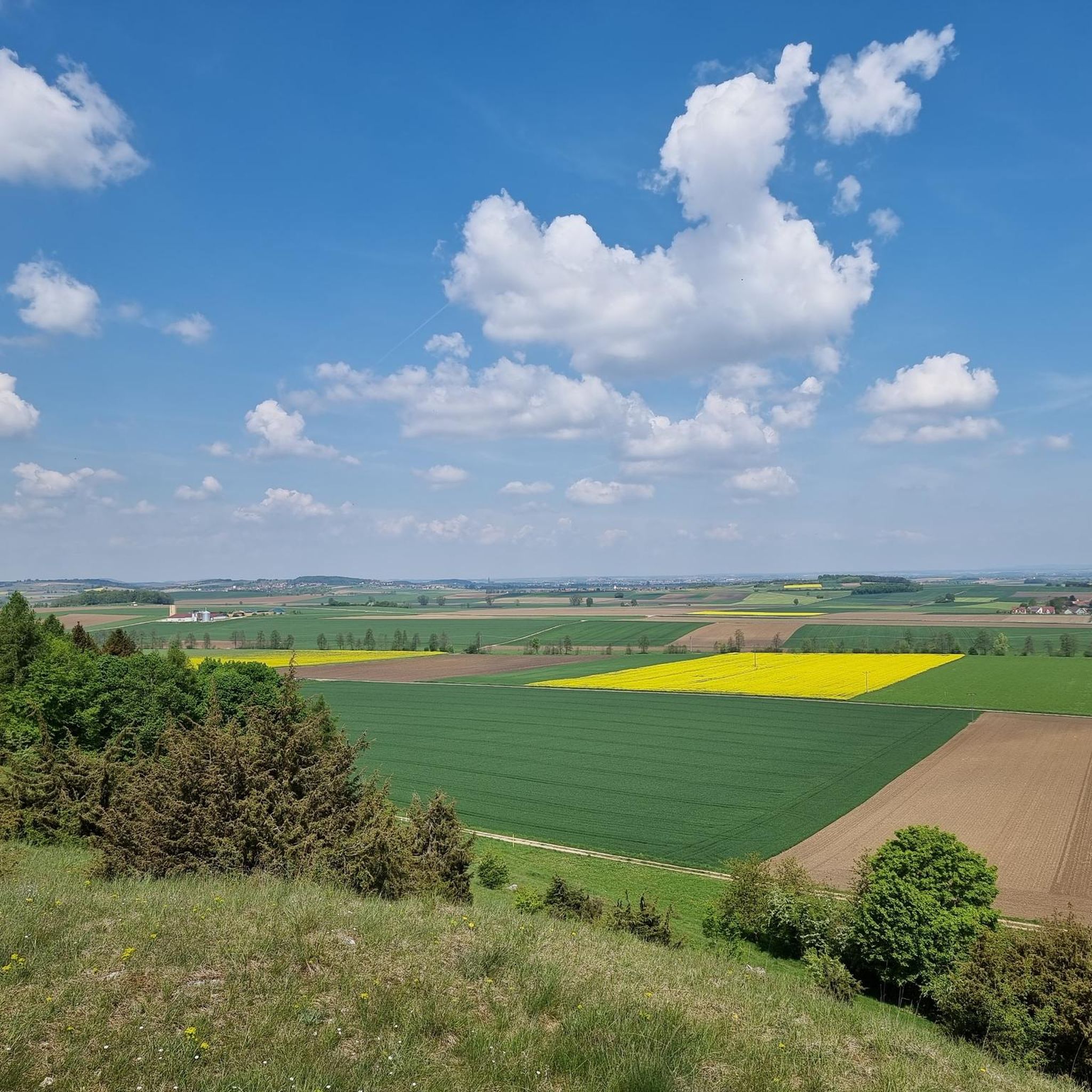
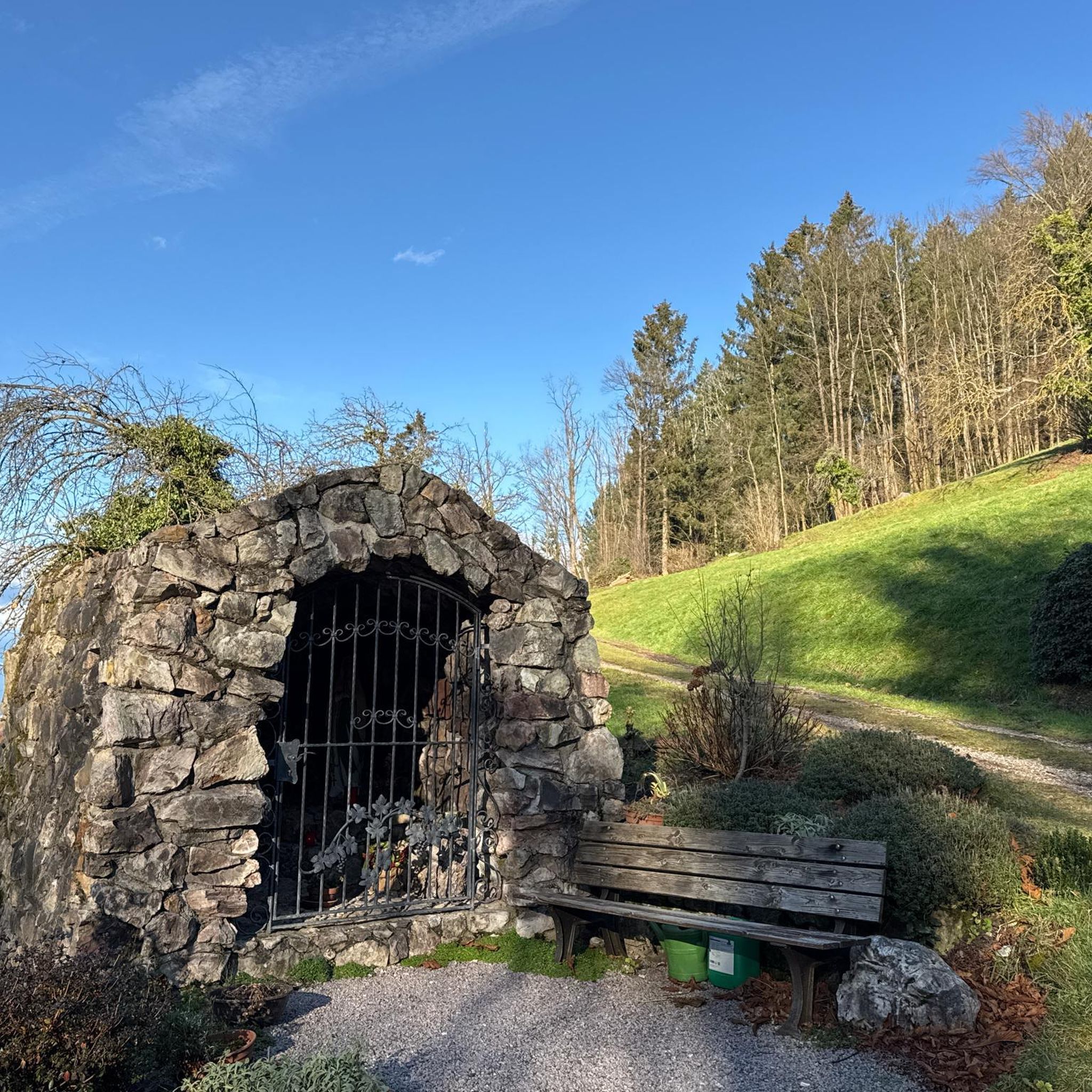
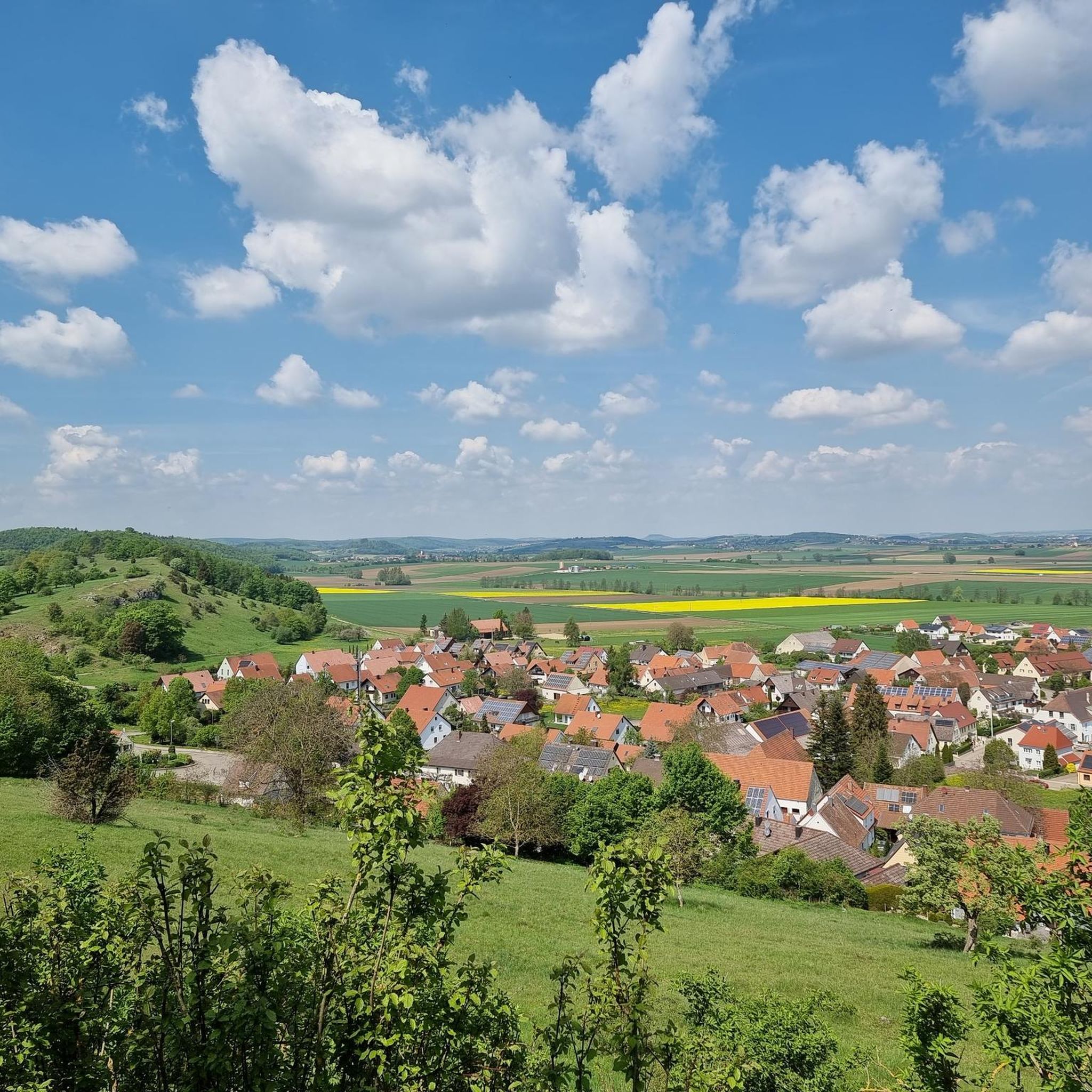
A lovely spot for a quick photo stop. The view of the Calvary Chapel is particularly impressive.
1
0

Absolute oasis with an ice-cold Kneipp pool, very well maintained.👌
0
0
Frequently Asked Questions
How many road cycling routes are available around Mönchsdeggingen?
There are over 400 road cycling routes around Mönchsdeggingen, offering a wide variety of options for different skill levels and preferences. The komoot community has explored these routes over 4000 times.
What kind of terrain can I expect when road cycling around Mönchsdeggingen?
The region offers diverse terrain, from the predominantly flat or gently rolling river valleys of the Danube, Lech, and Wörnitz in the Donau-Ries district, to more challenging rolling hills and significant ascents on the edge of the Swabian Alb. You'll also cycle through the unique geological formations of the Ries Crater.
What is the best time of year for road cycling in Mönchsdeggingen?
The best time for road cycling in Mönchsdeggingen is generally from spring to autumn. During these seasons, the weather is most favorable, offering pleasant temperatures and scenic views of the diverse landscapes, from river valleys to the Ries Crater.
Are there road cycling routes suitable for beginners or families in Mönchsdeggingen?
Yes, Mönchsdeggingen offers several easy road cycling routes suitable for beginners or families. For example, the Water Wheel at Walkmühle – Berger Gate (Nördlingen) loop from Mönchsdeggingen is an easy 20.1-mile path that provides a gentler ride through the Ries Crater landscape.
Are there challenging road cycling routes for experienced riders?
Absolutely. While many routes are moderate, the region bordering the Swabian Alb offers more challenging road cycling experiences with varied terrain, including steep ascents of up to 400 meters and rapid descents. These routes often utilize quiet, low-traffic roads, perfect for experienced cyclists seeking a workout.
Can I find circular road cycling routes in the region?
Yes, many road cycling routes around Mönchsdeggingen are designed as loops, allowing you to start and end at the same point. Examples include the Water Wheel at Walkmühle – Christgarten Charterhouse loop from Möttingen and the Historic Center of Harburg – Stone Bridge Harburg loop from Möttingen.
What landmarks or attractions can I see along road cycling routes near Mönchsdeggingen?
Road cyclists can combine their rides with visits to several attractions. You might pass by the impressive Stone Bridge Harburg, explore the historic town of Nördlingen with its well-preserved medieval wall and the Daniel Tower (St. George's Church), or visit the Nördlingen Old Town. The Mönchsdeggingen Monastery Church is also a local point of interest.
Are there any unique natural features to explore while cycling?
The most distinctive natural feature is the Geopark Ries, a UNESCO Global Geopark formed by an asteroid impact. Cycling through this unique landscape allows you to explore geological traces of this cosmic event. The region also features scenic river valleys of the Danube, Lech, and Wörnitz.
Are the road cycling routes mostly paved?
Yes, many cycling routes in the Donau-Ries area, including those around Mönchsdeggingen, are suitable for road bikes and feature mostly well-paved surfaces, ensuring a smooth ride.
Where can I park my car when starting a road cycling tour in Mönchsdeggingen?
While specific parking areas for cyclists are not detailed, Mönchsdeggingen and nearby towns often provide public parking facilities. It's advisable to check local signage or municipal websites for designated parking spots near your chosen starting point.
Is public transport an option for reaching cycling routes in Mönchsdeggingen?
Public transport options, such as regional trains or buses, may serve Mönchsdeggingen and surrounding areas. Availability for transporting bicycles can vary, so it's recommended to check with local transport providers for their specific policies and schedules before planning your trip.
Are there places to stop for refreshments along the routes?
Yes, many road cycling routes in the Donau-Ries region pass through charming towns and villages like Nördlingen, Monheim, and Wemding. These places often have cafes, pubs, and restaurants where you can stop for refreshments and a break.
What do other cyclists say about road cycling in Mönchsdeggingen?
The road cycling routes around Mönchsdeggingen are highly rated by the komoot community, with an average score of 4.5 stars from over 400 reviews. Cyclists often praise the varied terrain, the well-paved surfaces, and the unique geological backdrop of the Ries Crater.
Most popular routes around Mönchsdeggingen
Most popular attractions around Mönchsdeggingen

Get inspired with the komoot mobile app


Explore more
Browse the best Road cycling routes in other regions.
