Attractions and Places To See around Lac des Toules - Top 3
Best attractions and places to see around Lac des Toules include a blend of natural beauty and engineering marvels in Valais, Switzerland. This man-made reservoir, fed by the La Dranse river, is situated at an elevation of 1,810 meters. The area offers opportunities to explore significant landmarks and engage in outdoor activities. Its unique features make it a notable destination for visitors.
Best attractions and places to see around Lac des Toules
- The most popular attraction is Lac des Toules…
Last updated: July 1, 2026
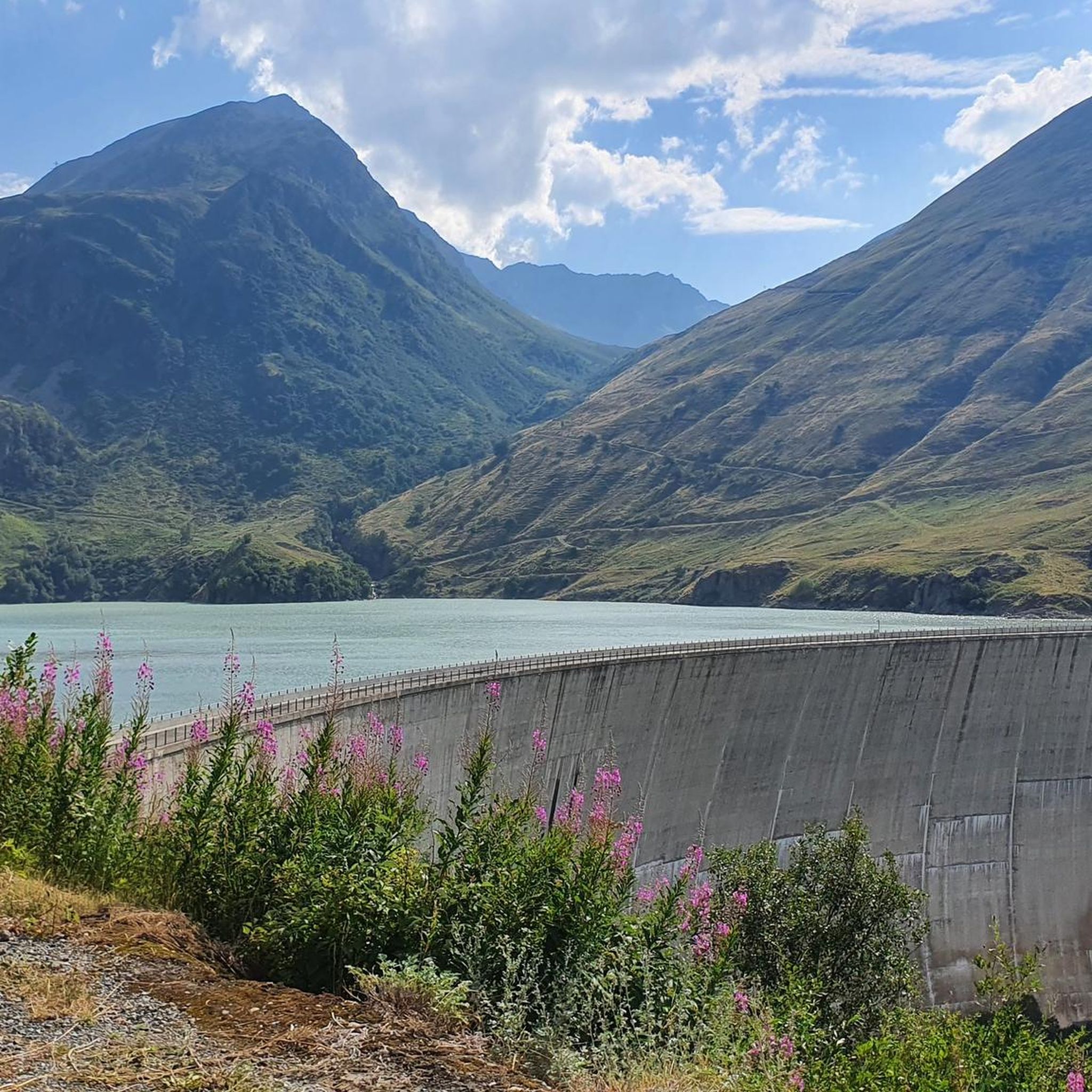
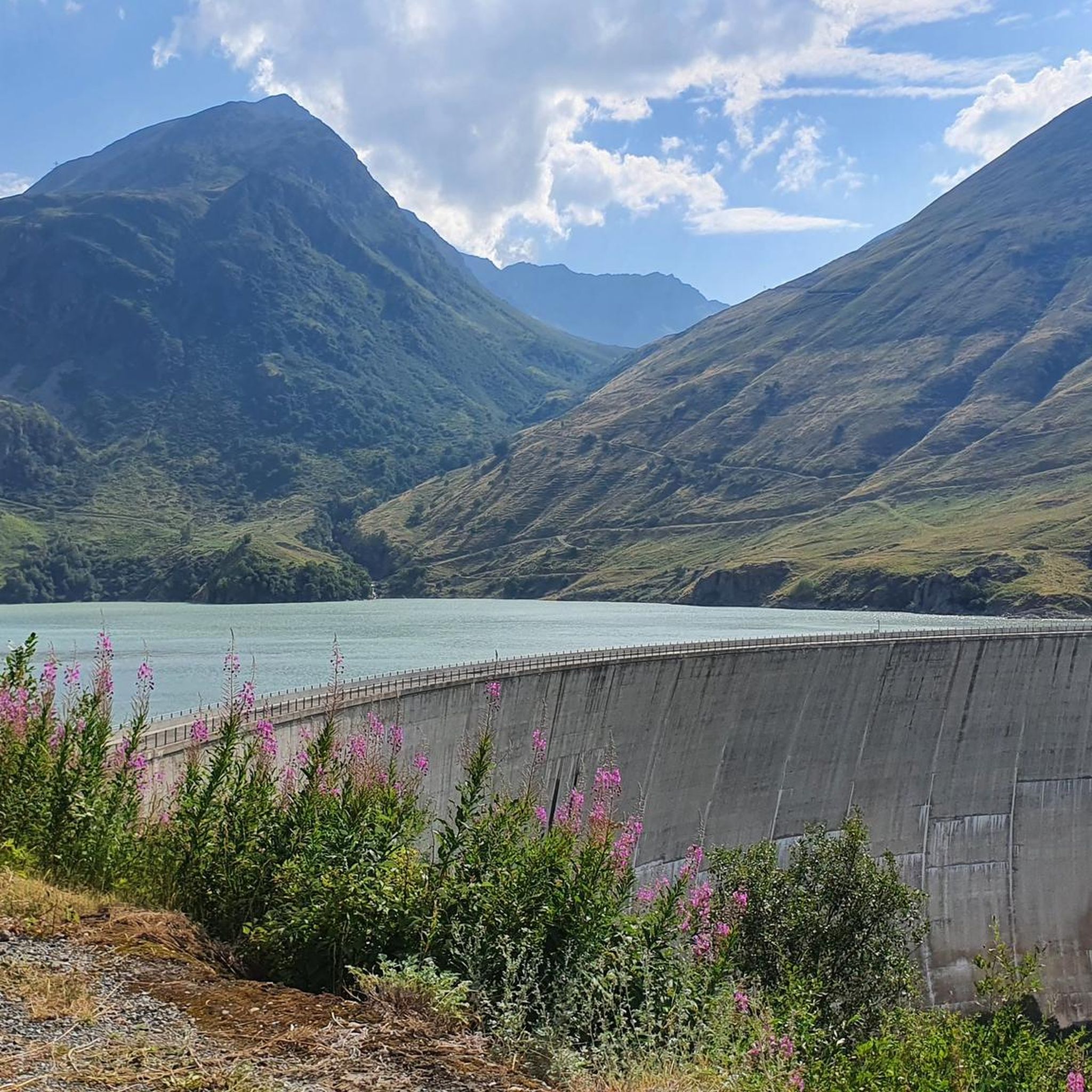
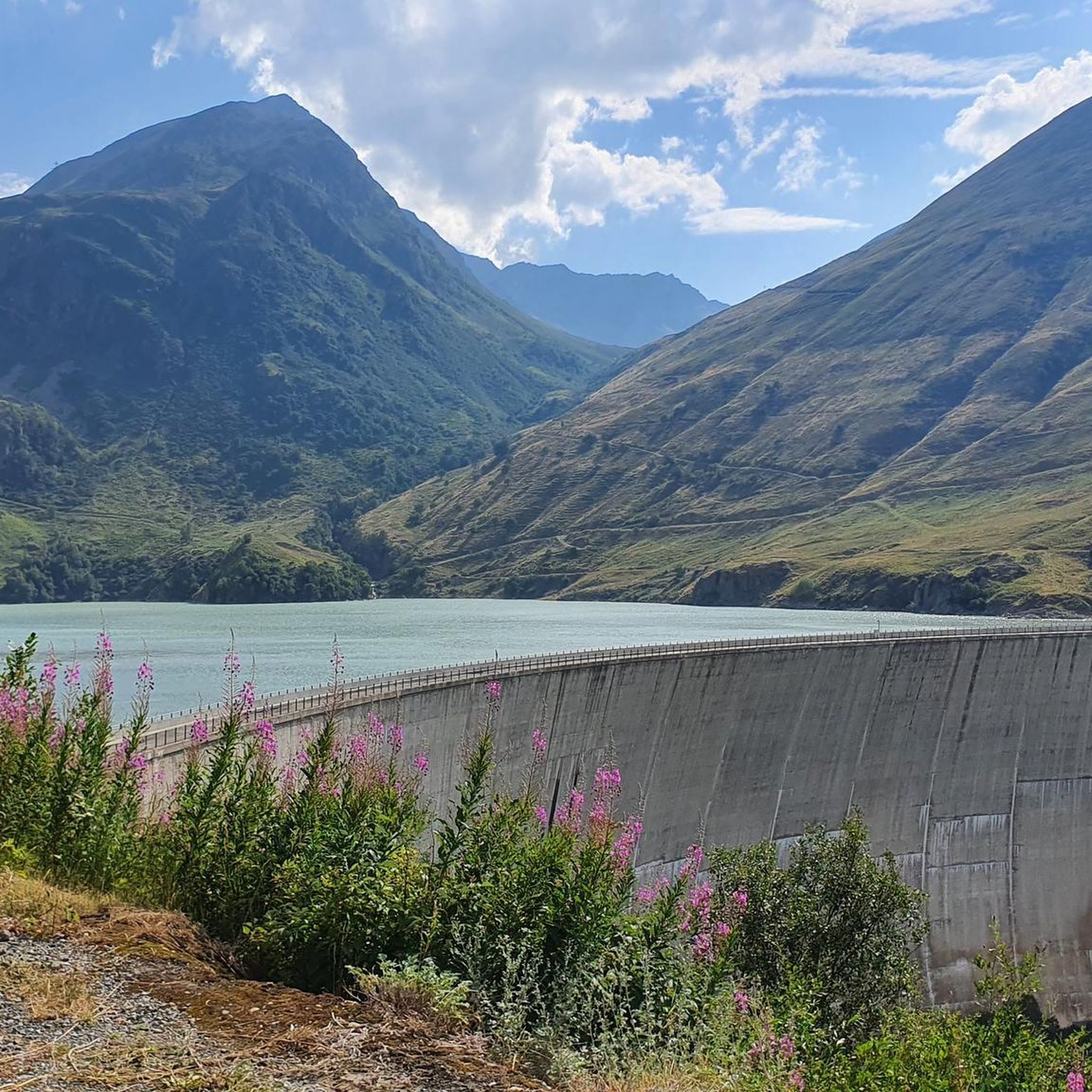
Lac des Toules Dam
Highlight • Lake
Translated by Google •
Tip by

Great St. Bernard Pass Ascent from Martigny
Highlight (Segment) • Mountain Pass
Translated by Google •
Tip by

Sign up now to discover places like this
Get recommendations on the best single tracks, peaks, & plenty of other exciting outdoor places.
Sign up for free
Great St. Bernard Pass
Highlight (Segment) • Mountain Pass
Translated by Google •
Tip by

Start today with a free account
Your next adventure awaits.
Login or Signup
Tips from the Community

I didn't have any trouble with traffic here. It wasn't busy at all. Do save some energy for the steepest last 4 km (average 9%).
6
0

Find out in good time whether the pass is open!
0
0

At the southern end there is a floating PV system, an interesting combination of hydropower and solar energy
0
0
Of all the paved, continuous Alpine passes, the Great St. Bernard Pass actually offers the greatest elevation gain from its start in Martigny. For this reason alone, it should be included on any cycling pass list. However, the route up to the beginning of the summit tunnel is only half the fun by bike – too wide for motorized traffic, the route drags on, and the gentle gradient seems never-ending. The seemingly endless gallery from Bourg Saint Pierre is no fun uphill – but once the summit tunnel begins to absorb the most traffic, a magnificent pass road begins that fully compensates for the previous stretch.
3
1
Of the major Alpine crossings, the Great St. Bernard Pass, which connects Wallis and the Italian Valle d'Aosta, has the most evocative past. Celts, Romans and medieval pilgrims have already passed through the pass. Famous military expeditions followed in their footsteps, such as that of Napoleon in 1800. Today, the unspoilt nature, the grand mountain world and the traditional hospitality, which has existed since the 11th century, attract crowds of tourists in the summer. I myself follow the footsteps of the British pilgrim Sigeric via the Via Francigena.
6
0
The Great St. Bernard Pass is the third highest mountain pass in Switzerland, with an altitude of 2,469 meters (8,100 feet). This pass connects Martigny in the canton of Valais in Switzerland with Aosta in the Aosta Valley region of Italy. It is the lowest pass located on the watershed between the two highest mountains in the Alps, Mont Blanc and Monte Rosa. The pass is located on the main watershed that separates the Rhône basin from that of the Po. The Great St Bernard Pass is one of the oldest mountain passes through the Western Alps, with evidence of use dating back to the Bronze Age and remains of a Roman road. In 1800, Napoleon's army used the pass to enter Italy, an event depicted in the famous oil paintings “Napoleon at the St. Bernard Pass” by Jacques-Louis David and “Bonaparte Crossing the Alps” by Paul Delaroche.
6
0
Probably the most symbolic stage (Via Francigena), but also the most difficult and dangerous! From the town of Martigny, you can follow the international road. However, the section to Bourg-Saint-Bernard (tunnel entrance) is dangerous with numerous trucks. The stage lasts 3.5 hours for 47 km and 2,155 meters of elevation gain! From Martigny, follow the main road to Sembrancher, Orsières, Liddes, and Bourg-Saint-Pierre. When possible or indicated, leave the main road and follow the secondary road that passes through the villages. From Bourg-Saint-Bernard, leave the road that continues through the tunnel. From there, you will begin the final climb, a beautiful, wild, but difficult one! You will find supplies in all the villages; fountains are also very common. Drinking water is also available during the final climb. https://www.viefrancigene.org/fr/resource/statictrack/bs4-da-martigny-al-colle-del-gran-san-bernardo/
3
0

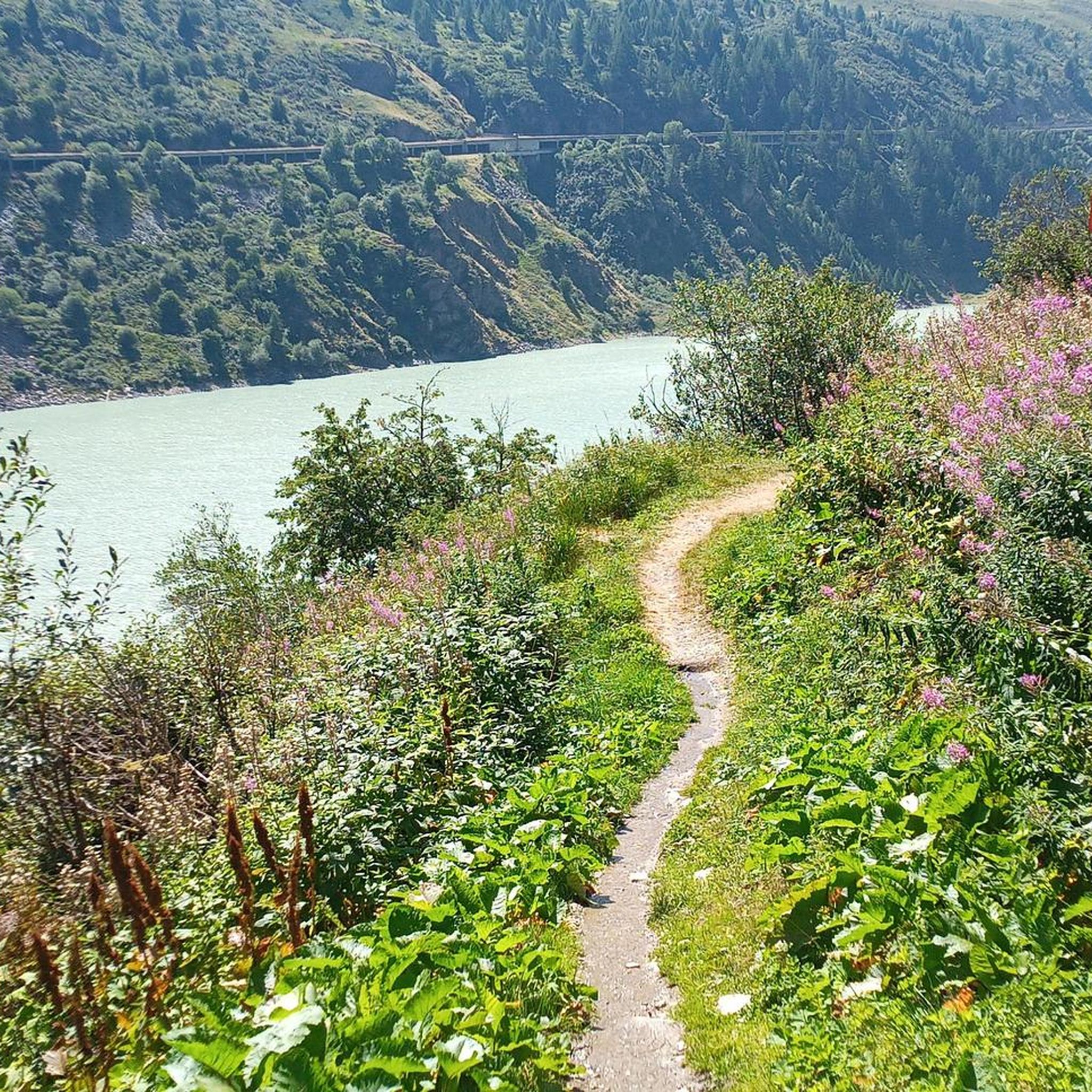
impressive reservoir in the high mountains
0
0
Frequently Asked Questions
What engineering marvels can I explore around Lac des Toules?
The area is notable for its impressive engineering. You can visit the Lac des Toules Dam, which was the first arch-dome dam of its kind in Switzerland, completed in 1963. For the adventurous, rap jumping from the 86-meter-high dam wall is offered during specific periods. Additionally, the lake hosts the world's first mountainous floating solar farm, a pioneering project since 2019, producing approximately 800 MWh/year.
Are there opportunities for hiking and walking near Lac des Toules?
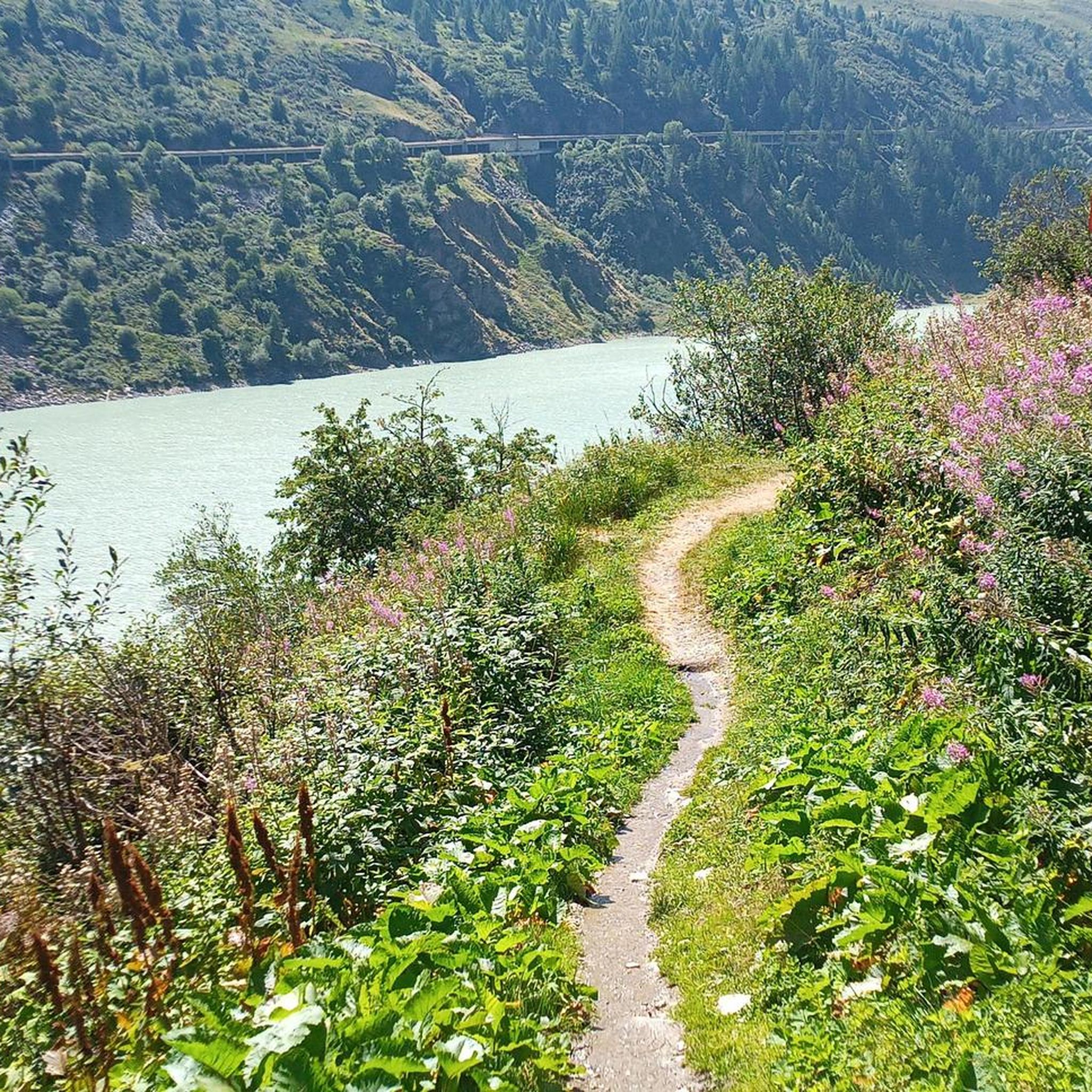
Yes, the region around Lac des Toules is a popular destination for hiking and walking, offering numerous trails with varying difficulty levels. You can find loops around the lake, paths leading to Gouille du Dragon, and trails towards the Great St. Bernard Pass. For more detailed routes, explore the Mountain Hikes around Lac des Toules guide, which includes routes to beautiful spots like Lac de Fenêtre.
What is the Great St. Bernard Pass, and what can I experience there?
The Great St. Bernard Pass is a historical mountain pass connecting Switzerland and Italy, known as one of the oldest mountain crossings in the Western Alps. It offers stunning views of the surrounding Valais Mountains and even the Mont Blanc massif. Cyclists can take on the challenging Great St. Bernard Pass Ascent from Martigny, which features a significant elevation gain and a magnificent pass road once past the tunnel.
What kind of cycling routes are available near Lac des Toules?
The area provides excellent cycling opportunities, particularly for road cycling. You can find routes with considerable elevation differences, such as those leading to the Great St. Bernard Pass. Explore the Road Cycling Routes around Lac des Toules guide for options like the challenging loop from Bourg-Saint-Bernard to Great St Bernard Hospice.
What natural features are prominent in the Lac des Toules region?
The primary natural feature is Lac des Toules itself, a picturesque man-made reservoir at an elevation of 1,810 meters. Beyond the lake, the region is characterized by the majestic Valais Mountains, offering stunning alpine scenery. The nearby Great St. Bernard Pass is a significant natural landmark, and the beautiful Lac de Fenêtre, accessible via hiking loops, is considered one of the most beautiful places in the Alps.
Are there any historical sites to visit near Lac des Toules?
While the immediate vicinity of Lac des Toules focuses more on natural beauty and engineering, the nearby Great St. Bernard Pass is a significant historical site. It is one of the oldest mountain crossings in the Western Alps, with evidence of use dating back to the Bronze Age and remains of a Roman road. It was famously used by Napoleon's army in 1800.
What do visitors enjoy most about the attractions around Lac des Toules?
Visitors particularly appreciate the blend of natural beauty and impressive engineering. The Lac des Toules Dam is often highlighted as an impressive man-made monument in the high mountains, especially with its floating PV system. The challenging yet rewarding pass road of the Great St. Bernard Pass Ascent from Martigny is also a favorite for its scenic views and historical significance.
What is the best time to visit Lac des Toules for outdoor activities?
The period from June to October is generally ideal for visiting Lac des Toules, especially for outdoor activities like hiking and cycling. During these months, the weather is more favorable, and specific activities like rap jumping from the dam may be available. The pass roads are also typically open and clear of snow, making them accessible for cyclists and hikers.
Are there family-friendly activities or walks around Lac des Toules?
The area offers various walking trails that can be suitable for families, depending on the chosen difficulty. Loops around Lac des Toules itself provide relatively accessible options to enjoy the scenery. While specific 'family-friendly' highlights are not detailed, the natural environment and the visual spectacle of the dam and solar plant can be engaging for all ages.
Can I find accommodation or dining options near Lac des Toules?
While direct options on the lake might be limited, the nearby village of Bourg-Saint-Pierre serves as a base for visitors to the region. You can find accommodation, cafes, and restaurants in Bourg-Saint-Pierre, providing convenient services for those exploring Lac des Toules and the Great St. Bernard Pass area.
Is it possible to visit the Toules Dam?
Yes, visits to the Toules Dam can be arranged during specific periods, typically from June to October. These visits offer a closer look at this significant engineering feat. For those seeking an adrenaline rush, rap jumping from the dam wall is also offered.
What is the significance of the floating solar plant on Lac des Toules?
The floating solar plant on Lac des Toules is significant as the world's first mountainous floating solar farm. It's a pioneering project that combines hydropower with solar energy, featuring 36 floating structures and 2240 m² of bifacial panels. This innovative plant produces approximately 800 MWh/year, equivalent to the consumption of 227 households, showcasing sustainable energy solutions in an alpine environment.
Most popular routes around Lac des Toules

Get inspired with the komoot mobile app


Explore more
Still not found the Highlight you’re looking for? See guides of the top attractions in other regions:
