Attractions and Places To See around Río Júcar - Top 20
Best attractions and places to see around Río Júcar include a diverse range of natural landscapes and historic sites. The region is characterized by the impressive Júcar River and its canyons, offering a mix of dramatic gorges and picturesque villages. Visitors can explore unique geological formations, historical bridges, and extensive natural trails. The area provides opportunities for rural tourism and outdoor activities.
Best attractions and places to see around Río Júcar
- The most popular attractions is La Raconada Iron Bridge…
Last updated: October 10, 2026
La Raconada Iron Bridge
Highlight • Bridge
Translated by Google •
Tip by

Alzira Bridge
Highlight • Bridge
Translated by Google •
Tip by

Sign up now to discover places like this
Get recommendations on the best single tracks, peaks, & plenty of other exciting outdoor places.
Path Through the Southern Júcar Marshes
Highlight (Segment) • Trail
Translated by Google •
Tip by

Júcar River Levee
Highlight • River
There is a very beautiful stretch on the right bank between Albalat-Polinyà-Riola-Fortaleny that you …
Translated by Google •
Tip by

Path Between Two Irrigation Ditches
Highlight (Segment) • Trail
Translated by Google •
Tip by

Sign up for free to discover even more attractions around Río Júcar.
Already have an account?
Start today with a free account
Your next adventure awaits.
Tips from the Community

Be careful with precipitation and even with high humidity, the pavement fogs up completely and becomes slippery.
1
0

A particularly worthwhile cycling route leads through the Marjal i Estany – La Ribera Sud del Xúquer area. On flat paths, you cycle through extensive wetlands, rice paddies, reed beds, and water channels. The landscape is characterized by expansive bodies of water, expansive horizons, and a rich birdlife that finds ideal habitats in the marshes. This route combines nature experiences, tranquility, and panoramic views, making it perfect for a relaxing, nature-based bike ride through this unique ecosystem.
0
0
It is a cable-stayed bridge with an arch. It consists of a section with a span of 72 meters supported by powerful retaining walls. The platform is supported by two parallel tension arches 6.01 meters apart. The height of the arches is 8.90 m. The structure is reinforced by 32 vertical beams connected transversely and in the shape of a St. Andrew's cross. At its ends, the work rests on metal hinges that are embedded in the ashlar buttresses. Source and further information about the bridge at: https://es.wikipedia.org/wiki/Puente_de_hierro_sobre_el_Júcar_en_Alcira
4
0

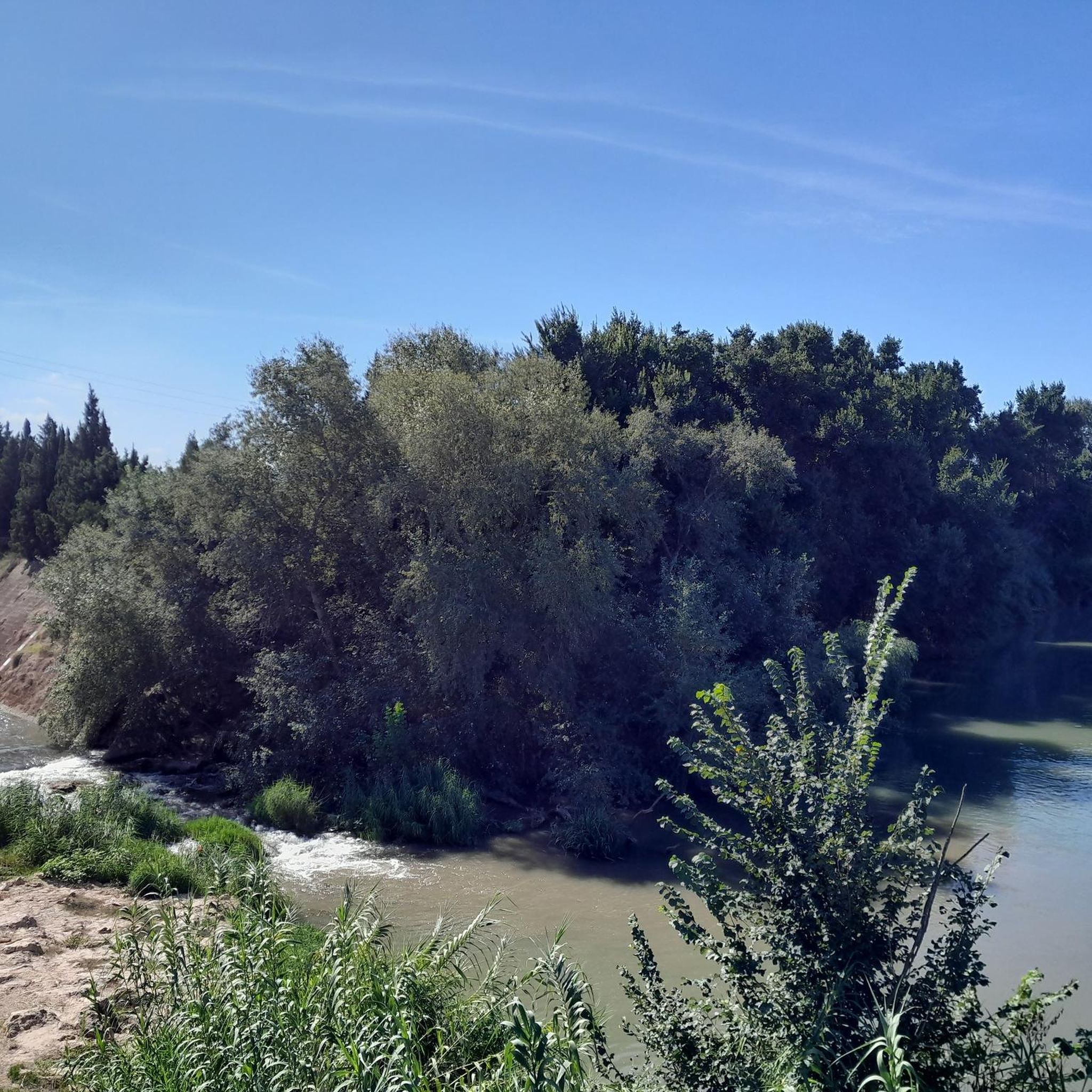
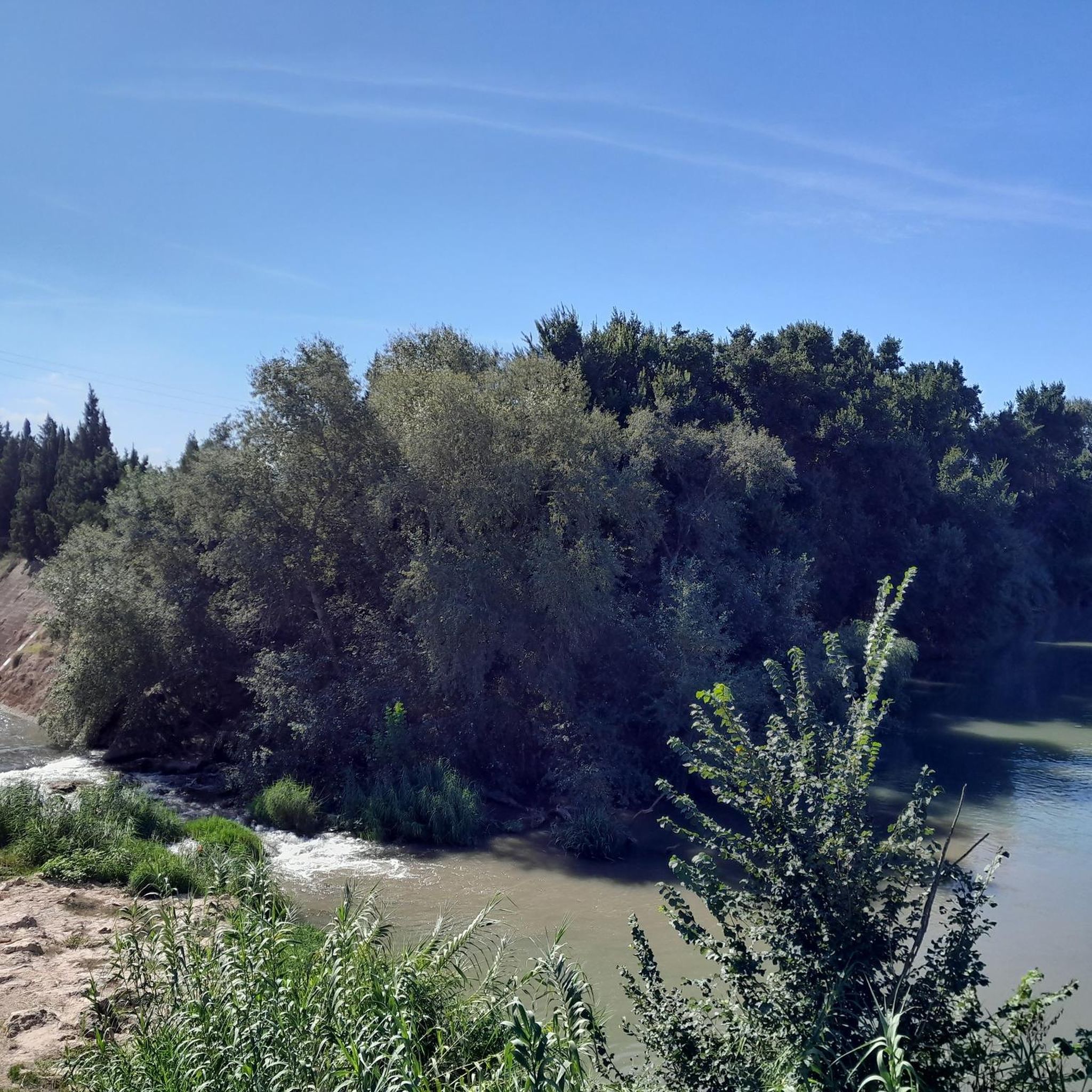
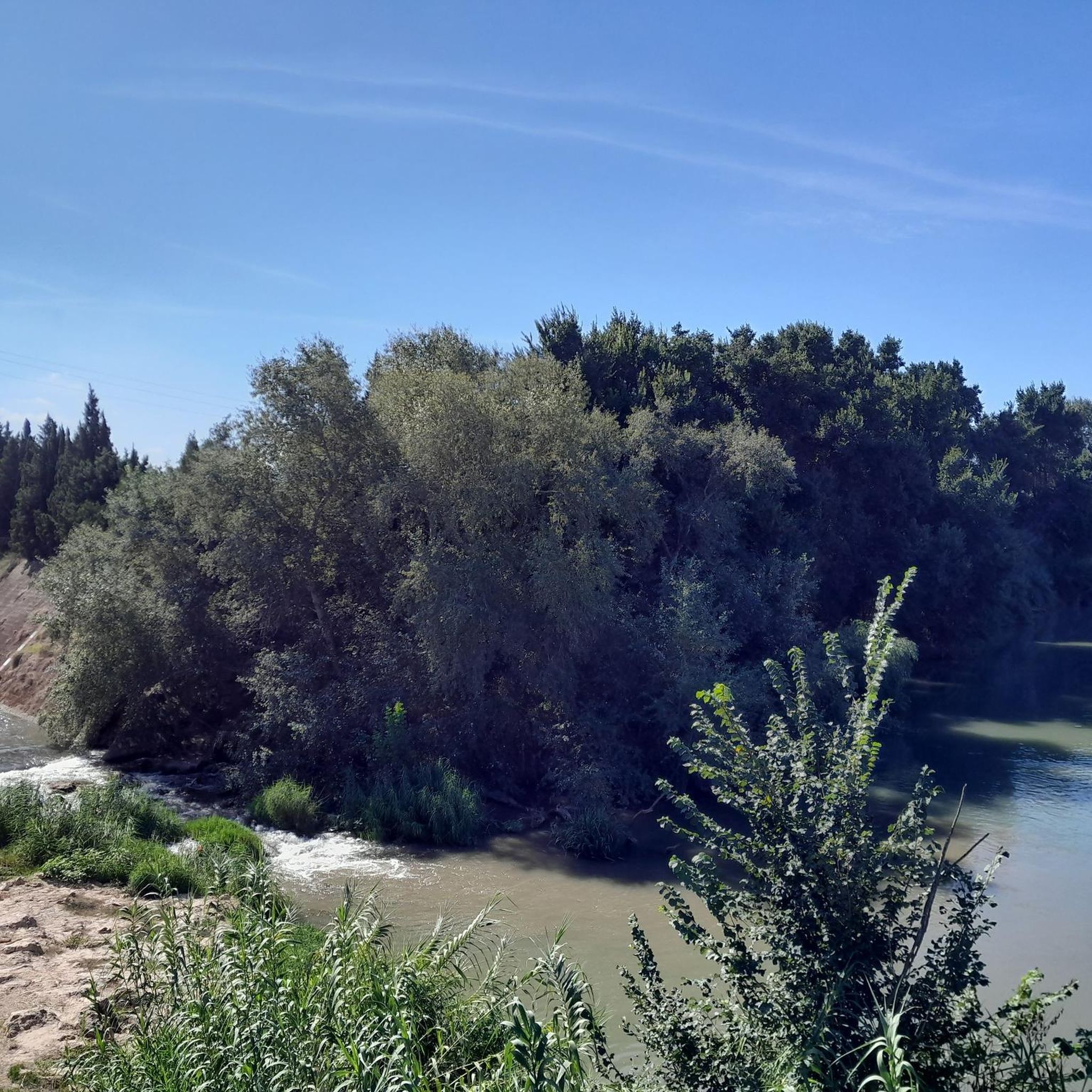
Spectacular stretch of gravel bordering the river Júcar
2
0

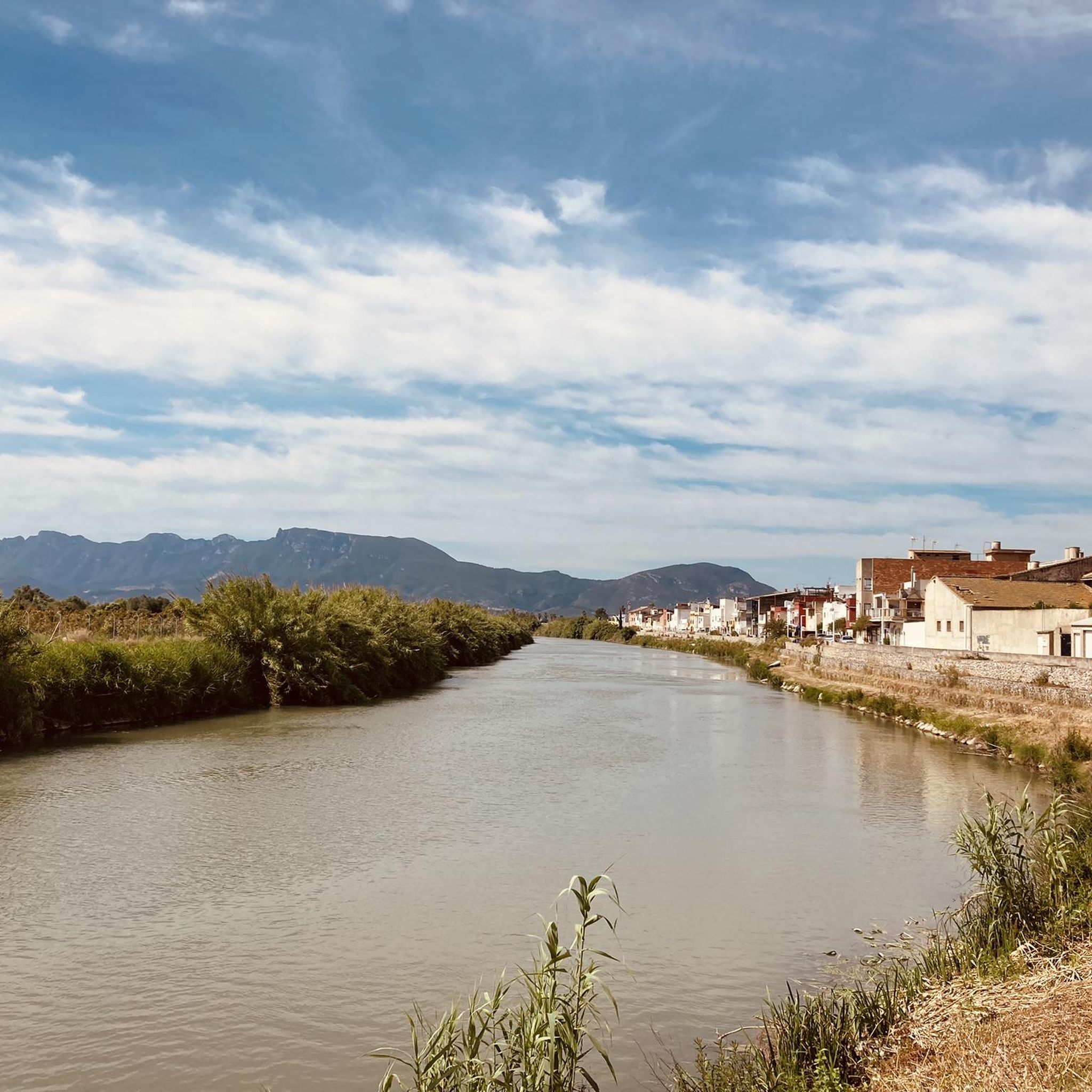
Paved path through the rice fields of the Ribera sur del Júcar itself
2
0
You must go up the ramp that takes you to the Casa Cano de Múzquiz, and to the left the Entre dos séquies race. Previously, there was a distributor of water from the Júcar to irrigate the Sueca orchard, diverting it to three ditches: Mayor de Sueca, Múzquiz and Nueva.
1
0

Old iron bridge over the Júcar River that is part of the route of the bridges. Today it is restored and is very picturesque. It can be crossed by bicycle since a bicycle path has been adapted to cross from Fortaleny to Sueca. ** Old iron bridge over the Júcar River that is part of the route of the bridges. Today it's restored and is very picturesque. It can be crossed by bicycle as there is a bicycle path to cross from Fortaleny to Sueca.
4
0

The iron bridge over the Júcar in Alzira is a bridge that connects the city center with the Barraques district. The need for this bridge arose as a result of the flood of St. Charles Day in 1864. The General Directorate of Public Works of the State commissioned the project in 1899 to Enrique González Granda, but the work did not go to begin until 1911 and finalized in 1918. It replaced the bridge of Sant Gregori, which had been built in the 14th century, which survived until 1921, and which was attributed to the fact that the town was flooded in case of floods. It is a single arched bridge. It consists of a section of 72 meters of light supported by powerful retaining walls.
1
0
Frequently Asked Questions
What natural attractions can I explore along the Río Júcar?
The Río Júcar region is rich in natural beauty. You can discover the spectacular Júcar River Canyon, with its dramatic limestone gorges and high rock walls. The area also features several river beaches, perfect for relaxation. Don't miss the Monumento Natural Nacimiento del Río Cuervo, known for its impressive waterfalls and accessible trails, or the unique rock formations of Ciudad Encantada in the Serranía de Cuenca.
Are there any historic villages or cultural sites worth visiting in the Río Júcar area?
Absolutely. The region boasts several historic gems. Alcalá del Júcar is a picturesque village nestled in a canyon, featuring a medieval castle, cave houses like the Diablo Cave, and the 16th-century Church of San Andrés. Other notable historic villages include Jorquera and Alarcón, both with medieval charm. You can also visit the ancient Don Juan Cave near Jalance, which has historical significance and offers guided tours.
What kind of outdoor activities can I do near the attractions around Río Júcar?
The Río Júcar area is ideal for outdoor enthusiasts. You can enjoy various activities such as hiking, cycling, and water sports. The Júcar River and its tributary, the Cabriel, are popular for canoeing, rafting, stand-up paddleboarding, and pedal boating, especially during summer. For specific routes, explore options like easy hikes, running trails, or gravel biking routes available in the region.
Are there any family-friendly attractions or activities in the Río Júcar region?
Yes, several attractions are suitable for families. The La Raconada Iron Bridge is part of a bicycle path, offering a pleasant ride. The Júcar River Levee provides a beautiful stretch for walks along the river. The Path Through the Southern Júcar Marshes is a paved trail through rice fields, great for cycling or gentle strolls. Additionally, river beaches like La Playeta in Alcalá del Júcar are popular for swimming and water activities.
Where can I find scenic viewpoints of the Júcar River and its canyons?
The Júcar River Canyon offers numerous stunning viewpoints. Throughout the canyon, you'll find spots like Campichuelo, Cañones del Júcar, and Fuente del Castillo, which provide breathtaking vistas of the river winding through dramatic rock formations. The castle in Alcalá del Júcar also offers panoramic views of the village and canyon.
What are some notable bridges in the Río Júcar area?
The region features several interesting bridges. The La Raconada Iron Bridge is a restored, picturesque old iron bridge over the Júcar River, now part of a bicycle path connecting Fortaleny to Sueca. Another significant structure is the Alzira Bridge, a cable-stayed bridge with an arch structure that connects the city center with the Barraques district.
Are there any accessible trails or attractions for visitors with mobility considerations?
Yes, some attractions in the Río Júcar area are designed to be accessible. The La Raconada Iron Bridge and the Path Through the Southern Júcar Marshes are both wheelchair-accessible. Additionally, the Monumento Natural Nacimiento del Río Cuervo features an accessible trail, allowing more visitors to enjoy its impressive waterfalls.
What are the Júcar River Levee and the Path Through the Southern Júcar Marshes?
The Júcar River Levee is a river feature that protects nearby populations from floods. A beautiful stretch on the right bank can be followed between Albalat-Polinyà-Riola-Fortaleny, extending along the marsh to the sea. The Path Through the Southern Júcar Marshes is a paved trail that winds through the extensive wetlands, rice paddies, and reed beds of the Ribera sur del Júcar, offering unique nature experiences and birdwatching opportunities.
What do visitors enjoy most about the attractions around Río Júcar?
Visitors particularly appreciate the diverse combination of natural landscapes and historical sites. The picturesque villages like Alcalá del Júcar, the dramatic Júcar River Canyon, and the opportunities for outdoor activities like cycling along the La Raconada Iron Bridge or exploring the wetlands of the Path Through the Southern Júcar Marshes are frequently highlighted. The tranquility and scenic beauty of the river and its surroundings are also highly valued.
Are there any specific trails for cycling or walking along the Júcar River?
Yes, the region offers several trails for cycling and walking. The Júcar Nature Trail follows the river for 220 km through the province of Cuenca. You can also cycle across the restored La Raconada Iron Bridge, which is part of a dedicated bicycle path. For a unique experience, the Path Through the Southern Júcar Marshes provides a paved route through wetlands and rice fields.
Can I find any unique geological formations in the Río Júcar region?
Indeed. The Júcar River Canyon itself is a spectacular geological formation, with limestone gorges reaching over 300 meters high. Further inland, the Ciudad Encantada (Enchanted City) in the Serranía de Cuenca is a geomorphological site famous for its unique and whimsical rock formations, shaped by erosion over millennia.
What is the Júcar River Source and is it accessible?
The Júcar River Source is located in Ojuelos de Valdeminguete, within the Serranía de Cuenca. This area marks the starting point for the Júcar Nature Trail and features the beautiful Molino de la Virgen waterfall. It's a significant natural landmark and generally accessible for visitors looking to explore the river's origins.
Most popular routes around Río Júcar

Get inspired with the komoot mobile app


Explore more
Still not found the Highlight you’re looking for? See guides of the top attractions in other regions:
