The best gravel rides around Barbués
5.0
(2)
50
riders
4
rides
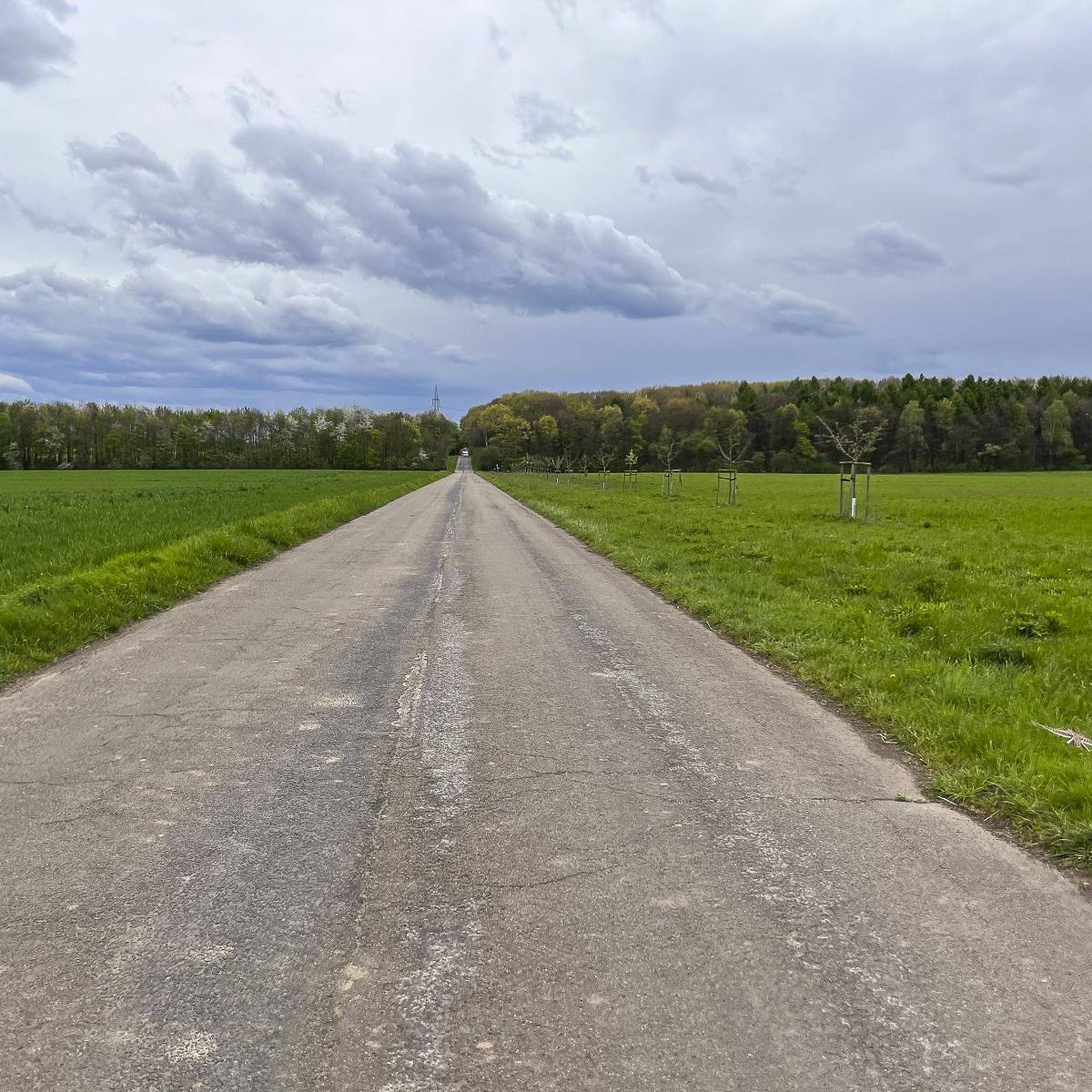
Gravel biking around Barbués offers access to diverse terrain within the Huesca province of Aragon, Spain. The region features expansive plains and agricultural areas, with distant views of the Pyrenean foothills. It serves as a gateway to the unique semi-desert landscapes of the Monegros and the varied terrain of La Hoya de Huesca. These areas provide a mix of fast-rolling dirt tracks and routes with gentle ascents.
Best gravel bike trails around Barbués
- The most popular gravel bike trail is…
Last updated: July 11, 2026
5.0
(1)
34
riders
85.4km
07:01
790m
790m
Hard gravel ride. Very good fitness required. Mostly paved surfaces. Suitable for all skill levels.
3
riders
109km
08:37
920m
920m
Hard gravel ride. Very good fitness required. Mostly paved surfaces. Suitable for all skill levels.

Sign up for free
1
riders
23.4km
01:38
110m
110m
Easy gravel ride. Great for any fitness level. Mostly paved surfaces. Suitable for all skill levels.
5.0
(1)
1
riders
40.6km
03:37
530m
530m
Hard gravel ride. Very good fitness required. Mostly paved surfaces. Suitable for all skill levels.
1
riders
95.1km
06:42
670m
670m
Hard gravel ride. Very good fitness required. Mostly paved surfaces. Suitable for all skill levels.
Our route recommendations are based on thousands of hikes, rides, and runs completed by other people on komoot.
Start today with a free account
Your next adventure awaits.
Login or Signup
Popular around Barbués


Tips from the Community

The church of San José is the parish church of the Tormos neighborhood, a town belonging to the municipality of Alcalá de Gurrea, built to house the workers of the Sotonera dam and reservoir. The church, inaugurated in 1926, has a rectangular plan and a polygonal head facing southwest. The free-standing bell tower is separate from the main building and is built of brick. Its construction does not correspond to a defined style, and mixes different styles, with the Romanesque predominating.
1
0
This town in the region of Hoya de Huesca in the community of Aragón appears mentioned for the first time in 1104, in a concord between the bishop of Huesca and the abbot of Montearagón. Its origin is Roman, a link that still survives in the tradition of the "vote", which unites Alerre with six other towns that surround Huesca and form the "Seven Places". This historical community was united by the promise of a vote destined to ask for the holy protection of a saint, Lorenzo, son of two Roman subjects who lived in a Roman settlement near present-day Huesca, and who was martyred in Rome. Alerre has an interesting costume and footwear museum, located in the keep, next to the town hall, and which collects more than 3,000 pieces from all over the world, donated by the Scottish diplomat of Spanish origin Tomás Moyano.
1
0
Located in the Aragonese region of Monegros, Lanaja is a town whose origins date back to the Neolithic. In fact, there are various sites in the area, such as Val de Lupo, Valderrey, Peñalveta, La Malena and Aldea del Correo, dating from the Copper Age to Roman times. Among its heritage, the Church of the Assumption stands out, built on an old mosque, which in turn was built on a primitive Visigoth church. For its part, the Granero de la Diezma is a civil building from the 16th century, which until 2011 housed a museum dedicated to the Barbie doll. The ice well is another unique construction, very well preserved, with a height of more than 11 meters. The hermitage of San Sebastián, located on a mound called El Saso that dominates the town, is built on the site where the Montoro castle was formerly located, of which only the remains of a wall remain.
0
0
Montmesa is a municipality in Huesca in the Hoya de Huesca region, in the community of Aragón. Since 1845 it belongs to the municipality of Lupiñén-Ortilla. Located between the Sotón and Astón rivers and close to the Sotonera reservoir, Montmesa is characterized by its traditional stone and rammed earth buildings, some dating back to the 18th century. The church of San Miguel Arcángel that crowns the town is a Romanesque temple from the 12th century modified centuries later (16th-18th century), whose Mudejar tower is unique in the area.
0
0
Almudévar is a town in Huesca in the Hoya de Huesca region, in the community of Aragón. The origins of Almudévar date back to pre-Roman times, when Basques lived there. Since Romanization it acquired great importance, being located in the heart of Vía Lata, the Roman road that linked Zaragoza with Lérida. After the Muslim domination it acquired the current toponym, which means "round", referring to the outline of the castle, a Muslim fortress known as Castle of the Crown. Among its heritage, the parish church of the Assumption stands out, whose construction began in 1757, as the old church, located within the castle grounds, threatened ruin.
0
0

The church of Santa Ana was built in the 14th century and is known for its Gothic-Renaissance tower and its Mudejar style tower. Unfortunately, during the Civil War, all archives pertinent to the history of the church were lost.
0
0

The Parish Church of San José was inaugurated in 1926, in the so-called Church neighborhood. Its dedication to San José Obrero Obrero is defined because Tormos was destined to house the workers of the La Sotonera dam and their families. It is mainly characterized by the separation between the temple and the bell tower, reminiscent of the Italian custom in the construction of this type of buildings. It consists of a single nave with three sections and a polygonal main chapel and its façade, completely whitewashed, is decorated with a gable. It still stands today, presiding over with its beauty the remains of what was Tormos in its greatest moment of splendor.
1
0
The church of Santa Ana was built in the 14th century and is known for its Gothic-Renaissance tower and its Mudejar-style tower. Unfortunately, in the Civil War, all the archives relevant to the history of the church were lost.
1
0
Frequently Asked Questions
How many gravel bike trails are available around Barbués?
The Barbués region offers a selection of 4 gravel bike trails, ranging from moderate to difficult. These routes provide diverse experiences across the plains and towards the Pyrenean foothills.
What kind of terrain can I expect on gravel bike trails near Barbués?
Gravel biking around Barbués features a varied landscape, from expansive agricultural plains with views of the distant Pyrenean foothills to areas with gentle ascents. You'll encounter diverse geological formations, including the unique semi-desert environment of the Monegros Desert with its fast-rolling dirt tracks and 'tozales', and the rugged terrain of La Hoya de Huesca.
Are there challenging gravel routes for experienced riders?
Yes, for experienced riders seeking a challenge, the Barbués area and its surroundings offer several difficult routes. An example is the Church of Grañén – Hermitage of Santa Quiteria loop from Grañén, which covers over 85 km with significant elevation gain, providing a demanding yet rewarding experience.
Are there easier gravel routes suitable for beginners?
Yes, there are easier options available. The Buena Cuesta – Valdabra Reservoir loop from Embalse de Valdabra is an easy route, spanning approximately 23 km with minimal elevation change, making it suitable for those new to gravel biking or looking for a more relaxed ride.
What natural landmarks or attractions can I see while gravel biking near Barbués?
While gravel biking near Barbués, you can encounter several interesting natural and historical sites. The Valdabra Reservoir is a notable natural feature. Further afield, the region boasts dramatic canyons, unique rock formations known as Mallos, and the expansive Monegros semi-desert. You might also spot the Peña Mediodía de Piracés.
What is the best time of year for gravel biking in the Barbués region?
The Huesca province, where Barbués is located, experiences a Mediterranean climate with continental influences. Spring (April-May) and Autumn (September-October) generally offer the most pleasant temperatures for gravel biking, avoiding the intense heat of summer and the colder, potentially wetter conditions of winter. These seasons provide ideal conditions for exploring both the plains and the pre-Pyrenean areas.
Are there any circular gravel bike routes around Barbués?
Yes, many of the gravel routes in the Barbués area are designed as loops, allowing you to start and finish at the same point. For example, the Corona de la Reina loop from Tardienta is a challenging circular route covering over 40 km.
What do other gravel bikers enjoy the most about gravel biking in Barbués?
The area is highly rated by the komoot community, with an average score of 5.0 stars. Reviewers often praise the diverse landscapes, from the open plains to the views of the Pyrenean foothills, and the unique experience of riding through areas like the Monegros Desert.
Are there any historical or cultural sites accessible by gravel bike?
Yes, the broader Hoya de Huesca region, accessible from Barbués, is rich in cultural heritage. While gravel biking, you might encounter charming traditional villages and historical sites. The Hermitage of the Virgin of Puyal and Vicién are examples of points of interest that can be explored.
Is there parking available near the gravel bike trails?
While specific parking details for each trailhead are not always listed, many routes in the region, especially those starting from towns like Grañén or near the Valdabra Reservoir, typically have accessible parking options. It's advisable to check the starting point of your chosen route for local parking availability.
What are some longer gravel biking adventures in the region?
For those looking for longer adventures, routes like the Huesca – La Sotonera Reservoir loop from Embalse de Valdabra offer extensive distances, covering over 95 km with significant elevation, providing a full day's ride through varied landscapes.
Most popular routes around Barbués
Most popular attractions around Barbués

Get inspired with the komoot mobile app


Explore more
Browse the best Gravel rides in other regions.
