The best traffic-free bike rides around Pontboset
4.3
(102)
2,614
riders
5
rides
No traffic road cycling routes around Pontboset are situated within Italy's Aosta Valley, characterized by the Champorcher Valley and the Ayasse stream. The terrain features a mix of village paths and mule tracks, with descents and climbs through chestnut forests. The region offers views of gorges, waterfalls, and prominent Alpine peaks. These physical features contribute to a varied cycling landscape.
Best no traffic road cycling routes around Pontboset
- The most popular no traffic road cycling route is Donnas – Pont-Saint-Martin…
Last updated: July 9, 2026
17
riders
74.0km
03:39
740m
740m
Moderate road ride. Good fitness required. Mostly well-paved surfaces and easy to ride.
13
riders
34.6km
02:43
1,260m
1,260m
Hard road ride. Very good fitness required. Some segments of this route may be unpaved and difficult to ride.

Sign up for free
9
riders
41.9km
03:33
1,510m
1,510m
Hard road ride. Very good fitness required. Some segments of this route may be unpaved and difficult to ride.
9
riders
19.8km
01:19
320m
320m
Moderate road ride. Good fitness required. Mostly well-paved surfaces and easy to ride.
6
riders
18.8km
01:21
440m
440m
Moderate road ride. Good fitness required. Some segments of this route may be unpaved and difficult to ride.
Our route recommendations are based on thousands of hikes, rides, and runs completed by other people on komoot.
Start today with a free account
Your next adventure awaits.
Login or Signup
Popular around Pontboset
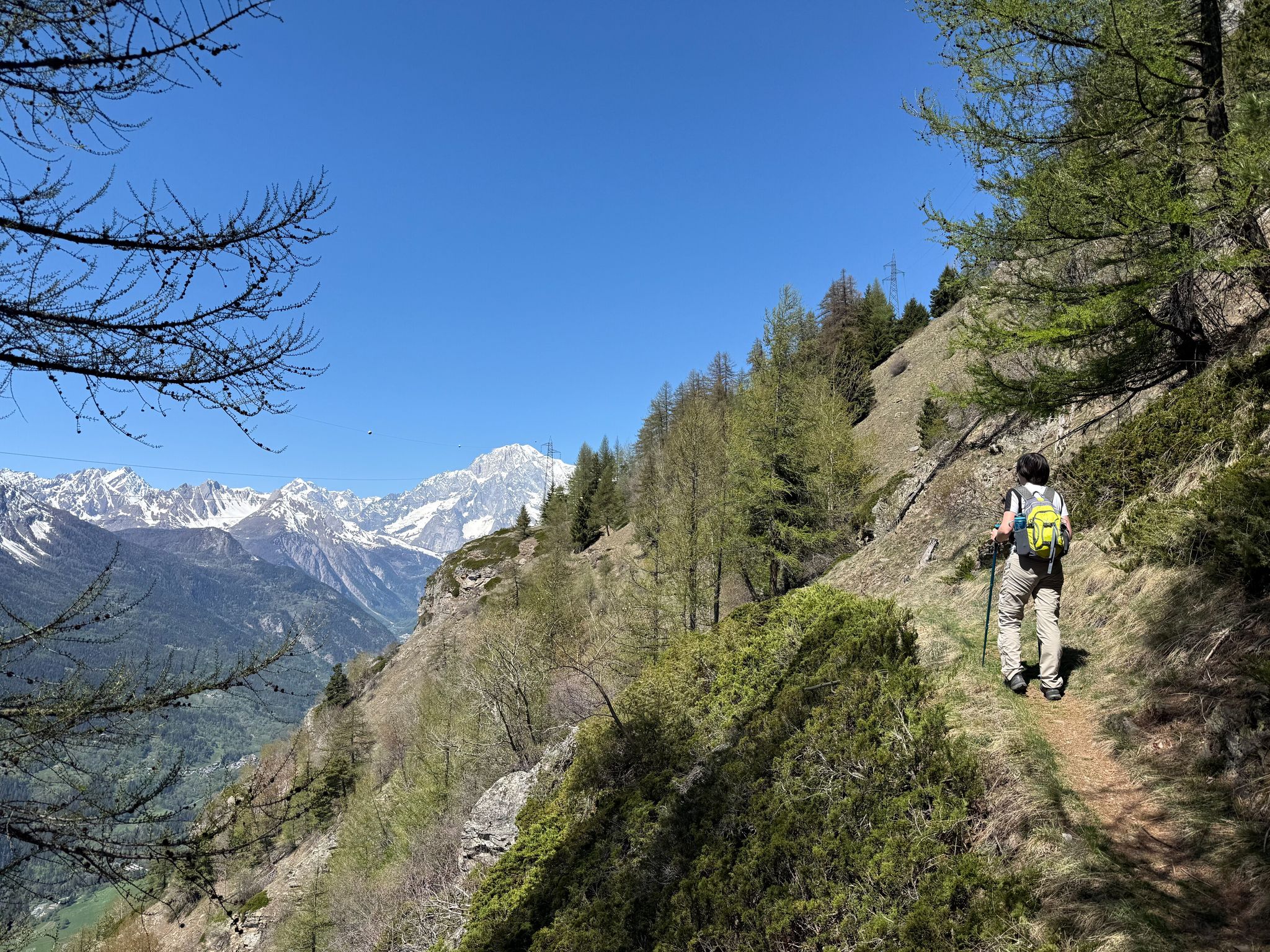
Cammino Balteo – castles, vineyards and trails of the Aosta Valley
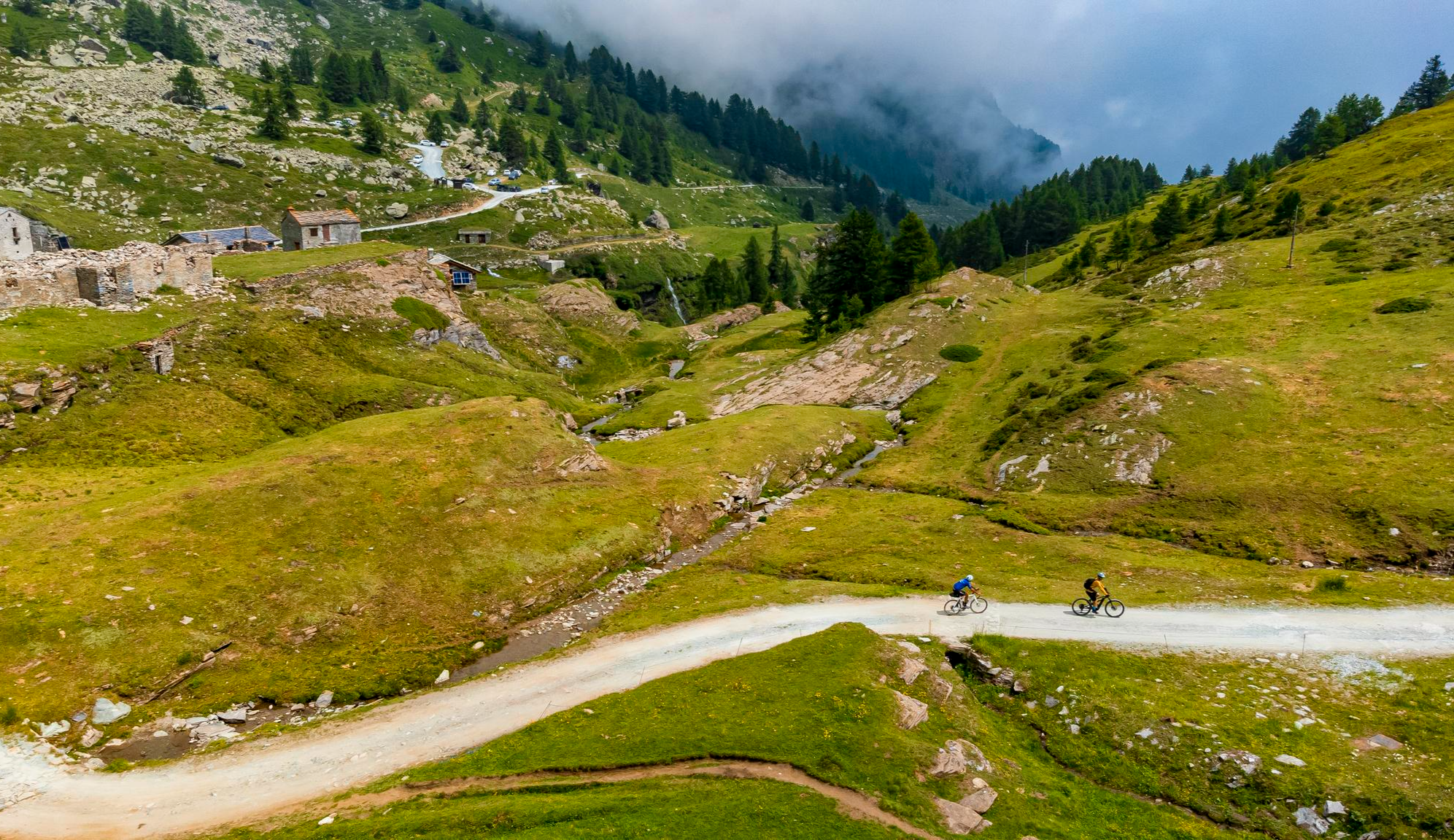
Must-do gravel routes in the Aosta Valley – the heart of the Italian Alps
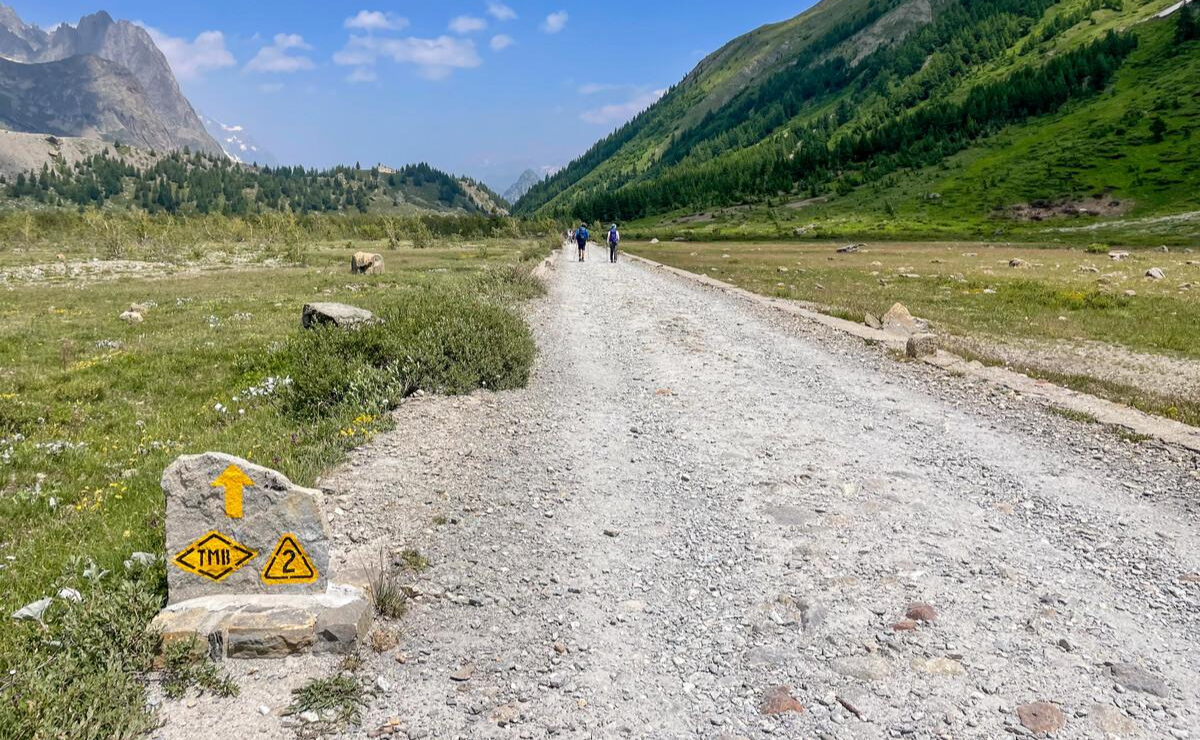
Alta Via n. 2 of the Aosta Valley — high peaks and beautiful valleys in Italy
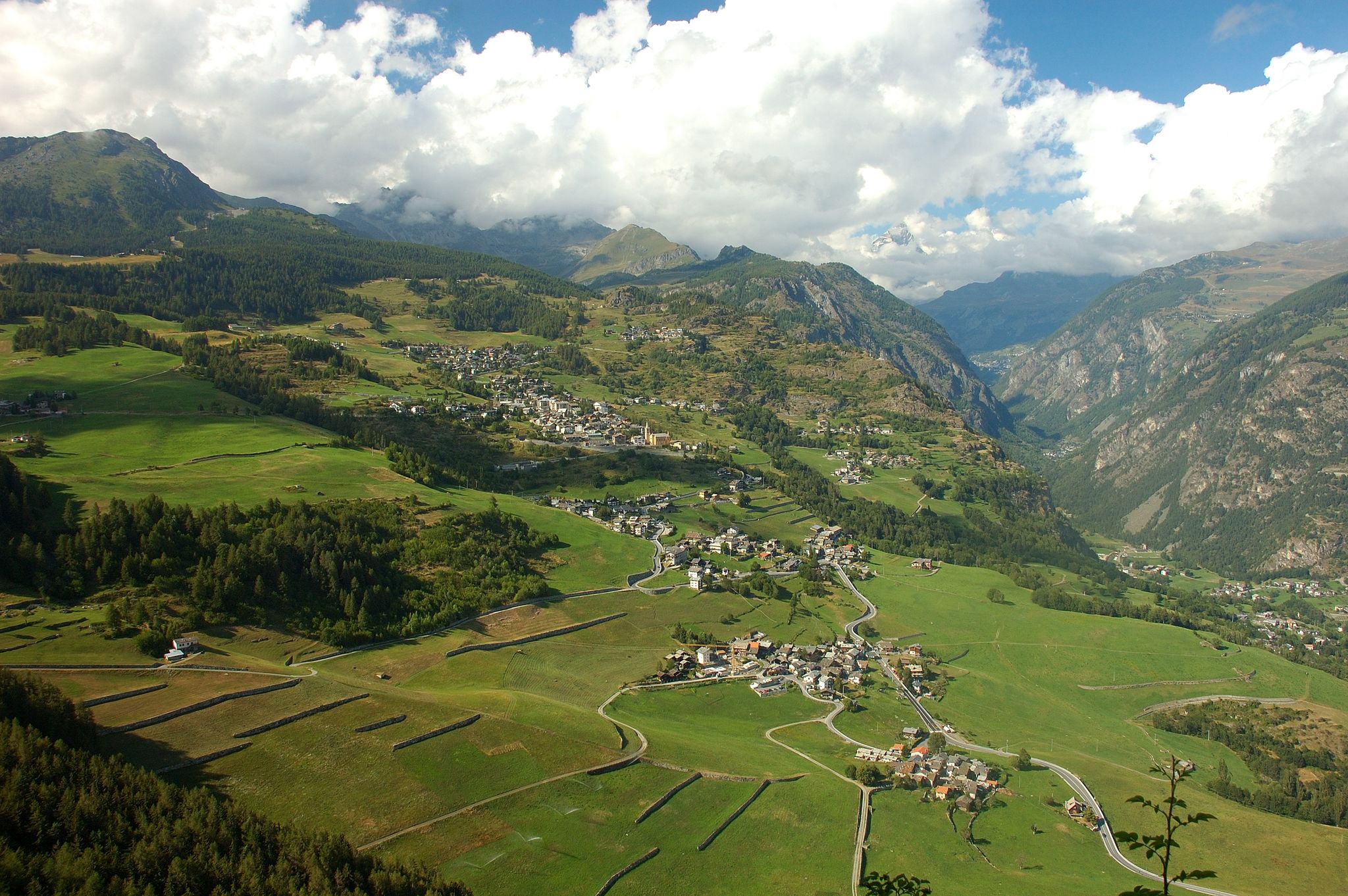
Paths, castles and views of Italy’s Aosta Valley – Cammino Balteo
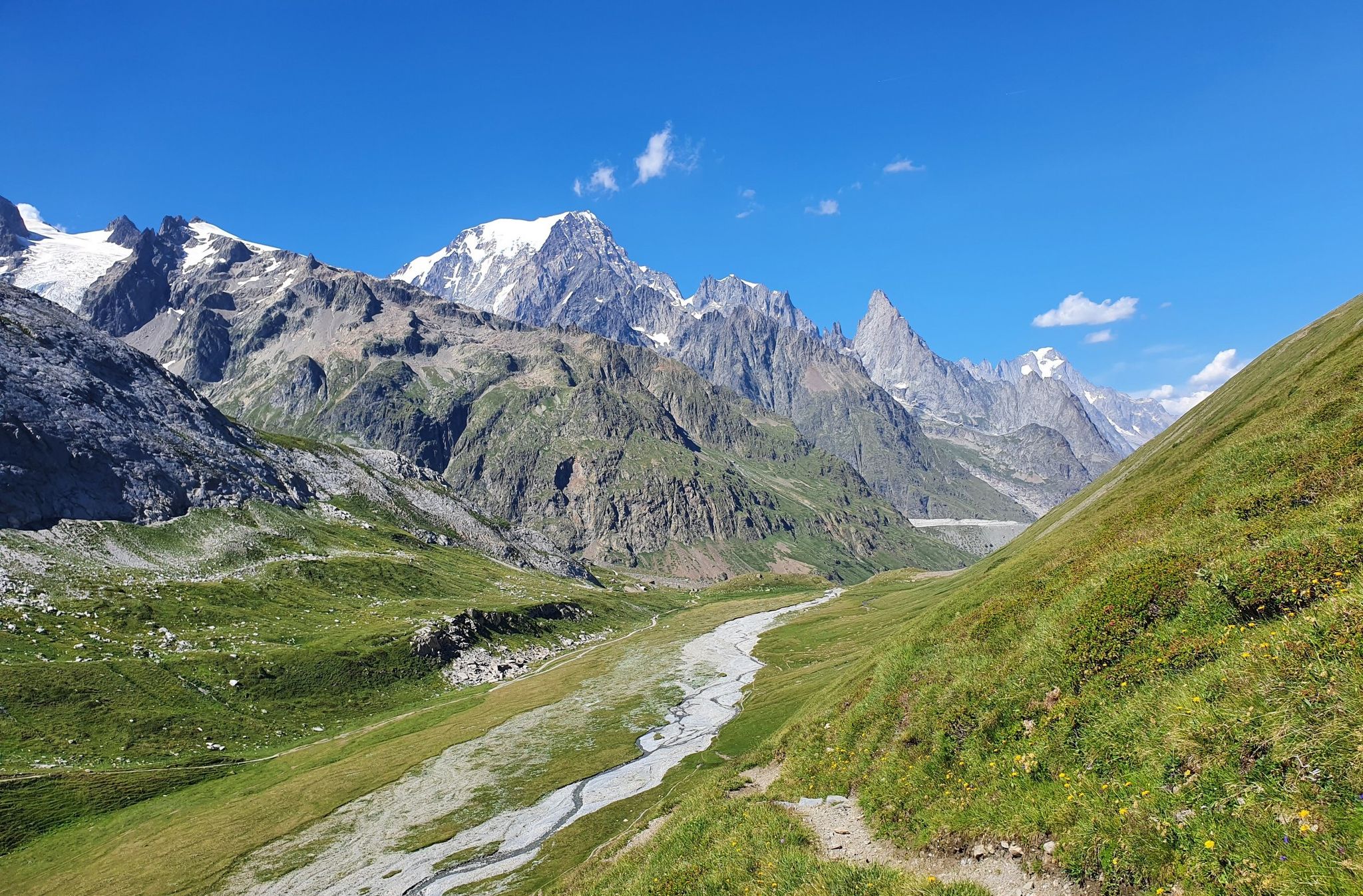
High peaks and beautiful valleys in Italy – Aosta Valley’s Alta Via Trail 2

Traffic-free bike rides around Pontboset
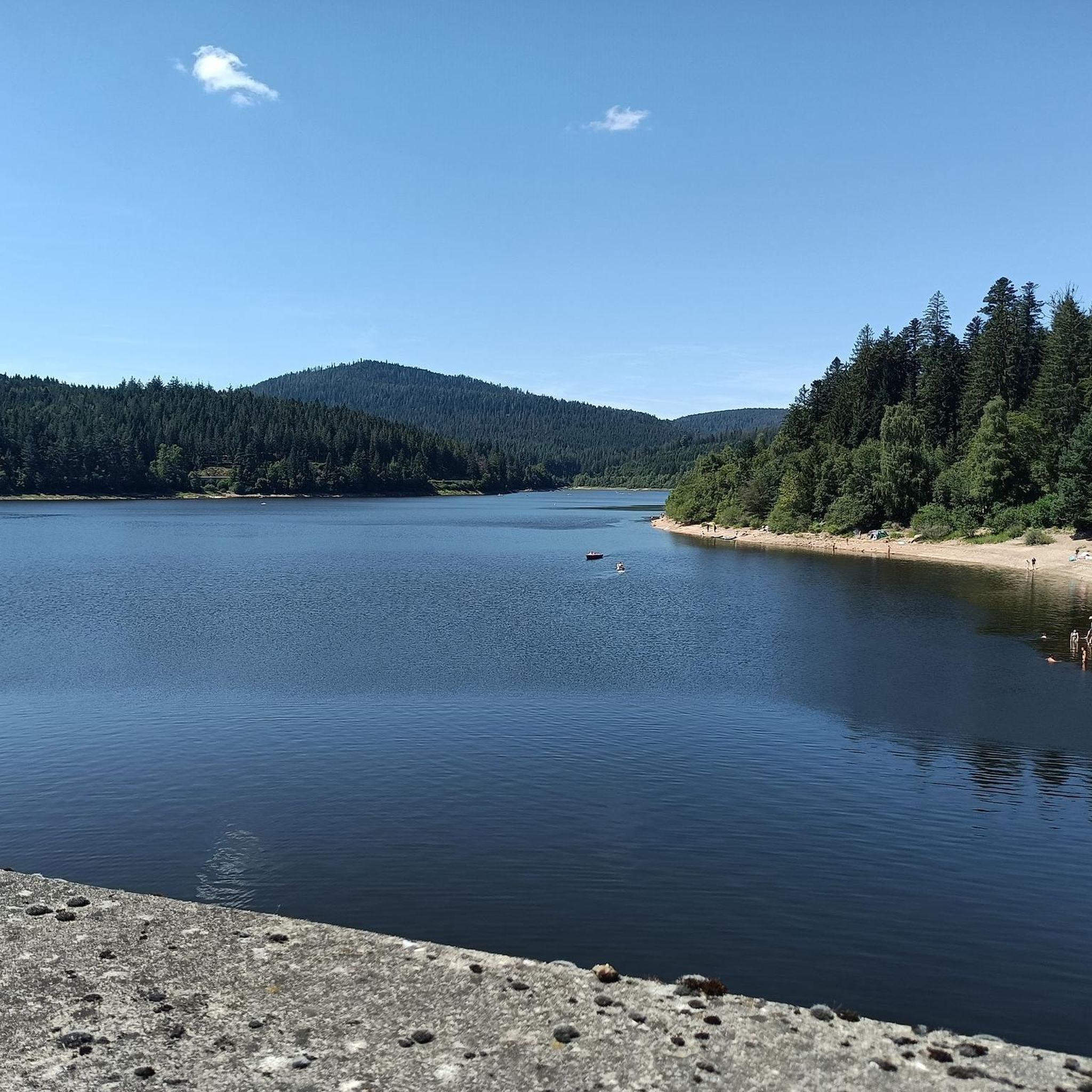
Traffic-free bike rides around Pontboset
Other adventures around Pontboset


Tips from the Community

The Forte di Bard seen from the bridge over the Dora Baltea river offers one of the most iconic and photographed views in the Aosta Valley. This spectacular perspective captures the imposing, craggy fortress that dominates the village below and the river waters.
0
0

The Castello di Suzey stands on an inaccessible rocky spur, in a position that in the 14th century guaranteed absolute control over the transit of the Lys valley. The structure is a classic example of a medieval enclosure castle, dominated by a massive quadrangular tower and surrounded by the remains of a fortified village now swallowed by vegetation. This stronghold was the headquarters of the lords of Suzey, a branch of the Vallaise known for their bellicose nature and independence from central powers. A famous anecdote concerns the family's determination to defend their privileges: it is said that the lords of Suzey imposed such severe transit taxes that they sparked fierce disputes with merchants and neighboring communities, turning the castle into a sort of armed customs post. A local legend also tells that the castle was connected to the other Vallaise properties in Perloz via a network of secret passages dug directly into the rock, used to move troops and riches away from prying eyes during sieges. Another popular tale describes the castle's end as a dramatic event: a devastating fire, which broke out during an enemy attack, would have marked the definitive abandonment of the structure.
0
0

The Serra d'Ivrea allows us, the inhabitants of the plain, to enjoy climbs and descents and woods, both on road bikes and mountain bikes. A truly enchanting place
0
0

Beautiful bridge connecting Hone to Bard. Magnificent view of the fort.
2
0

Caos Pub is a great choice for a relaxing break after a bike ride, where you can enjoy a coffee or an aperitif in a welcoming environment. Perfect for a moment of recovery, the place offers simple and tasty dishes, along with a selection of beers. Its informal atmosphere makes it ideal for those looking for a place to relax with friends after a bike ride. More info on: https://www.facebook.com/CaosPub/?locale=it_IT
0
0

The Roman road of the Gauls, built to connect Rome with the Rhone Valley, has in the Donnas section one of its most characteristic and spectacular points, carved into the living rock for a length of 221 meters. At a place where in antiquity the rocky promontory plunged into the waters of the Dora, the Romans launched a real challenge to nature by carving a living rock on which they could draw perfectly vertical walls and in whose womb they carved the roadbed. Exciting and unusual, here the Via delle Gallie gives its best by offering the spectacle of a vaulted passage 4 meters thick, 4 meters high and almost 3 meters wide which eloquently illustrates the amount of rock removed and shows all the refinement of a road engineering that has never been reached again until viaducts and modern tunnels. In the Middle Ages it served as the gate of the village, which was closed at night; the other defenses were natural: on one side the mountain and on the other the river. A fundamental road, which has been used a lot over the centuries, as evidenced by the deep ruts left by the passage of carts and the wear of the walking surface which has been patched and repaired at various points over time. A little further on, on the right, we recognize the excellent profile of a milestone, also spared in the rocky bank, which informs us of the distance to Augusta Praetoria (the current city of Aosta): XXXVI miles (about 54 km).
6
0

The origin of this bridge is uncertain, but it was most likely built as early as Roman times. The first documents in which this bridge is mentioned, however, date from the second half of the 13th century. From 1272, the bridge is called the Hôhne Bridge or Bard Bridge in Latin and then in Old French. Apart from its history, the bridge is a beautiful photo point of Fort Bard.
43
0
In addition to many temporary exhibitions, often aimed at promoting and learning about the culture and territory of the Aosta Valley and the Alps, the Forte di Bard includes three permanent museums. 1.) On the top floor is the Museum of the Alps. Here the secrets of the mountain have been presented through a multimedia path and interactive installations. A truly worthwhile and informative museum!!! 2.) A second museum room is dedicated to the prisons of the fort, twenty-four narrow cells (1.3 x 2 meters) distributed in four areas and accessed from a gallery decorated with historical prints and paintings that tell the story of the building. 3.) Finally, the Fortress and Border Museum of the Opera Ferdinando offers a journey through the history of the Bard through a parade of historical and plastic weapons, including scale models of defensive structures and miniature armies. Source: https://www.visititaly.eu/it/luoghi-e-itinerari/cosa-vedere-a-bard-borgo-in-valle-aosta
43
0
Frequently Asked Questions
What kind of terrain can I expect on no-traffic road cycling routes around Pontboset?
The Pontboset area, nestled in the Aosta Valley, offers a diverse cycling experience. You'll find routes that combine asphalt sections with dirt roads and forest tracks, especially along paths like the Champorcher Valley Cycle Route. The region is characterized by its dramatic Alpine backdrop, featuring challenging ascents, flatter sections, and winding paths through chestnut forests and along the Ayasse stream. Expect varied terrain that showcases gorges, waterfalls, and rock pools.
Are there any challenging no-traffic road cycling routes for experienced cyclists?
Yes, for experienced cyclists seeking a challenge, there are routes with significant elevation gain. For example, the Donnas – Pont-Saint-Martin loop from Donnas is rated as difficult, covering approximately 41.9 km with over 1500 meters of elevation gain. Another demanding option is the Historic centre of Cuorgnè – Vistrorio Tree-Lined Avenue loop from Campiglia Soana, which spans nearly 88 km with almost 2000 meters of climbing.
What natural features or viewpoints can I see along the no-traffic road cycling routes near Pontboset?
Pontboset's routes offer stunning natural scenery. You'll encounter the impetuous Ayasse stream, which has carved deep gorges, and historic stone and wooden bridges like the Bozet Bridge. From elevated points, you can enjoy spectacular views of prominent Alpine peaks, including the Monte Rosa chain and the Matterhorn (Cervino). The area also features chestnut forests, waterfalls, and rock pools. Nearby, you can find beautiful lakes such as Lake Muffé and Lake Miserin.
Are there any historical landmarks or attractions accessible by bike near Pontboset?
Absolutely. The Aosta Valley is rich in history. Along your rides, you might pass by several impressive castles. Notable examples include Fort Bard, Verrès Castle, and Castello Vallaise. These historical sites offer a fascinating glimpse into the region's past and can be great points of interest during your cycling excursions.
What is the best time of year for no-traffic road cycling in Pontboset?
The Aosta Valley, including Pontboset, is generally best for road cycling from late spring through early autumn (May to October). During these months, the weather is typically milder, and the mountain passes are clear of snow, offering optimal conditions for exploring the scenic routes. Summer provides lush landscapes and longer daylight hours, while early autumn brings vibrant foliage.
Are there any moderate no-traffic road cycling routes suitable for intermediate riders?
Yes, there are options for intermediate riders looking for a balanced challenge. The Donnas – Pont-Saint-Martin loop from Carema is a moderate route covering approximately 19.5 km with around 470 meters of elevation gain. This route provides a good workout without being overly strenuous, allowing you to enjoy the beautiful Aosta Valley scenery at a comfortable pace.
What do other road cyclists enjoy most about cycling in Pontboset?
The komoot community highly rates the cycling experience around Pontboset, with an average score of 4.49 stars from over 100 ratings. Reviewers often praise the stunning Alpine landscapes, the quiet roads that allow for immersive rides, and the diverse terrain that caters to various skill levels. The combination of natural beauty and historical elements makes for a memorable cycling adventure.
Are there any waterfalls to see along the no-traffic road cycling routes?
Yes, the Pontboset area is known for its natural water features. You can find several waterfalls nearby that make for scenic stops. For instance, the Arlaz Waterfall and the Lago Grande Waterfall are notable highlights. The Ayasse stream itself, which flows through the valley, creates dramatic cascades and rock pools that are a hallmark of the region's charm.
How many no-traffic road cycling routes are available around Pontboset?
This guide features a selection of road cycling routes around Pontboset designed for minimal traffic. Currently, there are a few curated routes available, ranging from moderate to difficult, allowing you to explore the beautiful Aosta Valley on two wheels.
Is there public transport access to the starting points of these no-traffic road cycling routes?
While specific public transport details for each route's starting point can vary, the Aosta Valley generally has a regional bus network connecting its villages and towns. For detailed information on bus schedules and routes that might serve the starting points of these cycling tours, it's advisable to check local public transport websites or inquire at tourist information centers in the Aosta Valley.
Are there any circular no-traffic road cycling routes in the Pontboset area?
Yes, the routes highlighted in this guide are designed as loops, allowing you to start and finish in the same location. For example, both the Donnas – Pont-Saint-Martin loop from Donnas and the Donnas – Pont-Saint-Martin loop from Carema offer circular itineraries, providing a convenient way to explore the region without needing to retrace your steps.
Most popular attractions around Pontboset

Get inspired with the komoot mobile app


Explore more
Browse the best Road cycling routes in other regions.
