The best traffic-free bike rides in Laguna De Coripe
4.4
(5)
88
riders
3
rides
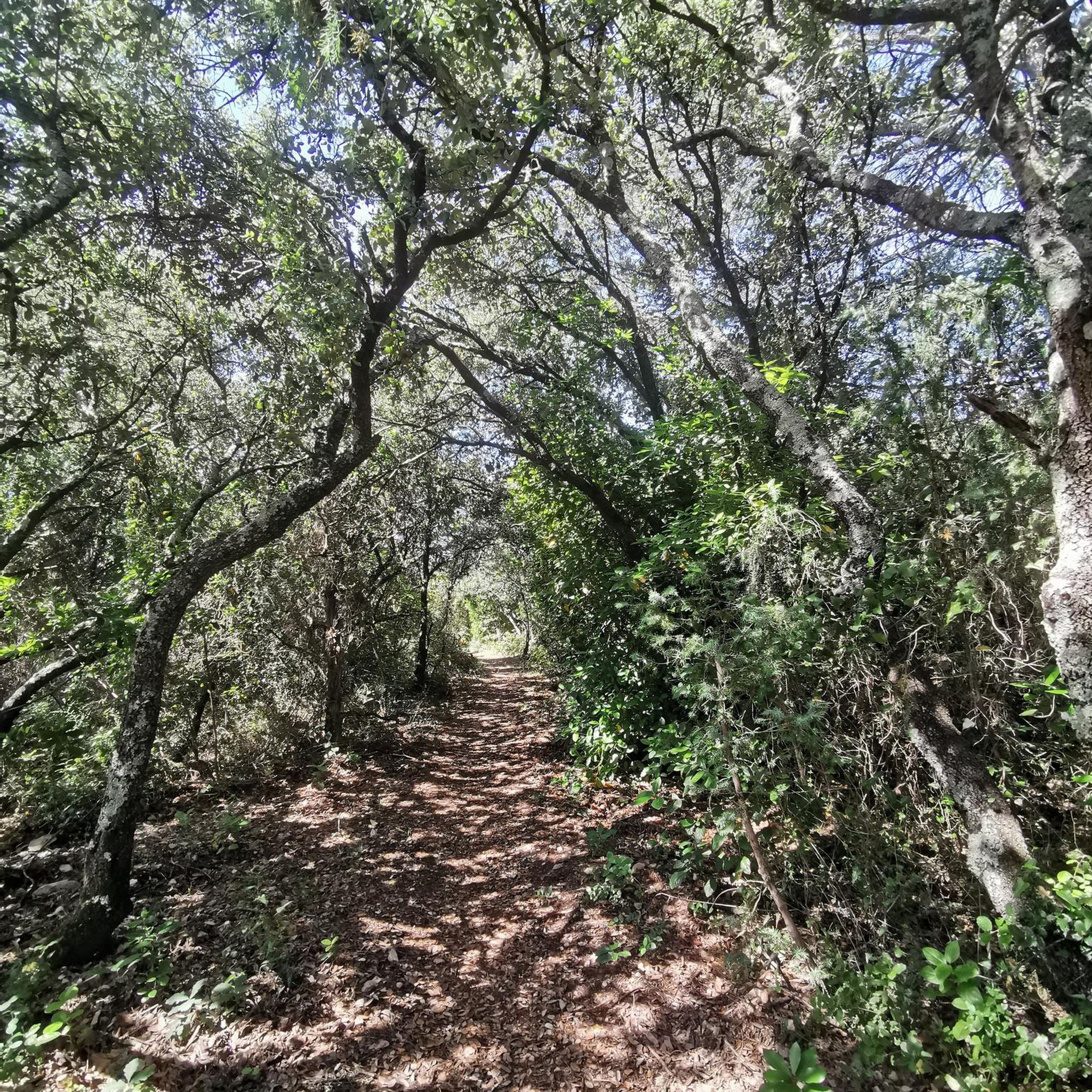
Gravel biking in Laguna De Coripe is centered around the Vía Verde de la Sierra, a 36-kilometer route built on an old railway line, approximately 90% gravel. The region features a landscape transitioning from agricultural areas to mountainous terrain, interspersed with Mediterranean forests of holm oaks and wild olive trees. Cyclists encounter numerous tunnels and viaducts, remnants of the unfinished railway, and traverse limestone hills and river valleys. The area offers a largely flat and manageable terrain, making it accessible for various fitness levels.
Best no traffic gravel bike trails in Laguna De Coripe
- The most popular no traffic gravel bike trail is Zaframagón Viaduct – Vía Verde de la Sierra loop from Coripe, a 36.9 miles (59.4 km) trail that takes 3 hours 49 minutes to complete. This difficult route includes sections of the Vía Verde de la Sierra and passes the Peñón de Zaframagón, home to a large griffon vulture colony.
- Another top favourite among local gravel bikers is Viaducto de Gillete – Viaducto de Los Azares loop from Coripe, a difficult 21.9 miles (35.2 km) path. This route traverses varied terrain, including olive groves and Mediterranean forests, crossing impressive viaducts.
- Local gravel bikers also love the Viaducto de Los Azares – Cuesta de la Burra loop from Coripe, a 24.2 miles (38.9 km) trail leading through the Vía Verde de la Sierra and its distinctive tunnels and viaducts, often completed in about 2 hours 33 minutes.
- Gravel biking in Laguna De Coripe is defined by the Vía Verde de la Sierra, its numerous tunnels and viaducts, and the surrounding Mediterranean forests and limestone hills. The network offers options primarily for more challenging routes.
- The routes in Laguna De Coripe are highly rated by the komoot community with an average score of 4.75 stars from over 4 reviews. More than 72 gravel bikers have used komoot to explore Laguna De Coripe's varied terrain.
Last updated: July 9, 2026
4.8
(4)
74
riders
59.4km
03:49
870m
870m
Hard gravel ride. Very good fitness required. Mostly paved surfaces. Suitable for all skill levels.
4.0
(1)
13
riders
35.2km
02:10
470m
470m
Hard gravel ride. Very good fitness required. Mostly paved surfaces. Suitable for all skill levels.

Sign up for free
3
riders
38.9km
02:33
500m
500m
Hard gravel ride. Very good fitness required. Mostly paved surfaces. Suitable for all skill levels.
Our route recommendations are based on thousands of hikes, rides, and runs completed by other people on komoot.
Start today with a free account
Your next adventure awaits.
Login or Signup
Popular around Laguna De Coripe
Tips from the Community

Bike tour - a journey through time 🤣🚴
0
0

A 135-meter-long viaduct, built using rectangular truncated pyramidal pilasters with mortared ashlars, is formed by the repetition of seven identical arches. It was built to span the Guadalporcún River crossing before it meets the Guadamanil River. The latter originates in the Sierra de la Lebrona mountain range in the municipality of Pruna (Seville) and flows into the Guadalporcún River just a few meters from the viaduct. The confluence of the rivers has created a wide floodplain. From this railway infrastructure, there is a privileged view of the Estrechón Canyon, a natural passage carved by the Guadalporcún River to traverse the foothills of the Zaframagón Rock. Just below, on the left bank of the Guadalporcún, we find the ruined building of what was once the Zaframagón mill. A little further west, other ruins can be seen. It is a small town built for workers on the railway line construction site.
8
0
One of the most beautiful cycle paths in Europe!
9
0
Viaduct of 237 meters long, built by means of truncated pyramidal pilasters with a rectangular plan with mortared bluestones. It consists of 9 openings, eight of which are the same, and the fourth (counting from the station) with a larger arch. It is the longest viaduct of the nature trail, built to cross the junction with the Guadalporcún River.
7
0
Viaduct of 83 meters long, built by means of truncated pyramidal pilasters with a rectangular plan with mortared bluestones. Formed by the repetition of 5 equal openings. It was designed and built to save a deep ravine dug by a tributary of the Guadalporcún River.
8
0
Railway tunnel no. 23 of the Sierra Greenway Nature Trail. Located 923 meters from the previous tunnel, it is 125 meters long and has no artificial lighting, so a flashlight is recommended. This tunnel is excavated into the side of a clay hill.
8
0
Viaduct of 65 meters long, built by means of truncated-pyramidal pilasters with a rectangular plan with mortared bluestones. Formed by the repetition of 3 equal spans. Built to save the bed of the Azar stream. Less than 100 meters away there is a small rest area from where you have a good view of the Guadalete river at the exit of the Villalón meander, at the foot of the Cerro del Castellar.
7
0
Railroad tunnel No. 28 of the Sierra Greenway Nature Trail. Located 1,031 meters from the previous tunnel, it is 87 meters long and not equipped with artificial light, so it is advisable to have a flashlight. This tunnel was dug from clay and sandstone. The tunnels of this section of the railway were built by means of shoring (fastening of the excavation) based on props and wooden beams to later form the concrete of the slab that supports the tunnel. The mouth of the tunnel is finished with sculpted limestone from a quarry for Zaframagón.
9
0
Frequently Asked Questions
How challenging are the no-traffic gravel bike trails around Laguna De Coripe?
The traffic-free gravel bike trails in this area, particularly those utilizing sections of the Vía Verde de la Sierra, are generally considered suitable for a range of abilities. While komoot classifies the featured routes as 'difficult' due to their length and elevation gain, the Vía Verde itself offers a largely flat and well-maintained gravel surface, making it accessible for many. Routes like Zaframagón Viaduct – Vía Verde de la Sierra loop from Coripe, at nearly 60 km, require good endurance.
What are the typical lengths of traffic-free gravel routes in Laguna De Coripe?
The traffic-free gravel routes in Laguna De Coripe vary in length, offering options for different endurance levels. You can find routes ranging from approximately 35 km, such as the Viaducto de Gillete – Viaducto de Los Azares loop from Coripe, to longer excursions like the Zaframagón Viaduct – Vía Verde de la Sierra loop from Coripe which covers almost 60 km.
Are there family-friendly no-traffic gravel routes in the Laguna De Coripe area?
Yes, the Vía Verde de la Sierra, which forms the backbone of many no-traffic gravel routes here, is largely flat and well-maintained, making it very suitable for families. While the full loops listed in this guide are longer and classified as 'difficult', families can enjoy shorter sections of the Vía Verde for a pleasant, car-free cycling experience. The former Coripe train station, now a hotel-restaurant, is a great starting point with amenities.
Can I find circular no-traffic gravel routes around Laguna De Coripe?
Absolutely. All the featured no-traffic gravel bike routes in this guide are designed as circular loops, allowing you to start and finish in the same location, typically Coripe. Examples include the Viaducto de Los Azares – Cuesta de la Burra loop from Coripe, which offers a complete circuit through the scenic landscape.
What natural features and landmarks can I expect to see on these gravel trails?
The no-traffic gravel trails in Laguna De Coripe offer a rich tapestry of natural beauty and historical infrastructure. You'll traverse the Vía Verde de la Sierra, passing through numerous tunnels (including the illuminated 990-meter Coripe Mountain tunnel) and over impressive viaducts. Highlights include the Peñón de Zaframagón Nature Reserve, home to a large griffon vulture colony, and the ecologically significant Laguna de Coripe itself. Near Coripe, you can also visit the Natural Monument Chaparro de la Vega, a centuries-old oak tree.
When is the best time of year to go gravel biking in Laguna De Coripe?
The best time for gravel biking in Laguna De Coripe is typically during the spring (March to May) and autumn (September to November). During these seasons, temperatures are milder and more comfortable for cycling, and the natural landscape is particularly vibrant. Summers can be very hot, and winters, while generally mild, can bring more rain.
Are there amenities like cafes or restaurants along the no-traffic gravel routes?
Yes, the town of Coripe serves as a key hub for the Vía Verde de la Sierra and offers amenities. The rehabilitated former Coripe train station now functions as a hotel-restaurant, providing a convenient stop for food and drink. While the trails themselves are largely natural, Coripe is a good place to refuel before or after your ride.
Where can I park my car to access the traffic-free gravel trails?
Coripe is an excellent starting point for accessing the traffic-free gravel trails, particularly the Vía Verde de la Sierra. You'll find parking available in and around the town, including near the former Coripe train station, which is a popular access point for cyclists.
What makes the Laguna De Coripe area ideal for no-traffic gravel biking?
Laguna De Coripe is ideal for no-traffic gravel biking primarily due to the Vía Verde de la Sierra. This 36-kilometer route, built on an old railway line, is approximately 90% gravel and completely free of motorized traffic. It offers a unique blend of accessible terrain, stunning natural landscapes, historical tunnels and viaducts, and opportunities for wildlife observation, all within a peaceful, car-free environment.
What kind of wildlife might I encounter on the gravel trails?
The region is rich in wildlife, especially along the Vía Verde de la Sierra. A major highlight is the Peñón de Zaframagón Nature Reserve, home to one of Europe's largest colonies of griffon vultures. The Laguna de Coripe itself is ecologically significant, attracting various freshwater crustaceans, amphibians, and migratory waterbirds like herons during the wet season. You might also spot various birds and small mammals in the Mediterranean forests.
Are there any specific safety considerations for gravel biking in this region?
While the Vía Verde de la Sierra is traffic-free, it's important to be prepared. Some tunnels, like the Coripe Mountain tunnel, are illuminated, but others might be darker, so a good bike light is recommended. Always carry sufficient water, especially during warmer months, and be aware of other trail users, including hikers and equestrians. The longer routes require good physical condition and a well-maintained gravel bike.
Most popular routes in Laguna De Coripe

Get inspired with the komoot mobile app


Explore more
Browse the best Gravel rides in other regions.
