The best traffic-free bike rides around Bullecourt
5.0
(1)
17
riders
5
rides
Gravel biking around Bullecourt offers a unique experience through the flat to gently undulating agricultural fields of Picardy and Artois. The region is characterized by expansive open landscapes, quiet country roads, and a network of tracks ideal for no traffic gravel bike trails. Cyclists will find modest elevation changes, making the terrain accessible for various fitness levels, often passing through historical World War I remembrance sites.
Best no traffic gravel bike trails around Bullecourt
- The most popular no traffic gravel…
Last updated: July 14, 2026
5.0
(1)
9
riders
62.4km
04:16
430m
430m
Hard gravel ride. Good fitness required. You may need to push your bike for some segments of this route.
3
riders
Moderate gravel ride. Good fitness required. Mostly paved surfaces. Suitable for all skill levels.

Sign up for free
2
riders
21.6km
01:29
110m
110m
Easy gravel ride. Great for any fitness level. Mostly paved surfaces. Suitable for all skill levels.
1
riders
39.1km
02:17
190m
190m
Moderate gravel ride. Good fitness required. Mostly paved surfaces. Suitable for all skill levels.
2
riders
43.2km
03:05
300m
300m
Moderate gravel ride. Good fitness required. Mostly paved surfaces. Suitable for all skill levels.
Our route recommendations are based on thousands of hikes, rides, and runs completed by other people on komoot.
Start today with a free account
Your next adventure awaits.
Login or Signup
Popular around Bullecourt

Tips from the Community

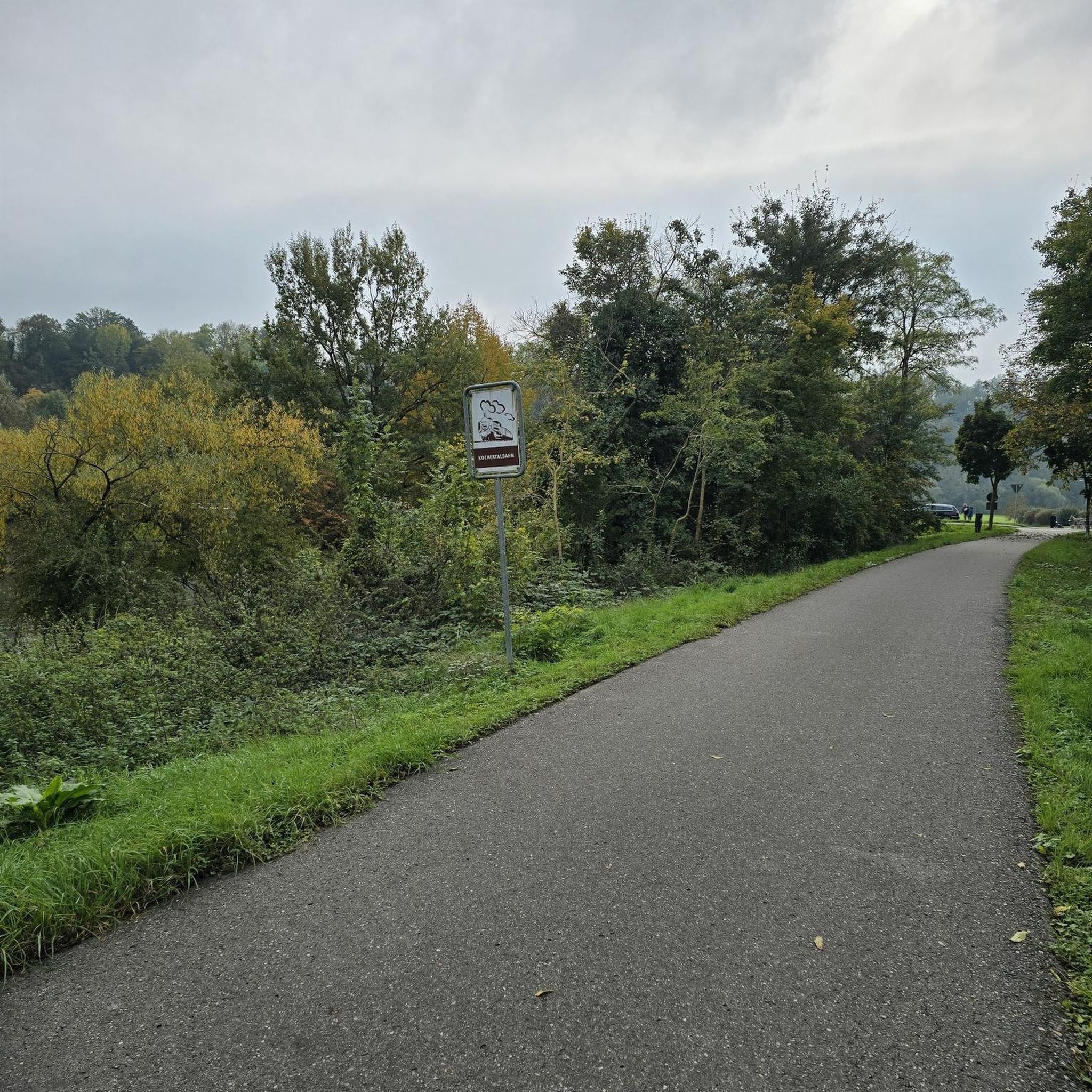
Be careful, there are lots of nettles on the path leaving Biache.
0
0

Wancourt was captured on 12 April 1917 after very heavy fighting and the advance was continued on the following days. The cemetery, called at first Cojeul Valley Cemetery, or River Road Cemetery, was opened about ten days later; it was used until October 1918, but was in German hands from March 1918 until 26 August, when the Canadian Corps recaptured Wancourt. At the Armistice, the cemetery contained 410 graves, but was very greatly increased in the following years when graves were brought in from a number of small cemeteries and isolated positions on the battlefields south-east of Arras. The cemetery now contains 1936 burials and commemorations of the First World War. 829 of the burials are unidentified but there are special memorials to 76 casualties known or believed to be buried among them, and to 20 who were buried in Signal Trench Cemetery whose graves were destroyed in later battles.
9
0
Hibers Trench Cemetery, situated just north-west of Wancourt near Arras, was begun in April 1917 by the 50th (Northumbrian) Division shortly after the area was captured by British forces at the Battle of Arras. The cemetery contains 136 graves, six of which are unidentified, and also includes three Canadian graves added later in 1918. The simple design is by G.H. Goldsmith and reflects the understated dignity of this memorial. Its position on the Wancourt-Arras road makes it a silent witness to the fierce fighting that took place here, and the presence of personal inscriptions on some of the headstones emphasises the human story behind the numbers. A place of peace, remembrance and reflection.
10
0
Tigris Lane Cemetery is located in Wancourt, near Arras, and was named after a nearby trench. The cemetery was established in May 1917 by the 14th (Light) Division, shortly after the village was captured on 12 April 1917, and reused during its recapture by the Canadian Corps in August 1918. It contains the graves of 119 First World War soldiers, nine of whom are unidentified. Most of the graves belong to British (86) and Canadian (33) soldiers, underlining the international commitment to the region. The sober design is by G.H. Goldsmith and its location close to the TGV railway line emphasises the contrasts between past and present in this quiet place of remembrance.
9
0

Organized hike, lots of fields, no forest, shame 😏
0
0
Mory Street Military Cemetery is a British military cemetery located in Saint-Léger, Pas-de-Calais. The cemetery was laid out in 1917 and designed by William Cowlishaw. It commemorates 66 First World War soldiers, 5 of whom are unidentified. The cemetery has a square plan with a semi-circular projection containing the Cross of Sacrifice.
8
0
Places of Interest The church of St.Leger, rebuilt, as was the whole village, after the First World War. The Commonwealth War Graves Commission cemetery. The village was situated in an area that was heavily fought over during the war. There are several military cemeteries in the area, including the Heninel-Croisilles Road Cemetery, where many soldiers who fought near Saint-Léger are buried. An interesting anecdote is that Saint-Léger and the surrounding villages changed hands several times during the war between the Allies and the German troops. This caused much destruction and suffering among the local population.
9
0
The Monument aux Morts in Boyelles is a war memorial commemorating the victims of the First World War. The monument is located on the Place de la Mairie in Boyelles, a commune in the Pas-de-Calais department, in the Hauts-de-France region of northern France. The monument was erected in 1925 and lists the names of the 23 soldiers from the town who died during the war.
7
0
Frequently Asked Questions
How many no-traffic gravel bike trails are available around Bullecourt?
Our guide features 3 dedicated no-traffic gravel bike trails around Bullecourt, offering a peaceful cycling experience. These routes vary in difficulty and length, ensuring options for different skill levels while keeping you away from busy roads.
What kind of terrain can I expect on Bullecourt's no-traffic gravel routes?
The terrain around Bullecourt is characterized by flat to gently undulating landscapes, typical of Picardy and Artois. You'll primarily ride through expansive open agricultural fields on quiet country roads and tracks. While there are modest elevation changes, the routes are generally accessible, offering 'big skies' and 'great views' without demanding climbs.
Are there any easy, beginner-friendly no-traffic gravel routes in Bullecourt?
Yes, there are options suitable for beginners. The Saint-Léger Church – Boisleux-St-Marc loop from Boyelles is classified as easy, covering 21.6 km with minimal elevation gain. This route is perfect for those new to gravel biking or looking for a relaxed ride away from traffic.
What is the longest no-traffic gravel trail available in this guide?
The longest no-traffic gravel trail featured in this guide is the Hibers Trench Cemetery – Mory Street Military Cimetery loop from Haucourt. This route spans over 62 km, offering an extensive ride through the historical landscape with varied terrain.
Can I find circular gravel bike routes around Bullecourt that avoid traffic?
All the routes listed in this guide are circular loops designed to start and end in the same general area, ensuring a convenient no-traffic gravel biking experience. For example, the The Scarpe by bike – Biache-Saint-Vaast marshes loop from Vis-en-Artois is a moderate 39 km circular route.
What historical sites or scenic viewpoints can I see along these quiet gravel trails?
Bullecourt's gravel trails are rich in history, particularly related to World War I. You can expect to pass by numerous memorials and battlefields. For instance, the Hibers Trench Cemetery – Mory Street Military Cimetery loop takes you past significant remembrance sites like Hibers Trench Cemetery. The region also offers 'big skies' and 'great views' over the expansive agricultural fields. You can also visit the Bullecourt 1917, Jean & Denise Letaille Museum for a deeper dive into the area's past.
Is Bullecourt suitable for family gravel biking away from traffic?
Yes, Bullecourt's gentle terrain and network of quiet country roads make it suitable for family gravel biking. The modest elevation changes mean routes are not overly strenuous. The Saint-Léger Church – Boisleux-St-Marc loop is an easy option that families might enjoy, providing a safe and peaceful environment away from heavy traffic.
What is the best time of year for quiet gravel biking in Bullecourt?
The spring and autumn months generally offer the most pleasant conditions for gravel biking in Bullecourt. During these seasons, the weather is typically milder, and the agricultural landscapes are vibrant. Summer can also be good, but it's advisable to ride earlier in the morning or later in the afternoon to avoid the midday heat. Winter riding is possible, but trails might be muddy, and temperatures colder.
Are there any cafes or amenities near the traffic-free gravel bike paths in Bullecourt?
While the routes themselves focus on quiet, rural areas, the village of Bullecourt offers amenities. The Bistrot Le Canberra, named in honor of Australian troops, is a notable spot in the village where you can find refreshments. It's a good idea to plan your route to pass through or near the village for a break.
Where can I find parking for quiet gravel cycling in Bullecourt?
Bullecourt is a small village, and parking is generally available within the village itself, often near the main square or public facilities. Since the routes are circular and often start from or pass through the village, you can typically find convenient parking to begin your ride.
What are the typical trail conditions for gravel biking in Bullecourt?
The gravel trails around Bullecourt primarily consist of quiet country roads and tracks, often unpaved or with a mix of paved and unpaved surfaces. These are generally well-maintained, but conditions can vary with weather. After heavy rain, some sections might be muddy, especially on agricultural tracks. For the best experience, a gravel bike or a mountain bike is recommended.
Are there any specific attractions or museums related to the historical context of Bullecourt that I can visit?
Absolutely. Bullecourt is deeply intertwined with World War I history. The Bullecourt 1917, Jean & Denise Letaille Museum is a key attraction, housing artifacts from the battlefield. You can find more information about the museum and its significance on the SMC website. Many routes also pass by various memorials and cemeteries, offering a poignant journey through remembrance.
Most popular attractions around Bullecourt

Get inspired with the komoot mobile app


Explore more
Browse the best Gravel rides in other regions.
