Top 4 Castles around Cuzina/Santa Maria Coghinas
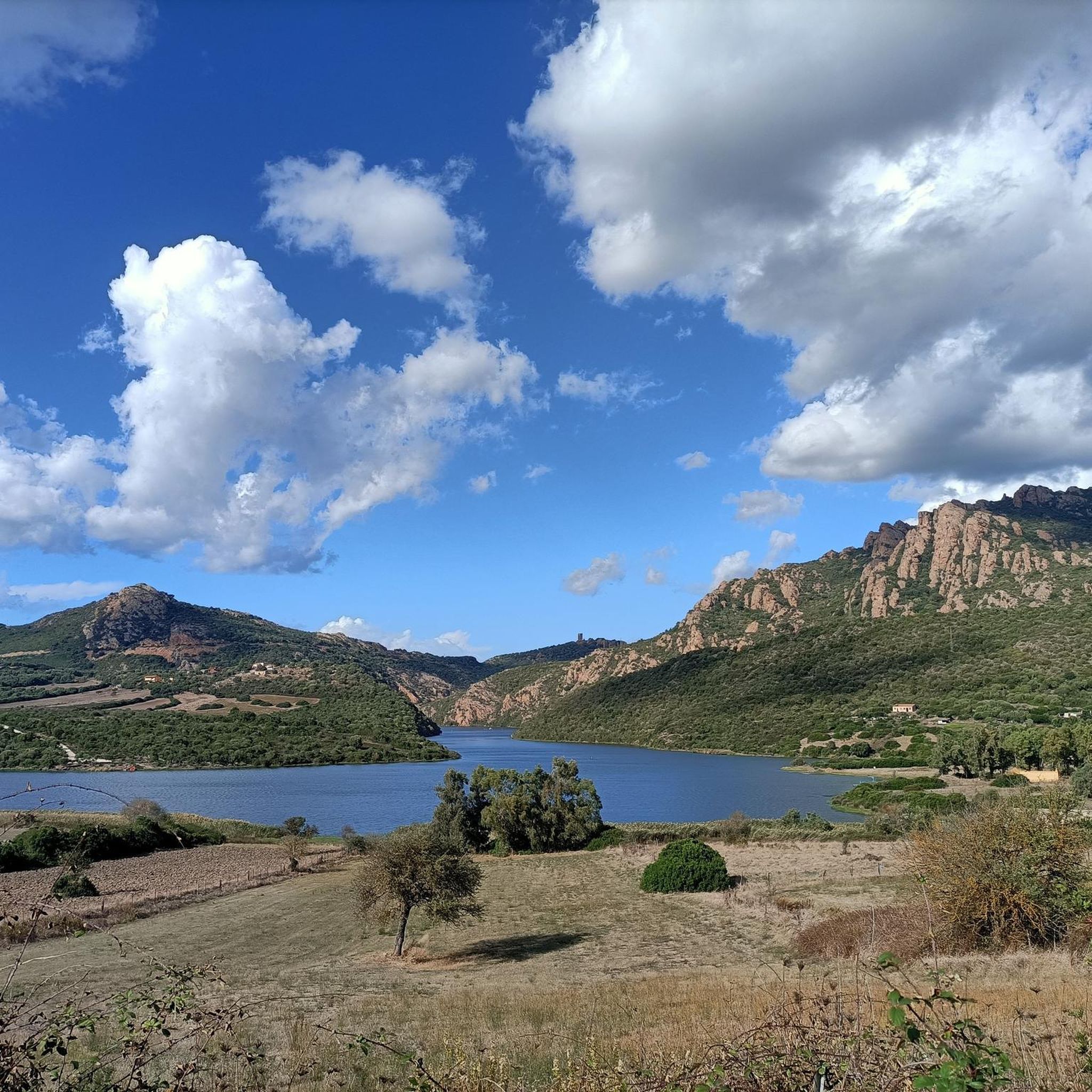
Best castles around Cuzina/Santa Maria Coghinas offers a journey into Sardinia's medieval past, set against a backdrop of natural landscapes. The region, also known as Santa Maria Coghinas, is characterized by granite hills, the Coghinas River, and Lake Casteldoria. Historical sites, including ancient fortresses, provide insight into the area's strategic importance and rich heritage. The landscape combines historical architecture with views over the Anglona region.
Best castles around Cuzina/Santa Maria Coghinas
- The most popular castles is Castelsardo Castle, a…
Last updated: July 11, 2026
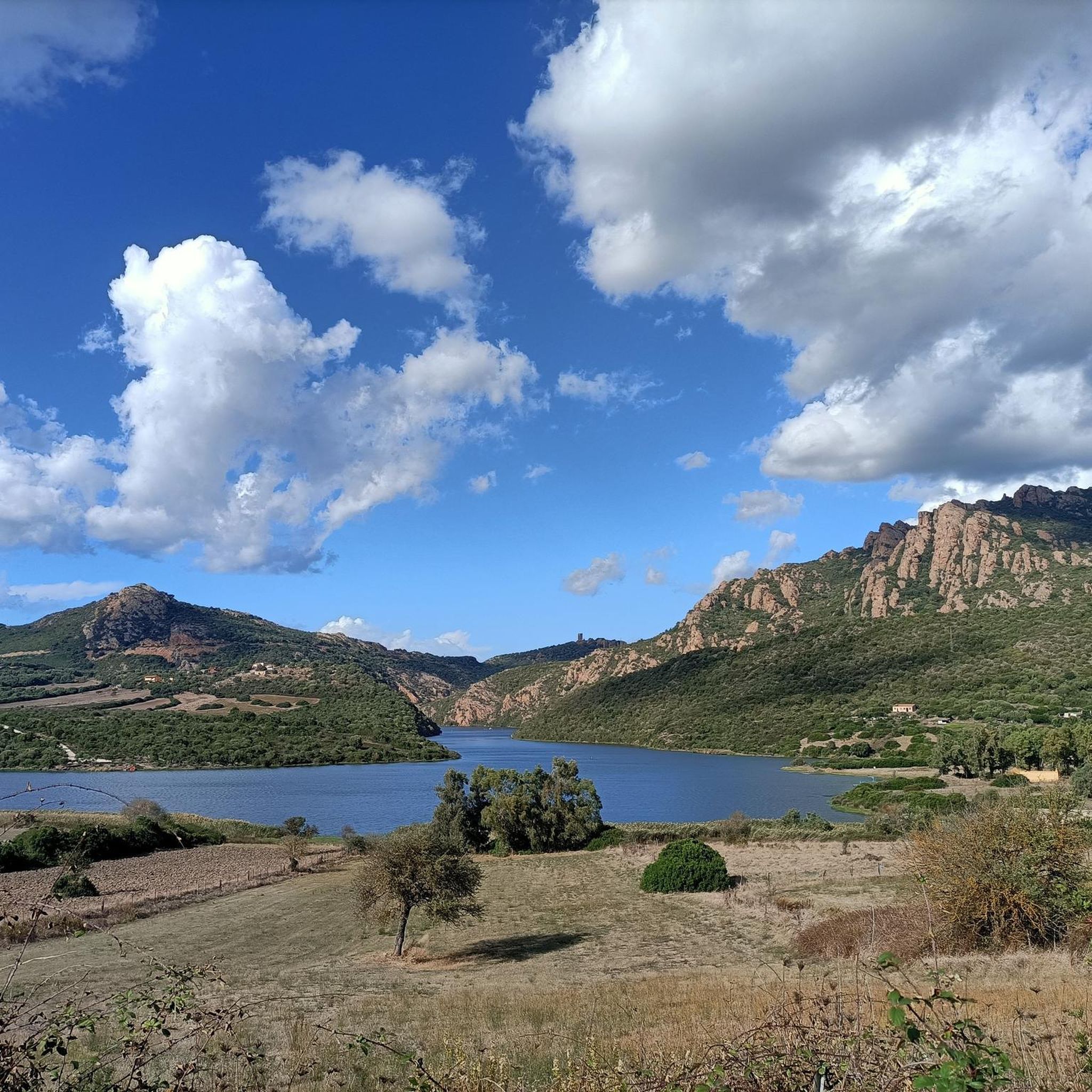
Doria Castle
Highlight • Castle
Translated by Google •
Tip by

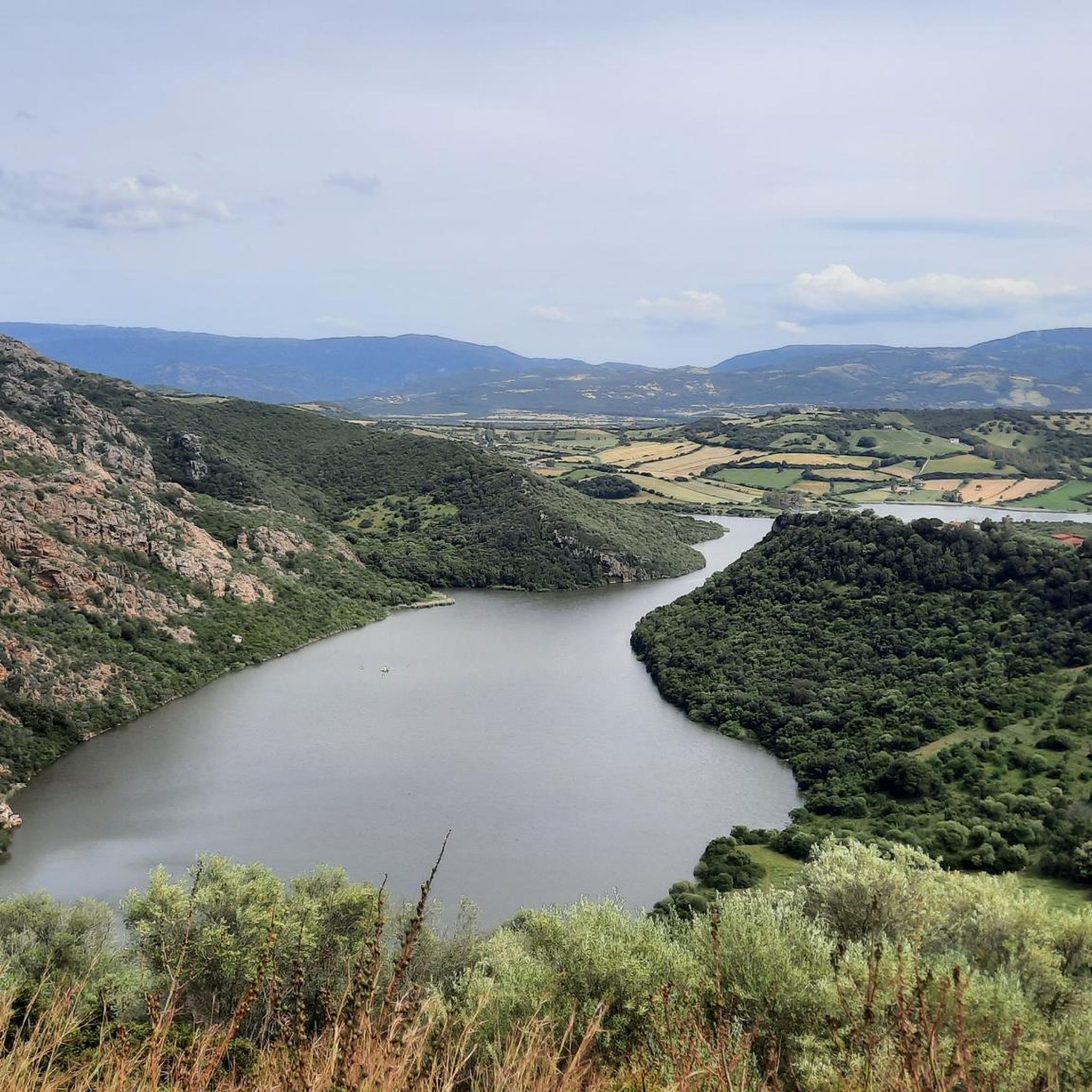
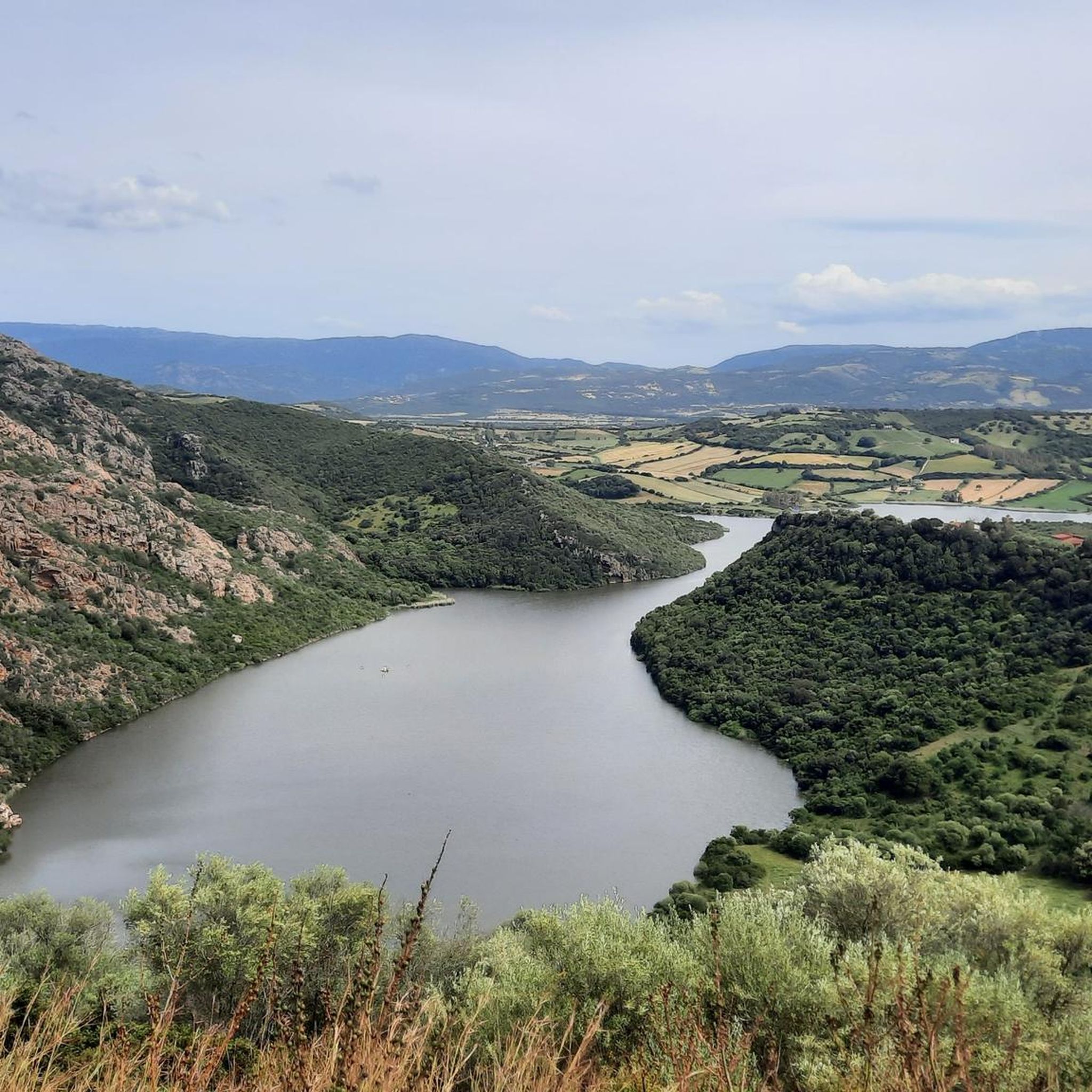
View of Castello dei Doria
Highlight • Viewpoint
Translated by Google •
Tip by

Start today with a free account
Your next adventure awaits.
Login or Signup
Popular around Cuzina/Santa Maria Coghinas

Tips from the Community

Two years ago I took my MTB on vacation and went from Valledoria to Castelsardo coast coast…. A challenging route, even though I was not an expert I did it, but slowly and with the beauty of the landscape it repays the effort! On the way back I went through the state road… easier but still a state road!
0
0

For less enthusiastic walkers, there is also a road that leads almost up to the top with spacious parking.
1
0
The Castel Doria can be reached on a well-marked path starting at the thermal hotel.
1
0

Parking is a good starting point as there is video surveillance and the police station is about 300 m away....
0
0
Frequently Asked Questions
What is the main castle to visit directly in Santa Maria Coghinas?
The primary castle in the immediate vicinity of Santa Maria Coghinas is the Doria Castle, also known as Casteldoria. Perched on a granite hill overlooking the Coghinas River and Lake Casteldoria, this medieval fortress offers a compelling glimpse into the region's past. While much of the original structure is in ruins, a well-preserved, twenty-meter-high pentagonal tower remains a prominent feature.
How can I access Casteldoria (Doria Castle) in Santa Maria Coghinas?
You can reach the Doria Castle via a well-marked path starting at the thermal hotel. For those who prefer less walking, there is also a road that leads almost up to the top, complete with spacious parking facilities.
Are there other significant castles near Santa Maria Coghinas worth visiting?
Yes, Northern Sardinia boasts other notable fortifications linked to the Doria family and the region's history. The majestic Castelsardo Castle is a must-see, located in one of Italy's most beautiful villages. You can also enjoy a View of Castelsardo from various points, offering stunning panoramas of the medieval fortress and the surrounding area.
What kind of historical significance does Casteldoria hold?
The Doria Castle was constructed around the 12th century by the powerful Genoese Doria family. It played a crucial role in the region's tumultuous history, changing hands between various powers like the Genoese, Aragonese, and the Giudicato of Arborea. The castle is also steeped in local myths and legends, some recounted by Nobel laureate Grazia Deledda.
What kind of views can I expect from the castles in this region?
From Casteldoria, you can enjoy panoramic views over the Anglona region and the Coghinas River valley. The Castelsardo Castle offers breathtaking vistas of the coastline and the charming medieval village below, making it a popular spot for photography and sightseeing.
Are there family-friendly activities at the castles around Santa Maria Coghinas?
Yes, Doria Castle is categorized as family-friendly, offering an engaging historical experience for all ages. Exploring the ruins and imagining its past can be an exciting adventure for children. Additionally, the medieval village surrounding Castelsardo Castle provides charming alleys and a museum that can entertain families.
What outdoor activities can I do near these castles?
The area around Santa Maria Coghinas offers various outdoor activities. You can find numerous hiking trails, including an easy 6.6 km loop from Vidda Eccia/Viddalba to the Hot Spring at Casteldoria. For cyclists, there are cycling routes and traffic-free bike rides, such as a moderate 33.5 km loop around the Coghinas River Delta from Cuzina/Santa Maria Coghinas.
What do visitors enjoy most about Castelsardo Castle?
Visitors frequently praise Castelsardo Castle for being located in one of the most beautiful villages in Italy. The walk through the alleys to explore the medieval fortress is highly recommended, and the castle itself is described as a marvel with a museum worth visiting. The panoramic views from the top are also a major highlight.
Are there any natural features to explore near Casteldoria?
Yes, Casteldoria is situated on a granite hill overlooking a fertile valley irrigated by the Coghinas River and Lake Casteldoria. The area is also known for its therapeutic thermal waters, with the Romans having built a significant bath complex here. The natural landscape provides a beautiful backdrop for exploring the castle ruins.
What is the best time of year to visit the castles in this region?
While specific recommendations vary, visiting during spring (April-May) or autumn (September-October) generally offers pleasant weather for exploring the outdoor ruins and medieval villages without the intense summer heat or larger crowds. This allows for comfortable walks and enjoying the panoramic views.
Most popular routes around Cuzina/Santa Maria Coghinas
Most popular attractions around Cuzina/Santa Maria Coghinas

Get inspired with the komoot mobile app


Explore more
Looking for the best castles somewhere else? Discover other guides around Cuzina/Santa Maria Coghinas:
