The best hikes from bus stations in Mt. Baker-Snoqualmie National Forest
4.7
(1008)
22,767
hikers
16
hikes
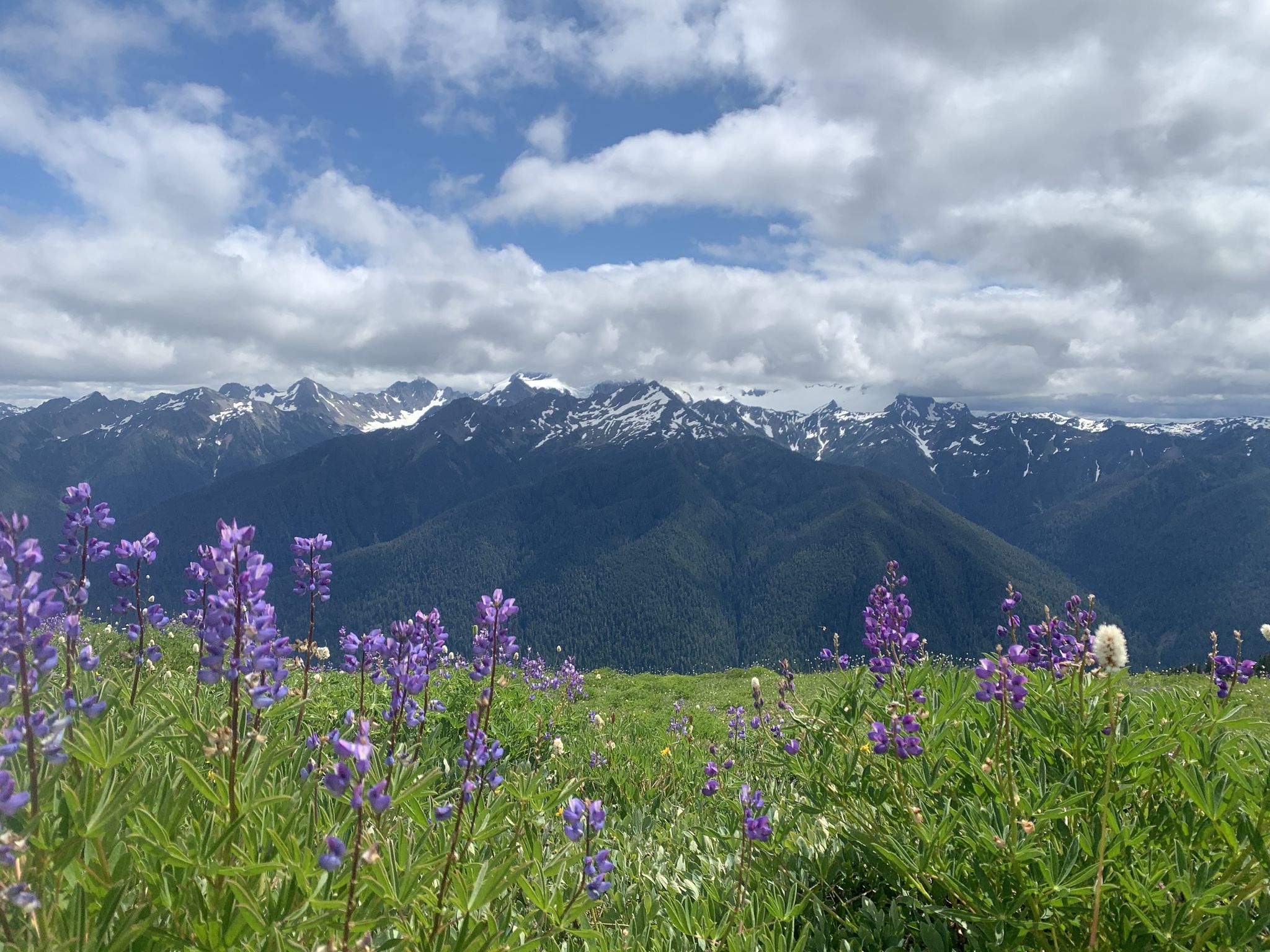
Bus station hiking trails in Mt. Baker-Snoqualmie National Forest traverse a diverse landscape on the western slopes of Washington's Cascade Mountain Range. This region spans over 1.7 million acres, featuring glacier-covered peaks, dense old-growth forests, and lowland river deltas. The terrain is characterized by towering mountains like Mount Baker and Glacier Peak, alongside numerous cascading waterfalls, wild rivers, and over 700 glacial and alpine lakes.
Best bus station hiking trails in Mt. Baker-Snoqualmie National Forest
- The most popular bus station…
Last updated: July 8, 2026
14
hikers
7.29km
02:06
190m
190m
Moderate hike. Good fitness required. Easily-accessible paths. Suitable for all skill levels.
5.0
(1)
19
hikers
10.4km
03:26
410m
410m
Moderate hike. Good fitness required. Mostly accessible paths. Sure-footedness required.

Sign up for free
15
hikers
21.5km
08:37
1,070m
1,070m
Hard hike. Very good fitness required. Mostly accessible paths. Sure-footedness required.
6
hikers
27.7km
10:13
1,090m
1,090m
Hard hike. Very good fitness required. Mostly accessible paths. Sure-footedness required.
2.11km
00:32
10m
10m
Easy hike. Great for any fitness level. Easily-accessible paths. Suitable for all skill levels.
Get access to more routes and recommendations from other explorers.
Sign up for free
Already have an account?
Our route recommendations are based on thousands of hikes, rides, and runs completed by other people on komoot.
Start today with a free account
Your next adventure awaits.
Login or Signup
Popular around Mt. Baker-Snoqualmie National Forest

Other adventures in Mt. Baker-Snoqualmie National Forest


Tips from the Community

The Historic Snoqualmie Depot, part of the National Register of Historic Places, is Washington's longest operating train depot. The museum features railroad history exhibits and a lovely bookstore and gift shop. It is free to visit and open 7 days a week (closed Thanksgiving, Christmas Day, and New Year's Day).
0
0

This is a particularly beautiful section of the PCT that leads you up to Kendall Peak. It is worth a small detour off the trail to get to the peak to enjoy the wonderful view.
0
0
The Northern Pacific Railway Steam Rotary Snowplow No. 10 is a rare steam-driven snowplow constructed in 1907 by the American Locomotive Company in Schenectady, New York. This snowplow efficiently cleared the snow on Stampede Pass from 1907 until 1964. Although its original wooden body was replaced with steel in the 1950s, the cutting blades and rotating scoops that effectively flung the snow clear of the tracks are still the original components.
0
0
This massive log was cut in 1976 after being struck by lightning. Its seedling dates back to 1576, and it was brought to this location by railroad in 1979. It is an exhibit to help people understand the challenges and opportunities the forest has provided to our ancestors who worked in the woods or mills to construct homes and businesses. It is a great spot to stop and reflect on its history and the importance it brings to the community.
0
0
The Historic Snoqualmie Depot, part of the National Register of Historic Places, is Washington's longest operating train depot. The museum features railroad history exhibits and a lovely bookstore and gift shop. It is free to visit and open 7 days a week (closed Thanksgiving, Christmas Day, and New Year's Day).
0
0

About 0.24 mile below the summit of Mount Si, this viewpoint on the Mt. Si Trail offers sweeping views of the Snoqualmie Valley through the trees. There are some boulders in the way of the view, but some will scramble around to see the view. Be careful, as veering off trail can be unsafe. The best views are close, at the summit!
1
0

The falls, when running at peak, give off a pretty heavy spray so rain gear is a good idea if you want to get close. During lower flow periods there is more room to roam by the base of the falls. In the wintertime this also makes an excellent destination for an easy snowshoe, though hikers are well-advised to not venture to the splash pool in icy conditions. The falls run year round and the incredible icicle formations along the rock face around the falls are spectacular. This trail is closed for the summer of 2023 for construction. Check Forest Service website prior to making the trek: https://www.fs.usda.gov/recarea/mbs/recreation/recarea/?recid=17980&actid=50
0
0

The Boulder Garden Trail takes you through just what the name describes: A series of massive stone boulders popping out of the lush greenery, almost as if they'd been planted there.
1
0
Frequently Asked Questions
How many bus station hiking trails are available in Mt. Baker-Snoqualmie National Forest?
There are 12 curated hiking routes in Mt. Baker-Snoqualmie National Forest that are accessible from bus stations. These routes offer a range of difficulties, from easy strolls to challenging ascents, ensuring options for various fitness levels.
Are there any easy, family-friendly hikes accessible by bus?
Yes, several routes are suitable for families looking for an easier experience. The South Fork Snoqualmie River – Snoqualmie Valley Trail loop from North Bend is an easy option, offering a gentle path along the river. Another great choice is the Centennial Trail, which is also rated easy and provides a pleasant walk.
What kind of natural attractions can I expect to see along these bus-accessible trails?
The Mt. Baker-Snoqualmie National Forest is rich in natural beauty. Many bus-accessible trails lead to stunning waterfalls and serene lakes. For example, the Franklin Falls loop from Snoqualmie Pass takes you to the beautiful Franklin Falls. Other notable waterfalls in the region include Bridal Veil Falls and Deception Falls, while Annette Lake offers a picturesque alpine setting.
Are there any challenging hikes for experienced trekkers that I can reach by bus?
Absolutely. For those seeking a more strenuous adventure, the Little Si Trail Viewpoint – Mount Si Viewpoint loop from Tanner offers a difficult, rewarding climb with expansive views. Another demanding option is the Teneriffe Falls – Mount Teneriffe loop from Riverpoint, which features significant elevation gain and impressive waterfalls.
What is the best time of year to hike these bus-accessible trails?
The best time to hike in Mt. Baker-Snoqualmie National Forest is typically from late spring through early fall (May to October). During these months, trails are generally snow-free, wildflowers are in bloom, and the weather is most favorable. Some lower elevation trails may be accessible earlier or later, but always check current conditions, especially for higher mountain passes.
What do other hikers enjoy most about the bus-accessible trails in Mt. Baker-Snoqualmie National Forest?
The komoot community highly rates the trails in this region, with an average score of 4.7 stars from over 970 ratings. Hikers frequently praise the stunning mountain vistas, the abundance of waterfalls, and the diverse landscapes ranging from dense old-growth forests to alpine meadows. The convenience of accessing these natural wonders via public transport is also a significant highlight for many.
Are there any circular routes available from bus stations?
Yes, several of the bus-accessible routes are designed as loops, allowing you to start and end at the same point without needing to retrace your steps. Examples include the Franklin Falls loop from Snoqualmie Pass and the Little Si Trail Viewpoint – Mount Si Viewpoint loop from Tanner, providing varied scenery throughout your journey.
What towns are good bases for accessing these bus station hikes and offer amenities?
Towns like North Bend, Glacier, Skykomish, and Darrington serve as excellent hubs for exploring the Mt. Baker-Snoqualmie National Forest. They offer various amenities such as cafes, pubs, and accommodation, making them convenient starting points for bus-accessible adventures. North Bend, for instance, is a gateway to several trails, including the South Fork Snoqualmie River – Snoqualmie Valley Trail loop.
Can I expect to see wildlife on these trails?
The Mt. Baker-Snoqualmie National Forest is home to diverse wildlife. While sightings are never guaranteed, hikers might encounter various bird species, deer, and smaller mammals. The extensive wilderness areas within the forest also support larger animals like bears and mountain goats, though these are less commonly seen on popular trails. Always practice Leave No Trace principles and maintain a safe distance from any wildlife.
What should I consider regarding weather when planning a bus-accessible hike?
Weather in the Cascade Mountains can change rapidly. Even in summer, be prepared for varying conditions, including rain and cooler temperatures at higher elevations. Always check the forecast before heading out and pack appropriate layers, rain gear, and sufficient water and snacks. Winter hiking on some trails may require snowshoes or other specialized gear, and bus schedules might be reduced.
Most popular routes in Mt. Baker-Snoqualmie National Forest
Most popular attractions in Mt. Baker-Snoqualmie National Forest

Get inspired with the komoot mobile app


Explore more
Browse the best Hikes in other regions.
