The best traffic-free bike rides around Las Marismas
4.8
(4)
102
riders
27
rides
No traffic gravel bike trails around Las Marismas are characterized by extensive wetland regions, primarily the flat, open marshlands of the Guadalquivir estuary in Andalusia and the tidal marshes of Cantabria. This landscape includes shallow streams, a network of creeks, and agricultural lands, particularly rice fields, offering unique terrain for gravel biking. The region also features pine and oak forests, olive groves, and paths alongside the Guadalquivir River and its tributaries. These varied environments provide a mix of smooth gravel…
Last updated: July 7, 2026
9
riders
40.8km
02:45
190m
190m
Moderate gravel ride. Good fitness required. Mostly paved surfaces. Suitable for all skill levels.
12
riders
55.7km
03:46
250m
250m
Moderate gravel ride. Good fitness required. Mostly paved surfaces. Suitable for all skill levels.

Sign up for free
9
riders
52.6km
04:09
260m
260m
Moderate gravel ride. Good fitness required. Mostly paved surfaces. Suitable for all skill levels.
5.0
(1)
10
riders
Moderate gravel ride. Good fitness required. Mostly paved surfaces. Suitable for all skill levels.
5.0
(1)
7
riders
44.9km
03:45
110m
110m
Hard gravel ride. Good fitness required. You may need to push your bike for some segments of this route.
Get access to more routes and recommendations from other explorers.
Sign up for free
Already have an account?
Our route recommendations are based on thousands of hikes, rides, and runs completed by other people on komoot.
Start today with a free account
Your next adventure awaits.
Login or Signup
Popular around Las Marismas

Traffic-free bike rides in Bajo Guadalquivir

Traffic-free bike rides around La Puebla Del Río
Traffic-free bike rides around Aznalcázar

Traffic-free bike rides in Pinares De Aznalcázar

Traffic-free bike rides around Villamanrique De La Condesa
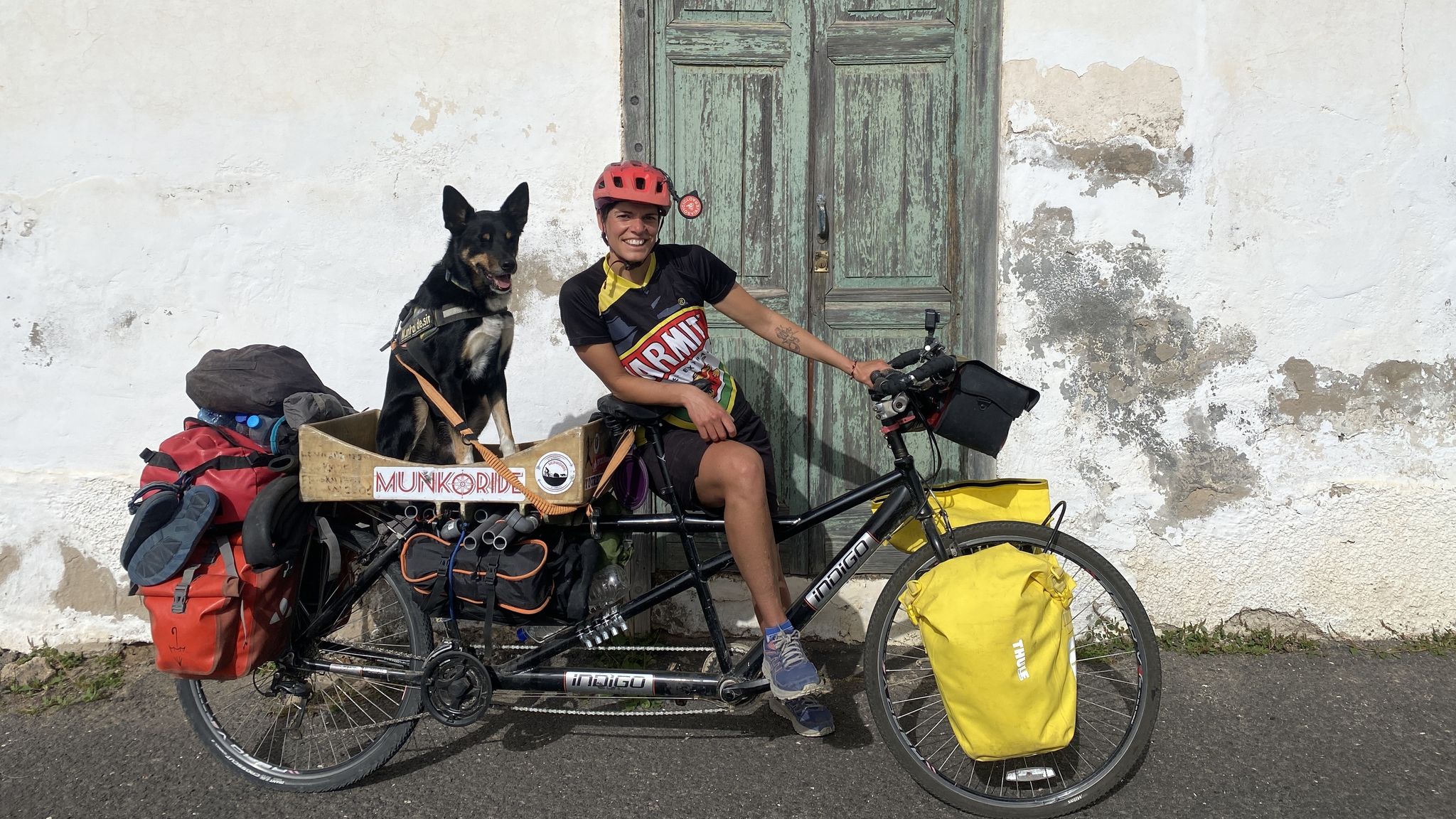
A winter getaway along the greenways of Andalusia in Spain

Traffic-free bike rides around Las Marismas

Traffic-free bike rides around Las Marismas
Other adventures around Las Marismas

Tips from the Community

A beautiful crossroads over the Guadiamar River, it invites you to keep walking until the end!
1
0
For me, the best way to get to Seville is through its history…
3
0

Iron bridge that connects the town of Seville with San Juan de Aznalfarache by bicycle.
3
0

The best option to go up to Aljarafe and the Merida highway area
2
1

The aim of the Green Corridor is to contribute to the creation of an authentic network of free spaces, articulated and structured with the system of settlements and communications in the metropolitan area of Seville, where cattle paths play a fundamental role as physical and ecological support. With the construction of this Corridor, the recovery of landscapes and the construction of cycle paths will be carried out. The peri-urban park of Corchuela is connected to the urban settlements of Seville, Los Palacios, Dos Hermanas, Coria del Río, Santiponce, Camas and Alamillo Park. Bicycle transport is encouraged without detracting from the important recreational tourist use, both for its landscape quality and for the cultural and architectural heritage associated with it.
5
0
View of the Edificio Torretriana, an administrative building of the Junta de Andalucia, built in 1993. It is known for its unique circular shape and color (a yellow tint).
9
0

The Parque Periurbano La Corchuela is a beautiful nature reserve located between Dos Hermanas and Seville, Spain. The park covers approximately 85 hectares and offers a diverse natural environment with different ecosystems, including a valley of encinas (oaks) in the south and a forest of wild olive trees in the north. The park is a popular place for recreation and nature experience, with several hiking trails and cycle routes that lead through the beautiful landscapes. Visitors can enjoy the peace and nature, and there are also educational attractions such as information panels that help identify different plant and animal species.
7
0
Frequently Asked Questions
How many no-traffic gravel bike trails are available in Las Marismas?
There are over 15 dedicated no-traffic gravel bike trails in Las Marismas, ranging from easy to difficult. The majority are moderate, offering a good balance for most riders.
What kind of terrain can I expect on no-traffic gravel routes in Las Marismas?
You can expect largely flat or gently undulating terrain, characteristic of the extensive wetlands and marshlands. Routes often follow tracks through forests, alongside agricultural fields, and along river tributaries. While some areas feature sand dunes, the gravel trails typically stick to firmer ground, offering a unique riding experience through diverse ecosystems.
Are there any family-friendly no-traffic gravel bike trails in Las Marismas?
Yes, the generally flat nature of Las Marismas makes many routes suitable for families. Look for trails marked as 'easy' or 'moderate' with shorter distances. For example, the Corredor del Pudio – Green Corridor of Seville loop from Ciudad Expo offers a pleasant, traffic-free experience through natural landscapes.
Can I bring my dog on the gravel bike trails in Las Marismas?
Many trails in Las Marismas are suitable for cycling with dogs, especially those on wider tracks and away from protected wildlife breeding areas. Always keep your dog on a leash and ensure they are well-behaved around other cyclists and wildlife. Check local regulations for specific areas, particularly within natural parks like Doñana, where restrictions might apply to protect sensitive ecosystems.
What are the best times of year to go gravel biking in Las Marismas to avoid traffic and enjoy good weather?
The best times are typically spring (March to May) and autumn (September to November). During these seasons, temperatures are milder, and the natural landscape is vibrant. Summer can be very hot, making midday rides challenging, while winter can bring more rain, though many trails remain rideable. These shoulder seasons also generally see fewer visitors, contributing to a more tranquil, traffic-free experience.
Are there any circular no-traffic gravel routes in Las Marismas?
Yes, many of the no-traffic gravel routes in Las Marismas are designed as loops, allowing you to start and finish at the same point. An example is the Gravel loop from Hinojos, which offers a scenic circular journey through the region's unique landscapes.
What interesting natural features or viewpoints can I see along these no-traffic gravel trails?
Las Marismas is rich in natural beauty. You can expect to see extensive marshlands, diverse birdlife, and unique wetland ecosystems. Specific viewpoints and attractions include the Hut with views of the lagoon, the Laguna Dehesa de Abajo Viewpoint, and the Lagoon Bird Observatory, all offering excellent opportunities for birdwatching and enjoying the serene landscape.
Are there facilities like visitor centers or cafes near the no-traffic gravel trails?
Yes, you can find facilities in and around the trailheads. For instance, the Dehesa de Abajo Visitor Center (Puebla del Río) is a good starting point, offering information and amenities. Many routes also pass near towns or villages where you can find cafes and other services.
How can I access the no-traffic gravel trails in Las Marismas using public transport?
Access to some trailheads is possible via public transport, particularly those closer to larger towns like Seville. However, for many of the more remote, traffic-free routes deep within the Marismas, public transport options might be limited. It's advisable to check local bus schedules to specific villages or consider a combination of public transport and a short taxi ride to reach your desired starting point.
What do other gravel bikers enjoy most about the no-traffic routes in Las Marismas?
The komoot community highly rates the gravel biking experience in Las Marismas, with an average score of 4.3 stars. Reviewers often praise the tranquility of the traffic-free routes, the unique flat landscapes perfect for long rides, and the abundant opportunities for birdwatching and wildlife spotting in this significant wetland region.
Are there any specific protected areas I should be aware of when gravel biking in Las Marismas?
Yes, a significant portion of Las Marismas del Guadalquivir falls within the Doñana National Park, a UNESCO World Heritage Site. This area is crucial for migratory birds and endangered species like the Iberian lynx. While many gravel trails skirt or pass through buffer zones, always respect marked paths, avoid disturbing wildlife, and be aware of any specific access restrictions or permits required for certain sensitive areas.
What is the typical difficulty level of the no-traffic gravel bike trails?
The majority of no-traffic gravel bike trails in Las Marismas are rated as 'moderate'. This means they are suitable for riders with some experience, featuring manageable distances and minimal elevation changes. There are also 'easy' options for beginners and a few 'difficult' routes for those seeking a greater challenge.
Most popular routes around Las Marismas
Most popular attractions around Las Marismas

Get inspired with the komoot mobile app


Didn’t find what you were looking for?
Check out more Gravel rides throughout Las Marismas below and find the perfect route in your destination.
Explore more
Browse the best Gravel rides in other regions.
