The best traffic-free bike rides around La Mancha
4.3
(25)
3,016
riders
11
rides
Road cycling around La Mancha offers diverse terrain across the heart of Spain, characterized by vast plains, undulating hills, and river valleys. The region features quiet roads that traverse agricultural lands, extensive vineyards, and areas with iconic windmills. Cyclists can explore varied landscapes, from the flat expanses ideal for longer rides to more challenging routes through areas like the Montes de Toledo. This blend of topography provides a range of no traffic road cycling routes suitable for different skill levels.
…Last updated: July 7, 2026
8
riders
50.8km
02:05
240m
240m
Moderate road ride. Good fitness required. Mostly well-paved surfaces and easy to ride.
30
riders
65.8km
03:19
1,090m
1,090m
Hard road ride. Very good fitness required. Mostly well-paved surfaces and easy to ride.

Sign up for free
5.0
(2)
26
riders
89.2km
05:16
580m
580m
Hard road ride. Very good fitness required. Some segments of this route may be unpaved and difficult to ride.
11
riders
49.8km
02:00
230m
230m
Moderate road ride. Good fitness required. Mostly well-paved surfaces and easy to ride.
18
riders
41.6km
01:43
180m
180m
Easy road ride. Great for any fitness level. Mostly well-paved surfaces and easy to ride.
Get access to more routes and recommendations from other explorers.
Sign up for free
Already have an account?
Our route recommendations are based on thousands of hikes, rides, and runs completed by other people on komoot.
Start today with a free account
Your next adventure awaits.
Login or Signup
Popular around La Mancha

Traffic-free bike rides around Consuegra

Traffic-free bike rides around Madridejos

Traffic-free bike rides around Villafranca De Los Caballeros
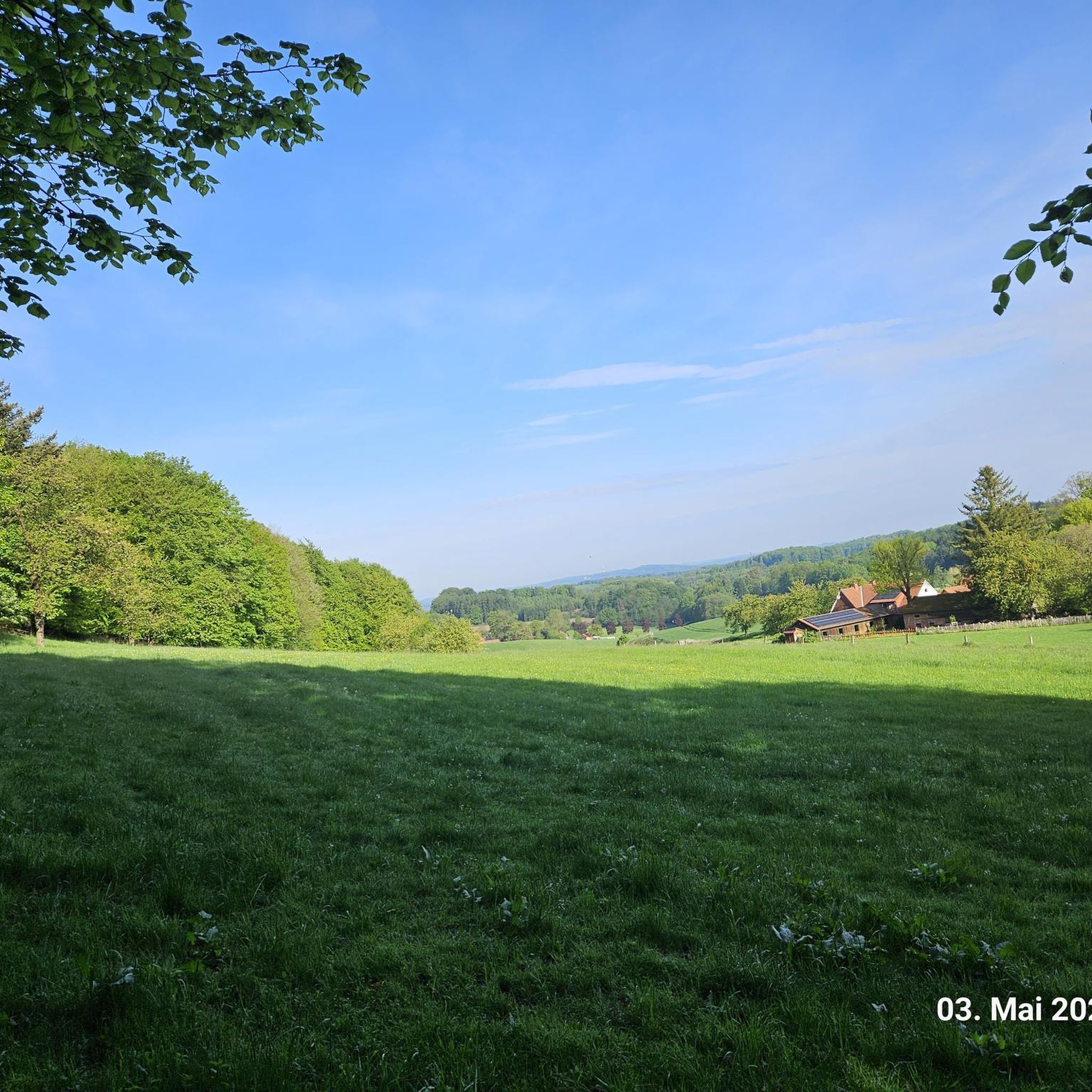
Traffic-free bike rides around Camuñas
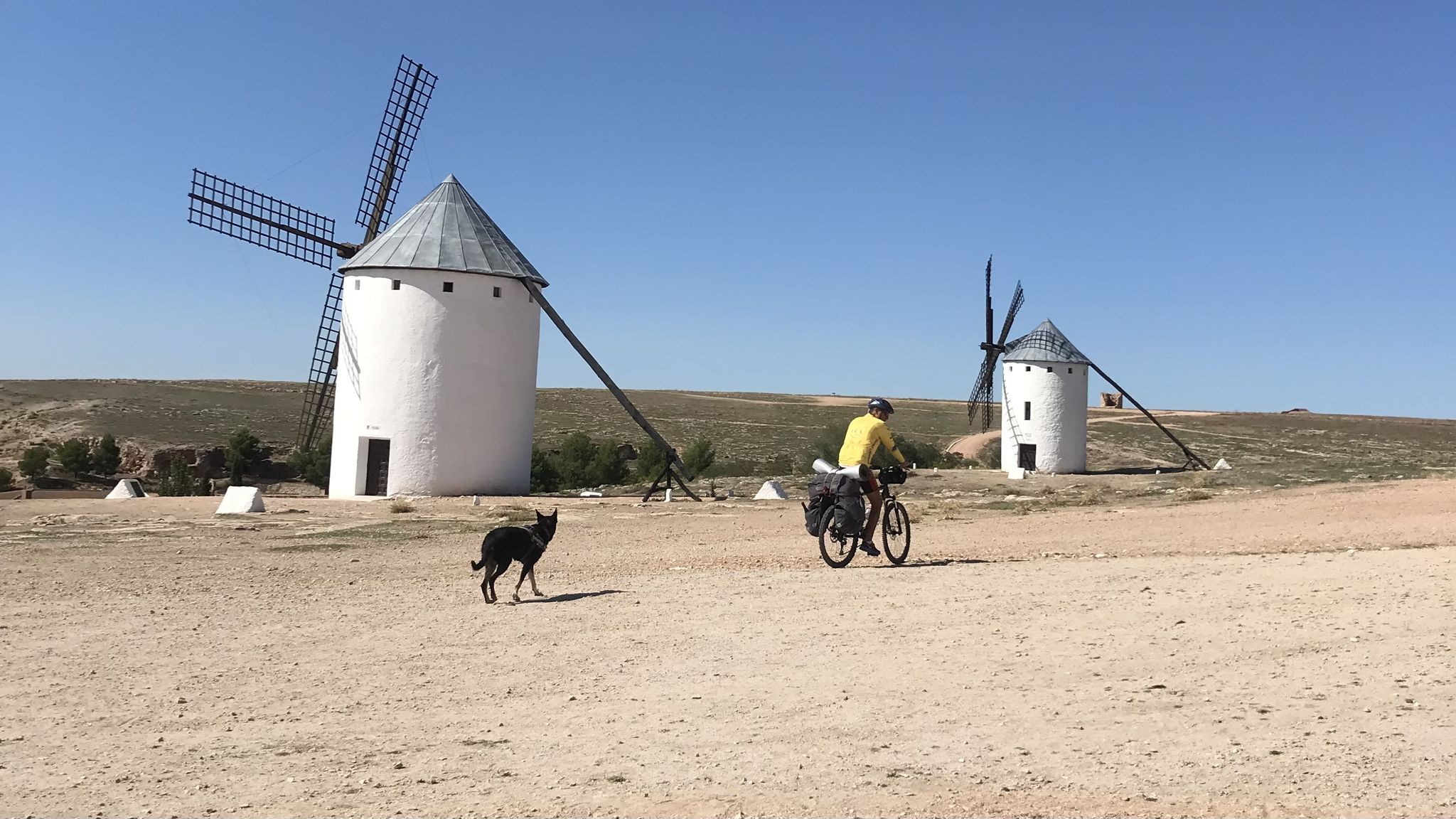
Don Quixote's route – The knight of the sorry face
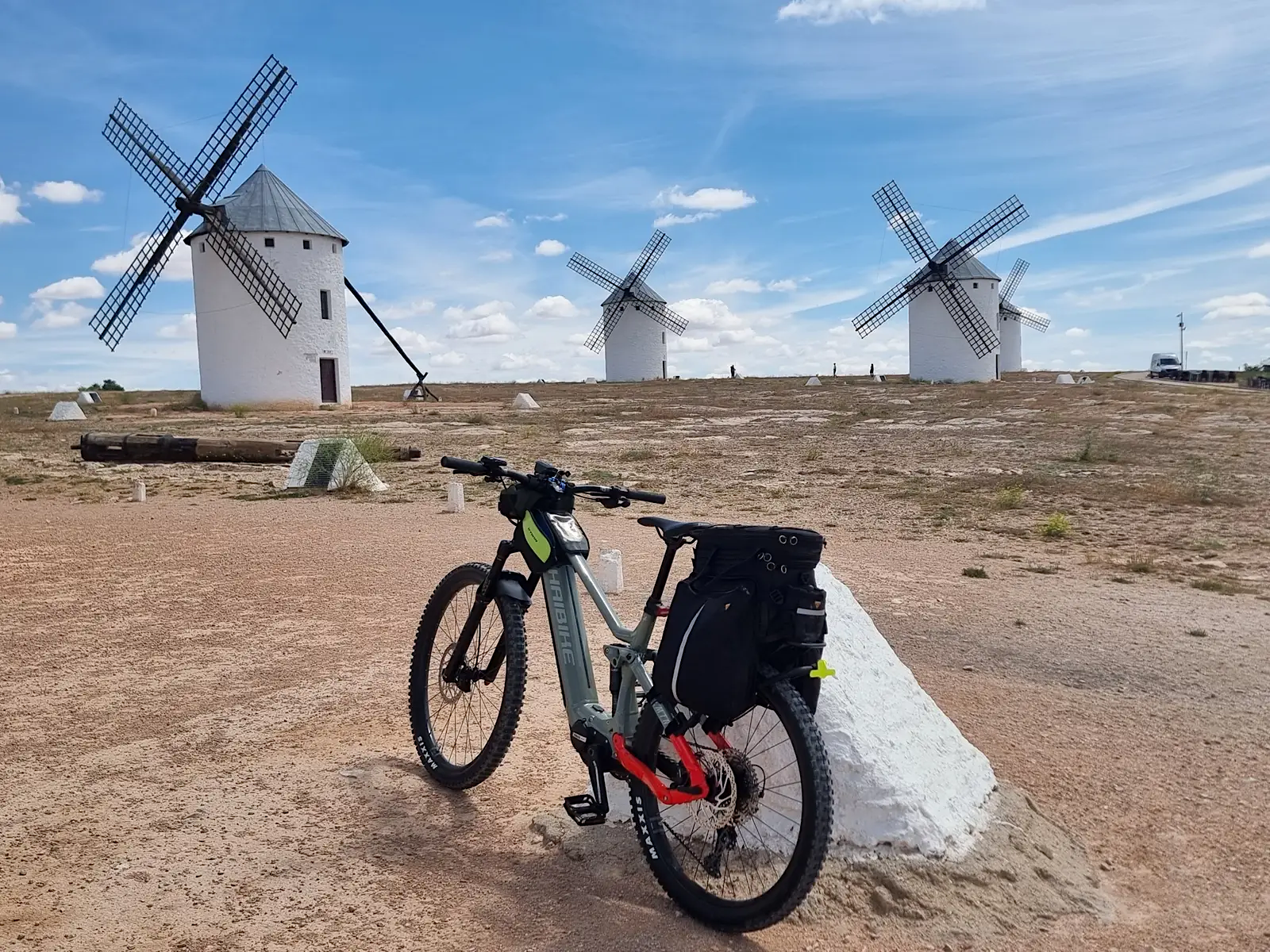
Route of Don Quixote – cycling between rivers, lagoons and hills
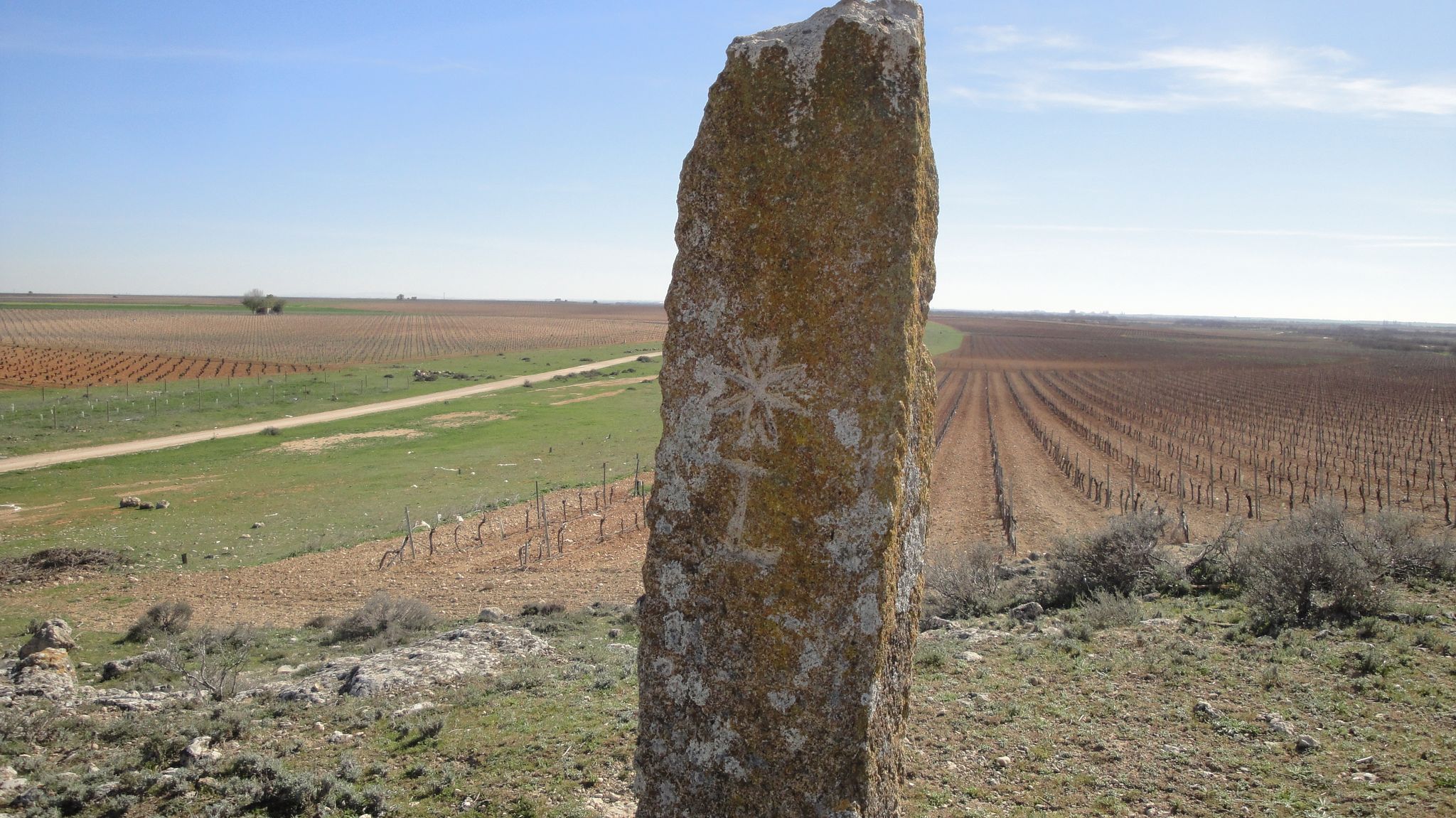
The Reconquest of La Mancha on Foot - Camino Natural del río Riánsares
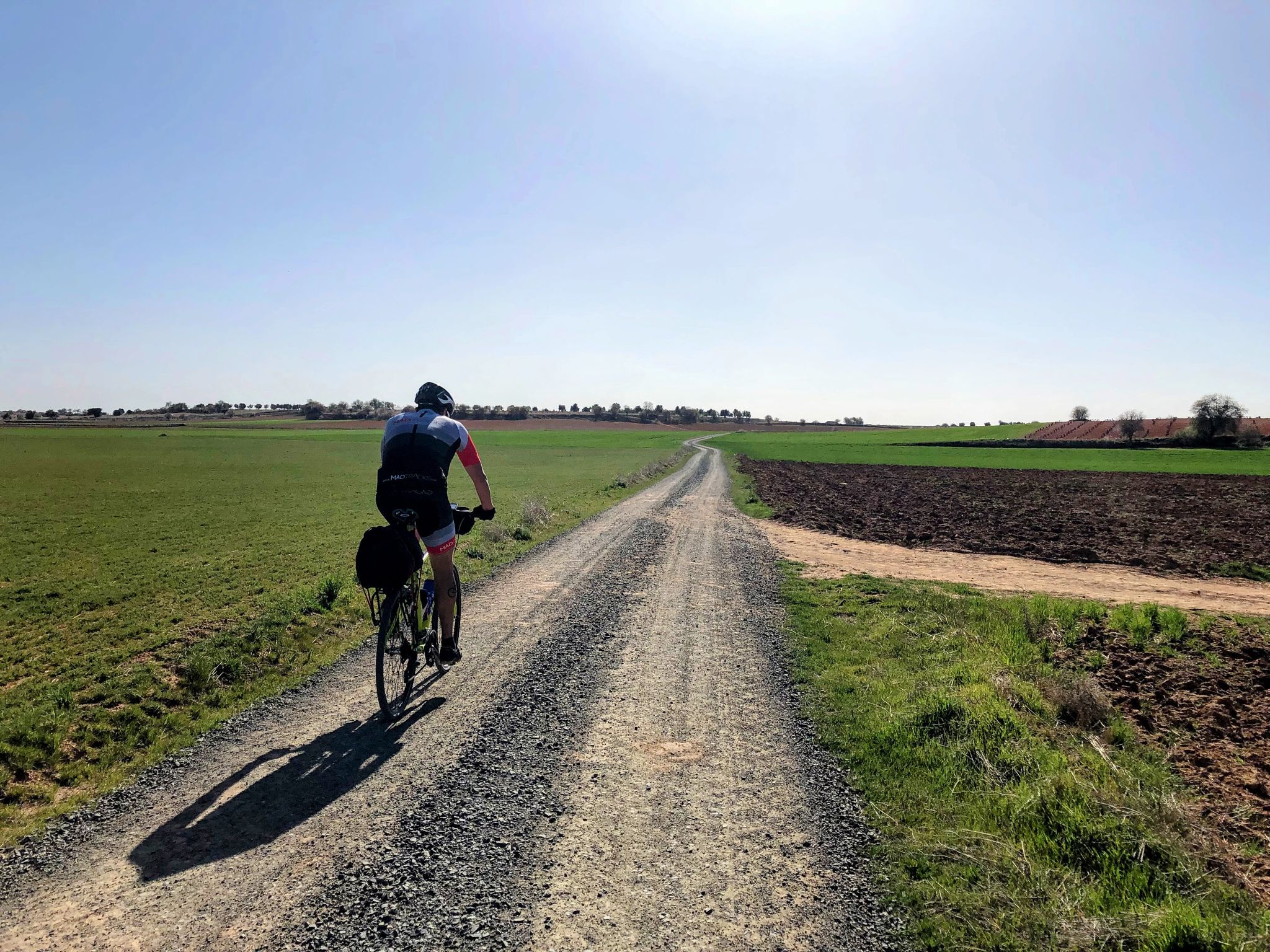
In search of the coast – Madrid to Puerto de Mazarrón
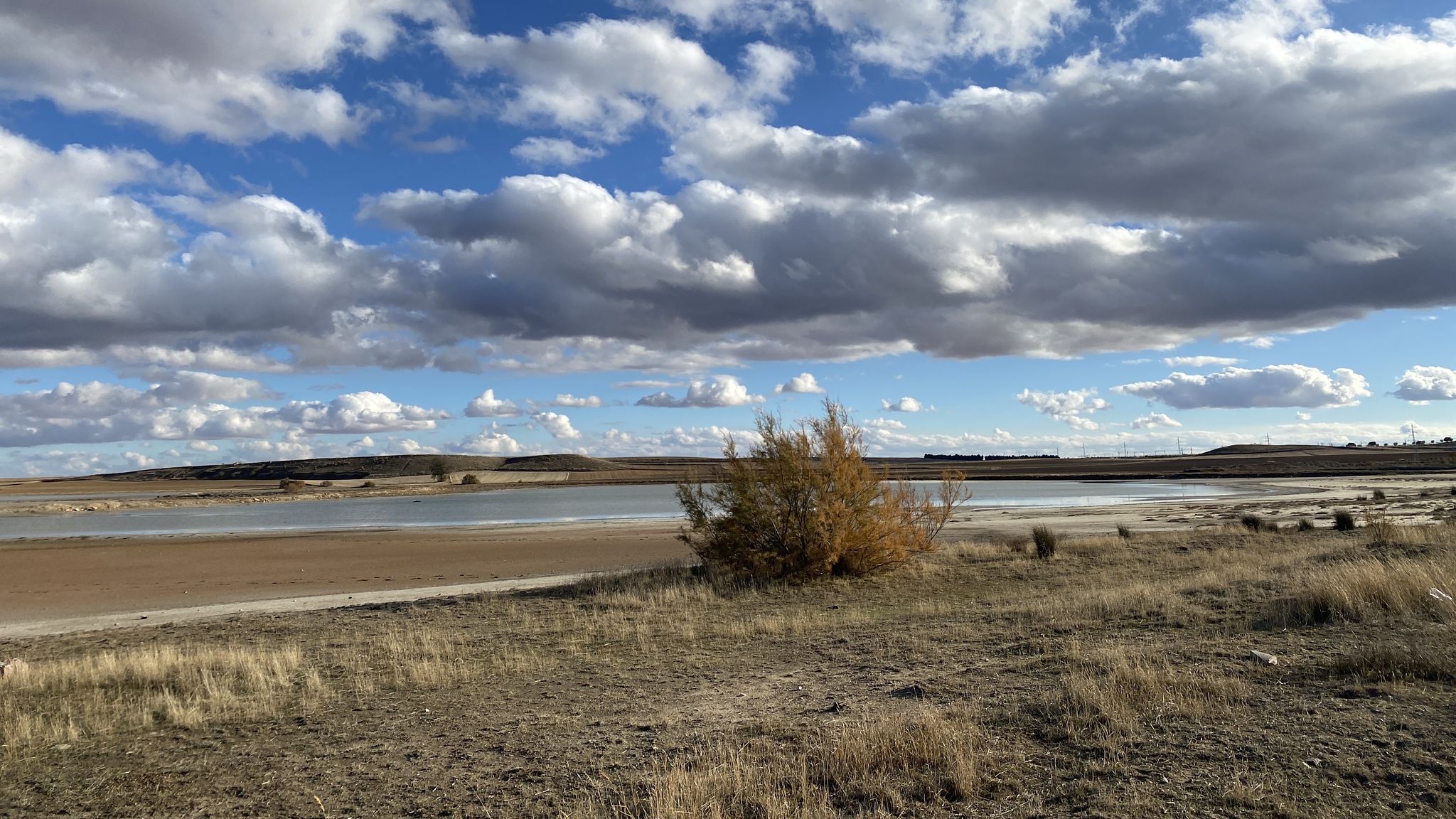
An adventure through La Mancha’s wetlands – discover an oasis
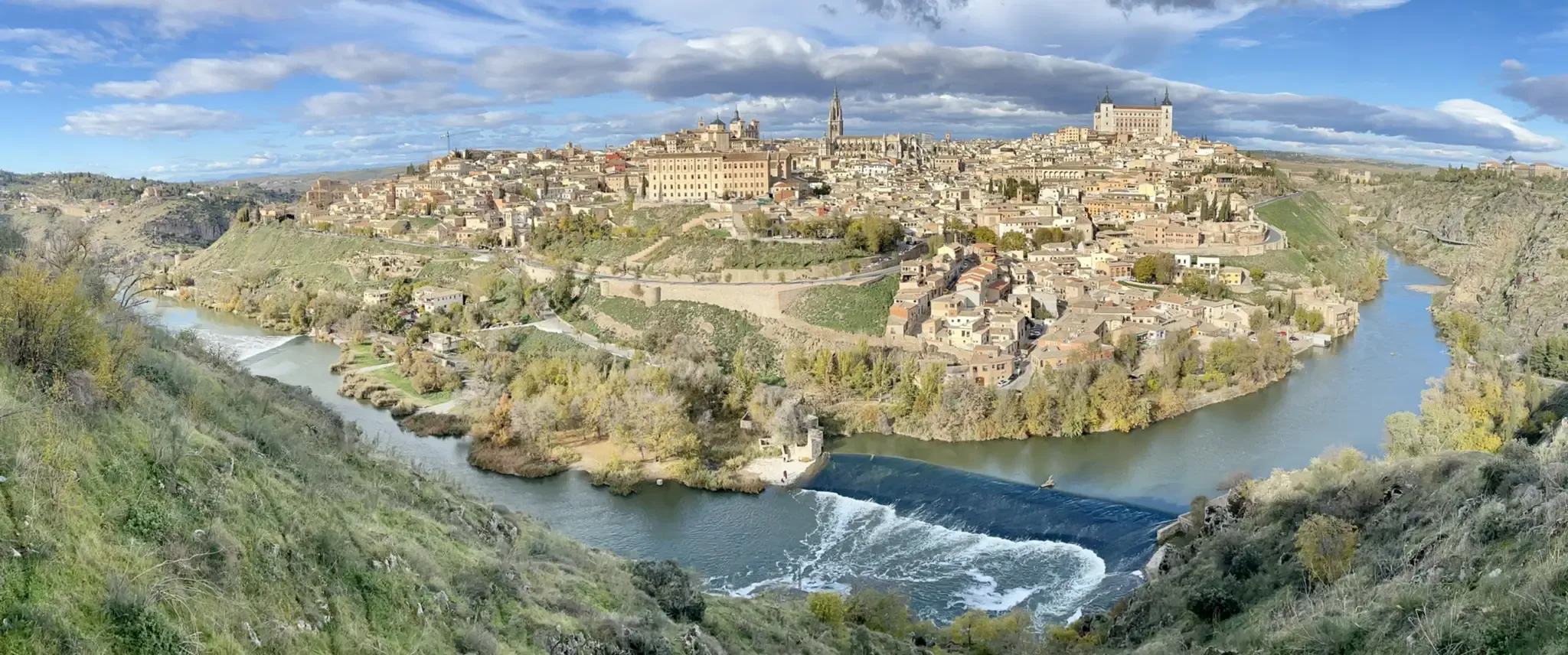
A journey to the interior of the Iberian Peninsula – Levante Way (GR 239)
Other adventures around La Mancha


Tips from the Community

Alcázar de San Juan is one of the most interesting destinations in the heart of La Mancha, with a blend of history, heritage, nature, and Cervantine traditions. Its name comes from the Military Order of Saint John, which dominated the area after the Reconquista. It claims to be the birthplace of Miguel de Cervantes, as the baptismal font where, according to some studies, the writer was baptized is preserved in the Collegiate Church of Santa María la Mayor. It was an important railway junction and economic center in the 19th and 20th centuries, which shaped its urban development.
10
0
The Church of Santa Quiteria in Alcázar de San Juan (Ciudad Real) is one of the town's most important churches, boasting a rich history and significant architectural value. Origin: Construction began in the second half of the 16th century based on plans by Juan de Herrera, the architect of El Escorial. Execution: The work was directed by Agustín Argüello and completed by Bartolomé Elorriaga in 1604. Style: Renaissance with classical elements.
7
0
The Plaza de España in Alcázar de San Juan (Ciudad Real) is home to one of the city's most representative symbols: the sculpture of Don Quixote and Sancho Panza, a work that pays homage to Cervantes' immortal characters.
0
0
The Grand Prior's Tower is one of the most emblematic monuments of Alcázar de San Juan (Ciudad Real) and forms part of the Grand Prior's Palace Complex, linked to the Order of Saint John. Built in the 13th century on the remains of the old Muslim citadel, during the Almohad period. Reconquest: It became part of the palace of the Grand Priors of Castile and León of the Hospitaller Order of Saint John of Jerusalem. Expansions: In 1618, under Philip III, a floor was added with windows and plaster ribbed vaults.
8
0

After the tourist office...a beautiful mill to visit inside...with a video explaining its wonderful mechanism.
1
0

A work of military architecture that the Knights of the Order of Saint John of Jerusalem built after Alfonso VIII ceded the old fortifications and the district of Consuegra to the Order. The castle underwent transformations, renovations, and restorations, and its uses adapted to the needs and sociopolitical changes of the time. It enjoyed its splendor during the 13th and 15th centuries, and although it remained inhabited, it suffered a gradual but inexorable process of abandonment until its final decline with the confiscation of church property by Mendizábal in the 19th century. Finally, thanks to the will and perseverance of the inhabitants of Consuegra, the castle was gradually restored to return it to its former splendor. It can be visited Monday through Sunday from 10:00 a.m. to 2:00 p.m. and from 4:00 p.m. to 6:30 p.m.
2
1
This municipality is located in the La Mancha region, between the first foothills of the Montes de Toledo and the vast La Mancha plain. It is known for its cultural and natural heritage, including the Ojos del Guadiana site, the source of the Guadiana River. It also shares the Tablas de Daimiel National Park, an important wetland, with the neighboring municipality of Daimiel. Villarrubia de los Ojos has a rich history dating back to the Middle Ages, when control of the territory passed from the Order of Saint John of Jerusalem to the Order of Calatrava after the Battle of Las Navas de Tolosa in 1212. The town also boasts an interesting architectural and cultural heritage, including the Hermitage of San Cristóbal and the "San Isidro Labrador" Ethnographic Museum.
15
0
Villarrubia de los Ojos is a charming place to visit! Historic Center: Stroll through its streets and discover the traditional architecture and history of the town. San Isidro Labrador Ethnographic Museum: Learn more about local culture and traditions. Tablas de Daimiel National Park: Just 20 km away, this wetland is perfect for nature lovers. Sanctuary of the Virgin of the Sierra: A place of great religious and cultural significance.
18
0
Frequently Asked Questions
How many no traffic road cycling routes are available in La Mancha?
There are over a dozen dedicated traffic-free road cycling routes in La Mancha, offering a variety of experiences. These routes are carefully selected to provide a peaceful and enjoyable ride away from vehicle traffic.
What is the best time of year to enjoy traffic-free road cycling in La Mancha?
La Mancha offers favorable cycling conditions almost year-round. Spring (March-May) and Autumn (September-November) are ideal, with pleasant temperatures. Summers can be very hot, especially in July and August, so early morning or late afternoon rides are recommended. Winters are mild but can be frosty.
Are there options for different skill levels on these car-free routes?
Yes, the traffic-free routes in La Mancha cater to various skill levels. You'll find several easy routes perfect for a relaxed ride, a good number of moderate options for those seeking a bit more challenge, and at least one difficult route for experienced cyclists looking for significant elevation gains. For a challenging ride, consider the Puerto de los Santos – Villarrubia de los Ojos loop from Urda, which features over 1000 meters of elevation gain.
What do other cyclists say about the traffic-free road cycling routes in La Mancha?
The komoot community highly rates the road cycling experiences in La Mancha, with an average score of 4.5 stars. Reviewers often praise the quiet roads, the diverse landscapes, and the opportunity to explore the region's rich history and natural beauty without the distraction of traffic.
Are there any circular no-traffic road cycling routes in La Mancha?
Many of the traffic-free road cycling routes in La Mancha are designed as circular loops, allowing you to start and finish at the same point. For example, the Fuente el Fresno and Malagón Loop is a moderate circular route covering over 50 km.
What kind of distances can I expect on these no-traffic road cycling routes?
The distances on these routes vary, offering options for different preferences. You can find routes ranging from around 50 km, like the Cabañas de Yepes – Plaza Mayor of Ocaña loop from Estación de Ocaña, to longer rides exceeding 75 km, such as the Ermita de San Antón – Herencia loop from Campo de Criptana.
What scenic viewpoints or natural attractions can I discover along these routes?
La Mancha's traffic-free routes often lead to stunning natural features. You can encounter highlights like the Calderico Hill, famous for its windmills, or the serene Laguna Grande de Villafranca. The region is also home to the beautiful Ruidera Lakes Nature Reserve, a chain of fifteen lakes connected by waterfalls, offering a refreshing change of scenery.
Can I combine my ride with visits to historic sites or cultural landmarks?
Absolutely! La Mancha is steeped in history and culture. Many routes pass through charming villages and near iconic landmarks. You can cycle past the famous windmills of Consuegra, visit historic castles like Consuegra Castle or Almonacid Castle, and explore towns associated with Don Quixote, such as El Toboso. The region's vast vineyards also offer picturesque cultural landscapes.
Are there routes that pass through the famous windmills of La Mancha?
Yes, several routes offer views of or pass directly by the iconic windmills. Areas like Consuegra and Campo de Criptana are particularly known for their clusters of historic windmills, providing fantastic photo opportunities and a unique cultural experience. The Herencia – Ermita de San Antón loop from Campo de Criptana is one such route that brings you close to these famous landmarks.
Are there opportunities for cafe stops or refreshments along the way?
Yes, many of the traffic-free road cycling routes in La Mancha pass through or near small towns and villages. These often have local cafes, bars, or small shops where you can stop for refreshments, a coffee, or a traditional snack, allowing you to experience local hospitality and refuel during your ride.
What are some good options for beginner road cyclists looking for traffic-free paths?
For beginners, look for routes categorized as 'easy'. These typically have less elevation gain and shorter distances, making them perfect for getting started or enjoying a leisurely ride. While specific easy routes are not detailed here, the guide offers 4 such options that provide a gentle introduction to traffic-free cycling in La Mancha.
Most popular routes around La Mancha
Most popular attractions around La Mancha

Get inspired with the komoot mobile app


Didn’t find what you were looking for?
Check out more Road cycling routes throughout La Mancha below and find the perfect route in your destination.
Explore more
Browse the best Road cycling routes in other regions.
