The best hikes from bus stations around Mancha
4.5
(403)
2,537
hikers
24
hikes
Hiking around Mancha offers diverse landscapes, from vast plains and high plateaus to significant mountain ranges like the Sierra de Cuenca and Montes de Toledo. The region is characterized by extensive vineyards, cereal fields, and olive groves, alongside river valleys and canyons carved by the Tagus, Guadiana, and Júcar rivers. Unique wetlands such as Tablas de Daimiel and Lagunas de Ruidera provide distinct natural environments for exploration. This variety ensures a range of bus station hiking trails suitable for different…
Last updated: June 23, 2026
5.0
(5)
13
hikers
4.49km
01:22
100m
100m
Hard hike. Great for any fitness level. Sure-footedness, sturdy shoes and alpine experience required.
4.0
(1)
37
hikers
6.74km
01:42
10m
10m
Easy hike. Great for any fitness level. Easily-accessible paths. Suitable for all skill levels.

Sign up for free
2.5
(2)
27
hikers
6.66km
01:45
60m
60m
Easy hike. Great for any fitness level. Easily-accessible paths. Suitable for all skill levels.
4.5
(4)
11
hikers
12.1km
03:04
30m
30m
Moderate hike. Good fitness required. Easily-accessible paths. Suitable for all skill levels.
5.0
(1)
7
hikers
Easy hike. Great for any fitness level. Easily-accessible paths. Suitable for all skill levels.
Get access to more routes and recommendations from other explorers.
Sign up for free
Already have an account?
Our route recommendations are based on thousands of hikes, rides, and runs completed by other people on komoot.
Start today with a free account
Your next adventure awaits.
Login or Signup
Popular around Mancha

Hikes from bus stations in Reserva Natural De La Laguna De Salicor
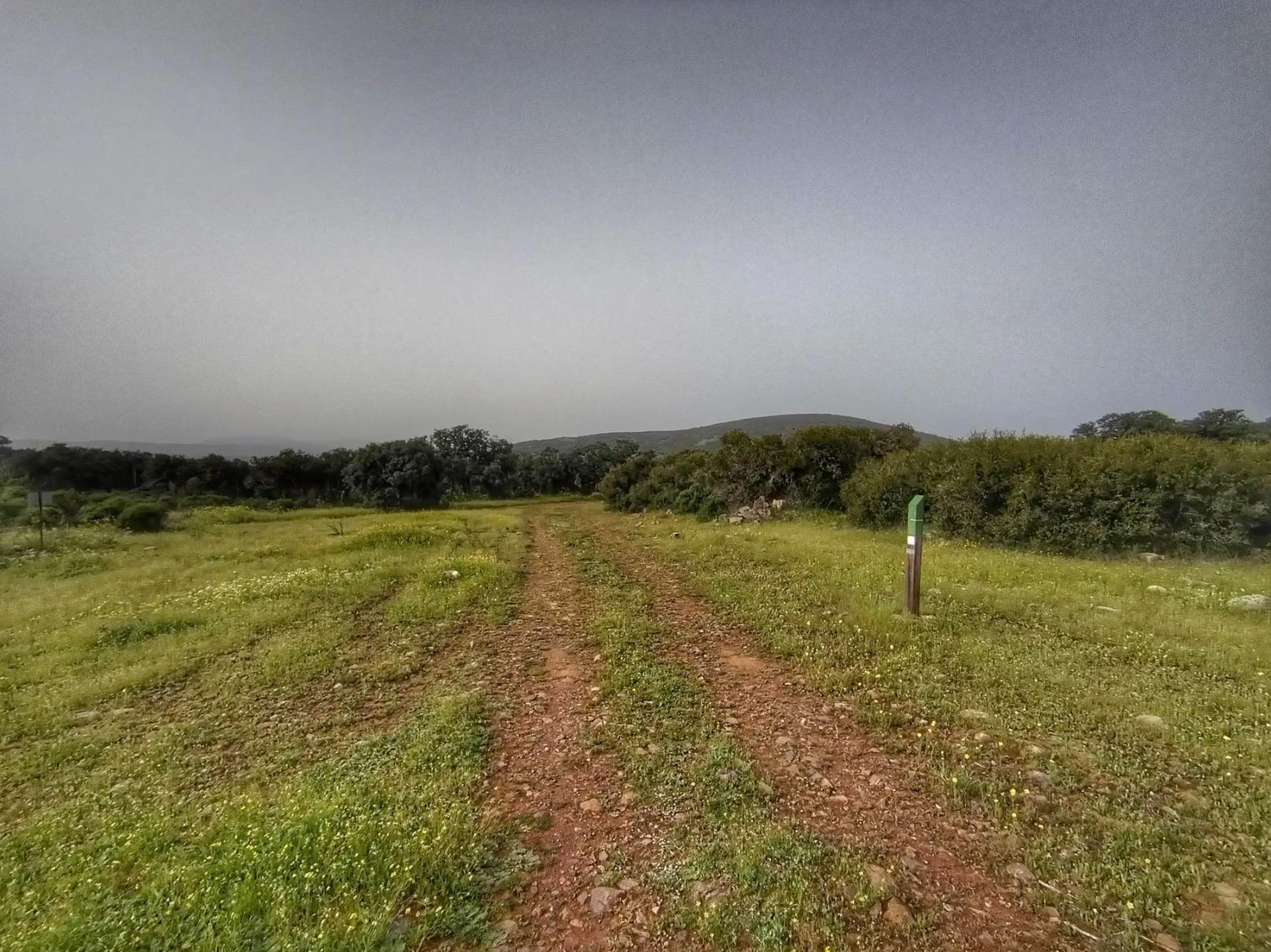
Sigue la trashumancia — GR 164 Cañada Real Conquense o Los Serranos
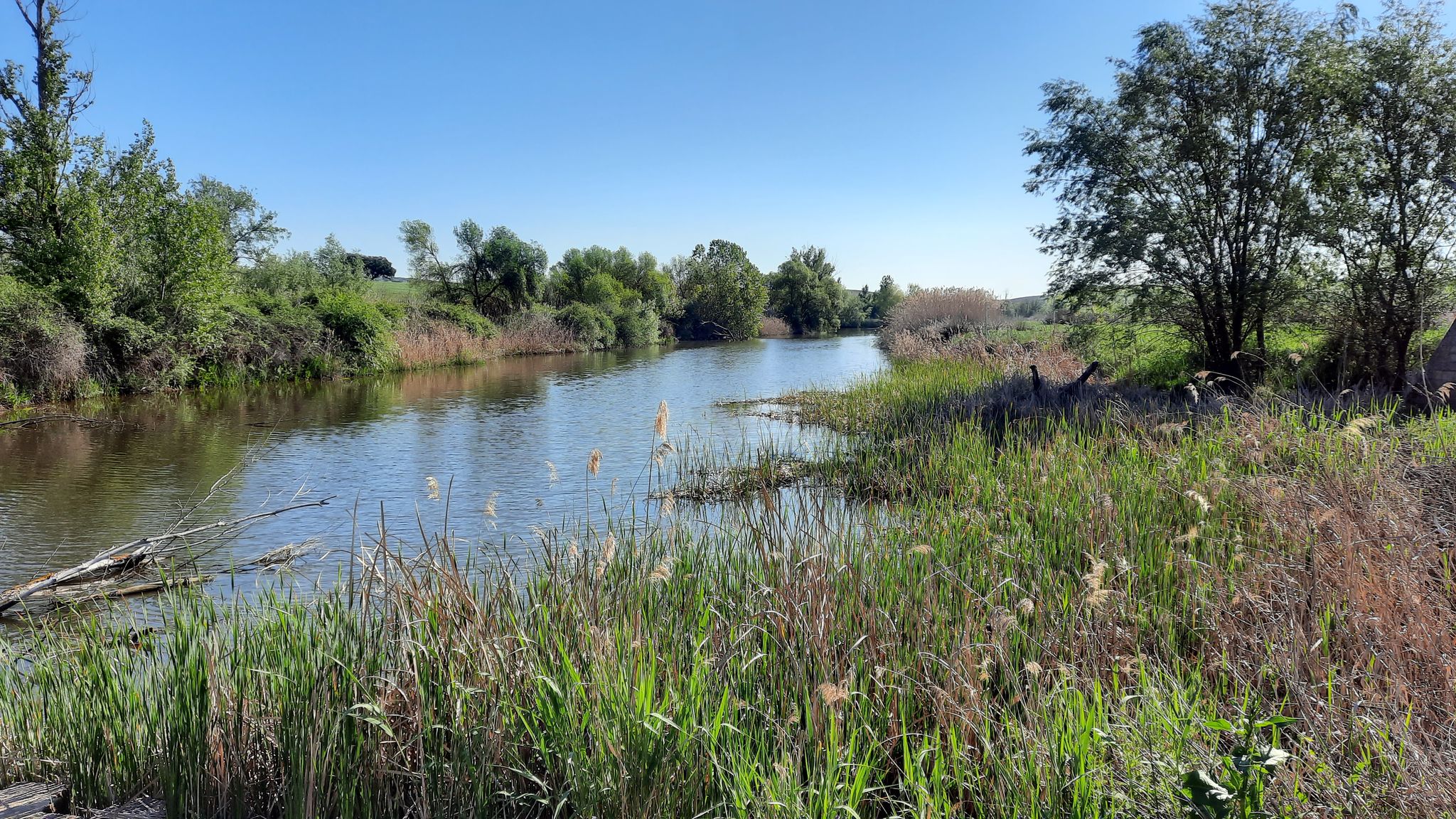
The magic of an endless river – Spain's Guadiana Natural Trail (GR 114)
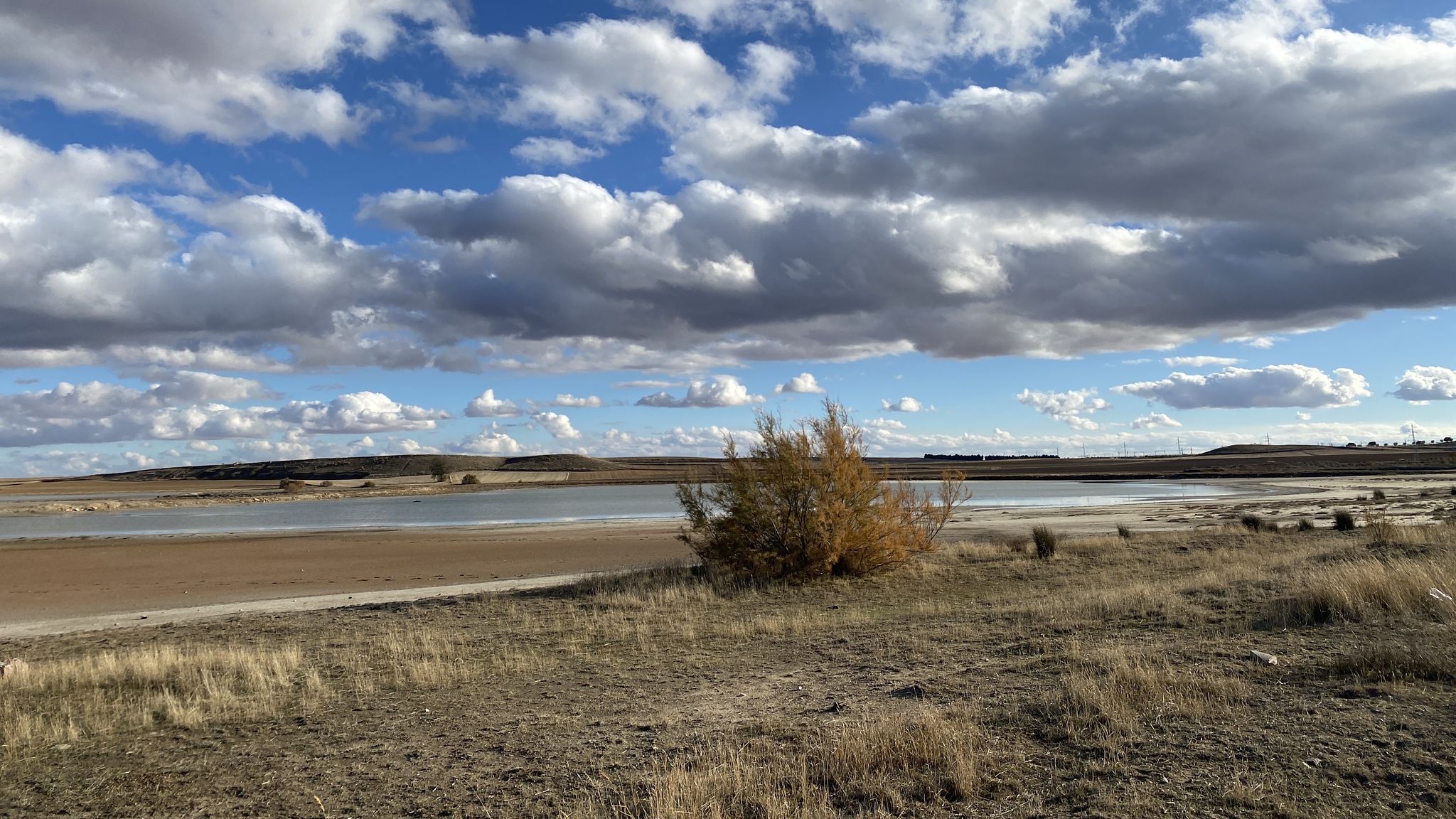
An adventure through La Mancha’s wetlands – discover an oasis
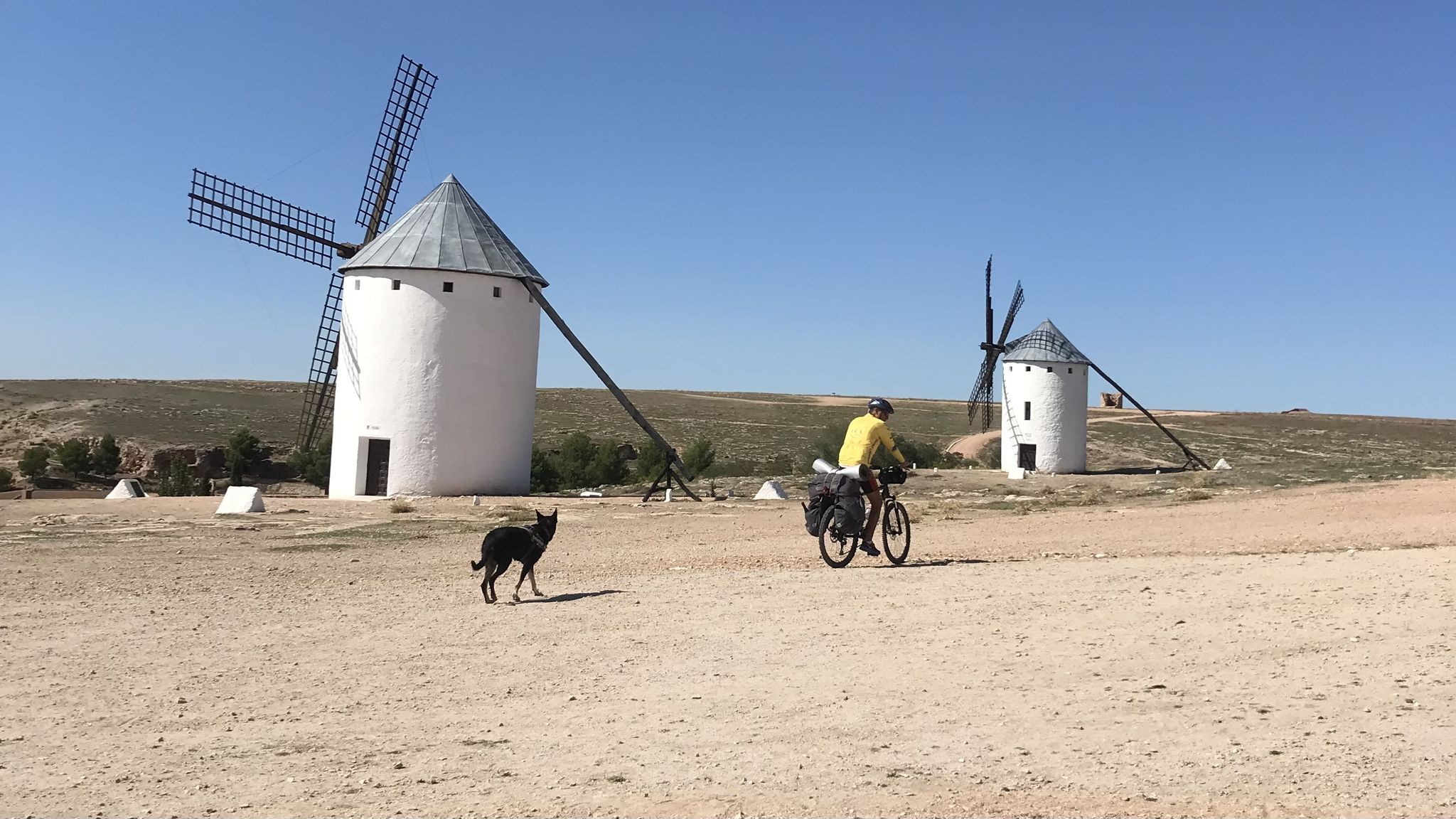
Don Quixote's route – The knight of the sorry face
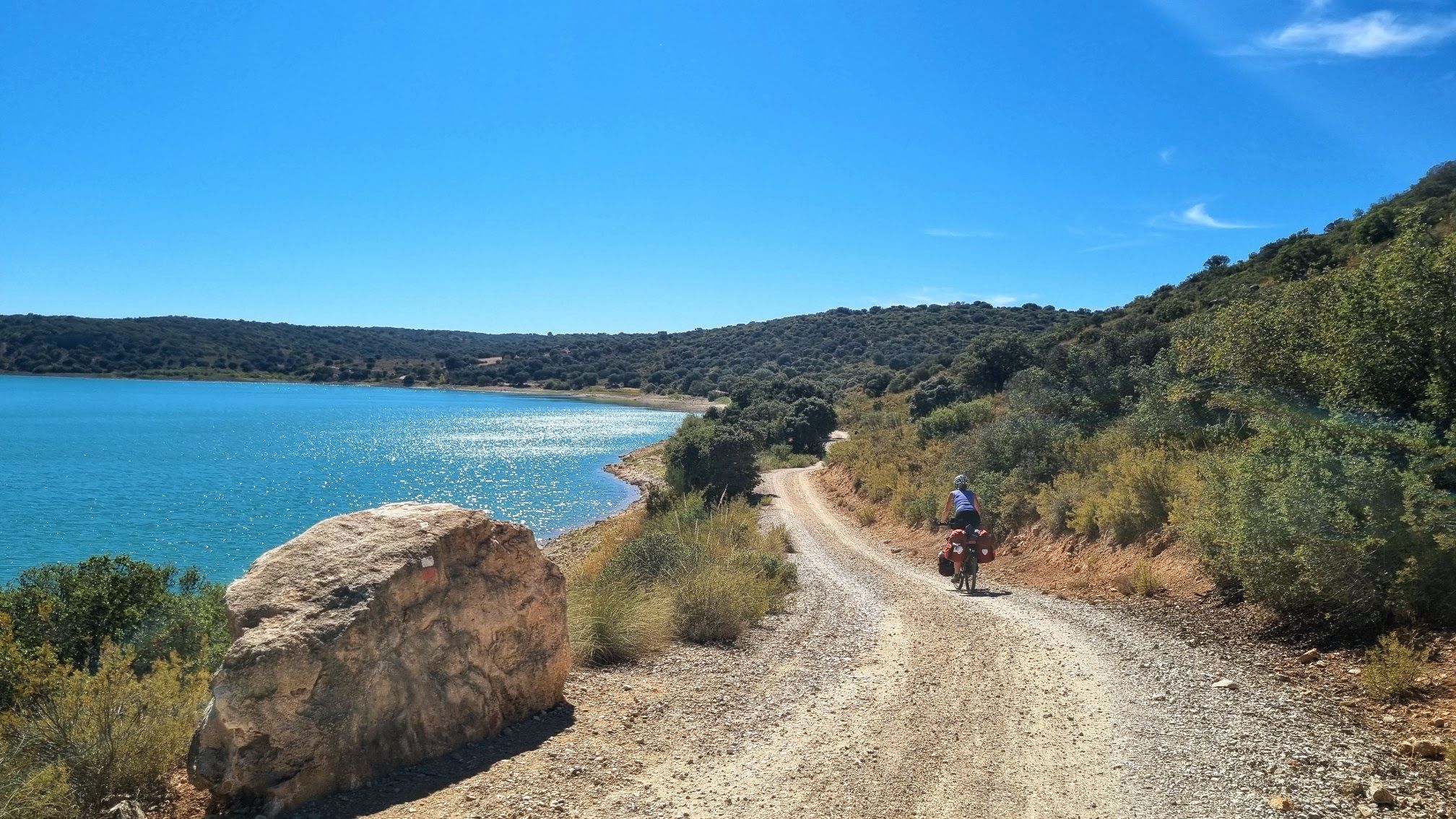
Pedalea junto al gran río — Camino Natural del Guadiana
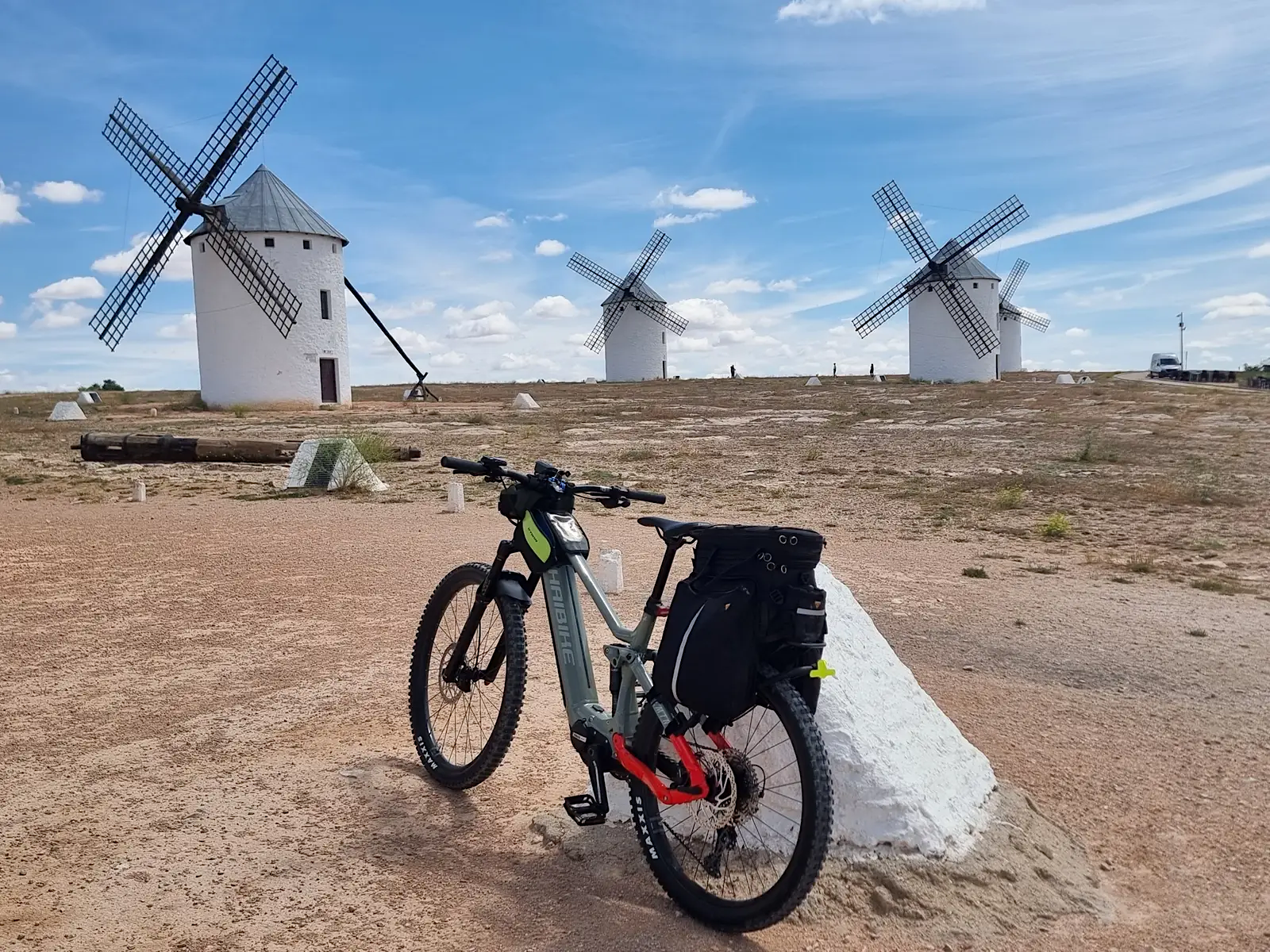
Route of Don Quixote – cycling between rivers, lagoons and hills
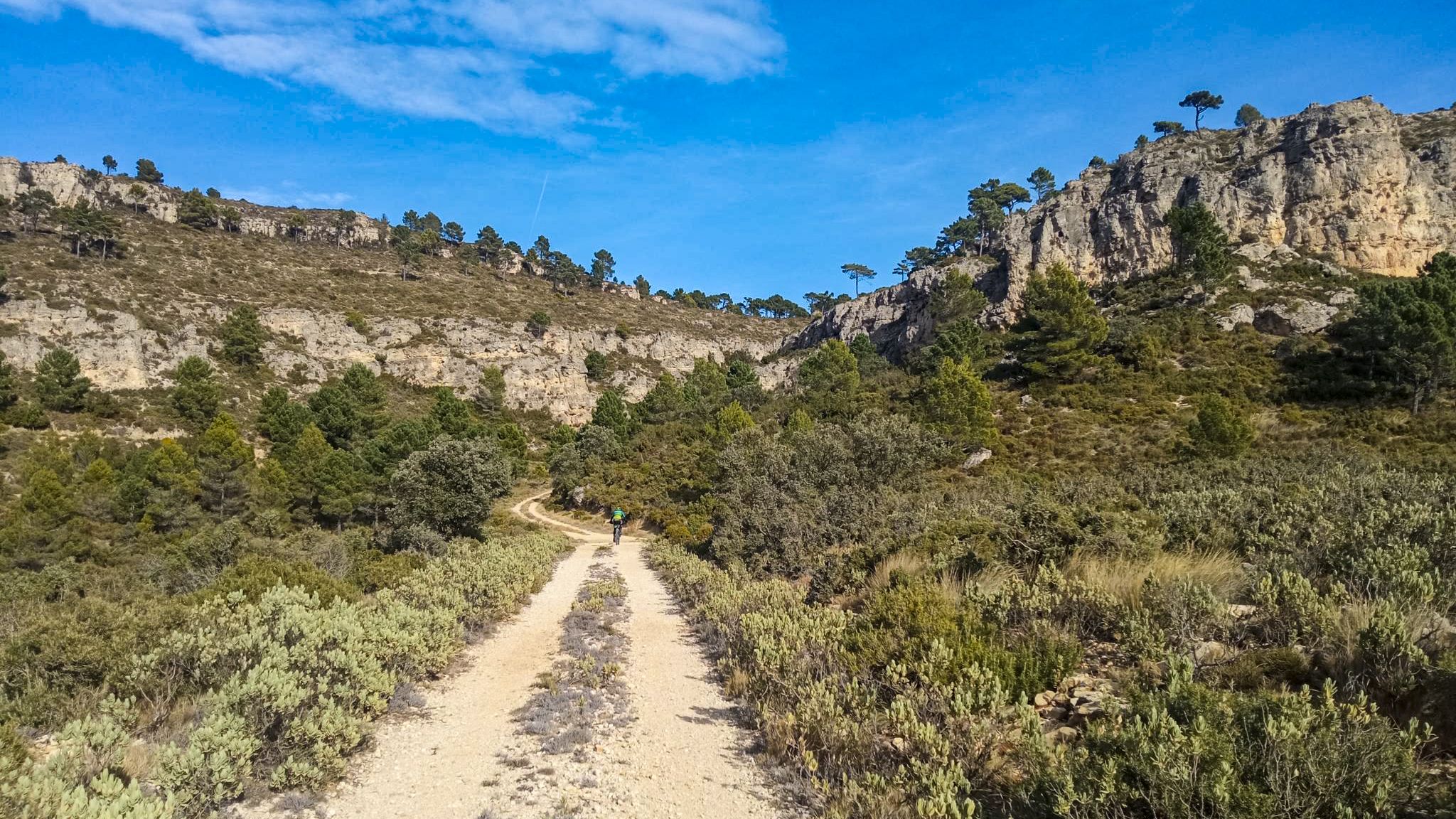
10 gravel routes to discover hidden gems in Spain
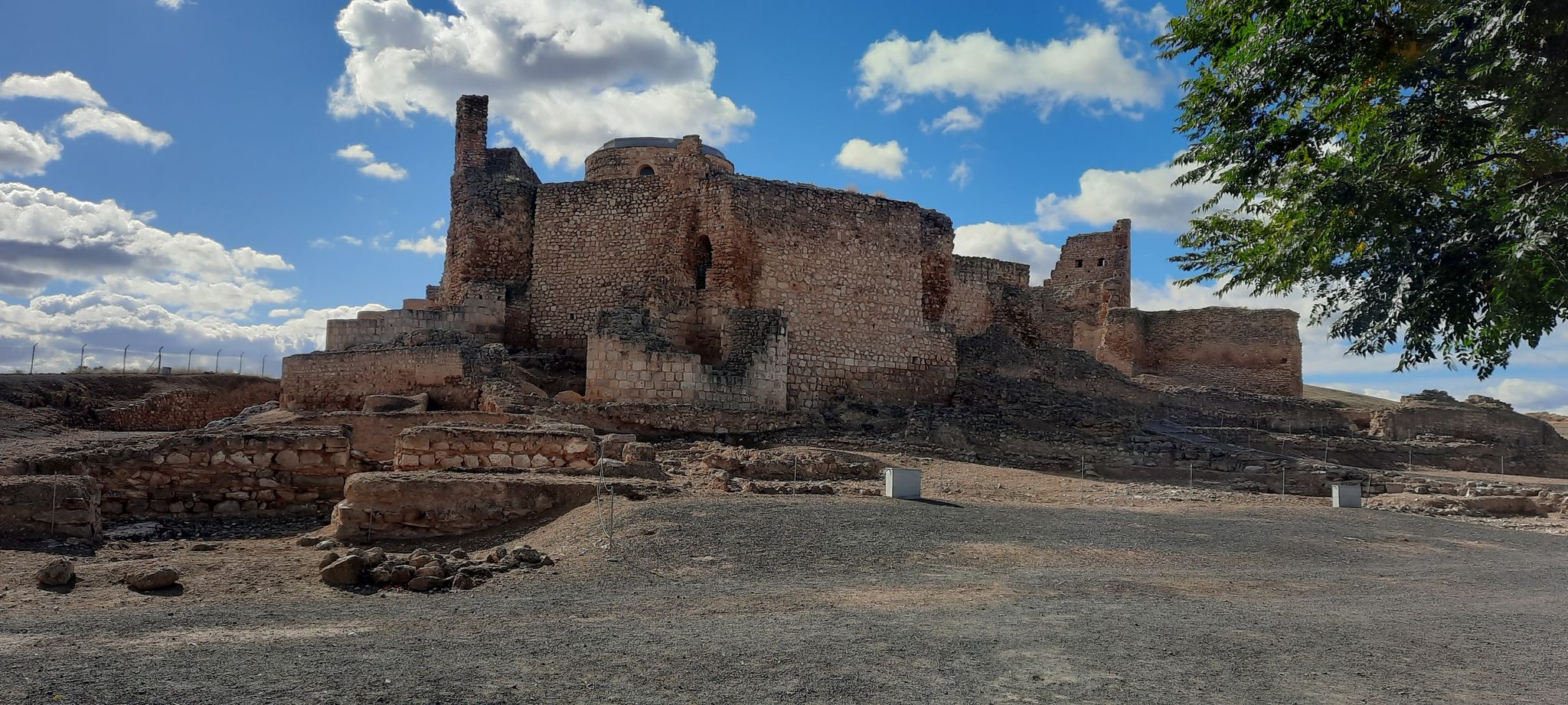
Old volcanoes and castles – bikepacking through Campo de Calatrava
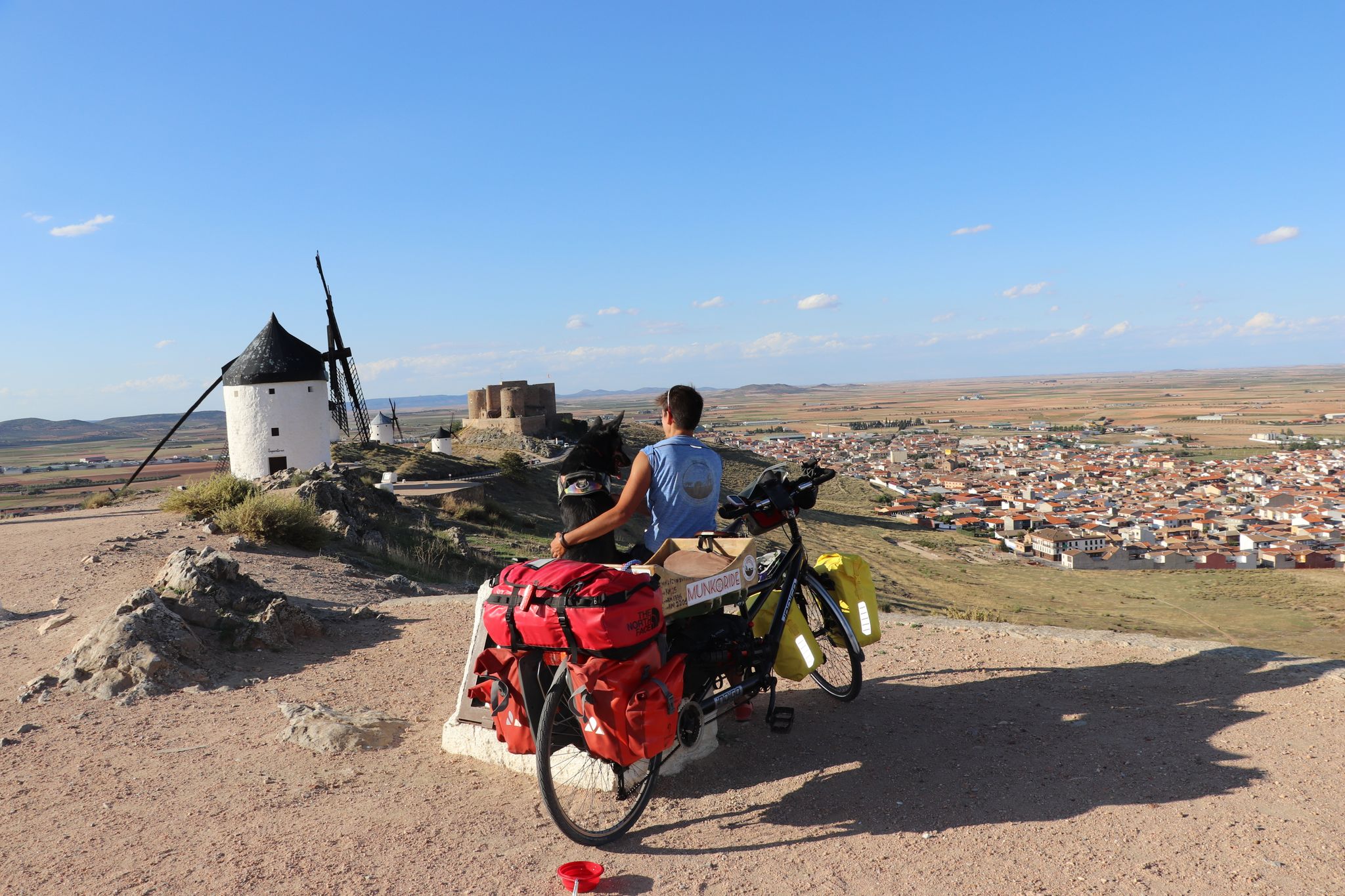
Cycle among the Giants of La Mancha in Spain – Route of Don Quixote
Other adventures around Mancha


Tips from the Community

Alcázar de San Juan is one of the most interesting destinations in the heart of La Mancha, with a blend of history, heritage, nature, and Cervantine traditions. Its name comes from the Military Order of Saint John, which dominated the area after the Reconquista. It claims to be the birthplace of Miguel de Cervantes, as the baptismal font where, according to some studies, the writer was baptized is preserved in the Collegiate Church of Santa María la Mayor. It was an important railway junction and economic center in the 19th and 20th centuries, which shaped its urban development.
2
0
The Plaza de España in Alcázar de San Juan (Ciudad Real) is home to one of the city's most representative symbols: the sculpture of Don Quixote and Sancho Panza, a work that pays homage to Cervantes' immortal characters.
0
0
The Grand Prior's Tower is one of the most emblematic monuments of Alcázar de San Juan (Ciudad Real) and forms part of the Grand Prior's Palace Complex, linked to the Order of Saint John. Built in the 13th century on the remains of the old Muslim citadel, during the Almohad period. Reconquest: It became part of the palace of the Grand Priors of Castile and León of the Hospitaller Order of Saint John of Jerusalem. Expansions: In 1618, under Philip III, a floor was added with windows and plaster ribbed vaults.
8
0
The Posada de los Portales is one of Tomelloso's most emblematic buildings, located in the Plaza de España. Construction: Second half of the 17th century (some sources indicate 1778), as an inn for travelers and merchants. Style: Traditional La Mancha architecture, featuring: A portico supported by four Tuscan columns and two pillars. Wooden galleries with turned balusters, reminiscent of classic courtyard houses. An interior with a primitive kitchen, a large fireplace, and original wooden beams.
5
0

This square surprises visitors with its open wooden arcades supported by footings and upright posts, painted in red ochre.
2
0

Historic building. Today it is a public building where the Tomelloso tourist office is installed.
0
0
The original tower was part of the old Larios winery. In 2019, a rehabilitation was carried out to convert it into a functional space. The new offices house the offices of the Municipal Technical Service and the Urban Planning Departments,
32
0
The Manzanares Solar System Walk, inaugurated on September 10, 2010, is a unique proposal that arises from the idea of the Manzanares scientist Julián Gómez-Cambronero Pacheco (1959-2018). This tour offers us the opportunity to get to know the immensity of our Universe through a pleasant walk through the park. The ride is located in the Manzanares Polígono Park and is a scale model of the Solar System. Along the route, physical representations of the Sun and planets have been placed. The Sun is the point of origin, and from there, the planets are located at increasingly distant distances, following a scale that reduces the millions of kilometers of cosmic reality to meters.
30
0
Frequently Asked Questions
How many bus-accessible hiking trails are available in Mancha?
There are over 20 bus-accessible hiking trails in Mancha, offering a variety of experiences for outdoor enthusiasts. These routes are designed to start conveniently from bus stations, making it easy to explore the region without a car.
Are there easy hiking options accessible by bus in Mancha?
Yes, Mancha offers plenty of easy hiking options accessible by bus. Out of the 21 available routes, 10 are classified as easy, perfect for a relaxed stroll or a family outing. An example is the Bullring loop from Tomelloso, which is a gentle 6.7 km walk.
Can I find circular hiking routes starting directly from bus stations in Mancha?
Absolutely. Many bus-accessible trails in Mancha are circular, allowing you to start and end your hike at the same point, often near a bus station. For instance, the Hiking loop from Campo de Criptana is a great circular option that lets you explore the area and return to your starting point.
What natural attractions can I explore on bus-accessible hikes in Mancha?
Mancha's bus-accessible trails can lead you to diverse natural wonders. You might encounter unique wetlands like Tablas de Daimiel National Park, or serene lakes such as Laguna del Rey and Laguna de la Veguilla. Some routes even offer views of impressive features like the El Hundimiento Waterfall.
Are there historical landmarks or cultural sights along bus-accessible trails?
Yes, the region is rich in history and culture. Many bus-accessible routes offer glimpses of medieval castles and iconic windmills. You could hike to see Peñarroya Castle or Castillo de Manzanares. The famous windmills, immortalized by Don Quixote, are also accessible, with routes like the Windmills Trail providing a direct connection to these historical structures.
Are bus-accessible trails in Mancha suitable for hiking with dogs?
While specific dog-friendly regulations can vary by municipality or protected area, generally, many trails in Mancha's open landscapes are suitable for hiking with dogs, provided they are kept on a leash. It's always best to check local signage or park rules for any specific restrictions, especially in national parks or nature reserves.
What is the best time of year for bus-accessible hiking in Mancha?
The best time for hiking in Mancha is typically during spring (April to June) and autumn (September to November). During these seasons, the weather is milder, and the landscapes are particularly beautiful, with wildflowers in spring and vibrant colors in autumn. Summers can be very hot, and winters can be chilly, though winter walks can be pleasant on sunny days.
What do other hikers enjoy the most about hiking in Mancha?
The komoot community highly rates the hiking experiences in Mancha, with an average score of 4.56 out of 5 stars. Hikers often praise the region's expansive plains, the unique sight of the windmills, and the tranquility of the natural parks. The convenience of bus accessibility is also frequently highlighted, allowing for car-free exploration.
Are there longer, more challenging bus-accessible hikes available?
Yes, while many routes are easy or moderate, there are options for those seeking a longer challenge. For example, the Valdepeñas – Arroyo del Peral loop from Valdepeñas is a moderate 17.3 km hike, offering a more extended exploration of the Mancha landscape.
Can I find bus-accessible routes that explore the region's rivers and wetlands?
Yes, Mancha is home to significant rivers like the Tagus, Guadiana, and Júcar, as well as vital wetlands. While specific bus routes to all these areas vary, the region offers trails that allow you to experience these unique ecosystems. The Tablas de Daimiel National Park, a crucial wetland, is a prime example of a natural area you can aim to visit, often with public transport connections to nearby towns.
Are there any bus-accessible routes that pass through vineyards or olive groves?
Yes, the plains of La Mancha are famously covered with vineyards and olive groves. Many local trails, especially those connecting smaller towns, will take you through these characteristic agricultural landscapes, offering a true taste of the region's rural charm. While not explicitly listed in the provided routes, the general character of the region means such scenery is common on many walks.
Most popular routes around Mancha
Most popular attractions around Mancha

Get inspired with the komoot mobile app


Didn’t find what you were looking for?
Check out more Hikes throughout Mancha below and find the perfect route in your destination.
Explore more
Browse the best Hikes in other regions.
