The best traffic-free bike rides around Culemborg
4.7
(27)
435
riders
9
rides
No traffic gravel bike trails around Culemborg offer a diverse landscape for outdoor enthusiasts. The region, situated along the Lek and Linge Rivers, features flat terrain, historic dikes, and extensive fruit orchards, particularly vibrant during spring blossom. Beyond the riverbanks, the area transitions into a mix of forests and meadows, providing varied riding environments. This combination of natural features and well-maintained paths makes Culemborg an accessible destination for gravel biking.
Best no traffic gravel bike trails around Culemborg
- The most…
Last updated: August 30, 2026
4.9
(14)
162
riders
54.3km
02:54
270m
270m
Moderate gravel ride. Good fitness required. Mostly paved surfaces. Suitable for all skill levels.
5.0
(1)
62
riders
Easy gravel ride. Great for any fitness level. Mostly paved surfaces. Suitable for all skill levels.

Sign up for free
27
riders
35.5km
02:02
30m
30m
Moderate gravel ride. Good fitness required. Mostly paved surfaces. Suitable for all skill levels.
5.0
(1)
22
riders
51.8km
02:45
130m
130m
Moderate gravel ride. Good fitness required. Mostly paved surfaces. Suitable for all skill levels.
19
riders
27.4km
01:38
20m
20m
Hard gravel ride. Great for any fitness level. You may need to push your bike for some segments of this route.
Get access to more routes and recommendations from other explorers.
Sign up for free
Already have an account?
Our route recommendations are based on thousands of hikes, rides, and runs completed by other people on komoot.
Start today with a free account
Your next adventure awaits.
Login or Signup
Popular around Culemborg
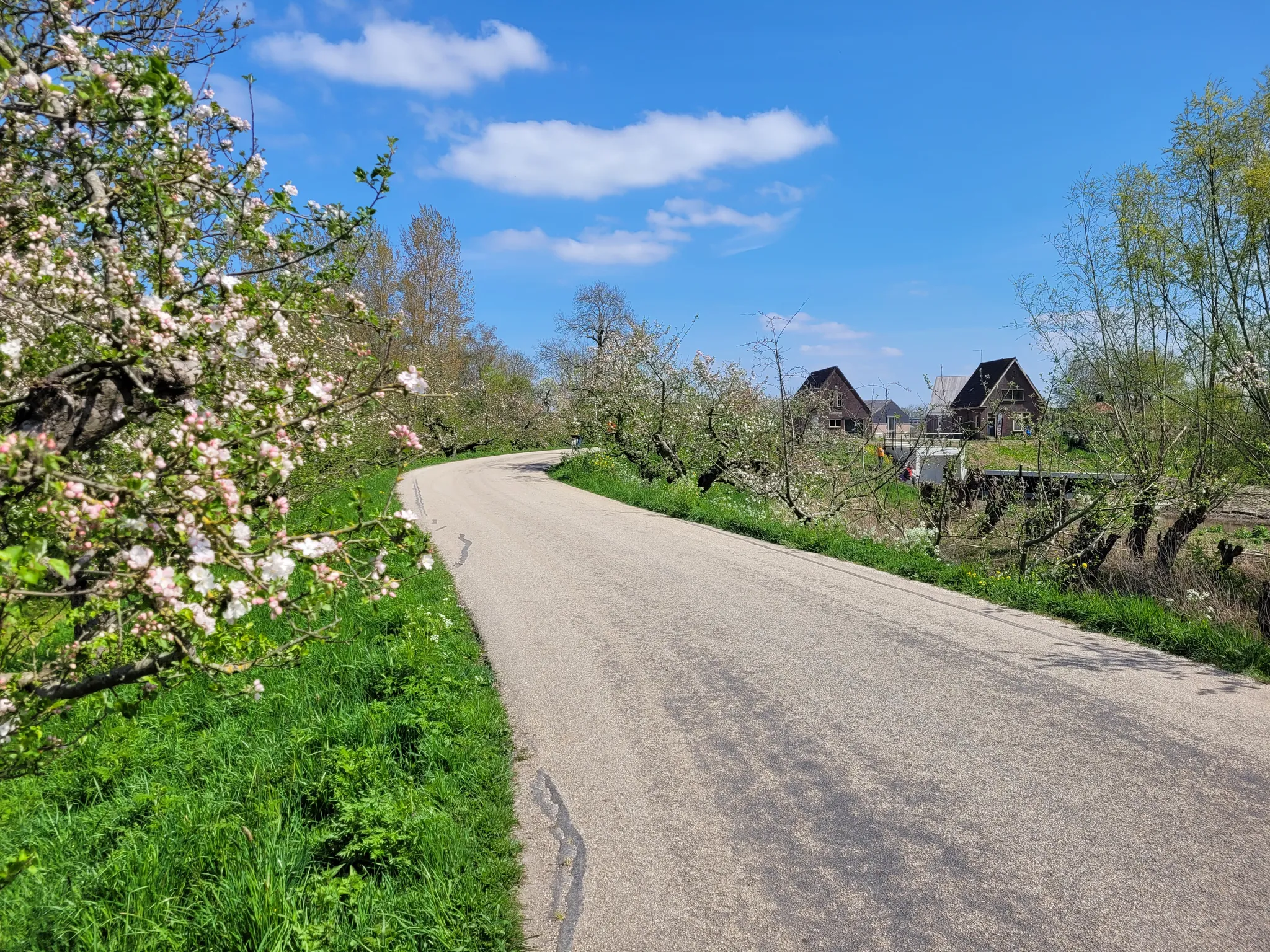
From river to orchard: twelve stages through the Betuwe - The Betuwepad
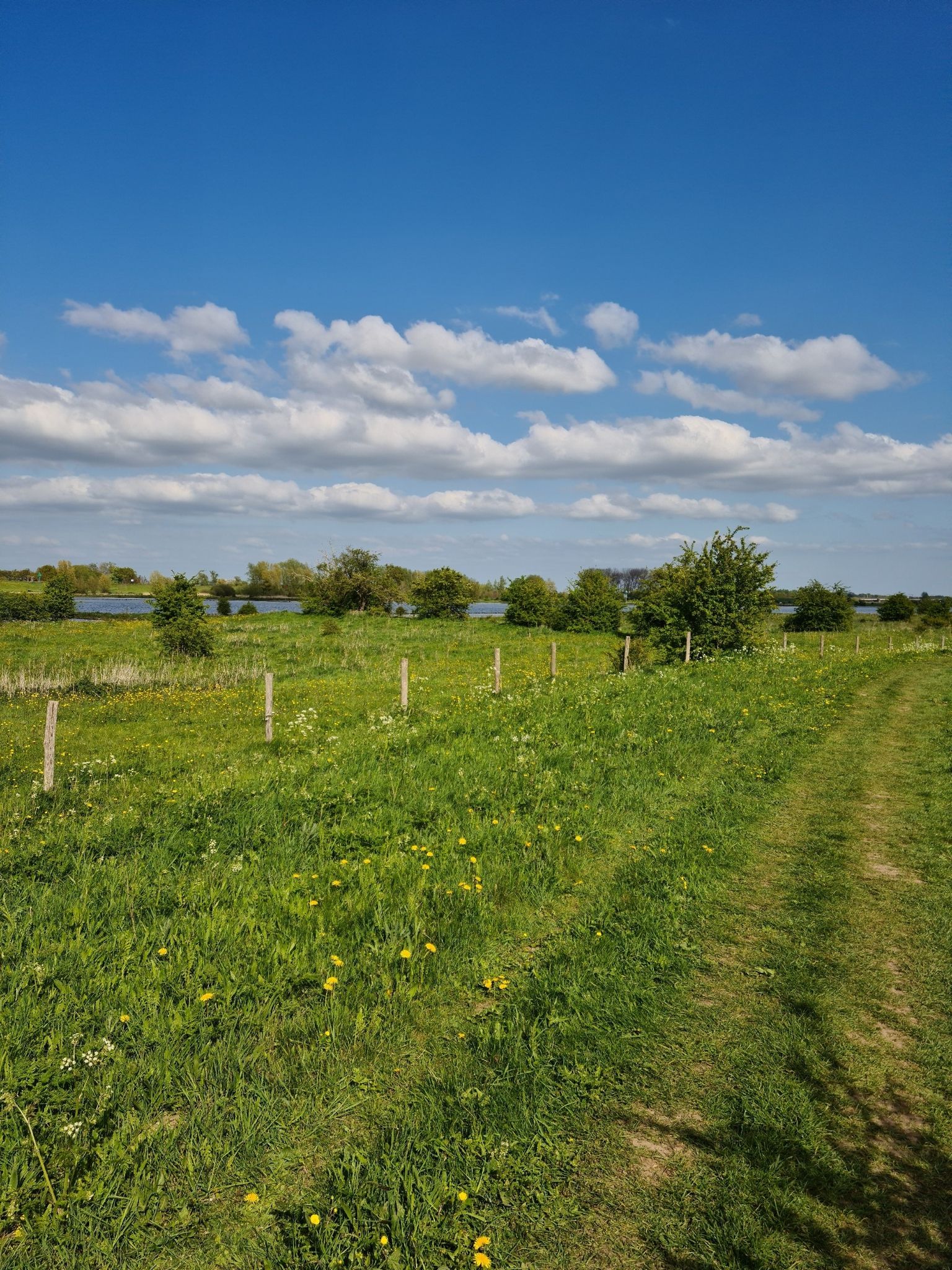
Clog paths for everyone — 10 walks through the farmland
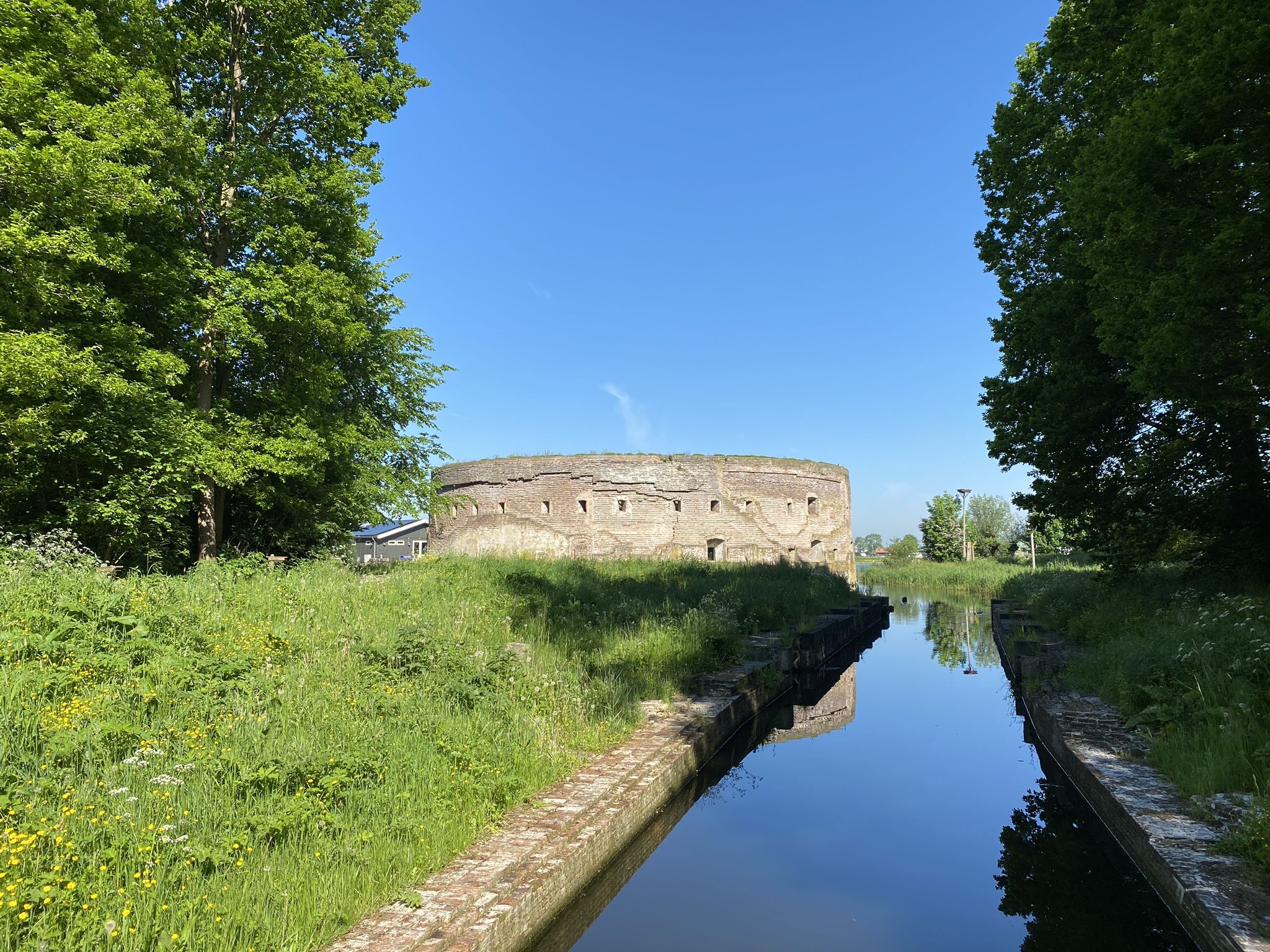
History and Nature – walking the Waterliniepad
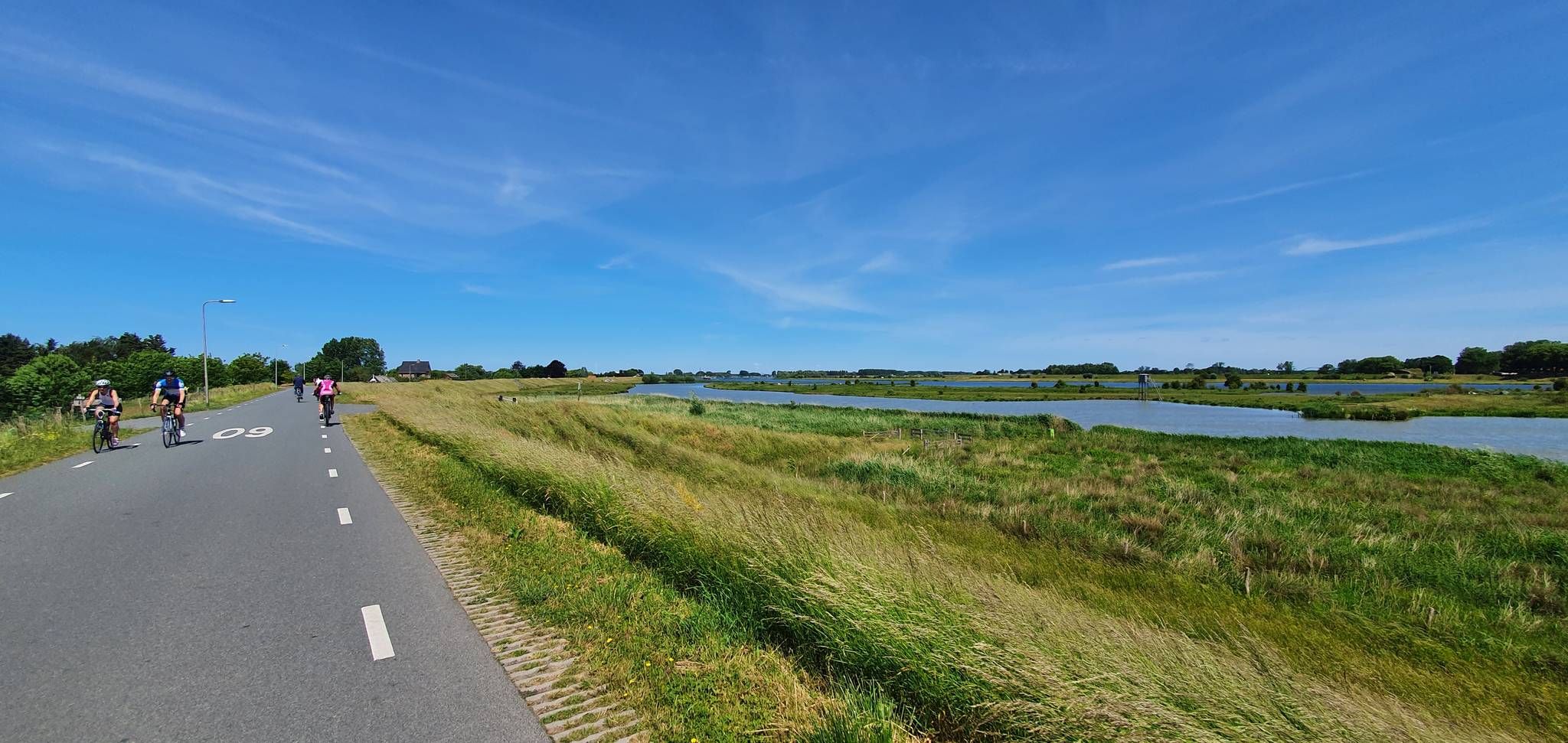
Fresh air guaranteed – five rides along the Netherlands’ dikes
Traffic-free bike rides around Culemborg

Traffic-free bike rides around Culemborg
Other adventures around Culemborg


Tips from the Community

Lovely winding path for cycling and not for racing
10
0

In spring, through the blooming dandelion, a beautiful play of colors.
0
0
In mid-April, you can see a true spectacle of colors here with blooming rapeseed along the roadsides and the white blossoms of apple trees behind them.
0
0

in spring the blossom is beautiful
0
0
Beautiful winding forest bike path through rolling terrain.
12
0
Beautiful winding forest bike path through rolling terrain.
12
0
Beautiful piece of the Netherlands
14
0

Beautifully designed gate at the entrance to the estate.
2
0
Frequently Asked Questions
What makes Culemborg an ideal location for no-traffic gravel biking?
Culemborg, situated in the Gelderland province, offers a unique blend of diverse landscapes perfect for gravel biking. The region is characterized by its flat terrain, historic dikes along the Lek and Linge rivers, and the renowned Betuwe region with its fruit orchards. These features, combined with well-maintained paths, create an engaging and largely traffic-free environment for gravel cyclists.
How many no-traffic gravel bike routes are available around Culemborg?
There are several dedicated no-traffic gravel bike routes around Culemborg. This guide features 4 carefully selected routes, offering a variety of distances and experiences for you to explore.
Are there any circular no-traffic gravel routes in the area?
Yes, many of the routes around Culemborg are designed as circular loops, allowing you to start and finish at the same point. For example, the De Oude Waag – Mariënwaerdt gate entrance loop from Culemborg is a great circular option, taking you through varied landscapes.
What kind of terrain can I expect on these no-traffic gravel trails?
You can expect a varied terrain that includes unpaved sections through fruit orchards, along scenic river dikes, and through peaceful meadows and forests. The region's flat profile makes it accessible, but the gravel surfaces provide a true off-road biking experience away from traffic.
Are there any easy or family-friendly no-traffic gravel routes?
Absolutely. Routes like the Mariënwaerdt Estate – Appeldijk (Betuwe) loop from Deil are rated as easy and are suitable for families or those new to gravel biking, offering a gentle introduction to the region's beauty without significant traffic concerns.
What attractions or points of interest can I find along these routes?
The routes often pass by charming historical sites and natural monuments. You might encounter highlights such as The Lonely Tree of Tuurdijk or the serene trees of Mariënwaerdt. The historic city center of Culemborg itself, with landmarks like the Binnenpoort, is also easily accessible.
When is the best time of year to go gravel biking around Culemborg?
The spring blossom season, typically in April and May, is particularly stunning as the Betuwe region's fruit orchards transform into a sea of pink and white. However, the dikes and natural areas offer beautiful riding conditions throughout spring, summer, and autumn.
Are there options for parking near the no-traffic gravel trails?
Yes, Culemborg and surrounding villages offer various parking facilities. Many routes can be accessed from public parking areas within or on the outskirts of towns, providing convenient starting points for your gravel adventure.
Can I reach the starting points of these gravel trails by public transport?
Culemborg has a train station, making it accessible by public transport. From there, you can often cycle directly to the start of many routes. Some smaller villages along the routes may also have bus connections.
Are there places to stop for refreshments or food along the routes?
Yes, many routes pass through or near charming villages where you can find cafes, restaurants, or local shops for refreshments. The Mariënwaerdt Estate, for instance, often has facilities for visitors, and Fort Everdingen houses a brewery, offering unique stopping points.
What do other gravel bikers say about the no-traffic routes in Culemborg?
The no-traffic gravel routes around Culemborg are highly rated by the komoot community, with an average score of 4.3 stars. Users frequently praise the peacefulness of the trails, the beautiful scenery of the orchards and dikes, and the excellent opportunities for a traffic-free cycling experience.
Are the no-traffic gravel trails around Culemborg suitable for dogs?
While many natural areas in the Netherlands are dog-friendly, it's always best to check local regulations for specific trails, especially those passing through nature reserves or agricultural land. Generally, dogs on a leash are welcome on public paths, but be mindful of livestock in orchard areas.
Most popular attractions around Culemborg

Get inspired with the komoot mobile app


Explore more
Browse the best Gravel rides in other regions.
