Attractions and Places To See around Laghi di Mantova - Top 20
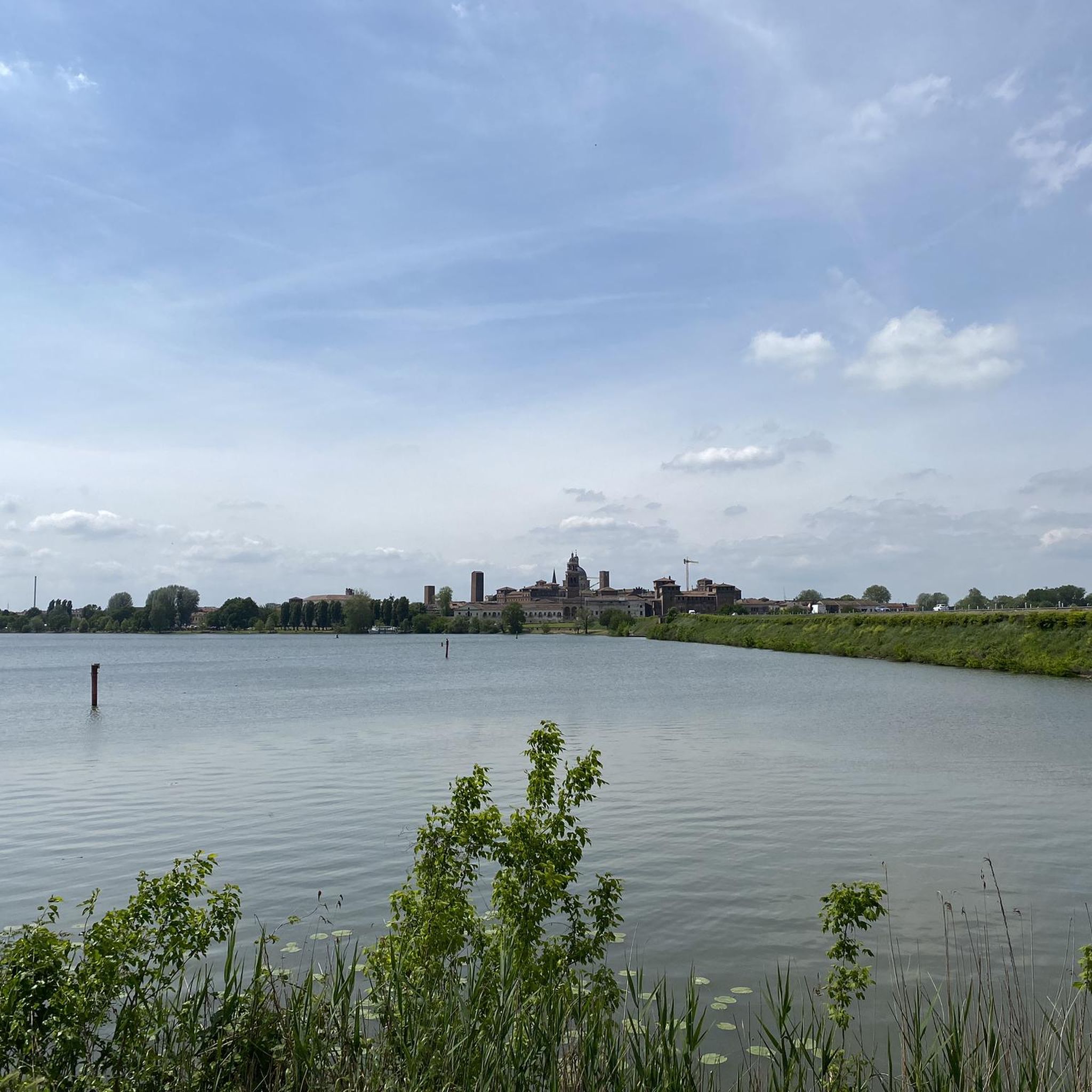
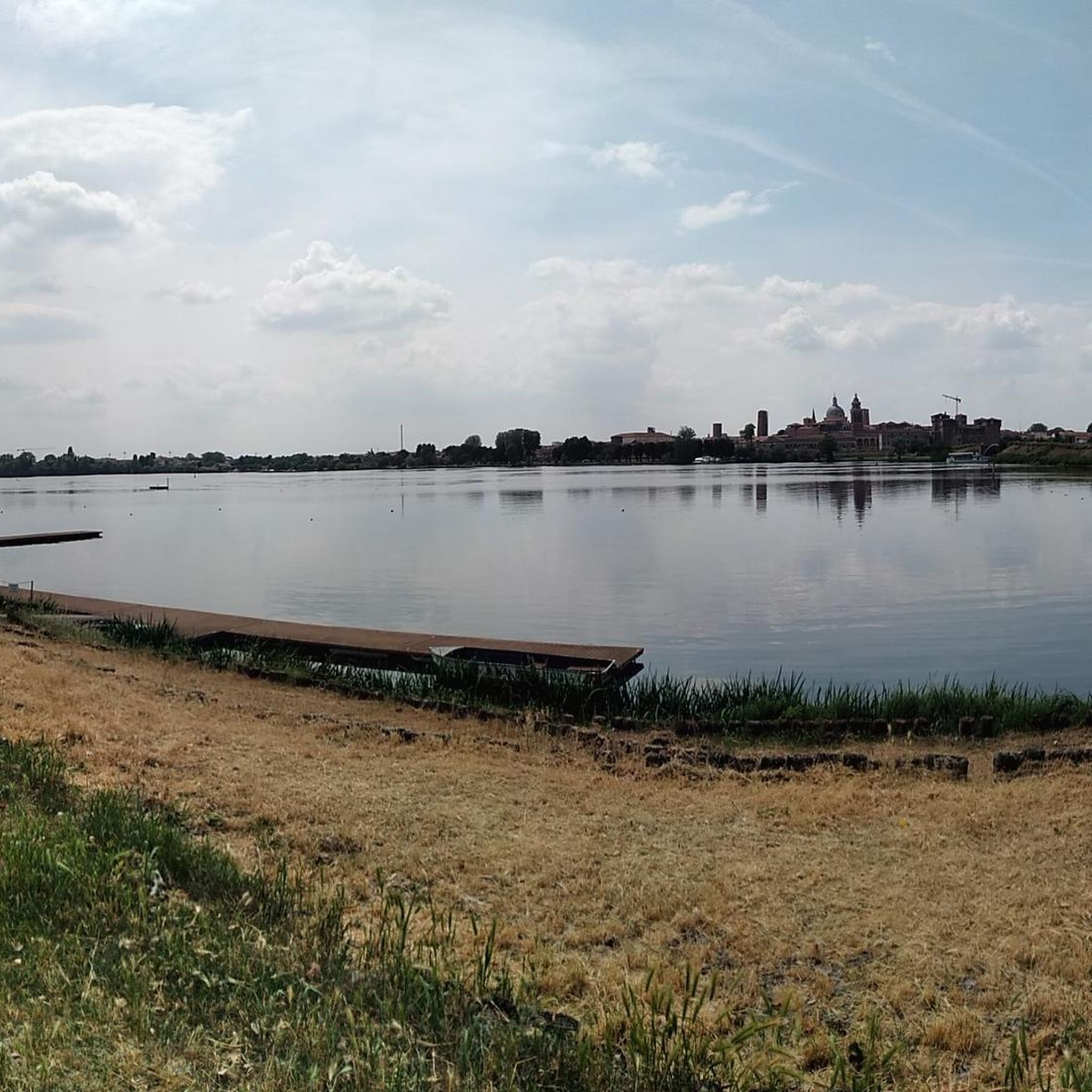
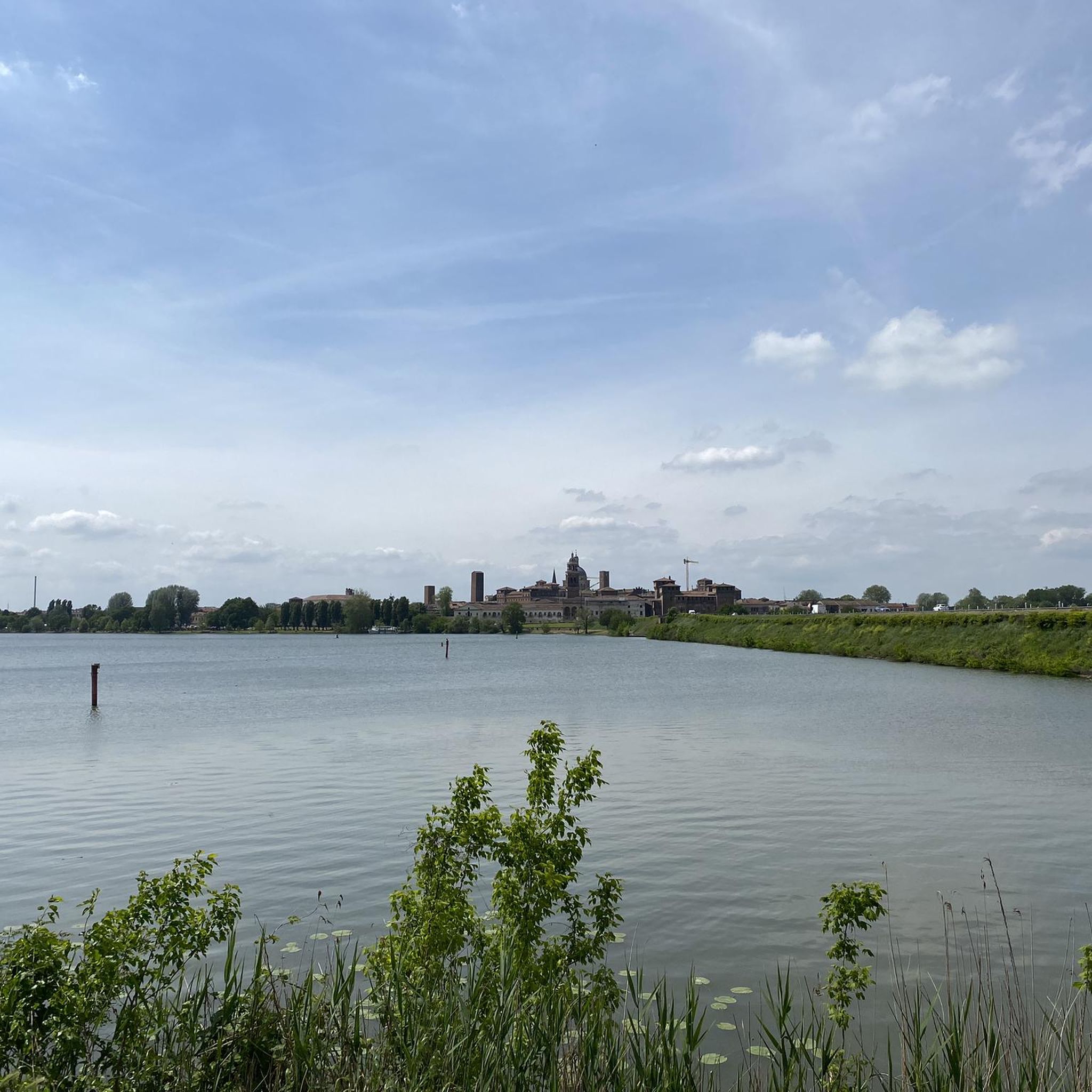
Best attractions and places to see around Laghi di Mantova are centered around three artificial lakes—Lago Superiore, Lago di Mezzo, and Lago Inferiore—that encircle the historic city of Mantua in Lombardy, Italy. These lakes, created in 1190 by engineer Alberto Pitentino, served as a defensive moat and water supply. The region offers a blend of natural features, such as extensive lotus flower blooms in warmer months and diverse water birds, alongside significant cultural landmarks within Mantua.
Best attractions and places to see around Laghi di Mantova
- The most popular attractions is Mantua Lakes Cycle Path, a cycle way that follows the shores of the lakes surrounding the city. This path is part of the larger Mincio Park, characterized by wetlands and green spaces.
- Another must-see spot is Castello di San Giorgio (Mantua), a castle built between 1395 and 1406. It is a square-plan building with four corner towers, surrounded by a moat, and houses precious art including the Camera degli Sposi.
- Visitors also love Mantua, a settlement known for its historic city center. The city's skyline and numerous places of interest, including palaces, a cathedral, and a theater, are notable.
- Laghi di Mantova is known for its historical sites, natural features, and outdoor activities. Visitors can explore ancient castles and palaces, enjoy the serene lake environment, and engage in cycling or hiking.
- The attractions around Laghi di Mantova are appreciated by the komoot community, with more than 600 upvotes and 59 photos shared by visitors.
Last updated: July 6, 2026
Mantua Lakes Cycle Path
Highlight • Cycleway
It's not for the exclusive use of cyclists so it could get crowded.
Translated by Google •
Tip by

Castello di San Giorgio (Mantua)
Highlight • Castle
Translated by Google •
Tip by

Sign up now to discover places like this
Get recommendations on the best single tracks, peaks, & plenty of other exciting outdoor places.
Sign up for free
Ducal Palace, Mantua
Highlight • Castle
Translated by Google •
Tip by

Lakes of Mantua
Highlight • Lake
Translated by Google •
Tip by

San Giorgio Castle, Mantua
Highlight • Castle
Translated by Google •
Tip by

Sign up for free to discover even more attractions around Laghi di Mantova.
Sign up for free
Already have an account?
Start today with a free account
Your next adventure awaits.
Login or Signup
Popular around Laghi di Mantova
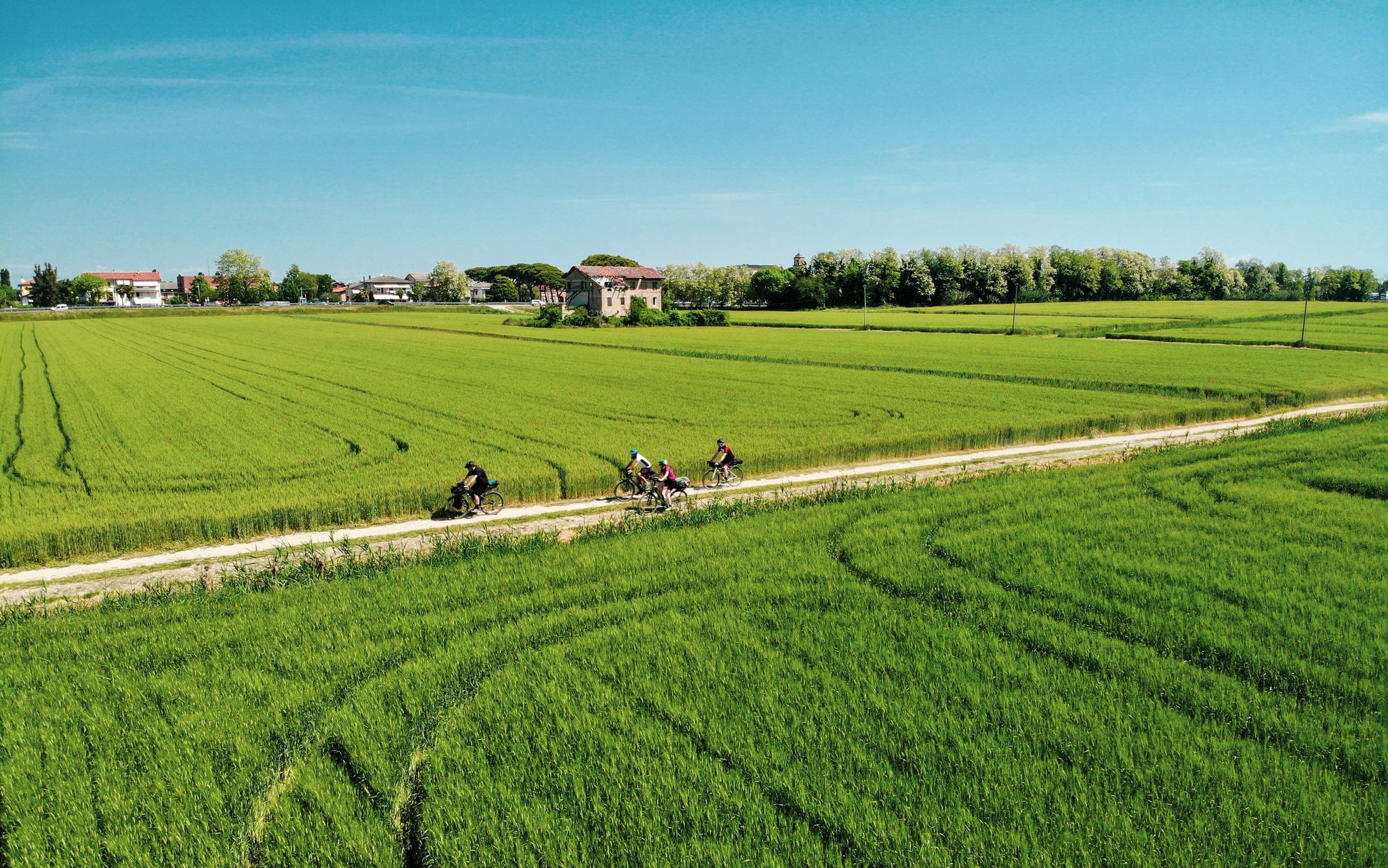
Ride through Italy’s Po Valley – a pilgrimage on the Via Postumia
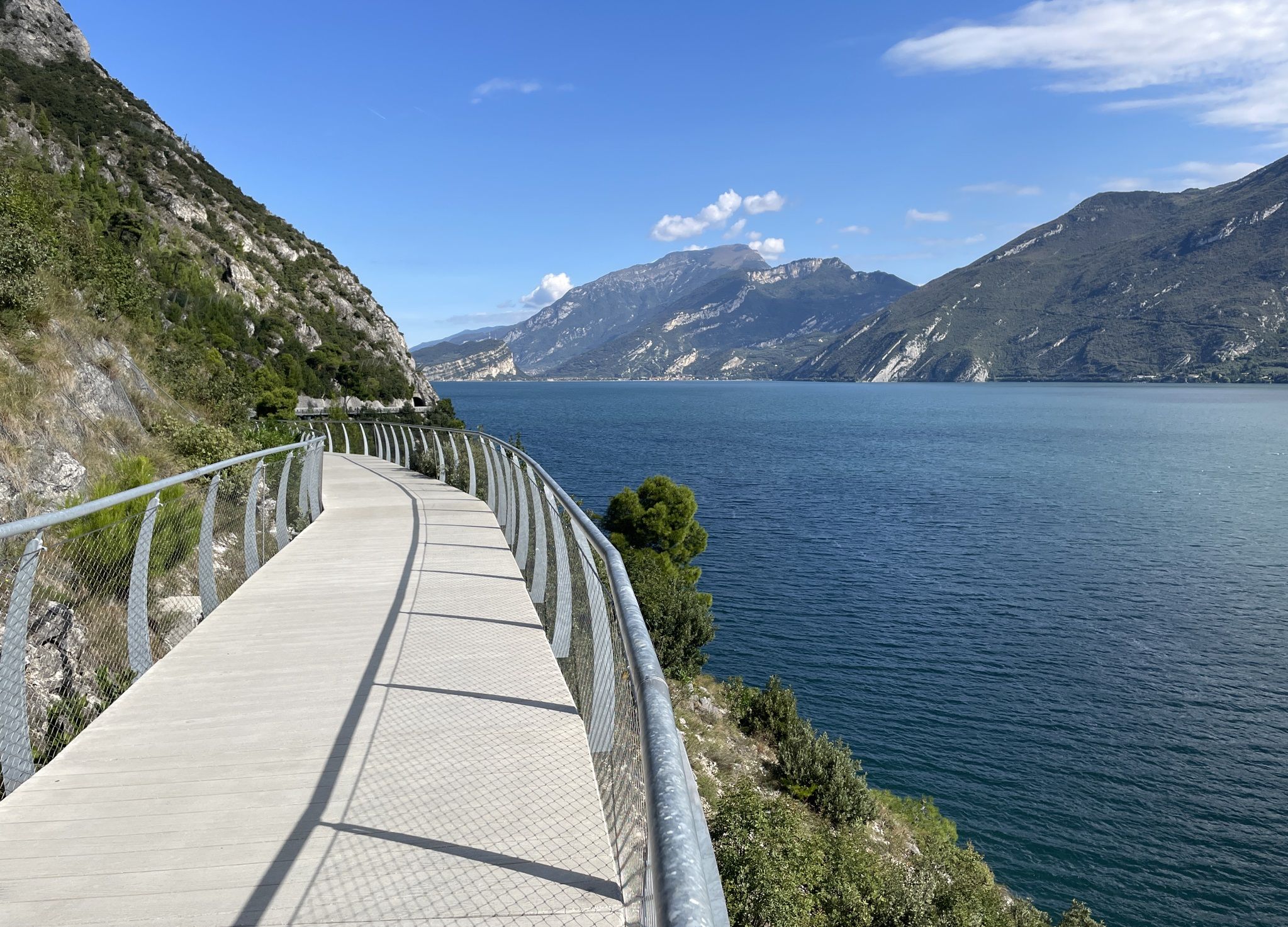
Mountains, plains, rivers and lakes — cycling in Italy’s Lombardy region
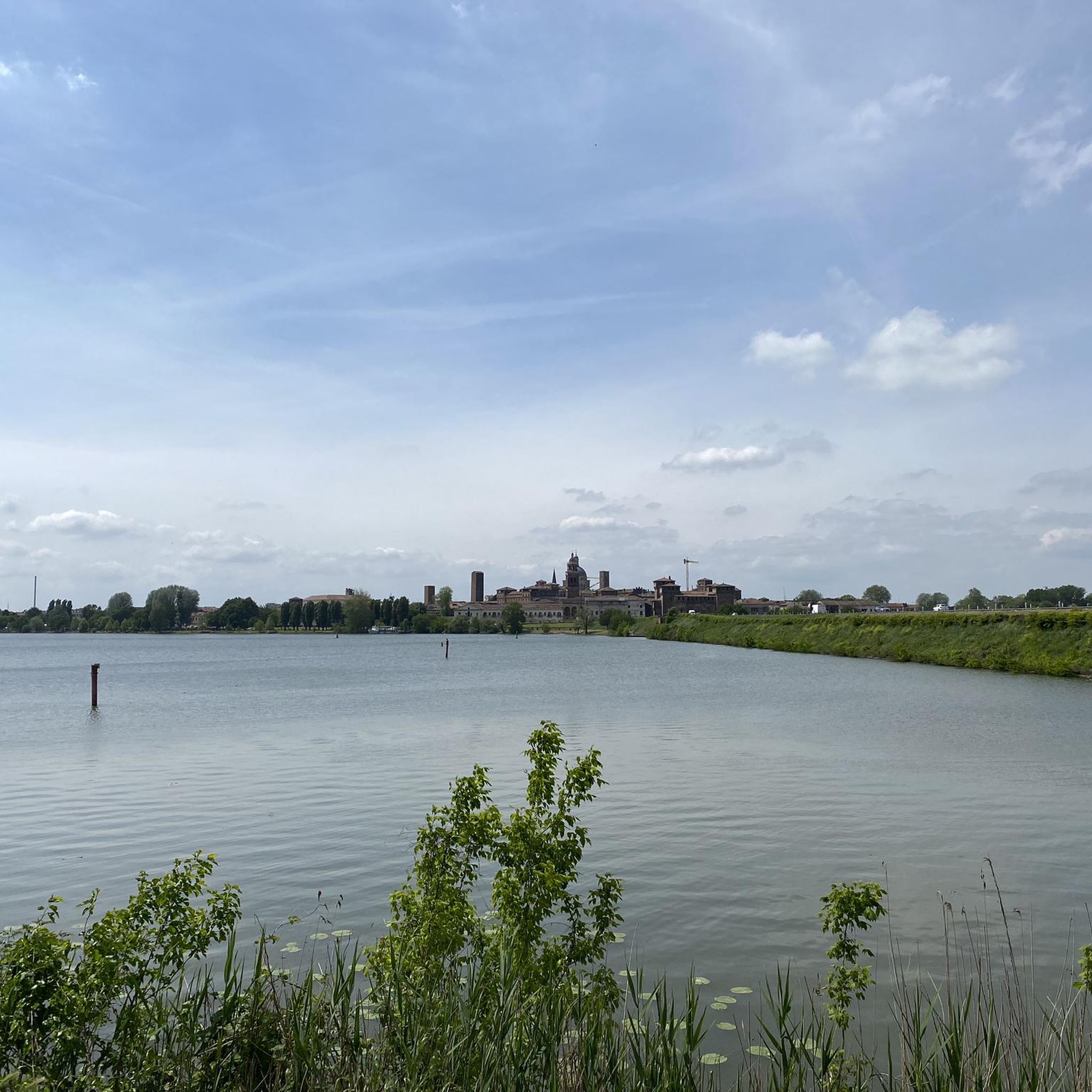
Cycling around Laghi di Mantova
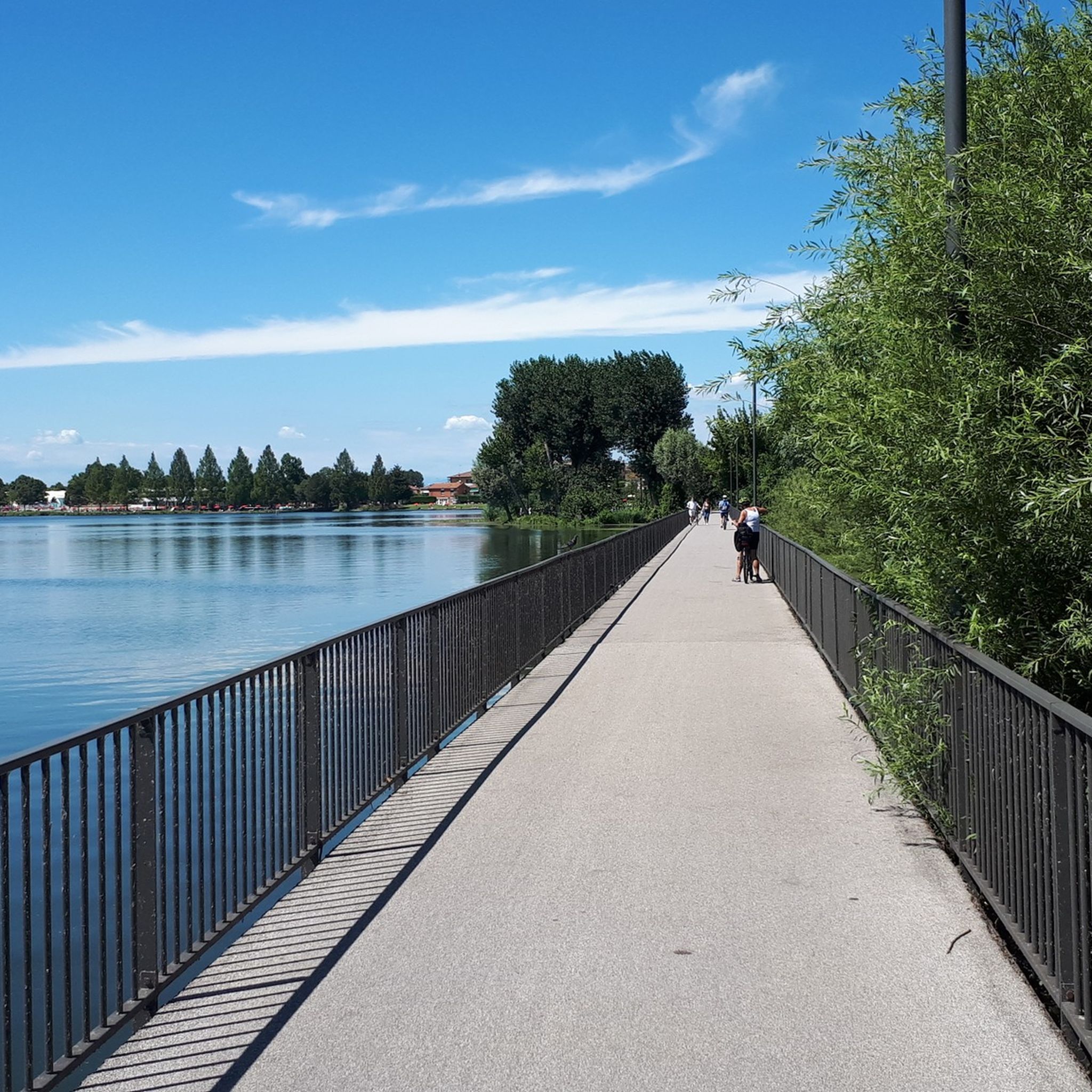
Hiking around Laghi di Mantova
Road Cycling Routes around Laghi di Mantova
Running Trails around Laghi di Mantova
MTB Trails around Laghi di Mantova

Gravel biking around Laghi di Mantova


Tips from the Community

Away from traffic in the middle of nature
0
0

beautiful paths around Mantua
0
0

Imposing defense system in which Andreas Hofer, among others, was imprisoned and shot...
1
2
Magnificent palace surrounded by a moat...
1
0


The Ducal Palace was the main residence of the Gonzaga family, lords, marquises and finally dukes of the city of Mantua. It took the name of Royal Palace during the Austrian domination starting from the time of Maria Theresa of Austria. Distinct and separate rooms were built in different periods starting from the 13th century, initially by the Bonacolsi family and later at the instigation of the Gonzaga. It was Duke Guglielmo who commissioned the prefect of the Factories Giovan Battista Bertani to connect the various buildings in an organic form so as to create, starting from 1556, a single grandiose monumental and architectural complex, one of the largest in Europe (approximately 34,000 m²), which extended between the shore of the Lower Lake and Piazza Sordello, the ancient Piazza di San Pietro. After Bertani's death in 1576, the work was continued by Bernardino Facciotto who completed the integration of gardens, squares, loggias, galleries, exedras and courtyards, definitively establishing the appearance of the ducal residence. The interior of the palace is almost bare because once impoverished, the Gonzagas had to sell works of art (especially to Charles I of England) and furnishings, some of which were later stolen by Napoleon. The Palazzo del Capitano overlooking Piazza Sordello is the oldest building of the Ducal Palace commissioned by Guido Bonacolsi at the end of the thirteenth century. Initially built on two floors and separated from the Magna Domus by an alley, in the early 1300s it was raised by one floor and joined to the Magna Domus itself by the monumental façade with portico, which has essentially remained the same to this day. The second added floor consists of a single enormous hall (67 x 15 metres) called Dell'Armeria, also known as the Salone della Dieta, as it hosted the Diet of Mantua in 1459.
0
0
Frequently Asked Questions
What natural features can I explore around the Laghi di Mantova?
The Laghi di Mantova, comprising Lago Superiore, Lago di Mezzo, and Lago Inferiore, are central to the region's natural charm. You can enjoy the serene atmosphere, observe diverse water birds like swans and herons, and in July and August, witness the spectacular lotus flower blooms on Lago Superiore. The lakes are part of the Mincio Regional Park, offering wetlands and green spaces.
What historical and cultural sites can I visit in Mantua?
Mantua, a UNESCO World Heritage site, boasts numerous historical and cultural treasures. Key attractions include the vast Ducal Palace, the impressive Castello di San Giorgio (home to the Camera degli Sposi), and Palazzo Te, a masterpiece of Mannerist architecture. Other notable sites are the Basilica of Sant'Andrea, the Bibiena Scientific Theater, and the ancient Rotonda di San Lorenzo.
Are there opportunities for cycling around the lakes?
Yes, cycling is a popular activity. The Mantua Lakes Cycle Path follows the shores of the lakes, offering excellent views of Mantua's historic center and the surrounding natural park. It's an easy way to explore the area. For more cycling options, you can find routes like the 'Mantova – Mantua Lakes Cycle Path loop' in the Gravel biking around Laghi di Mantova guide.
What kind of hiking trails are available near the Laghi di Mantova?
There are easy hiking trails available around the Laghi di Mantova, providing accessible paths through the unique landscape shaped by the Mincio River. You can find routes like the 'Lago di Mezzo – Lakes of Mantua loop' which is an easy 7.17 km hike. For more options, explore the Hiking around Laghi di Mantova guide or the Easy hikes around Laghi di Mantova guide.
When is the best time to visit the Laghi di Mantova?
The warmer months, particularly July and August, are ideal for experiencing the extensive lotus flower blooms on Lago Superiore, which create a stunning visual spectacle. However, the lakes offer a serene environment for nature enthusiasts and outdoor activities throughout much of the year.
Are there any family-friendly attractions or activities in the area?
Many attractions around Laghi di Mantova are family-friendly. The Mantua Lakes Cycle Path is suitable for families, and historical sites like Castello di San Giorgio and the Ducal Palace in Mantua are also welcoming to families. Boat tours on the lakes offer a unique perspective that children often enjoy.
Can I take a boat tour on the Laghi di Mantova?
Yes, experiencing Mantua from the water is highly recommended. Numerous navigation companies offer programmed departures from Mantua and nearby towns like Grazie di Curtatone and Rivalta sul Mincio. These tours provide unique perspectives of the city's skyline and the natural park.
What are some notable places to visit outside of Mantua city center?
Beyond Mantua, consider visiting Sabbioneta, a UNESCO World Heritage site known as an ideal Renaissance town, featuring the Teatro Olimpico. Castellaro Lagusello, a medieval village with a picturesque heart-shaped lake, is also recognized as one of Italy's most beautiful. The Mincio Regional Park offers further exploration opportunities.
What do visitors enjoy most about the Laghi di Mantova area?
Visitors particularly appreciate the blend of historical sites, natural beauty, and outdoor activities. The serene lake environment, the opportunity to explore ancient castles and palaces like Castello di San Giorgio, and engaging in cycling or hiking along the lakes are frequently highlighted. The city of Mantua itself, with its historic center and skyline, is a major draw.
Are there any nature preserves or parks nearby for birdwatching or hiking?
Yes, the Mincio Regional Park encompasses the Laghi di Mantova and the Mincio River, offering a large protected area for nature observation. Bosco Fontana is another nature preserve with an old-growth forest, ideal for birdwatching and hiking, and also features the Palazzina di Caccia.
Is there an open-air art installation near the lakes?
Yes, Parco dell'Arte is an open-air sculpture park located on Lago di Mezzo. It blends art and nature with installations selected through artist competitions, offering a unique cultural experience in a natural setting.
Most popular routes around Laghi di Mantova

Get inspired with the komoot mobile app


Explore more
Still not found the Highlight you’re looking for? See guides of the top attractions in other regions:
