The best traffic-free bike rides around Rupt-En-Woëvre
3.9
(50)
765
riders
42
rides
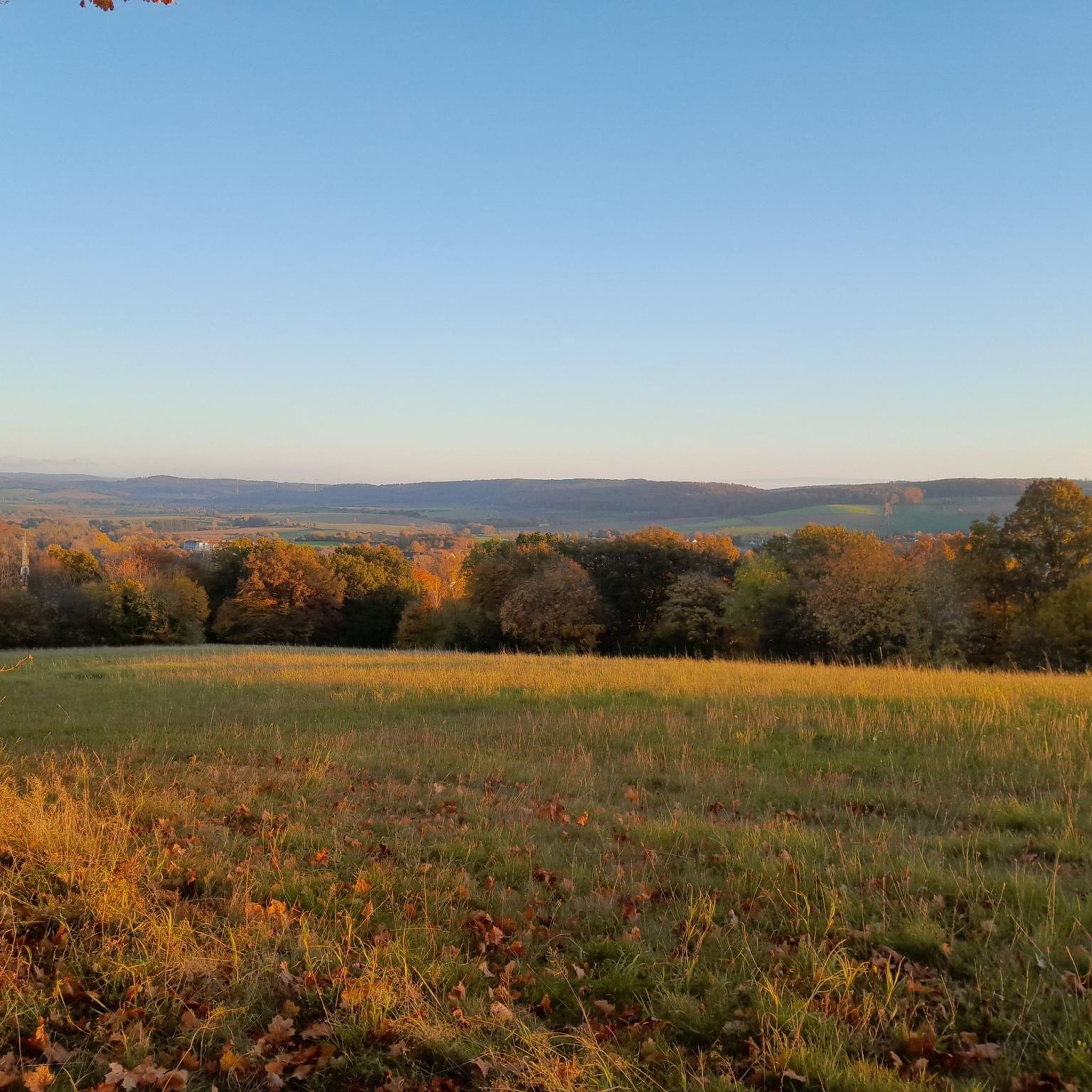
No traffic touring cycling routes around Rupt-En-Woëvre traverse the gentle relief of the Woëvre plain, an expansive area characterized by numerous ponds, verdant meadows, and extensive forests, which covered 67% of the land in 2018. The region features a contrast between agricultural lowlands and the more elevated, heavily wooded slopes of the Meuse hills. Abandoned railway lines have been converted into pleasant cycle paths, offering varied terrain for touring cyclists.
Best no traffic touring cycling routes around Rupt-En-Woëvre
- The most…
Last updated: July 6, 2026
4.3
(3)
16
riders
41.7km
04:00
690m
690m
Hard bike ride. Very good fitness required. You may need to push your bike for some segments of this route.
14
riders
50.3km
04:55
880m
880m
Hard bike ride. Very good fitness required. Mostly paved surfaces. Suitable for all skill levels.

Sign up for free
11
riders
73.3km
06:21
1,120m
1,120m
Hard bike ride. Very good fitness required. Mostly paved surfaces. Suitable for all skill levels.
10
riders
Moderate bike ride. Good fitness required. Mostly paved surfaces. Suitable for all skill levels.
15
riders
35.2km
03:15
500m
500m
Hard bike ride. Very good fitness required. Mostly paved surfaces. Suitable for all skill levels.
Get access to more routes and recommendations from other explorers.
Sign up for free
Already have an account?
Our route recommendations are based on thousands of hikes, rides, and runs completed by other people on komoot.
Start today with a free account
Your next adventure awaits.
Login or Signup
Popular around Rupt-En-Woëvre
Tips from the Community

A very beautiful and interesting monument.
2
0

At the heart of Les Éparges, you will find the Espace Maurice Genevoix, a memorial space dedicated to the writer-soldier who was seriously wounded here in 1915. His moving testimony Ceux de 14 gave a voice to the fallen of WWI. Right next to the building, a bronze bust of Genevoix, unveiled in 2015, underlines his enduring link with the place. Together, they form a powerful tribute to literature, memory and camaraderie.
5
0
This granite memorial is part of a series of 118 monuments erected in the 1920s by artist and veteran Paul Moreau-Vauthier. They mark the exact front line of 18 July 1918, the start of the Allied counter-attack during the Second Battle of the Marne. The Haudiomont memorial recalls the fierce fighting in this region and is a tangible milestone on the route of remembrance of WWI.
8
0
Beautiful view over Verdun and the Meuse valley. On the nearby main road it is wonderful to drive downhill, but uphill is only recommended to a limited extent due to the busy traffic.
7
0
Point X marks the eastern end of the Crête des Éparges, where fierce fighting took place between French and German troops in April 1915. It was captured by the 8th Infantry Regiment after heavy mine warfare and trench warfare. Today, a monument stands here in memory of the thousands of soldiers who fought and died here. The area is still marked by craters and trenches.
6
0
The Mémorial de Verdun, located near the ruined village of Fleury-devant-Douaumont, is a leading museum and commemoration site for the Battle of Verdun (1916). The museum displays more than 2,000 objects and uses authentic objects, photographs and audiovisual installations to show how French and German soldiers experienced this battle – in the exact same place where they fought.
8
3
The Lion of Souville Symbol of resistance at the gates of Verdun; This impressive monument, unveiled on 1 October 1922, stands on the site of the former Sainte-Fine chapel and commemorates the fallen of the 130th French Infantry Division. Designed by animal sculptor and veteran René Paris, the statue depicts a dying Bavarian lion – a powerful allegory for the defeat of the German troops and the heroic French defence during the Battle of Verdun. On 23 June 1916, the German attacks reached their peak at Fort de Souville, the last obstacle to the fall of Verdun. Thanks to the courage of a small French garrison led by Lieutenant Dupuy, the fort remained in French hands. The lion marks the extreme point of the German advance – the “last gate” to Verdun remained closed.
8
1
Monument in memory of André Maginot, a French politician who volunteered for the army in 1914. He was wounded near Verdun, but remained bravely at his post. After the war, as a minister, he committed himself to strengthening the French defense, which eventually led to the construction of the famous Maginot Line.
9
0
Frequently Asked Questions
How many no-traffic touring cycling routes are available around Rupt-En-Woëvre?
There are over 35 dedicated no-traffic touring cycling routes around Rupt-En-Woëvre, offering a wide range of options for cyclists looking for peaceful rides. These routes vary in difficulty, with 6 easy, 17 moderate, and 13 difficult options.
What kind of landscapes can I expect on these traffic-free routes?
The routes traverse the diverse landscapes of the Woëvre plain and the Meuse hills. You'll encounter vast, humid plains dotted with ponds like the notable Lachaussée pond, verdant meadows, and extensive forests. The Meuse hills offer more elevated, wooded slopes, providing a striking contrast and varied terrain.
Are there any long-distance cycling networks accessible from Rupt-En-Woëvre?
Yes, the region is well-connected to larger cycling networks. You can access sections of the 'Voie Bleue', which offers largely flat routes ideal for relaxed touring, and 'La Meuse à vélo' (EuroVelo 19), which provides options for more extensive tours, even extending into Belgium and the Netherlands.
Are there any circular no-traffic touring routes available?
Yes, many of the routes are designed as circular tours, allowing you to start and end at the same point. For example, the challenging Death Valley Path – Tunnel Battery loop from Aérodrome Le Rozelier offers a substantial circular ride through historical landscapes.
What historical sites or attractions can I see along the no-traffic routes?
The region is rich in history. You can explore sites like the Éparges ridge, a significant historical area where nature has reclaimed past conflict zones. Other points of interest include the Observation Path in the Nature Reserve, the tranquil Longeau Ponds, and the Memorial First World War, Les Èsparges the cemetery. Many routes pass through charming wine-growing villages in the Meuse hills.
What is the best time of year for touring cycling in Rupt-En-Woëvre?
The best time for touring cycling is generally from spring to autumn. During these seasons, the weather is milder, and the natural beauty of the Woëvre plain and Meuse hills is at its peak. The extensive forests provide pleasant shade during warmer months.
Are there any family-friendly no-traffic cycling options?
Yes, the 'Voie Bleue' sections are particularly suitable for families due to their largely flat terrain and dedicated car-free paths. The numerous greenways, often converted from abandoned railway lines, also offer safe and enjoyable rides for all ages.
Can I bring my dog on these touring cycling routes?
Many natural areas and greenways in the Meuse department are dog-friendly, especially if your dog is well-behaved and kept on a leash. However, specific rules may apply in nature reserves or on certain sections of larger networks like EuroVelo 19. It's always advisable to check local signage.
Where can I find parking for these traffic-free cycling routes?
Parking is often available in the villages that serve as starting points for these routes, such as Rupt-En-Woëvre or Dieue-sur-Meuse. Look for designated parking areas near trailheads or public spaces in these communes. For example, routes like the Sommedieu Estate – Domaine de Sommedieue loop typically start from accessible village locations.
What do other touring cyclists enjoy most about cycling in Rupt-En-Woëvre?
The area is highly rated by the komoot community, with an average score of 4.2 stars. Reviewers often praise the tranquility of the car-free paths, the diverse natural scenery ranging from wetlands to forests, and the historical points of interest that make each ride an enriching experience.
Are there options for more challenging no-traffic touring rides?
Absolutely. While the Woëvre plain is generally flat, the Meuse hills offer more challenging terrain with significant elevation changes. Routes like the Maurice Genevoix, Les Eparges loop from Les Éparges feature over 1000 meters of elevation gain, providing a demanding yet rewarding experience for advanced touring cyclists.
Most popular routes around Rupt-En-Woëvre
Most popular attractions around Rupt-En-Woëvre

Get inspired with the komoot mobile app


Explore more
Browse the best Cycling routes in other regions.
